
Hey, @NASAOcean!
Can you believe it’s already been about two months since SWOT launched? We can’t wait for it to help us get to know you better. 💙
#NASAEarth
#NASA
NASA’s Satellites Help with Turkey, Syria Earthquake Response
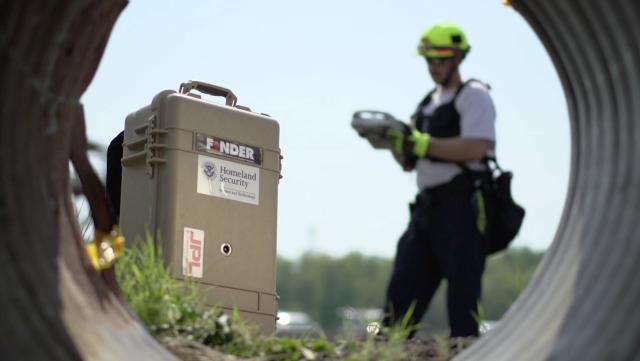
Following the magnitude 7.8 and 7.5 earthquakes that struck southern Turkey and western Syria Feb. 6, NASA is working to share its aerial views and data from space in ways that can aid relief and recovery workers in the region, as well as improve its…Cheryl Warner (NASA)
You look great, btw💖
#NASAExoplanets
#ISS
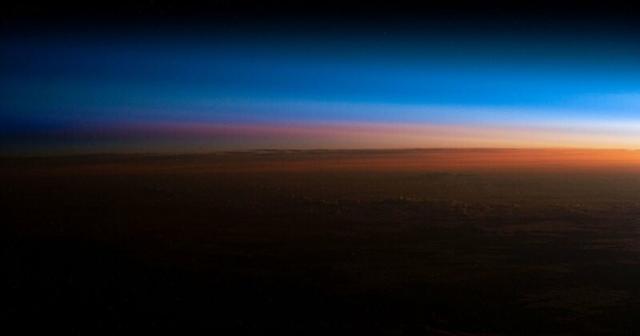
Crew Works Bio-Printer, Ultra-High Res Camera and Cargo Ops
The Expedition 68 crew members serviced a variety of advanced space hardware today and conducted cargo operations inside a trio of docked space freighters.blogs.nasa.gov
#NASAExoplanets
#NASAMars
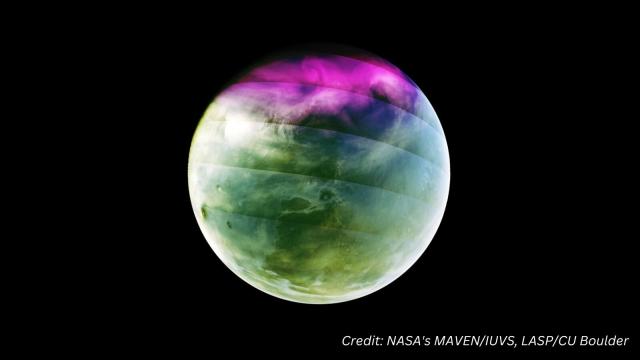
A love letter to MAVEN for Valentine's Day - MAVEN
To Our Dearest MAVEN, How can we even begin to put in words how much we adore you? You’re always the romantic, carrying a ROSE (Radio Occultation Science Experiment) wherever you go.wire1631 (MAVEN)
The full set, in one view! Check out my new panorama, featuring all 🔟 of the sample tubes I recently set down as a backup for #MarsSampleReturn.
Trouble spotting them all? Improve your odds with this interactive viewer, and zoom in on the full image: go.nasa.gov/3K4kjtJ
#PerseveranceRover
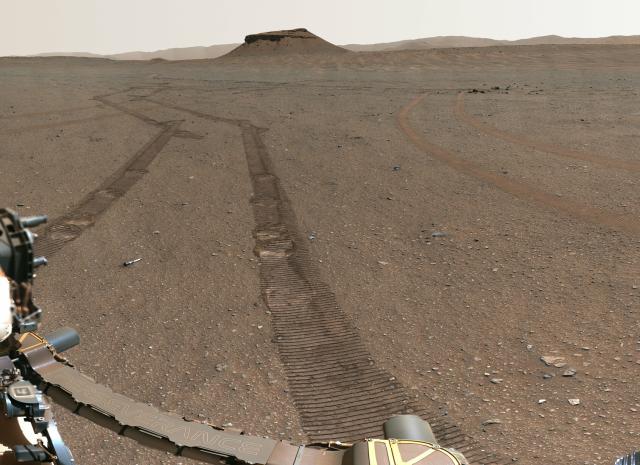
NASA's Perseverance Rover Shows Off Collection of Mars Samples
The Red Planet rover snapped a portrait of the sample depot it has assembled with 10 backup sample tubes that could be returned to Earth by a future mission.NASA Mars Exploration
#NASA
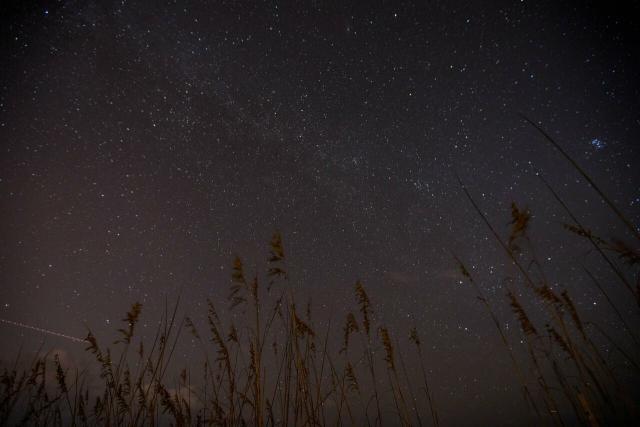
Are we alone in the universe? You’re not alone if you want to find out! | Science Mission Directorate
Help search for radio signals from extraterrestrial civilizations! (Credit: UCLA SETI and Yuri Beletsky) This Valentine's Day, fall in love with science! Join the new NASA project called “Are we alone in the universe?” and help scientists find signs …go.nasa.gov
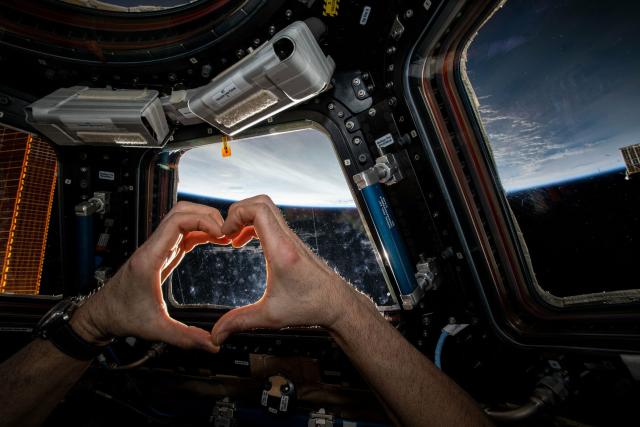


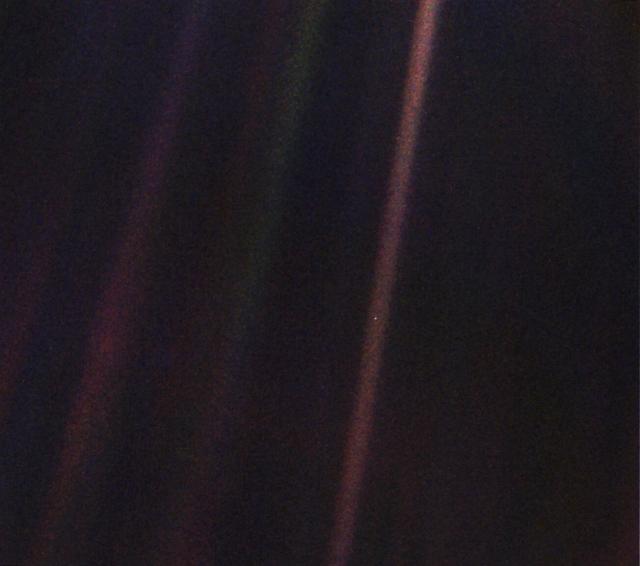
That’s home. That’s us. 🌎
This image dubbed the “pale blue dot” was taken by @NASAVoyager today in 1990. As the spacecraft sped toward interstellar space, it captured Earth from 3.7 billion miles (6 billion km) away. Find out 10 fast facts: go.nasa.gov/3E7eW9m
#NASA
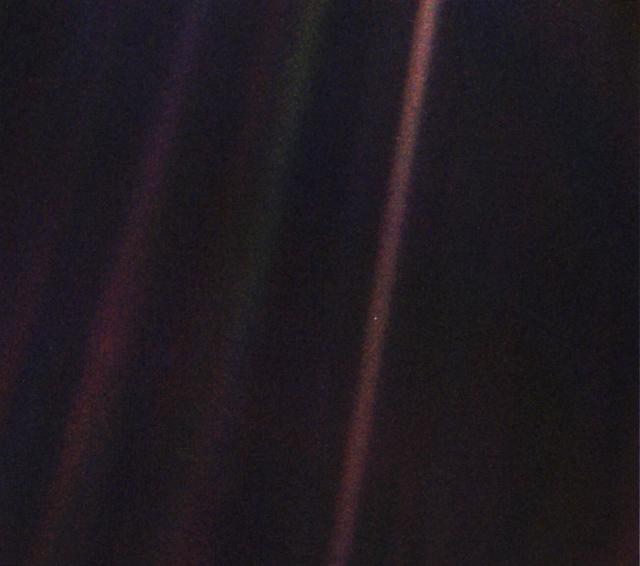
10 Things You Might Not Know About Voyager's Famous 'Pale Blue Dot' Photo
The Voyager imaging team asked for the photo to show Earth’s vulnerability — to illustrate how small, fragile and irreplaceable it is on a cosmic scale.NASA Solar System Exploration
5,300 light-years away, two stars are locked in a fiery dance. They come together every 8 years with such force that stellar material is blown away. Each meeting forms a new ring. @NASAWebb captured a century+ of this dance. go.nasa.gov/3RYZlwG
#NASAExoplanets
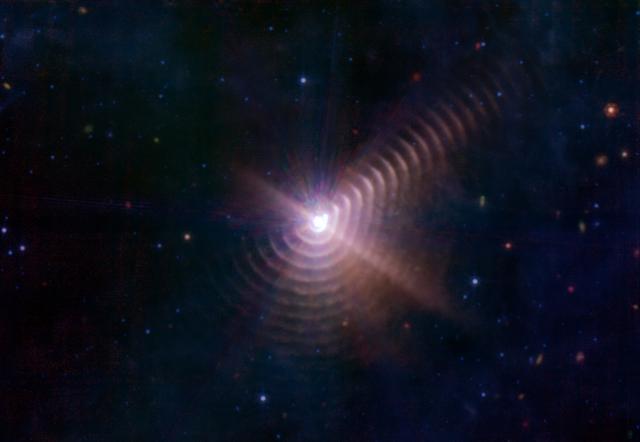
Star Duo Forms ‘Fingerprint’ in Space, NASA’s Webb Finds
A new image shows at least 17 dust rings created by a rare type of star and its companion locked in a celestial dance.Tony Greicius (NASA)
#NASAExoplanets
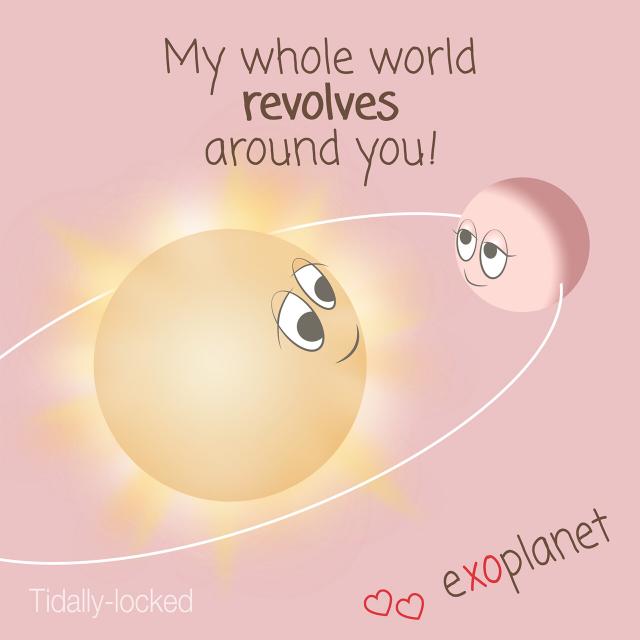
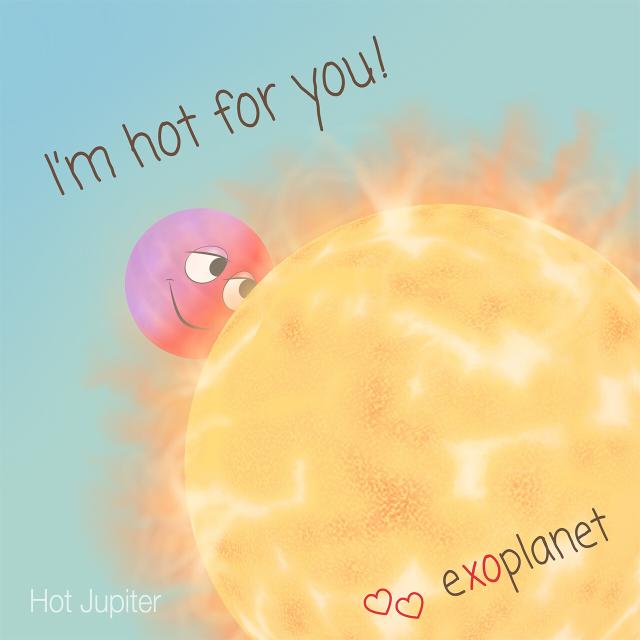
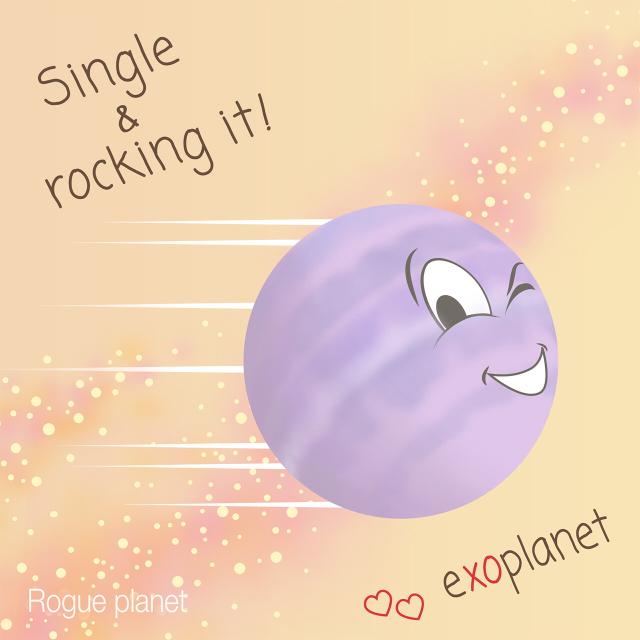
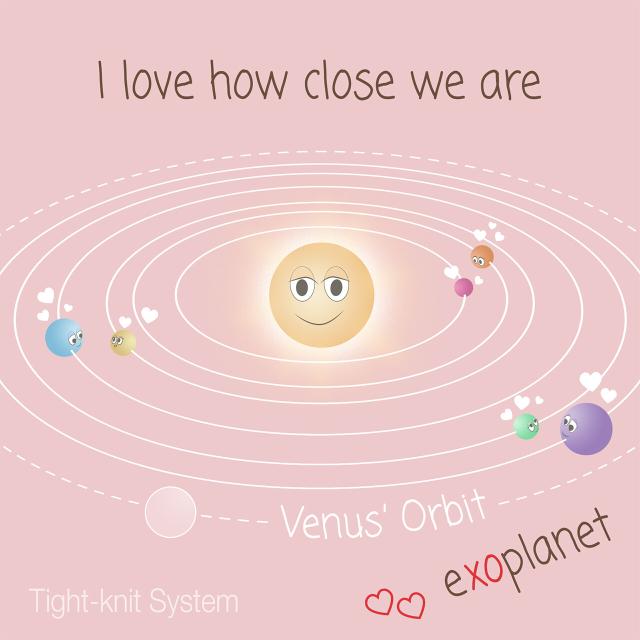
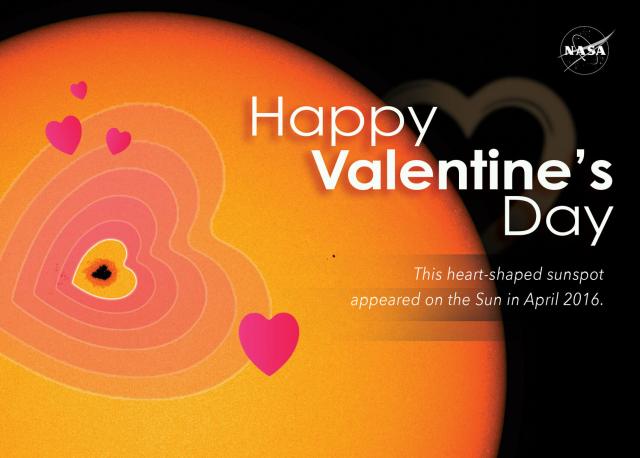
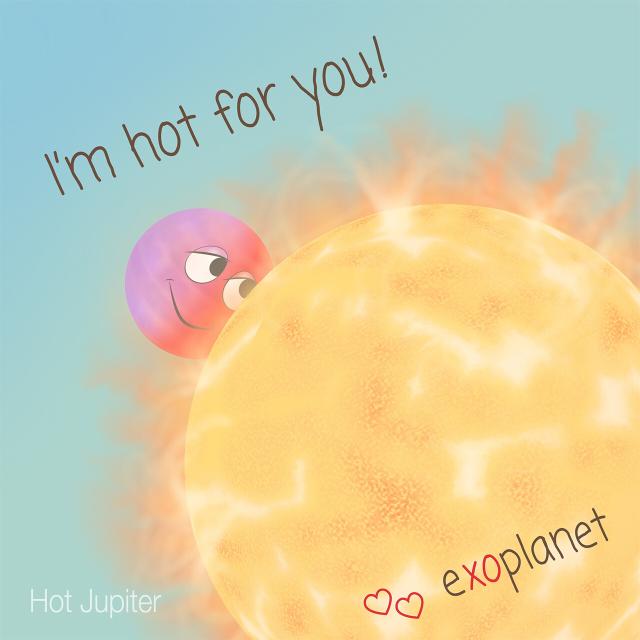
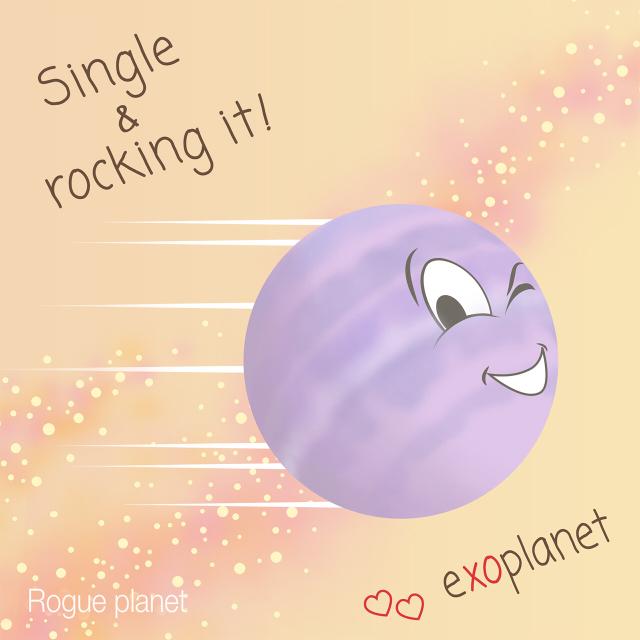
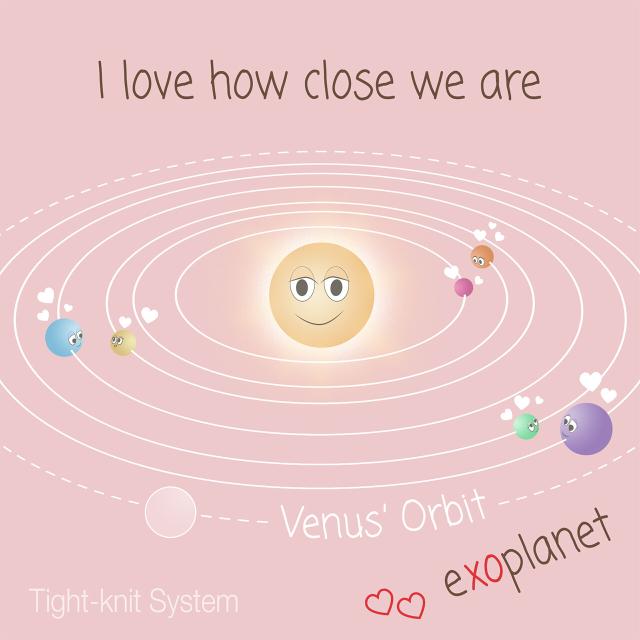
Happy Valentine's Day
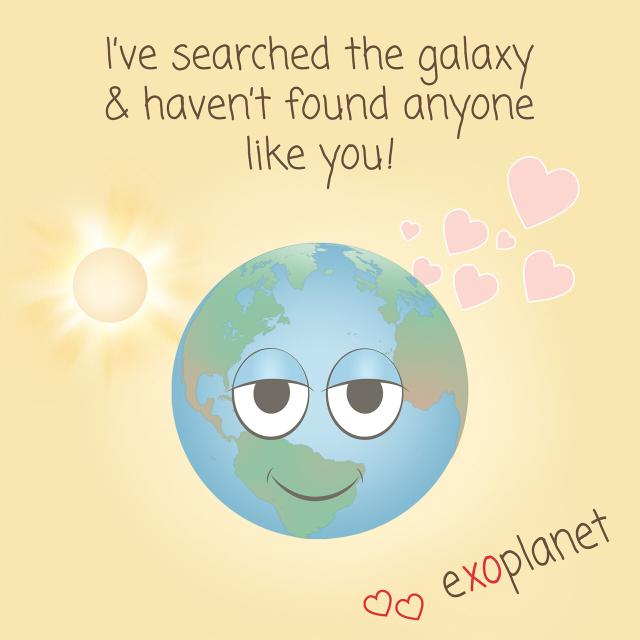
Send your love from outer space! Share or download six out-of-this-world valentines to send to your space-ial someone.Exoplanet Exploration: Planets Beyond our Solar System
Grateful for all of you this Valentine’s Day. We think you’re out of this world.
Happy Valentine’s Day from NASA’s Planetary Science Division!
solarsystem.nasa.gov/resources…
#NASASolarSystem
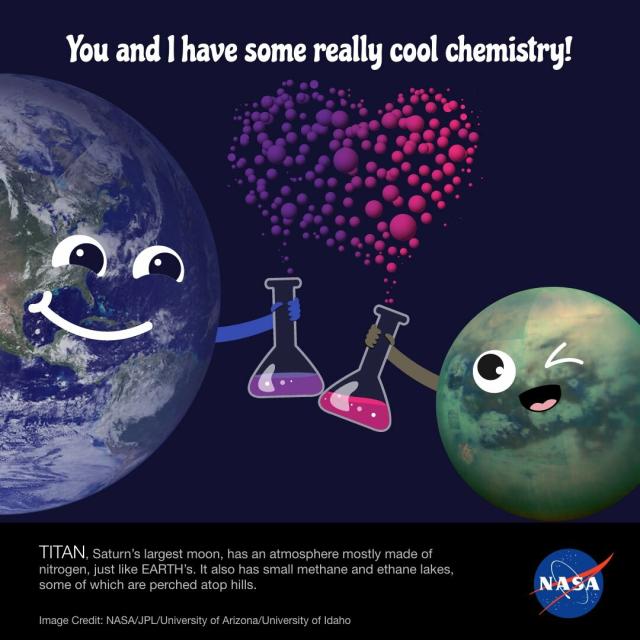
Space Valentines: From NASA With Love | NASA Solar System Exploration
Shareable space-themed Valentines collected from around our solar system.NASA Solar System Exploration
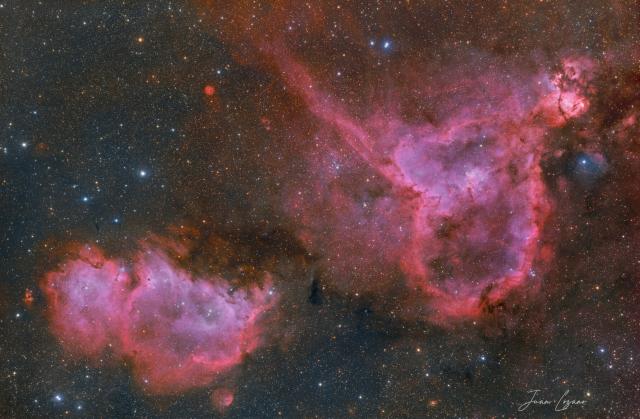
APOD: 2023 February 14 – The Heart and Soul Nebulas
A different astronomy and space science related image is featured each day, along with a brief explanation.apod.nasa.gov
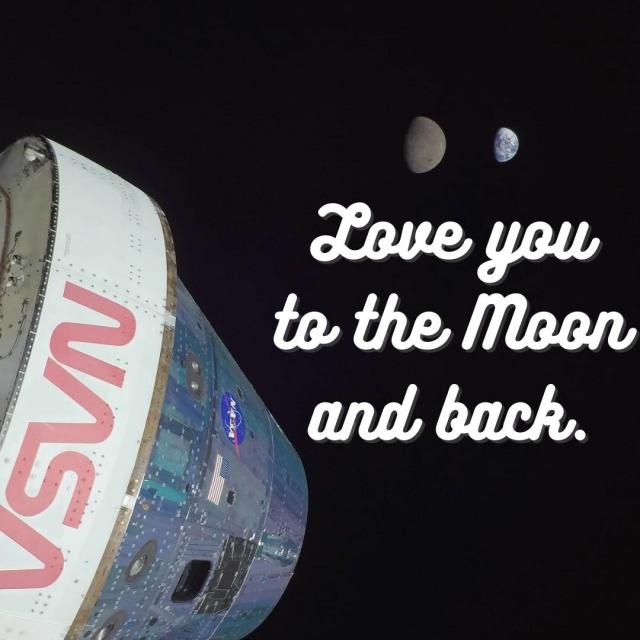
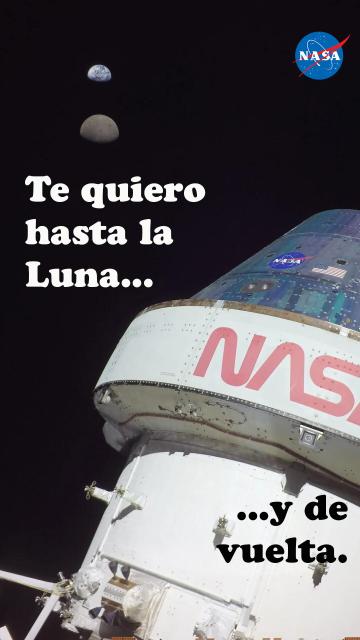
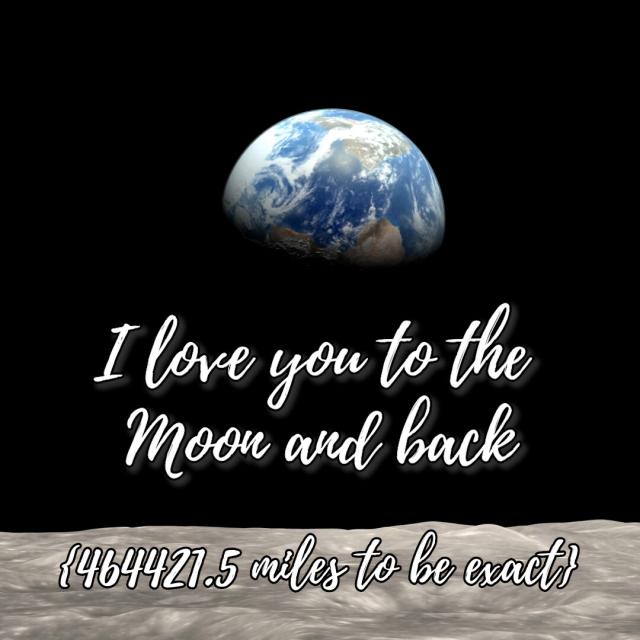
Love you to the Moon and back!
On Valentine's Day 2023, 19:00 GMT, this is 464421.5 miles
The Moon is roughly 30 times the diameter of Earth away, but because its orbit isn't perfectly circular, its distance varies from about 28-32 Earth diameters throughout a month.
#NASAMoon
Happy #ValentinesDay from Venus – the planet named for the goddess of love! 💖
Hubble captured this image in ultraviolet light back in 1995. Venus is the hottest planet in our solar system, with surface temperatures at about 900 degrees Fahrenheit! More: go.nasa.gov/3E7r36j
#Hubble
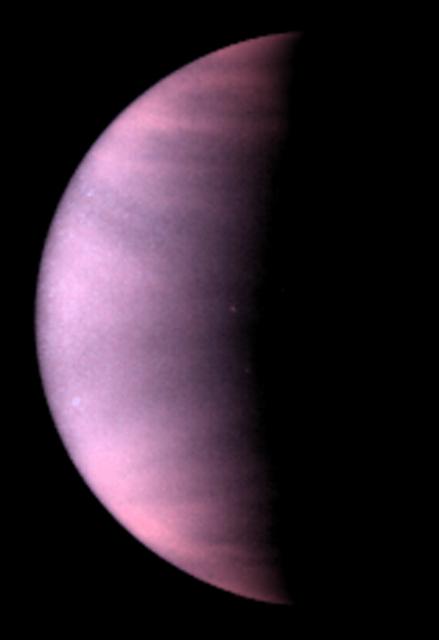
Venus Cloud Tops Viewed by Hubble | NASA Solar System Exploration
Hubble Space Telescope ultraviolet-light image of Venus.NASA Solar System Exploration
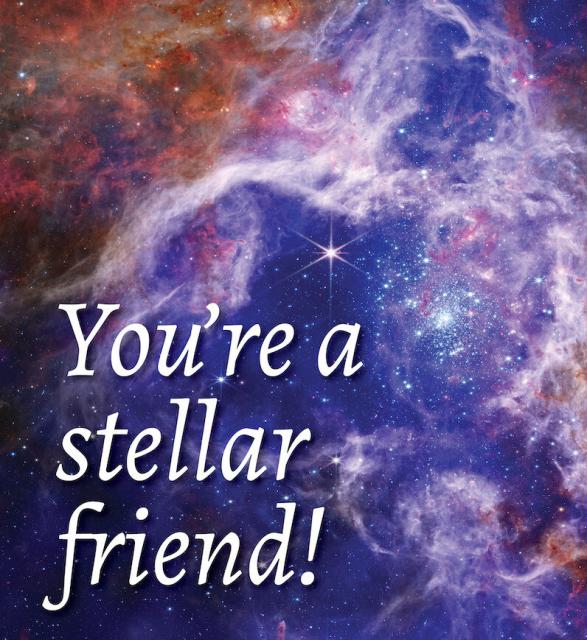
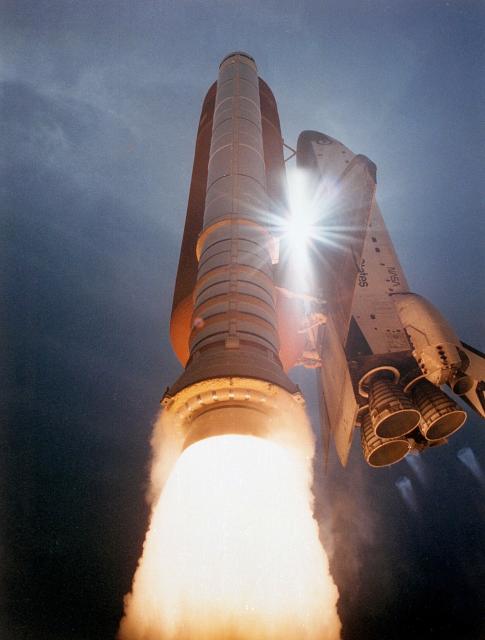
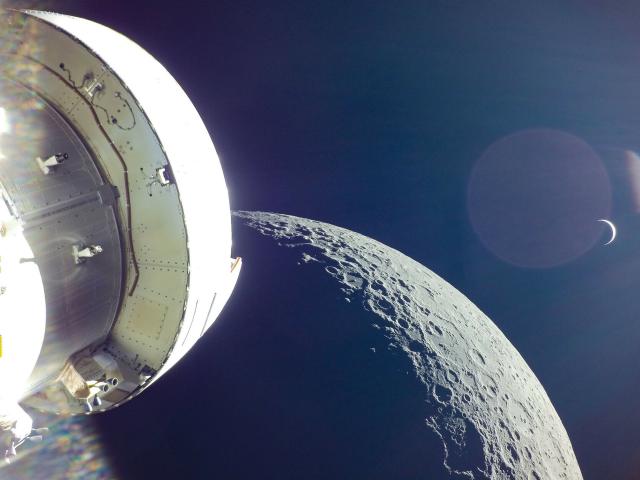
Happy #Valentines Day on behalf of #Artemis.
We would love to keep you in our orbit. There is no love crater than ours.
#NASAArtemis #Artemis
The Heart and Soul Nebulas
Image Credit & Copyright: Juan Lozano de Haro
apod.nasa.gov/apod/ap230214.ht… #APOD


APOD: 2023 February 14 – The Heart and Soul Nebulas
A different astronomy and space science related image is featured each day, along with a brief explanation.apod.nasa.gov
#NASAExoplanets
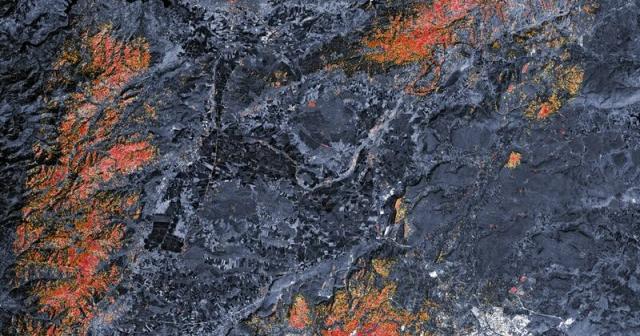
NASA’s Satellites Help with Turkey, Syria Earthquake Response
Following the magnitude 7.8 and 7.5 earthquakes that struck southern Turkey and western Syria Feb. 6, NASA is working to share its aerial views and data from space in ways that can aid relief and recovery workers in the region, as well as improve its…Cheryl Warner (NASA)
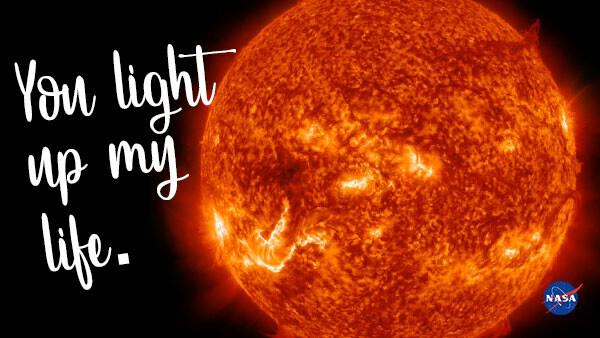
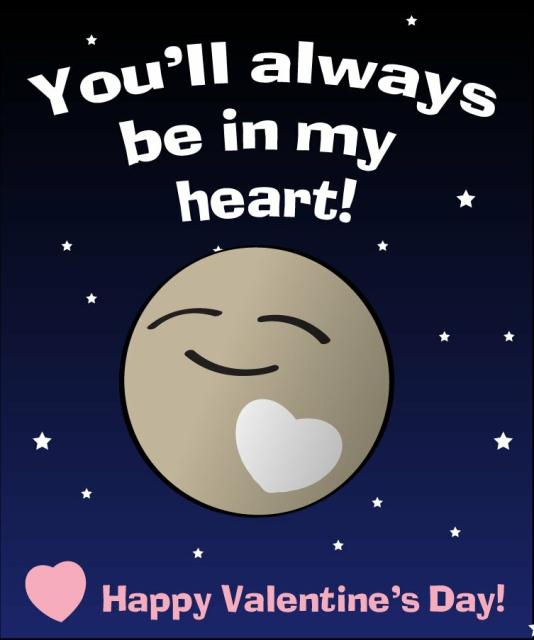
Pluto is really leaning into #GalentinesDay this year.
For planetary poetry to share with the important people in your life, check out:
go.nasa.gov/3RXTQjn
#NASASolarSystem
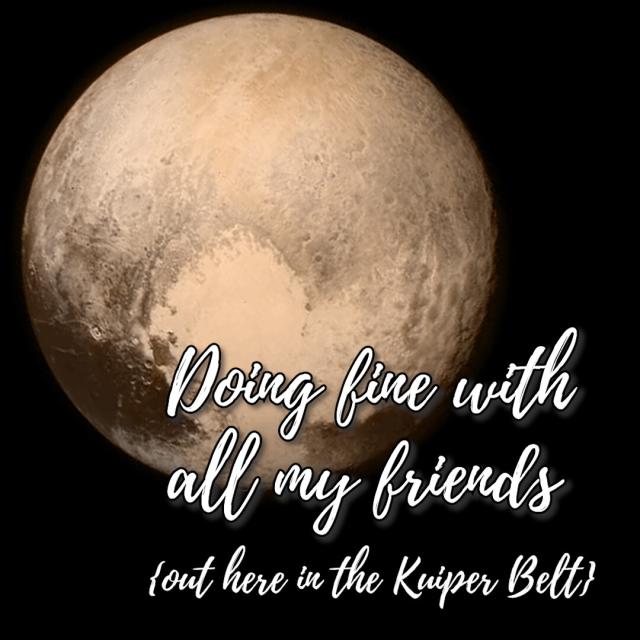
GMS: NASA Valentines
Download our collection of valentines, featuring science visualizations and imagery from NASA missions.go.nasa.govWant more NASA valentines? Visit https://mars.nasa.
Our Curious Universe podcast is back! Listen or read along every Tuesday starting Feb. 21. Asteroid cataloging, rocket launches, and new spacesuits are but a taste of what this season has to offer.
Check out the first four seasons at nasa.gov/curiousuniverse
#NASA
NASA's Curious Universe
NASA.gov brings you the latest images, videos and news from America's space agency. Get the latest updates on NASA missions, watch NASA TV live, and learn about our quest to reveal the unknown and benefit all humankind.NASA
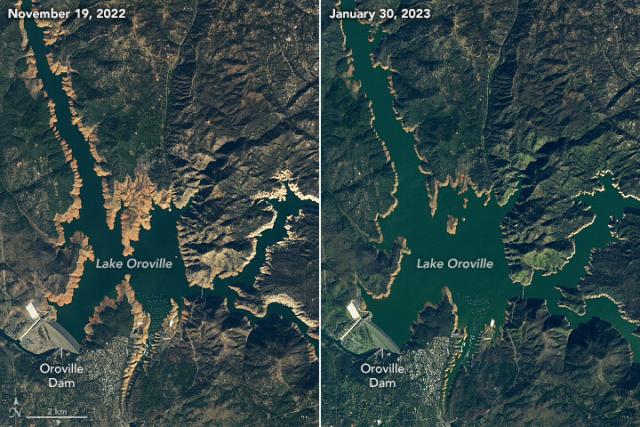
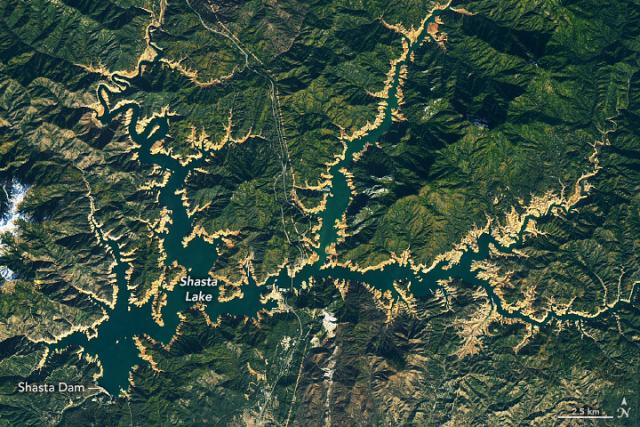
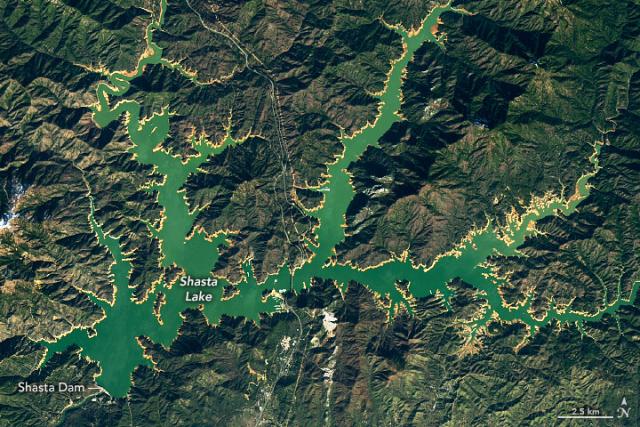
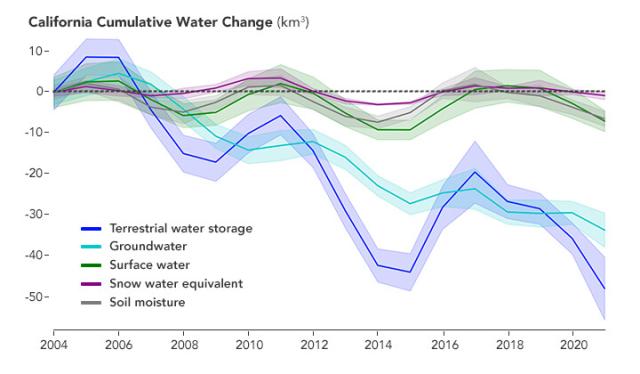
A series of storms brought lots of precipitation to California, helping replenish snowpack and reservoirs.
But was it enough to reverse a decades-long decline in groundwater? It’s unlikely, according to @nasagoddard research.
Full story: go.nasa.gov/3lo9nwK 🌧️ 💧
#NASAEarth
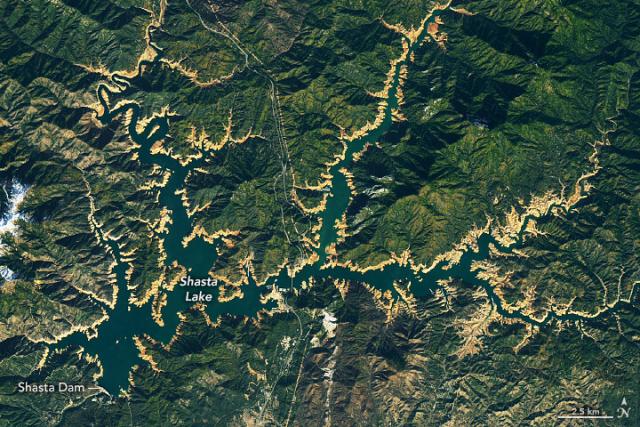
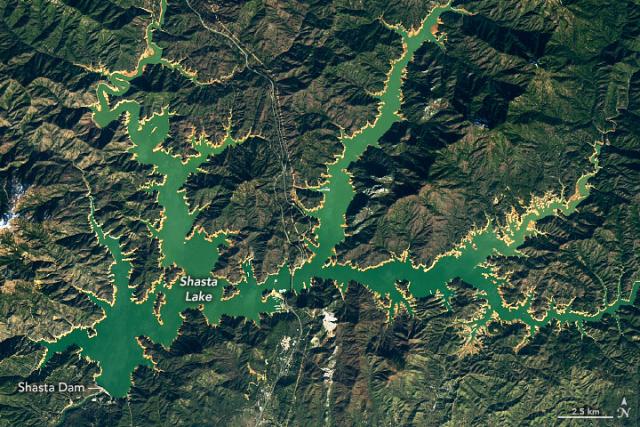
Reservoirs Rise, but Groundwater Woes Remain
The water delivered by winter storms in 2022-2023 is likely insufficient to reverse the longer-term depletion of California’s groundwater.go.nasa.gov
This chart shows an overall downward trend in terrestrial water storage (dark blue).
The other lines show why this is happening – groundwater (light blue) is sharply decreasing. Data are from @nasa’s GRACE and GRACE-FO satellites.
Full story: go.nasa.gov/3lo9nwK
#NASAEarth
Reservoirs Rise, but Groundwater Woes Remain
The water delivered by winter storms in 2022-2023 is likely insufficient to reverse the longer-term depletion of California’s groundwater.go.nasa.gov
The Hubble Traveling Exhibit is now open at the INFINITY Science Center in Pearlington, Mississippi – marking the exhibit's 41st stop!
Featuring cosmic images and astronaut tools, the exhibit immerses visitors in the magnificence of the Hubble mission: go.nasa.gov/3jW1GgU
#Hubble
At the Museum - About the Hubble Traveling Exhibit
NASA.gov brings you the latest images, videos and news from America's space agency. Get the latest updates on NASA missions, watch NASA TV live, and learn about our quest to reveal the unknown and benefit all humankind.NASA
How did you guys miss Colorado! I would so attend the exhibit if you brought to Colorado! And I'd bring friends...
This would be great as an immersive experience like those arts ones, btw.
#MondayMotivation: Alone or together, we see your glow!💖 go.nasa.gov/2kivGRZ
#NASAExoplanets
The Pillars of Creation
These towering tendrils of cosmic dust and gas sit at the heart of M16, or the Eagle Nebula.NASA
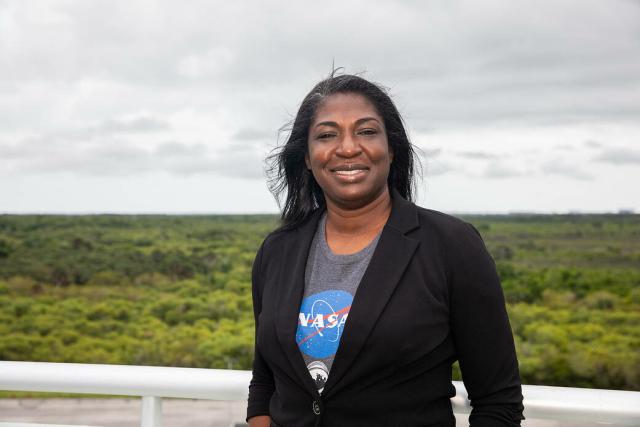
“Through my job communicating and doing outreach, I’m making people aware of how we all can contribute to a more sustainable environment, and helping future generations meet their needs.”
Celebrate #BHM: go.nasa.gov/3E09chG
#NASAEarth
#NASAMoon
NASA's Curious Universe
NASA.gov brings you the latest images, videos and news from America's space agency. Get the latest updates on NASA missions, watch NASA TV live, and learn about our quest to reveal the unknown and benefit all humankind.NASA
#ISS

NASA, Partners Clear Axiom’s Second Private Astronaut Mission Crew
NASA and its international partners have approved the crew for Axiom Space’s second private astronaut mission to the International Space Station, Axiom Mission 2 (Ax-2).Roxana Bardan (NASA)
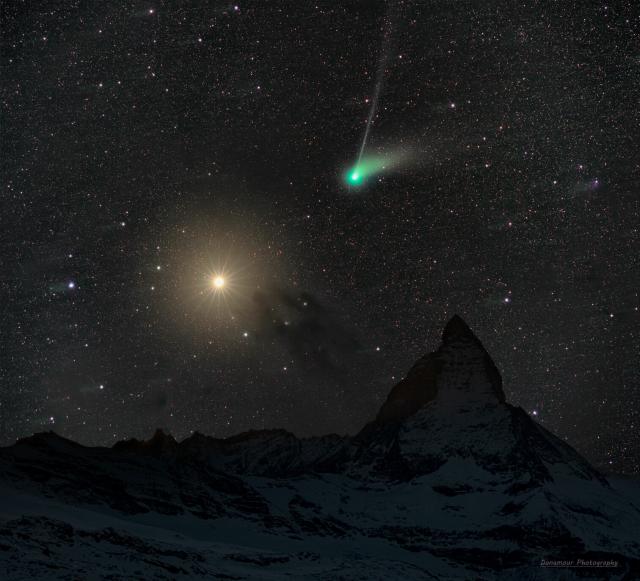
APOD: 2023 February 13 – Comet ZTF and Mars
A different astronomy and space science related image is featured each day, along with a brief explanation.apod.nasa.gov
Grab your headphones! 🎧 NASA's Curious Universe podcast is back.
From wildfires here on Earth to Venus’ scorching surface, tune in for a new season of adventures starting Tuesday, Feb. 21. All you need is your curiosity. nasa.gov/curiousuniverse
#NASAEarth
NASA's Curious Universe
NASA.gov brings you the latest images, videos and news from America's space agency. Get the latest updates on NASA missions, watch NASA TV live, and learn about our quest to reveal the unknown and benefit all humankind.NASA
kolya
in reply to NASA • • •Dustin J. Sparks
in reply to NASA • • •Source: Wikipedia:
"... From this distant vantage point, the Earth might not seem of any particular interest. But for us, it's different. Consider again that dot. That's here. That's home. That's us. On it everyone you love, everyone you know, everyone you ever heard of, every human being who ever was, lived out their lives ... on a mote of dust suspended in a sunbeam."
— Carl Saga