
In Antarctica, a long-watched rift in the Brunt Ice Shelf produced an iceberg about twice the size of New York: Iceberg-A81. 🧊
The iceberg, with an area of 1550 square kilometers (about 600 square miles), was captured by @nasa’s Terra satellite.
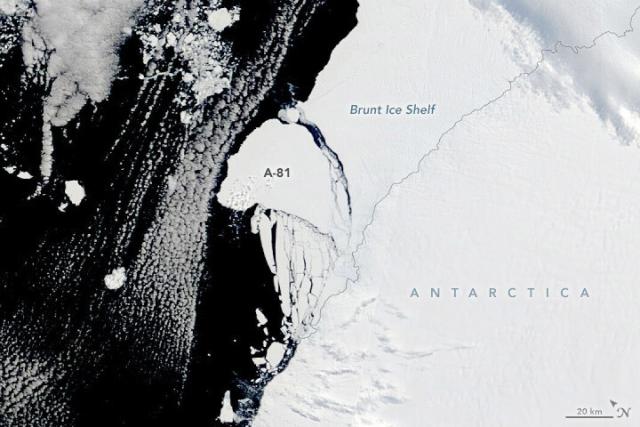
Antarctica’s Brunt Ice Shelf Finally Breaks
A long-watched rift has spawned an iceberg about twice the size of New York City.go.nasa.gov
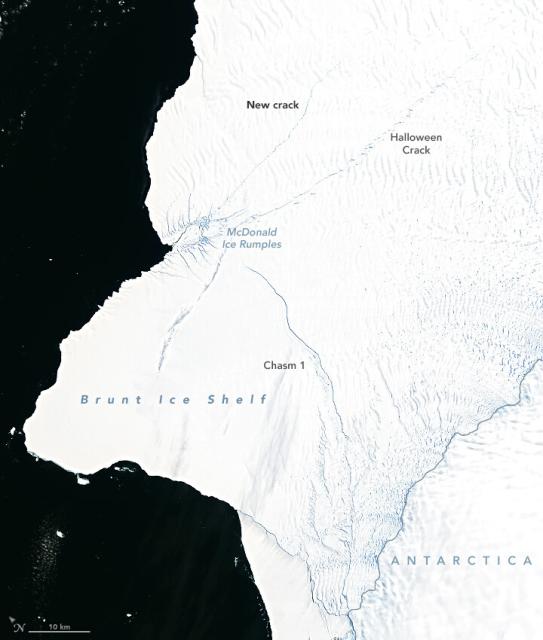
#ICYMI: In February 2021, the Brunt Ice Shelf calved A-74, an iceberg that spanned about 1270 square kilometers (490 square miles), or about twice the size of Chicago.
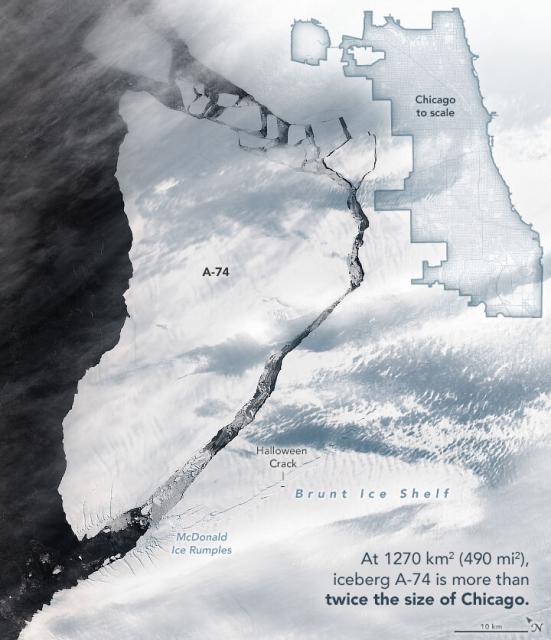
Antarctica’s Brunt Ice Shelf Finally Breaks
A long-watched rift has spawned an iceberg about twice the size of New York City.go.nasa.gov
#NASAExoplanets
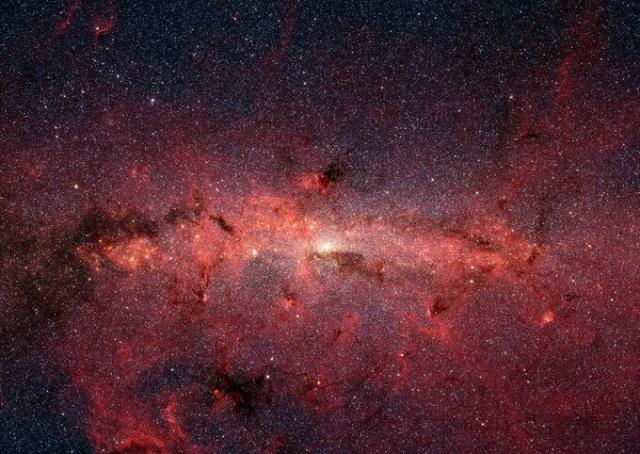
NASA Day of Remembrance
Day of Remembrance: Remembering NASA's Heroes, #NASARemembers Each January NASA pauses to honor members of the NASA family who lost their lives while furthering the cause of exploration and discovery, including the crews of Apollo 1 and space shuttle…NASA
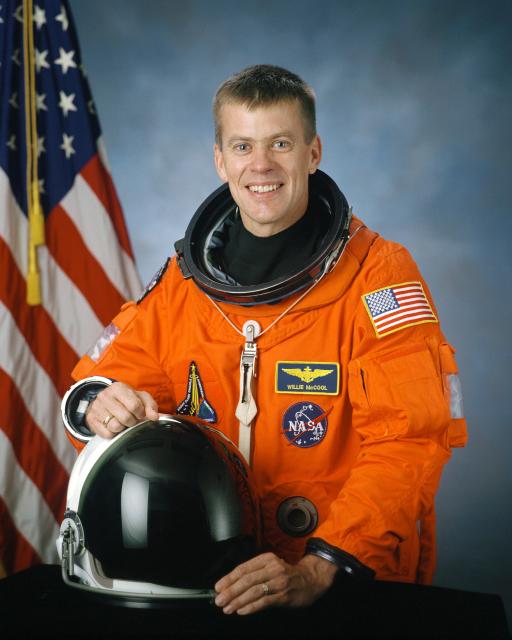
#ISS
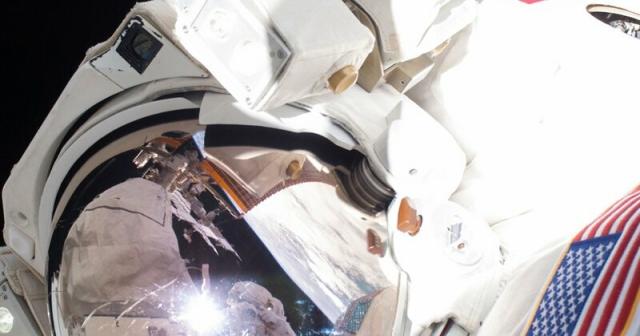
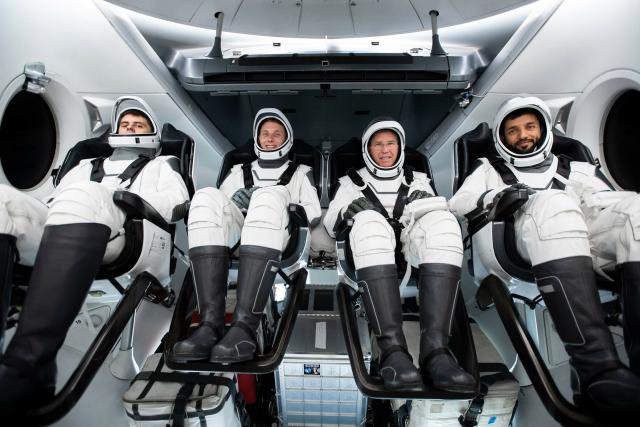
⤵️ We'll be chatting live with Christine tomorrow at 12 p.m. PT / 3 p.m. ET on Instagram: instagram.com/nasaearth
[Video embedded in original tweet]
#NASAEarth
#NASAMars
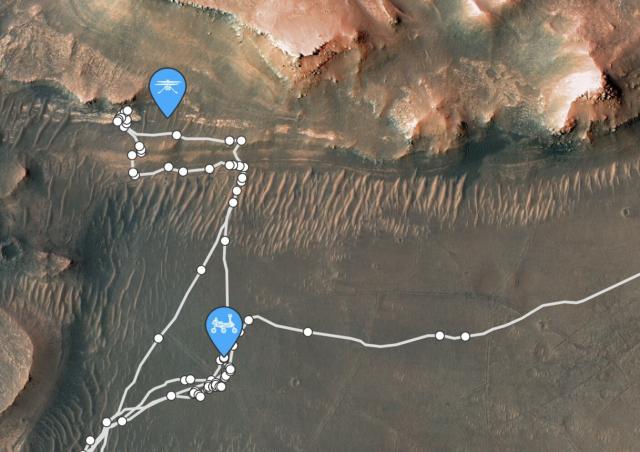
Mars 2020 Perseverance Rover - NASA
NASA's Mars 2020 Perseverance rover will look for signs of past microbial life, cache rock and soil samples, and prepare for future human exploration.mars.nasa.gov
#ISS
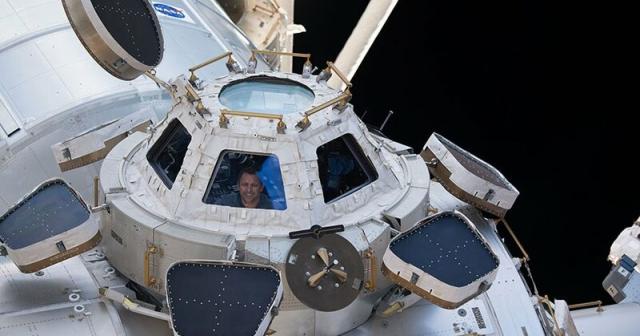
Crew Studies Bone Growth, Space Physics and Works Eye Exams
Four Expedition 68 astronauts are midway through their bone research activities this week helping doctors improve treatment for bone conditions on and off the Earth.blogs.nasa.gov
If you’ve been following along, you know I’ve been busy in the last few weeks, setting down some very special items for possible return to Earth via #MarsSampleReturn.
How many lightsab…I mean sample tubes can you spot in my latest selfie?🔍
Full image: go.nasa.gov/3j5YcIw
#PerseveranceRover
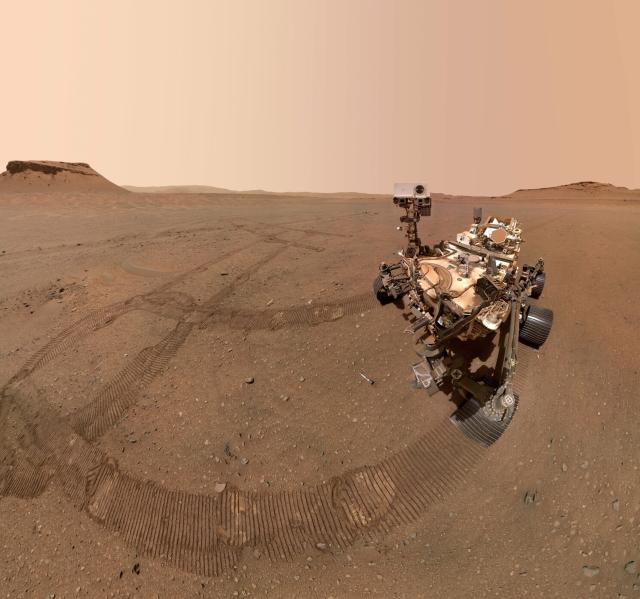
Perseverance's Three Forks Sample Depot Selfie – NASA Mars Exploration
NASA’s Perseverance took a selfie looking down at one of 10 tubes the rover deposited at the sample depot it created in an area within Jezero Crater nicknamed “Three Forks.” This image was taken by the WATSON camera on the rover’s robotic arm on Jan.NASA Mars Exploration
I don't understand why these are dropped randomly in separate locations instead of keeping them in one bunch.
Now the return mission will have to visit many locations to retrieve them all.
What Is the reasoning behind this?
Just 16 light-years from us, two Earth-sized planets are hugging their star in its habitable zone (the distance at which liquid water *could* exist on the surface). And their once-fiery star may have mellowed as a host.
go.nasa.gov/3XAJ2tL
#NASAExoplanets
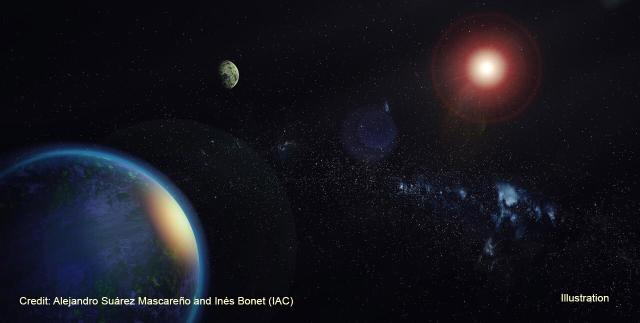
Discovery Alert: Two 'Nearby' Worlds Might be Habitable
Two newly discovered planets, about as massive as Earth, orbit within the habitable zone around their star – in a system only 16 light-years away.Exoplanet Exploration: Planets Beyond our Solar System
fastest we’ve managed so far is 330,000mph…so only 32,500 years to get there then!
Space is just too danged big.
🤳 How is that possible? An explanation: youtu.be/aKNjQhIAUp0
#PerseveranceRover
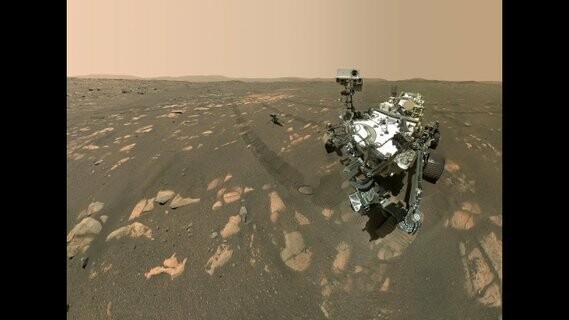
How NASA’s Perseverance Rover Takes a Selfie
NASA’s Perseverance rover captured a historic group selfie with the Ingenuity Mars Helicopter on April 6, 2021. But how was the selfie taken? Vandi Verma, Pe...YouTube
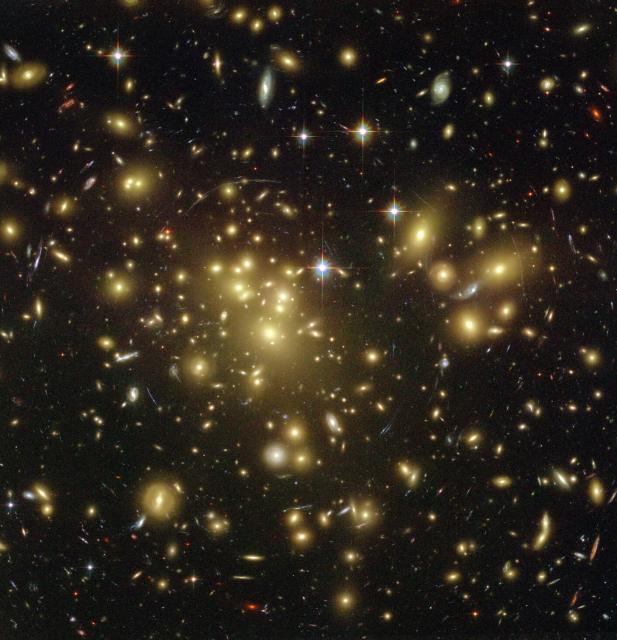
Galaxies galore!
This #HubbleClassic image shows Abell 1689, which is one of the most massive clusters of galaxies known to exist.
Abell 1689 is made up of so much matter that it warps light traveling to us from objects located behind the galaxy cluster: go.nasa.gov/3j1NTFe
#Hubble
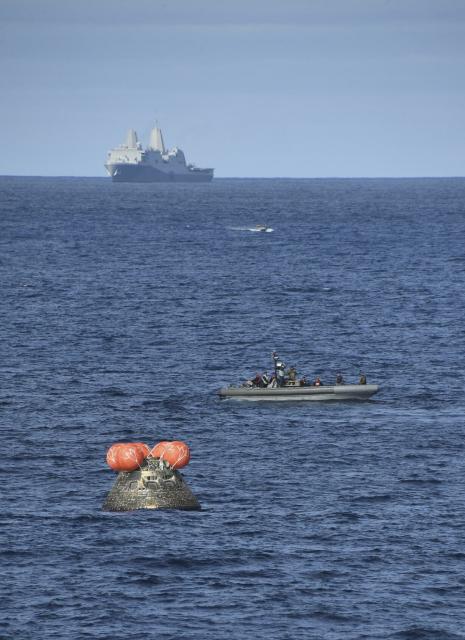
In 2022, NASA-developed Search and Rescue technologies assisted with the rescue of 397 lives in the U.S. region.
Newly-developed Search and Rescue technology also helped teams track @NASA_Orion after the #Artemis I spacecraft splashed down: go.nasa.gov/3JdVR94
#NASAArtemis #Artemis
NASA Search and Rescue: Saving Earth-based Explorers
In 2022, NASA-developed Search and Rescue technologies enabled rescue personnel to save 397 lives in the U.S. region.Katherine Schauer (NASA)
Cheers erupted on Jan. 24, 2004 (Jan. 25 GMT) as the Opportunity rover successfully landed on Mars. Designed for a 90-day mission, little did we know that it was the beginning of a 14+ year expedition across 28 miles (45 km).
Learn about Oppy's findings: go.nasa.gov/3HsZs1B
#NASAhistory


Mars Exploration Rovers - NASA
Mars Exploration Rovers Spirit and Opportunity exploring the planet mars - facts, information, videos and picturesgo.nasa.gov
After several weeks of heavy rainfall in northeastern Australia, the floodwater has moved south.
The surge of water is visible in this false-color satellite image from January 22 (right) as compared to before the flooding (left).
Full story: go.nasa.gov/3XPcKe0 🌧
#NASAEarth
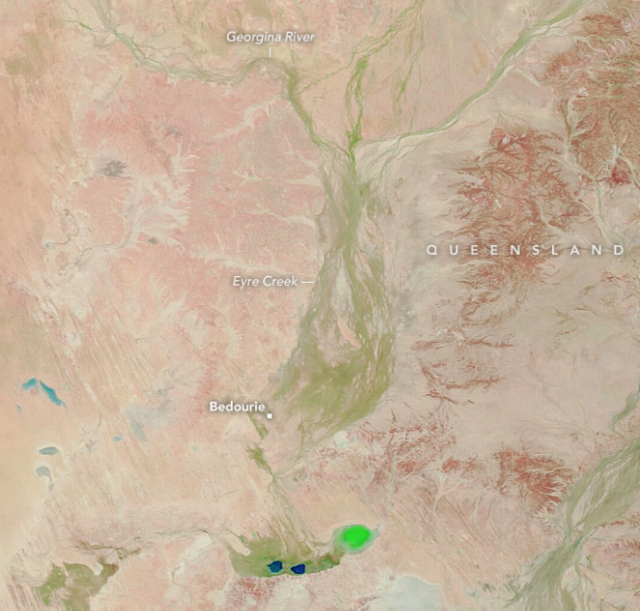
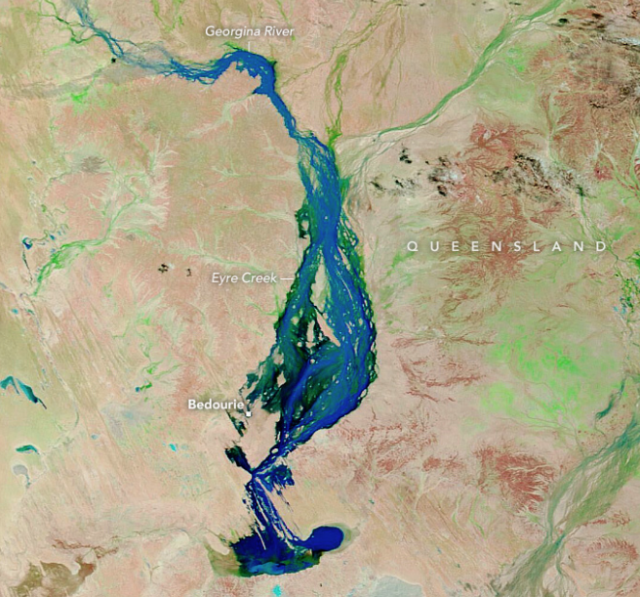
Floodwater Reaches Australia’s Channel Country
After several weeks of heavy rainfall in northern Queensland, the water has worked its way south.go.nasa.gov
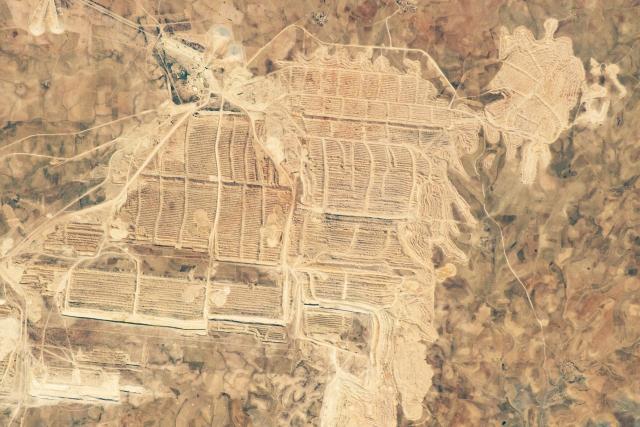
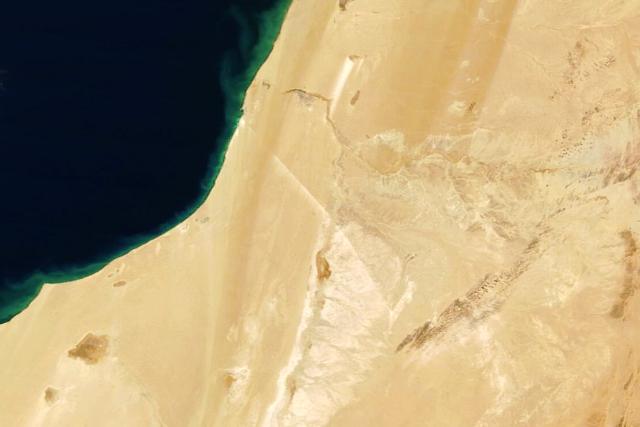
White dust from chalky phosphate rock can be seen blowing from the belt structure in the image from @nasa’s Terra satellite. The white dust helps the belt stand out from the brown desert landscape.
More info: go.nasa.gov/3XBQHrD
#NASAEarth
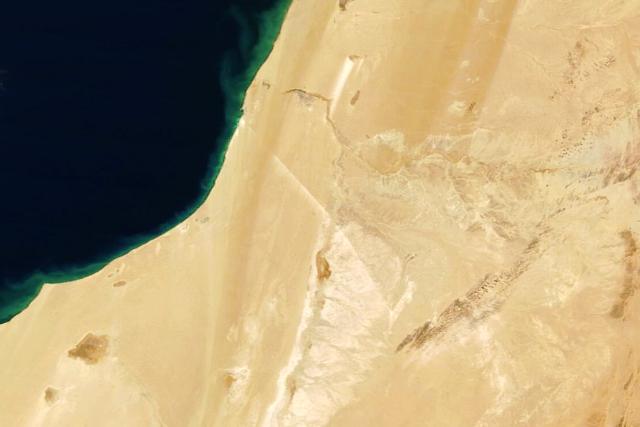
World’s Longest Conveyor Belt System
The conveyor belt helps transport an essential agricultural fertilizer from the remote reaches of Western Sahara to farmlands across the world.go.nasa.gov
The line in the sand is the world’s longest conveyor belt system, stretching 61 miles across the Sahara Desert! 🤯
The conveyor belt transports phosphate rock from the Bou Craa mine to the coastal town of El Marsa. go.nasa.gov/3XBQHrD
#NASAEarth
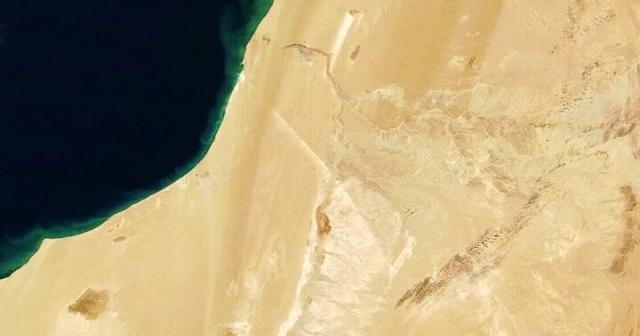
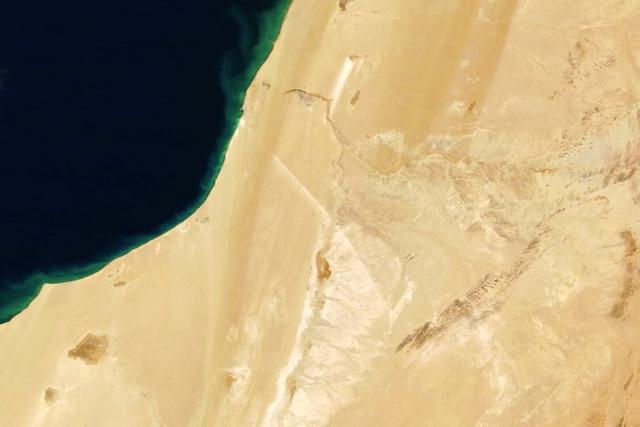
World’s Longest Conveyor Belt System
The conveyor belt helps transport an essential agricultural fertilizer from the remote reaches of Western Sahara to farmlands across the world.go.nasa.gov
#NASAhqphoto

20230124 NASA Day of Remembrance Employee Safety Town Hall
Explore this photo album by NASA HQ PHOTO on Flickr!NASA HQ PHOTO (Flickr)
In 2022, NASA-developed Search and Rescue technologies assisted with the rescue of 397 lives in the U.S. region.
If you use a personal-locator beacon while hiking, the same tech that will help us locate astronauts on splashdown is there for you, too. go.nasa.gov/3JeCuwu
#NASA

NASA Search and Rescue: Saving Earth-based Explorers
In 2022, NASA-developed Search and Rescue technologies enabled rescue personnel to save 397 lives in the U.S. region.Katherine Schauer (NASA)
See that line in the sand? What do you think it is? 🤔
We’ll give you a hint to keep in “mine” – this satellite image shows the western edge of the Sahara Desert.
#NASAEarth
#NASAhqphoto



20230124 NASA and DARPA Collaboration on Rocket Propulsion Technology Announcement
Explore this photo album by NASA HQ PHOTO on Flickr!NASA HQ PHOTO (Flickr)
It wasn't just astronauts, engineers, scientists, and pilots who contributed to NASA's history
This one goes out to the #librarians who aided in aerospace research! @ALALibrary
More about the 80-year role of the @NASAglenn library: go.nasa.gov/3J6WkK6
#NASAhistory

NASA Glenn Library has Supported Researchers for 80 Years
From World War II through the Space Age, the NASA Glenn Library has been connecting researchers to vital information for 80 years.Kelly Sands (NASA)
#NASAhqphoto



20230124 NASA and DARPA Collaboration on Rocket Propulsion Technology Announcement
Explore this photo album by NASA HQ PHOTO on Flickr!NASA HQ PHOTO (Flickr)
NOW: NASA leaders talk about lessons learned from our darkest days, how we can work together to build a strong safety culture. Our Day of Remembrance falls on Jan. 26, and the 20th anniversary of the Columbia space shuttle tragedy is Feb. 1. #NASARemembers twitter.com/i/broadcasts/1mnxe…
[Video embedded in original tweet]
#NASA
NOW: NASA leaders talk about lessons learned from our darkest days, how we can work together to build a strong safety culture. Our Day of Remembrance falls on Jan. 26, and the 20th anniversary of the Columbia space shuttle tragedy is Feb. 1. #NASARemembers twitter.com/i/broadcasts/1mnxe…
[Video embedded in original tweet]
#NASA
#NASA
#NASA
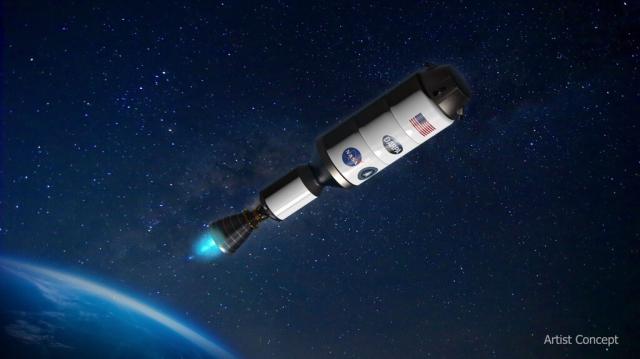
NASA, DARPA Will Test Nuclear Engine for Future Mars Missions
NASA and the Defense Advanced Research Projects Agency (DARPA) announced Tuesday a collaboration to demonstrate a nuclear thermal rocket engine in space, an enabling capability for NASA crewed missions to Mars.Roxana Bardan (NASA)
Go big *and* go home. 🏠
On this day last year, Webb successfully completed the million-mile journey to its current home base. Since then, it’s hit one home run after another — from the deepest, sharpest infrared image taken to its first rocky, Earth-size exoplanet confirmation.
#JamesWebb
#JamesWebb
#NASA
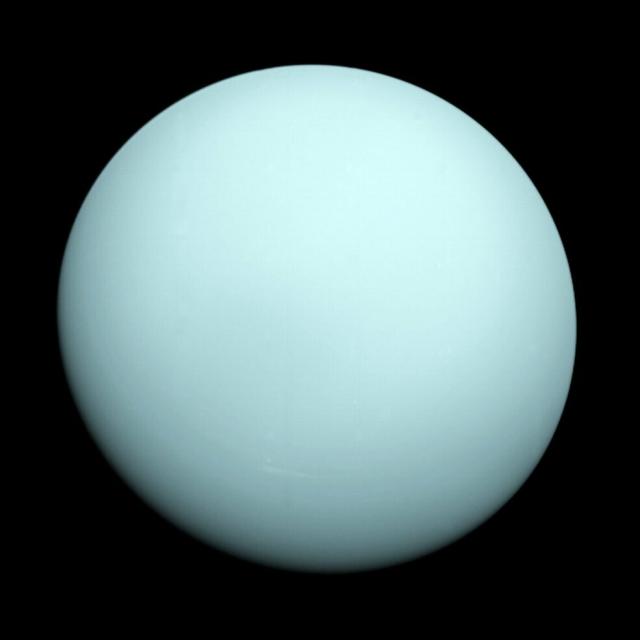
APOD: 2023 January 24 – LHS 475 b: Earth Sized Exoplanet
A different astronomy and space science related image is featured each day, along with a brief explanation.apod.nasa.gov
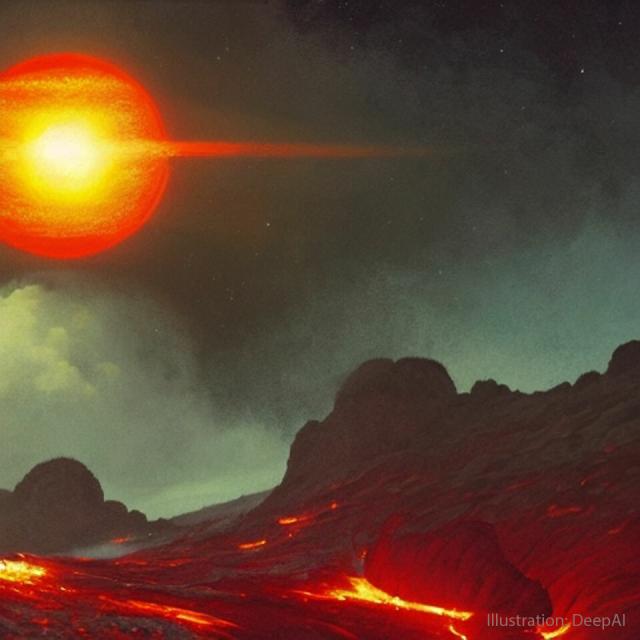
LHS 475 b: Earth-Sized Exoplanet
Illustration Credit: DeepAI's Fantasy World Generator
apod.nasa.gov/apod/ap230124.ht… #APOD

APOD: 2023 January 24 – LHS 475 b: Earth Sized Exoplanet
A different astronomy and space science related image is featured each day, along with a brief explanation.apod.nasa.gov
#NASA
#NASAExoplanets
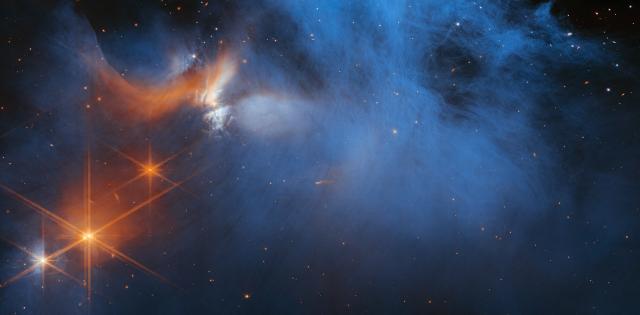
Webb Unveils Dark Side of Pre-stellar Ice Chemistry
An international team of astronomers using NASA’s James Webb Space Telescope has obtained an in-depth inventory of the deepest, coldest ices measured to date in a molecular cloud.Jamie Adkins (NASA)
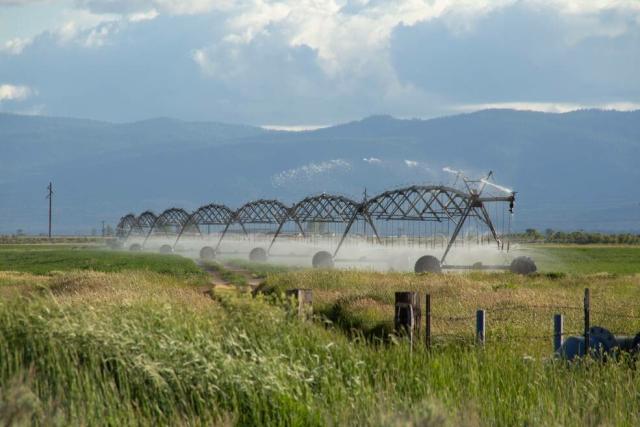
💧New finding: Water percolating underground from the Sierra Nevada mountains into California’s Central Valley provides 10% of all water entering the valley, measured using NASA satellite data and GPS.
The region relies heavily on underground water for crop irrigation.
#NASAEarth
#NASAEarth
NASA Measures Underground Water Flowing From Sierra to Central Valley
This source accounts for about 10% of all the water that enters this highly productive farmland, including rivers and rain.Naomi Hartono (NASA)
go.nasa.gov/3WxQjsI
#ISS
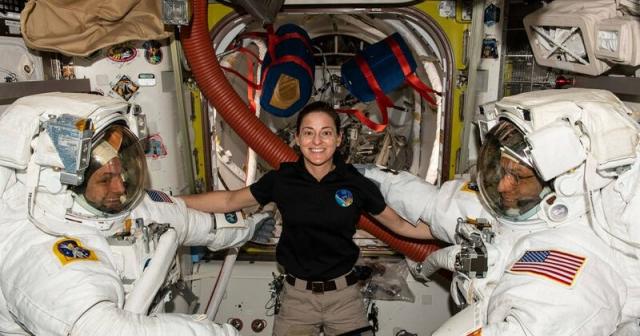
Montana Students to Hear from NASA Astronaut on Space Station
Students from the Boys & Girls Club of the Flathead Reservation and Lake County in Ronan, Montana, will have an opportunity this week to hear from a NASA astronaut aboard the International Space Station. The space-to-Earth call will air live at 12 p.Roxana Bardan (NASA)

To be blunt, I am aware of the racism, and that is changed in childhood.
Secretary of Interior Deb Haaland, DOI Deputy Land Solicitor Natalie Landreth, and Arlondo Teller,DOT, all represent and elevate Tribes.
CBells
in reply to NASA • • •Doug Simpkinson
in reply to NASA • • •Hash
in reply to NASA • • •