
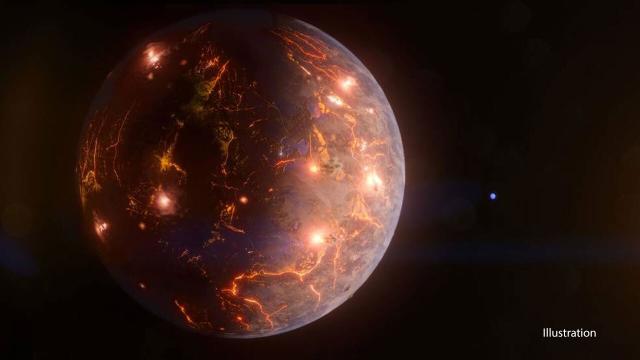
#NASASolarSystem
As of May 16, fires have scorched 478,000 hectares (1,800 square miles) in southern Canada – 10-times the average area burned for this time of year.
@noaa's GOES-18 satellite captured smoke from the fires over Canada and the U.S. on May 15, 2023. go.nasa.gov/45l4KGu
#NASAEarth
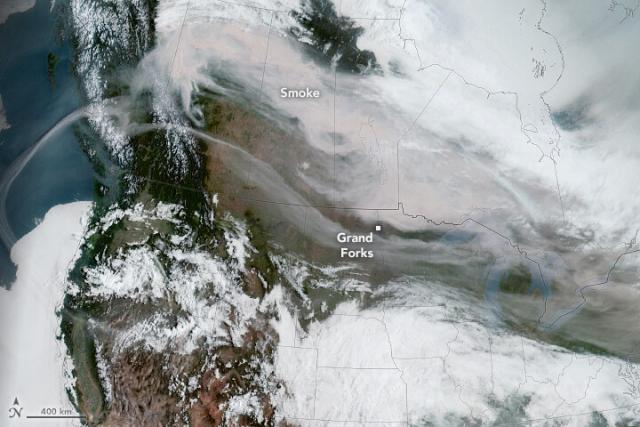
Smoke Fills North American Skies
Smoke from wildland fires caused poor air quality and hazy skies in several cities.go.nasa.gov
#NASAhistory
#NASA
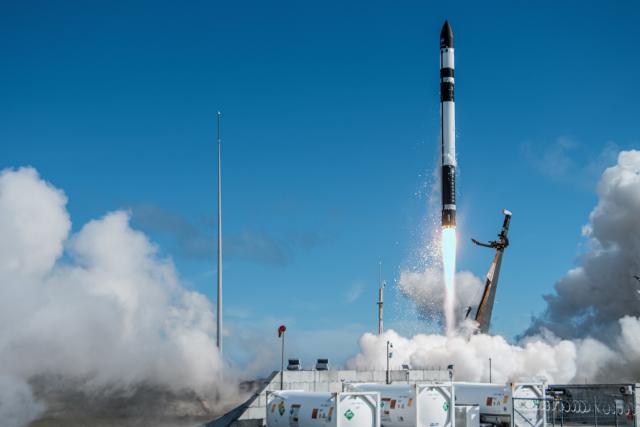
NASA, Rocket Lab Announce Coverage for Second TROPICS Launch
After successfully launching the first pair of small satellites earlier this month from New Zealand, NASA and Rocket Lab are now targeting no earlier than 1:30 a.m. EDT Monday, May 22 (5:30 p.m.Roxana Bardan (NASA)

Easy Grounding Exercises
Two useful grounding techniques for times you feel overwhelmed, intensely anxious, or dissociated from your environmentStephanie Cordes (Dr. Stephanie Cordes, ND)
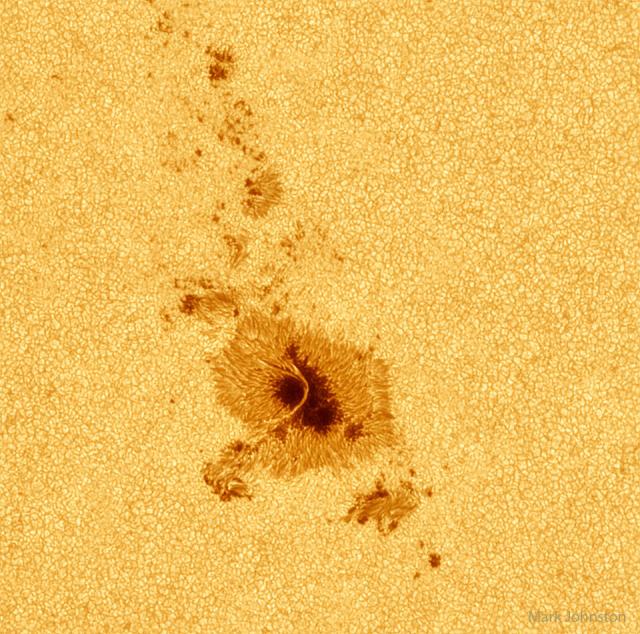
APOD: 2023 May 17 – Sunspot with Light Bridge
A different astronomy and space science related image is featured each day, along with a brief explanation.apod.nasa.gov
Sunspot with Light Bridge
Image Credit & Copyright: Mark Johnston
apod.nasa.gov/apod/ap230517.ht… #APOD

APOD: 2023 May 17 – Sunspot with Light Bridge
A different astronomy and space science related image is featured each day, along with a brief explanation.apod.nasa.gov
#NASAExoplanets
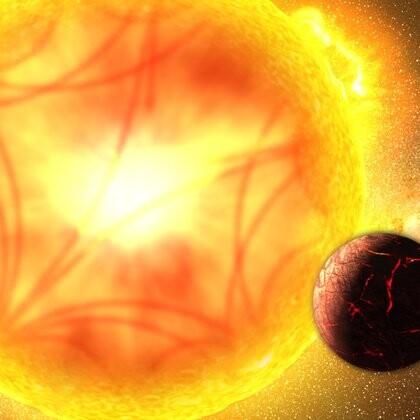
Symphony of stars: The science of stellar sound waves
The stars are performing a concert as sound waves travel through them. Telescopes sensitive to stellar vibrations help scientists learn a lot about stars, as well as their planets.Exoplanet Exploration: Planets Beyond our Solar System
Better together. 🤝
NASA and USAID’s @SERVIRGlobal make Earth data more accessible and useful. They co-developed tools with scientists in Southeast Asia to help predict extreme rainfall, track reservoir levels, and monitor heavy smoke and pollution.

Satellite Data, Applications Flowing Through SERVIR to Southeast Asia
ith customized tools that use NASA observations and data, the people who manage the Mekong River water supply have been improving their decision-making.Beth Ridgeway (NASA)
youtu.be/CIxHHCWbQn8?t=24
#NASASolarSystem
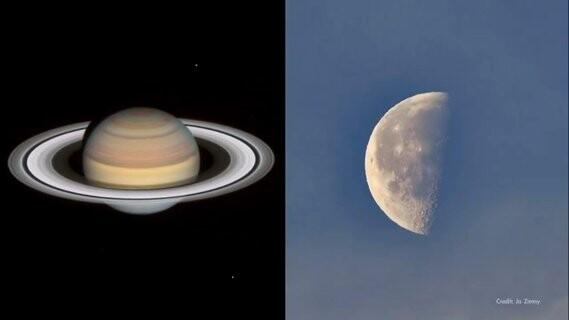
What's Up: May 2023 Skywatching Tips from NASA
What are some skywatching highlights in May 2023?Venus reaches its highest point in the evening sky for the year, while Jupiter disappears behind the Moon fo...YouTube
#NASASolarSystem
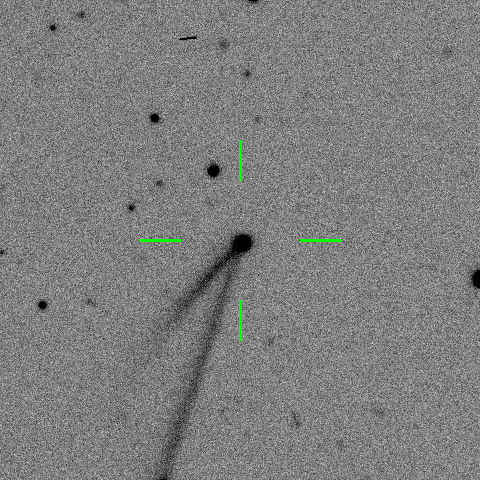
Active Asteroids | Science Mission Directorate
Active asteroids are small rocky objects in our Solar System that have asteroid-like orbits but comet-like appearances. Active asteroids can have visible tails and comae - halos of debris.science.nasa.gov
Last night, our video “How Hubble Images Are Made” was honored at the 27th Annual Webby Awards ceremony in New York City!
Find out more about @nasa’s winning entries: go.nasa.gov/3MwokIb
#Hubble

Best of the Internet: NASA Wins Webby Award, 5 People’s Voice Awards
NASA has earned one Webby award and five People’s Voice awards in the 27th annual Webby Awards Competition, recognizing excellence in online communications.Dacia Massengill (NASA)
Six months ago today, @NASA_SLS launched from @NASAKennedy, sending @NASA_Orion around the Moon and back on the #Artemis I flight test.
The first Artemis mission was only the beginning as @nasa looks to return humanity to the lunar surface: nasa.gov/specials/artemis/
#NASAArtemis #Artemis
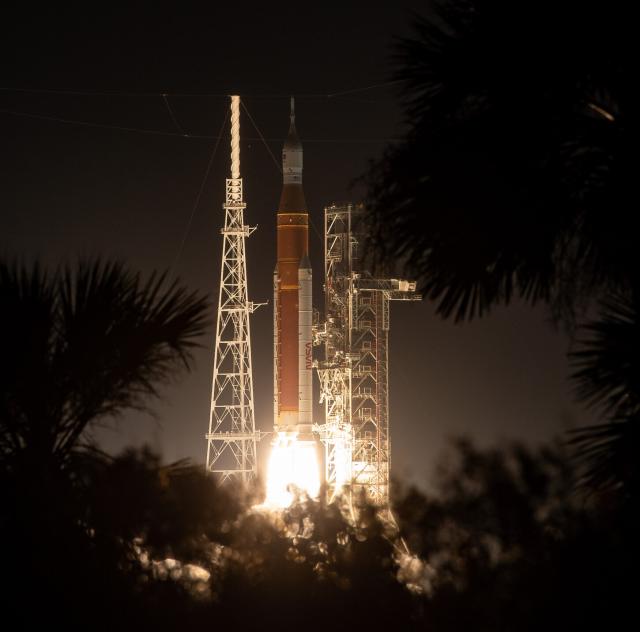
NASA: Artemis
Artemis is the name of NASA's program to return astronauts to the lunar surface. We are going forward to the Moon to stay.NASA
#ISS
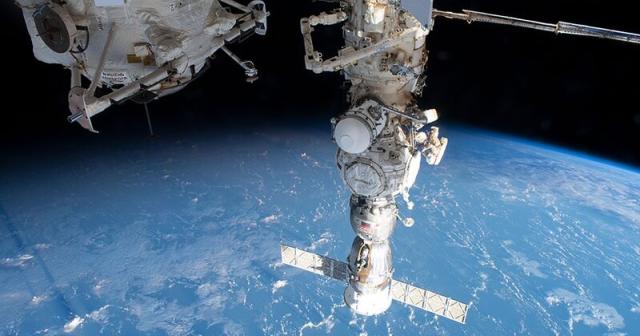
Crew Works Science, Maintenance Ahead of Second Axiom Mission
Mission managers have given the go for the launch of the second private astronaut mission to the International Space Station on Sunday.blogs.nasa.gov
Say farewell to Lunar Flashlight! Now that its mission has ended, the CubeSat makes a close approach with Earth on May 17 at 4:44 UTC. How to see it:
1) With NASA's Eyes on the Solar System interactive
2) Through a telescope from the Southern Hemisphere
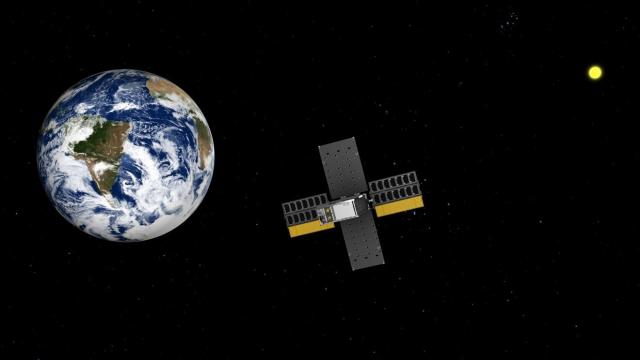
NASA’s Lunar Flashlight to Fly by Earth
With its primary mission over, the CubeSat will zoom by Earth late Tuesday, May 16, and NASA’s Eyes on the Solar System app will track it, providing a chance to say farewell.NASA Jet Propulsion Laboratory (JPL)
Launched in December 2022, @nasa's SWOT satellite will make the first global survey of Earth's surface water. 🌊 🛰️
Hear SWOT's up with the mission from @NASAJPL scientist Parag Vaze on NASA's Small Steps, Giant Leaps podcast. go.nasa.gov/3pOJZm0
#NASAEarth
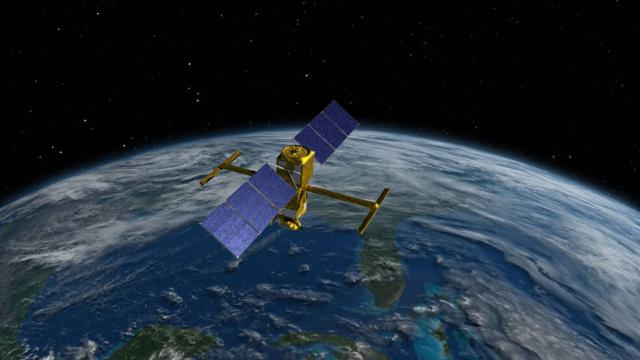
Small Steps, Giant Leaps: Episode 106: Surface Water and Ocean…
Surface Water and Ocean Topography Project Manager Parag Vaze discusses the first global survey of Earth's surface water.Maria Berger (NASA)
NASA astronaut, Frank Rubio, will speak to students associated with the Smithsonian Institution’s National Museum of the American Latino on Thursday, May 18 from the station.
@nasa coverage of the Earth-to-space call is set to begin at 11 a.m. EDT. go.nasa.gov/3nXEoJS
#ISS
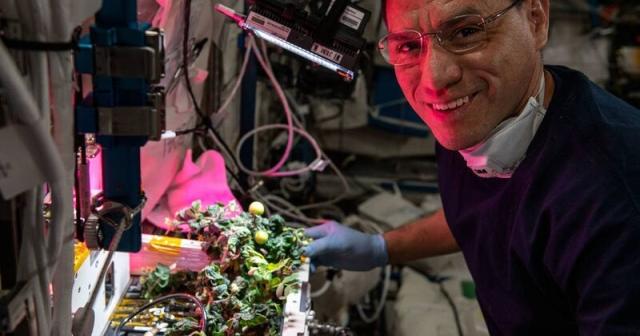
Smithsonian Latino Museum Students to Hear from NASA Station Astronaut
Frank Rubio, a NASA astronaut aboard the International Space Station, will speak to students associated with the Smithsonian Institution’s National Museum of the American Latino.Claire O’Shea (NASA)
Cyclone Mocha reached category 5 status before making landfall just north of Sittwe, Myanmar, bringing dangerous winds, downpours, and storm surge.
NASA’s Aqua satellite captured this image of the cyclone on May 14. go.nasa.gov/3pOhF3a
#NASAEarth
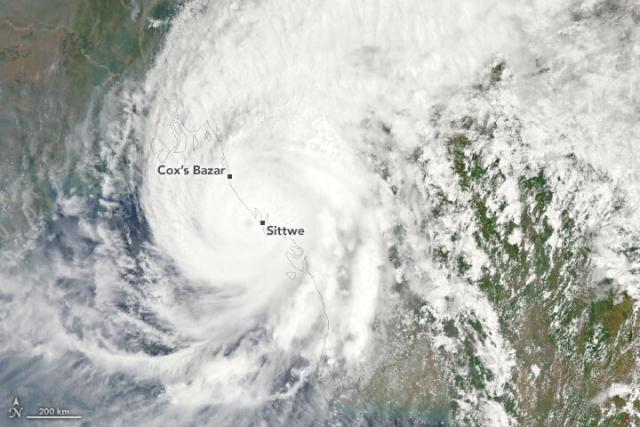
Cyclone Mocha Strikes Myanmar
The storm reached category 5 status before barreling into the state of Rakhine.go.nasa.gov
#NASA
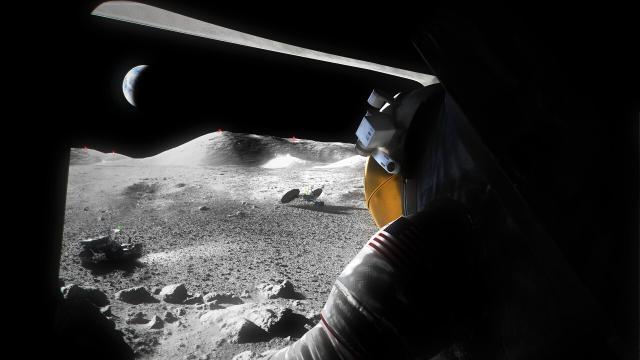
NASA to Select Second Lunar Lander Partner for Artemis Moon Mission
During an event at 10 a.m. EDT Friday, May 19, at NASA Headquarters in Washington, the agency will announce the company selected to develop a sustainable human landing system for the Artemis V Moon mission.Roxana Bardan (NASA)
Raised in South Korea 🇰🇷, Seunghee Lee began her engineering career at @NASAKennedy in 1987. Over the years, she has supported the Space Shuttle Program, a high-altitude atmospheric research glider, and the SLS rocket! #AANHPI
▶️ Lee's path to NASA: go.nasa.gov/3MylxhX
#NASAhistory

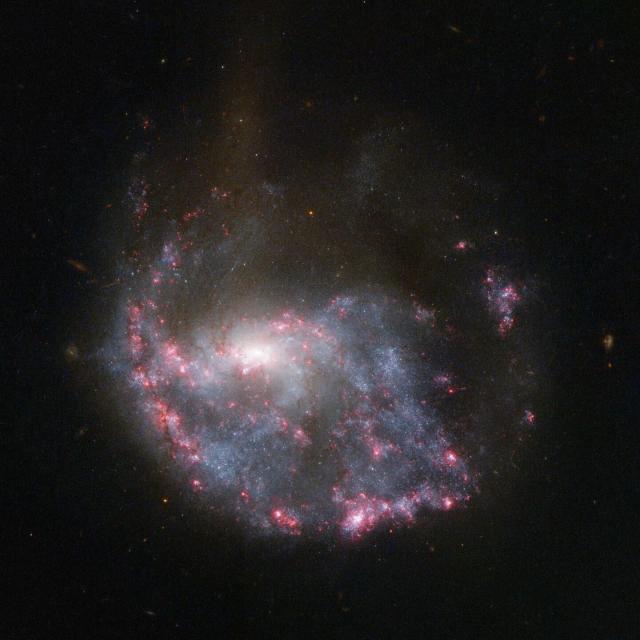
Bullseye! 🎯
The galaxy NGC 922's ring structure and distorted spiral shape were caused by a smaller galaxy plunging straight through it hundreds of millions of years ago.
Learn more about this #HubbleClassic image: go.nasa.gov/3o7rR6y
#Hubble
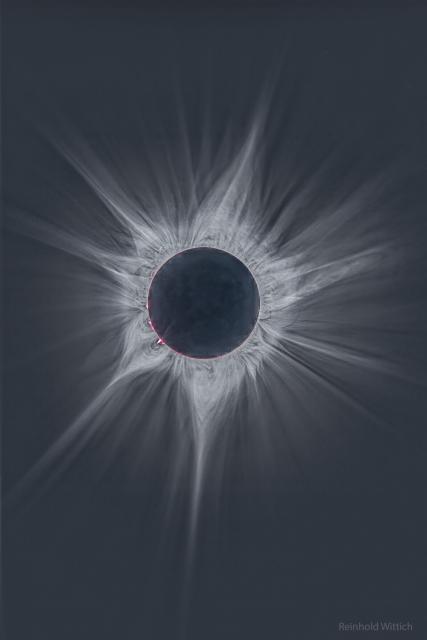
APOD: 2023 May 16 – Total Eclipse: The Big Corona
A different astronomy and space science related image is featured each day, along with a brief explanation.apod.nasa.gov
Total Eclipse: The Big Corona
Image Credit & Copyright: Reinhold Wittich
apod.nasa.gov/apod/ap230516.ht… #APOD

APOD: 2023 May 16 – Total Eclipse: The Big Corona
A different astronomy and space science related image is featured each day, along with a brief explanation.apod.nasa.gov

eyes.nasa.gov/apps/solar-syste…
#NASASolarSystem
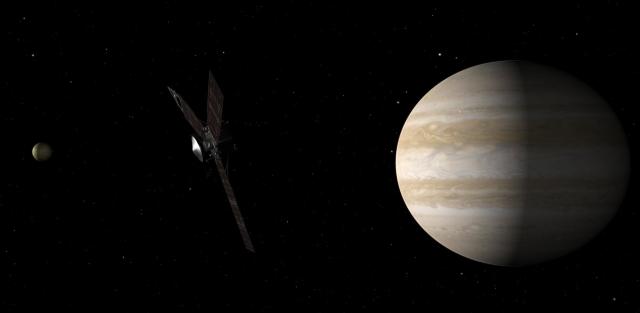
Eyes on the Solar System - NASA/JPL
Explore the 3D world of the Solar System. Learn about past and future missions.Eyes on the Solar System - NASA/JPL
Busy as a beaver. 🦫
Cindy Schmidt’s journey from an urban planner to a career in remote sensing and geographic information systems is anything but ordinary.
Learn about her journey at NASA: go.nasa.gov/3MmtmqT
#NASAEarth
Cindy Schmidt: Finding A Career in Remote Sensing and Geographic Information Systems | NASA Applied Sciences
Science mentor, world traveler, remote sensing teacher, research scientist, andgo.nasa.gov
#NASA
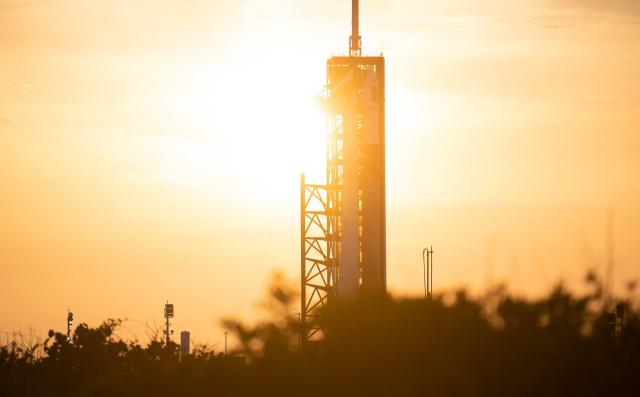
Axiom Mission 2 Flight Readiness Review
NASA, Axiom, and SpaceX leaders discuss the outcome of NASA’s Flight Readiness Review for Axiom Mission 2 with media.YouTube
Two NASA studies find that methane emissions dropped for several years in the Los Angeles Region.
The studies used different approaches to measuring the powerful greenhouse gas – with ground-based sensors and an airborne instrument. go.nasa.gov/3Btxjnm
#NASAEarth
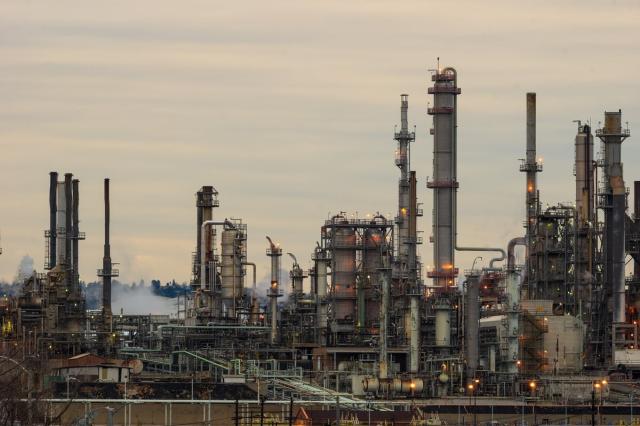
Two NASA Studies Find Lower Methane Emissions in Los Angeles Region
Researchers found that emissions of the powerful greenhouse gas dropped for several years near the nation’s second-largest metropolitan area.Tony Greicius (NASA)
#NASASolarSystem
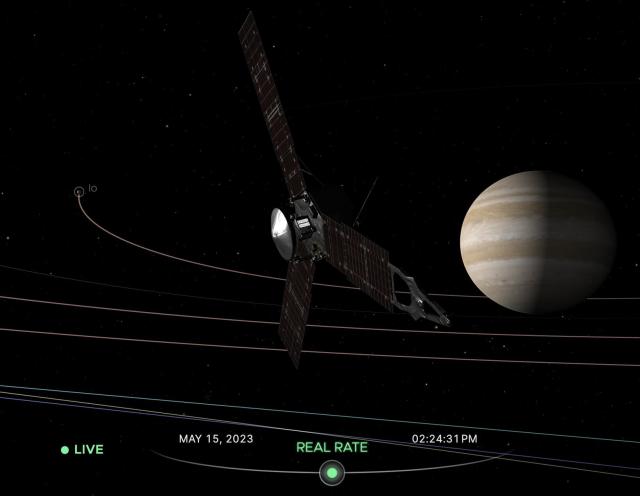
Eyes on the Solar System - NASA/JPL
Explore the 3D world of the Solar System. Learn about past and future missions.Eyes on the Solar System - NASA/JPL

#NASASolarSystem
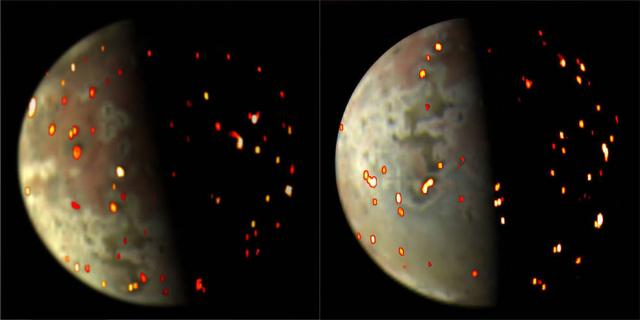
NASA’s Juno Mission Getting Closer to Jupiter’s Moon Io - Mission Juno
NASA's Mission Juno will explore Jupiter, seeking to unlock secrets of the giant planet and our solar system.Mission Juno
#NASASolarSystem
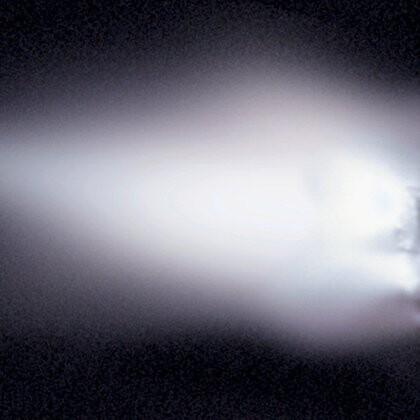
Small Bodies
Asteroids and comets – and the meteors that sometimes come from them – are leftovers from the formation of our solar system 4.6 billion years ago.NASA Solar System Exploration
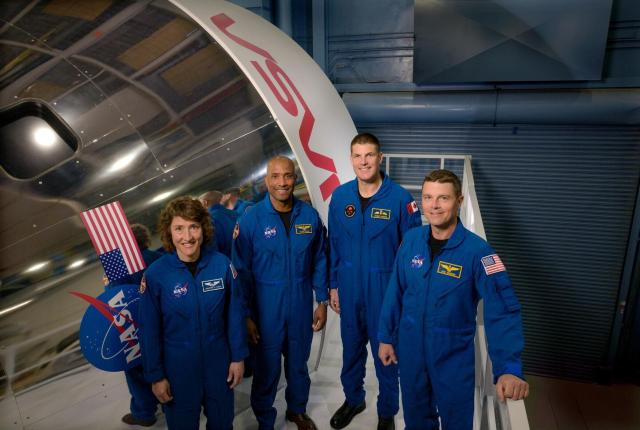
REPORTERS: The #Artemis II crew is coming to Washington with media availability on May 17-18.
These four astronauts will fly around the Moon during the 10-day flight test. go.nasa.gov/3I8qR9a
#NASA
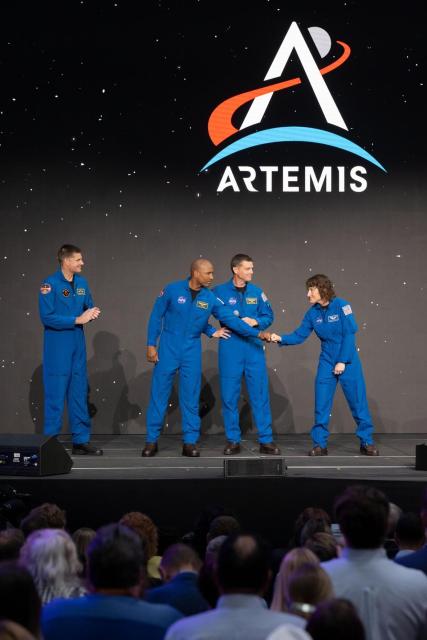
NASA’s Artemis II Moon Crew Available for Interviews in Washington
The four astronauts who will fly around the Moon on NASA’s Artemis II will visit Washington Wednesday, May 17, through Friday, May 19, to discuss their upcoming mission and are available for a limited number of in-person media opportunities.Roxana Bardan (NASA)
#NASASolarSystem
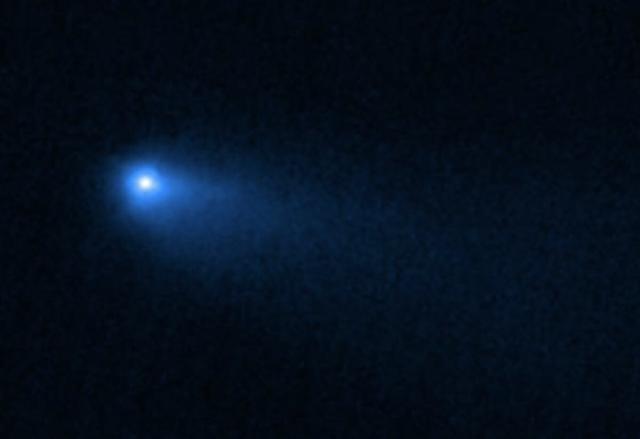
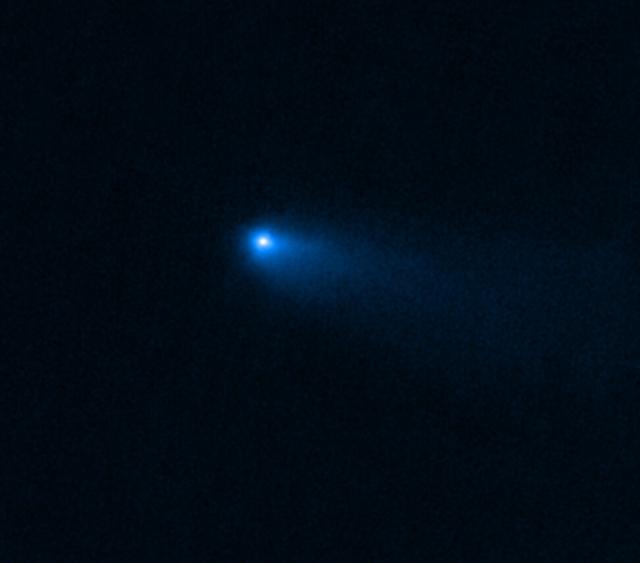
NASA’s Webb Finds Water, and a New Mystery, in Rare Main Belt Comet
Using Webb’s NIRSpec (Near-Infrared Spectrograph) instrument, astronomers have confirmed gas – specifically water vapor – around a comet in the main asteroid belt for the first time, indicating that water ice from the primordial solar system can be p…Jessica Evans (NASA)
The #Artemis II crew training will consist of:
Learning how to use @NASA_Orion’s life support systems
Simulating the launch with teams on the ground
Practicing post-splashdown and recovery scenarios
And more: go.nasa.gov/3IbOwFA
#NASAArtemis #Artemis
A @NASAWebb finding is making a splash!
Water vapor was confirmed around a comet in the main asteroid belt for the first time, indicating that water from the primordial solar system can be preserved there. Is this a clue to the origin of Earth's water? go.nasa.gov/3BvAHhz
#NASA
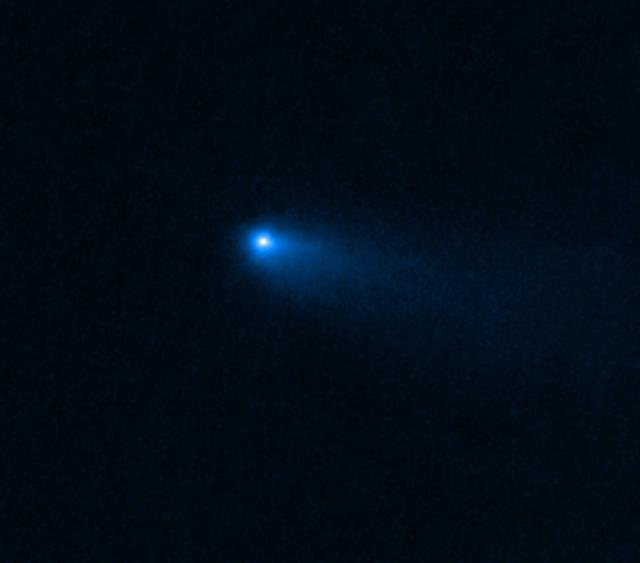
NASA’s Webb Finds Water, and a New Mystery, in Rare Main Belt Comet
Using Webb’s NIRSpec (Near-Infrared Spectrograph) instrument, astronomers have confirmed gas – specifically water vapor – around a comet in the main asteroid belt for the first time, indicating that water ice from the primordial solar system can be p…Jessica Evans (NASA)
All hands on deck!
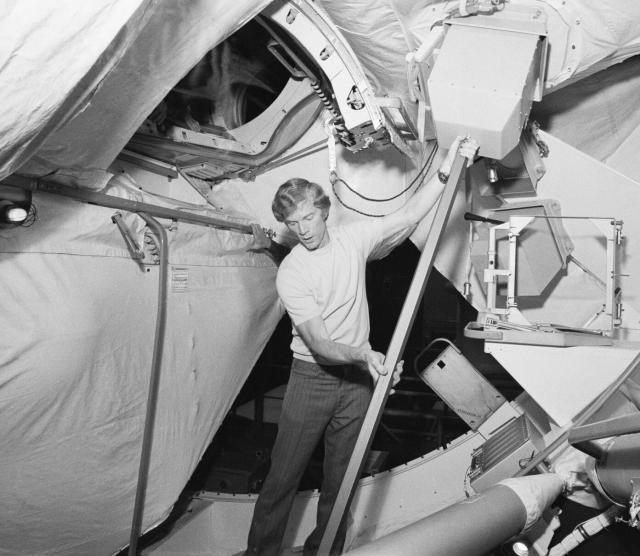
The launch of the first Skylab crew, scheduled for May 15, 1973, was delayed as NASA worked around the clock to come up with a plan to save the space station. Temperatures in the orbital workshop were rising quickly… #Skylab50
More: go.nasa.gov/3W6hXyr
#NASAhistory
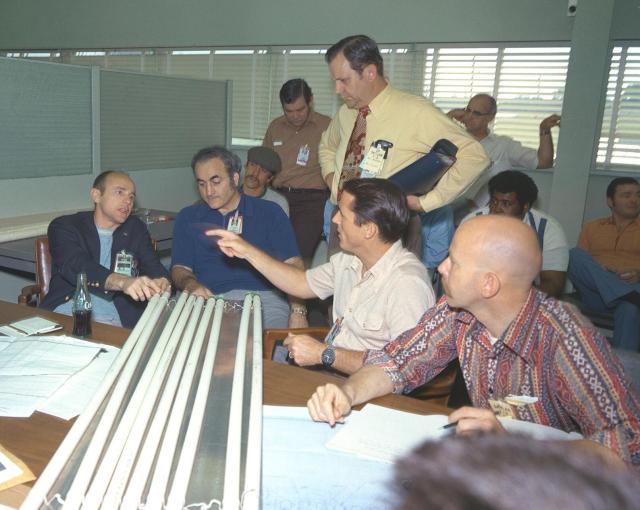
50 Years Ago: The Launch of Skylab, America’s First Space Station
Skylab, America’s first space station and the first crewed research laboratory in space, lifted off on May 14, 1973, on the last Saturn V rocket.Kelli Mars (NASA)
#ISS
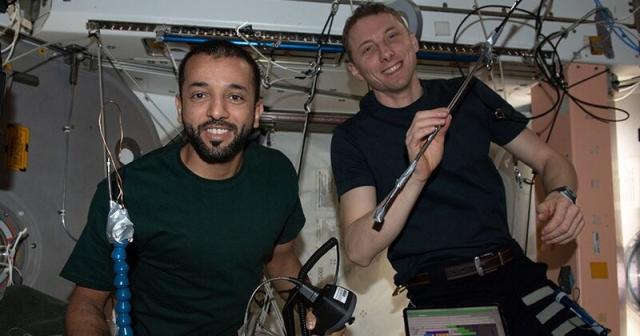
Crew Works Human Research and Cleans Up After Spacewalk
The seven-member Expedition 69 crew began its week studying microgravity’s effects on human immunity, replacing critical life support gear, and cleaning up after last week’s spacewalk.blogs.nasa.gov
Lights are steadily returning to southeast Türkiye after deadly earthquakes triggered power outages in February 2023.
These maps show nighttime lights detected near Antakya just after the quake (Feb. 8, left) and on April 30 (right). go.nasa.gov/3MsAJNv
#NASAEarth
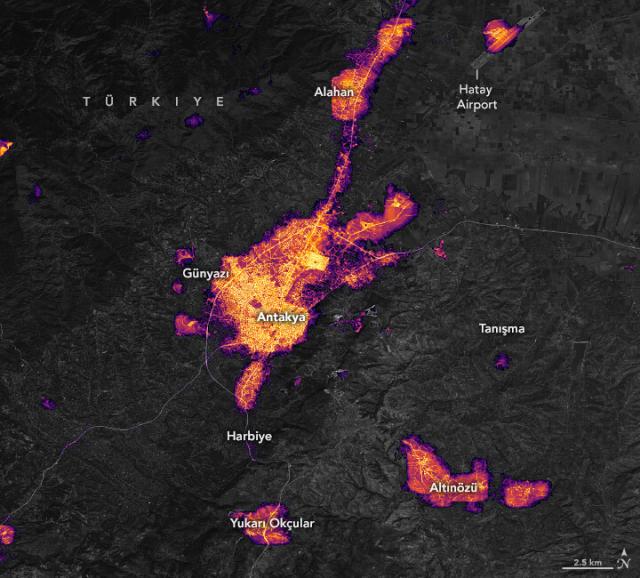
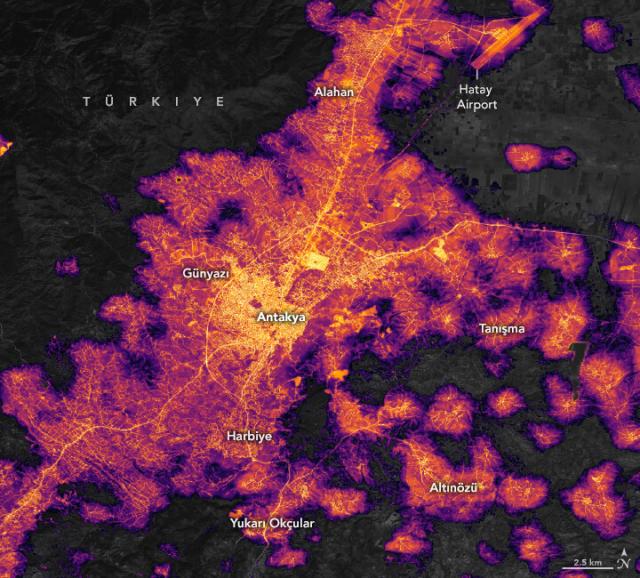
Brighter Nights in Antakya
Lights have been steadily returning to southeast Türkiye after deadly earthquakes triggered power outages in February 2023.go.nasa.gov
#NASAExoplanets
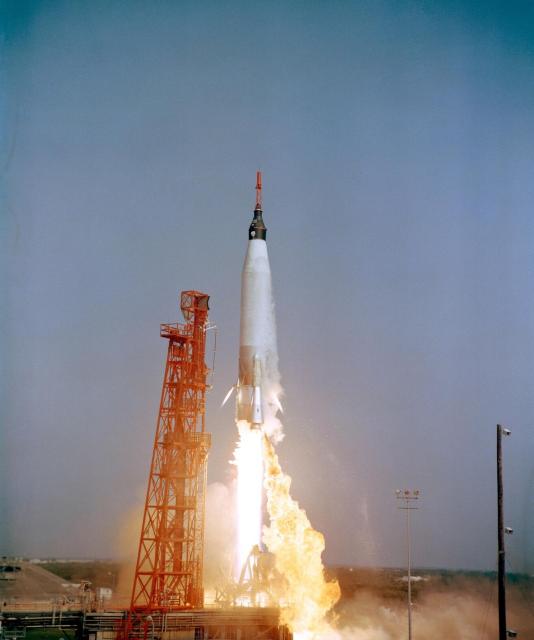
"Faith 7 is all go."
#60YearsAgo today, L. Gordon "Gordo" Cooper, Jr. was launched in his Faith 7 spacecraft on the final mission of Project Mercury: Mercury-Atlas 9. 🧵 1/4
#NASAhistory
suldrew 🚲🏳️🌈
in reply to NASA • • •GRAND FORKS
Memecosystem Services
in reply to NASA • • •