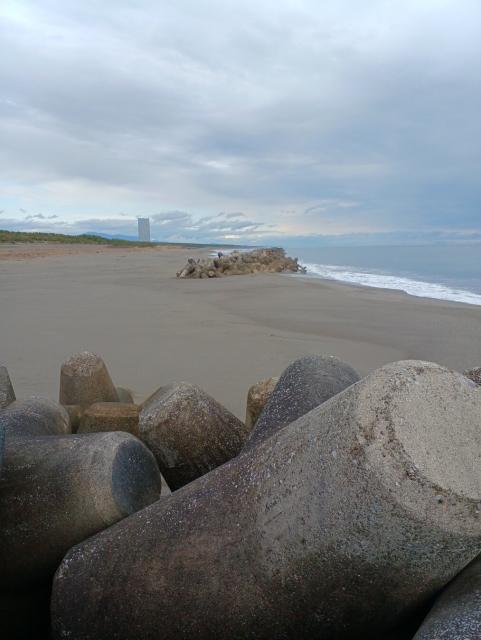
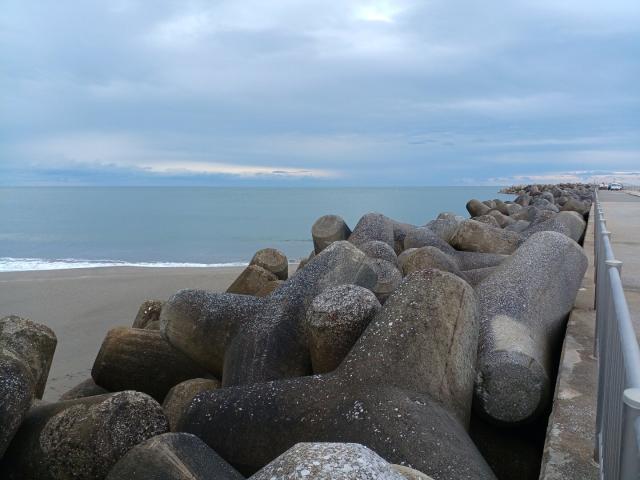
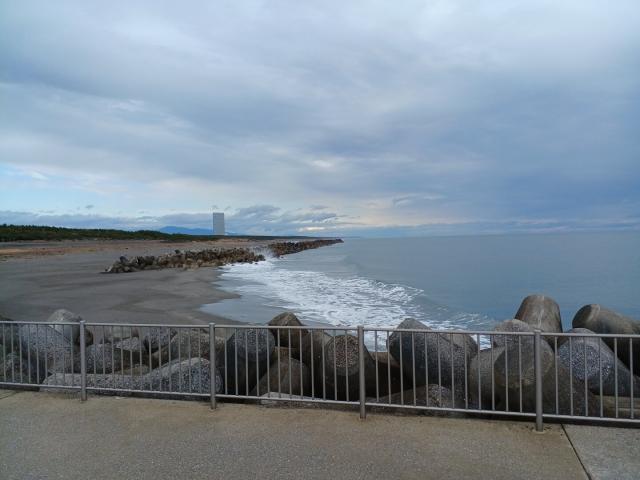
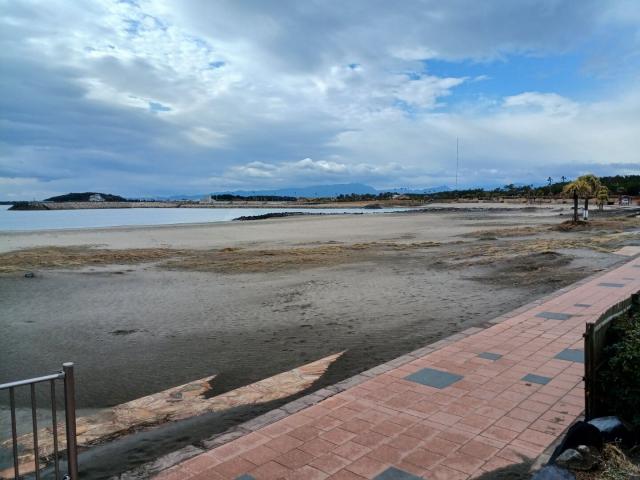
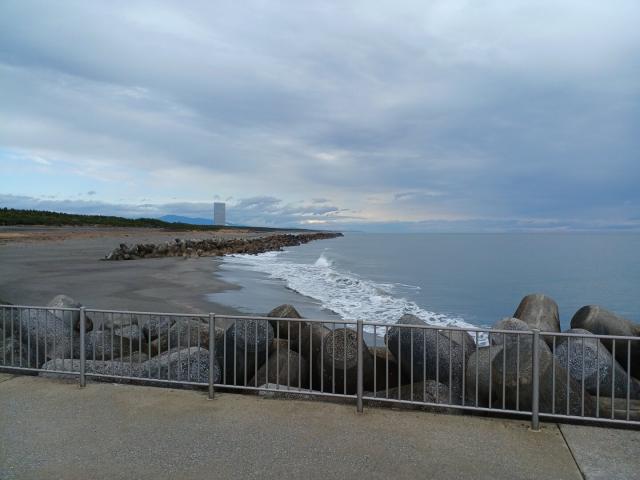
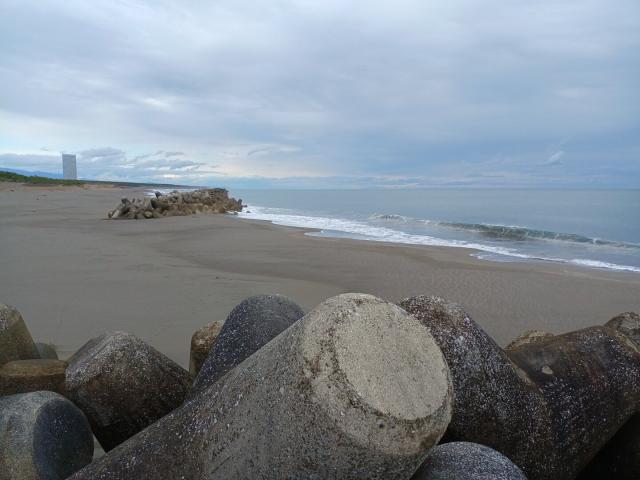
Abused by hard structures, the poor beach, denied Dynamic Equilibrium!!
> Tetrapods have become popular across the world, particularly in Japan. In 2007, it was estimated that up to 12 percent of Japan's 35,000-kilometer (22,000 mi) coastline was "semi-natural", defined as having been partially altered by roads or tetrapods. Their proliferation on the island of Okinawa, a popular vacation destination in Japan, has made it difficult for tourists to find unaltered beaches and shoreline, especially in the southern half of the island.
en.wikipedia.org/wiki/Tetrapod…
> Sandy beaches supported by man-made structures are more vulnerable to substantial beach area loss due to restricted landward migration, affecting ecosystem services. However, the global extent of ‘hardened’ sandy coastlines at risk of ‘severe beach loss’ has not been comprehensively quantified. Here, using products and geospatial datasets derived from satellite ima
... show moreAbused by hard structures, the poor beach, denied Dynamic Equilibrium!!
> Tetrapods have become popular across the world, particularly in Japan. In 2007, it was estimated that up to 12 percent of Japan's 35,000-kilometer (22,000 mi) coastline was "semi-natural", defined as having been partially altered by roads or tetrapods. Their proliferation on the island of Okinawa, a popular vacation destination in Japan, has made it difficult for tourists to find unaltered beaches and shoreline, especially in the southern half of the island.
en.wikipedia.org/wiki/Tetrapod…
> Sandy beaches supported by man-made structures are more vulnerable to substantial beach area loss due to restricted landward migration, affecting ecosystem services. However, the global extent of ‘hardened’ sandy coastlines at risk of ‘severe beach loss’ has not been comprehensively quantified. Here, using products and geospatial datasets derived from satellite imagery, we find that, 33% of the world’s sandy coastline is currently hardened. Analysis of the results by IPCC AR6 regions show that the most hardened coastal regions are the Bay of Bengal, Western & Central Europe, the Mediterranean, Western North America, and East Asia. Linking coastal hardening information with existing shoreline retreat projections, we find that under SSP5-8.5, up to 26% of the world’s sandy coastline (~52,100 km) is likely to face severe beach loss by the end of the 21st century.
nature.com/articles/s41467-024…
#HardStructuresOnTheBeach #Tetrapods #ConcreteTetrapods
#テトラポッド
33% of the world’s sandy coastlines are hardened by human-made structures, hindering natural retreat as sea levels rise. By 2100, up to 26% may face severe beach loss, while emission reductions could lower this to 21%.
Nature