
#NASAExoplanets
#NASA

You’re blocked!
To see the dusty disk around a young star, Webb blocked out starlight using a coronagraph, or mask. This is our first infrared look at the disk, made of leftover debris from planet formation. Webb offers clues into its history & make-up: go.nasa.gov/3vVFeqI
#JamesWebb
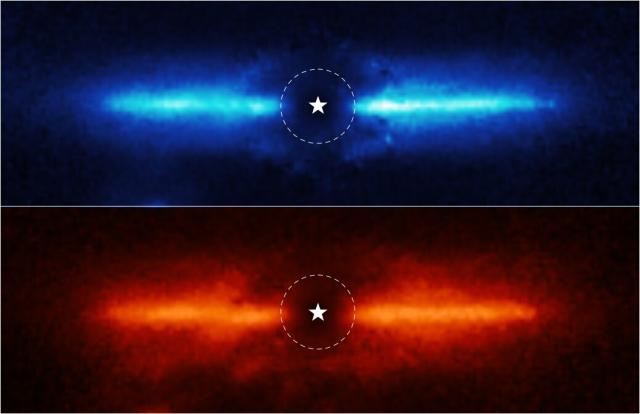
New Webb Image Reveals Dusty Disk Like Never Seen Before
NASA’s James Webb Space Telescope has imaged the inner workings of a dusty disk surrounding a nearby red dwarf star.Madison Arnold (NASA)
APOD: 2023 January 12 - Stardust in Perseus
A different astronomy and space science related image is featured each day, along with a brief explanation.apod.nasa.gov
#NASAhistory
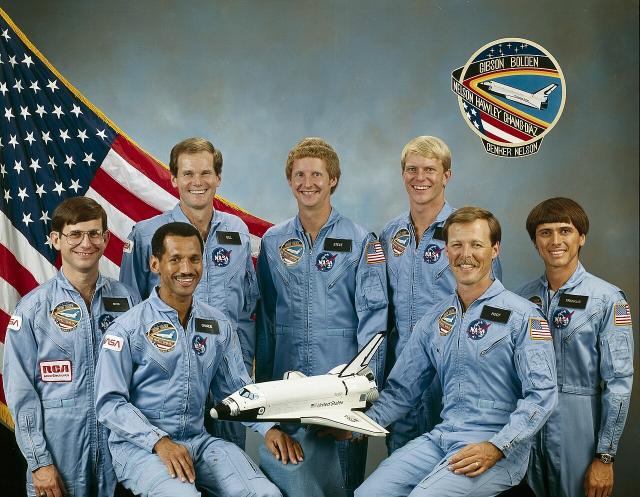
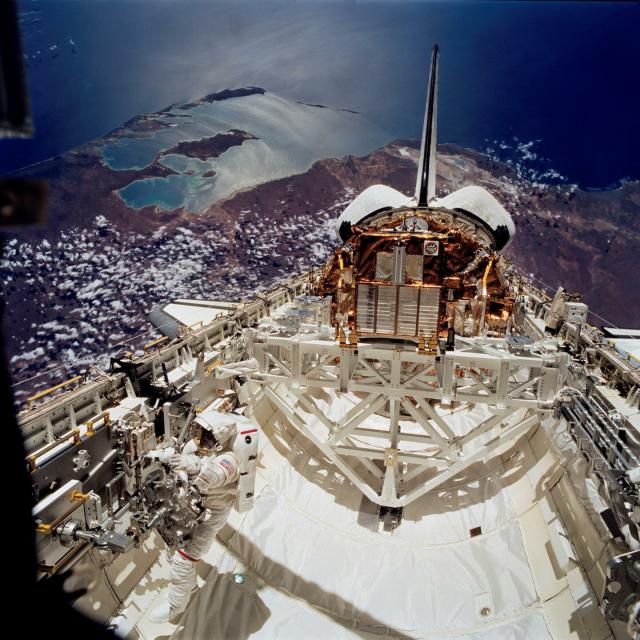
In addition to their official crew photo, the STS-61C crew took a second photo wearing their helmets as a gag.
Standing, L–R: Bob Cenker, Bill Nelson, Steven Hawley, George Nelson, and Franklin Chang-Diaz. Seated: Charlie Bolden and Hoot Gibson
#NASAhistory


8 Approaches to Find Yourself
Learn how to stop reacting to life, making up for the shadows of yesterday, and toiling for your tomorrow. See how to know yourself now.Margarita Tartakovsky, MS (Psych Central)
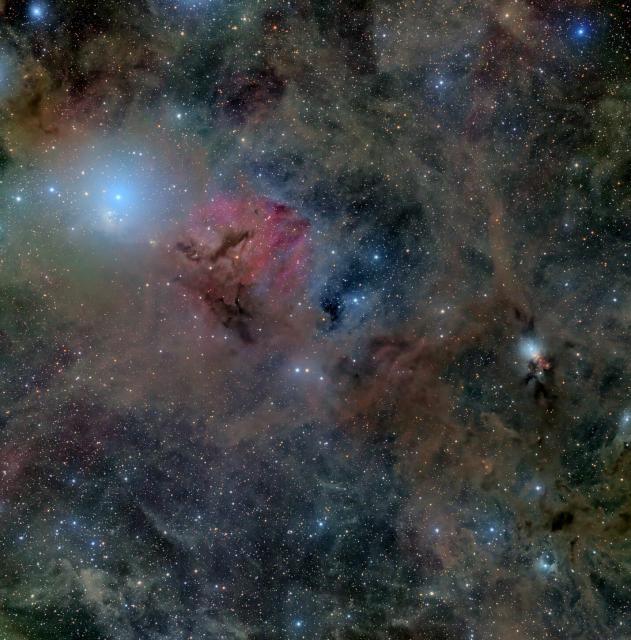
Stardust in Perseus
Image Credit & Copyright: Jack Groves
apod.nasa.gov/apod/ap230112.ht… #APOD

APOD: 2023 January 12 - Stardust in Perseus
A different astronomy and space science related image is featured each day, along with a brief explanation.apod.nasa.gov
#NASAExoplanets
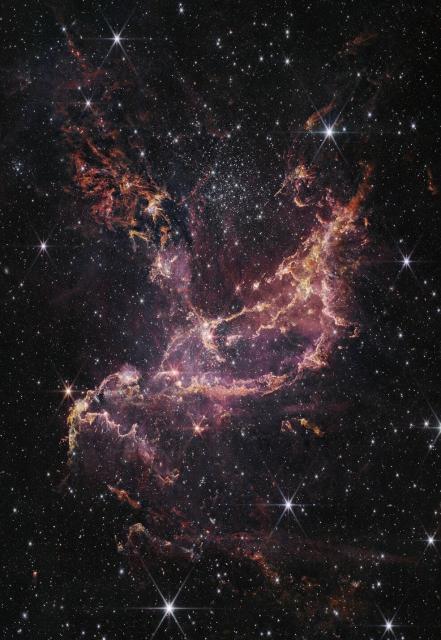
NASA’s Webb Uncovers Star Formation in Cluster’s Dusty Ribbons
NGC 346, one of the most dynamic star-forming regions in nearby galaxies, is full of mystery. Now, it is less mysterious with new findings from NASA’s James Webb Space Telescope.Jessica Merzdorf (NASA)

We'll welcome Japanese Prime Minister Kishida Fumio & @SecBlinken Friday, Jan. 13 at 4:30pm ET (2130 UTC) for an event marking our nations' continued commitment to the peaceful exploration of space.
The visit will air live on NASA TV and here on Twitter: go.nasa.gov/3XbjOC8
#NASA
Japan’s Prime Minister, US Secretary of State to Visit NASA
NASA Administrator Bill Nelson and Deputy Administrator Pam Melroy will welcome Japan’s Prime Minister Kishida Fumio, U.S. Secretary of State Antony J. Blinken, and other U.S. and Japanese leaders to NASA Headquarters in Washington at 4:30 p.m.Roxana Bardan (NASA)
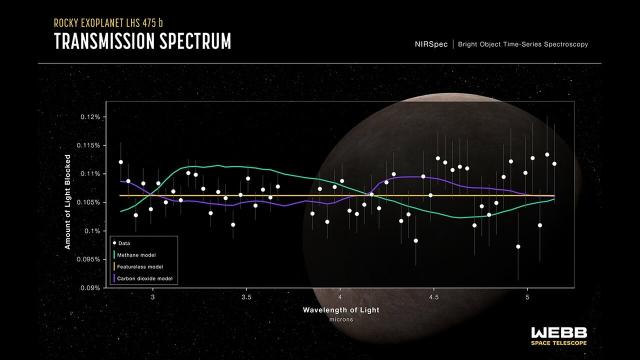
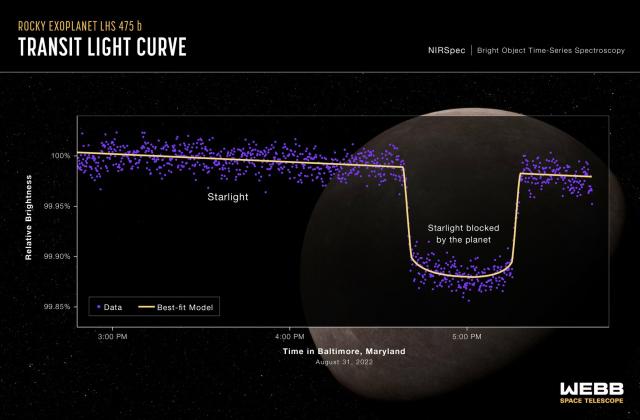
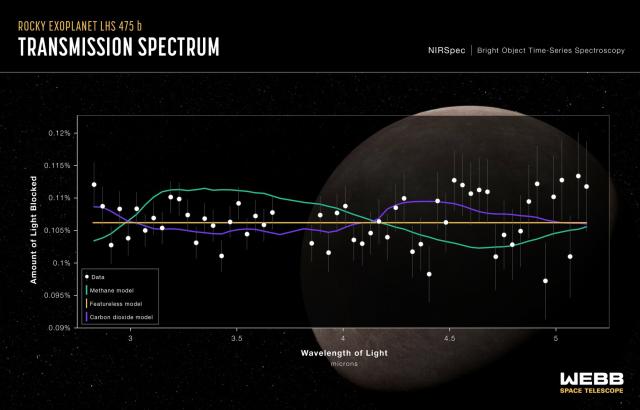
@NASAWebb not only confirms a planet candidate found by @nasa’s TESS space telescope, it provides new science, determining the planet is rocky. We also get preliminary atmospheric info. Good science and *excellent* teamwork! go.nasa.gov/3XfmOgi
#NASAExoplanets
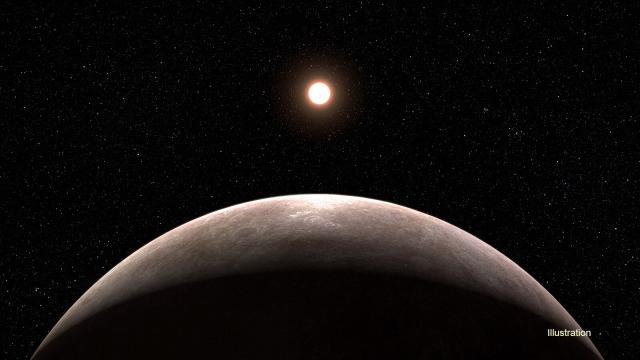
Webb Confirms Its First Exoplanet
The planet is rocky and almost precisely the same size as Earth, but whips around its star in only two days.Exoplanet Exploration: Planets Beyond our Solar System
#NASAExoplanets
Why is sea level rising?
Global sea levels are rising as a result of human-caused global warming, with recent rates being unprecedented over the past 2,500-plus years. @NASAJPL’s Ben Hamlington explains how our warming planet is causing sea level rise. sealevel.nasa.gov/understandin…
#NASA
Understanding Sea Level | NASA Sea Level Change
Get an in-depth look at the science behind sea level rise.NASA Sea Level Change Portal
Stars across the spectrum! ⭐
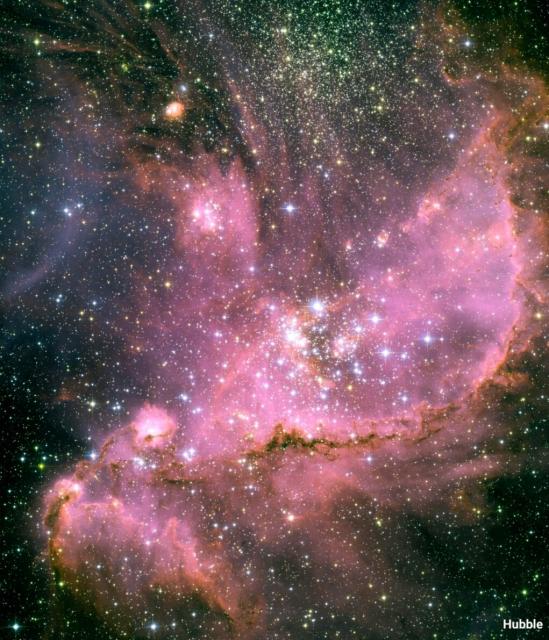
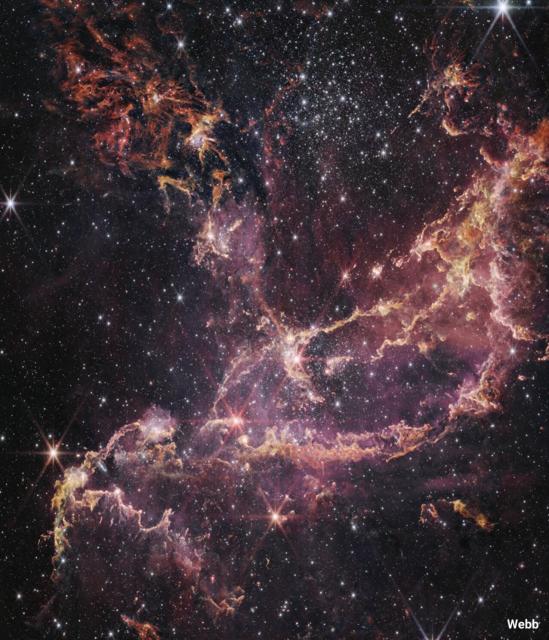
These two views of NGC 346 show a dynamic, massive star-forming region in the Small Magellanic Cloud, which is a satellite galaxy to our own Milky Way.
What's going on in NGC 346?
#Hubble
#Hubble
The Hubble view (above on the left) shows NGC 346 in visible and near-infrared light. Outflows and radiation from young stars are wearing away at the denser outer portions of the region!
#JamesWebb
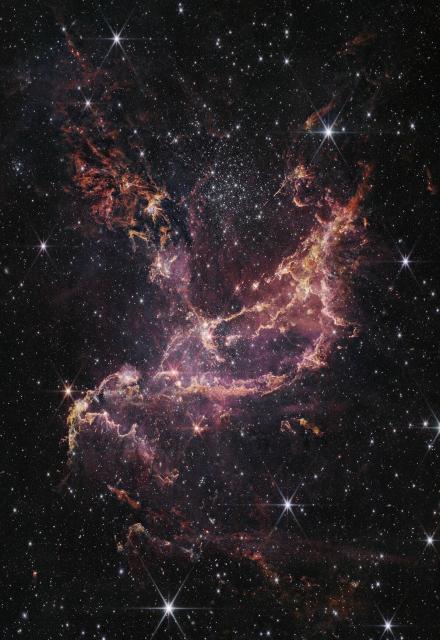
NASA’s Webb Uncovers Star Formation in Cluster’s Dusty Ribbons
NGC 346, one of the most dynamic star-forming regions in nearby galaxies, is full of mystery. Now, it is less mysterious with new findings from NASA’s James Webb Space Telescope.Jessica Merzdorf (NASA)
#JamesWebb
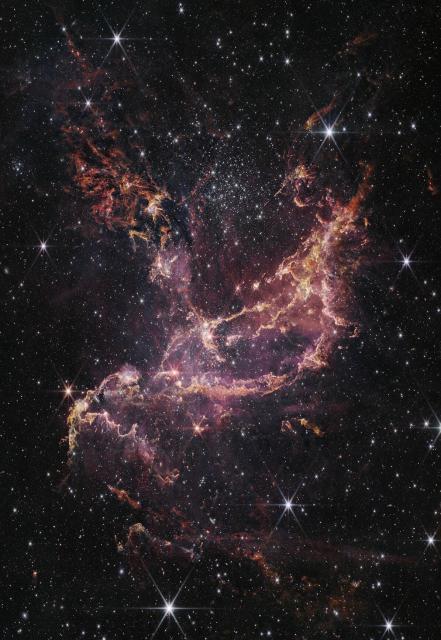
NASA’s Webb Uncovers Star Formation in Cluster’s Dusty Ribbons
NGC 346, one of the most dynamic star-forming regions in nearby galaxies, is full of mystery. Now, it is less mysterious with new findings from NASA’s James Webb Space Telescope.Jessica Merzdorf (NASA)
Snoopy has gone where no beagle has gone before.
Following the successful conclusion of the #Artemis I Moon mission, @NASAGroundSys teams have begun unloading the payloads aboard, including the zero-gravity indicator #AstronautSnoopy. go.nasa.gov/3w26zr7
#NASA

Snoopy Returns from Artemis I Mission
Artemis I Snoopy returns to Kennedy Space Center in Florida.Linda Herridge (NASA)
A whole new world!
41 light-years away is the small, rocky planet LHS 475 b. At 99% of Earth’s diameter, it’s almost exactly the same size as our home world. This marks the first time researchers have used Webb to confirm an exoplanet. go.nasa.gov/3VY5WK1 #AAS241
#JamesWebb
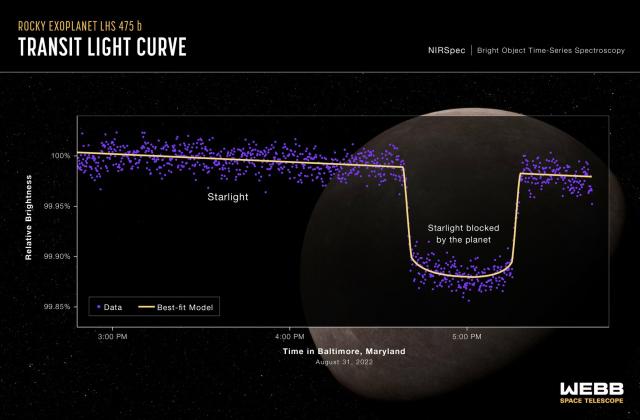
NASA’s Webb Confirms Its First Exoplanet
Researchers confirmed an exoplanet, a planet that orbits another star, using NASA’s James Webb Space Telescope for the first time.Jamie Adkins (NASA)
#JamesWebb
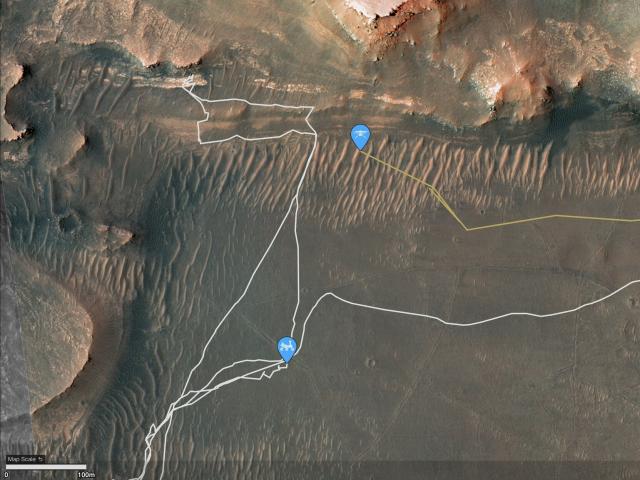
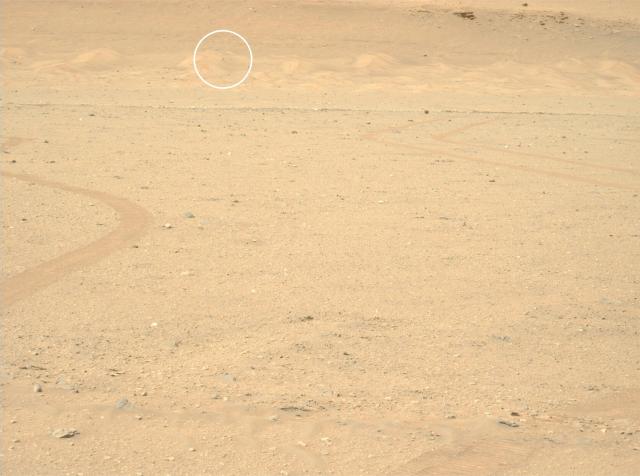
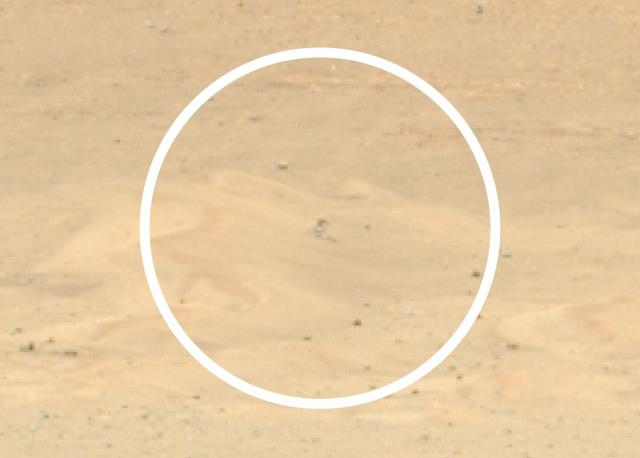
The #MarsHelicopter and I are closer together than we’ve been in a while, and guess who I spotted resting on a dune between flights. Can you believe Ingenuity is gearing up for Flight #39? 🤯
Latest on Ingenuity: go.nasa.gov/ingenuity
Interactive map: go.nasa.gov/2R1gzNi
#PerseveranceRover
Mars Helicopter - NASA
The Mars Helicopter is a technology demonstration to test powered flight on another planet for the first time.go.nasa.gov
#NASA
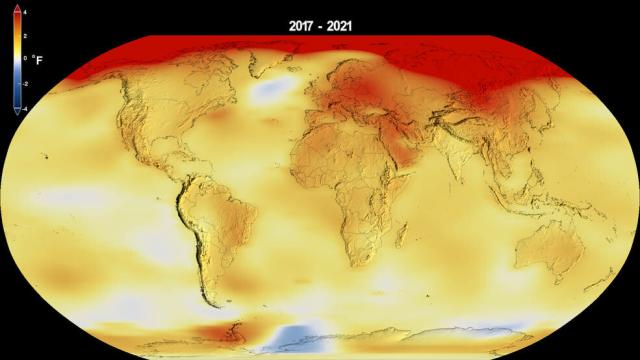
NASA, NOAA to Announce 2022 Global Temperatures, Climate Conditions
Climate researchers from NASA and the National Oceanic and Atmospheric Administration (NOAA) will release their annual assessments of global temperatures and discuss the major climate trends of 2022 during a media briefing at 11 a.m.Roxana Bardan (NASA)
#NASAhistory
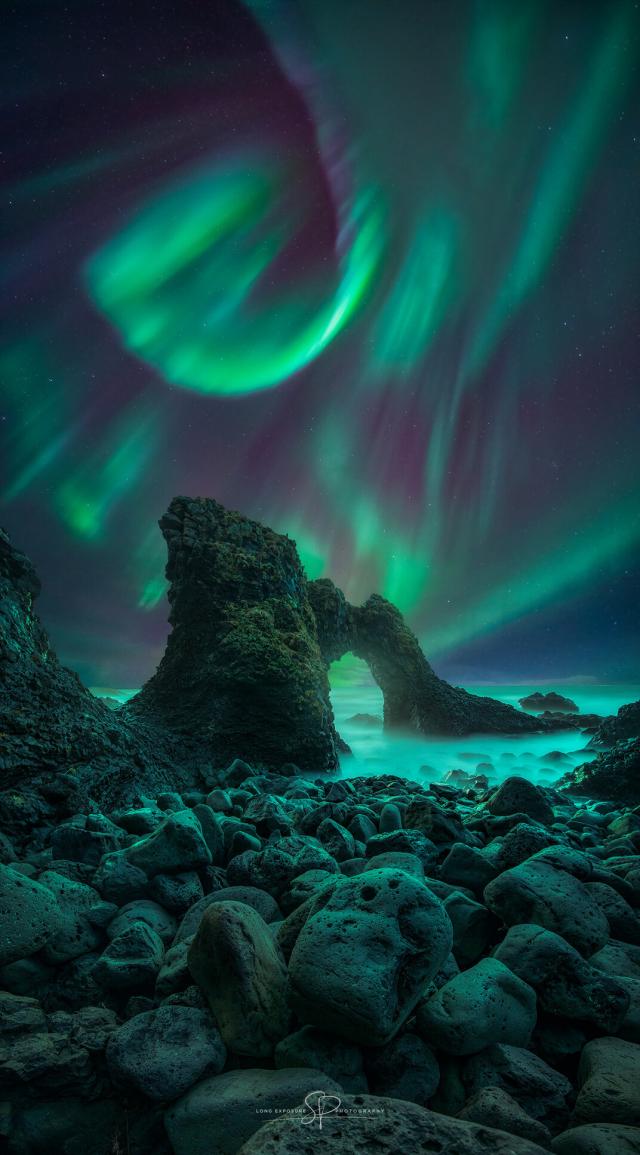
APOD: 2023 January 11 – Spiral Aurora over Iceland
A different astronomy and space science related image is featured each day, along with a brief explanation.apod.nasa.gov
#ISS
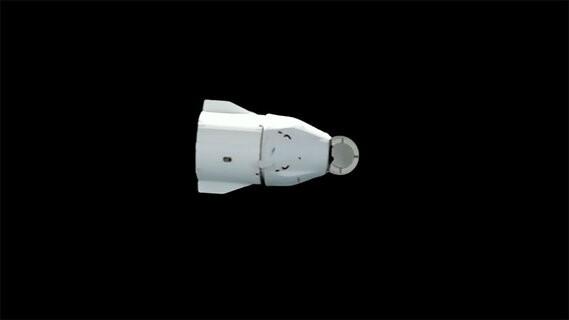
Dragon Resupply Ship Splashes Down Returning Critical Science
SpaceX's uncrewed Dragon cargo spacecraft splashed down at 5:19 a.m. EST Wednesday, Jan. 11, north of Cape Canaveral off the Florida coast, marking the return of the company's 26th contracted cargo resupply mission to the International Space Station …blogs.nasa.gov
Why do you never credit us? Our partnership relies on honesty. Your omission of our assistance craft is illogical.
Yours, The Vulcan High Command.

#NASA
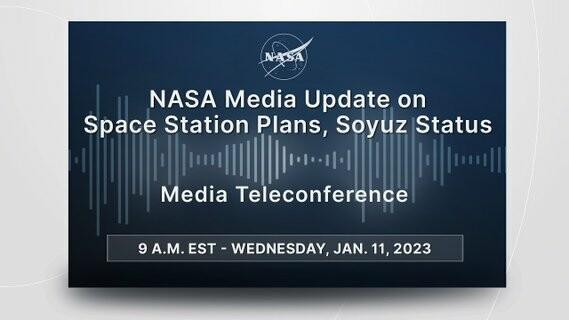
Media Briefing: NASA Media Update on Space Station Plans, Soyuz Status
NASA hosted a media teleconference at 9 a.m. EST Wednesday, Jan. 11, to discuss results from the investigation of the Roscosmos Soyuz MS-22 external coolant ...YouTube
Spiral Aurora over Iceland
Image Credit & Copyright: Stefano Pellegrini
apod.nasa.gov/apod/ap230111.ht… #APOD

APOD: 2023 January 11 – Spiral Aurora over Iceland
A different astronomy and space science related image is featured each day, along with a brief explanation.apod.nasa.gov



A @nasa citizen science program encourages the public to join the search for new exoplanets. All you need is a telescope or a smartphone! go.nasa.gov/3WZrnf5
#NASAExoplanets
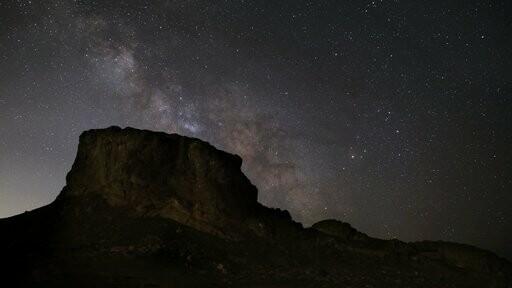
Help Discover Worlds With NASA
NASA's Exoplanet Watch project invites you to use your smartphone or personal telescope to help track worlds outside our solar system.Exoplanet Exploration: Planets Beyond our Solar System
#NASAExoplanets
Citizen Science | Science Mission Directorate
Opportunities to help NASA by doing cutting-edge research together with NASA scientists.go.nasa.gov
#NASAExoplanets
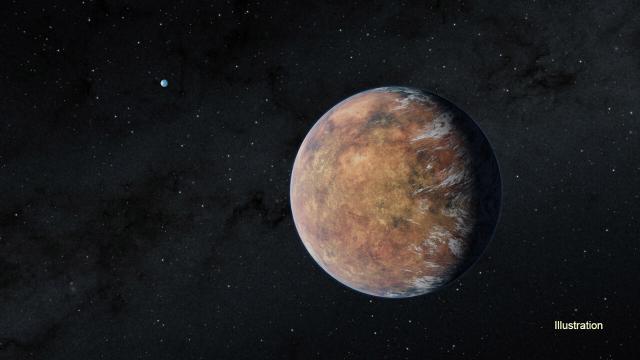
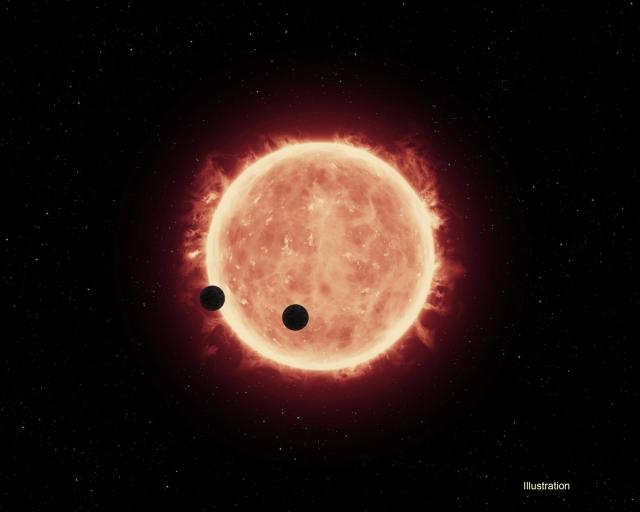
Second Earth-sized World Found in System's Habitable Zone
A second Earth-sized world is found in habitable zone of a star with three previously known planets.Exoplanet Exploration: Planets Beyond our Solar System
NASA and Roscosmos will provide an update on Jan. 11 at 9am ET (1400 UTC) on the investigation of the Soyuz MS-22 external coolant leak and next steps. Live audio will stream on nasa.gov/live.
Details: go.nasa.gov/3IDQrUg
#NASA
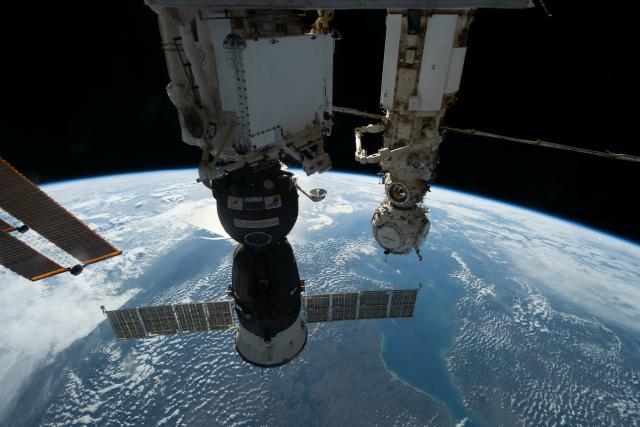
NASA to Host Media Update on Space Station Plans, Soyuz Status
NASA will host a media teleconference at 9 a.m. EST Wednesday, Jan. 11, to discuss results from the investigation of the Roscosmos Soyuz MS-22 external coolant leak and the forward strategy for uninterrupted human operations aboard the International …Gerelle Dodson (NASA)
#NASA
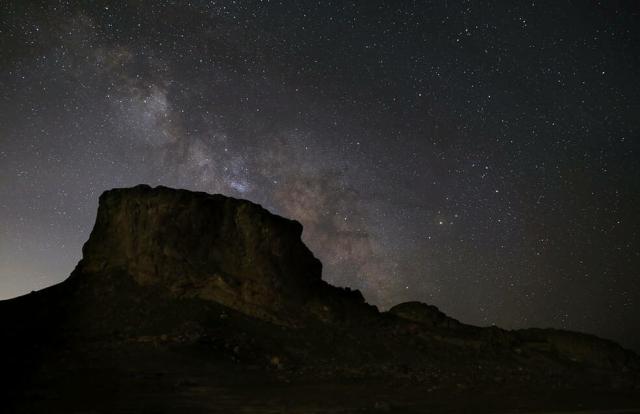
NASA Wants You to Help Study Planets Around Other Stars
The Exoplanet Watch project invites you to use your smartphone or personal telescope to help track worlds outside our solar system.Tony Greicius (NASA)
What would you ask the team behind our @NASAInSight Mars lander?
We're answering your questions now in our @reddit AMA ("Ask Me Anything")—join us as we celebrate InSight's completed four-year mission, and look ahead at what's to come from all the data: reddit.com/r/askscience/commen…
#NASA
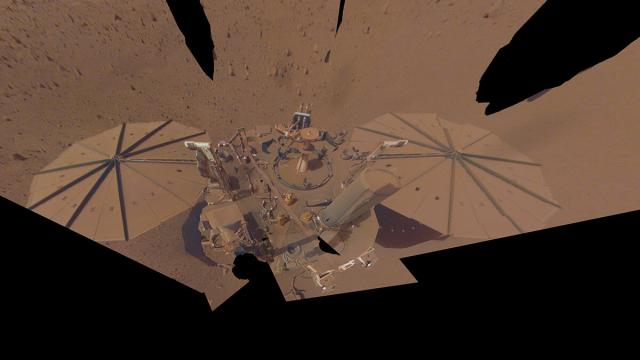
r/askscience - AskScience AMA Series: We're scientists and engineers on the InSight lander team who studied the deep interior of Mars. Ask us anything!
1,238 votes and 161 comments so far on Redditreddit
Teams have offloaded a transportation stand from the Pegasus barge that will be used to transport the #Artemis III @NASA_SLS launch vehicle stage adapter around @NASAMarshall.
Next steps? To apply thermal protection system spray foam: go.nasa.gov/3GWxJGi
#NASAArtemis #Artemis
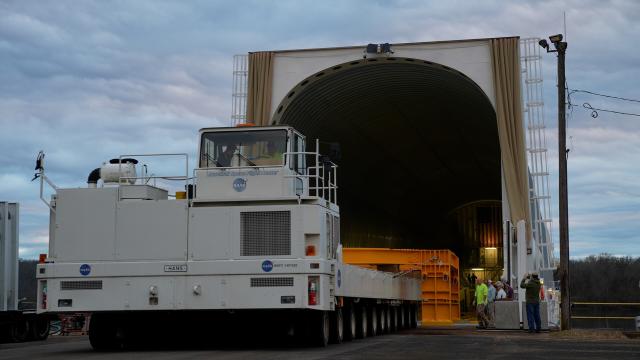
NASA Barge Delivers Transportation Stand for Crewed Artemis Mission
Crews from NASA’s Marshall Space Flight Center in Huntsville, Alabama, offload a transportation stand from NASA’s Pegasus barge Saturday, Jan. 7.Lee Mohon (NASA)
Rainfall from Tropical Cyclone Ellie western Australia causing extensive flooding.
Floodwater is apparent in these false-color images from NASA’s Aqua satellite, taken on Dec. 17 (before the flooding) and Jan. 9 (after). go.nasa.gov/3ZpgvZm
#NASAEarth
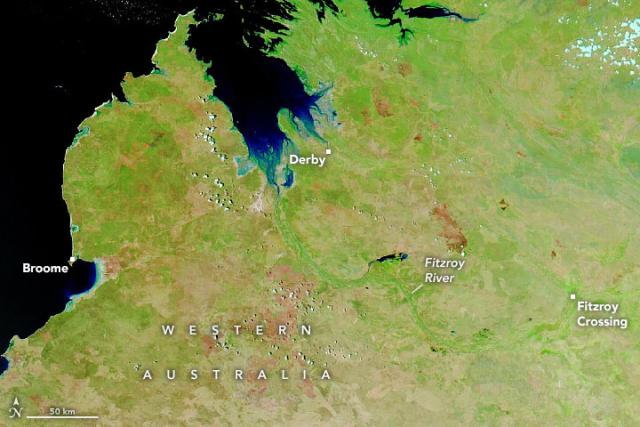
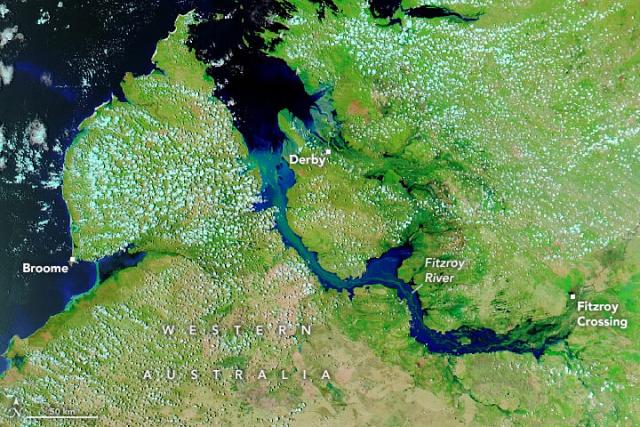
Flooding Along Australia’s Fitzroy River
Rainfall from an ex-tropical cyclone raised the river to record-high levels, flooding and isolating nearby communities.go.nasa.gov
#NASASolarSystem
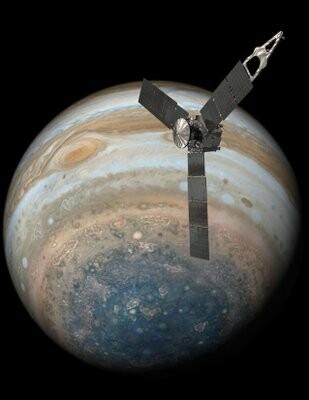
Juno Spacecraft Recovering Memory After 47th Flyby of Jupiter
The science data from the solar-powered spacecraft’s most recent flyby of Jupiter and its moon Io appears to be intact.NASA Jet Propulsion Laboratory (JPL)
M81 is one of the brightest galaxies in the night sky!
Seen in this #HubbleClassic view, M81 resides about 11.6 million light-years away. It's home to a black hole about 15 times the mass of our Milky Way Galaxy’s central black hole!
Read more: go.nasa.gov/3itnPTe
#Hubble

Messier 81
Discovered by the German astronomer Johann Elert Bode in 1774, M81 is one of the brightest galaxies in the night sky.Rob Garner (NASA)
NASA produces a record of Earth’s surface temperature from 1880 until the present day. 🌎 🌡️
On Thursday, we’ll announce where 2022 stands in our temperature record and share more about Earth and the ways it's warming. go.nasa.gov/3vWlVxz
#NASAEarth
NASA, NOAA to Announce 2022 Global Temperatures, Climate Conditions
Climate researchers from NASA and the National Oceanic and Atmospheric Administration (NOAA) will release their annual assessments of global temperatures and discuss the major climate trends of 2022 during a media briefing at 11 a.m.Roxana Bardan (NASA)
Road Not Taken
in reply to NASA • • •can't wait to hear more. Can we call these potentially #EarthyPlanets #EarthlikePlanets #cookie1 and #cookie2?
#Speculoos
en.m.wikipedia.org/wiki/Specul…(sold%20as%20Biscoff%20in,of%20spices%20used%20in%20speculaas.
Belgian biscuit
Contributors to Wikimedia projects (Wikimedia Foundation, Inc.)