
#NASAhistory
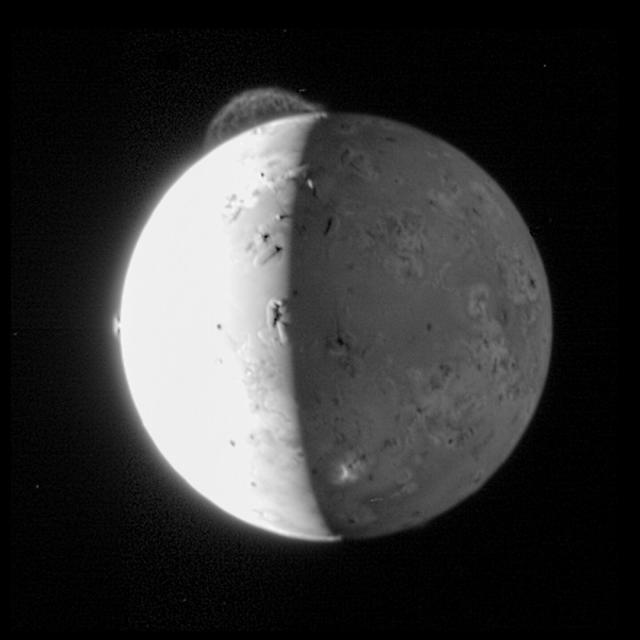
In Depth | Io – NASA Solar System Exploration
NASA’s real-time science encyclopedia of deep space exploration. Our scientists and far-ranging robots explore the wild frontiers of our solar system.NASA Solar System Exploration
All #WomensHistoryMonth, we'll highlight NASA women from past and present who have helped humanity reach for the stars and break barriers.
Follow @WomenNASA and discover their stories: nasa.gov/women
#NASA
Women at NASA
NASA.gov brings you the latest images, videos and news from America's space agency. Get the latest updates on NASA missions, watch NASA TV live, and learn about our quest to reveal the unknown and benefit all humankind.NASA
#NASASolarSystem
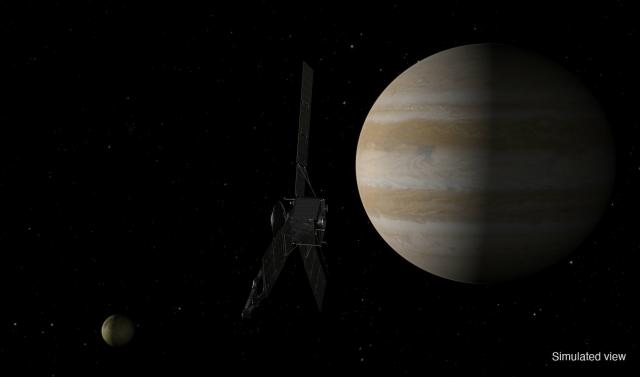
Eyes on the Solar System - NASA/JPL
Explore the 3D world of the Solar System. Learn about past and future missions.Eyes on the Solar System - NASA/JPL
The Flaming Star Nebula
Image Credit & Copyright: Thomas Röell
apod.nasa.gov/apod/ap230301.ht… #APOD


APOD: 2023 March 1 – The Flaming Star Nebula
A different astronomy and space science related image is featured each day, along with a brief explanation.apod.nasa.gov
#NASAhqphoto
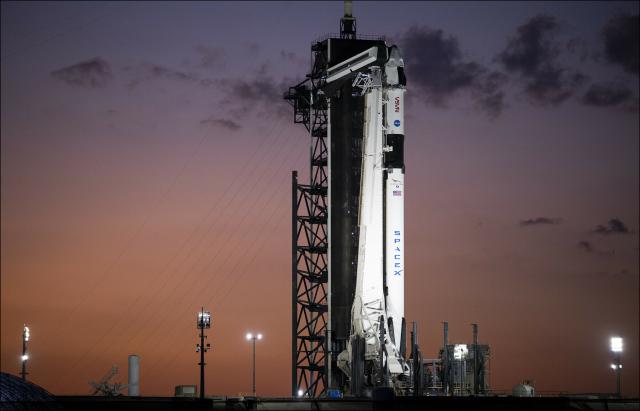
#ISS
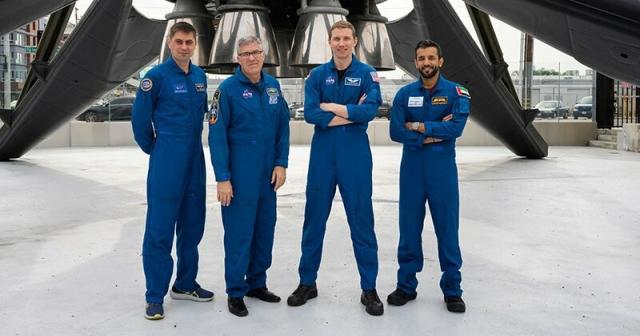
Light-Duty Day on Station Ahead of Crew-6 Launch
Four Expedition 68 astronauts took the afternoon off on Tuesday at the International Space Station while three cosmonauts focused on cargo transfers and lab maintenance.blogs.nasa.gov
Teams from @NASAKennedy completed testing of the Crew Module Test Article, a mock-up of @NASA_Orion, which helps recovery crews prepare to retrieve astronauts after future crewed #Artemis missions.
Learn what’s next: go.nasa.gov/3Zo1Rk8
#NASAArtemis #Artemis

NASA's Landing and Recovery Team Makes Splash with Orion Test Article
NASA’s Landing and Recovery team at the agency’s Kennedy Space Center in Florida, along with the Department of Defense (DoD), completed a rigorous round of testing on their new mock-up of the Orion spacecraft.Danielle Sempsrott (NASA)
#NASAExoplanets
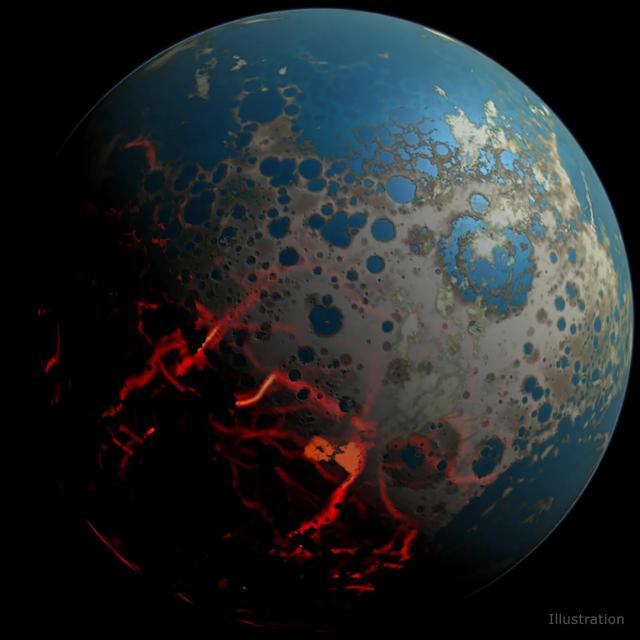
Removing Traces of Life in Lab Helps NASA Scientists Study Its Origins
A specialized laboratory setup at JPL removes the chemical influence of modern organisms so scientists can study the chemistry that may have led to life’s emergence.NASA Jet Propulsion Laboratory (JPL)
.@NASA_Astronaut Frank Rubio explores our “First Woman” graphic novel and answers questions from students aboard the space station!
Haven't read "First Woman" yet? Join fictional character Callie Rodriguez and her robot on their journey to the Moon! nasa.gov/calliefirst
#ISS
NASA - First Woman
First Woman tells the tale of Callie Rodriguez, the first woman to explore the Moon. Though she is a fictional character, a very real woman will soon be achieving this historic milestone with NASA.nasa.gov
#NASAExoplanets
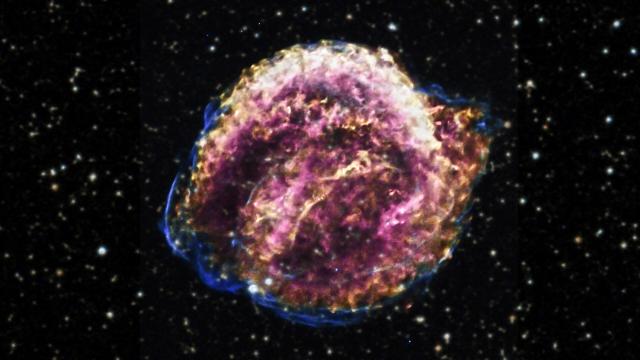
Debris from Stellar Explosion Not Slowed After 400 Years
Astronomers have used NASA's Chandra X-ray Observatory to record material blasting away from the site of an exploded star at speeds faster than 20 million miles per hour.Lee Mohon (NASA)
Watch astronaut Frank Rubio explore our “First Woman” graphic novel and answer questions from students aboard the @Space_Station!
Haven't read "First Woman" yet? Join fictional character Callie Rodriguez and her robot on their journey to the Moon! nasa.gov/calliefirst
#NASA
NASA - First Woman
First Woman tells the tale of Callie Rodriguez, the first woman to explore the Moon. Though she is a fictional character, a very real woman will soon be achieving this historic milestone with NASA.nasa.gov
#NASAExoplanets
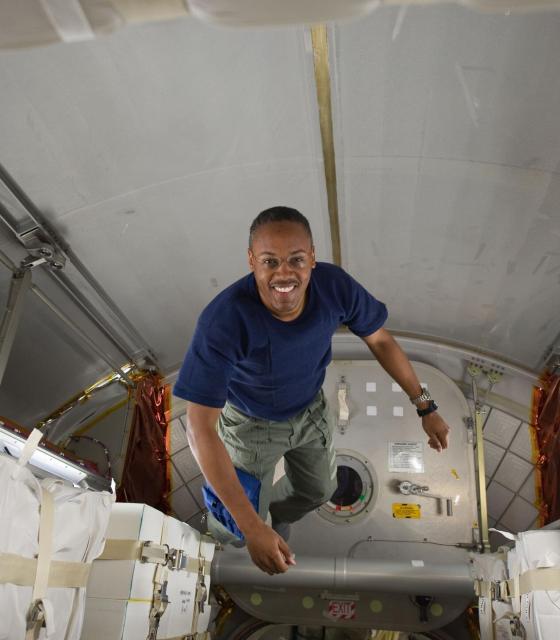
Meet the woman behind early @NASA_Landsat images: Dr. Valerie L. Thomas.
A self-taught programmer, she managed the development of Landsat image processing. Her work in the '70s helped show that satellite imagery could be used to support agriculture. go.nasa.gov/3EJMPgT #BHM
#NASA

Dr. Valerie L. Thomas: The Face Behind Landsat Images
r. Valerie L. Thomas was an integral part of the early Landsat digital image processing team.Yvette Smith (NASA)
#NASAhistory

Triples is best.
This Webb image features a special galaxy that appears 3 times. Why? There's a galaxy cluster here whose mass and gravity are so great that time and space around it gets warped. This magnifies, multiplies, and distorts galaxies behind it: esawebb.org/images/potm2302a/
#JamesWebb
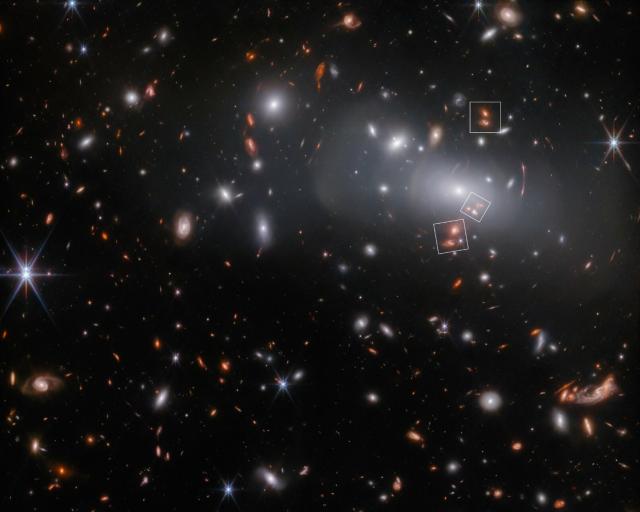
Yassified to maintain anonymity? More like magnified to remove anonymity.
Learn more about how galaxy clusters can be natural “magnifying glasses” for distant background galaxies in this short explainer:
#JamesWebb
#NASAhistory
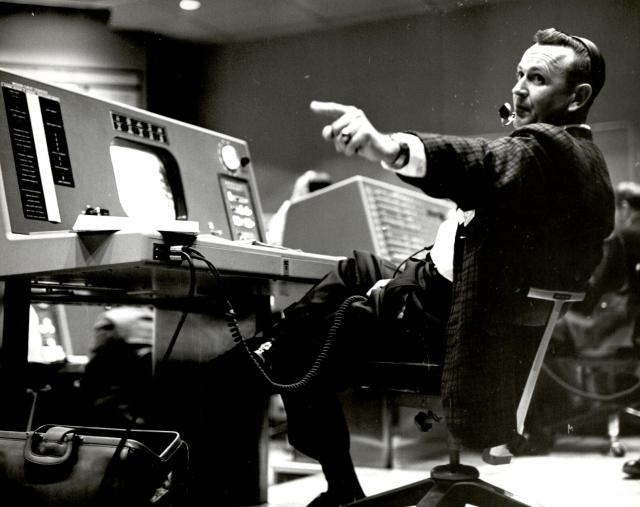
Remembering Chris Kraft
Christopher C. "Chris" Kraft, Jr. (b. 1924) created the concept, and developed the organization, operational procedures, and culture of NASA's Mission Control, which was a critical element of the success of the nation's human spaceflight programs.Brian Dunbar (NASA)
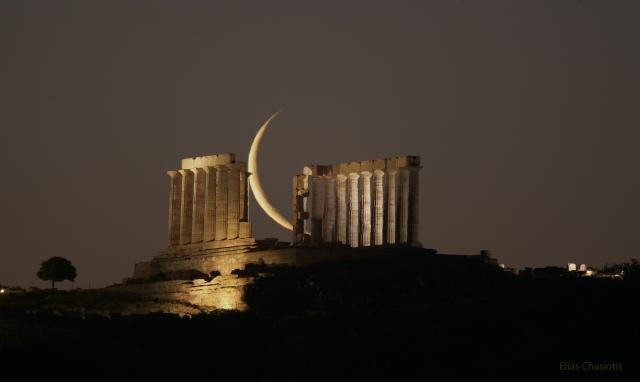
APOD: 2023 February 28 – Crescent Moon Beyond Greek Temple
A different astronomy and space science related image is featured each day, along with a brief explanation.apod.nasa.gov
#NASASolarSystem
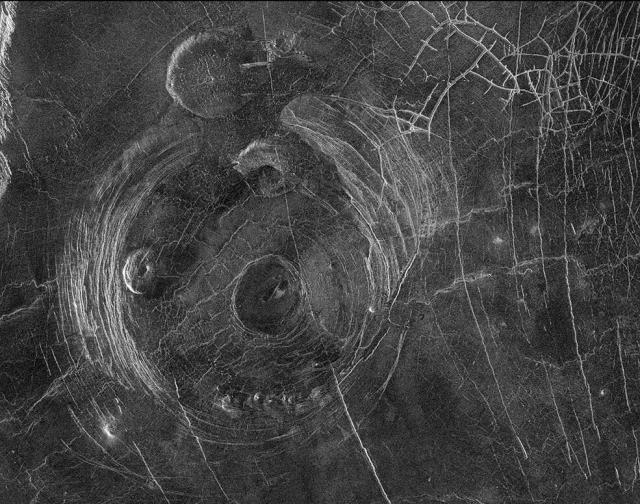
Crescent Moon Beyond Greek Temple
Image Credit & Copyright: Elias Chasiotis
apod.nasa.gov/apod/ap230228.ht… #APOD

APOD: 2023 February 28 – Crescent Moon Beyond Greek Temple
A different astronomy and space science related image is featured each day, along with a brief explanation.apod.nasa.gov

#NASAExoplanets
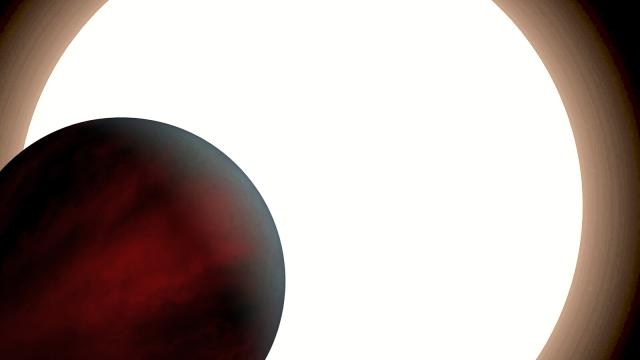
Discovery Alert: For This Familiar Planet, a Death Spiral
A previously discovered "hot Jupiter" appears to be spiraling into its star, new data shows.Exoplanet Exploration: Planets Beyond our Solar System
#ISS
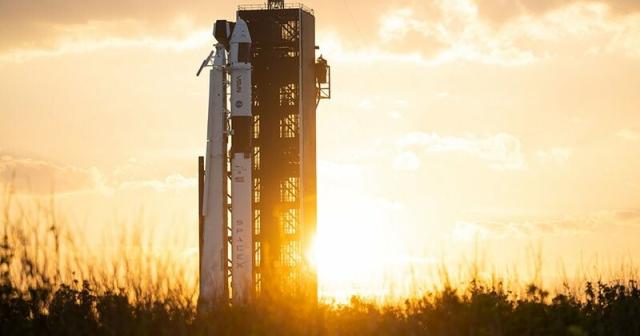
Station Crew Continues Preps for Crew-6 After Launch Delay
The seven-member Expedition 68 crew will wait a few more days for the arrival of the SpaceX Crew-6 mission.blogs.nasa.gov

Protein embeddings improve phage-host interaction prediction
With the growing interest in using phages to combat antimicrobial resistance, computational methods for predicting phage-host interactions have been explored to help shortlist candidate phages.bioRxiv

Repurposing of Anti-infectives for the Management of Onchocerciasis using Machine Learning and Protein Docking Studies
The discovery of new drugs for the treatment of neglected tropical diseases (NTDs) is hampered by the lack of financial reward associated with their development.bioRxiv
Launch your career with a NASA internship! High school and college-level students, find your place in space — applications for summer internships close March 1.
Learn about open opportunities and details: intern.nasa.gov
#NASA
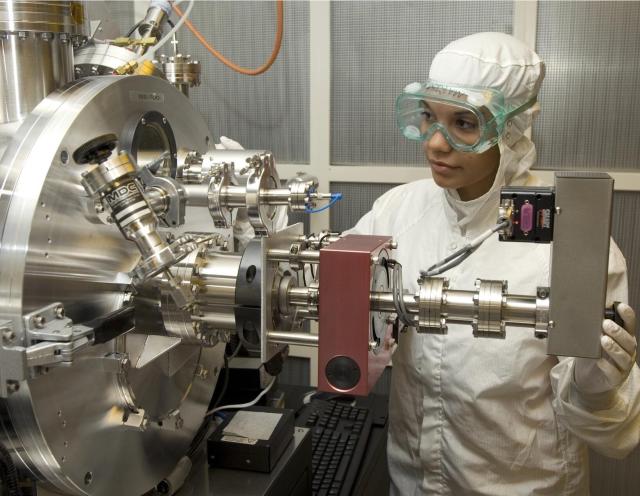
What do all these Hubble images have in common?
They show the aftermath of stars that died in a bright, powerful explosion known as a supernova.
In a supernova, a star’s contents fling out into space at speeds of up to 25,000 miles (15,000 to 40,000 km) per second!
#Hubble

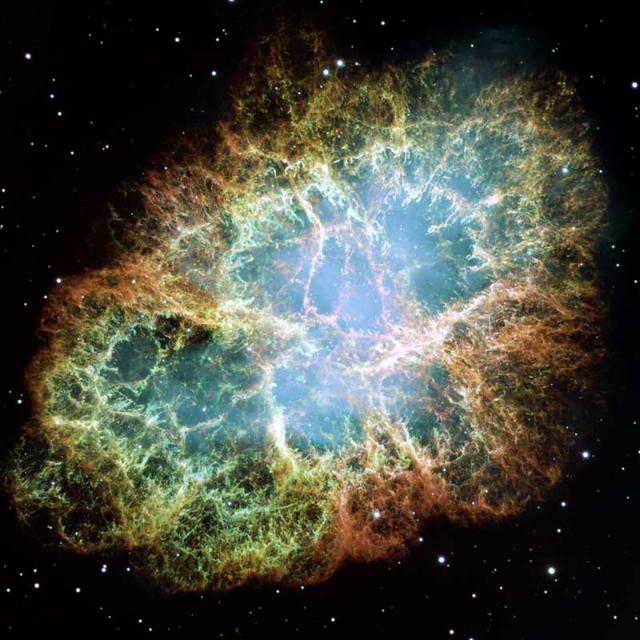
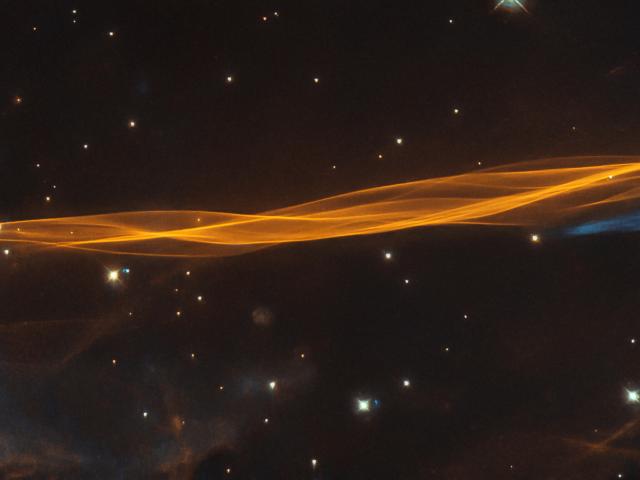
These supernova remnants are made of material from the exploded star and any interstellar material it sweeps up in its path. Read more about supernova remnants and other types of nebulae: go.nasa.gov/3EILHKu
Check out @NASAUniverse for more supernova content all week!
#Hubble
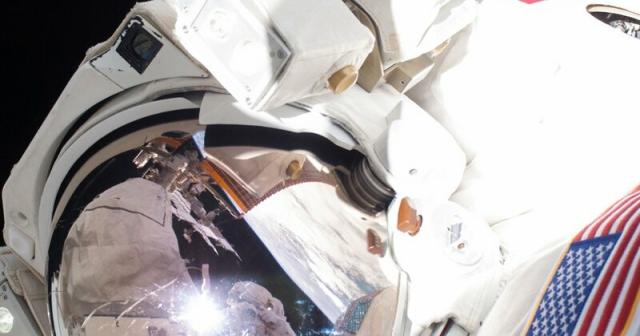
Discoveries - Hubble’s Nebulae
NASA.gov brings you the latest images, videos and news from America's space agency. Get the latest updates on NASA missions, watch NASA TV live, and learn about our quest to reveal the unknown and benefit all humankind.NASA
22 exoplanets join the known worlds, bringing the confirmed total to 5,272. All 22 were discovered using microlensing, where light from a distant star is bent and focused by gravity as a planet passes between the star and Earth. go.nasa.gov/3kAwOmD
#NASAExoplanets
5 Ways to Find a Planet | Explore – Exoplanet Exploration: Planets Beyond our Solar System
NASA’s Exoplanet Exploration Program, the search for planets and life beyond our solar system.Exoplanet Exploration: Planets Beyond our Solar System
📣 Last call to educators & community leaders!
Know a 6-12 grader who, like @NASAPersevere, overcame challenges to meet their goals? Nominate them by March 1 for our #GotPerseverance opportunity—a chance to chat with the team and get a message from Mars: go.nasa.gov/gotperseverance
#NASA
You've Got Perseverance! - NASA
The 'You've Got Perseverance!' opportunity is for students who have demonstrated perseverance in their academic pursuits.go.nasa.gov
#NASA
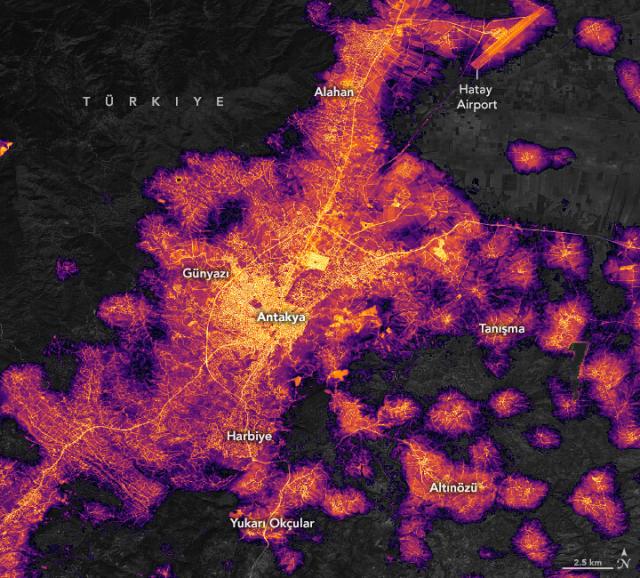
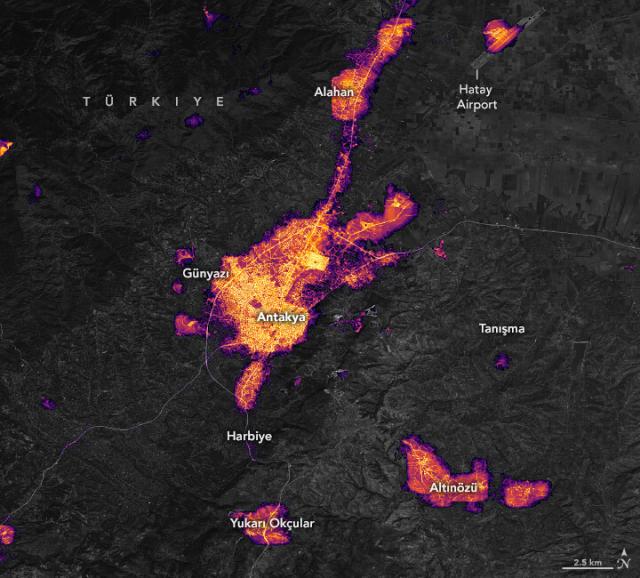
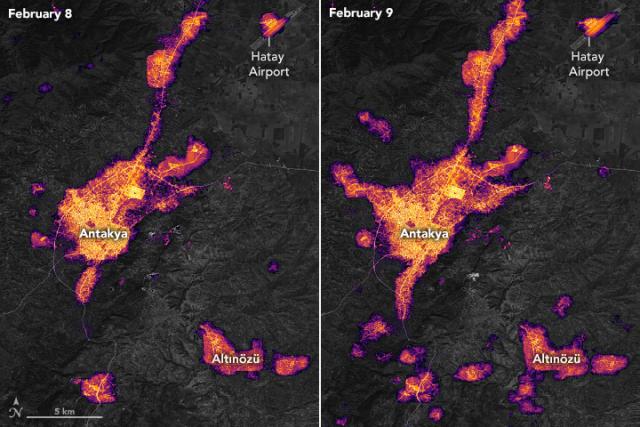
Strong earthquakes in Türkiye on Feb. 6 left many areas without electric power.
These maps show light around Antakya before (left) and after the earthquakes (right). Maps are from the Black Marble HD product, using @nasa @noaa Suomi-NPP satellite data. go.nasa.gov/3xTvQVw
#NASAEarth
Dark Nights in Antakya
In the days after strong earthquakes struck Türkiye, significant destruction left many areas without electric power.go.nasa.gov
#NASAEarth
#NASAhqphoto

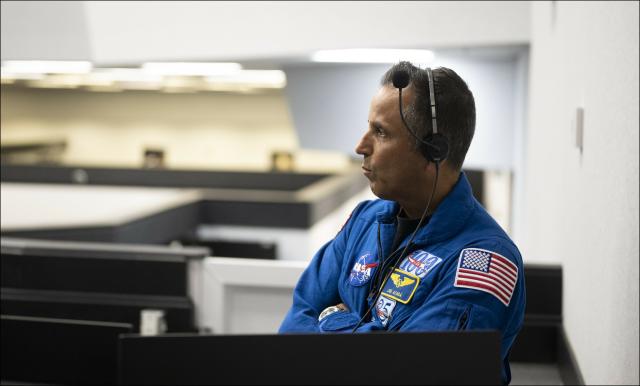
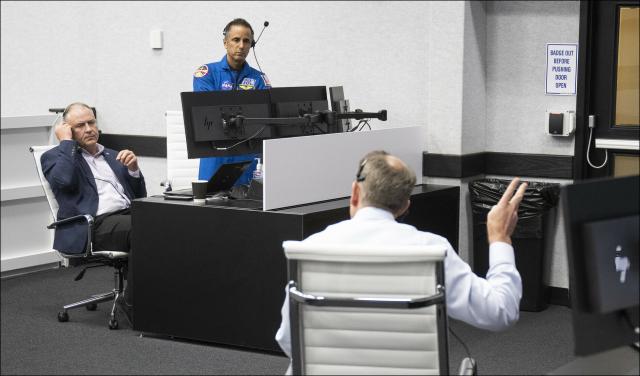
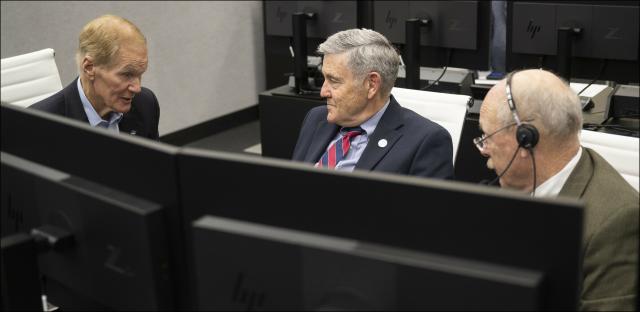
NASA Research Pilot Bill Dana flew the HL-10 lifting body to an altitude of 90,030 ft (more than 27 km), setting the altitude record for the lifting body program #OTD in 1970.
About the HL-10: go.nasa.gov/3xM3YCy
📷 Dana after his 4th free flight in the HL-10 in Sept. 1969
#NASAhistory
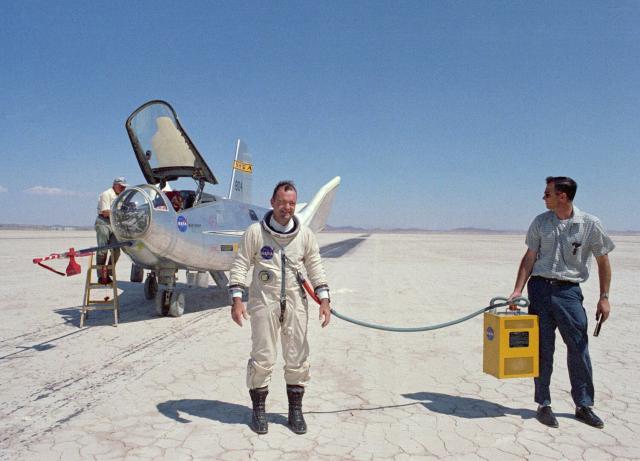
NASA Armstrong Fact Sheet: HL-10 Lifting Body
HL-10 Lifting Body Project Summary Edwards, CA, from July 1966 to November 1975 to study and validate the concept of safely maneuvering and landing a low lift-over-drag vehicle designed for reentry from space.NASA
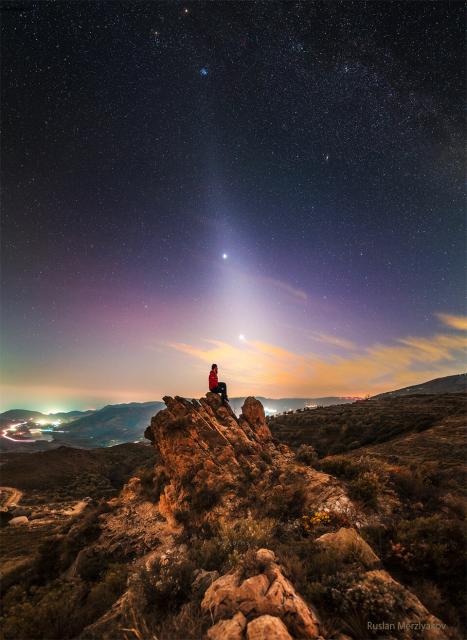
APOD: 2023 February 27 – Zodiacal Ray with Venus and Jupiter
A different astronomy and space science related image is featured each day, along with a brief explanation.apod.nasa.gov
#NASA
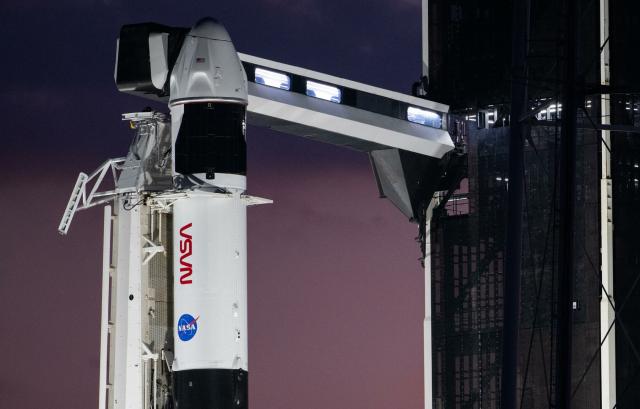
LIVE: Our next mission to the @Space_Station is here!
Count down to NASA's @SpaceX #Crew6 launch with us, set to lift off from @NASAKennedy at 1:45am ET (0645 UTC) on Monday, Feb. 27. twitter.com/i/broadcasts/1vOxw…
#NASA
LIVE: Our next mission to the @Space_Station is here!
Count down to NASA's @SpaceX #Crew6 launch with us, set to lift off from @NASAKennedy at 1:45am ET (0645 UTC) on Monday, Feb. 27. twitter.com/i/broadcasts/1vOxw…
[Video embedded in original tweet]
#NASA
Laimis
in reply to NASA • • •Ged|Net
in reply to NASA • • •miridescent
in reply to NASA • • •MercyJ
in reply to NASA • • •Michael
in reply to NASA • • •Jude
in reply to NASA • • •