
#NASASolarSystem
In Depth | 16 Psyche – NASA Solar System Exploration
Asteroid Psyche is a giant metal-rich asteroid that will be explored by a spacecraft with the same name - NASA's Psyche mission.NASA Solar System Exploration
#NASAExoplanets

TRAPPIST-1e - Guided Tour | Exoplanet Travel Bureau – Exoplanet Exploration: Planets Beyond our Solar System
Just 40 light-years away from Earth, the seven rocky worlds of TRAPPIST-1 would allow you to planet hop, one by one!Exoplanet Exploration: Planets Beyond our Solar System
#ISS
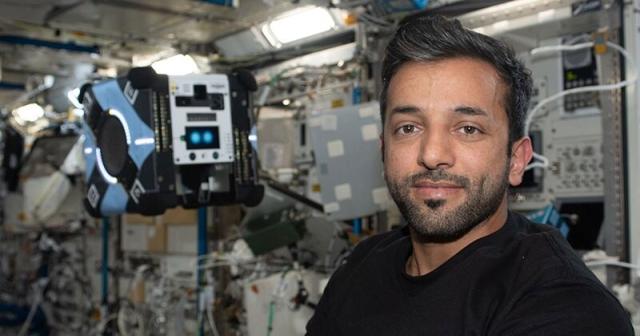
Cargo, Research Work Ongoing as Commercial Crew Missions Announced
The Expedition 69 crew members continue unpacking the SpaceX Dragon resupply ship in the midst of human research and pharmaceutical studies aboard the International Space Station.blogs.nasa.gov
Scientists can now detect small-scale features of harmful algal blooms that occur close to beaches and inside small bays.
Using a data processing technique, they can view “red tide” events in false-color, seen in this Feb. 26 satellite image of Florida. go.nasa.gov/3nwk4ys
#NASAEarth
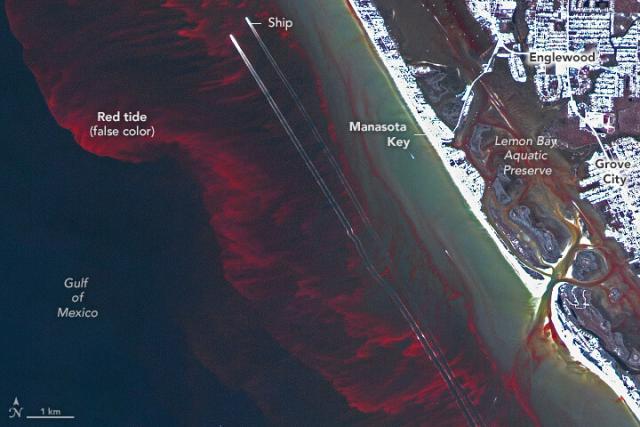
Putting the Red in “Red Tide”
Scientists developed a way to detect the fine-scale features of harmful algae blooms that occur close to beaches and inside small bays.go.nasa.gov
The work was done by scientists at the University of South Florida, using PlanetLabs satellite data made available through @nasaearthdata’s Commercial SmallSat Data Acquisition program.
Learn more: go.nasa.gov/40OoYoR
#NASAEarth
#OTD last year, we shared news of Hubble's detection of the farthest individual star ever seen!
Go "inside the image" of the star Earendel to learn about this record-breaking observation.
You can read more here: go.nasa.gov/42UdpOY
#Hubble
Record Broken: Hubble Spots Farthest Star Ever Seen
NASA’s Hubble Space Telescope has established an extraordinary new benchmark: detecting the light of a star that existed within the first billion years after the universe’s birth in the big bang – the farthest individual star ever seen to date.Andrea Gianopoulos (NASA)
Just 4 more days until we meet the #Artemis II astronauts who will fly around the Moon! They'll be the first humans to see the Moon's cratered landscape up close in over 50 years.
Mark your calendar: youtube.com/watch?v=mua1Lysc_J…
#NASAMoon

Who Will Fly Around the Moon? Introducing the Artemis II Astronauts LIVE (Official NASA Broadcast)
Meet the four astronauts who will take a trip around the Moon aboard the Orion spacecraft on their approximately 10-day Artemis II mission, the first crewed ...YouTube
Saturn is known for its iconic rings.
And with Hubble's help, now we know that these rings are also heating the giant planet's upper atmosphere!
This could provide a tool for predicting if planets around other stars have ring systems as well. Learn more: go.nasa.gov/3ZtFlWV
#Hubble
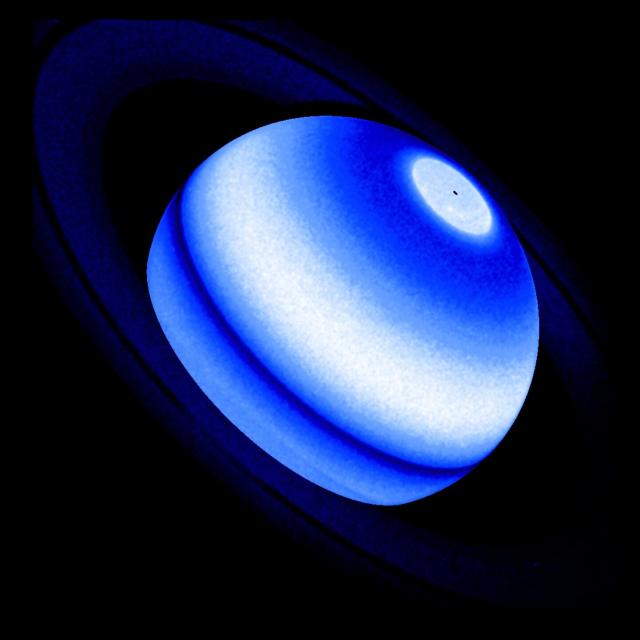
Hubble Finds Saturn's Rings Heating Its Atmosphere
Saturn's vast ring system is heating the giant planet's upper atmosphere. The phenomenon has never before been seen in the solar system.Andrea Gianopoulos (NASA)
Ready for a puzzler?
Tell us where in the world this is, what we’re looking at, and why it’s interesting. go.nasa.gov/3Kk1N08 🧩 🌏
#NASAEarth
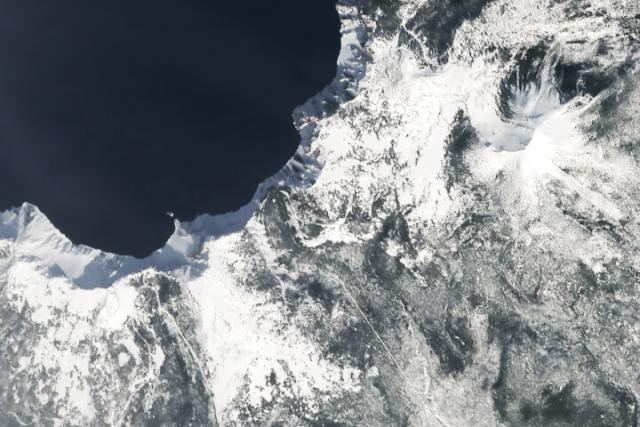
Earth Matters - March Puzzler
climate change, global climate change, global warming, natural hazards, Earth, environment, remote sensing, atmosphere, land processes, oceans, volcanoes, land cover, Earth science data, NASA, environmental processes, Blue Marble, global mapsgo.nasa.gov
#NASAhistory

The redesigned nickel-hydrogen batteries have since been used on the ISS, Hubble Space Telescope, and in numerous other space applications. #WomensHistoryMonth
Learn more about her career at @NASAglenn: go.nasa.gov/3TVMNc7
#NASAhistory

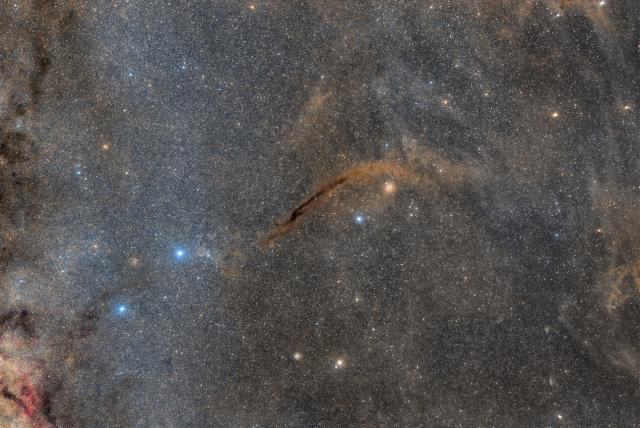
APOD: 2023 March 30 - NGC 4372 and the Dark Doodad
A different astronomy and space science related image is featured each day, along with a brief explanation.apod.nasa.gov
NGC 4372 and the Dark Doodad
Image Credit & Copyright: Matias Tomasello
apod.nasa.gov/apod/ap230330.ht… #APOD

APOD: 2023 March 30 - NGC 4372 and the Dark Doodad
A different astronomy and space science related image is featured each day, along with a brief explanation.apod.nasa.gov
NASA experts travel far and wide on our home planet to learn more about the universe.
In this week’s episode of NASA’s Curious Universe podcast, @NASASun writer Miles Hatfield takes us to northern Australia for a sounding rocket launch. nasa.gov/curiousuniverse
#NASAEarth
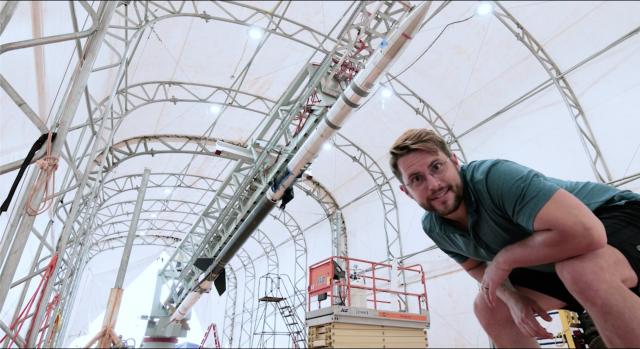
NASA's Curious Universe
NASA.gov brings you the latest images, videos and news from America's space agency. Get the latest updates on NASA missions, watch NASA TV live, and learn about our quest to reveal the unknown and benefit all humankind.NASA
"Galactic winds" can spread starstuff far and wide—including elements crucial for life on Earth.
A new @chandraxray study is taking a look at the giant star clusters that cause this cosmic wind to blow: go.nasa.gov/40rNn3S
#NASA
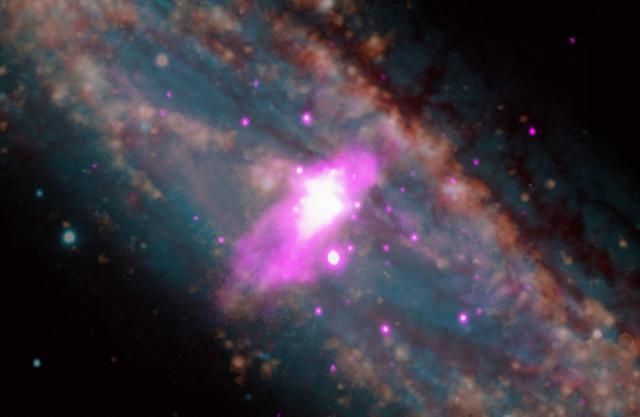
Chandra Determines What Makes a Galaxy's Wind Blow
NGC 253 shows the effect of powerful winds being launched in opposite directions from the center of the galaxy. Although it is a spiral like our Milky Way galaxy, NGC 253 is forming stars at a higher rate.Lee Mohon (NASA)
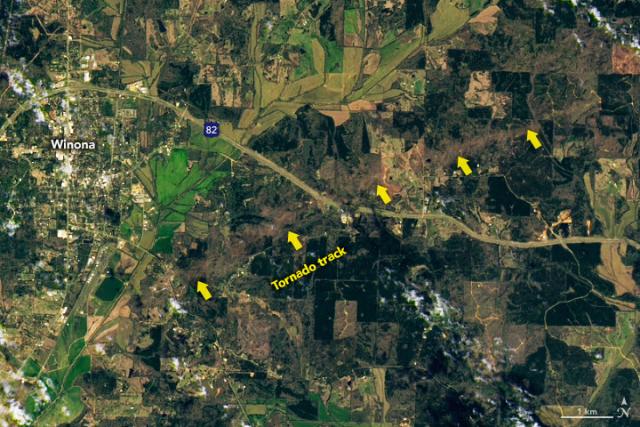
A tornado moved through Mississippi on March 24, leaving a 29-mile-long tornado track near the city of Winona.
The tornado’s path is visible in #Landsat satellite imagery captured the next day. go.nasa.gov/42Oq1He
#NASAEarth
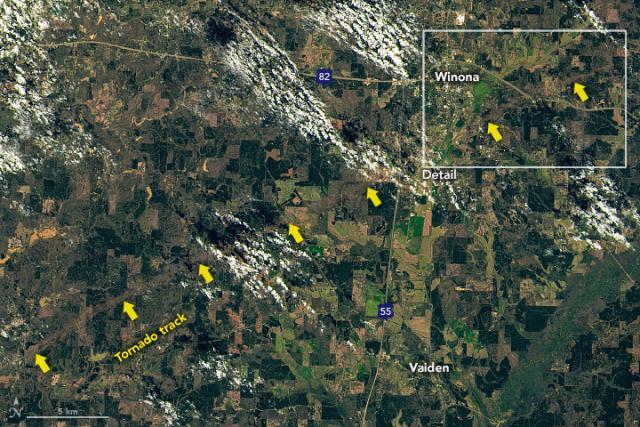
Tornado Leaves Path of Destruction in Mississippi
A deadly tornado left a 29-mile-long path near Winona, which is visible in satellite images.go.nasa.gov
#NASAExoplanets
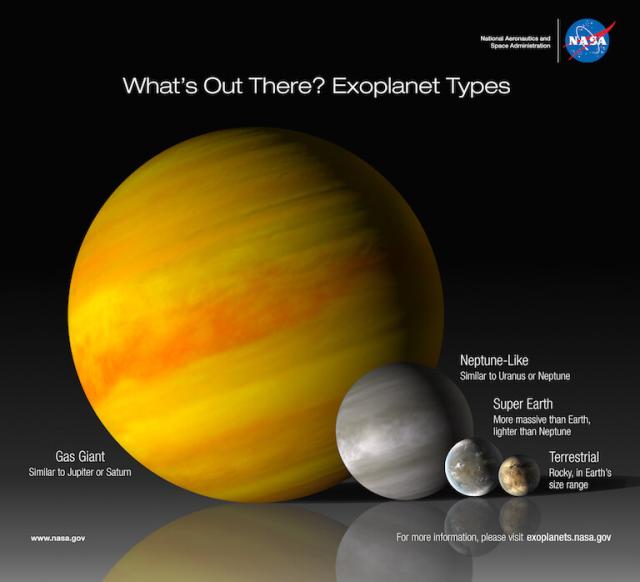
Overview | Planet Types – Exoplanet Exploration: Planets Beyond our Solar System
So far scientists have categorized exoplanets into the following types: Gas giant, Neptunian, super-Earth and terrestrial, but there is complexity within these groups.Exoplanet Exploration: Planets Beyond our Solar System
#NASAExoplanets
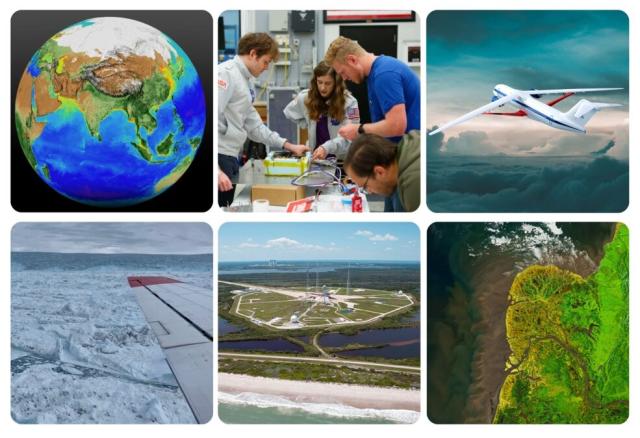
We mourn the loss of Virginia T. Norwood, known as the “Mother of Landsat.” She designed the first space-based multispectral scanner that flew on the first #Landsat. Her impact lives on in how we see Earth from space.

Bidding Farewell to Virginia T. Norwood, the Mother of Landsat | Landsat Science
Virginia T. Norwood, a founding figure in the field of satellite land imaging, died on Sunday, March 26, 2023, at age 96.https://landsat.gsfc.nasa.gov/article/author/lrocchio/#author (Landsat Science)

From space, air, and on the ground, @nasa studies Earth and the ways it is changing. These observations help us better understand – and prepare for – the effects of human-caused climate change.
Today we released our 2023 climate strategy. go.nasa.gov/40rbT5a
#NASAEarth
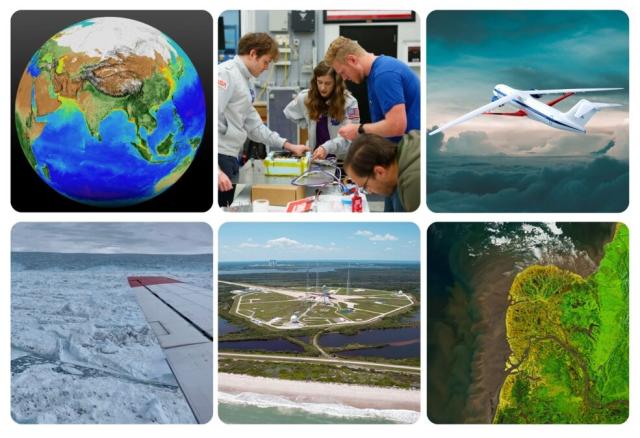
NASA Releases Agency Climate Strategy
NASA has been working to better understand our home planet from the unique vantage point of space since the first TIROS satellites launched in the 1960s.Jamie Adkins (NASA)
#NASA
Travel to the Australian Outback to learn about the launch of a sounding rocket – a small rocket bringing science instruments briefly to space, studying everything from our atmosphere to the stars.
The latest episode of our Curious Universe podcast: go.nasa.gov/3G0K4IF
#NASA

Curious Universe Season 5 Ep 6: "Field Notes: Nhulunbuy, Australia"
Tropical rainforests, snowy mountain peaks, even the Australian outback – NASA experts travel to a wide range of environments right here on Earth to better understand our universe.Gary Daines (NASA)
NASA is developing technologies in space and on the ground that we can use to improve energy efficiency and storage, and mitigate the effects of climate change.
Read the full report: go.nasa.gov/40rbT5a
#NASAEarth
NASA Releases Agency Climate Strategy
NASA has been working to better understand our home planet from the unique vantage point of space since the first TIROS satellites launched in the 1960s.Jamie Adkins (NASA)
#ISS
Expedition 69 Officially Begins on Station
The Expedition 69 mission is officially under way following the undocking of the Soyuz MS-22 spacecraft on Tuesday.blogs.nasa.gov
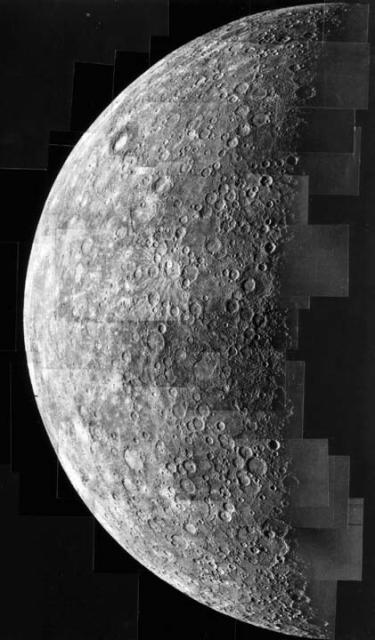
Mariner 10, the 1st spacecraft sent to study Mercury, took the first closeup photos of the planet as it made its first flyby #OTD in 1974. Pictured is a mosaic of images taken by the spacecraft about 6 hours before closest approach. @NASASolarSystem
But that's not all…
#NASAhistory

Beverly Johnson is one of the many women who help Hubble make history!
As Hubble's payload team manager, she supports flight software updates and investigates any issues that arise with the observatory's science instruments.
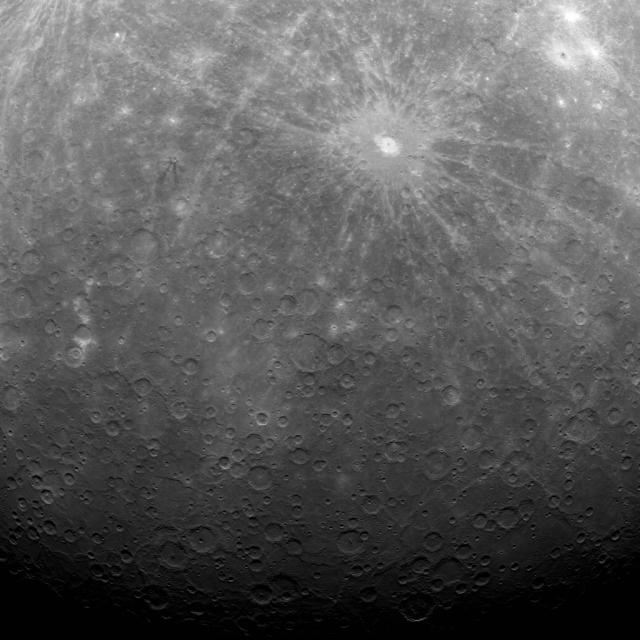
37 years later to the day, the MESSENGER spacecraft sent back the first photo of Mercury from orbit #OTD in 2011! MESSENGER gave scientists the first new data on the composition of Mercury's surface since Mariner 10's final 1975 flyby.
More about Mercury: go.nasa.gov/3lPVmIT
#NASAhistory
Exploration | Mercury – NASA Solar System Exploration
NASA’s real-time science encyclopedia of deep space exploration. Our scientists and far-ranging robots explore the wild frontiers of our solar system.NASA Solar System Exploration
Sh2-308: A Dolphin Shaped Star Bubble
Image Credit & Copyright: Aleix Roig (AstroCatInfo)
apod.nasa.gov/apod/ap230329.ht… #APOD

APOD: 2023 March 29 – Sh2-308: A Dolphin Shaped Star Bubble
A different astronomy and space science related image is featured each day, along with a brief explanation.apod.nasa.gov
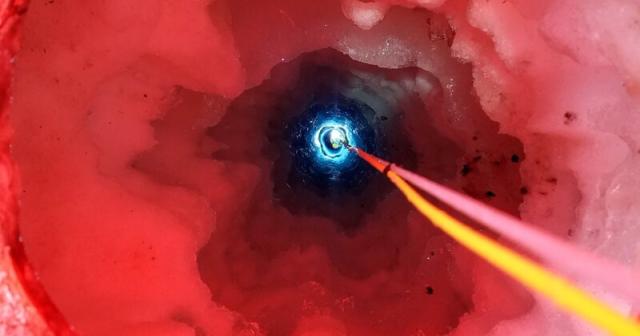
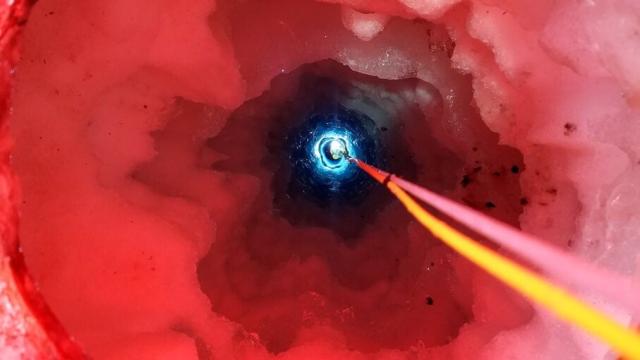
Scientists deployed Icefin, a remotely operated vehicle built for @NASAAstrobio research, to "swim" under two Antarctic glaciers and study them from below.
Bundle up and dive in! go.nasa.gov/3FZ4a6c 🧊🌊
#NASAEarth
#NASA
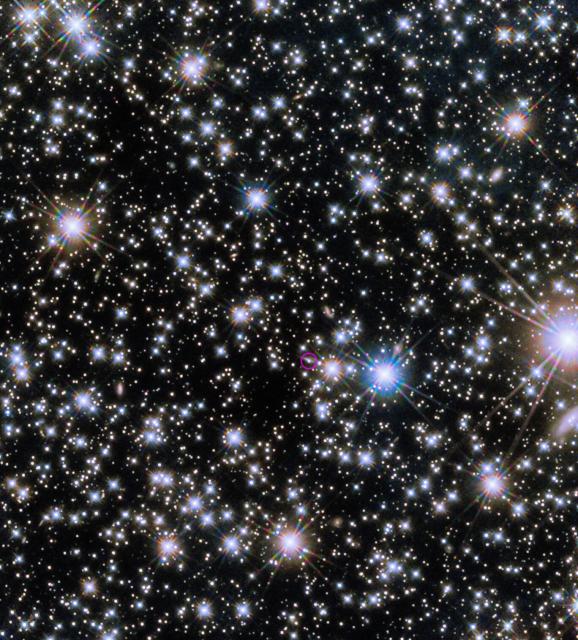
NASA Missions Study What May Be a 1-In-10,000-Year Gamma-ray Burst
On Sunday, Oct. 9, 2022, a pulse of intense radiation swept through the solar system so exceptional that astronomers quickly dubbed it the BOAT – the brightest of all time.Francis Reddy (NASA)
#NASAExoplanets
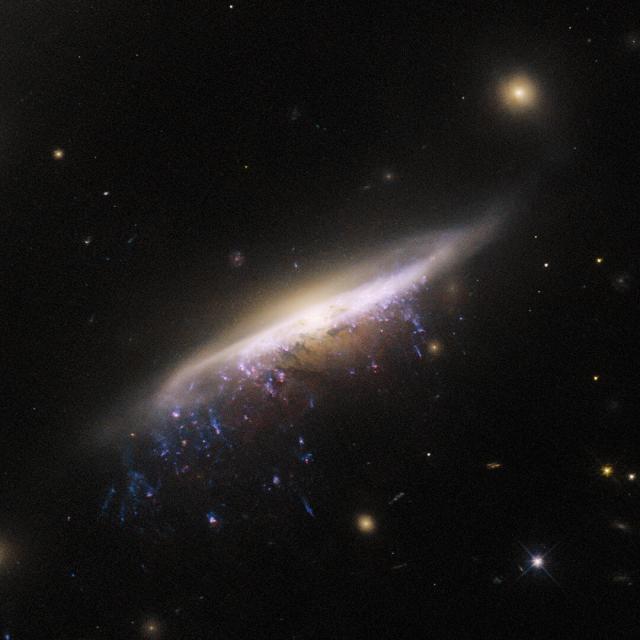
Hubble Snaps a Galactic Jellyfish
Streams of star-forming gas dripping from the disk of galaxy JW100 are formed by a process called ram pressure stripping.Andrea Gianopoulos (NASA)

On April 3, you will meet the team of astronauts flying to the Moon on the #Artemis II mission.
These explorers will pave the way for future lunar landings and our next giant leap — human exploration of Mars. youtube.com/live/mua1Lysc_JQ?f…
#NASA
Who Will Fly Around the Moon? Introducing the Artemis II Astronauts LIVE (Official NASA Broadcast)
Meet the four astronauts who will take a trip around the Moon aboard the Orion spacecraft on their approximately 10-day Artemis II mission, the first crewed ...YouTube
On April 3, you will meet the team of astronauts flying to the Moon on the #Artemis II mission.
These explorers will pave the way for future lunar landings and our next giant leap — human exploration of Mars. youtube.com/live/mua1Lysc_JQ?f…
#NASA
Who Will Fly Around the Moon? Introducing the Artemis II Astronauts LIVE (Official NASA Broadcast)
Meet the four astronauts who will take a trip around the Moon aboard the Orion spacecraft on their approximately 10-day Artemis II mission, the first crewed ...YouTube
A pulse of intense radiation swept through our solar system that astronomers called the BOAT: the brightest of all time.
Several @nasa missions, including Hubble, have followed up to study this gamma-ray burst, likely caused by the birth of a black hole: go.nasa.gov/3zeNjbz
#Hubble
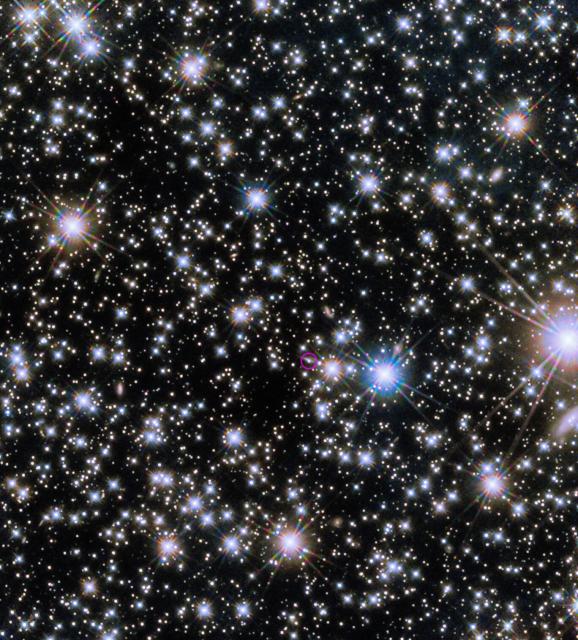
NASA Missions Study What May Be a 1-In-10,000-Year Gamma-ray Burst
On Sunday, Oct. 9, 2022, a pulse of intense radiation swept through the solar system so exceptional that astronomers quickly dubbed it the BOAT – the brightest of all time.Francis Reddy (NASA)
Just six more days until you meet the astronauts who will fly around the Moon with #Artemis II.
Don’t miss the reveal April 3 to learn which crew members will take the next giant leap toward future lunar surface missions: youtube.com/live/mua1Lysc_JQ?s…
#NASAArtemis #Artemis
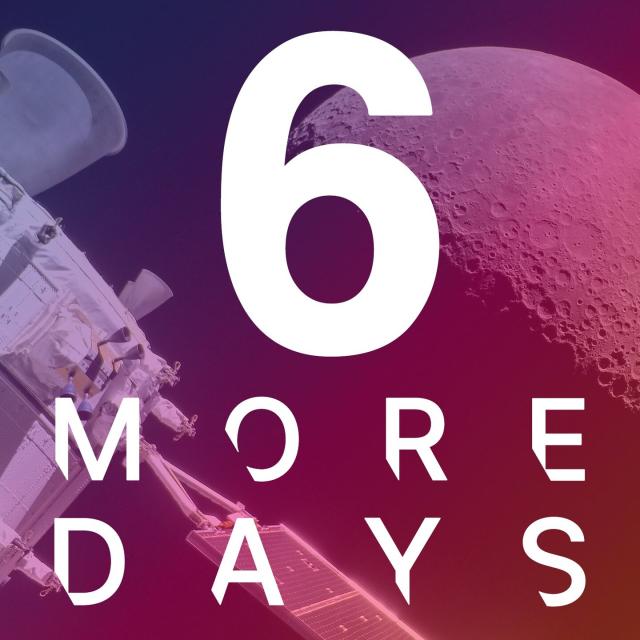
Who Will Fly Around the Moon? Introducing the Artemis II Astronauts LIVE (Official NASA Broadcast)
Meet the four astronauts who will take a trip around the Moon aboard the Orion spacecraft on their approximately 10-day Artemis II mission, the first crewed ...YouTube
SWOT’s that?
A first look at data from @nasa’s SWOT mission! 💧
This image shows sea level in two 75 mile wide strips in the Gulf Stream off the U.S. East Coast. Red indicates sea level higher than the global average; blue is lower. go.nasa.gov/3TOKaZu
#NASAEarth
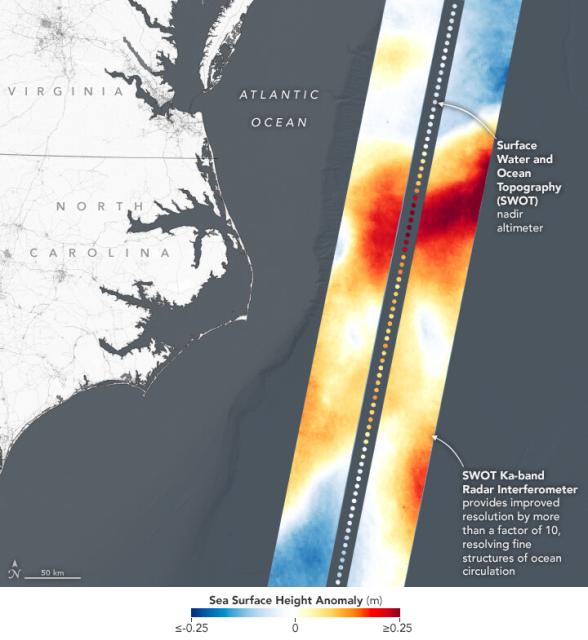
Water-Tracking Satellite Reveals First Views
The Surface Water and Ocean Topography mission has sent back some of its first glimpses of water on Earth’s surface, including a detailed view of the Gulf Stream.go.nasa.gov
#NASAExoplanets
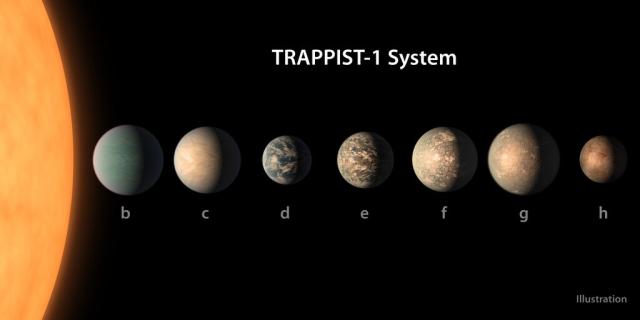
Webb Measures the Temperature of a TRAPPIST-1 Exoplanet
An international team of researchers has used NASA’s James Webb Space Telescope to measure the temperature of the rocky exoplanet TRAPPIST-1 b.Exoplanet Exploration: Planets Beyond our Solar System
#NASA
#NASA

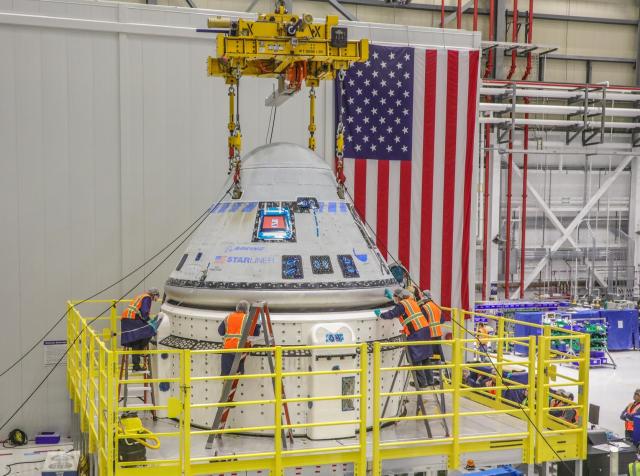
NASA, Boeing to Host Media Briefing, Provide Starliner Update
NASA and Boeing will host a media teleconference at 2 p.m. EDT Wednesday, March 29, to provide an update on the Crew Flight Test (CFT) of the CST-100 Starliner spacecraft to the International Space Station.Claire O’Shea (NASA)
Winchell Chung ⚛🚀
in reply to NASA • • •Also the possible future site of the Mining Wars...
projectrho.com/public_html/roc…
Weird Astronomy - Atomic Rockets
www.projectrho.comArgos Papiroflecta
in reply to NASA • • •