
#ISS
#NASAExoplanets
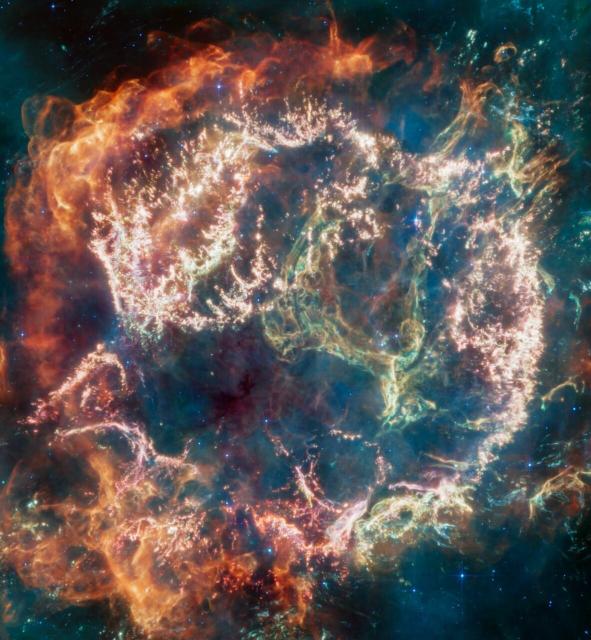
Webb Reveals Never-Before-Seen Details in Cassiopeia A
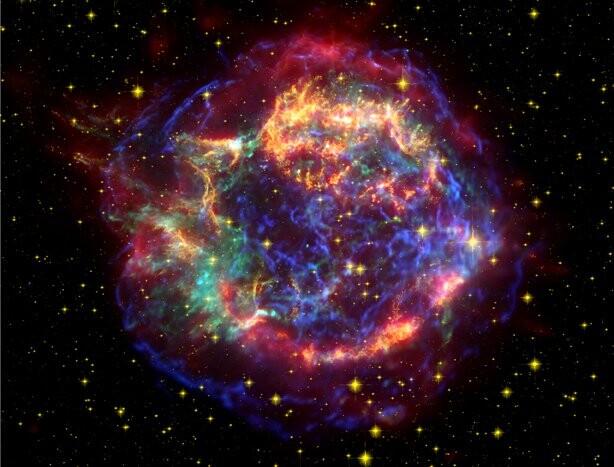
A new mid-infrared image from NASA’s James Webb Space Telescope shows the supernova remnant Cassiopeia A (Cas A), created by a stellar explosion seen from Earth 340 years ago.Isabelle Yan (NASA)
#ISS
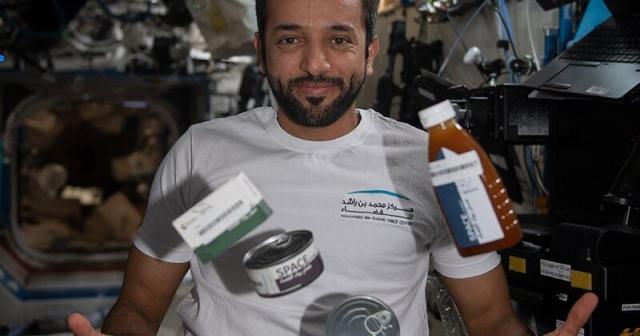
Heart Research, Space Physics, and Spacewalk Preps End Workweek
Heart research and space physics topped the microgravity research schedule aboard the International Space Station on Friday.blogs.nasa.gov
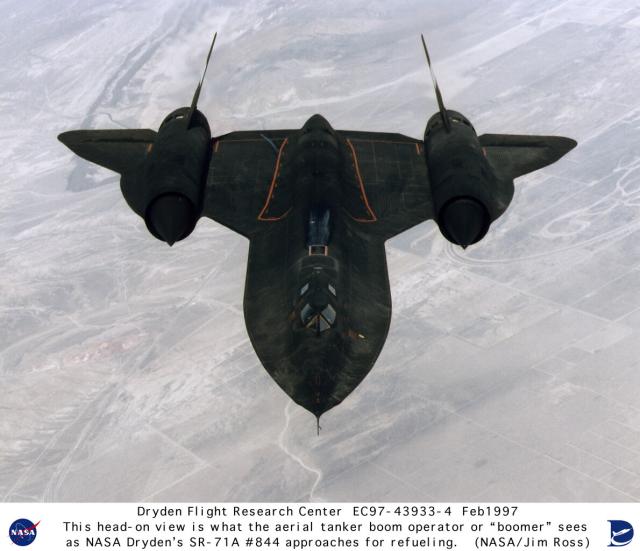
An im-peck-able bird from our photo archives 🦅
NASA's SR-71A Blackbird is seen here over the California desert following air refueling in February 1997.
#ArchivesForTheBirds #ArchivesHashtagParty @NASAArmstrong @NASAaero
#NASAhistory
Fierce storms over the ocean can dislodge carbonate sediment – like from coral, algae and hard shells of marine life – from shallow water and move it deeper into the ocean.
This process may have important implications for ocean acidification. go.nasa.gov/3Gro3Ts 🌊🪸🐚
#NASAEarth
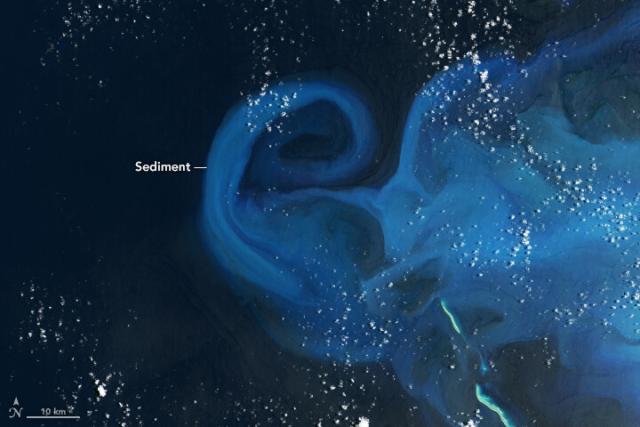
Stirring Up Carbonate in the Coral Sea
Fierce storms can dislodge carbonate sediment from shallow underwater platforms and move it into deeper waters.go.nasa.gov
In Feb. 2023, Tropical Cyclone Gabrielle passed over shallow waters at the Bellona Plateau in the Coral Sea.
The storm suspended carbonate sediment that then drifted into deep ocean waters.
#NASAEarth
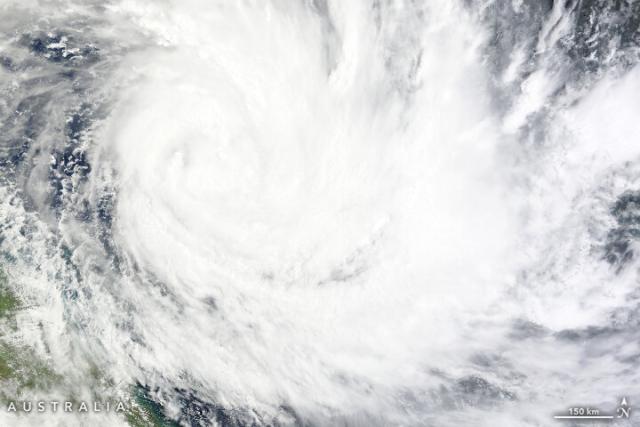
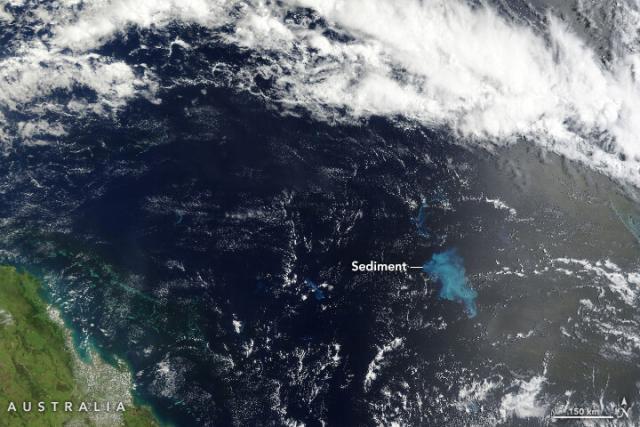
This process can help counter ocean acidification from rising carbon dioxide in the atmosphere.
But scientists are still investigating how climate change might be changing the marine carbon cycle. go.nasa.gov/3Gro3Ts
#NASAEarth
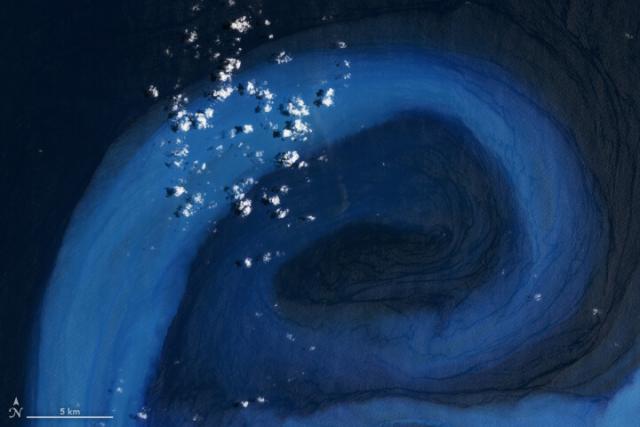
Stirring Up Carbonate in the Coral Sea
Fierce storms can dislodge carbonate sediment from shallow underwater platforms and move it into deeper waters.go.nasa.gov
Stars: always making a dramatic exit! 🌟
Webb’s powerful infrared eye has captured never-before-seen detail of Cassiopeia A (Cas A). 11,000 light-years away, it is the remnant of a massive star that exploded about 340 years ago: go.nasa.gov/3ZJnk72
#JamesWebb
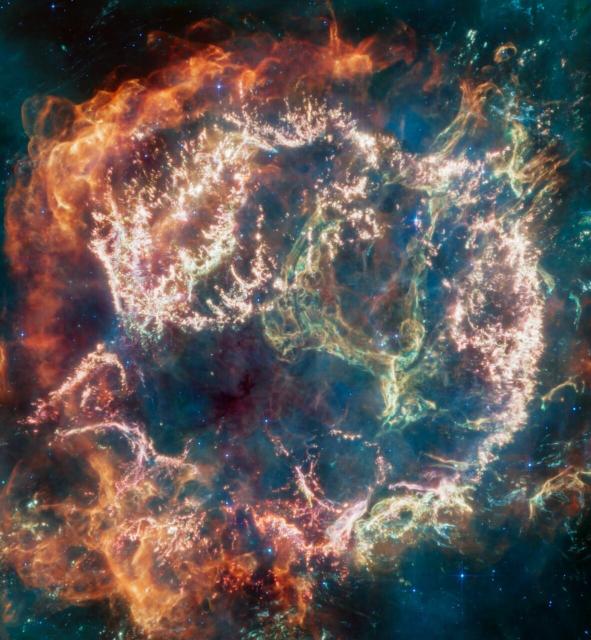
Webb Reveals Never-Before-Seen Details in Cassiopeia A
A new mid-infrared image from NASA’s James Webb Space Telescope shows the supernova remnant Cassiopeia A (Cas A), created by a stellar explosion 340 years ago. Cas A is the youngest known remnant from an exploding, massive star in our galaxy.Isabelle Yan (NASA)
#JamesWebb
Have a stellar #HubbleFriday! ⭐
This image showcases the globular cluster NGC 2419. Globular clusters are roughly spherical groupings of stars bound together by their mutual gravitational attraction.
Explore more: go.nasa.gov/3UgX9TY
#Hubble
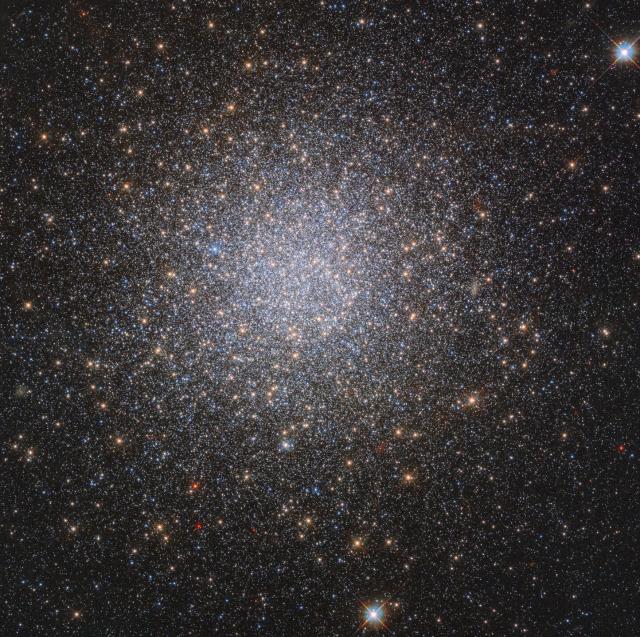
Hubble Spies a Multi-Generational Cluster
This image from the NASA/ESA Hubble Space Telescope shows the globular star cluster NGC 2419.Andrea Gianopoulos (NASA)
#NASAhistory
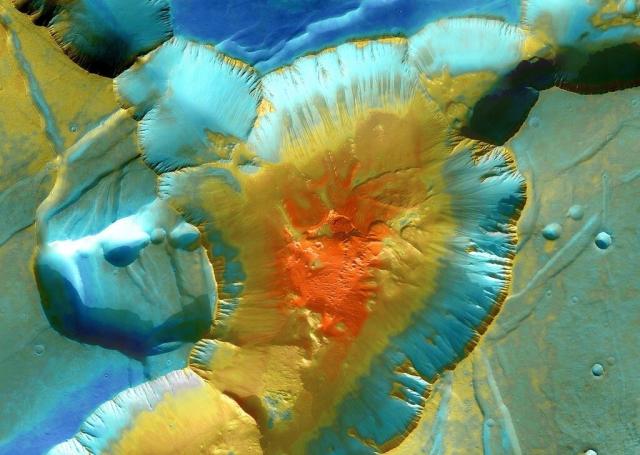
Mars Odyssey Orbiter - NASA
NASA Odyssey Orbiter - overview, videos, images and informationgo.nasa.gov


euka: Robust detection of eukaryotic taxa from modern and ancient environmental DNA using pangenomic reference graphs.
1. Ancient environmental DNA (eDNA) is a crucial source of information for past environmental reconstruction.bioRxiv
Rigel Wide
Image Credit: Rheinhold Wittich
apod.nasa.gov/apod/ap230407.ht… #APOD

APOD: 2023 April 7 - Rigel Wide
A different astronomy and space science related image is featured each day, along with a brief explanation.apod.nasa.gov
#NASA
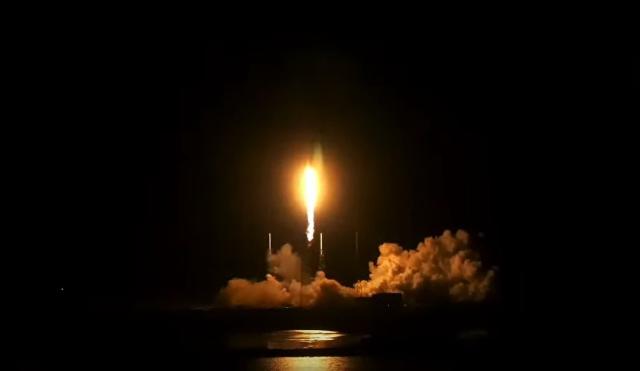
NASA’s High-Resolution Air Quality Control Instrument Launches
A NASA instrument to provide unprecedented resolution of monitoring major air pollutants – down to four square miles – lifted off on its way to geostationary orbit at 12:30 a.m. EDT Friday.Abbey Donaldson (NASA)
LIVE: Watch #TEMPO launch to orbit on a @SpaceX Falcon 9 rocket. Liftoff expected as early as 12:30am ET (0430 UTC).
The @NASAEarth & @CenterForAstro mission is set to revolutionize air quality observations. twitter.com/i/broadcasts/1yNGa…
#NASA
Staying up late? Watch the TEMPO launch! 🚀
TEMPO is a @nasa and @CenterForAstro mission to study air quality over North America every hour. It’s launching on a @SpaceX Falcon 9 rocket.
12am ET (4am tomorrow UTC) 🕛
Watch: nasa.gov/nasalive 📺
#NASAEarth
It's both! Studying the ice giants in our solar system can help us refine models and increase our understanding of many of the *other* planets in our galaxy. (N)ice work, @NASAWebb! go.nasa.gov/3nTo3oO
#NASAExoplanets
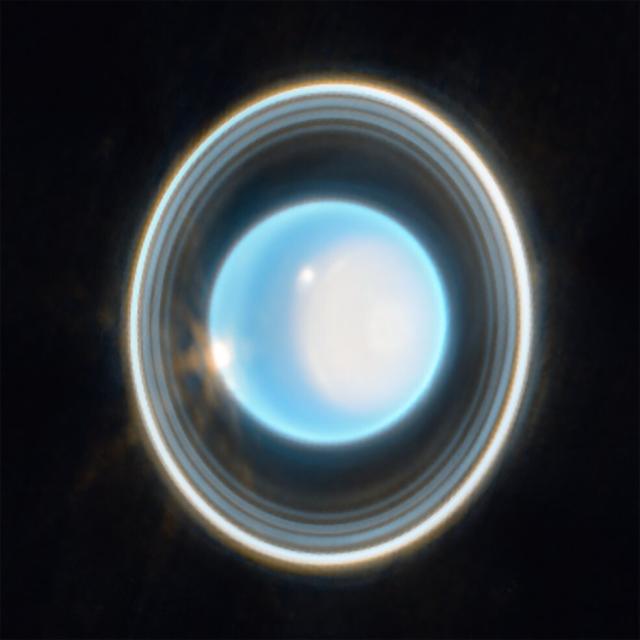
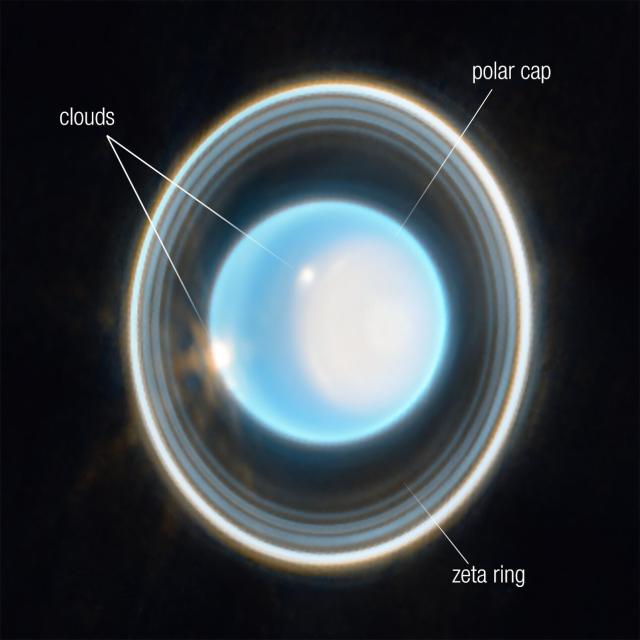
NASA’s Webb Scores Another Ringed World With New Image of Uranus
Following in the footsteps of the Neptune image released in 2022, NASA’s James Webb Space Telescope has taken a stunning image of the solar system’s other ice giant, the planet Uranus.Jamie Adkins (NASA)
What’s it like to be an astronaut on the #Artemis II mission?
These explorers will launch atop the world’s most powerful rocket, the @NASA_SLS, traversing space aboard @NASA_Orion on their 600,000 mile (965,606 km) journey around the Moon and back home. nasa.gov/specials/artemis-ii
#NASAArtemis #Artemis
NASA: Artemis II Crew
Meet the astronauts who will venture beyond the Moon on Artemis II, flying farther into space than any humans ever have before and paving the way for future lunar surface missions.NASA
🚀 Launch alert: A new space-based instrument will monitor air quality across North America, providing hourly measurements to improve forecasts & inform policymakers.
#TEMPO is set to lift off no earlier than 12:30am ET (0430 UTC), Friday, April 7. Watch: go.nasa.gov/3Gsbt6v
#NASA
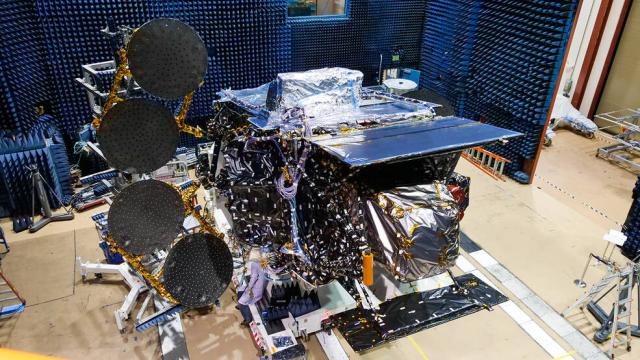
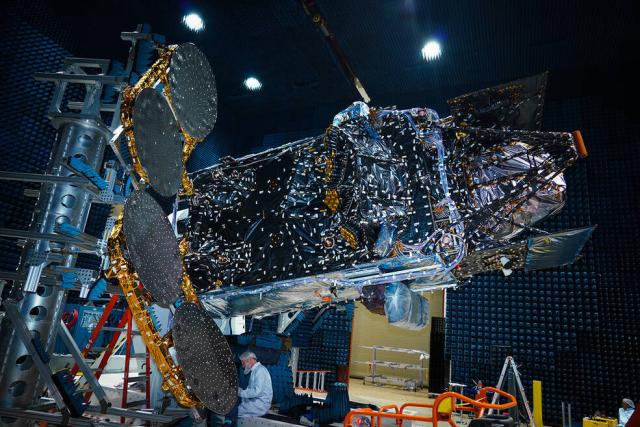
NASA Sets Coverage for Air Quality Instrument Launch
NASA and SpaceX are targeting no earlier than 12:30 a.m. EDT Friday, April 7, to launch NASA’s TEMPO (Tropospheric Emissions Monitoring of Pollution instrument).Claire O’Shea (NASA)
#NASAhqphoto
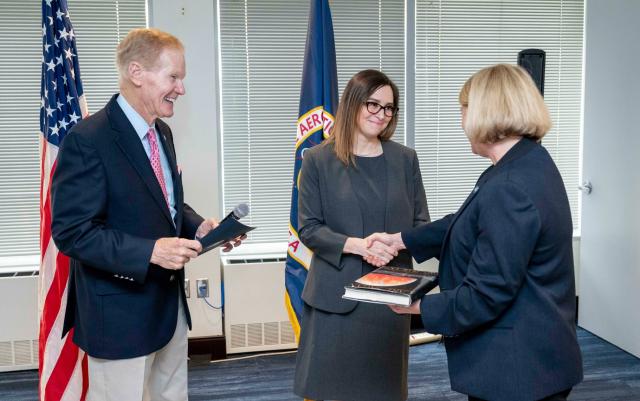
20230406 Director of Goddard Space Flight Center Dr. Makenzie Lystrup Swearing-In
Explore this photo album by NASA HQ PHOTO on Flickr!NASA HQ PHOTO (Flickr)
💍Saturn's not the only planet to put a ring on it
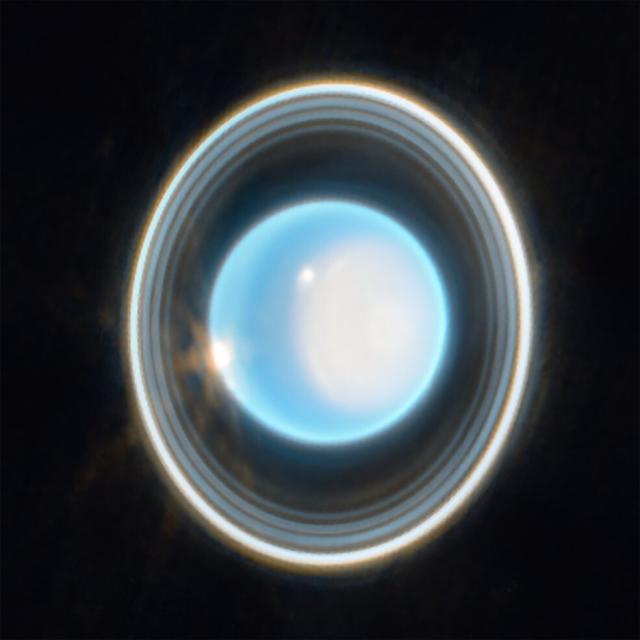
A new image from @NASAWebb displays Uranus' rings in infrared light. Uranus is a top target in the next decade of planetary science, so we're eager to see what else Webb will reveal of this distant planet solarsystem.nasa.gov/uranus/
#NASASolarSystem
Uranus
The seventh planet from the sun with the third largest diameter in our solar system, Uranus is very cold and windy.NASA Solar System Exploration
Hubble's latest view of Uranus, taken in visible light, shows the planet's north polar cap which continues to get brighter.
As Uranus's northern summer solstice approaches in 2028 the cap may grow brighter still, and will be aimed directly toward Earth.
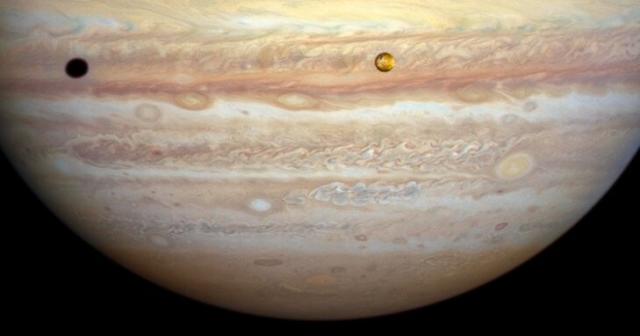
Hubble Monitors Changing Weather and Seasons at Jupiter and Uranus
Hubble – as interplanetary meteorologist – is keeping track of the outer planets' weather, as it does every year.Andrea Gianopoulos (NASA)
"Ring in" @NASAWebb's new image of Uranus!
Hubble has observed the planets in our solar system for decades, and its consistent check-ins give astronomers a wealth of data about their atmospheres and weather.
Now with Webb on the job as well, we can learn even more! ⬇️
#Hubble
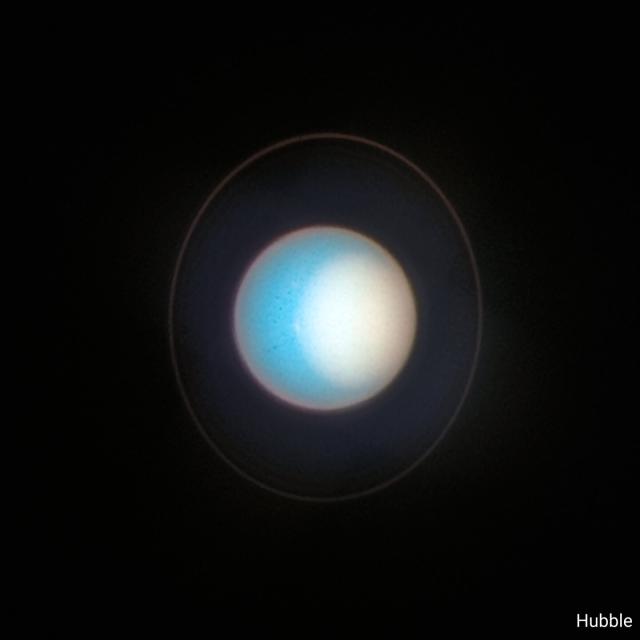
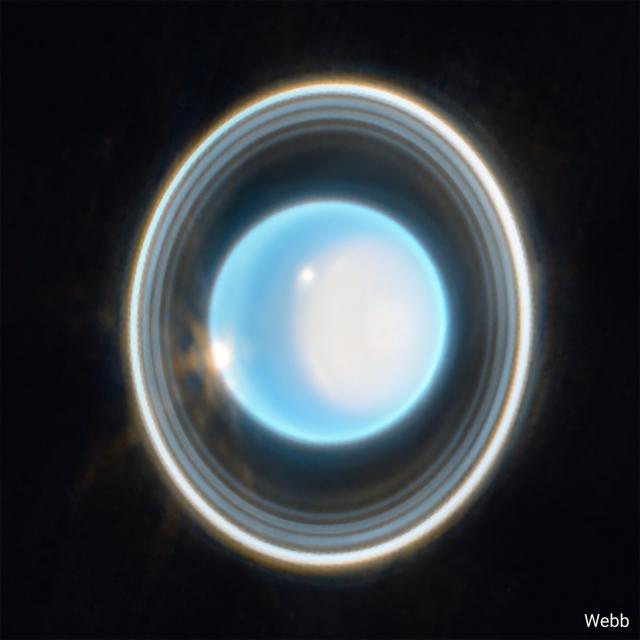
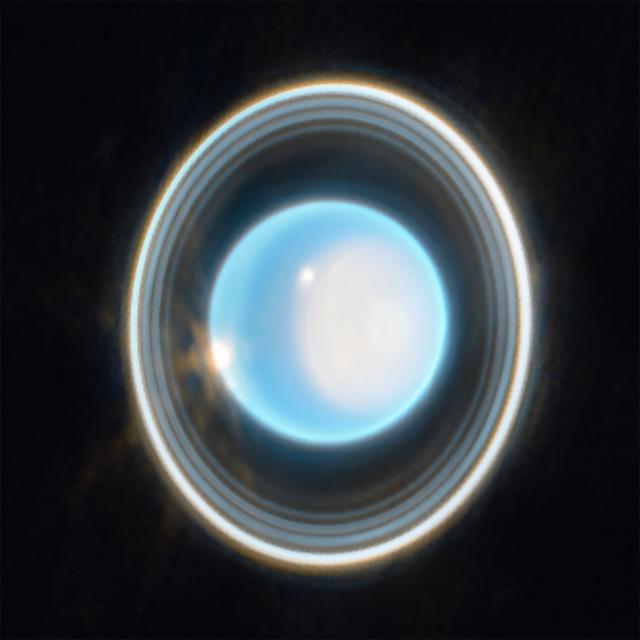
Webb's powerful infrared vision unveils Uranus's faintest dusty rings along with bright features in the planet’s atmosphere.
Together, Hubble & Webb will continue to observe the planets in our solar system and teach us more about our cosmic neighbors!
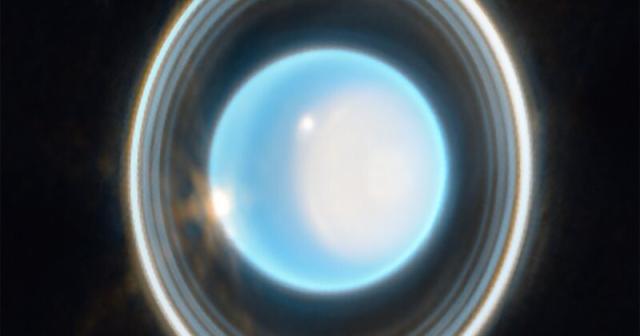
NASA’s Webb Scores Another Ringed World With New Image of Uranus
Following in the footsteps of the Neptune image released in 2022, NASA’s James Webb Space Telescope has taken a stunning image of the solar system’s other ice giant, the planet Uranus.Jamie Adkins (NASA)
#NASAhqphoto
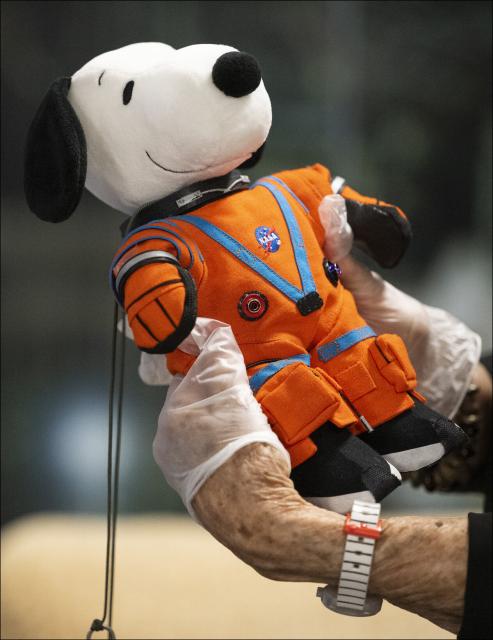
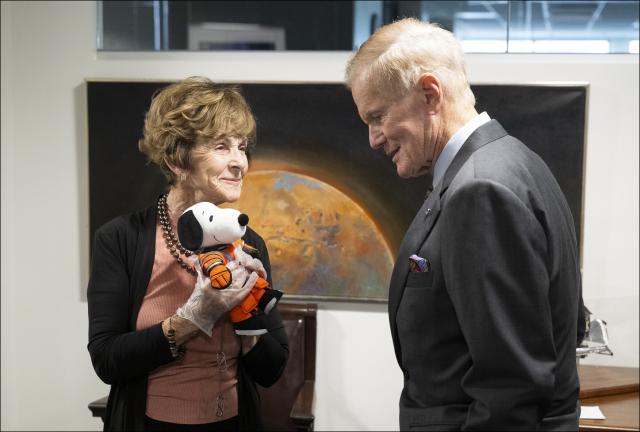

20230405 NASA Administrator Meets with Jeannie Schulz
Explore this photo album by NASA HQ PHOTO on Flickr!NASA HQ PHOTO (Flickr)
Uranus. (Go ahead, get it out of your system. We tried.)
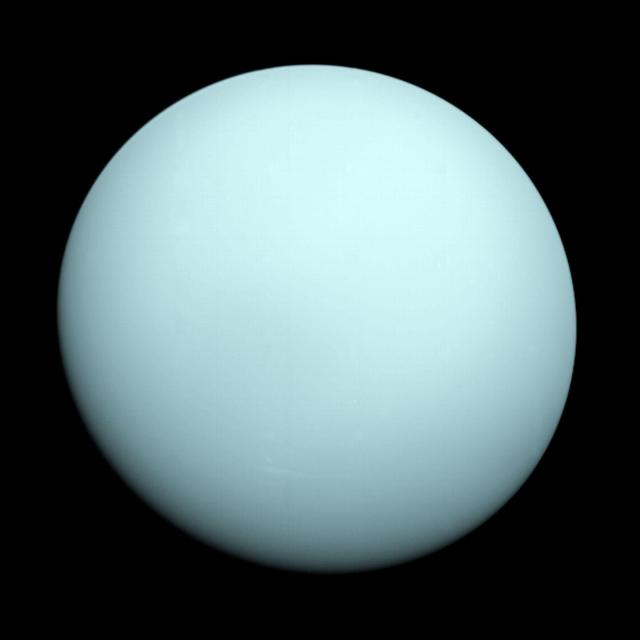
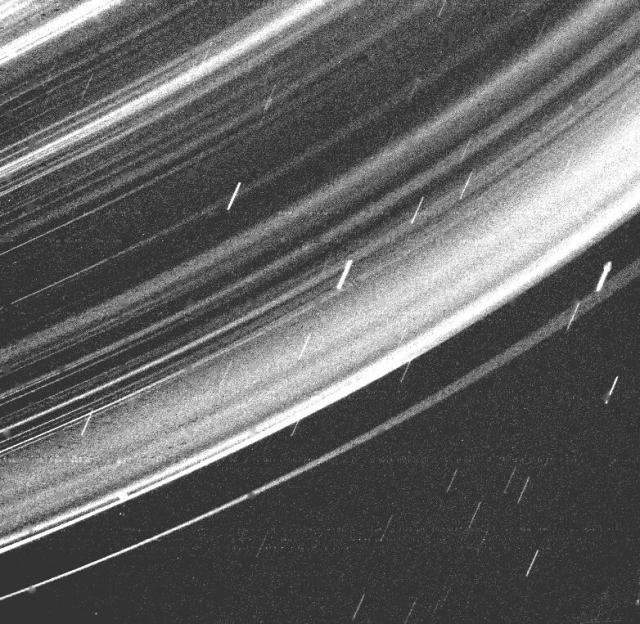
Only Voyager 2 in the 1980s & Keck (with adaptive optics) have imaged the planet's rings before, and they've never been this clear. @NASAWebb highlights atmospheric features & 11 of its 13 rings: go.nasa.gov/414SqXV
#NASA
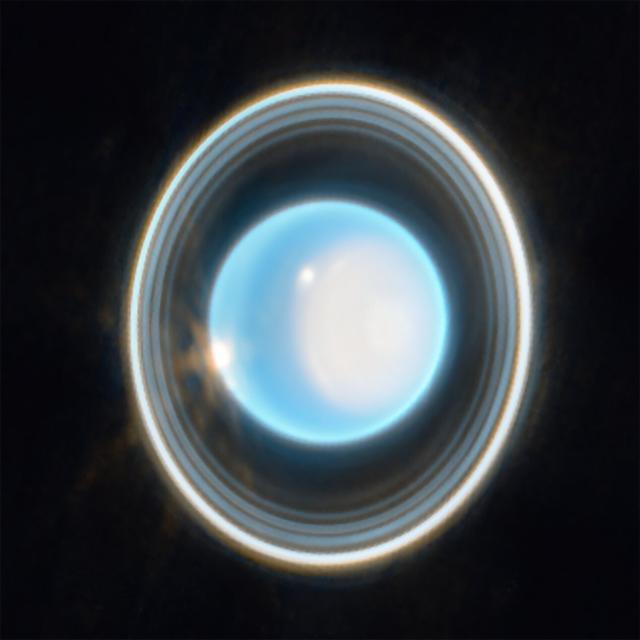
NASA’s Webb Scores Another Ringed World With New Image of Uranus
Following in the footsteps of the Neptune image released in 2022, NASA’s James Webb Space Telescope has taken a stunning image of the solar system’s other ice giant, the planet Uranus.Jamie Adkins (NASA)
#Alt4You #AltText
A picture of Uranus (the planet) taken from, you could say, "above", with its rings very visible around it.
The background appears completely black.
Uranus looks almost like a pearl with a blue tint and a glimmer of light on its left side.
The outermost ring appears white and looks like if it was emitting its own light.
Inwards there's two rings in light grey, then a darker one, and then a fifth, so dark that it almost blends with the background.
"Uranus. (Go ahead, get it out of your system. We tried.)"
I mean, that IS one exit point of a human's system...
AROUND
URANUS!
Uranus is unique: It rotates on its side, at a ~90-degree angle. This causes extreme seasons as the poles experience 42 years of constant sunlight followed by 42 years of darkness. Has it ever looked better than @NASAWebb's view? go.nasa.gov/3nTo3oO
#NASAExoplanets
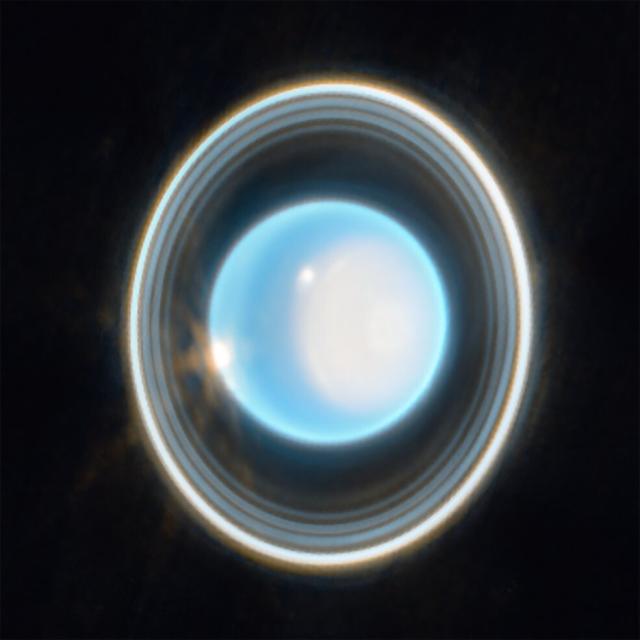
NASA’s Webb Scores Another Ringed World With New Image of Uranus
Following in the footsteps of the Neptune image released in 2022, NASA’s James Webb Space Telescope has taken a stunning image of the solar system’s other ice giant, the planet Uranus.Jamie Adkins (NASA)

#ISS
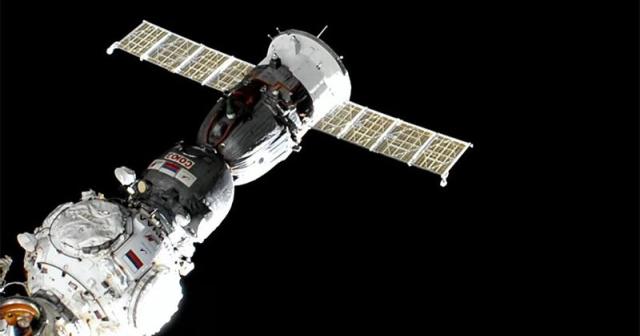
Science Ops, Axiom Mission Announced After Soyuz Relocation
Three Expedition 69 crewmates are relaxing today after relocating their Soyuz crew ship to another port. Meanwhile, the other four International Space Station residents continued a variety of space research while maintaining orbital lab systems.blogs.nasa.gov
#JamesWebb

#JamesWebb
#JamesWebb
#JamesWebb
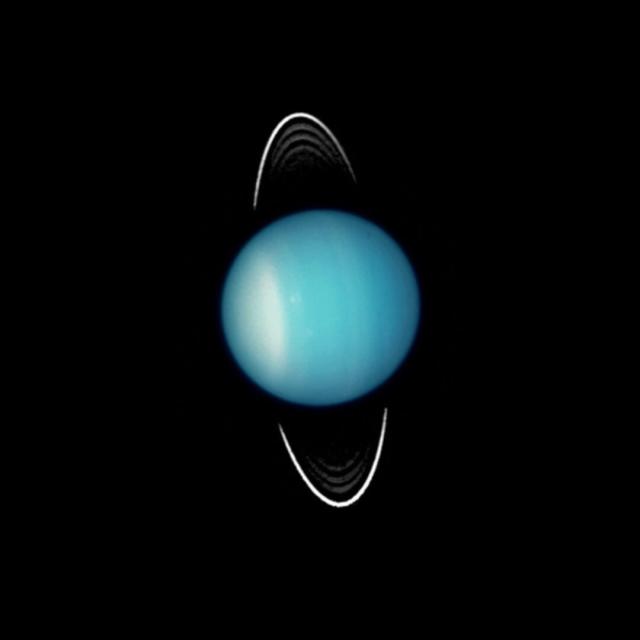
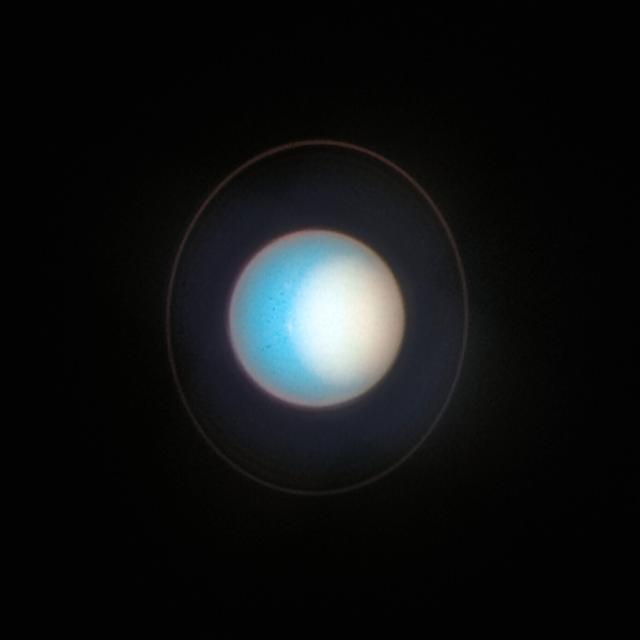
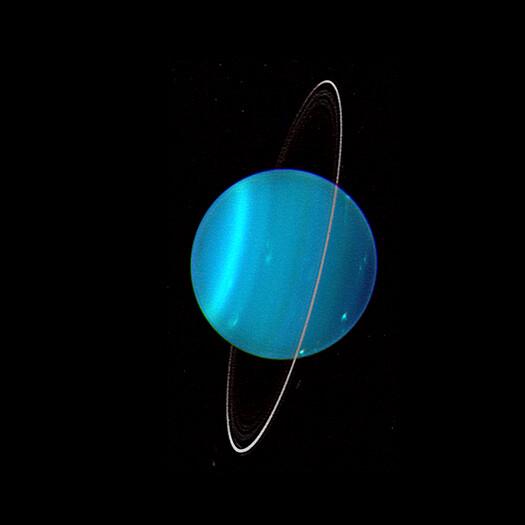
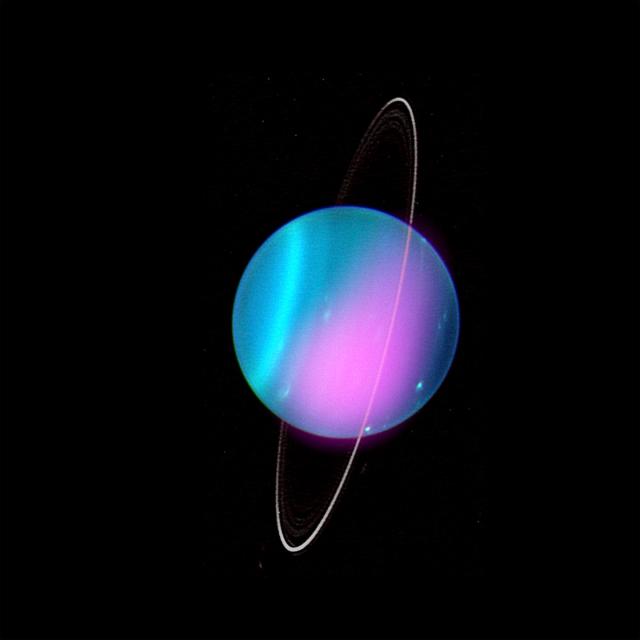
Uranus has never looked better. Really.
Only Voyager 2 and Keck (with adaptive optics) have imaged the planet's faintest rings before, and never as clearly as Webb’s first glimpse at this ice giant, which also highlights bright atmospheric features. go.nasa.gov/3nTo3oO
#JamesWebb
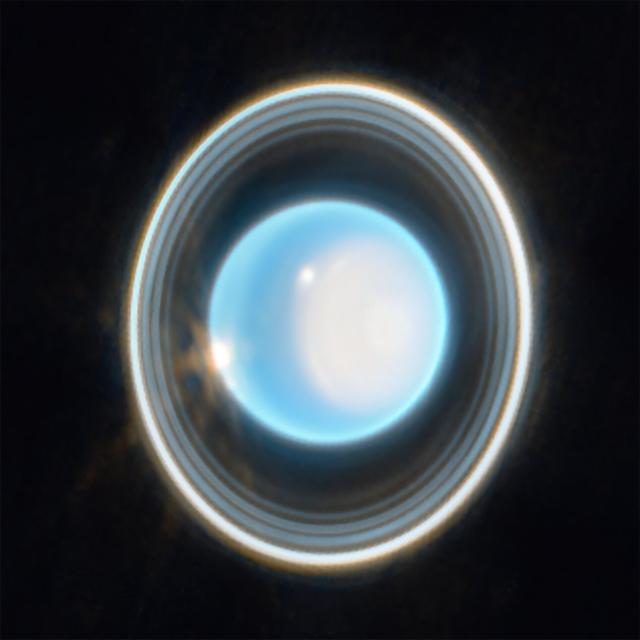
NASA’s Webb Scores Another Ringed World With New Image of Uranus
Following in the footsteps of the Neptune image released in 2022, NASA’s James Webb Space Telescope has taken a stunning image of the solar system’s other ice giant, the planet Uranus.Jamie Adkins (NASA)
#NASA
Media Briefing: Axiom Mission 2 (Ax-2) Overview
During this virtual press conference, Axiom Space, NASA, SpaceX, and the Saudi Space Commission will provide an overview of the second private astronaut miss...YouTube
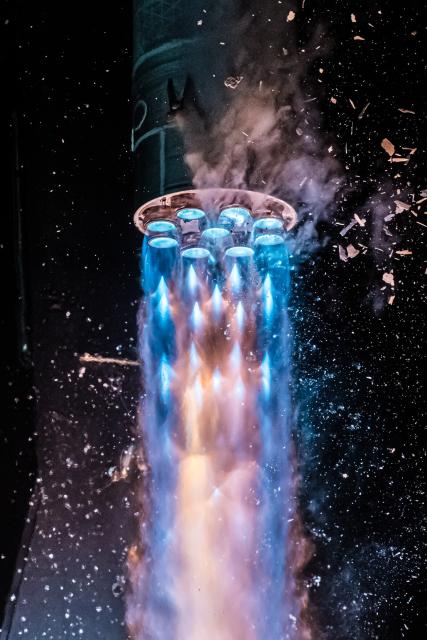
APOD: 2023 April 6 - Terran 1 Burns Methalox
A different astronomy and space science related image is featured each day, along with a brief explanation.apod.nasa.gov
Two's company, and three's a crowd... even when it comes to black holes!
Hubble detected evidence of a "runaway" black hole that was ejected from its host galaxy after a tussle between it and two other black holes. Find out more: go.nasa.gov/3KNoLxf
#Hubble
Hubble Sees Possible Runaway Black Hole Creating a Trail of Stars
There's an invisible monster on the loose, barreling through intergalactic space so fast that if it were in our solar system, it could travel from Earth to the Moon in 14 minutes.Andrea Gianopoulos (NASA)
#JamesWebb
MobBarley
in reply to NASA • • •Resistor McResistanceFace
in reply to NASA • • •