
#NASA
#ISS
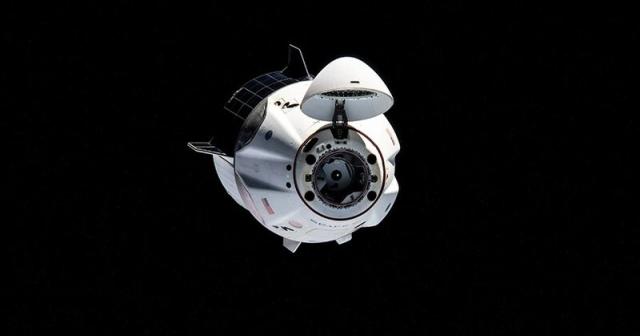
Dragon Crew Ship Undocks to Move to New Port
The SpaceX Dragon, with Expedition 69 crew members Steve Bowen and Woody Hoburg of NASA, UAE (United Arab Emirates) astronaut Sultan Alneyadi, and Roscosmos cosmonaut Andrey Fedyaev aboard, has undocked from the Harmony module on the space-facing sid…blogs.nasa.gov
#ISS
#ISS
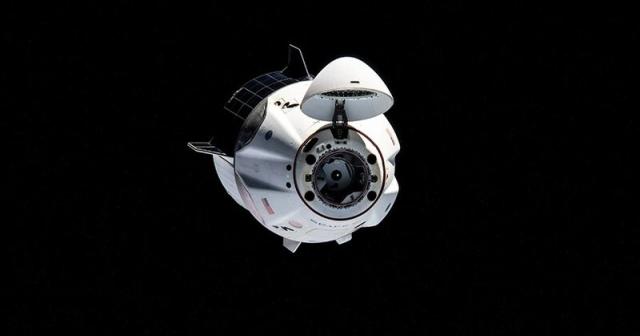
Dragon Crew Ship Moving to New Port Live on NASA TV
NASA coverage is underway as four crew members aboard the International Space Station take a short trip inside their SpaceX Dragon to relocate the spacecraft from one docking port to another.blogs.nasa.gov
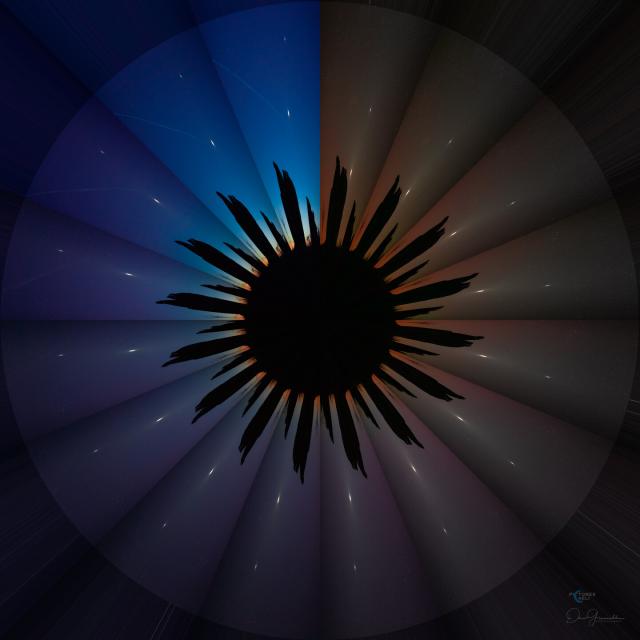
Twilight in a Flower
Image Credit & Copyright: Dario Giannobile
apod.nasa.gov/apod/ap230506.ht… #APOD

APOD: 2023 May 6 - Twilight in a Flower
A different astronomy and space science related image is featured each day, along with a brief explanation.apod.nasa.gov
APOD: 2023 May 6 - Twilight in a Flower
A different astronomy and space science related image is featured each day, along with a brief explanation.apod.nasa.gov
Better together ❤️
With four small satellites orbiting as a constellation, @nasa’s TROPICS mission will study hurricanes like never before.
@RocketLab is planning to launch the first pair of CubeSats starting at 9pm EDT on May 7. go.nasa.gov/3ph3tPW
#NASAEarth
NASA, Rocket Lab Update Launch Coverage for Tropical Cyclones Mission
After the previous launch target date changed due to weather conditions in New Zealand, NASA and Rocket Lab are now targeting 9 p.m. EDT Sunday, May 7, (1 p.m.Abbey Donaldson (NASA)
Better together ❤️
With four small satellites orbiting as a constellation, @nasa’s TROPICS mission will study hurricanes like never before.
@RocketLab is planning to launch the first pair of CubeSats starting at 9pm EDT on May 7. go.nasa.gov/3ph3tPW
#NASAEarth
NASA, Rocket Lab Update Launch Coverage for Tropical Cyclones Mission
After the previous launch target date changed due to weather conditions in New Zealand, NASA and Rocket Lab are now targeting 9 p.m. EDT Sunday, May 7, (1 p.m.Abbey Donaldson (NASA)
Join us tomorrow from the @Space_Station!
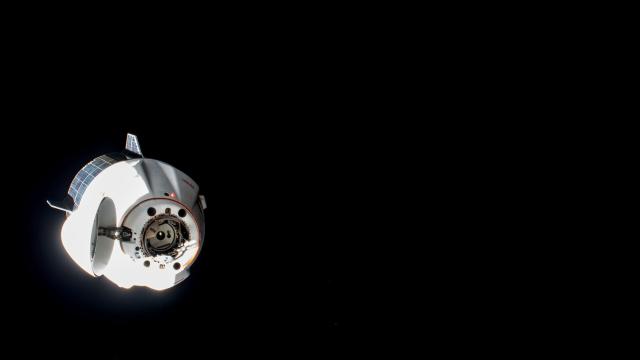
With #Crew6 aboard, @SpaceX's Dragon Endeavour spacecraft is undocking and moving to a new port to make room for an upcoming cargo launch. Watch here and at nasa.gov/live starting at 7am ET (1100 UTC) on Saturday, May 6.
#NASA
#ISS
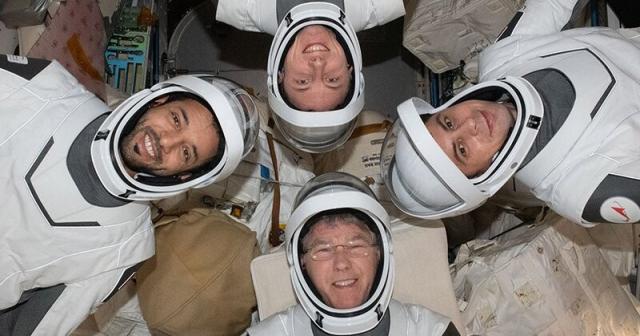
Dragon Crew Ship Changing Ports, Cosmonauts Cleanup After Spacewalk
Four Expedition 69 crew members are reviewing the procedures they will use when they move the SpaceX Crew Dragon spacecraft to a new port on Saturday morning.blogs.nasa.gov
We can’t imagine a more beautiful thing than May’s full moon – the Corn Moon. 🌽
Set to peak on May 5 at 1:34pm ET (1634 UTC ), this full moon, also known as the Flower Moon, will appear full till Sunday. Discover how it got its names: go.nasa.gov/3piIAUs
#NASA
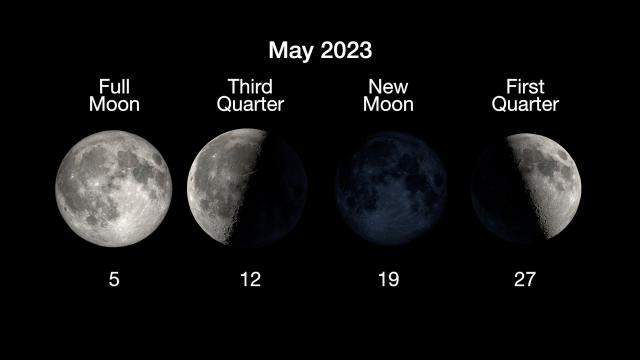
The Next Full Moon is the Flower, Corn, or Corn Planting Moon
The next full Moon will be on Friday afternoon, May 5, 2023. The Moon will appear full from early Thursday morning through early Sunday morning.NASA Solar System Exploration
To wrap up #BlackHoleWeek, here’s a parting gift – a new Hubble image of the galaxy NGC 5283!
Matter falling into a supermassive black hole creates the bright glow at the galaxy’s heart.
Learn more: go.nasa.gov/44y4C5N
#Hubble
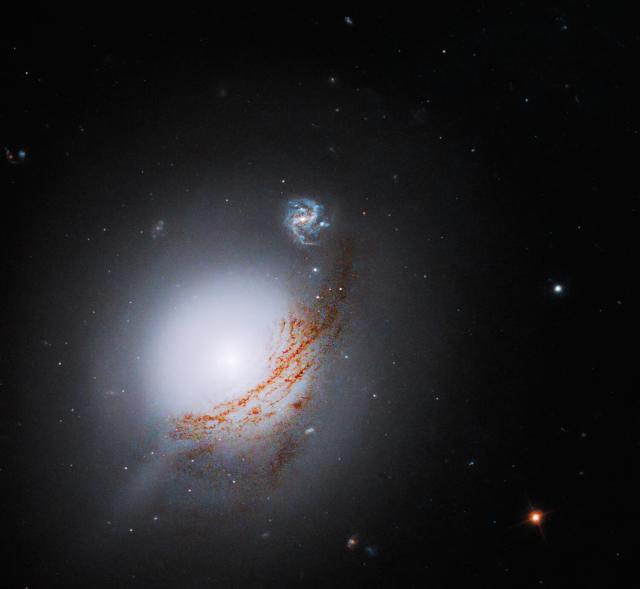
Hubble Views a Beautiful Luminous Galaxy
The lenticular galaxy NGC 5283 is the subject of this NASA Hubble Space Telescope image.Andrea Gianopoulos (NASA)
go.nasa.gov/42ujyA6
#Hubble
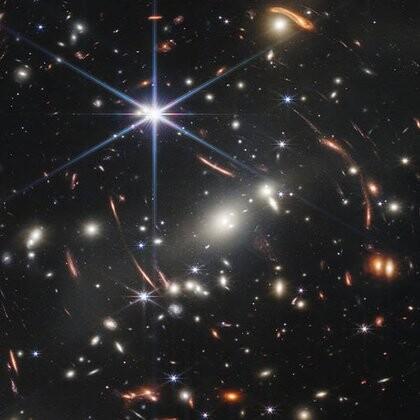
The Big Event, 2023 | Participate – NASA Universe Exploration
NASA's home for exploring everything beyond our solar system. Scientists use our fleet of telescopes to help us understand objects from our nearest neighbor stars, to monster black holes and distant galaxies.NASA Universe Exploration

Alan Shepard became the first American to venture into space #OTD in 1961! Squeezing into the tiny "Freedom 7" capsule, Shepard's 15-minute suborbital flight was just a few weeks after Yuri Gagarin's landmark trip to space.
Watch highlights of this day ▶️ go.nasa.gov/3AKgGDy
#NASAhistory
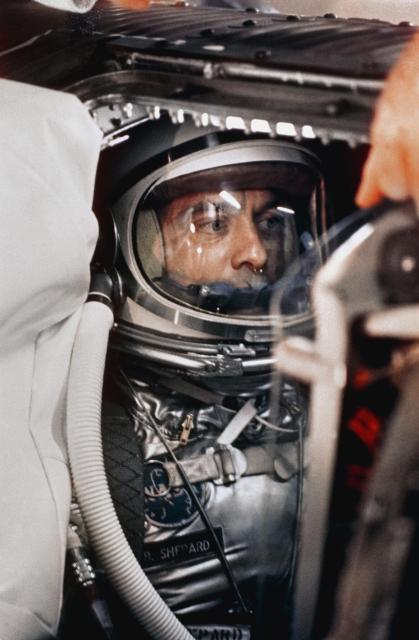
60 Years of Human Spaceflight: Launching The First American into Space
Sixty years ago, on May 5, 1961, NASA astronaut Alan Shepard Jr. launched on the Freedom 7 mission, powered by a Mercury-Redstone rocket to become the first ...YouTube
#ISS
650 million light-years away, the galaxy JO175 shines in this #HubbleFriday view!
JO175 is classified as a "jellyfish galaxy" due to the tendrils of star-forming gas and dust that trail behind it.
Find out more: go.nasa.gov/3pfV9zT
#Hubble
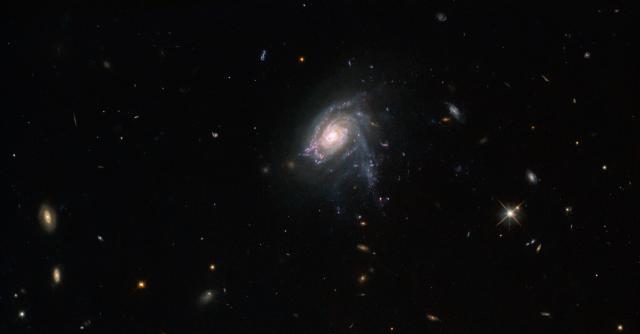
Hubble Views Striking Starry Tendrils
The jellyfish galaxy JO175 appears to hang suspended in this image from the NASA/ESA Hubble Space Telescope.Andrea Gianopoulos (NASA)
#NASA
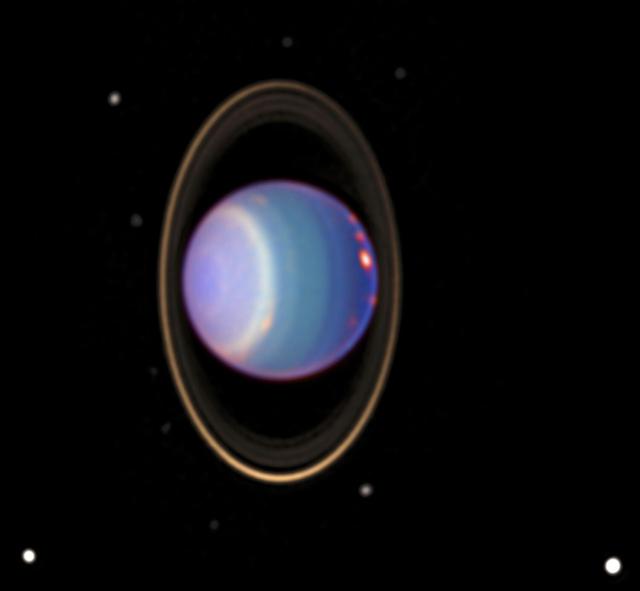
New Study of Uranus’ Large Moons Shows 4 May Hold Water
The work is based on new modeling and explores how oceans could exist in unlikely places in our solar system.Tony Greicius (NASA)
Shackleton from ShadowCam
Image Credit: NASA, ShadowCam, Korea Aerospace Research Institute, Arizona State University
apod.nasa.gov/apod/ap230505.ht… #APOD
APOD: 2023 May 5 - Shackleton from ShadowCam
A different astronomy and space science related image is featured each day, along with a brief explanation.apod.nasa.gov
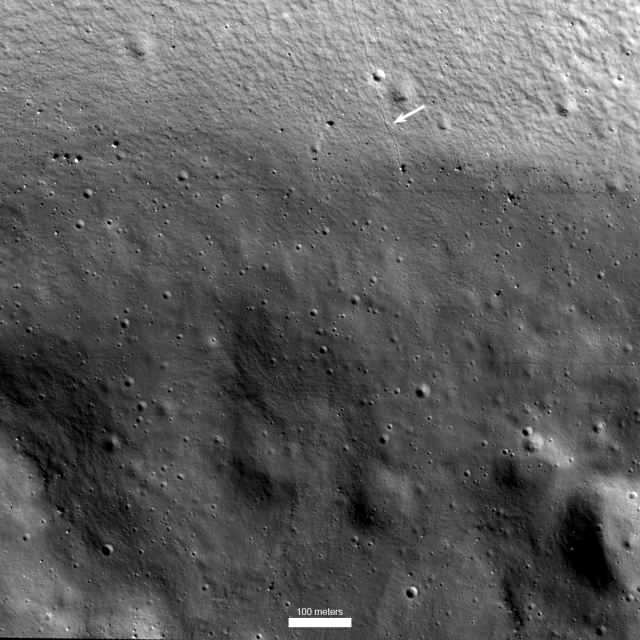
APOD: 2023 May 5 - Shackleton from ShadowCam
A different astronomy and space science related image is featured each day, along with a brief explanation.apod.nasa.gov
Full moon rising 🌕
The May full moon goes by many names, including Milk, Corn, Hare, or Flower. No matter what you call it, it's a sight to behold.
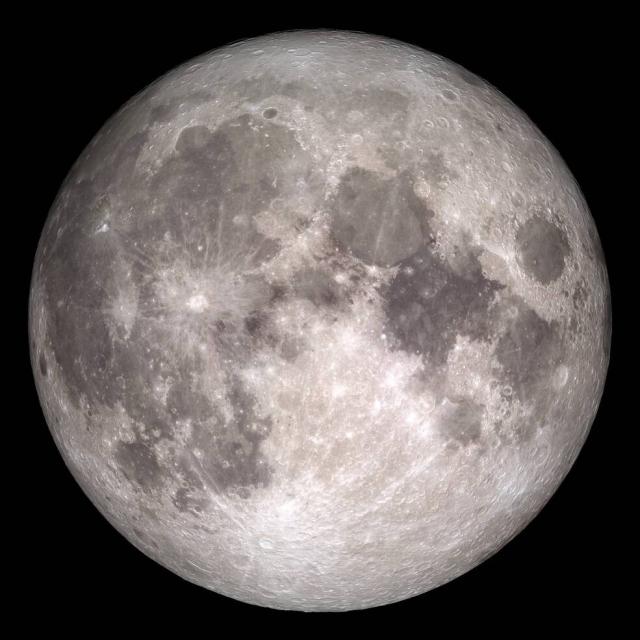
The Next Full Moon is the Flower, Corn, or Corn Planting Moon
The next full Moon will be on Friday afternoon, May 5, 2023. The Moon will appear full from early Thursday morning through early Sunday morning.NASA Solar System Exploration
#NASAMoon
Eclipses | Moon in Motion – Moon: NASA Science
There are two types of eclipses: lunar and solar. During a lunar eclipse, Earth’s shadow obscures the Moon. During a solar eclipse, the Moon blocks the Sun from view.Moon: NASA Science
#NASAExoplanets
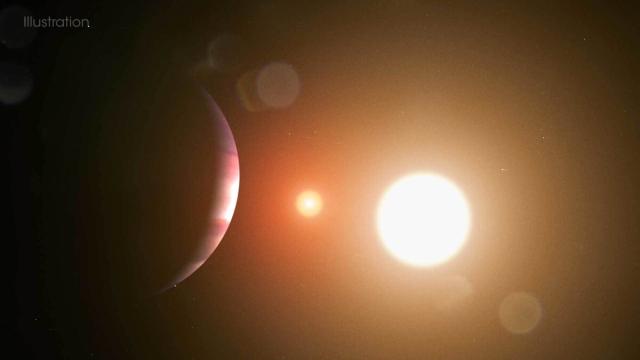
Earth-sized 'Tatooine' planets could be habitable
A new study explores potential climates of a planet orbiting two suns.Exoplanet Exploration: Planets Beyond our Solar System
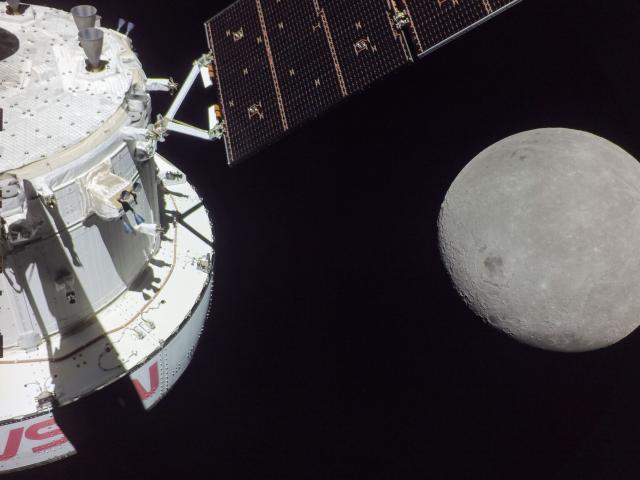
That's no Moon... oh wait, yes it is 🌖Happy #StarWarsDay
This is the way… we will explore the cosmos. With #Artemis, humanity will collaborate to reveal some of the most exciting secrets of the universe, all from the unique vantage point of our nearest celestial neighbor.
#NASAArtemis #Artemis
When we say “supermassive black holes,” just how do they measure up?
Using their shadows for size, we’ve rounded up 10 black holes and compared them to objects in our solar system. Don’t worry – these black holes are many light-years away: go.nasa.gov/3HIcDeW #BlackHoleWeek
#NASA
NASA Animation Sizes Up the Universe’s Biggest Black Holes
A new NASA animation highlights the “super” in supermassive black holes. These monsters lurk in the centers of most big galaxies, including our own Milky Way.Francis Reddy (NASA)
The eta Aquariid meteor shower is expected to reach its peak tonight (May 4-5)—and even with the full Moon, it could still be a great night for skywatching!
Here's how, where and when to track the eta Aquariids: go.nasa.gov/42iqGQk
#NASA
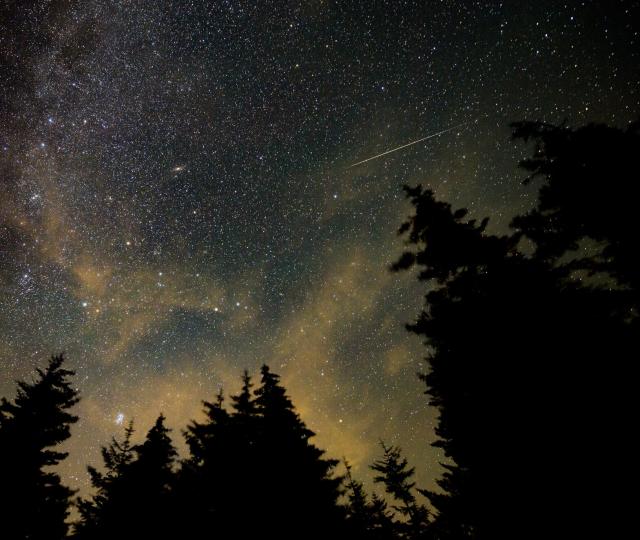
In Southeast Asia, water managers are using satellite data to help predict extreme rainfall, track reservoir levels, & more.
The work is through @nasa @usaid's SERVIR program, which recently expanded to countries like Indonesia and the Philippines. go.nasa.gov/3nyK8cM
#NASAEarth

Satellite Data, Applications Flowing Through SERVIR to Southeast Asia
ith customized tools that use NASA observations and data, the people who manage the Mekong River water supply have been improving their decision-making.Beth Ridgeway (NASA)
#NASAExoplanets
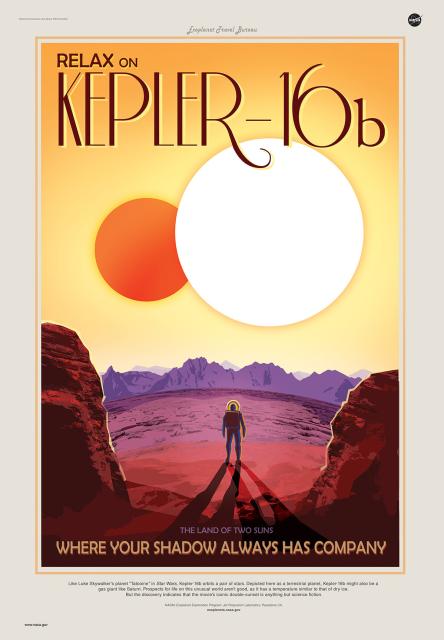
Take a virtual trip with NASA
Book your trip to the imagined surfaces of planets outside our solar system, with NASA's interactive Exoplanet Travel BureauExoplanet Exploration: Planets Beyond our Solar System
These two bright spots are collectively known as Arp 308.
Sitting just below the center of this image is NGC 547, an elliptical galaxy in the constellation Cetus. Its companion galaxy, NGC 545, is in the upper left. Find out more: go.nasa.gov/3Ny07lU
#Hubble
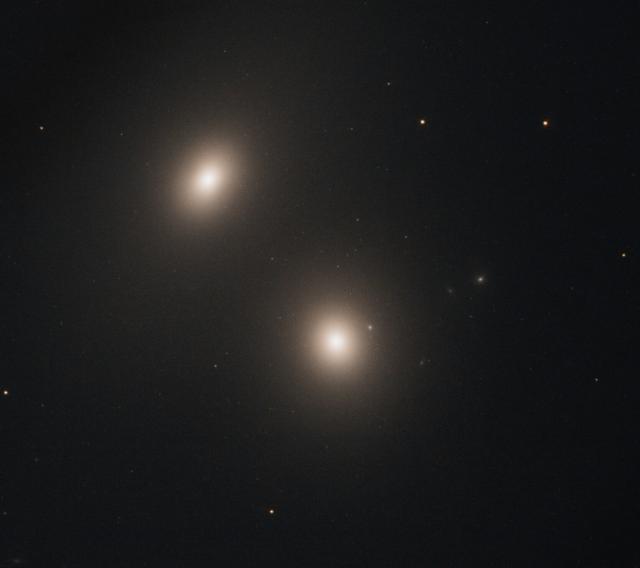
Hubble Spots an Energetic Galaxy
This NASA Hubble Space Telescope image reveals NGC 547, an elliptical galaxy that sits about 250 million light-years away from Earth in the constellation Cetus.Andrea Gianopoulos (NASA)
Thank you, teachers! 🍎
This #TeacherAppreciationWeek, join us for a #NASAScience virtual event series designed with classrooms in mind — including 2 live talks on Webb’s recent science discoveries: go.nasa.gov/3p8Qb8h
#JamesWebb
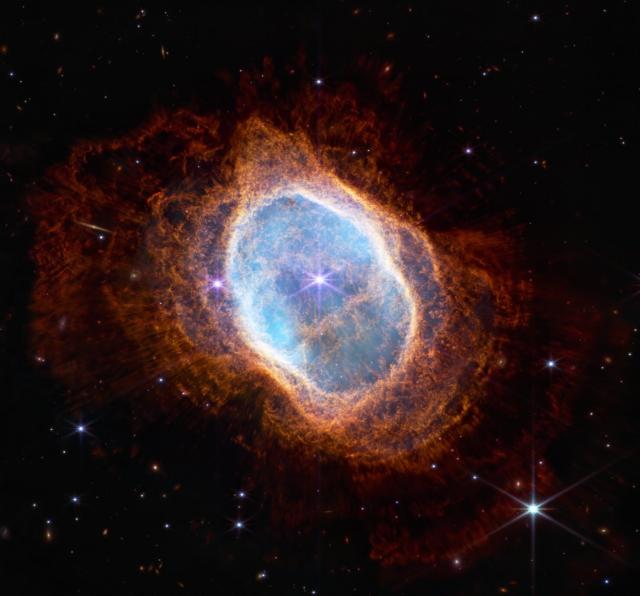
In Appreciation of Educators, NASA Presents Digital Learning Week
NASA’s Science Activation Program invites learners of all ages, including students and educators, to join our Digital Learning Week Celebration.Tricia Talbert (NASA)
Bring balance to the force, not leave it in darkness.
Happy #StarWarsDay. And #MayThe4thBeWithYou.
#NASA
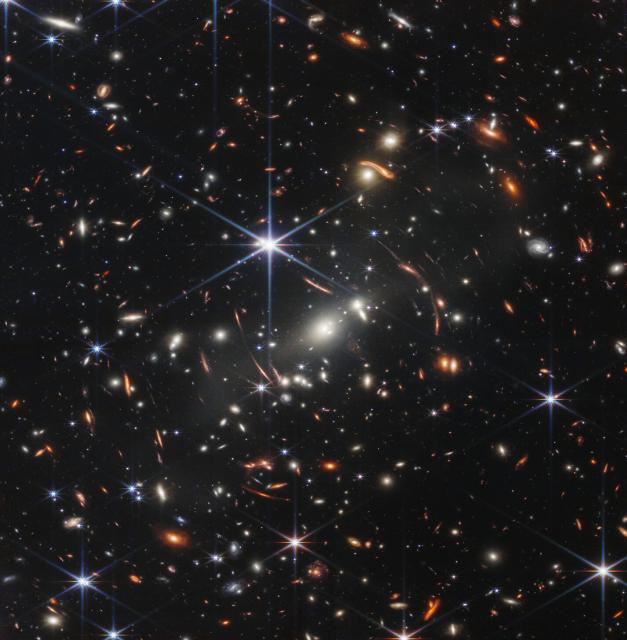
"I to the world am like a drop of water
That in the ocean seeks another drop..."
New NASA research suggests four of Uranus’ largest moons, some named for Shakespeare characters, likely contain an ocean layer between their cores and icy crusts. go.nasa.gov/423xSzL
#NASASolarSystem
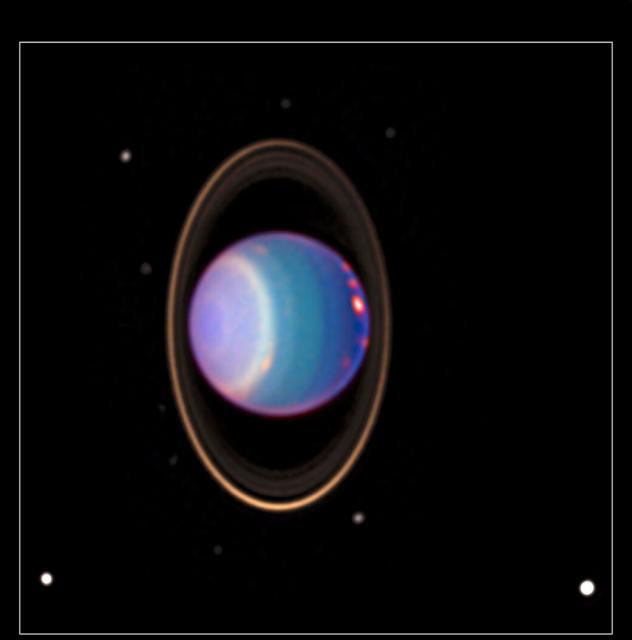
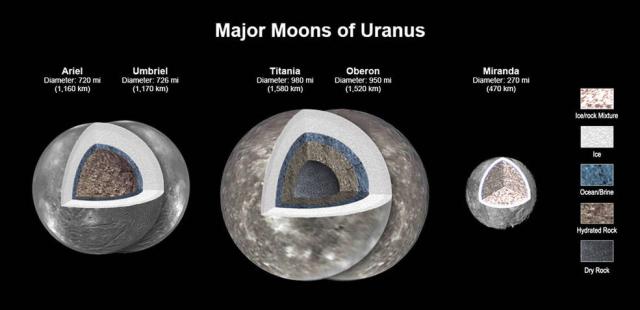
New Study of Uranus’ Large Moons Shows 4 May Hold Water
The work is based on new modeling and explores how oceans could exist in unlikely places in our solar system.Tony Greicius (NASA)
When I recently dropped 10 lightsabers – I mean *sample tubes* – on Mars, I was laying the groundwork for a potentially thrilling sequel. Future droids may recover this special cache. Meanwhile, there’s more to do on this desert planet…
#MayThe4thBeWithYou
#PerseveranceRover
#NASAExoplanets
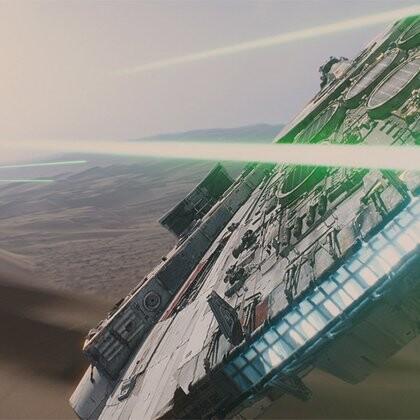
Meet 8 'Star Wars' Planets in Our Own Galaxy
The fantastical planets in Star Wars preceded our discovery of real planets outside our solar system...but the facts aren't far from fiction.Exoplanet Exploration: Planets Beyond our Solar System
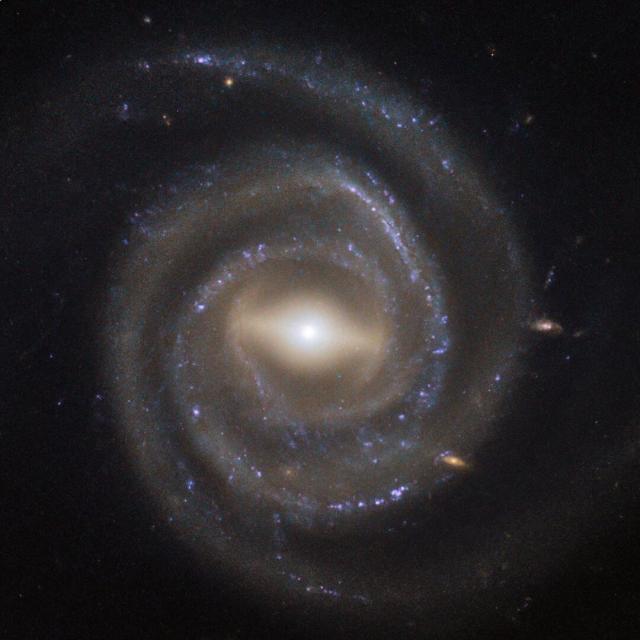
#MayTheFourth be with you... especially if you come across a TIE fighter in the stars!
The galaxy UGC 6093 might look like right out of Star Wars, but it's just a barred spiral galaxy – meaning that it has a bar-shaped structure of stars in its center: go.nasa.gov/3oZns5C
#Hubble
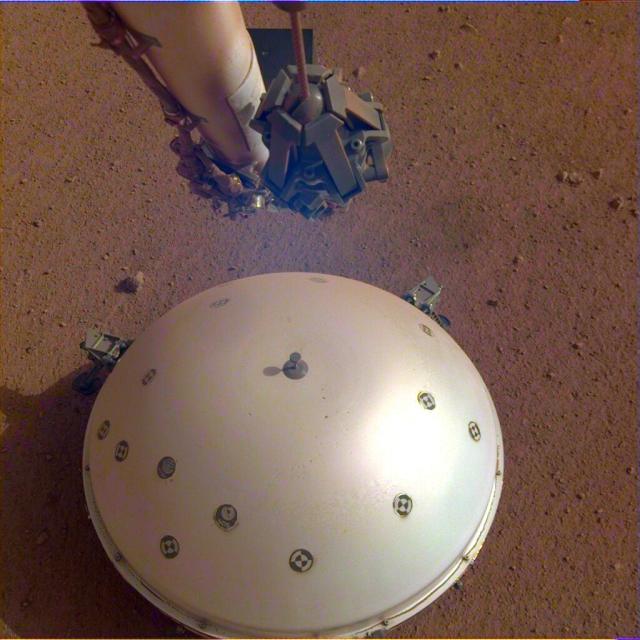
One year ago today the @NASAMars InSight mission recorded the largest quake ever detected on another planet! go.nasa.gov/3noY3Sn
See how InSight's seismological data have given scientists an unprecedented view of Mars' core: go.nasa.gov/44l3mmq
#NASAhistory
#NASAExoplanets
Star Wars: Fact or Fiction?
Do you know more about the Milky Way, or a galaxy far, far away? Test your knowledge and discover if you're a Padawan … or a Jedi Master.go.nasa.gov
#MayThe4thBeWithYou! ⭐⚔️
Last summer, @nasa ABoVE scientists studied how climate change is affecting the Arctic and boreal forests in Alaska and Canada.
On Aug. 22, 2022, they took a break and fought an epic battle… #StarWarsDay
#NASAEarth
#NASAMars
New C features in GCC 13 (Red Hat Developer)
The Red Hat Developer site has an overview of some of the new C-language features supported by the GCC 13 release.lwn.net
Bill
in reply to NASA • • •You only live twice (1967) - Capsule in space
YouTube