
#NASAExoplanets
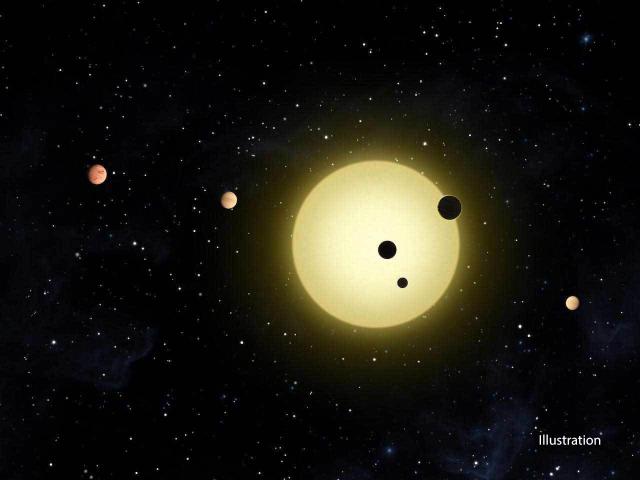
Discovery Alert: The Rhythmic Dance of a 5-planet System
A newly discovered system of at least five planets, and probably six, moves in gravitational harmony around a Sun-like star.Exoplanet Exploration: Planets Beyond our Solar System
#NASA
#NASA
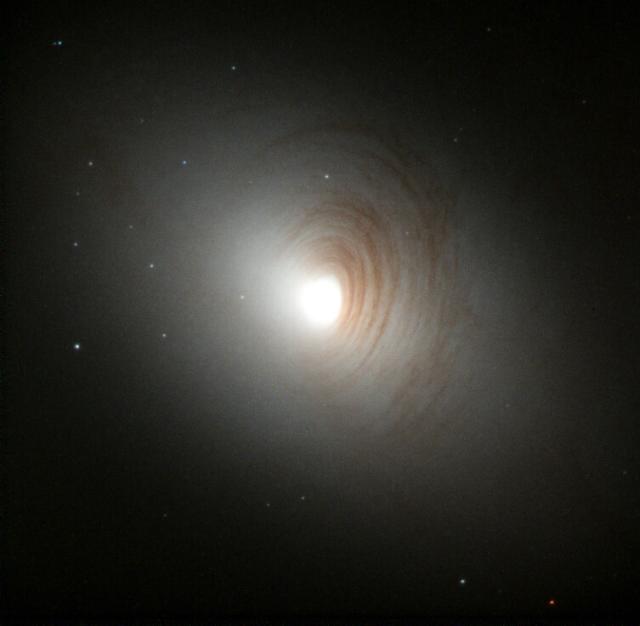
Tightly bound arms of dust encircle the bright center of galaxy NGC 2787.
Located about 24 million light-years away, this #HubbleClassic view resides in the constellation Ursa Major.
Read more: go.nasa.gov/3B8LhuF
#Hubble
#ISS
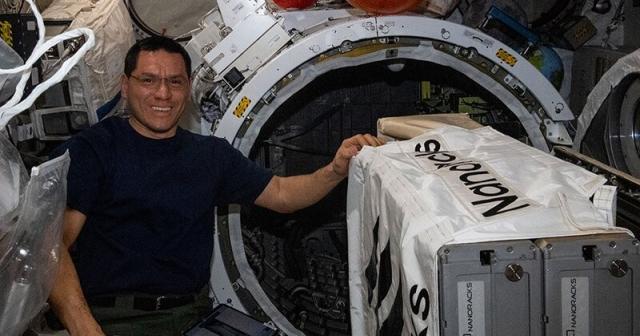
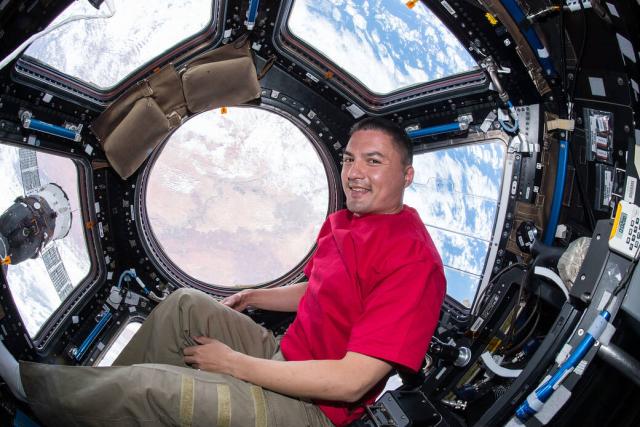
Astronauts Work on Science Gear, Cosmonauts Relax Before Spacewalk
The Expedition 69 astronauts had their day full on Tuesday servicing a variety of science hardware and maintaining critical life support gear.blogs.nasa.gov
Can we say all of them?
All of them.
solarsystem.nasa.gov/resources…
#NASASolarSystem
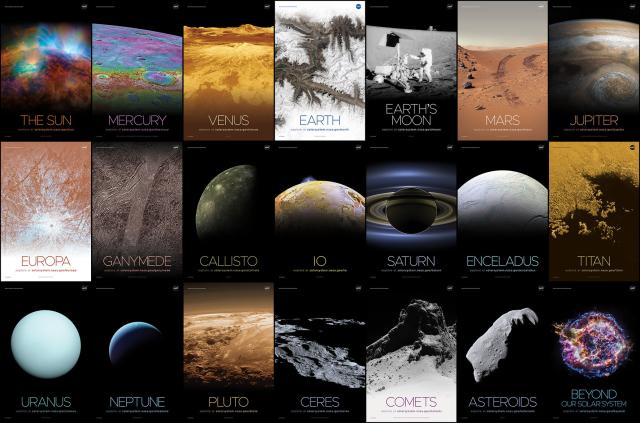
Solar System and Beyond Poster Set | NASA Solar System Exploration
This NASA poster set showcases the beauty of our solar system and beyond.NASA Solar System Exploration
#NASAExoplanets

Exoplanet Exploration: Planets Beyond our Solar System
NASA’s Exoplanet Exploration Program, the search for planets and life beyond our solar system.Exoplanet Exploration: Planets Beyond our Solar System
Over 100 wildland fires raged across Western Canada in early May 2023, prompting widespread evacuations and chimneys of smoke that reached the troposphere.
@nasa’s Terra satellite captured this image on May 6. go.nasa.gov/3NWr2YG
#NASAEarth
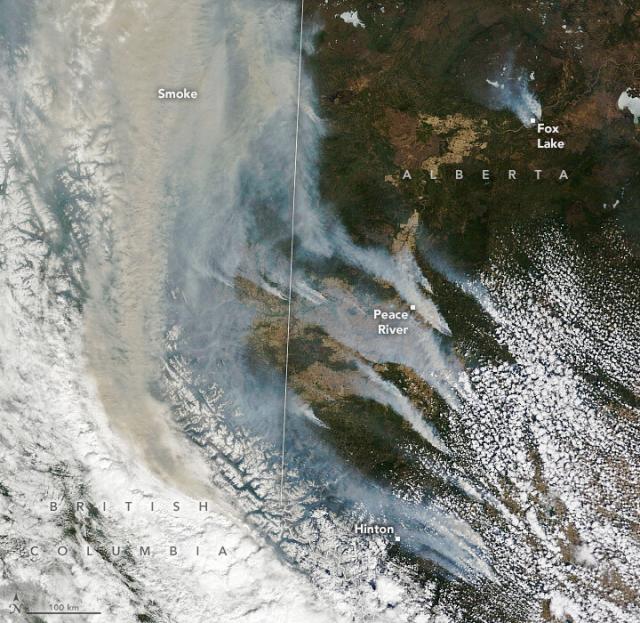
Fires Scorch Western Canada
Raging fires destroyed homes in Alberta and produced towering chimneys of smoke.go.nasa.gov
#NASAhistory
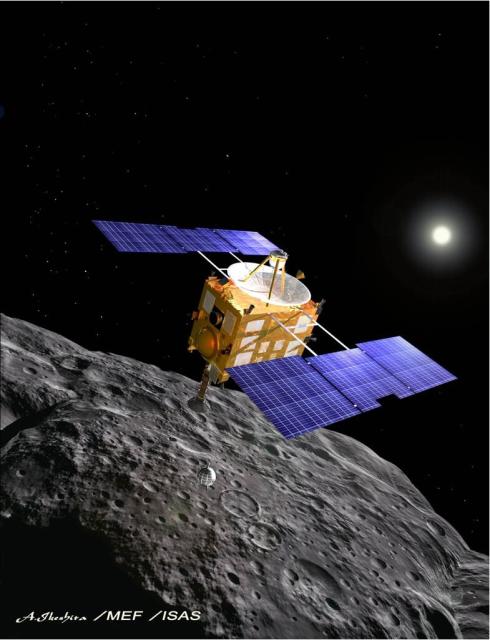
Hayabusa - Asteroid & Comet Missions - NASA Jet Propulsion Laboratory
Launch and mission summary for the Japanese Hayabusa mission (with NASA/JPL participation), the first mission to return a sample of material from the surface of an asteroid.NASA Jet Propulsion Laboratory (JPL)
Fast forward to today ⏩
NASA's OSIRIS-REx spacecraft is on its way back to Earth and scheduled to drop off its sample from the asteroid Bennu on September 24! go.nasa.gov/44I6YPE
#NASAhistory
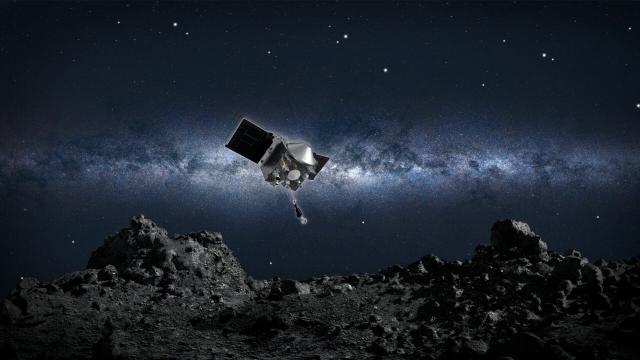
In Depth | OSIRIS-REx – NASA Solar System Exploration
NASA’s OSIRIS-REx is the first U.S. mission to collect a sample from an asteroid.NASA Solar System Exploration
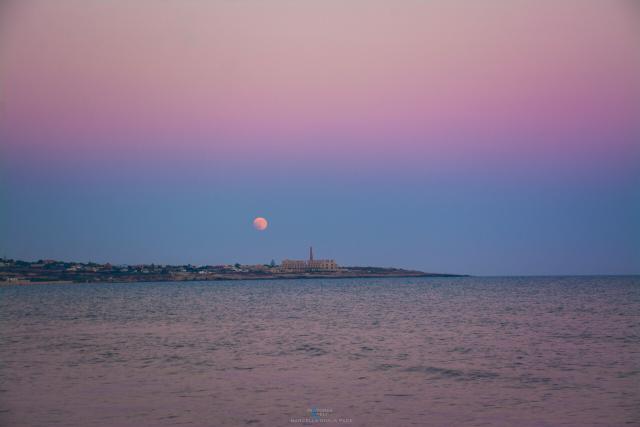
Shadows of Earth
Image Credit & Copyright: Marcella Giulia Pace
apod.nasa.gov/apod/ap230509.ht… #APOD

APOD: 2023 May 9 – Shadows of Earth
A different astronomy and space science related image is featured each day, along with a brief explanation.apod.nasa.gov
MOVED to @chjara@meow.tuxcrafting.online reshared this.

APOD: 2023 May 9 – Shadows of Earth
A different astronomy and space science related image is featured each day, along with a brief explanation.apod.nasa.gov
#NASAExoplanets
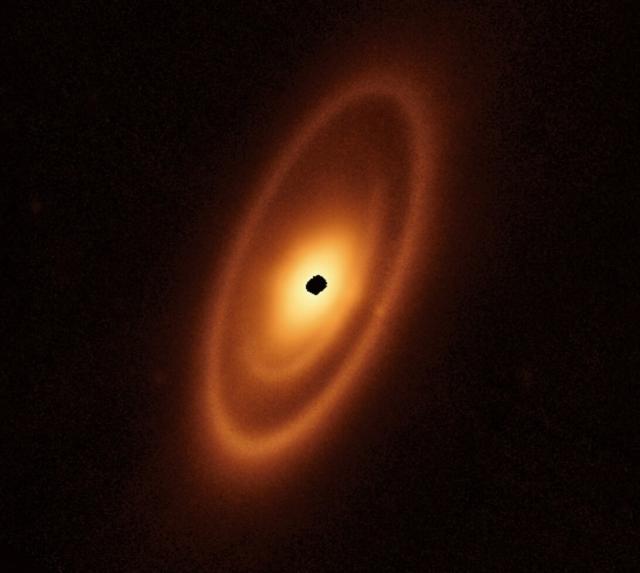
Webb Looks for Fomalhaut’s Asteroid Belt and Finds Much More
Astronomers used NASA’s James Webb Space Telescope to image the warm dust around a nearby young star, Fomalhaut, in order to study the first asteroid belt ever seen outside of our solar system in infrared light.Jamie Adkins (NASA)
Popocatépetl is one of Mexico’s most active volcanoes. 🌋
Its current eruption has been ongoing since 2005. In spring 2023, both #Landsat 8 (left) and @Space_Station astronauts (right) captured images of the volcanic plumes. go.nasa.gov/3nExl8y
#NASAEarth
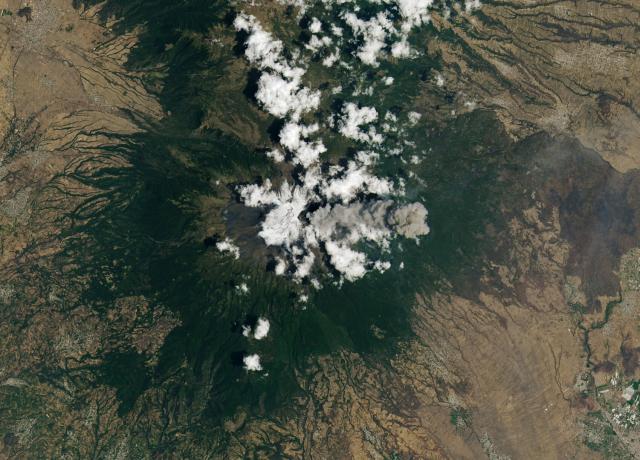
Popocatépetl Volcano Keeps on Puffing
One of Mexico’s most active volcanoes continues to put on a show for satellites and astronauts.go.nasa.gov
#NASA
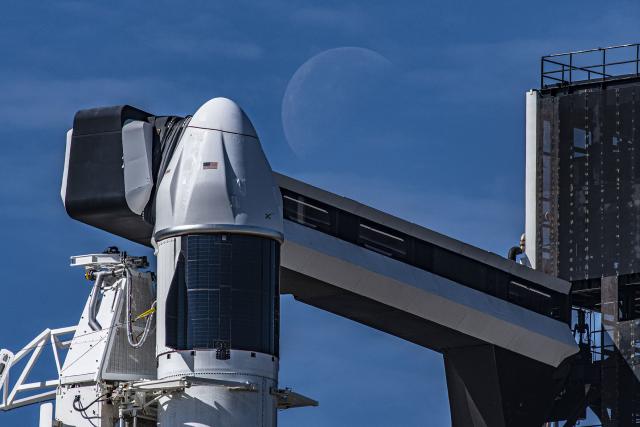
NASA Invites Media to Next SpaceX Resupply Launch to Space Station
Media accreditation is open for SpaceX’s 28th commercial resupply mission for NASA to the International Space Station. Liftoff of the SpaceX Dragon cargo spacecraft on the company’s Falcon 9 rocket is targeted no earlier than 12:34 p.m.Roxana Bardan (NASA)
#ISS
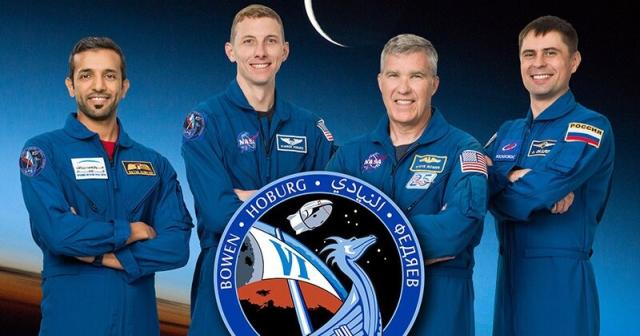
Off-Duty Day for Dragon Crew as Cosmonauts Gear Up for Spacewalk
Four Expedition 69 crew members are relaxing today following Saturday’s relocation of a U.S. crew ship.blogs.nasa.gov
#NASASolarSystem
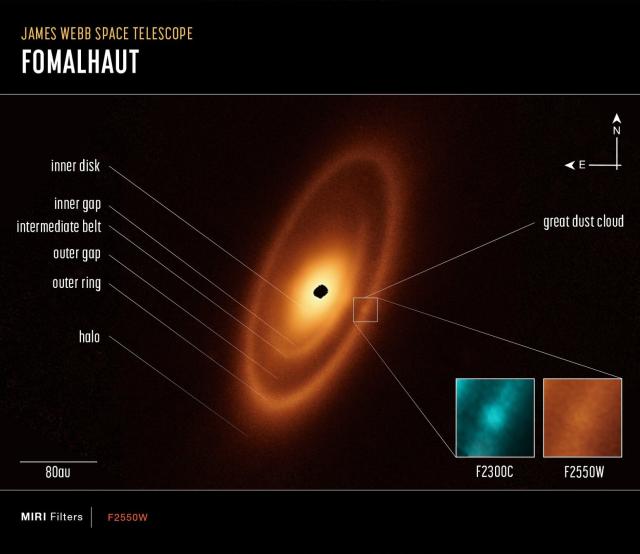
Webb Looks for Fomalhaut’s Asteroid Belt and Finds Much More
Astronomers used NASA’s James Webb Space Telescope to image the warm dust around a nearby young star, Fomalhaut, in order to study the first asteroid belt ever seen outside of our solar system in infrared light.Jamie Adkins (NASA)
#NASAExoplanets
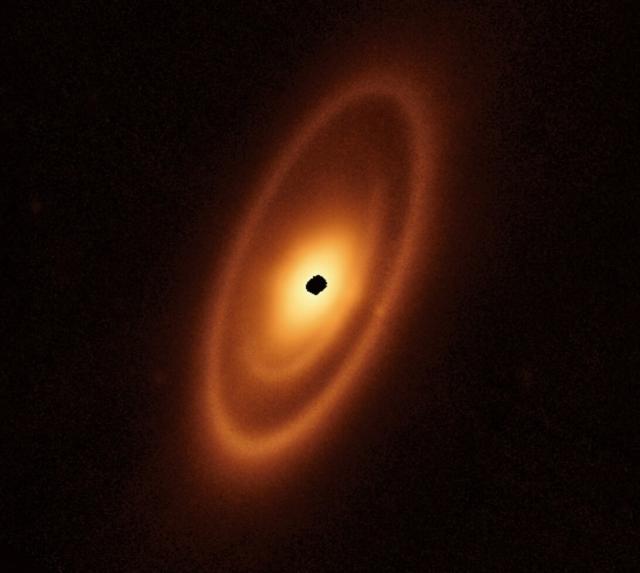
Webb Looks for Fomalhaut’s Asteroid Belt and Finds Much More
Astronomers used NASA’s James Webb Space Telescope to image the warm dust around a nearby young star, Fomalhaut, in order to study the first asteroid belt ever seen outside of our solar system in infrared light.Jamie Adkins (NASA)
Noctiluca scintillans algae blooms can soak up all the oxygen in the water, killing fish and coral.
Researchers suspect that higher water temperatures due to climate change could be responsible for more frequent and intense blooms. go.nasa.gov/42xvhhx
#NASAEarth
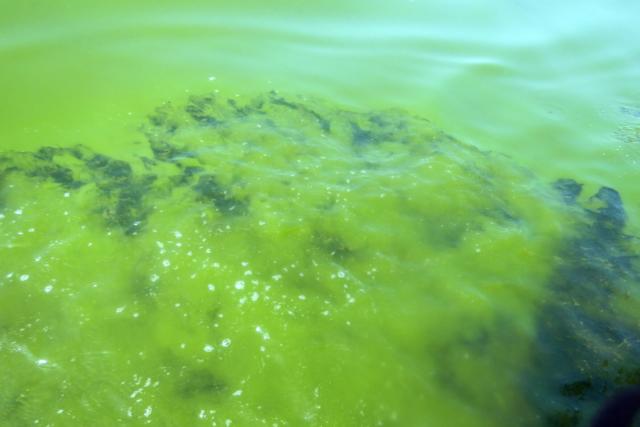
Deadly Blooms in the Gulf of Mannar
Though Noctiluca scintillans blooms have long been noted in the shallow gulf, they have become more frequent and intense since 2019.go.nasa.gov
Multiple studies show dangerous algae blooms have become more frequent and intense in the Gulf of Mannar since 2019.
This #Landsat 9 image from Sep. 23, 2022 shows a bloom in the Gulf of Mannar, off the southeastern coast of India. go.nasa.gov/42xvhhx
#NASAEarth
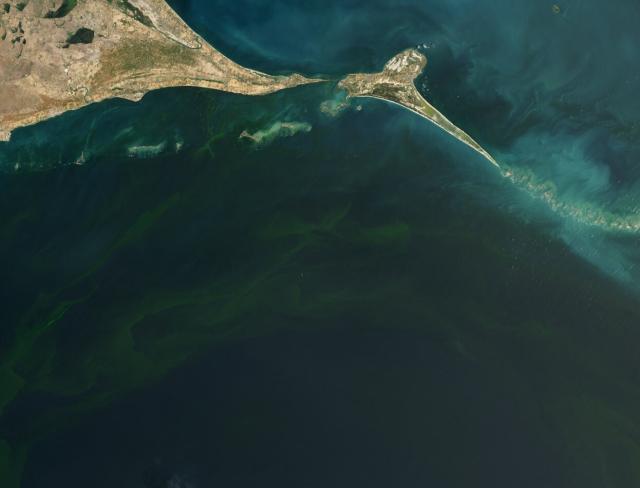
Deadly Blooms in the Gulf of Mannar
Though Noctiluca scintillans blooms have long been noted in the shallow gulf, they have become more frequent and intense since 2019.go.nasa.gov
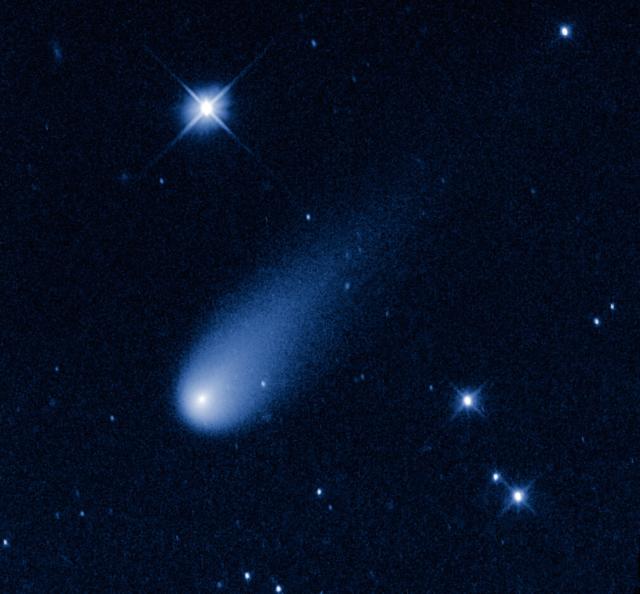
#OTD 10 years ago, Hubble snapped this shot of Comet ISON!
At the time, the comet was about 403 million miles from Earth – between the orbits of Mars and Jupiter.
Comet ISON hurtled toward our Sun at 48,000 miles per hour (~77,000 km/hr): go.nasa.gov/41iezlb
#Hubble
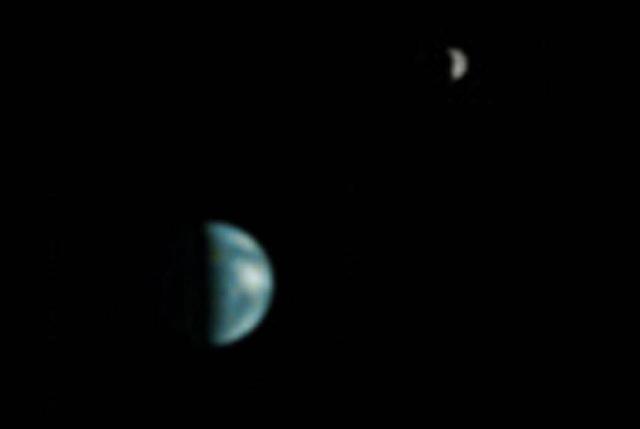
Mars Global Surveyor captured this photo of the Earth and our Moon from Mars orbit #20YearsAgo today in 2003. It was the first image of Earth ever taken from another planet that shows our home as a planetary disk!
See more views of Earth from space: flickr.com/photos/nasacommons/…
#NASAhistory
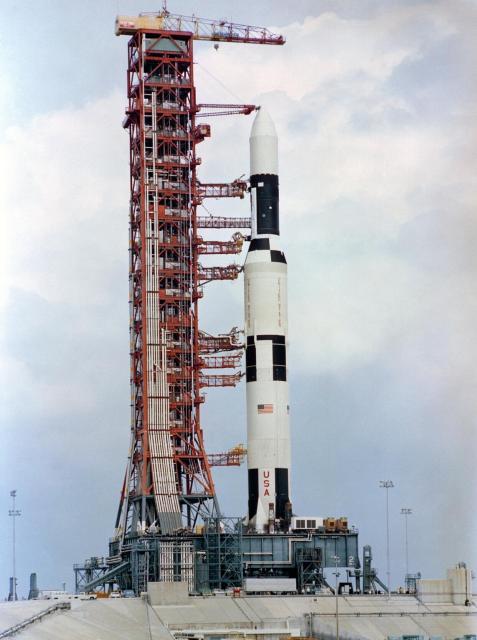
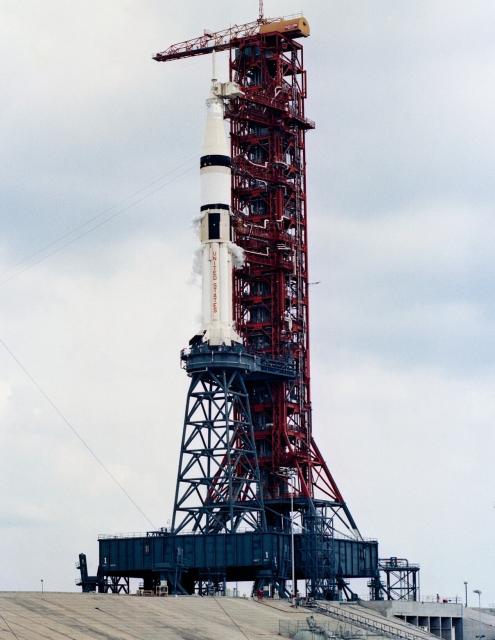
#NASAhistory

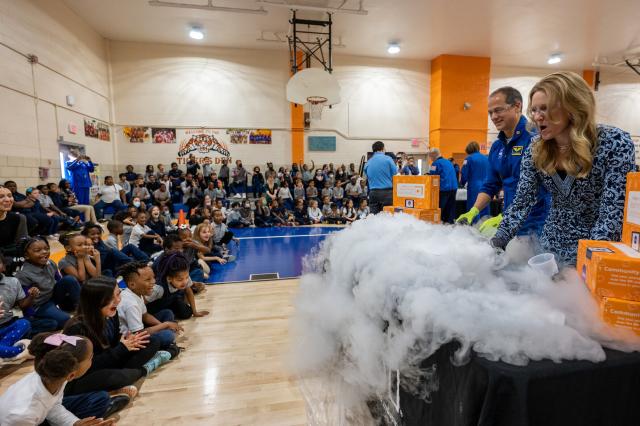
Happy #TeacherAppreciationWeek! Our thanks go out to the teachers and educators who work tirelessly to elevate the next generation of explorers.
Join us this week for live webinars and ready-to-use resources from @NASASTEM and @DoNASAScience: go.nasa.gov/3NOWmZu
#NASA
In Appreciation of Educators, NASA Presents Digital Learning Week
NASA’s Science Activation Program invites learners of all ages, including students and educators, to join our Digital Learning Week Celebration.Tricia Talbert (NASA)
Webb has a new achievement under its (asteroid) belt!
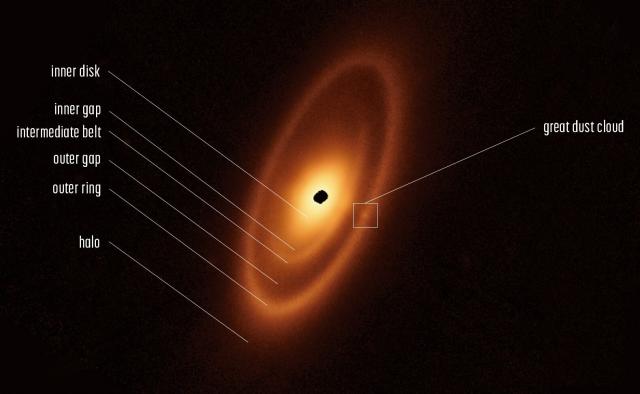
This image is our first infrared look at an asteroid belt outside our solar system. Webb reveals there are actually 3 belts, including 2 never-before-seen inner belts, around the star of Fomalhaut: go.nasa.gov/42dH7h6
#JamesWebb
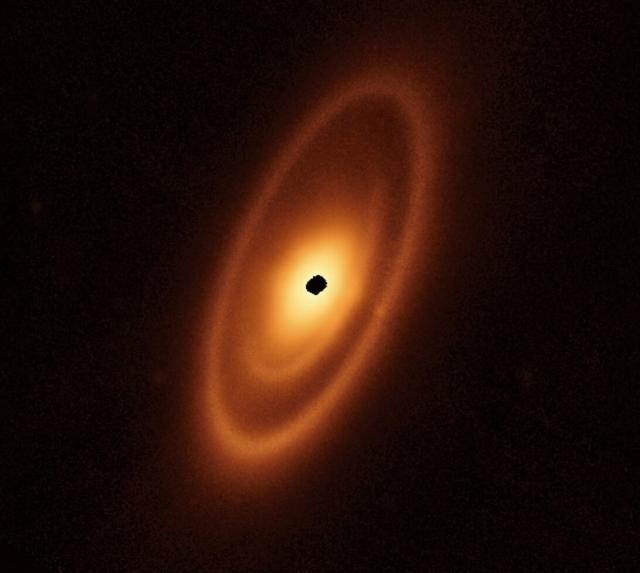
Webb Looks for Fomalhaut’s Asteroid Belt and Finds Much More
Astronomers used NASA’s James Webb Space Telescope to image the warm dust around a nearby young star, Fomalhaut, in order to study the first asteroid belt ever seen outside of our solar system in infrared light.Jamie Adkins (NASA)
#JamesWebb
#NASA
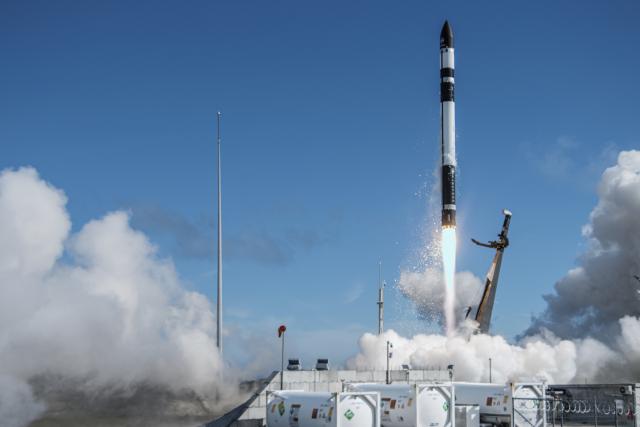
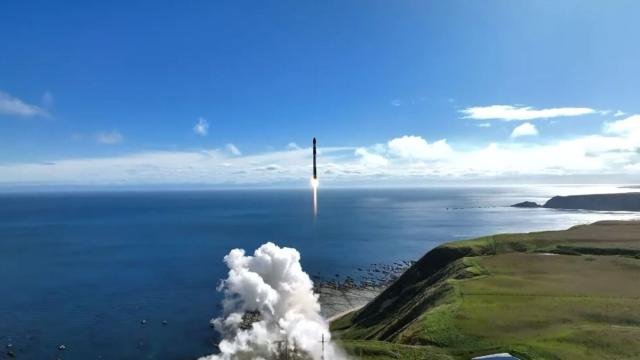
NASA, Rocket Lab Launch First Pair of Storm Observing CubeSats
Two NASA CubeSats designed to study tropical cyclones, including hurricanes and typhoons, successfully launched at 1 p.m. Monday NZST (9 p.m. EDT Sunday).Abbey Donaldson (NASA)
Happy #TeacherAppreciationWeek! Celebrate by tuning into today’s #NASAScience webinars designed w/ classrooms in mind: go.nasa.gov/3M35N66
11am ET (15:00 UTC): Moon Trees: Apollo 14, #Artemis, Lasers, and Tree Height
6:30pm ET (22:30 UTC): Moon Phases, Eclipses, and Seasons
#NASAArtemis #Artemis
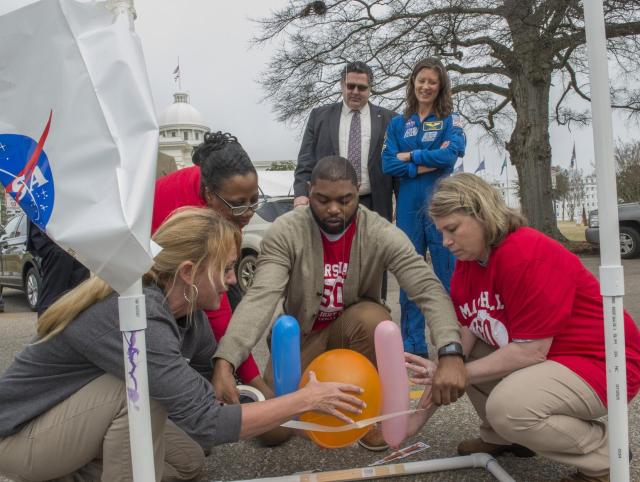
In Appreciation of Educators, NASA Presents Digital Learning Week
NASA’s Science Activation Program invites learners of all ages, including students and educators, to join our Digital Learning Week Celebration.Tricia Talbert (NASA)
The Spanish Dancer Spiral Galaxy
Image Credit: ESA, NASA, Hubble; Processing: Detlev Odenthal
apod.nasa.gov/apod/ap230508.ht… #APOD

APOD: 2023 May 8 – The Spanish Dancer Spiral Galaxy
A different astronomy and space science related image is featured each day, along with a brief explanation.apod.nasa.gov
Two TROPICS CubeSats successfully deployed from a @RocketLab Electron rocket after launch. Signal acquisition from the pair of @NASAEarth small satellites may take some time to establish, which is not unexpected.
We'll provide confirmation when signal is acquired:… twitter.com/i/web/status/16554…
#NASA
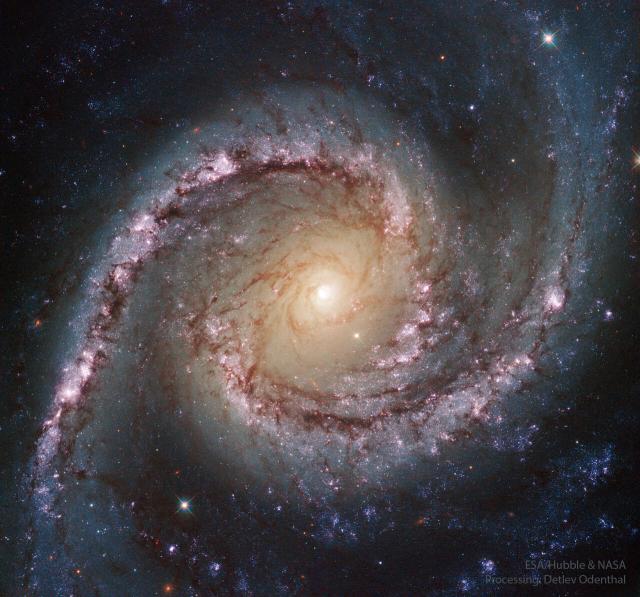
APOD: 2023 May 8 – The Spanish Dancer Spiral Galaxy
A different astronomy and space science related image is featured each day, along with a brief explanation.apod.nasa.gov
#NASA
#NASA

32 Journal Prompts for Self-Reflection and Self-Care
Grab your favorite notebook and pen, and get to know yourself a little better with these prompts. ✍️Shine
We're celebrating twice today: It's our 7th birthday *and* we just published our 2000th paper 🎉
JOSS simply wouldn’t work without the dedicated volunteer editors and reviewers (and of course the authors submitting their work). Thank you to everyone who has helped us achieve this milestone 🙇 💖 🚀
blog.joss.theoj.org/2023/05/JO…

JOSS publishes 2000th paper | Journal of Open Source Software Blog
Blog for the Journal of Open Source Software • https://joss.theoj.orgblog.joss.theoj.org
The Helix Nebula from CFHT
Image Credit: CFHT, Coelum, MegaCam, J.-C. Cuillandre (CFHT) & G. A. Anselmi (Coelum)
apod.nasa.gov/apod/ap230507.ht… #APOD

APOD: 2023 May 7 – The Helix Nebula from CFHT
A different astronomy and space science related image is featured each day, along with a brief explanation.apod.nasa.gov
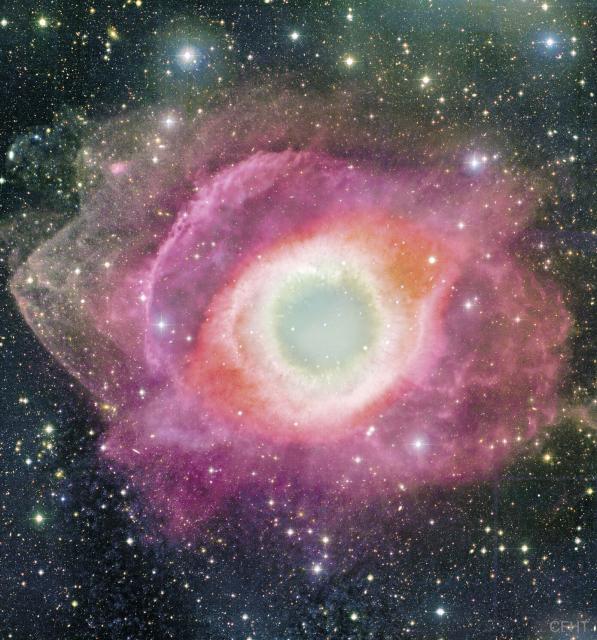
APOD: 2023 May 7 – The Helix Nebula from CFHT
A different astronomy and space science related image is featured each day, along with a brief explanation.apod.nasa.gov
NASA and @RocketLab are targeting 9pm ET Sunday, May 7 (0100 May 8 UTC), for the first launch of our cyclone-studying TROPICS CubeSats.
Tune in here and at nasa.gov/live at 8:40pm ET (0040 May 8 UTC) for live launch coverage from New Zealand: go.nasa.gov/42xYE3n
#NASA
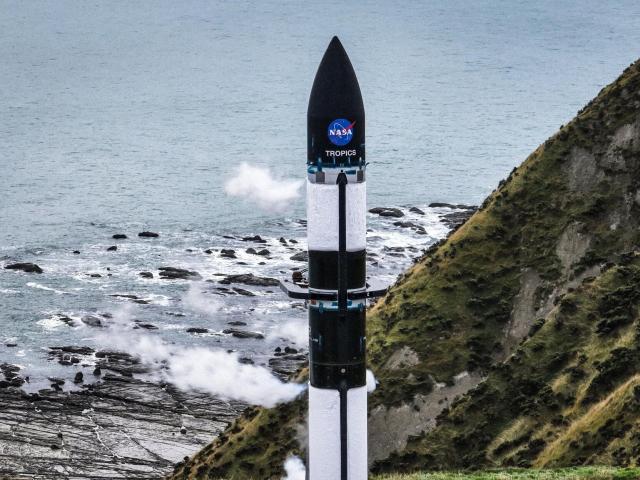
NASA, Rocket Lab Update Launch Coverage for Tropical Cyclones Mission
After the previous launch target date changed due to weather conditions in New Zealand, NASA and Rocket Lab are now targeting 9 p.m. EDT Sunday, May 7, (1 p.m.Abbey Donaldson (NASA)
Update on Tulare Lake: still growing.
The historic lakebed, now covered with farms that grow a variety of crops, is flooded after two major storms hit southern California. This enhanced-color image by #Landsat highlights the water in dark blue. go.nasa.gov/3NKKJCH
#NASAEarth
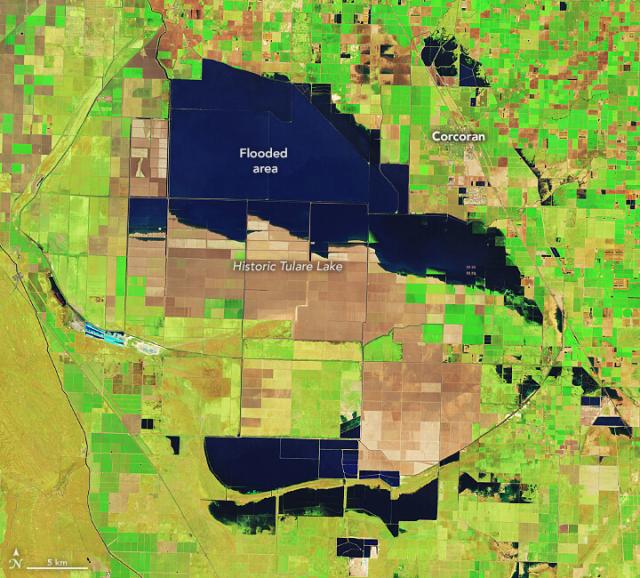
Tulare Lake Grows
Flooding in the California lakebed continues to spread as spring brings snowmelt from the Sierras.go.nasa.gov
NASA’s Aqua satellite captured the progression of flooding in the Tulare Lake basin from March 2 to April 28.
Flooding in the lakebed is likely to continue into 2024, which will affect residents and farmers in the area. go.nasa.gov/3NKKJCH
#NASAEarth
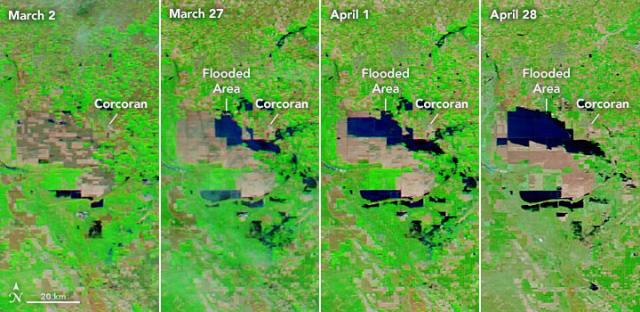
Tulare Lake Grows
Flooding in the California lakebed continues to spread as spring brings snowmelt from the Sierras.go.nasa.gov
Aviva Gary
in reply to NASA • • •