
The @NASAKennedy launch team recently completed the first of many mission simulations for #Artemis II, the first crewed Artemis mission.
Simulations help ensure that both team members and their software are prepared and up-to-date for a safe launch: go.nasa.gov/3Q8PQxK
#NASAArtemis #Artemis
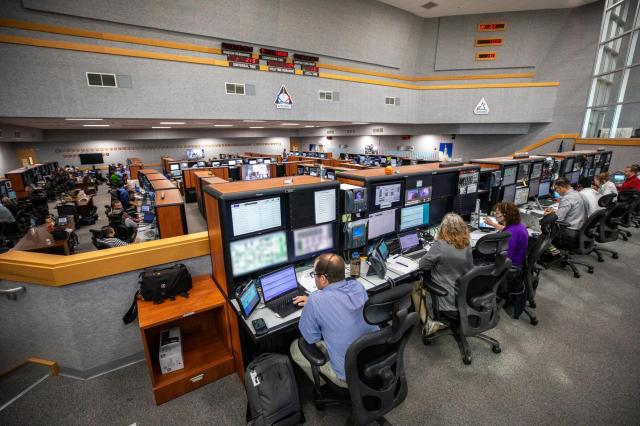
NASA Completes First Launch Simulation for Artemis II Moon Mission
NASA’s Artemis launch team conducted its first simulation for Artemis II, the first crewed mission under Artemis, on July 20 inside the Launch Control Center at the agency’s Kennedy Space Center in Florida.James Cawley (NASA)
go.nasa.gov/3KaVlbo
#NASA
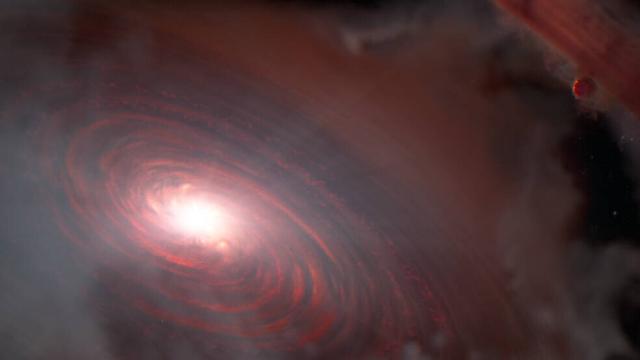
Webb Detects Water Vapor in Rocky Planet-Forming Zone
New measurements by NASA’s James Webb Space Telescope’s MIRI (Mid-Infrared Instrument) have detected water vapor in the system’s inner disk, at distances of less than 100 million miles (160 million kilometers) from the star – the region where rocky, …Jamie Adkins (NASA)
#Landsat 8 and 9 also measure land surface temperature with Thermal Infrared Sensor (TIRS) and TIRS-2. These data are crucial for water management and ice detection.
#DYK that TIRS almost didn’t exist? Now it’s been imaging Earth for over a decade! go.nasa.gov/3OSCDbH
#NASAEarth
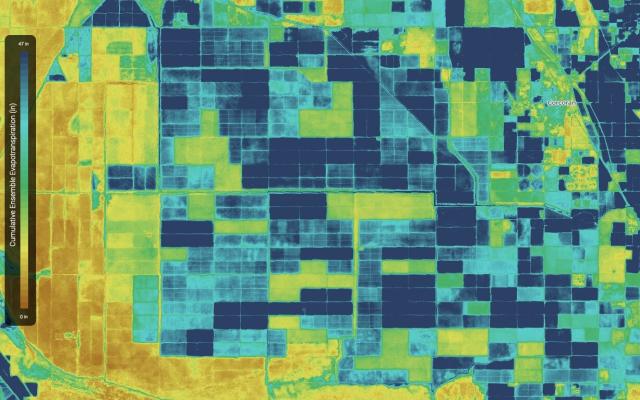
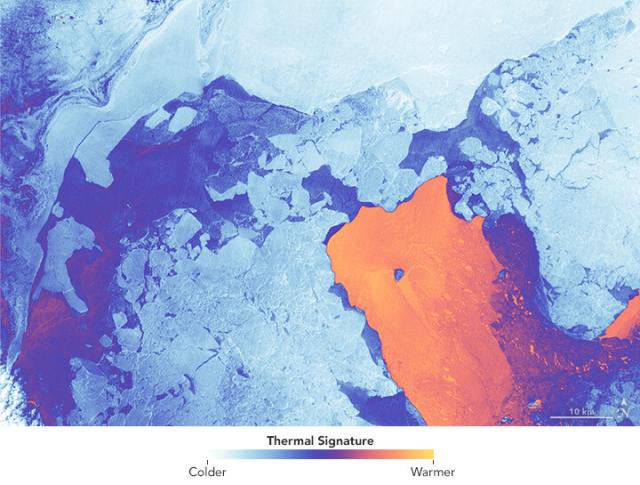
Ten Years of TIRS: Data for a Thirsty World | Landsat Science
Landsat 8 very nearly flew without a thermal infrared sensor. This is the backstory of how TIRS made it onto Landsat 8.https://landsat.gsfc.nasa.gov/article/author/lrocchio/#author (Landsat Science)
Both Landsat 8 and 9 have optical sensors that collect beautiful images of Earth. 😍 🌏
Called the Operational Land Imager (OLI) and OLI-2, these sensors take measurements in the visible, near infrared, and shortwave infrared portions of the electromagnetic spectrum.
#NASAEarth
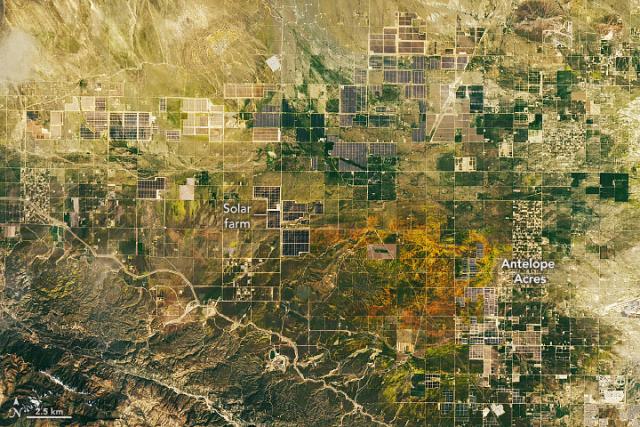

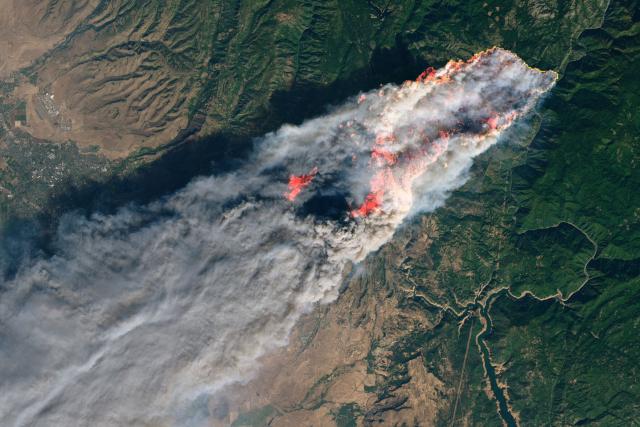
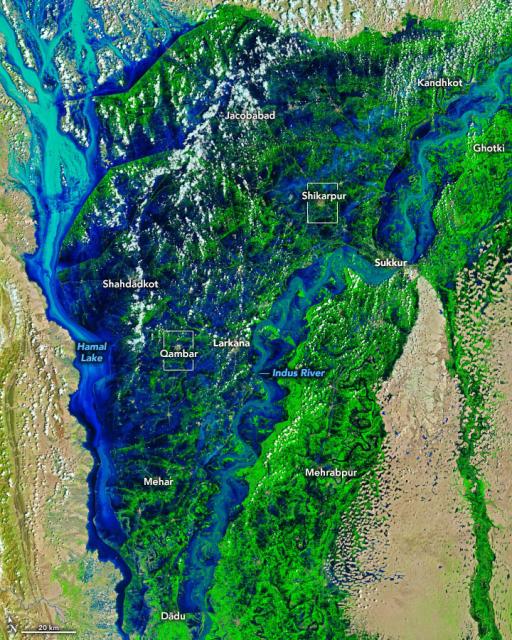
51 years of eyes on Earth 👀🛰
Since 1972, the #Landsat program has been studying Earth’s land, water, ice and more.
There are currently three active @nasa @usgs Landsat satellites orbiting Earth — Landsat 7, 8, and 9 — with Landsat Next on the horizon. go.nasa.gov/3Nxxl4w
#NASAEarth
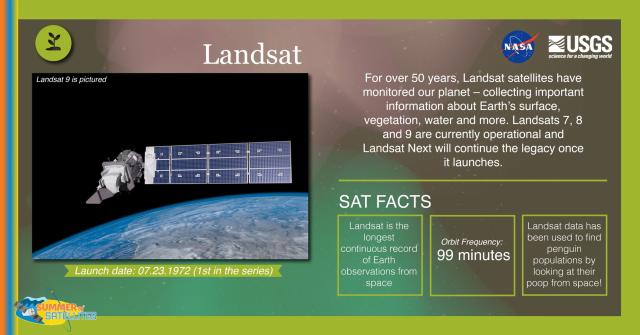
Landsat Science
This joint NASA/USGS program provides the longest continuous space-based record of Earth’s land in existence.Landsat Science
#ISS
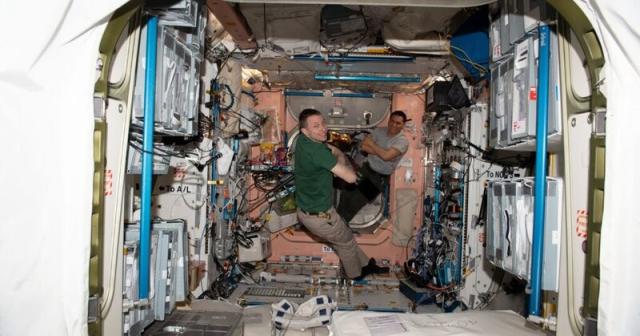
Space Biology, Human Health Research and Robotics Work to Kick off Week
The Expedition 69 crew aboard the International Space Station is keeping busy on Monday with Genes in Space operations, human health research, robotics work, and station maintenance.blogs.nasa.gov
When @NASAWebb looked at a developing planetary system, it detected water vapor in the building materials, in the region where rocky planets like Earth may be forming: go.nasa.gov/3O5LR2j
#NASAExoplanets
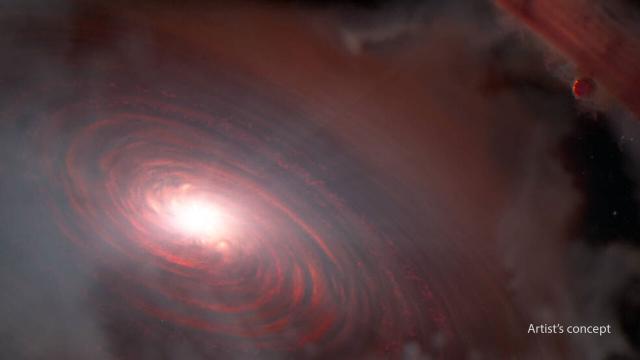
Webb Detects Water Vapor in Rocky Planet-Forming Zone
New measurements by NASA’s James Webb Space Telescope’s MIRI (Mid-Infrared Instrument) have detected water vapor in the system’s inner disk, at distances of less than 100 million miles (160 million kilometers) from the star – the region where rocky, …Jamie Adkins (NASA)
#JamesWebb
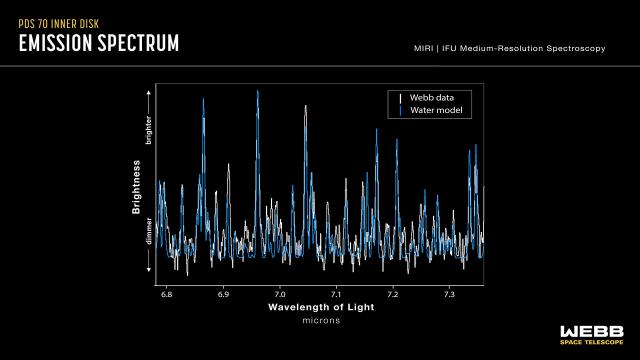
On our world, water is life. But how did it get here? Are there similar environments around other stars?
Webb has us one step closer to answers. In a still-developing “solar system,” Webb detected water in the zone where rocky planets like Earth may form: go.nasa.gov/3O5LR2j
#JamesWebb
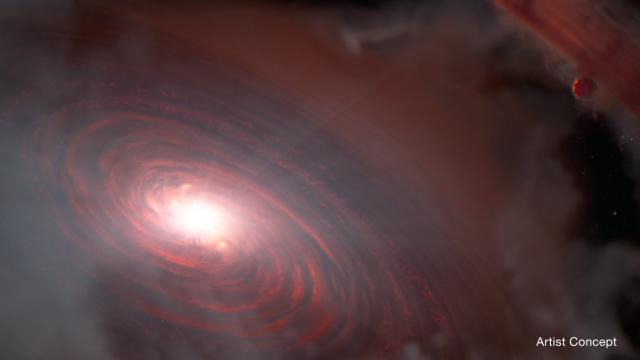
Webb Detects Water Vapor in Rocky Planet-Forming Zone
New measurements by NASA’s James Webb Space Telescope’s MIRI (Mid-Infrared Instrument) have detected water vapor in the system’s inner disk, at distances of less than 100 million miles (160 million kilometers) from the star – the region where rocky, …Jamie Adkins (NASA)
Join us in celebrating @NASAInterns! Ahead of #NationalInternDay, July 27, hear from current and former interns, and discover the work they do.
Interested in interning with us, or know someone who might? Spring internship applications are due Aug. 31: go.nasa.gov/44WNcPJ
#NASA

Zenbleed: an AMD Zen 2 speculative vulnerability
Tavis Ormandy reports on a vulnerability that he has found in "all Zen 2 class processors" from AMD. (Wayback Machine link as the original site is overloaded.lwn.net
Take our fun quiz to get your results and learn the perfect exoplanets for you! Share your results and tag us! go.nasa.gov/44SCw4G
#MondayMotivation
#NASAExoplanets

The Exoplaneteers Quiz
What kind of exoplanet explorer are you? Take the quiz to find out, and get the perfect planet for you!go.nasa.gov
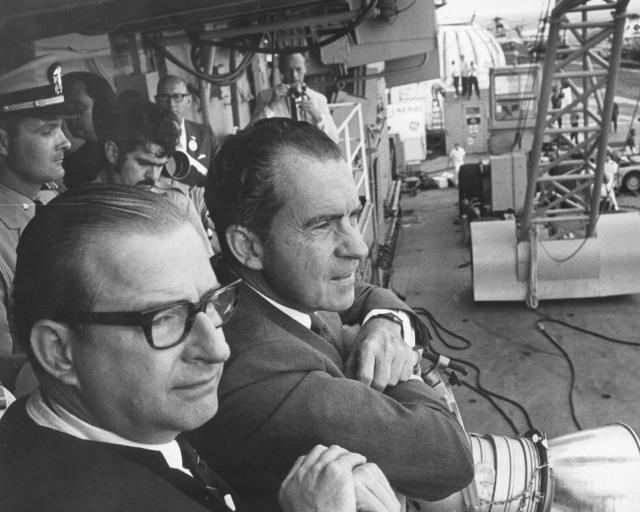
NASA Administrator Dr. Thomas Paine (left) and U.S. President Richard M. Nixon wait aboard the U.S.S. Hornet recovery ship for the splashdown of the Apollo 11 command module #OTD in 1969.
Read more about Apollo 11's return to Earth: go.nasa.gov/3OghnvV
#NASAhistory
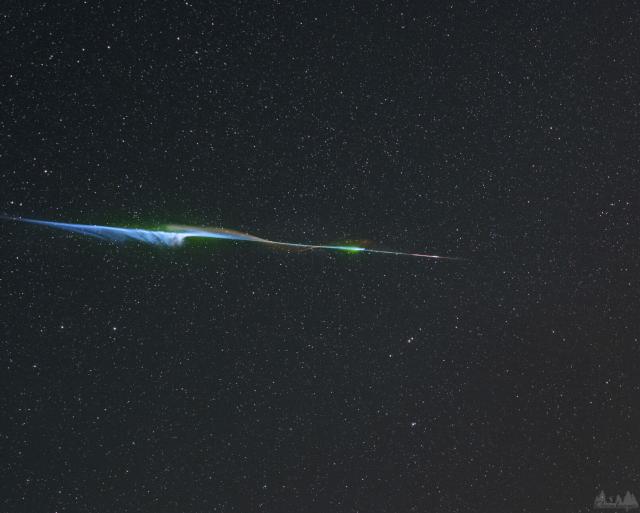
APOD: 2023 July 24 – Chemicals Glow as a Meteor Disintegrates
A different astronomy and space science related image is featured each day, along with a brief explanation.apod.nasa.gov
Chemicals Glow as a Meteor Disintegrates
Image Credit & Copyright: Michael Kleinburger
apod.nasa.gov/apod/ap230724.ht… #APOD

APOD: 2023 July 24 – Chemicals Glow as a Meteor Disintegrates
A different astronomy and space science related image is featured each day, along with a brief explanation.apod.nasa.gov
After a star goes supernova, its leftover core can rotate quickly, blasting pulses of radiation at intervals typically ranging from milliseconds to seconds. Orbiting pulsar planets would be hellish wastelands. We💚 them. exoplanets.nasa.gov/resources/…
#NASAExoplanets
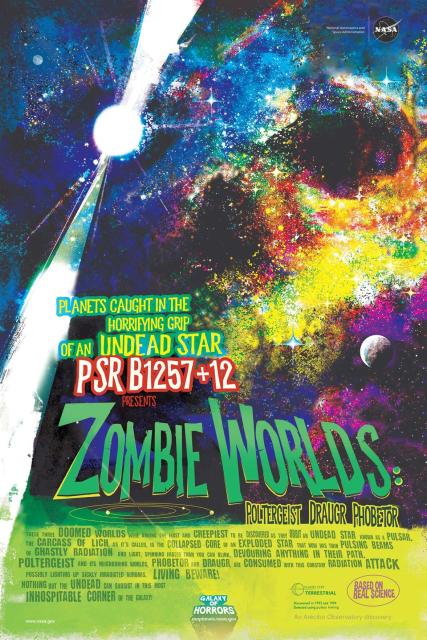

Zombie Worlds Poster - Exoplanet Exploration: Planets Beyond our Solar System
These doomed worlds were among the first and creepiest to be discovered. They orbit an undead star known as a pulsar.Exoplanet Exploration: Planets Beyond our Solar System
Look on the bright side! No, really – see how the left side appears brighter in color?
It's caused by differences in sand cover. The western side of Egypt’s Lake Nasser is covered by sand and the eastern side is mostly rock. go.nasa.gov/3rJy6ib
📷: @Space_Station astronaut
#NASAEarth
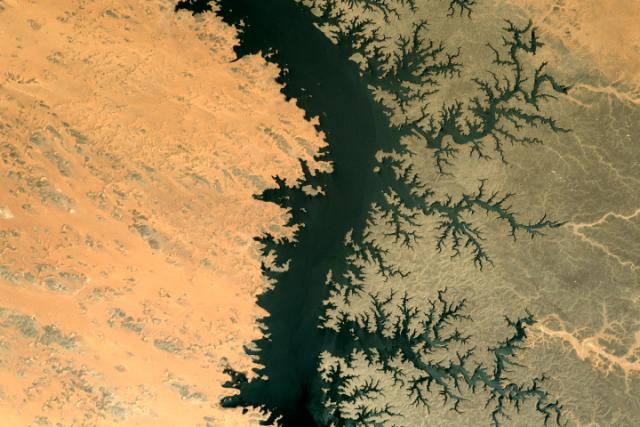
The Two Banks of Lake Nasser
Differences in the amount of sand cover explains the starkly contrasting colors of the Egyptian lake’s west and east banks.go.nasa.gov
Happy 24th birthday @chandraxray! Seen here just before being deployed from Space Shuttle Columbia (STS-93) #OTD in 1999, this powerful space observatory was initially expected to function for 5 years.
Read how Chandra has vastly advanced X-ray astronomy: go.nasa.gov/3OfPXWV
#NASAhistory
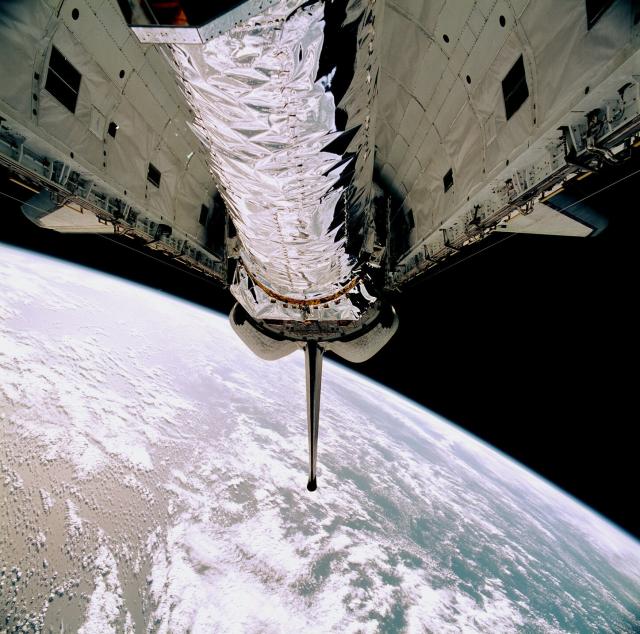
Chandra X-ray Observatory
NASA.gov brings you the latest images, videos and news from America's space agency. Get the latest updates on NASA missions, watch NASA TV live, and learn about our quest to reveal the unknown and benefit all humankind.NASA
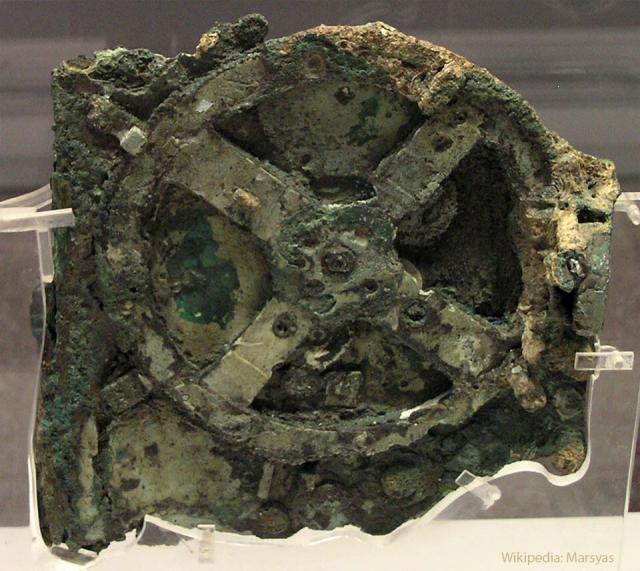
APOD: 2023 July 23 – The Antikythera Mechanism
A different astronomy and space science related image is featured each day, along with a brief explanation.apod.nasa.gov
The Antikythera Mechanism
Image Credit & License: Marsyas, Wikipedia
apod.nasa.gov/apod/ap230723.ht… #APOD

APOD: 2023 July 23 – The Antikythera Mechanism
A different astronomy and space science related image is featured each day, along with a brief explanation.apod.nasa.gov
GJ 504 b is still glowing from the heat of its formation 160 million years ago. Astronomers say it is dark magenta, or the color of cherry blossoms. It orbits a star faintly visible to the unaided eye in the constellation Virgo. exoplanets.nasa.gov/news/116/m…
#NASAExoplanets
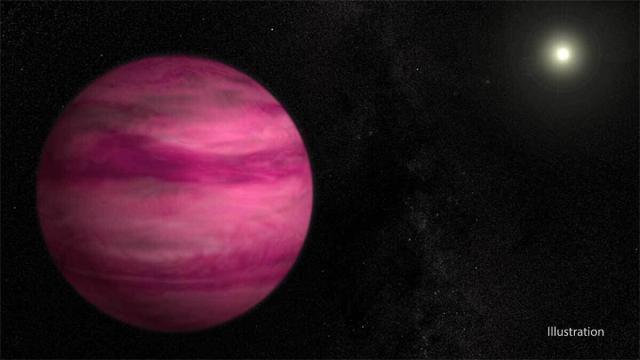
Magenta mystery
Astronomers detect lowest-mass planet around a star like the sun found using direct imaging techniques.Exoplanet Exploration: Planets Beyond our Solar System
#NASAExoplanets
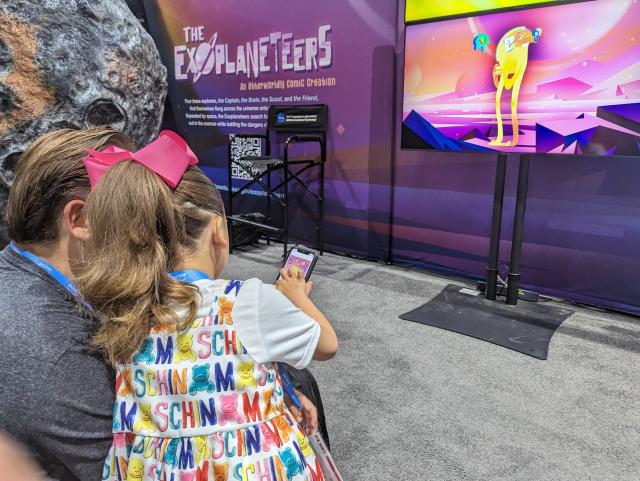
Exoplanet Exploration: Planets Beyond our Solar System
NASA’s Exoplanet Exploration Program, the search for planets and life beyond our solar system.Exoplanet Exploration: Planets Beyond our Solar System
Leave it to beavers to improve Earth’s ecosystems! 🦫
Scientists are studying how beavers impact ecosystems using @NASA_Landsat and Sentinel data, which help them compare across larger locations and over time. go.nasa.gov/3rszBkK
[Video embedded in original tweet]
#NASAEarth

"Beaver Believers" See Impacts of Rewilding Via NASA Data
Researchers are using NASA Earth observations to monitor impacts of beaver restoration on water availability in drought-prone ecosystems.Aries Keck (NASA)
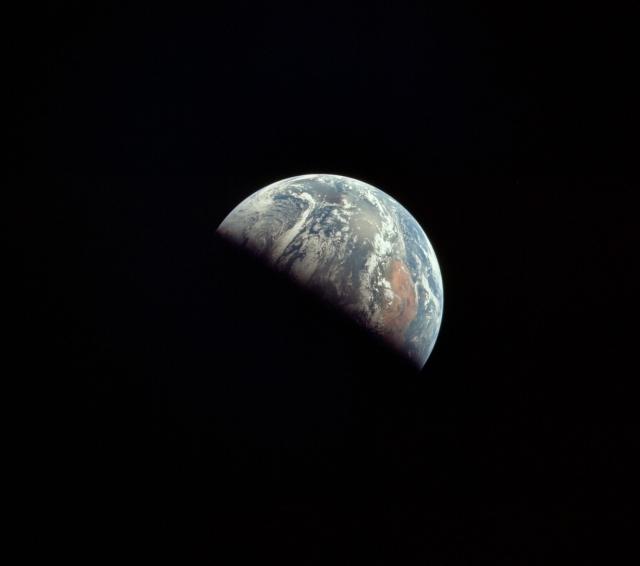
An unbeatable view
As the Apollo 11 astronauts make their way back home, they capture this image of Earth not long after leaving the Moon's gravitational sphere of influence.
See more photos captured by the Apollo 11 astronauts: go.nasa.gov/43todCz
#NASAhistory
This week at NASA:
• A swath of small satellites headed into orbit
• Our new hurricane-observing satellites viewed their first storms
• We kept our “A” for investing in small businesses
Keep up with all things space and aeronautics: nasa.gov/subscribe
[Video embedded in original tweet]
#NASA
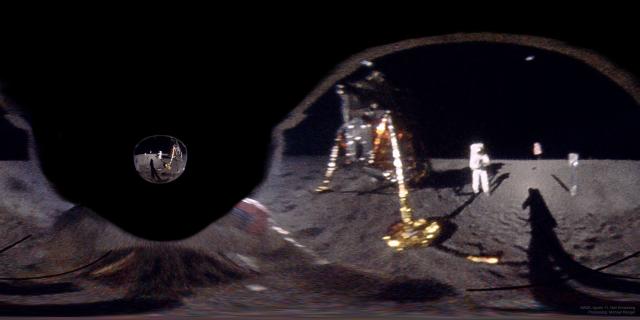
APOD: 2023 July 22 - Apollo 11: Armstrong's Lunar Selfie
A different astronomy and space science related image is featured each day, along with a brief explanation.apod.nasa.gov

Apollo 11: Armstrong's Lunar Selfie
Image Credit: NASA, Apollo 11, Neil Armstrong; Processing: Michael Ranger
apod.nasa.gov/apod/ap230722.ht… #APOD

APOD: 2023 July 22 - Apollo 11: Armstrong's Lunar Selfie
A different astronomy and space science related image is featured each day, along with a brief explanation.apod.nasa.gov

El administrador de NASA viajará a Sudamérica, hablará de cooperación
Como parte de una serie de reuniones con destacados funcionarios gubernamentales, el administrador de la NASA, Bill Nelson, viajará a Brasil, Argentina y Colombia a partir del lunes 24 de julio.Roxana Bardan (NASA)

NASA Administrator to Head to South America; Discuss Space Cooperation
As part of a series of meetings with key government officials, NASA Administrator Bill Nelson will travel to Brazil, Argentina, and Colombia beginning Monday, July 24.Claire O’Shea (NASA)

Louisiana Students to Hear from NASA Astronauts Aboard Space Station
As part of the state’s first Earth-to-space call, students from Louisiana will have an opportunity soon to hear from NASA astronauts aboard the International Space Station.Claire O’Shea (NASA)
Galactic Cirrus: Mandel Wilson 9
Image Credit & Copyright: Gabriel Rodrigues Santos
apod.nasa.gov/apod/ap230721.ht… #APOD

APOD: 2023 July 21 - Galactic Cirrus: Mandel Wilson 9
A different astronomy and space science related image is featured each day, along with a brief explanation.apod.nasa.gov
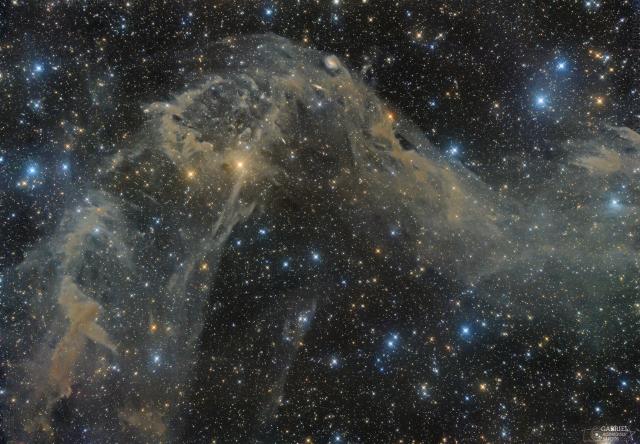
APOD: 2023 July 21 - Galactic Cirrus: Mandel Wilson 9
A different astronomy and space science related image is featured each day, along with a brief explanation.apod.nasa.gov
Our daredevil spacecraft is almost home! On Sept. 24, after a seven-year-long journey #ToBennuAndBack, OSIRIS-REx will return to Earth with a sample of asteroid Bennu.
Mission updates: blogs.nasa.gov/osiris-rex/
[Video embedded in original tweet]
#NASASolarSystem

NASA, White House Advance Historically Black Scholar Recognition
NASA and the Department of Education, in support of STEM and diversity, equity, inclusion, and accessibility initiatives, are hosting a competition to engage students at HBCUs (Historically Black Colleges and Universities), ultimately bringing divers…Claire O’Shea (NASA)

NASA Awards Integrated Mission Operations Contract III
NASA has selected KBR Wyle Services, LLC, of Fulton, Maryland, to provide mission and flight crew operations support for the International Space Station and future human space exploration.Claire O’Shea (NASA)
#ISS
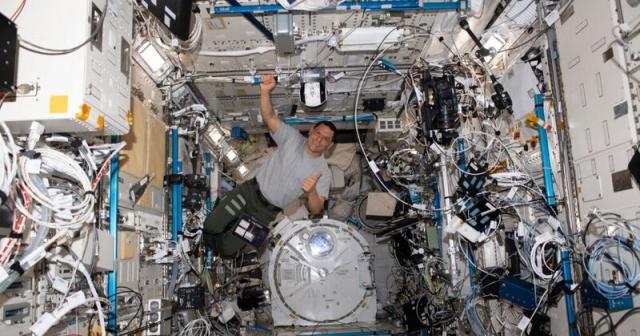
A Third Round of Eye Exams for the Week; Maintenance and Clean-up Activities Underway
Three Expedition 69 crew members completed another round of eye exams today aboard the International Space Station. Various maintenance and clean-up activities were also underway in multiple service modules.blogs.nasa.gov
#NASAExoplanets




Exoplanet Exploration: Planets Beyond our Solar System
NASA’s Exoplanet Exploration Program, the search for planets and life beyond our solar system.Exoplanet Exploration: Planets Beyond our Solar System
#NASAExoplanets
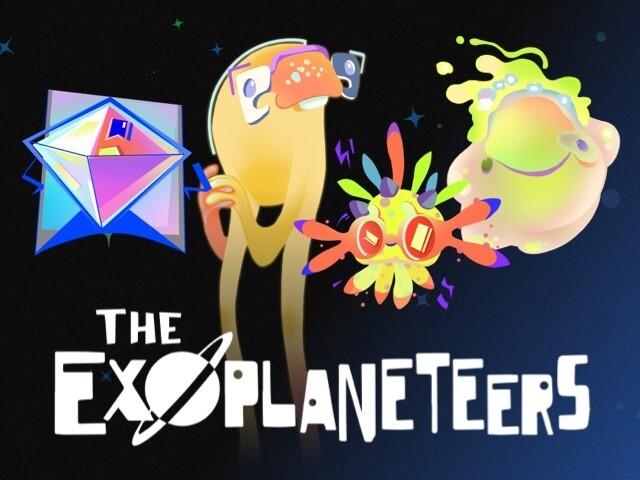
The Exoplaneteers Quiz
What kind of exoplanet explorer are you? Take the quiz to find out, and get the perfect planet for you!exoplanets.nasa.gov
#NASA
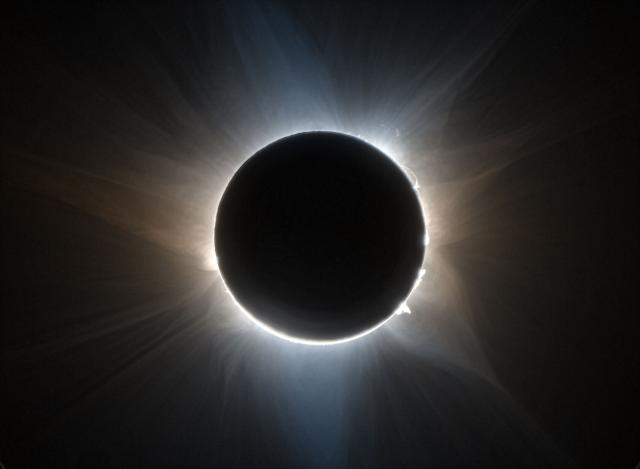
NASA Funds 3 Citizen Science Projects to Study 2024 U.S. Solar Eclipse
NASA has awarded funding for three science teams to conduct citizen science investigations as a total solar eclipse sweeps across North America on April 8, 2024.Abbey Interrante (NASA)
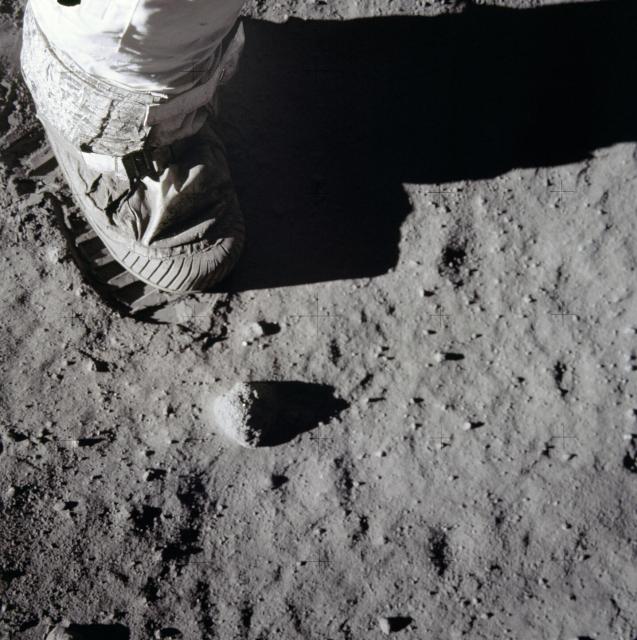
One small step.
OTD 54 years ago, Apollo 11 crewmembers became the first human beings to set foot on the lunar surface.
Today, we’re building on the legacy of Apollo as we prepare to establish a long-term human infrastructure on the Moon with #Artemis. #InternationalMoonDay
#NASA
John G Fitzgerald
in reply to NASA • • •We may be witnessing the aftermath of catastrophic climate change in that region.