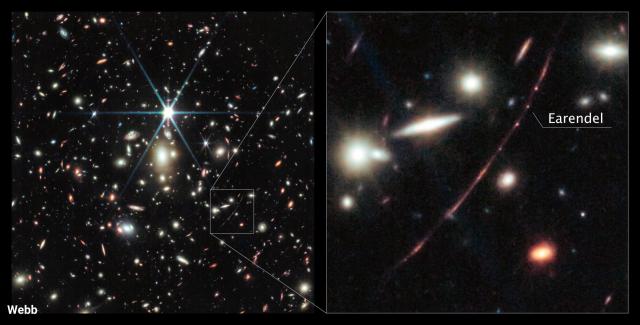
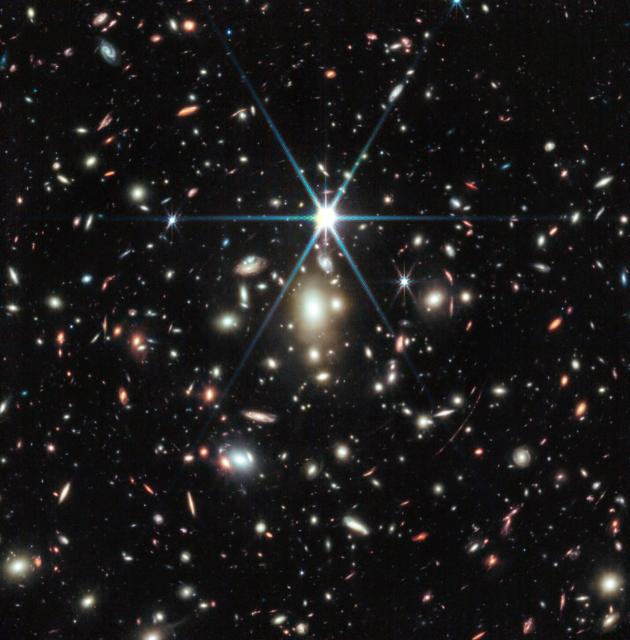
NASA’s James Webb Space Telescope has followed up on observations by the Hubble Space Telescope of the farthest star ever detected in the very distant universe, within the first billion years after the big bang.
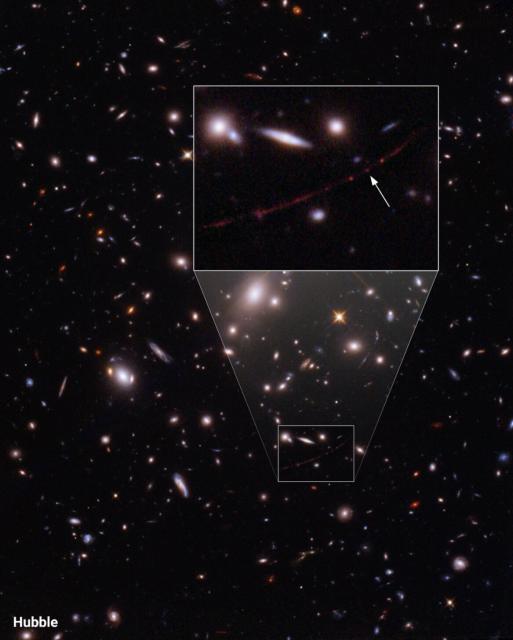
NASA’s Hubble Space Telescope has established an extraordinary new benchmark: detecting the light of a star that existed within the first billion years after the universe’s birth in the big bang – the farthest individual star ever seen to date.
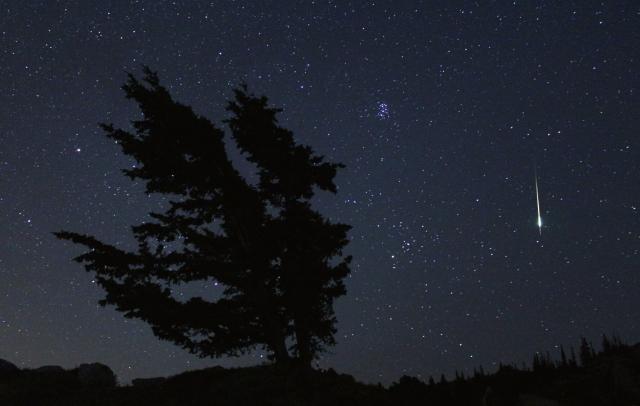
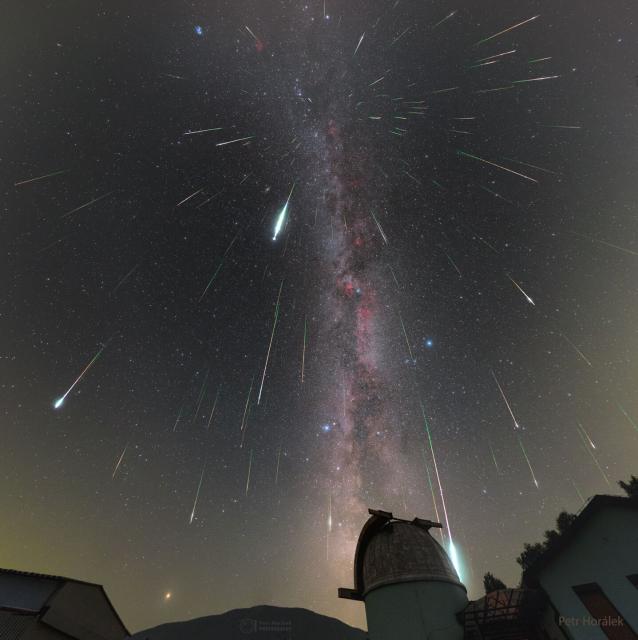
All about the Perseid meteors, which are actually small pieces of space debris that originate from comet 109P/Swift-Tuttle go.nasa.gov/3OQ7e9s #NASASolarSystem
The meteors are coming! ☄️ The annual Perseid meteor shower peaks on the night of Aug. 12-13. It's a great time to watch for meteors, sometimes called "shooting stars" – especially if you have access to clear, dark skies away from city lights. youtu.be/Nz6m-9MZSmE?t=65 #NASASolarSystem
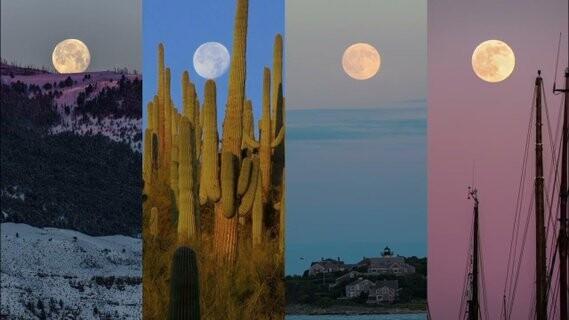
What are some skywatching highlights in August 2023?Saturn reaches opposition this month, meaning it's at its biggest and brightest for the year, and visible...
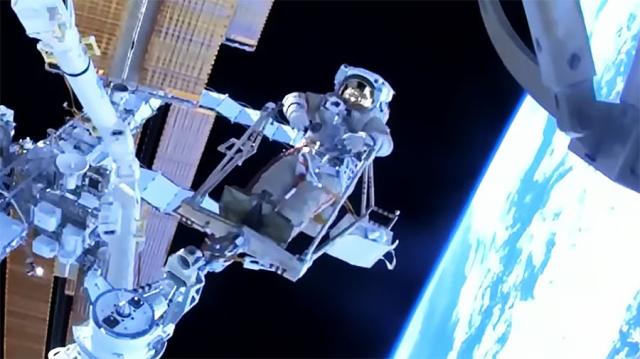
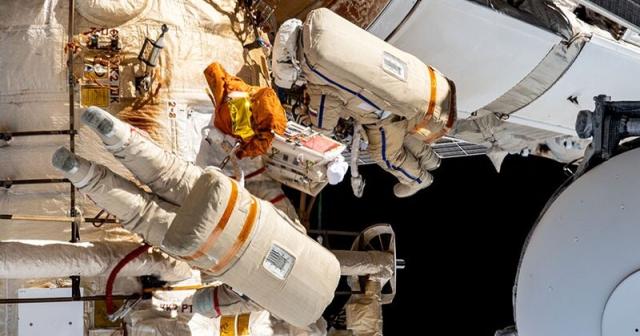
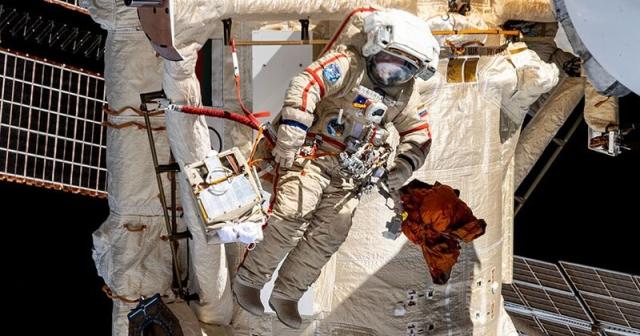
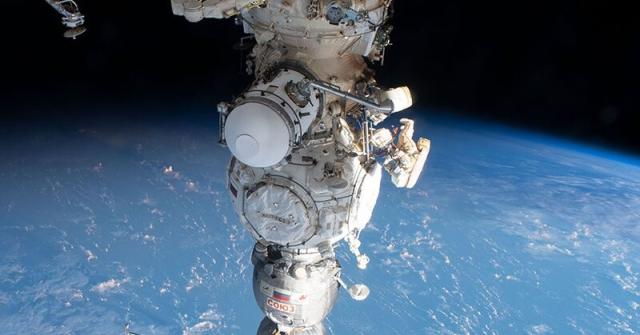
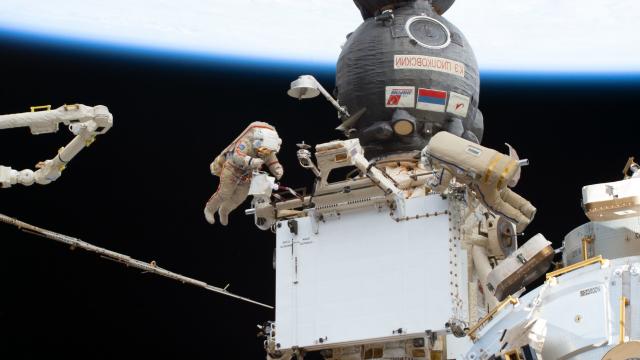
Cosmonaut Sergey Prokopyev rode the European robotic arm as he and Dmitri Petelin installed debris shields and relocated a portable workstation on the station during a spacewalk today. More... go.nasa.gov/44ZweAF
Roscosmos cosmonauts Sergey Prokopyev and Dmitri Petelin concluded their spacewalk outside the International Space Station at 5:19 p.m. EDT after 6 hours and 35 minutes.
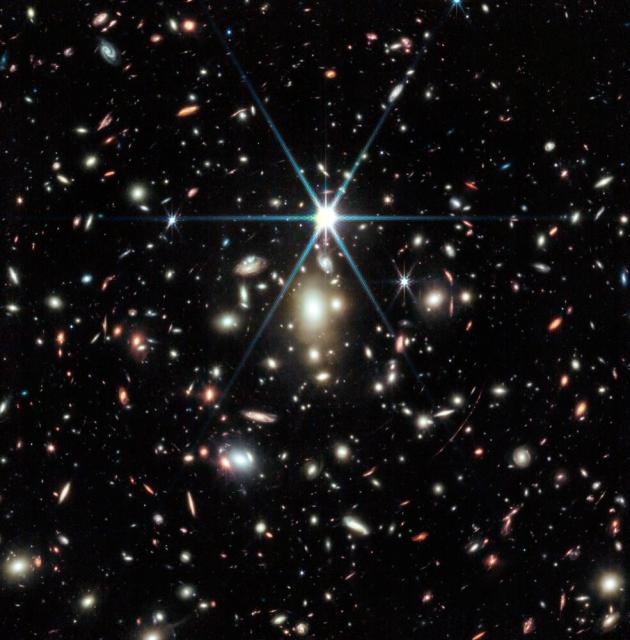
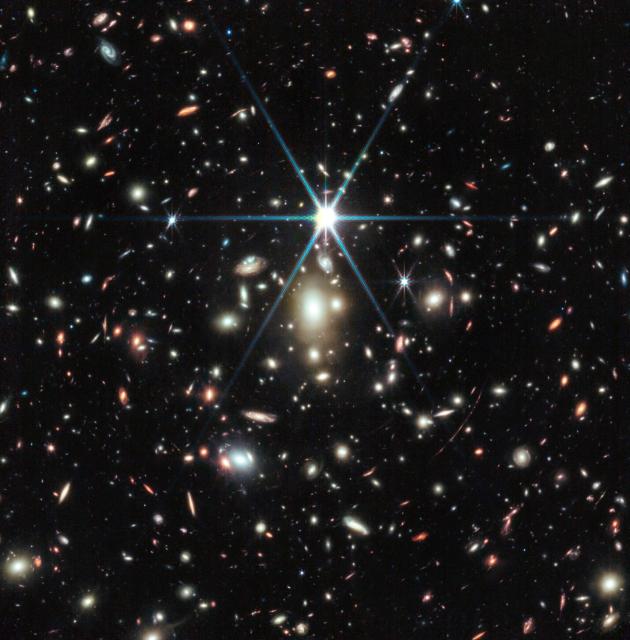
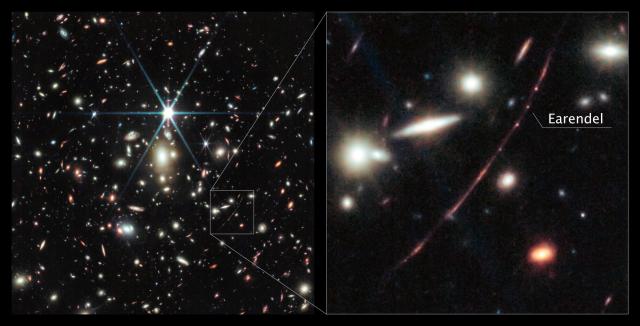
A wrinkle in spacetime reveals ancient Earendel✴️ The most distant star is seen by @NASAWebb because a massive galaxy cluster bends light, allowing us to look through it like a magnifying glass. Based on its colors, astronomers think Earendel may have a cooler companion star!… #NASAExoplanets
We know the Moon has water, so could future astronauts access and make use of it? We're working on it. Once it lands at the lunar South Pole, our Polar Resources Ice Mining Experiment-1 (PRIME-1) will robotically sample ice from beneath the lunar surface: go.nasa.gov/2QygCmF
NASA’s Polar Resources Ice Mining Experiment-1 (PRIME-1) is leading development of the lunar drill called TRIDENT, which can core out a hole roughly three feet deep on the lunar surface.
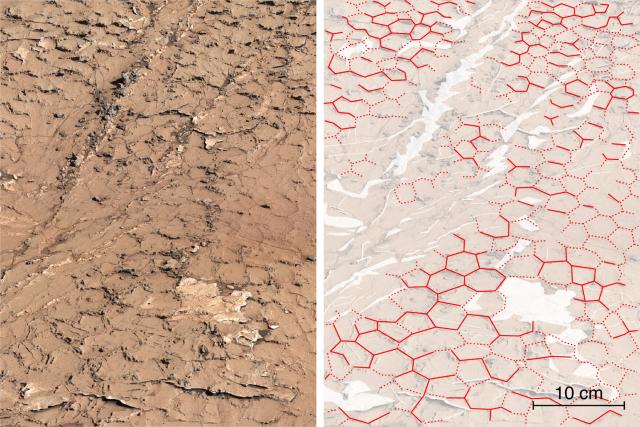
Check out this patchwork of well-preserved mud cracks that @MarsCuriosity found. They show a history of wet-dry cycles on early Mars, which scientists think could have provided conditions for microscopic life to form. Latest findings: go.nasa.gov/3QtgykZ #NASAMars
Spacewalker Sergey Prokopyev attaches a portable workstation to the European robotic arm as the space station orbits 260 miles above Africa. Watch now... nasa.gov/live
NASA launches, landings, and events. Watch live broadcasts from NASA Television and NASA's social media channels, and a schedule of upcoming live events including news briefings, launches and landings.
We're eating up @NASAWebb's second look at the star Earendel, first seen by @NASAHubble. It's the farthest star ever detected, & Webb now shows it to be more than twice as hot as our Sun and about a million times brighter: go.nasa.gov/3OOJEtL #NASA
NASA’s James Webb Space Telescope has followed up on observations by the Hubble Space Telescope of the farthest star ever detected in the very distant universe, within the first billion years after the big bang.
What will you discover about our universe on #BookLoversDay? 📚
Explore our free e-book library to uncover stories about Hubble and its history, plus learn more about the planets in our solar system, galaxies beyond our own, and more: go.nasa.gov/3YuY6dN #Hubble
NASA.gov brings you the latest images, videos and news from America's space agency. Get the latest updates on NASA missions, watch NASA TV live, and learn about our quest to reveal the unknown and benefit all humankind.
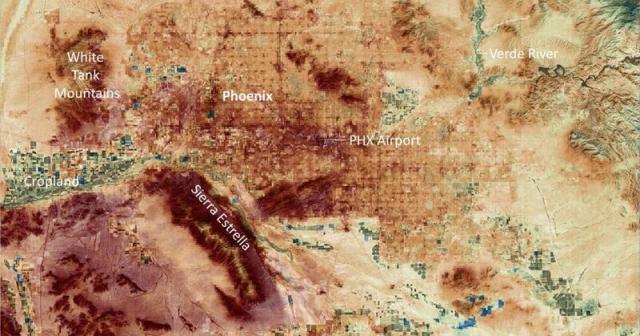
Surface temperatures in cities are usually warmer than in rural and undeveloped lands because of human activities and building materials. Streets are often the hottest part because dark asphalt paving absorbs more sunlight than lighter-colored ones. go.nasa.gov/3OOzzNr #NASAEarth
Streets and other built surfaces in the region absorbed and retained heat long after sunset and grew hotter over many days of persistent high temperatures.
Each year, NASA scientists, engineers, and developers create software packages to manage space missions, test spacecraft, and analyze the petabytes of data produced by agency research satellites.
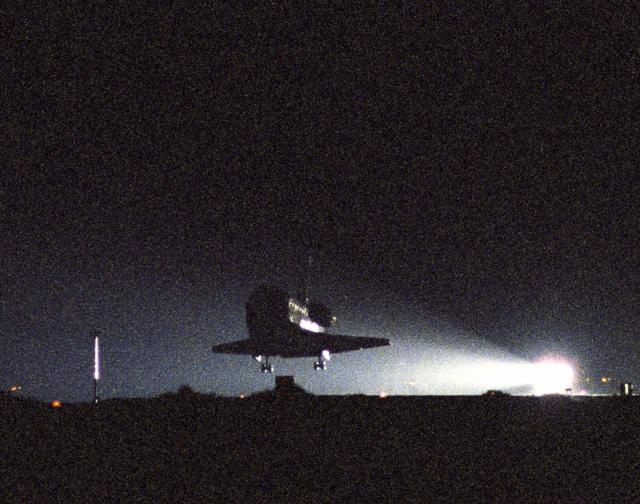
#OTD in 2005, STS-114 completed the Space Shuttle Program's 14-day "Return to Space" mission, the first after the tragic loss of Columbia 2.5 years earlier.
STS-114 was the first Return to Flight mission since the tragic loss of Columbia Feb. 1, 2003. Two and a half years were spent researching and implementing safety improvements for orbiters and external tanks.
Live: Cosmonauts Sergey Prokopyev and Dmitri Petelin will step outside the @Space_Station to make updates to the Rassvet module. The spacewalk is expected to start at 10:45am ET (1445 UTC) and last about seven hours: nasa.gov/live #NASA
NASA launches, landings, and events. Watch live broadcasts from NASA Television and NASA's social media channels, and a schedule of upcoming live events including news briefings, launches and landings.
Two cosmonauts have exited the station beginning a spacewalk at 10:44am ET today to continue upgrades on the orbital outpost live on @nasa TV now. blogs.nasa.gov/spacestation/20… #ISS
Discovered by @NASAHubble, Earendel is the farthest star ever detected. Webb’s fresh look reveals it to be a massive B-type star more than twice as hot and about a million times more luminous than our Sun: go.nasa.gov/3Os44aC #JamesWebb
NASA’s James Webb Space Telescope has followed up on observations by the Hubble Space Telescope of the farthest star ever detected in the very distant universe, within the first billion years after the big bang.
Earendel is only detectable thanks to a galaxy cluster between the star and us. The cluster’s gravity bends light, magnifying what's behind it—in the case of Earendel, by a factor of at least 4000! Based on its colors, astronomers think Earendel may have a cooler companion star. #JamesWebb
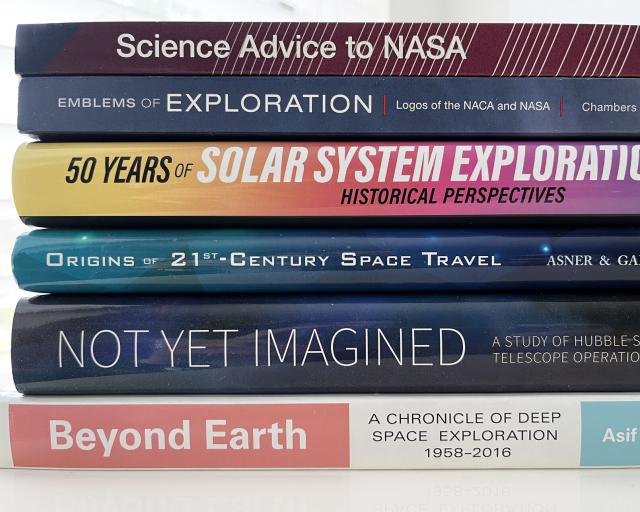
The NASA History Series includes over 200 books and monographs on a wide range of topics from rockets and wind tunnels to the psychology and sociology of
@nasa: I'm currently reading "Not Yet Imagined", the story of the Hubble Space Telescope and it's truly fascinating. Thank-you for these publications and providing them for free.
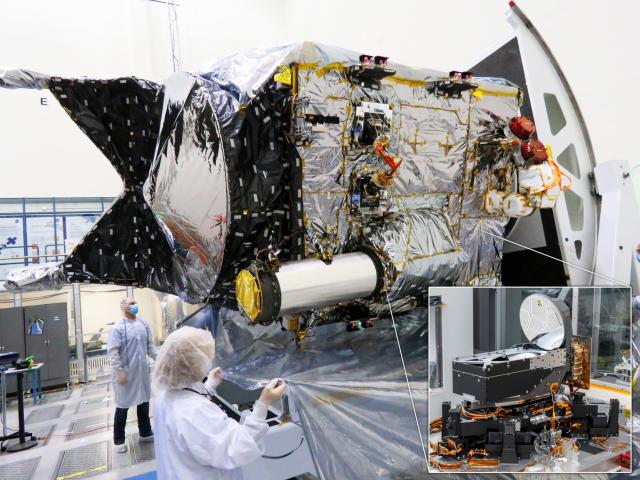
Laser-like focus on the future: Using experimental laser technology aboard #MissionToPsyche, engineers will attempt to demonstrate 10 to 100 times the data capacity of state-of-the-art radio systems used in interplanetary missions today. 📡 #NASASolarSystem
LIVE NOW: Join @SenBillNelson, the #Artemis II astronauts, and other NASA leaders as they provide updates on the first crewed Artemis mission around the Moon. twitter.com/i/broadcasts/1BRKj…
Cancer therapies and space agriculture topped the @ISS_Research schedule on Tuesday as two cosmonauts get ready for Wednesday's spacewalk at the orbital lab. blogs.nasa.gov/spacestation/20… #ISS
Stem cells and space botany were the top research objectives for the Expedition 69 crew on Tuesday while still working to unpack a new U.S. cargo craft.
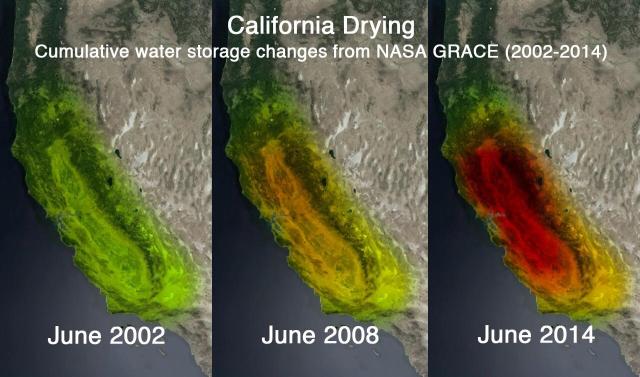
The GRACE mission, launched on March 12, 2002, flew twin spacecraft around Earth to measure tiny variations in gravity, and revolutionized our view of how water moves on our planet over its 15 years of operation.
On Aug. 9 at approximately 10:45am ET (1445 UTC), cosmonauts Sergey Prokopyev and Dmitri Petelin will conduct a spacewalk to make updates to the @Space_Station's Rassvet module.
NASA will provide live coverage beginning at 10:15 a.m. EDT Wednesday, Aug. 9, as two Roscosmos cosmonauts conduct a spacewalk to upgrade the International Space Station. The spacewalk is expected to begin about 10:45 a.m.
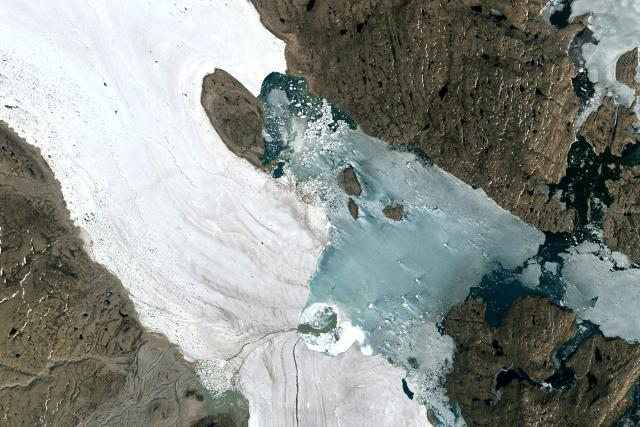
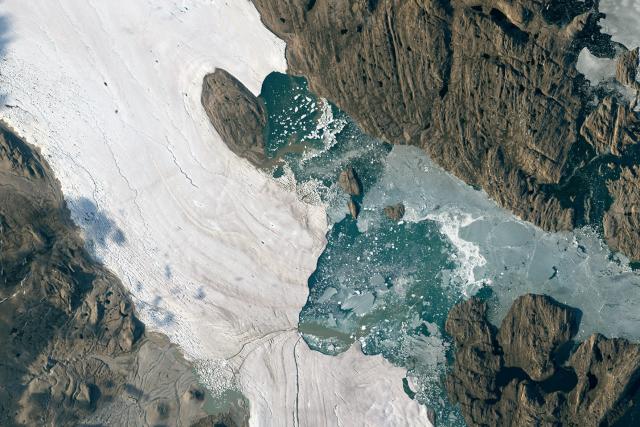
Seasonal warmth led to the rapid disintegration of sea ice near two large outlet glaciers in Greenland. 🌊🧊
A pocket of persistent open water – or polynya – had formed within the sea ice on July 21 (left). By July 25 (right), the sea ice had broken out. go.nasa.gov/3YntuL7 #NASAEarth
WhatsApp introduces screen sharing during video calls, rolling out on iOS, Android, and Windows, and support for landscape mode on video calls (Jagmeet Singh/TechCrunch)
The problem is that TechCrunch redirects our crawler to the cookie consent page because of the German IP even though it clearly identifies itself as a bot in the user agent.
@williamgunn @Sarahp @zackwhittaker This isn't fixable on our side, if that's what you mean. We already do everything the best we can: The user agent could not be mistaken for a browser, and even contains "Bot" in it. I hope somebody at TechCrunch or Yahoo notices at some point.
Cabel Sasser on “Turn-On,” a hyperactive 1969 sketch comedy show unseen for 54 years: "the first computerized TV show" from the creator of Laugh-In was cancelled after the first episode, decades ahead of its time cabel.com/2023/08/06/turn-on-f…
I’ve waited a long time for this. In 1969, producers George Schlatter and Ed Friendly wanted to create another monster comedy hit like they had with Rowan & Martin’s Laugh-In, a cha…
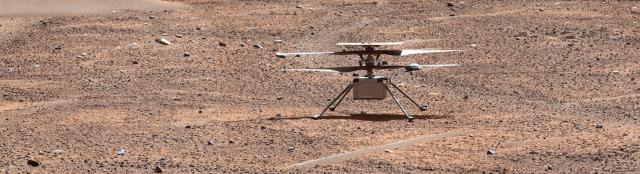
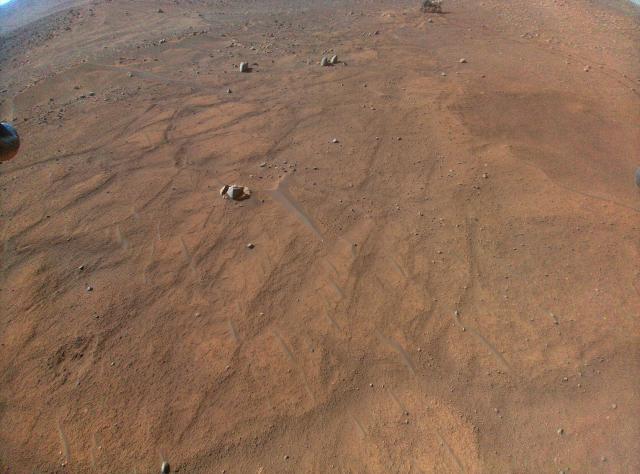
Look who it is! I recently drove right past Ingenuity and got a pic after it ended its 53rd flight early. Happy to say it’s since completed a 54th flight to check out its systems. (Even caught a glimpse of me too!) Latest #MarsHelicopter status: go.nasa.gov/43YuiqW #PerseveranceRover
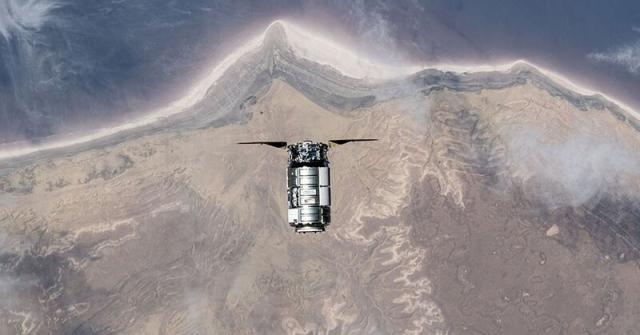
The Exp 69 crew is unpacking @NorthropGrumman's #Cygnus cargo craft and gearing up for another spacewalk while also exploring high temp physics and semiconductor crystals today. blogs.nasa.gov/spacestation/20… #ISS
The Exp 69 crew is unpacking @NorthropGrumman's #Cygnus cargo craft and gearing up for another spacewalk while also exploring high temp physics and semiconductor crystals today. blogs.nasa.gov/spacestation/20… #ISS
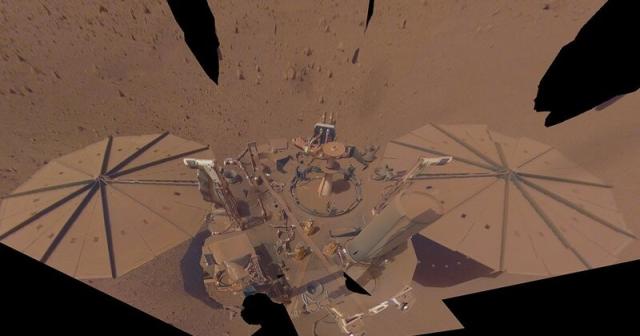
Mars is spinning faster! 🌀 Before it retired last December, @NASAInSight sent back radio science data that’s providing new details about how fast Mars rotates and how much it wobbles. See what the latest findings mean: go.nasa.gov/47jcx8x #NASAMars













Stefano
in reply to NASA • • •