
#10YearsAgo today, the GRAIL mission ended as its twin spacecrafts, Ebb and Flow, deorbited to the lunar surface. The mission created a detailed gravitational map of the Moon, providing insight into its structure and composition.
Learn more about GRAIL: go.nasa.gov/3Hv4XNU
#NASAhistory
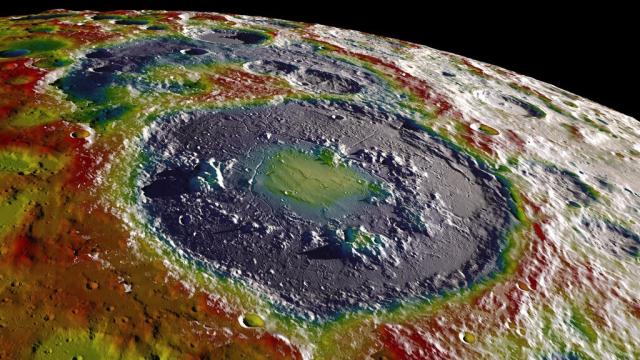
GRAIL - Moon Missions - NASA Jet Propulsion Laboratory
Launch and mission summary for NASA's GRAIL mission, launched in September 2011 to measure the moon's gravity.NASA Jet Propulsion Laboratory (JPL)
I just want the Trappist-1 system,
7 planets shining bright,
From TRAPPIST-1b to TRAPPIST-1g,
Each one a cosmic sight.
I don't need any presents,
Just the wonder that you bring,
Your planets orbiting around,
The star that makes them sing.
I just want to explore you,
Discover all your secrets, too,
From rocky worlds to gas giants,
The mysteries you hold true.
Chorus:
All I want for Christmas is you,
Trappist-1, oh how true,
All I want for Christmas is you,
The beauty of your cosmic crew.
#ISS

+1,745 in the last hour
+70,751 in the last day
+233,337 in the last week

How does NASA celebrate the holidays?
@NASA_Astronauts and our space storytellers share the details in a special episode of our Curious Universe podcast: go.nasa.gov/3YAjyNR
#NASA

Bonus: Happy Holidays from NASA!
Before we return with season five in 2023, celebrate the holidays with us! Join Goddard news chief Rob Garner, NASA social media lead Stephanie L. Smith, and astronaut Shannon Walker on this special, holiday-themed bonus episode.Gary Daines (NASA)
“Hey, this is great! Talk about being a spaceman, this is it!”
Watch as Ron Evans, the #Apollo17 command module pilot performed a deep space EVA to retrieve a film canister on the outside of the spacecraft: apolloinrealtime.org/17/?t=257…
#Apollo50th
#NASAhistory
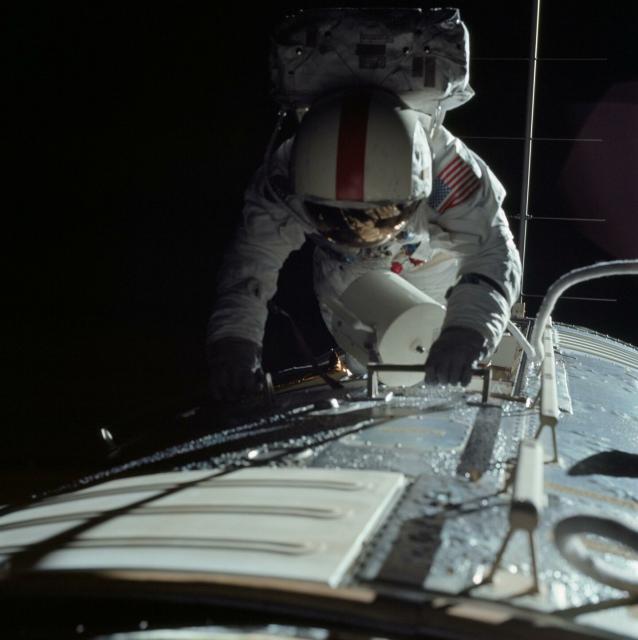
Apollo 17 in Real Time
A real-time interactive journey through the last landing on the Moon. Relive every moment as it occurred in 1972.Apollo 17 in Real Time
Earth from space has us like 😍
An astronaut onboard the @Space_Station took this photo of Isle Royale National Park in April 2020, while the park’s islands were partially covered in snow. 👩🚀📸go.nasa.gov/3WbqtLK
#NASAEarth

The Frozen Landscape of Isle Royale
The park is one of the most isolated natural areas in the continental United States and the site of long-running ecological studies.go.nasa.gov
#Landsat 8 captured this natural color image of Saba Island, an active stratovolcano located about 140 kilometers east of the U.S. Virgin Islands in the Caribbean Sea.
🌋 go.nasa.gov/3j6wdYV
#NASAEarth
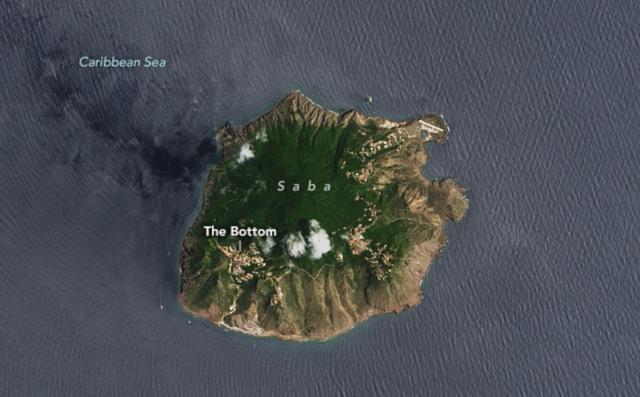
Saba Island
The quiet Caribbean island has been a destination for divers looking to spot corals and sea urchins.go.nasa.gov

Saba Island - the shortest commercial runway in the world!
Skip to 2:20 for the landing:
youtube.com/watch?v=LwgCuaedyf…
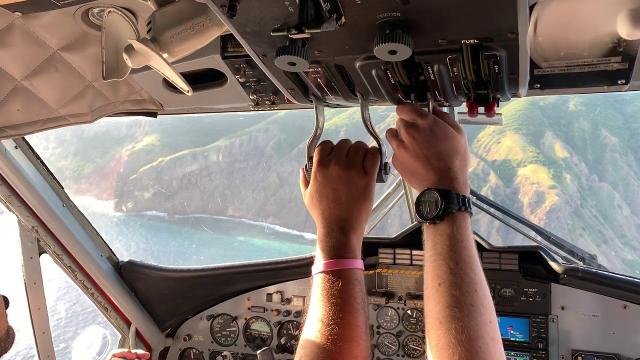
[Winair] Cockpit view Landing at Saba (SAB/TNCS)
Turning Final at 2:00 min. Cockpit view Landing at Saba (SAB/TNCS)Aircraft Type: Twin OtterDate: 31-10-19Shortest commercial runway in the worldYouTube
#NASAEarth
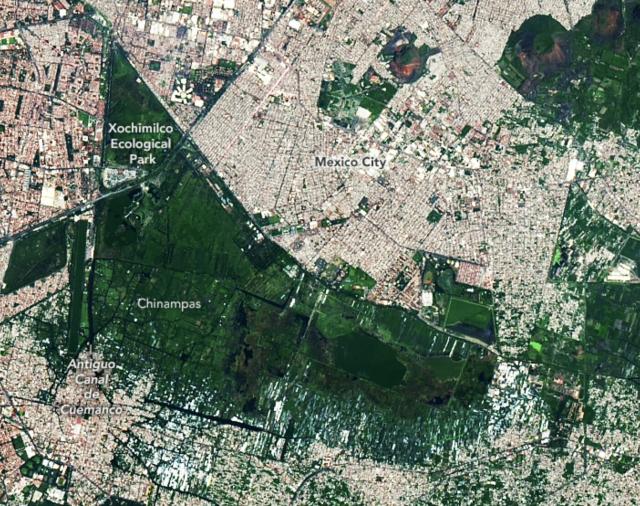
Relic Chinampas in Mexico City
Many of the canals and floating fields used by ancient civilizations in the Valley of Mexico were lost as lakes were drained, but some examples of the watery fields remain in Xochimilco.go.nasa.gov
A rare December sandstorm in China darkened skies over several major cities.
This image from @nasa’s Terra satellite, taken on Dec. 12, shows plumes of sand and dust from the Gobi Desert spanning parts of Hebei, Shanxi, Liáoníng, and Jílín provinces. go.nasa.gov/3BBZbGb
#NASAEarth

Winter Sandstorm in China
A rare December sandstorm in China darkened skies in several cities.go.nasa.gov
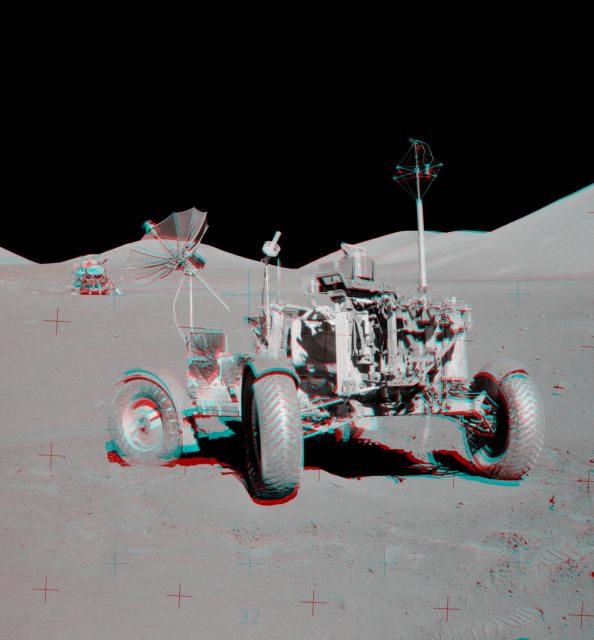
Apollo 17 VIP Site Anaglyph
Image Credit: Gene Cernan, Apollo 17, NASA; Anaglyph by Erik van Meijgaarden
apod.nasa.gov/apod/ap221217.ht… #APOD

APOD: 2022 December 17 - Apollo 17 VIP Site Anaglyph
A different astronomy and space science related image is featured each day, along with a brief explanation.apod.nasa.gov
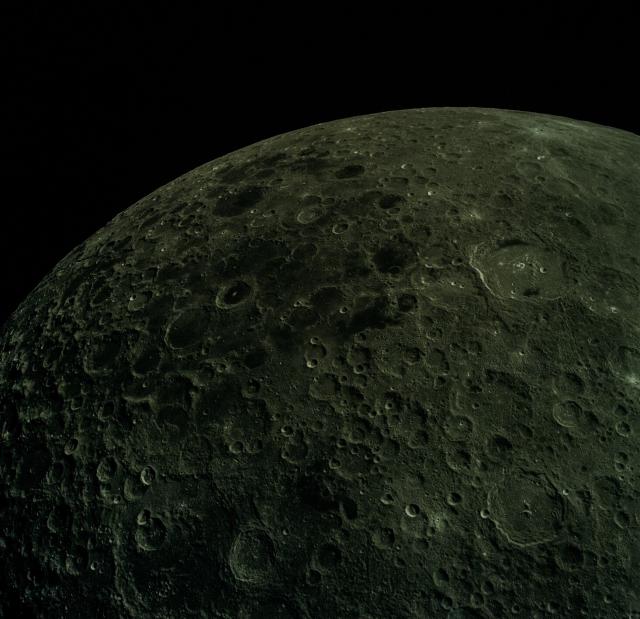
50 years ago today, the #Apollo17 crew completed its time at the Moon and performed a Trans-Earth injection (TEI) burn to return home. #Apollo50th
Photo: View of the far side of the Moon taken just after TEI.
#NASAhistory
#NASAhistory
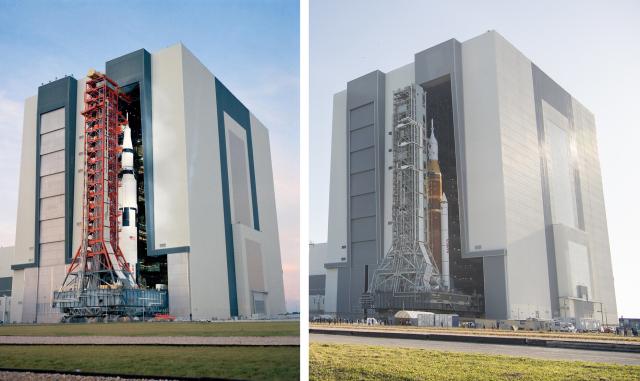
Then and Now: Apollo to Artemis
More than 50 years ago, NASA sent the first humans to the Moon through the Apollo program. Now, NASA is preparing to send the first woman and first person of color to the lunar surface as part of the Artemis program.Jason Costa (NASA)

APOD: 2022 December 17 - Apollo 17 VIP Site Anaglyph
A different astronomy and space science related image is featured each day, along with a brief explanation.apod.nasa.gov
Welcome to the team, SWOT! 🛰️
The international mission will observe nearly all of Earth's water and help address some of the most pressing climate questions of our time.
nasa.gov/press-release/nasa-la…
#NASAEarth
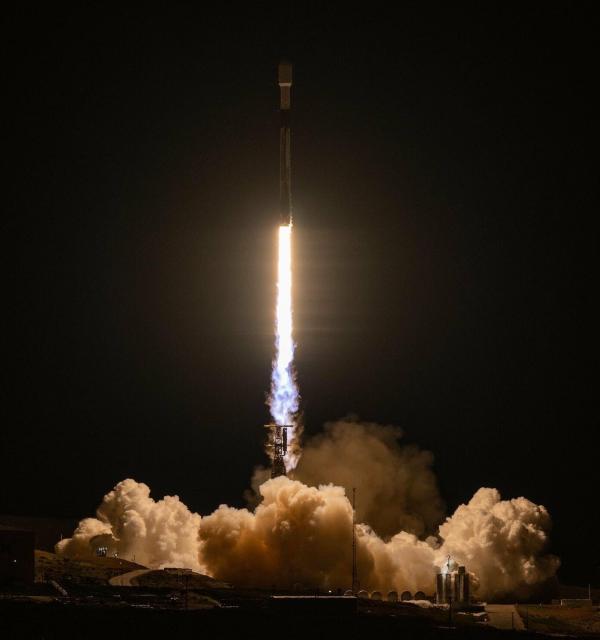
NASA Launches International Mission to Survey Earth’s Water
A satellite built for NASA and the French space agency Centre National d’Études Spatiales (CNES) to observe nearly all the water on our planet’s surface lifted off on its way to low-Earth orbit at 3:46 a.m. PST on Friday.Gerelle Dodson (NASA)
Welcome to the team, SWOT! 🛰️
The international mission will observe nearly all of Earth's water and help address some of the most pressing climate questions of our time.
nasa.gov/press-release/nasa-la…
#NASAEarth
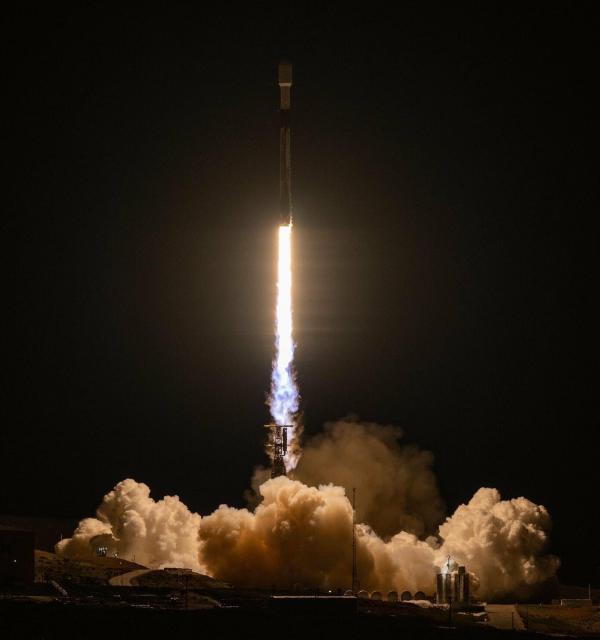
NASA Launches International Mission to Survey Earth’s Water
A satellite built for NASA and the French space agency Centre National d’Études Spatiales (CNES) to observe nearly all the water on our planet’s surface lifted off on its way to low-Earth orbit at 3:46 a.m. PST on Friday.Gerelle Dodson (NASA)
Learn more: go.nasa.gov/3YrmL2l
#PerseveranceRover
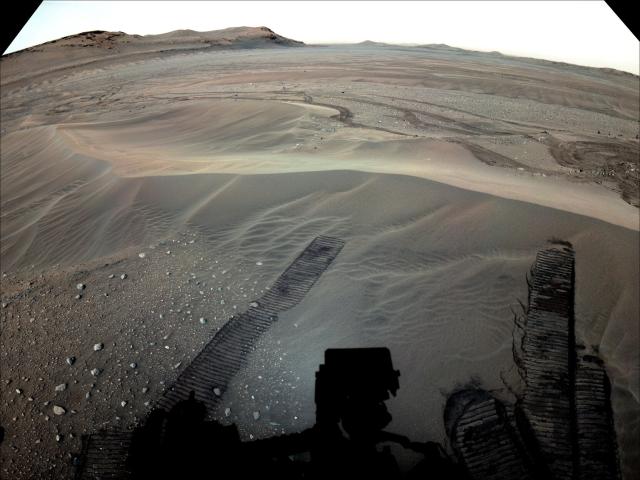
NASA's Perseverance Rover to Begin Building Martian Sample Depot
The 10 sample tubes being dropped on Mars’ surface so they can be studied on Earth in the future carry an amazing diversity of Red Planet geology.NASA Mars Exploration
This #HubbleFriday view is pretty *stellar*! ⭐
Dive into this spectacular image of a portion of the gigantic Lagoon Nebula. The stars seen throughout are part of the cluster NGC 6530, located about 4,350 light-years away!
For more information: go.nasa.gov/3G7vpfr
#Hubble
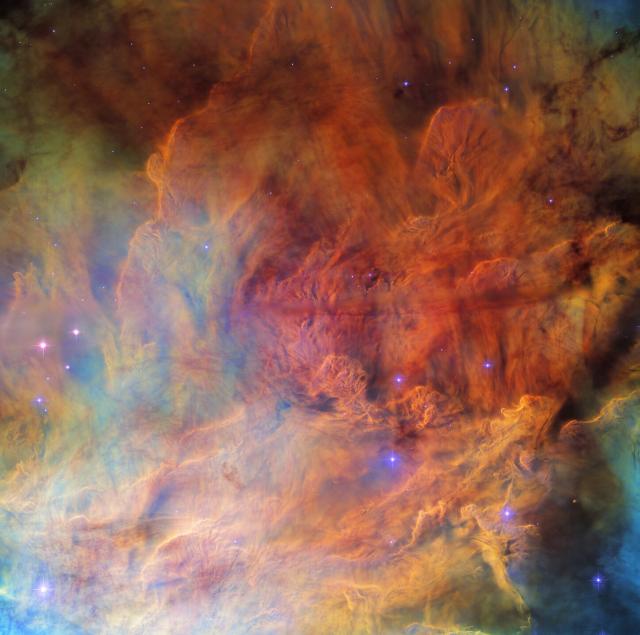
Hubble Views a Star-Studded Cosmic Cloud
A portion of the open cluster NGC 6530 appears as a roiling wall of smoke studded with stars in this image from the NASA/ESA Hubble Space Telescope.Andrea Gianopoulos (NASA)
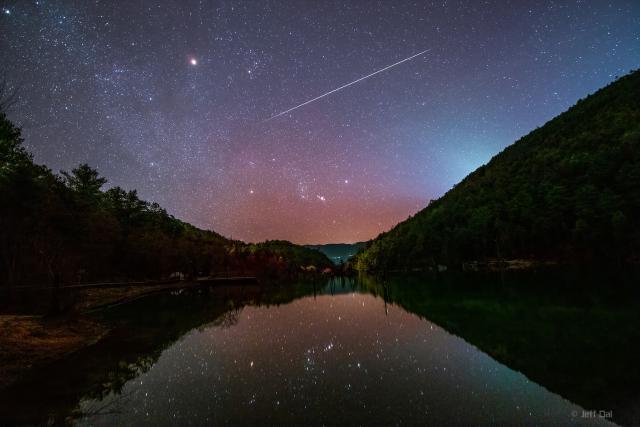
APOD: 2022 December 16 - The Geminid
A different astronomy and space science related image is featured each day, along with a brief explanation.apod.nasa.gov
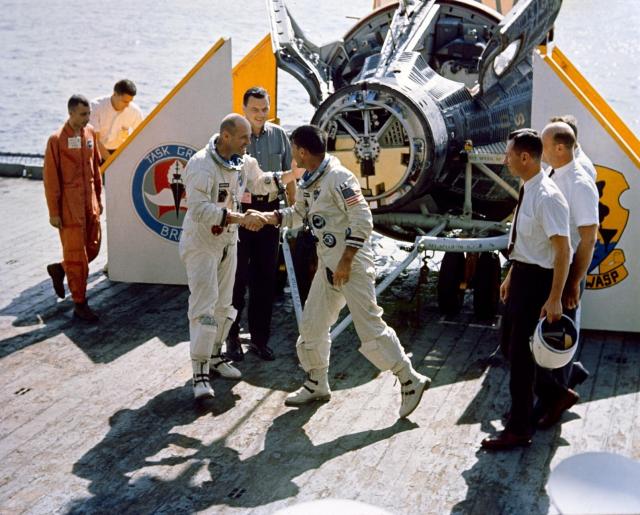
That's teamwork 👨🚀 👨🚀
Astronauts Walter Schirra (right) and Thomas Stafford shake each other's hand as they arrive aboard the USS Wasp aircraft carrier, after their nearly 26-hour Gemini-VI-A spaceflight #OTD in 1965. It was the 1st recovery to be broadcast live on TV!
#NASAhistory
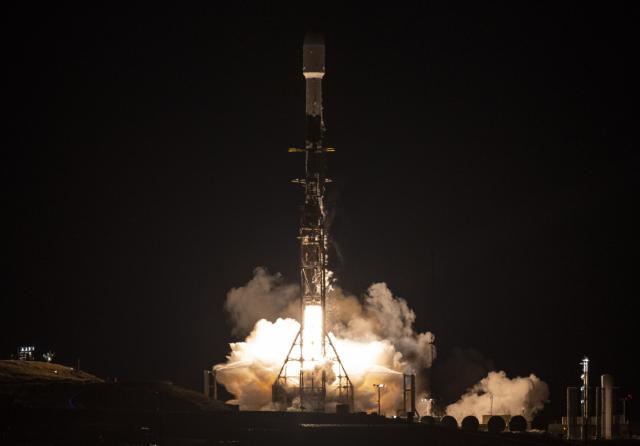
The newest Earth science satellite lifted off Dec. 16 atop a @SpaceX Falcon 9 rocket.
Led by NASA and @CNES, the #SWOTMission is the first to help scientists track changes in nearly all of Earth’s surface water. go.nasa.gov/3Vj8t17
#NASA

NASA Launches International Mission to Survey Earth’s Water
A satellite built for NASA and the French space agency Centre National d’Études Spatiales (CNES) to observe nearly all the water on our planet’s surface lifted off on its way to low-Earth orbit at 3:46 a.m. PST on Friday.Gerelle Dodson (NASA)
#NASAMoon
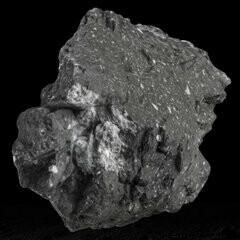
Astromaterials 3D: Moon Rocks – Moon: NASA Science
Video tour of an interactive tool that lets you hold virtual Moon rocks in your hand.Moon: NASA Science
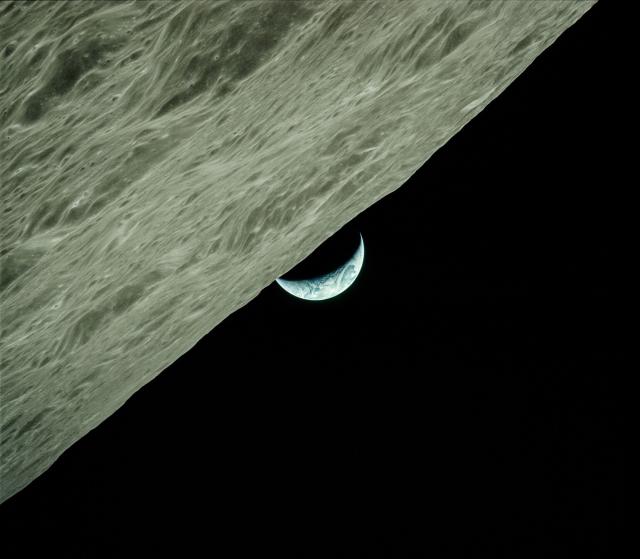
"We send our good morning on our last wakeup day from the Moon.”
Gene Cernan sent greetings from the #Apollo17 crew to everyone back on Earth #OTD in 1972. #Apollo50th
📷 Earthrise seen from lunar orbit
#NASAhistory
#NASAhqphoto
The Geminid
Image Credit & Copyright: Jeff Dai (TWAN)
apod.nasa.gov/apod/ap221216.ht… #APOD

APOD: 2022 December 16 - The Geminid
A different astronomy and space science related image is featured each day, along with a brief explanation.apod.nasa.gov
Somehow I get the feeling I’ve been here before… 🤔
(I have. I’m retracing my steps to a place we call “Three Forks.” More on that soon!)
My latest location: go.nasa.gov/where-is-persevera…
#PerseveranceRover
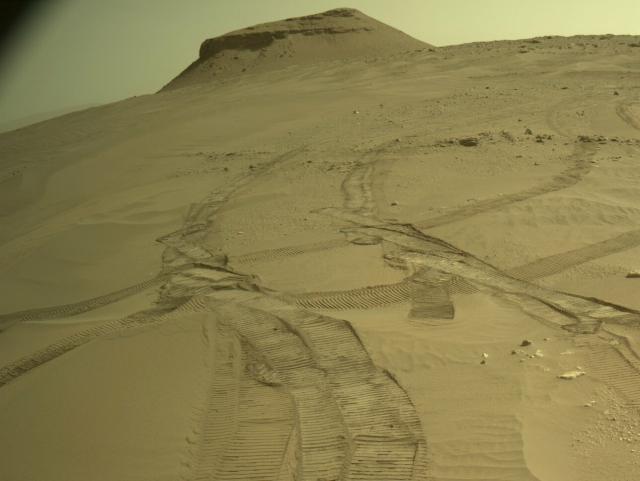
Location Map for Perseverance Rover - NASA
Get the day-by-day location of the Mars Perseverance rover as it explores Jezero Crater in this interactive map. The map also shows the location of the Mars Helicopter.go.nasa.gov
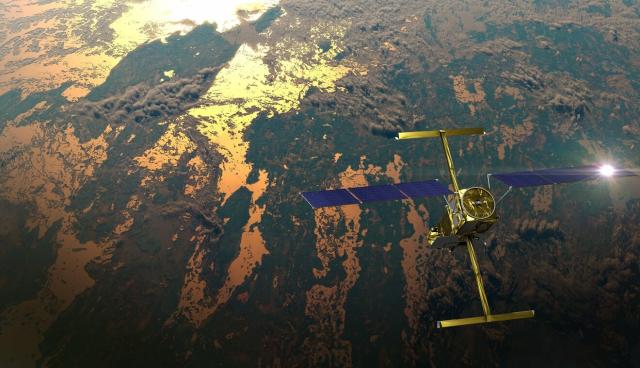
A satellite floats in space. Underneath it is the earth with clouds. #alttext
How lovely are thy planets🎶
The seven Earth-sized worlds are prime targets for @NASAWebb to explore. We have so much science to look forward to in 2023! In the meantime, we wish you joy this holiday season. go.nasa.gov/3FTscQn
#NASAExoplanets
A Wonderland of Science Awaits
We've already had gifts aplenty this year and we're looking forward to the science to come in 2023, including Webb's observation of the TRAPPIST-1 planets.Exoplanet Exploration: Planets Beyond our Solar System
Our #JunoMission is turning its gaze to Jupiter’s volcanic moon, Io.
Juno is expected to complete nine flybys of the Jovian moon, observing how volcanoes interact with Jupiter's aurorae and magnetosphere. go.nasa.gov/3FVXRR0
#NASA
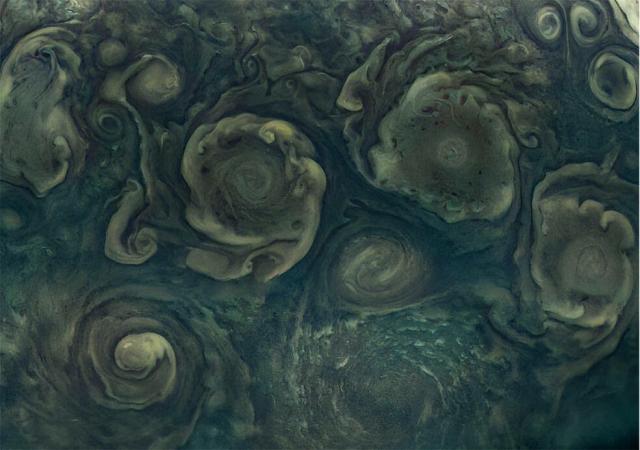
NASA’s Juno Exploring Jovian Moons During Extended Mission
After revealing a trove of details about the moons Ganymede and Europa, the mission to Jupiter is setting its sights on sister moon Io.Tony Greicius (NASA)
Spectacular spirals 🌀
The star-studded arms of the spiral galaxy NGC 6956 are 214 million light-years away in the constellation Delphinus.
Read more about this new Hubble image: go.nasa.gov/3uQEVgr
#Hubble
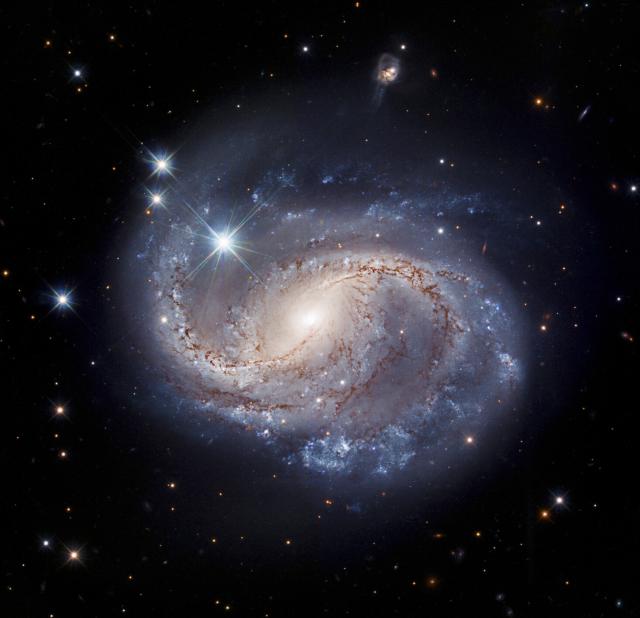
Hubble Captures Majestic Barred Spiral
Against an inky black backdrop, the blue swirls of barred spiral galaxy NGC 6956 stand out radiantly.Andrea Gianopoulos (NASA)
#ISS
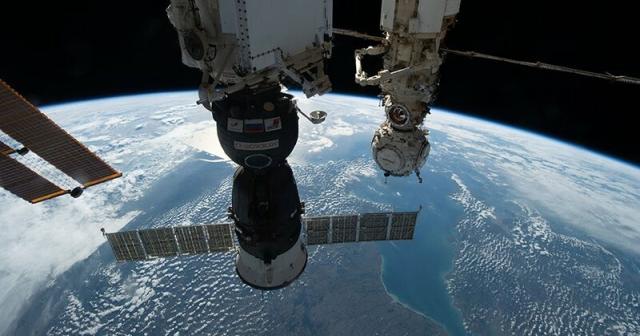
NASA Provides Update on International Space Station Operations
On Wednesday, Dec. 14, an external leak was detected from the Roscosmos Soyuz MS-22 spacecraft docked to the Rassvet module on the International Space Station.blogs.nasa.gov
#NASAExoplanets
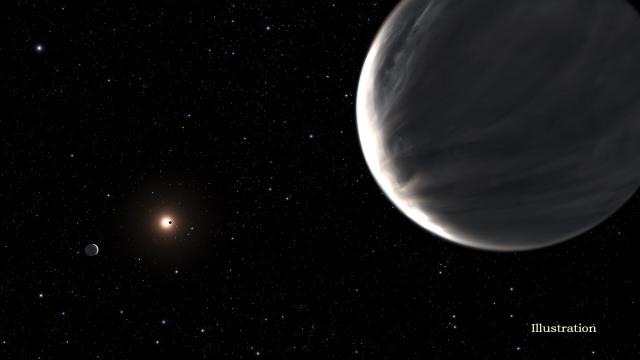
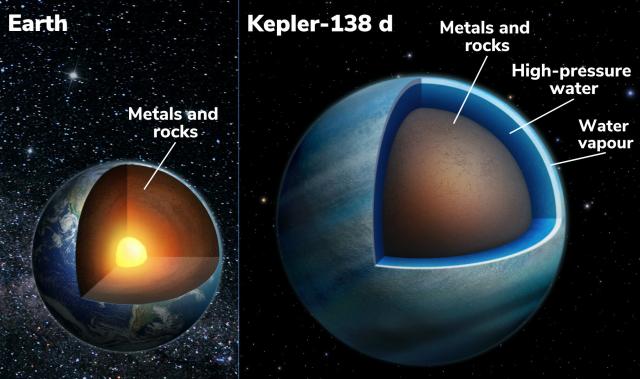
Two Super-Earths May Be Mostly Water
Two exoplanets orbiting a red dwarf star may be "water worlds." They are 218 light-years away in the constellation Lyra, and are unlike any planet found in our solar system.Exoplanet Exploration: Planets Beyond our Solar System
#NASAExoplanets
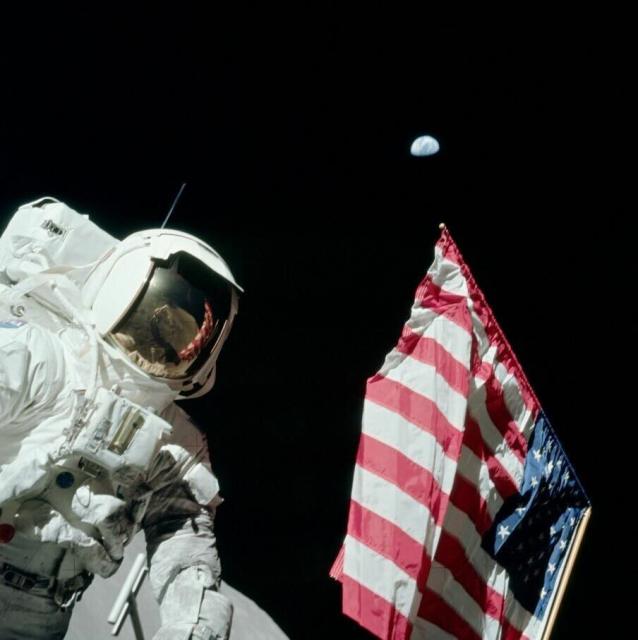
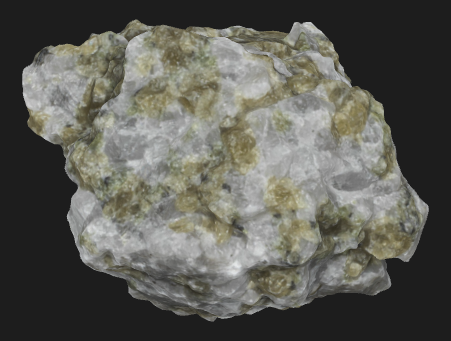
“Without a doubt the most interesting sample returned from the Moon!”
The oldest known unshocked rock retrieved from the Moon, called Troctolite 76535, was collected by #Apollo17 astronaut Harrison Schmitt. It’s at least 4.2 BILLION years old. @NASAMoon
#NASAhistory
#Apollo50th
#NASAhistory
Astromaterials 3D
The mission of the Astromaterials 3D project is to make more accessible NASA's Apollo Lunar Sample and Antarctic Meteorite collections, and to share their wondrous cosmochemical stories through interactive, high-resolution, research-grade 3D models.Astromaterials 3D
#NASAUniverse
#NASAUniverse
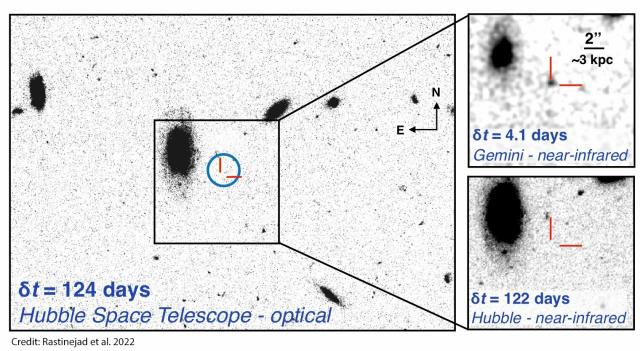
#NASAUniverse
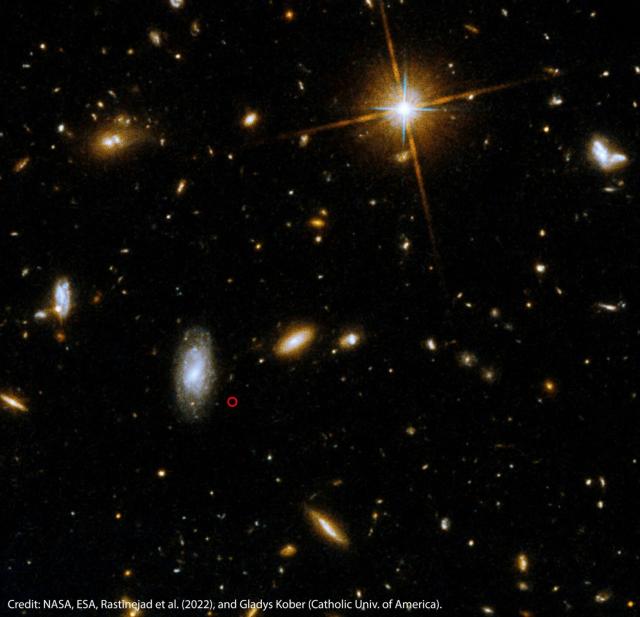
Jamesthe1
in reply to NASA • • •JanyPany
in reply to NASA • • •Lilac Peregrine
in reply to NASA • • •Also, yes, the names "Ebb" and "Flow" are pretty cool.
bds
in reply to NASA • • •Lori
in reply to NASA • • •Andy Newman
in reply to NASA • • •