
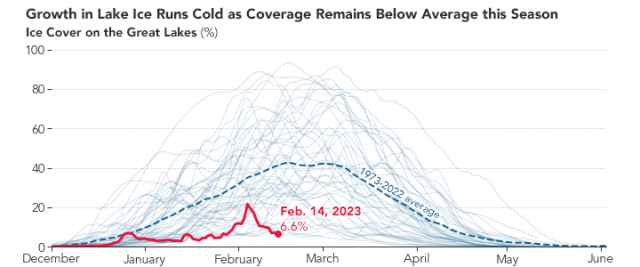
Ice extent jumped to 21 percent in early February in response to a cold snap. But since then, it has declined. Maximum ice cover is usually between mid-February and early March.
Great Lakes Low on Ice
This winter, ice cover in the basin has hovered at unusually low levels.go.nasa.gov
The Great Lakes have been unusually ice-free this winter. In this image from Feb. 13, ice cover on the lake was 7 percent – the lowest ice cover measured on this date of any year since 1973 when satellite-based record keeping began.
📸 Image by VIIRS on the @NOAA-20 satellite
#NASAEarth
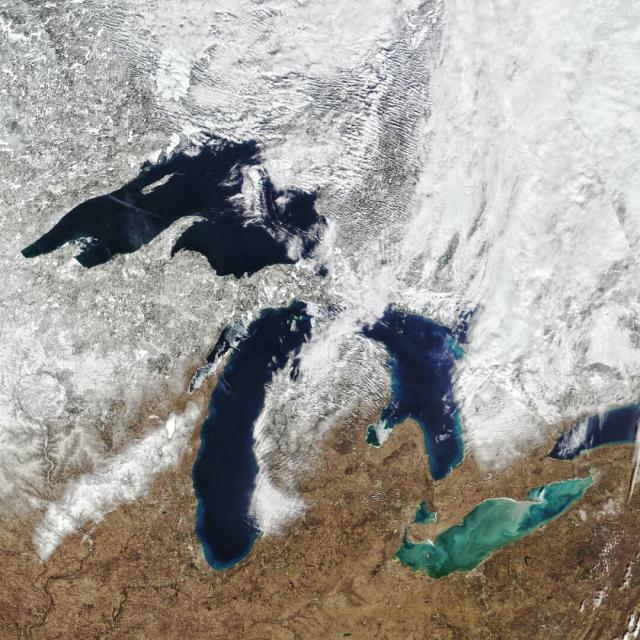
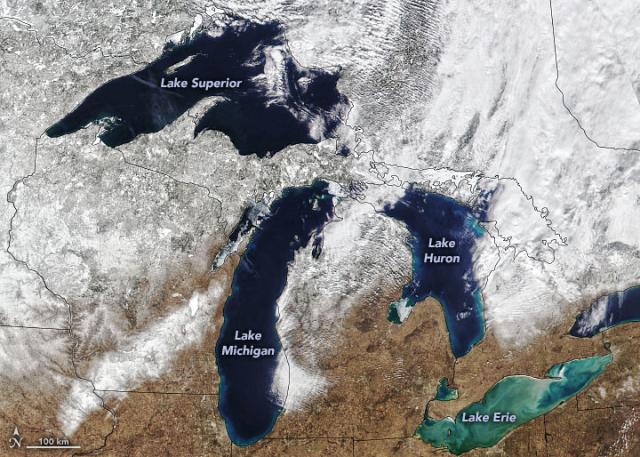
Why does Lake Erie look so different from the other lakes?
Sediment kicked up by storms gives its water a marbled-like look.
#NASAEarth
On the newest season of @nasa's Curious Universe, listeners will discover how future developments in spacesuits will keep #Artemis astronauts safe as they explore the Moon — and so much more.
Episodes air Tuesdays. Listen in: go.nasa.gov/3S5vuVf
#NASAArtemis #Artemis
Season 5 Ep 0: Introducing Season Five
In season five, join us as we fight wildfires, defend the Earth from asteroids, and explore the invisible world of gravitational waves! New episodes every Tuesday.Gary Daines (NASA)
#ISS
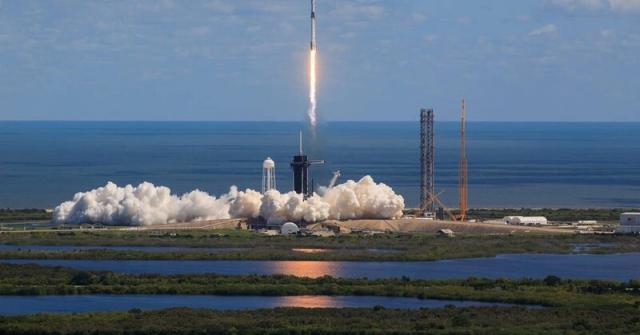
NASA Sets Coverage for Agency’s SpaceX Crew-6 Events, Launch
NASA will provide coverage of the upcoming prelaunch and launch activities for the agency’s SpaceX Crew-6 mission with astronauts to the International Space Station.Abbey Donaldson (NASA)
#ISS
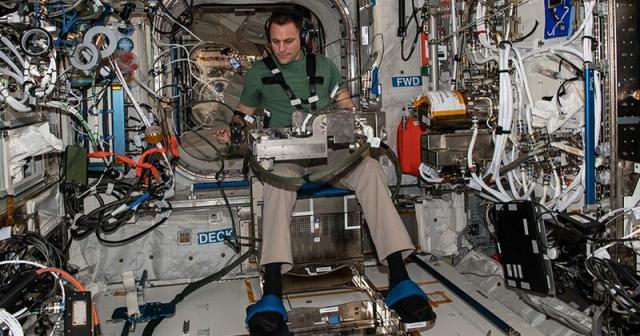
Cargo Craft Ops and Human Research Wrap Up Crew Week
The uncrewed Roscosmos Progress 82 cargo spacecraft is scheduled to undock from the International Space Station’s Poisk module at 9:26 p.m. EST Friday, Feb. 17.blogs.nasa.gov
#NASASolarSystem
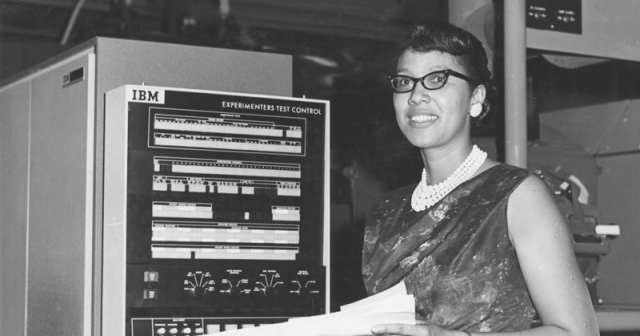
Moon Mountain Name Honors NASA Mathematician Melba Mouton
Scientists recently named a mesa-like lunar mountain that towers above the landscape carved by craters near the Moon’s South Pole.Rachel Hoover (NASA)
This week, two solar system objects gained names.
Meet Dinkinesh, an asteroid that the #LucyMission will flyby on Nov 1, 2023. 'Dinkinesh' is the Ethiopian name for the human-ancestor fossil, also known as Lucy, which was discovered there.
nasa.gov/feature/goddard/2023/…
#NASASolarSystem
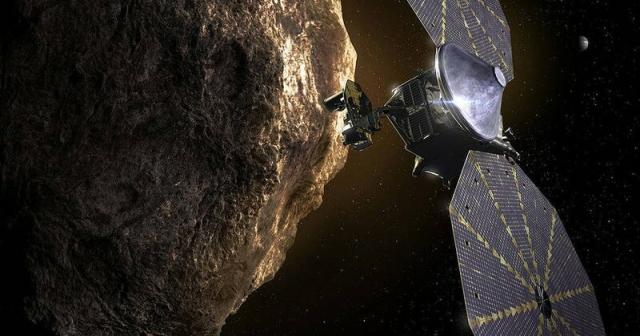
NASA’s Lucy Asteroid Target Gets a Name
The first asteroid to be visited by the NASA Lucy mission now has a name.Madison Arnold (NASA)
About 1,900 light-years away in the constellation Eridanus, six stars are entwined in an elaborate dance. Three two-star pairs orbit each other, and all six move in synchronicity.
go.nasa.gov/40ZucPH
#NASAExoplanets
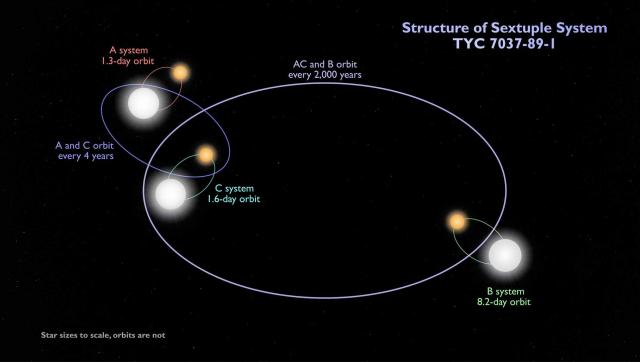
Discovery Alert: First Six-star System Where All Six Stars Undergo Eclipses
Astronomers found the first six-star system where all of the stars participate in eclipses, a discovery made by NASA’s Transiting Exoplanet Survey Satellite (TESS). The system is about 1,900 light-years away in the constellation Eridanus.Exoplanet Exploration: Planets Beyond our Solar System
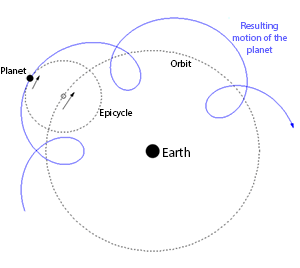
It strongly reminds me of medieval "epicycles" before the heliocentric astronomy became accepted...
#NASAExoplanets
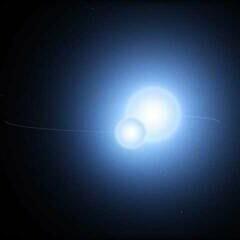
Discovery Alert: First Six-star System Where All Six Stars Undergo Eclipses
Astronomers found the first six-star system where all of the stars participate in eclipses, a discovery made by NASA’s Transiting Exoplanet Survey Satellite (TESS). The system is about 1,900 light-years away in the constellation Eridanus.Exoplanet Exploration: Planets Beyond our Solar System
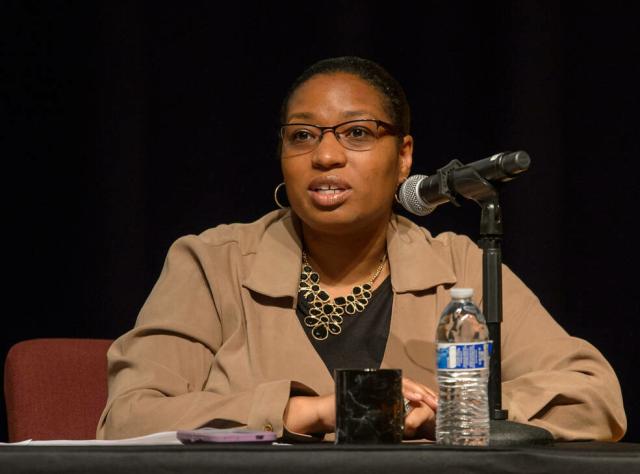
She pulls from her love of science and education to share NASA research, support large-scale public events across the country, and work closely with citizen scientists.
Get to know Dr. Trena Ferrell in this Q&A: go.nasa.gov/3KpnlsC
#NASAEarth
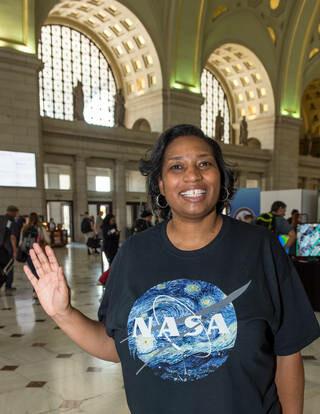
Trena Ferrell Inspires Through Science and Education
Trena Ferrell connects audiences with science and education at Maryland’s friendly neighborhood space flight center.Jessica Evans (NASA)
#NASAEarth
Space Station Images
NASA.gov brings you the latest images, videos and news from America's space agency. Get the latest updates on NASA missions, watch NASA TV live, and learn about our quest to reveal the unknown and benefit all humankind.NASA
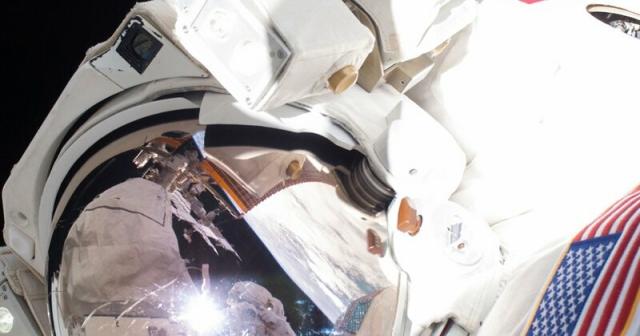
Humans have taken over 4 million photographs from space! 🤯 #FunFact
Images taken by the @Space_Station crew can be used to study changes on Earth's surface over time or significant weather events.
More images from the ISS: go.nasa.gov/3IzpmS4 🧑🚀 📷 🌏
#NASAEarth
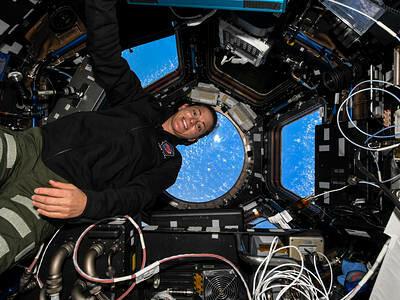
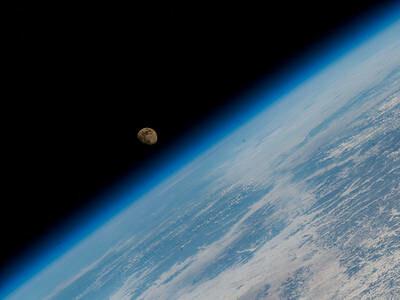
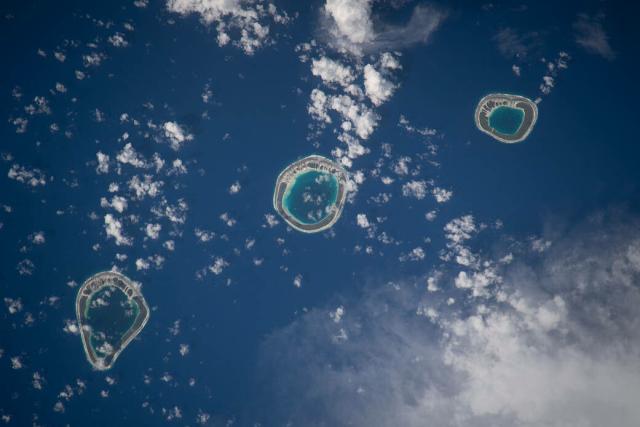
Space Station Images
NASA.gov brings you the latest images, videos and news from America's space agency. Get the latest updates on NASA missions, watch NASA TV live, and learn about our quest to reveal the unknown and benefit all humankind.NASA
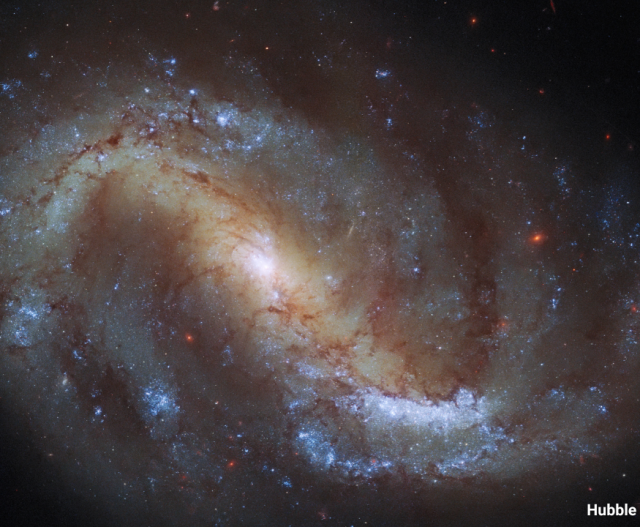
Welcome to NGC 7496.
Hubble and @NASAWebb have both observed this spiral galaxy providing data across multiple wavelengths of light.
This is just one of many galaxies Webb is studying to learn how star formation impacts galactic evolution: go.nasa.gov/3Z3u6ol
#Hubble
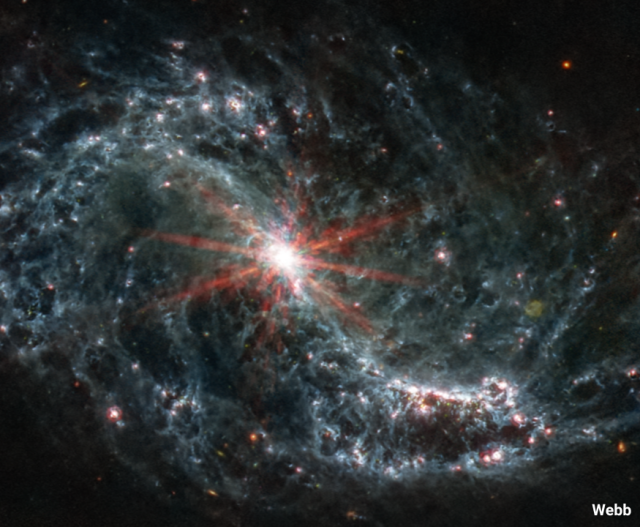
NASA’s Webb Reveals Networks of Gas and Dust in Nearby Galaxies
Researchers using NASA’s James Webb Space Telescope are getting their first look at star formation, gas, and dust in nearby galaxies with unprecedented resolution at infrared wavelengths.Jamie Adkins (NASA)
Hubble looked at the spiral galaxy NGC 7496 to better understand the relationship between young stars and the cold, dense clouds of gas in which they form.
The Hubble image includes observations taken in ultraviolet, visible, and near-infrared light. go.nasa.gov/3Sa6Anl
#Hubble
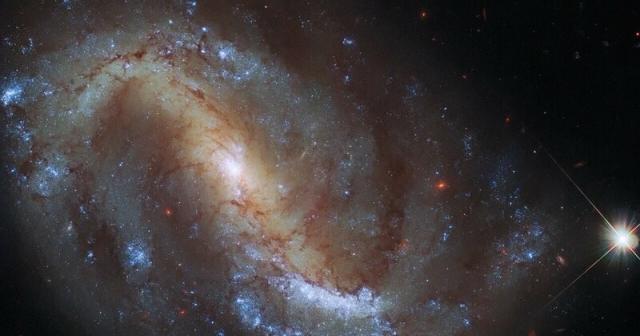
Cool, so a few questions on the pic
the red star to the right of the centre of the galaxy, is that a red giant? and to the far right of the picture there is something very bright indeed, anothr galaxy or is that a supernova as it looks brighter than the centre of the galaxy.
#ISS
LIVE: We're sharing mission updates and discussing upcoming milestones for NASA's @Boeing Crew Flight Test mission. #Starliner is scheduled to launch to the @Space_Station no earlier than this April.
Listen in: youtube.com/live/1RWCd2owAfg
#NASA
NASA, Boeing Crew Flight Test Progress Media Teleconference
NASA, Boeing Crew Flight Test Progress Media Teleconference. Briefing participants included:• Steve Stich, manager, NASA’s Commercial Crew Program• Dina Cont...YouTube
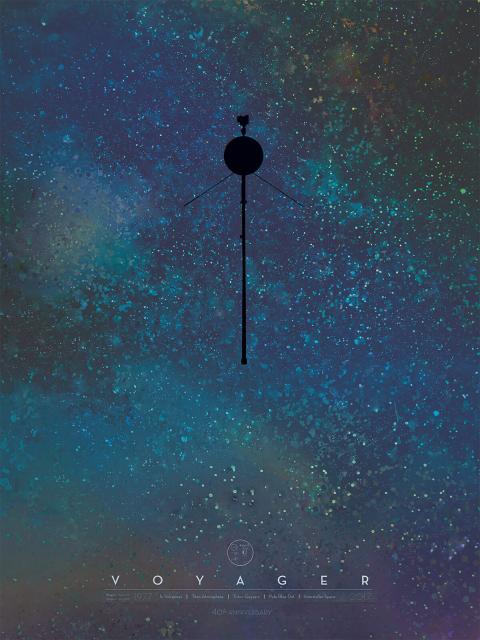
25 years ago #today, Voyager 1 became the most distant human-made object in existence, surpassing Pioneer 10, which held that mantle for 25 years prior.
More about Voyager 1 and why it will remain our most distant probe for years to come go.nasa.gov/3Xw7cVu
Poster: @NASAJPL
#NASAhistory
On a collision course 💥
This week’s #HubbleFriday image shows a spectacular trio of galaxies set to collide and eventually merge into one larger galaxy.
The galaxies, known to astronomers as SDSSCGB 10189, are within 50,000 light-years of one another: go.nasa.gov/3Z0YVK3
#Hubble
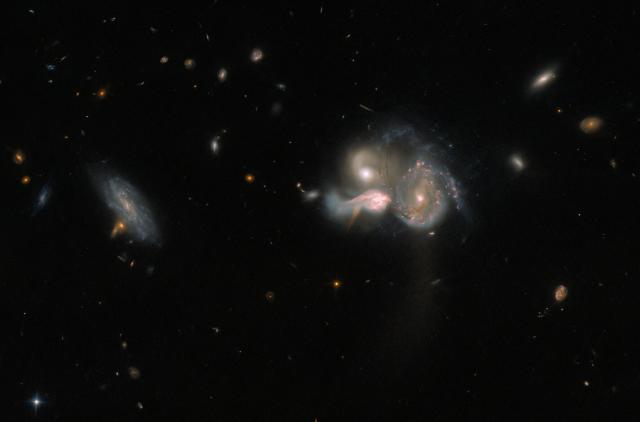
Hubble Views a Merging Galactic Trio
This Hubble Space Telescope image holds three galaxies set on a collision course. They will eventually merge into a single larger galaxy, distorting one another’s spiral structure through mutual gravitational interaction in the process.Andrea Gianopoulos (NASA)
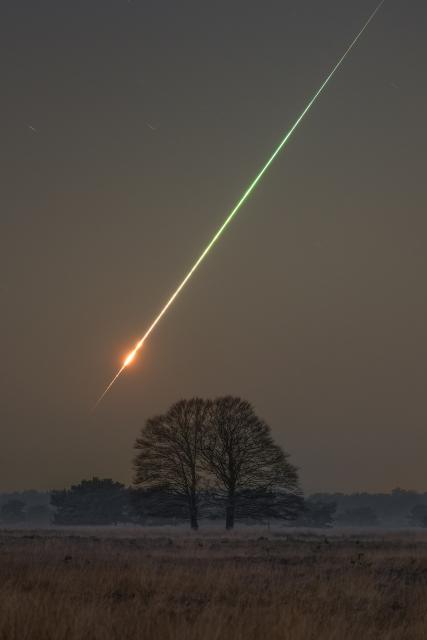
2023 CX1 Meteor Flash
Image Credit & Copyright: Gijs de Reijke
apod.nasa.gov/apod/ap230217.ht… #APOD

APOD: 2023 February 17 - 2023 CX1 Meteor Flash
A different astronomy and space science related image is featured each day, along with a brief explanation.apod.nasa.gov

APOD: 2023 February 17 - 2023 CX1 Meteor Flash
A different astronomy and space science related image is featured each day, along with a brief explanation.apod.nasa.gov

Virotest: a bioinformatics pipeline for virus identification in plants.
High-throughput DNA sequencing is being introduced as an emerging technology for viral diagnosis. Despite several tools being available, lack of standardized bioinformatic pipelines and price are major limitations for its implementation.bioRxiv
#ISS
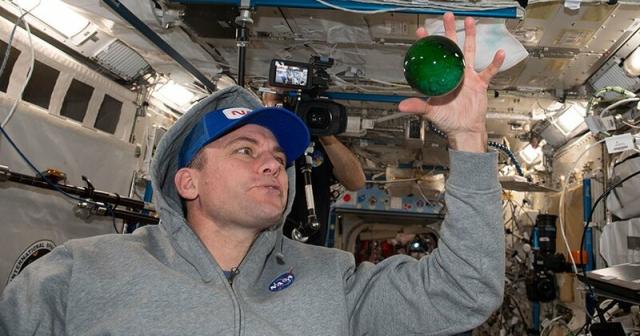
-Biology and Robotics Research Occupy Crew
A multitude of advanced microgravity research benefitting humans and robotics took precedence aboard the International Space Station on Thursday.blogs.nasa.gov
Swirling space spider? The Eye of Sauron? What do you see?
With unprecedented clarity, @NASAWebb took its first look at the dust, gas, and star formation of nearby galaxies in infrared wavelengths, which may help us understand how galaxies form. go.nasa.gov/3KaHfaL
#NASA
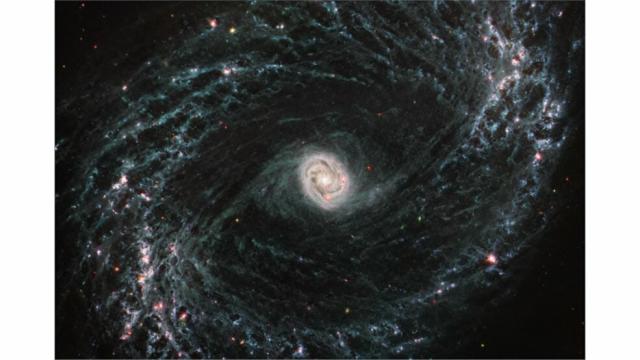
NASA’s Webb Reveals Networks of Gas and Dust in Nearby Galaxies
Researchers using NASA’s James Webb Space Telescope are getting their first look at star formation, gas, and dust in nearby galaxies with unprecedented resolution at infrared wavelengths.Jamie Adkins (NASA)
Scientists at the University of Utah studied how snow worsens temperature inversions and air quality.
They found that the chance that air pollution would exceed national standards increased from about 5% to 22% when there was snow on the ground.
#NASAEarth
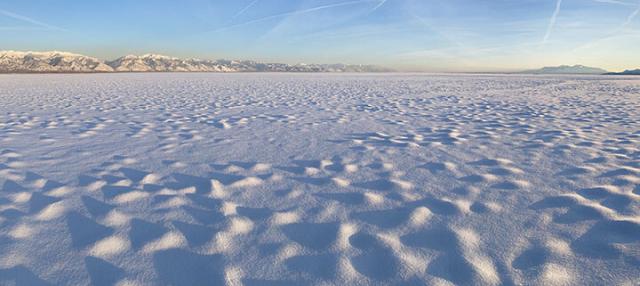
The air in Salt Lake City, Utah is often among the most polluted in the U.S.
Snow cover increases the chance of temperature inversions – when warm air acts like a lid, trapping pollutants near the surface, new research finds. go.nasa.gov/3xqvkOA
#NASAEarth
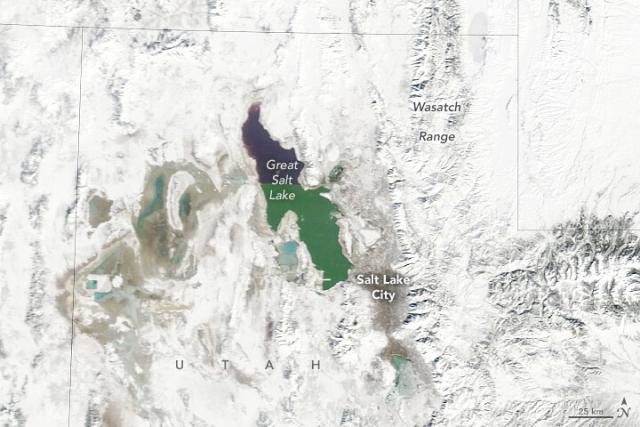
Snow and Haze in Utah
Snowy surfaces increase the chance of temperature inversions, which contribute to air quality problems in the Salt Lake City area.go.nasa.gov
The Salt Lake City area was covered in snow on Feb. 2, 2023, when @nasa’s Aqua satellite took this image.
At the time, @EPA data showed the air quality was above 100 on the air quality index, making it unhealthy for sensitive groups.
Full story: go.nasa.gov/3xqvkOA
#NASAEarth
Snow and Haze in Utah
Snowy surfaces increase the chance of temperature inversions, which contribute to air quality problems in the Salt Lake City area.go.nasa.gov
#ISS
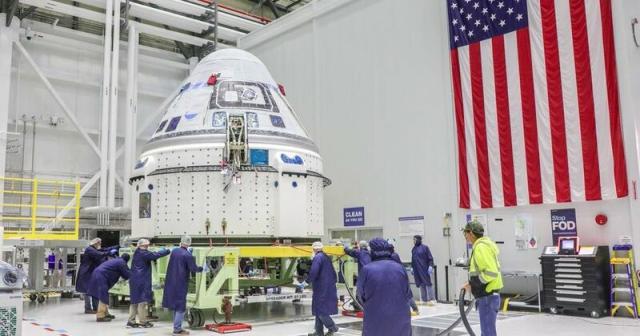
NASA, Boeing to Host Media Call on First Crewed Starliner Flight Test
NASA and Boeing will host a mission overview media teleconference at 11 a.m. EST Friday, Feb. 17, to provide a status update on the first astronaut flight test of the company’s CST-100 Starliner to the International Space Station.Claire O’Shea (NASA)
📸
#NASAMars
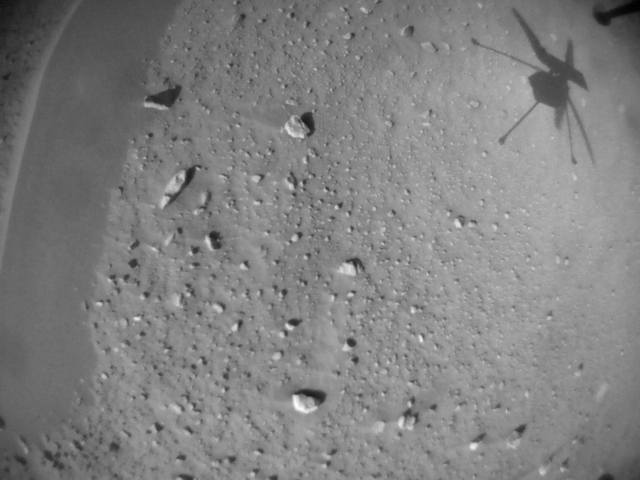
Images from the Mars Perseverance Rover - NASA
Raw images of Mars taken by the Perseverance rover and Ingenuity Mars helicopter in Jezero Crater.mars.nasa.gov
#NASAhistory
#NASAExoplanets
NASA’s Webb Reveals Networks of Gas and Dust in Nearby Galaxies
Researchers using NASA’s James Webb Space Telescope are getting their first look at star formation, gas, and dust in nearby galaxies with unprecedented resolution at infrared wavelengths.Jamie Adkins (NASA)
#PerseveranceRover
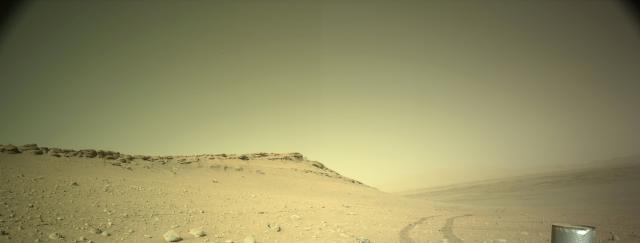
The First in the Universe, but What's Next? - NASA
A momentous accomplishment occurred last week when Perseverance completed the Three Forks Sample Depot on the floor of Jezero Crater, the only known sample depot in the universe.go.nasa.gov
Follow along with our fleet of robotic explorers: mars.nasa.gov/mars-exploration…
Set out on your own virtual expedition to the Red Planet: eyes.nasa.gov/apps/solar-syste… 🔴🛰
#NASAMars

Missions | Mars Exploration Section – NASA Mars Exploration
NASA’s real-time portal for Mars exploration, featuring the latest news, images, and discoveries from the Red Planet.NASA Mars Exploration
Why did the U.S. misjudge the potential of jet propulsion in the 1930s? What tests did the first group of astronauts undergo? How has public support of the space program changed over the years?
Get the answers in NACA to NASA to Now by Roger D. Launius. go.nasa.gov/3HUvzq1
#NASAhistory
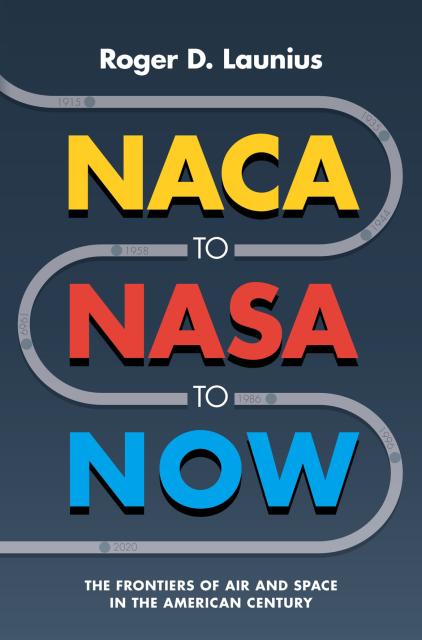
NACA to NASA to Now
NACA to NASA to Now: The Frontiers of Air and Space in the American Century tells the story of the National Advisory Committee for Aeronautics (NACA) and its successor, the National Aeronautics and Space Administration (NASA).Michele Ostovar (NASA)
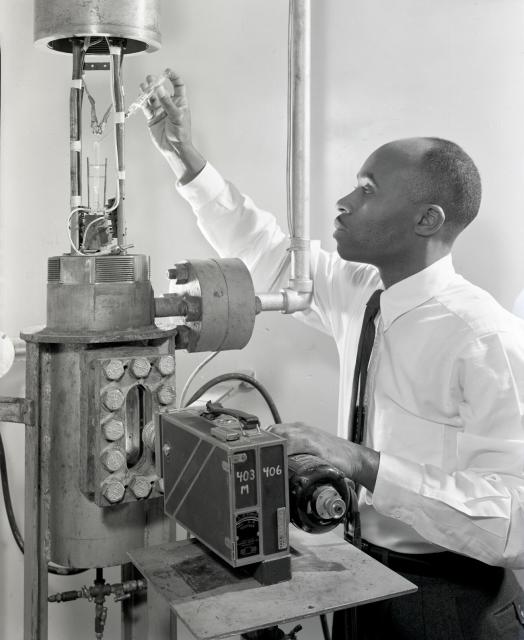
“If you just invest a little time and a little effort in people, you will get so much more back.”
Dewayne Washington leads communications efforts for the #MarsSampleReturn campaign. This #BlackHistoryMonth, discover his leadership philosophies: go.nasa.gov/3xi9ugh
#NASA
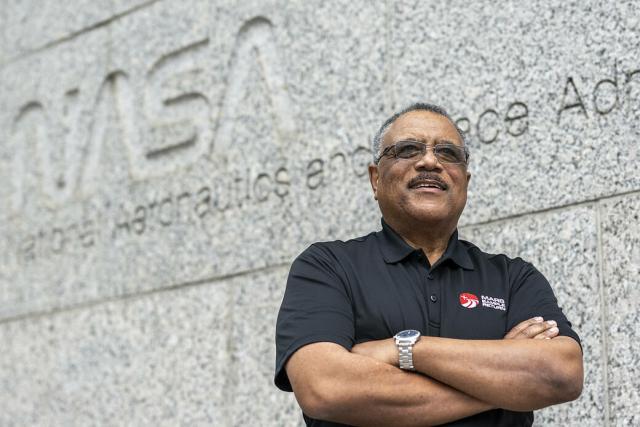
Senior Communications Manager Dewayne Washington
“If you just invest a little time and a little effort in people, you will get so much more back. " – Dewayne Washington, Mars Sample Return Senior Communications Manager, NASA HeadquartersTahira Allen (NASA)
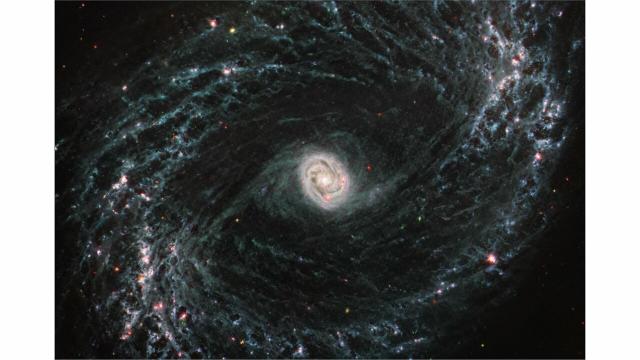
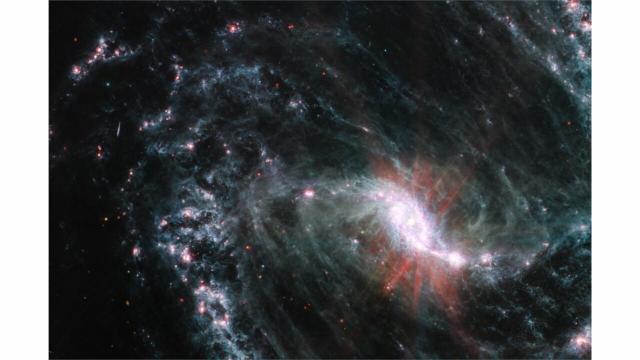
Feel like you’re spiraling? You’re in good company!
Webb’s images of NGC 1365 (left), NGC 7496 (top) & NGC 1433 (bottom) reveal the galaxies' networks of gas and dust in incredible detail. The data is part of an ongoing Webb survey of 19 spiral galaxies: go.nasa.gov/3YzvAXj
#JamesWebb
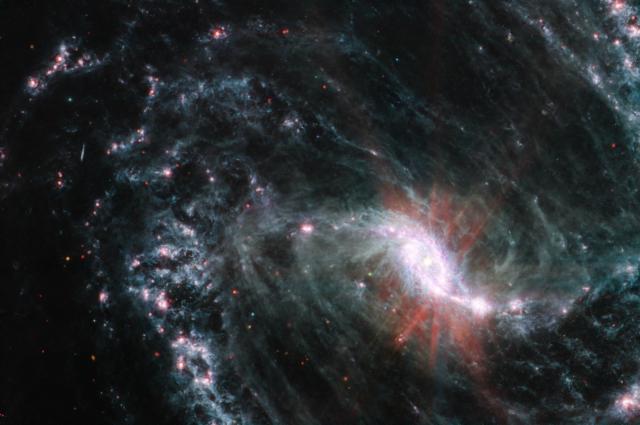
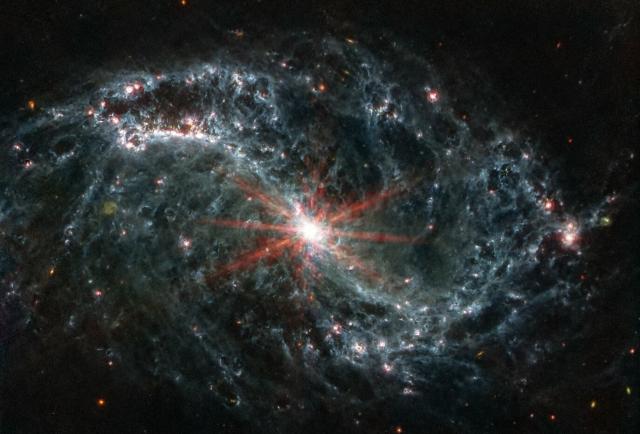
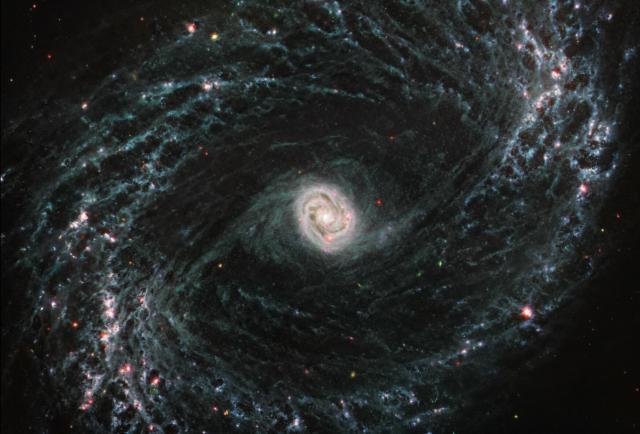
NASA’s Webb Reveals Networks of Gas and Dust in Nearby Galaxies
Researchers using NASA’s James Webb Space Telescope are getting their first look at star formation, gas, and dust in nearby galaxies with unprecedented resolution at infrared wavelengths.Jamie Adkins (NASA)
“We’re able to harvest the power of the sun and sustain our astronauts, their health and habitat, and our exploration.”
Lyndsey McMillon-Brown helps design & develop solar cells that may help future #Artemis missions establish a long-term lunar presence: go.nasa.gov/3YC1Bye
#NASAArtemis #Artemis
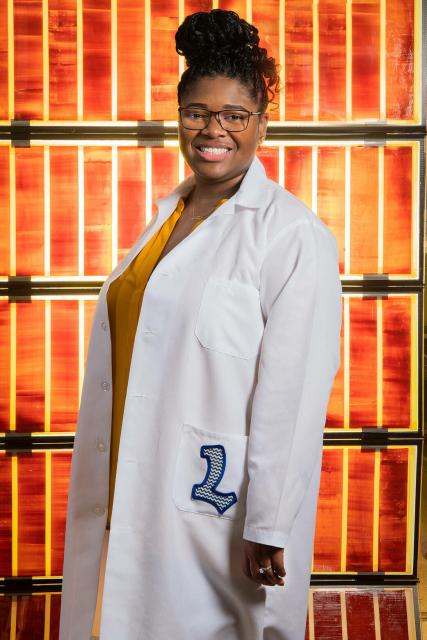
NASA’s Modern History Makers: Lyndsey McMillon-Brown
Lyndsey McMillion-Brown has taken her love of art, books, and the environment and turned it into a career at NASA’s Glenn Research Center in Cleveland.Kelly Sands (NASA)
Improving solar cell efficiency would be a massive benefit to come from the Mars Program.
Right now, solar cells only react to one wavelength of light with the rest of the spectrum going to waste. Reacting to a 2nd wavelength would DOUBLE efficiency (producing nearly twice as much electricity.) Imagine a solar cell that reacts to the 7 primaries (ROYGBIV)? Solar cars that never need plugging in! 😵
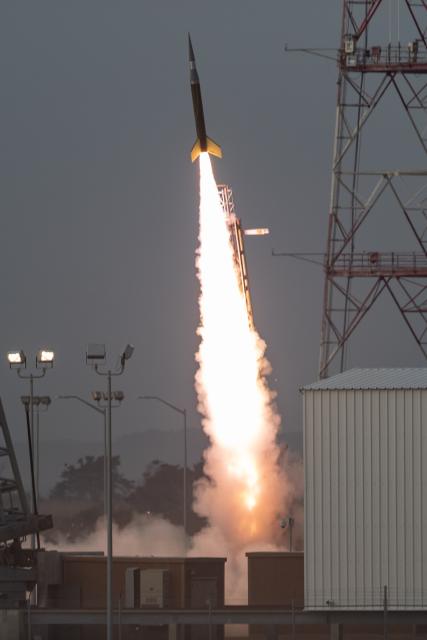
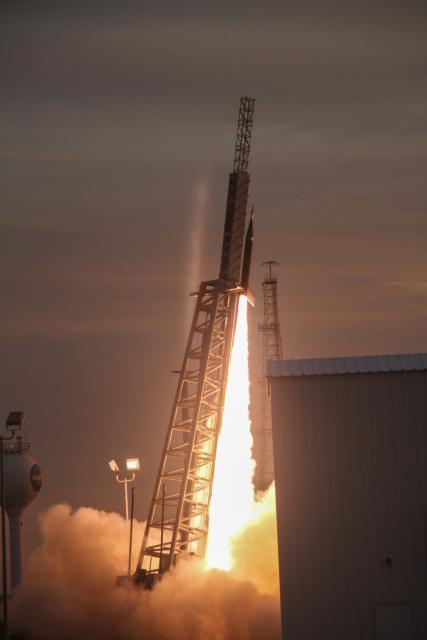
Today's rocket launches are part of an effort to study Earth's mesosphere, the layer of the atmosphere about 31 to 53 miles (50-85km) in altitude. 🚀☁️
The mesosphere is where meteors often burn up. It has its own chemistry and winds, and is where noctilucent clouds form!
#NASAEarth
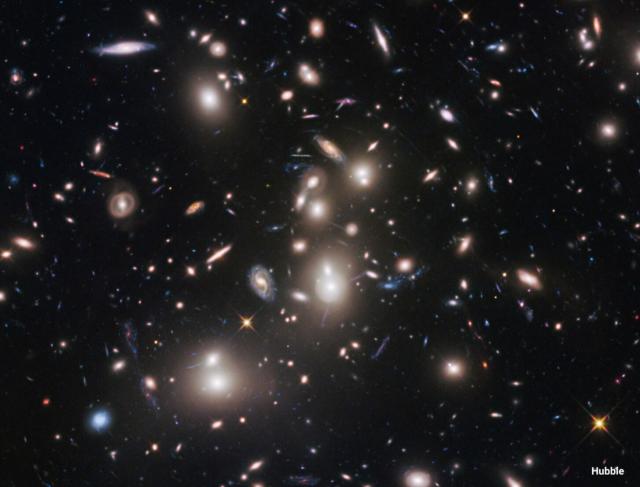
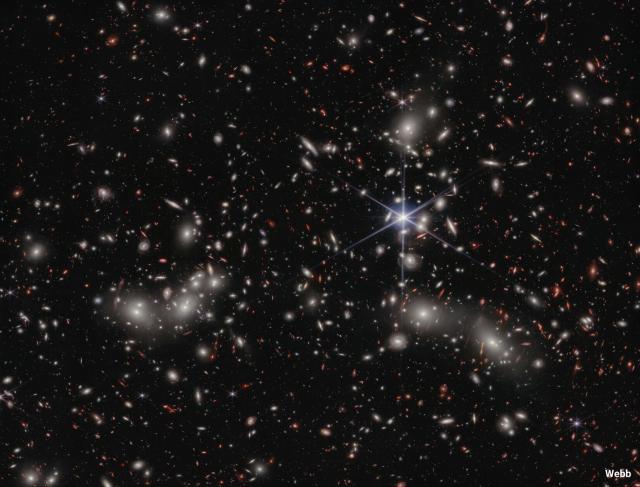
Bigger and better together!
Hubble and @NASAWebb have both studied Pandora's Cluster in great detail, revealing gravitational lensing – which occurs when a massive object's gravity warps and magnifies the light coming from more distant objects behind it. ⬇️
#Hubble
Kevin Russell
in reply to NASA • • •Christine Hall
in reply to NASA • • •