
#NASAhqphoto
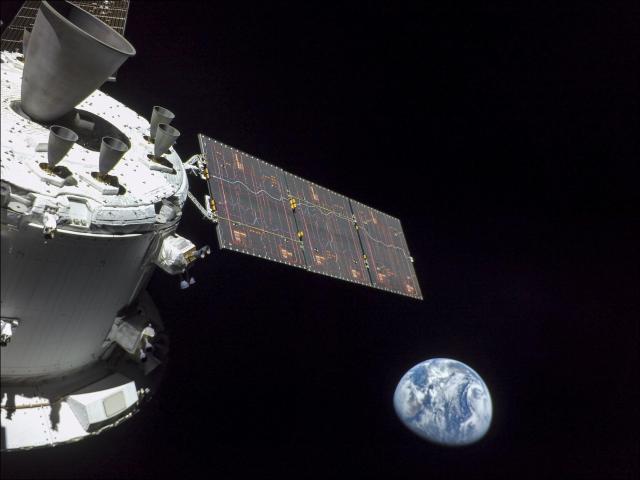
Houston, we have Posty
As we approach #EarthDay, watch @PostMalone get astronaut-struck as he chats with two crew members aboard the @Space_Station, Stephen Bowen & Woody Hoburg, about how their unique perspective changes the way they see our home planet. nasa.gov/earth-day-2023
#NASA
Earth Day 2023
NASA.gov brings you the latest images, videos and news from America's space agency. Get the latest updates on NASA missions, watch NASA TV live, and learn about our quest to reveal the unknown and benefit all humankind.NASA
🌎 LIVE NOW: NASA’s Virtual #EarthDay event!
Tune in from 1-3pm ET to hear from NASA experts, play trivia games, and learn more about how and why @nasa studies Earth. Join us: Go.nasa.gov/NASAScienceNow
#NASAEarth
#NASAExoplanets
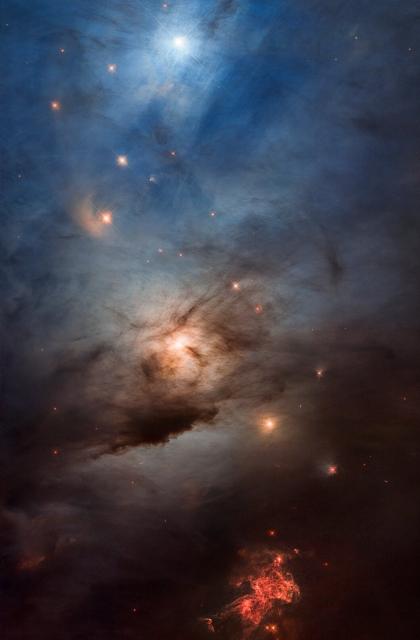
Hubble Celebrates 33rd Anniversary with Image of Star-Forming Region
Astronomers are celebrating NASA's Hubble Space Telescope's 33rd launch anniversary with an ethereal photo of a nearby star-forming region, NGC 1333. The nebula is in the Perseus molecular cloud, and located approximately 960 light-years away.Andrea Gianopoulos (NASA)
#NASAExoplanets
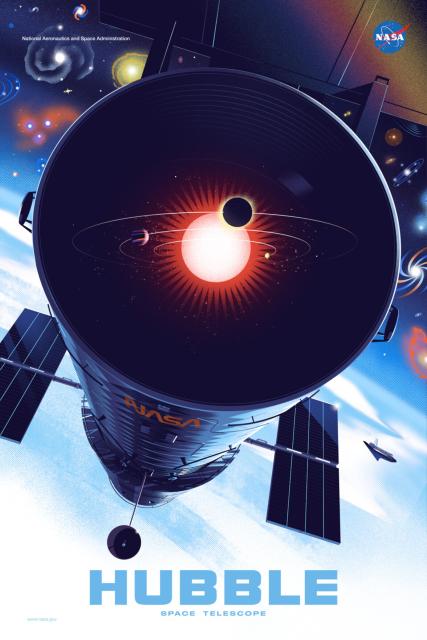
Hubble Space Telescope Poster - Exoplanet Exploration: Planets Beyond our Solar System
In space for more than 30 years, Hubble truly is NASA’s most versatile, intrepid explorer. It brought the cosmos down to Earth.Exoplanet Exploration: Planets Beyond our Solar System
Explore Hubble's 33rd anniversary image with our senior project scientist, Dr. Jennifer Wiseman!
Learn more about this new image here: go.nasa.gov/3GVyXkN
#Hubble
Hubble Celebrates 33rd Anniversary with Image of Star-Forming Region
Astronomers are celebrating NASA's Hubble Space Telescope's 33rd launch anniversary with an ethereal photo of a nearby star-forming region, NGC 1333. The nebula is in the Perseus molecular cloud, and located approximately 960 light-years away.Andrea Gianopoulos (NASA)
To mark Hubble’s 33rd anniversary, this new image unveils a cauldron of starbirth! ⭐
NGC 1333 is a star-forming region 960 light-years away. Glowing gasses and pitch-black dust are stirred up and blown around by newly forming stars within the dark cloud: go.nasa.gov/3AdxLFv
#Hubble
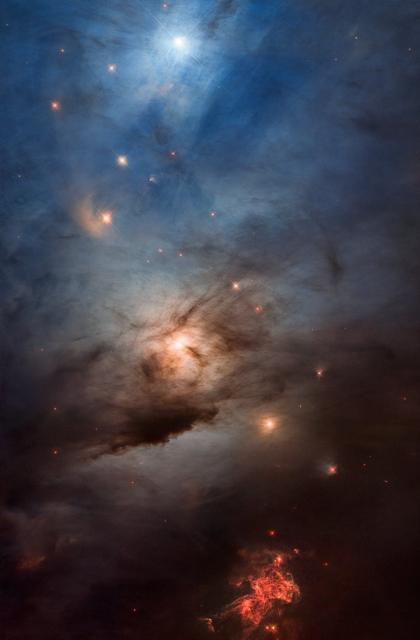
Hubble Celebrates 33rd Anniversary with Image of Star-Forming Region
Astronomers are celebrating NASA's Hubble Space Telescope's 33rd launch anniversary with an ethereal photo of a nearby star-forming region, NGC 1333. The nebula is in the Perseus molecular cloud, and located approximately 960 light-years away.Andrea Gianopoulos (NASA)
Apollo 16 astronauts John Young and Charlie Duke landed on the Moon #OTD in 1972!
While on the lunar surface, they collected 212 pounds (96 kg) of lunar samples and ventured out 2.4 mi (3.8 km) from their landing spot with the help of the lunar rover. go.nasa.gov/41jJdLF
#NASAhistory
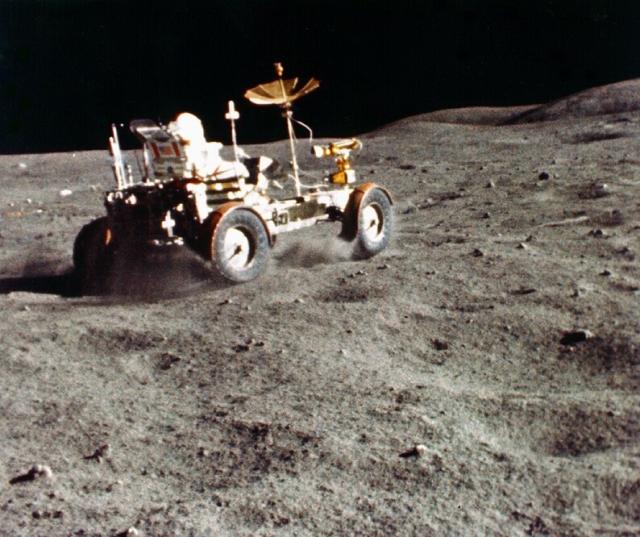
50 Years Ago: Apollo 16 on the Moon at Descartes
Apollo 16 entered lunar orbit on April 19, 1972. The next day, astronauts John W. Young and Charles M. Duke separated their Lunar Module (LM) Orion from Thomas K. “Ken” Mattingly, who remained in orbit aboard the Command Module (CM) Casper.Kelli Mars (NASA)
The Dark Seahorse in Cepheus
Image Credit & Copyright: Jeff Herman
apod.nasa.gov/apod/ap230420.ht… #APOD

APOD: 2023 April 20 - The Dark Seahorse in Cepheus
A different astronomy and space science related image is featured each day, along with a brief explanation.apod.nasa.gov
Watch the eclipse live at: youtube.com/watch?v=S2U3a1xXv8…
Use "Eyes on the Solar System" to see how everything lines up to create the eclipse: go.nasa.gov/3GVzRhb
#NASASolarSystem
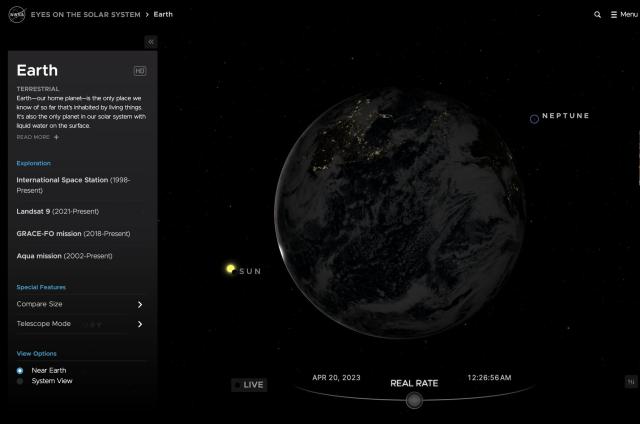
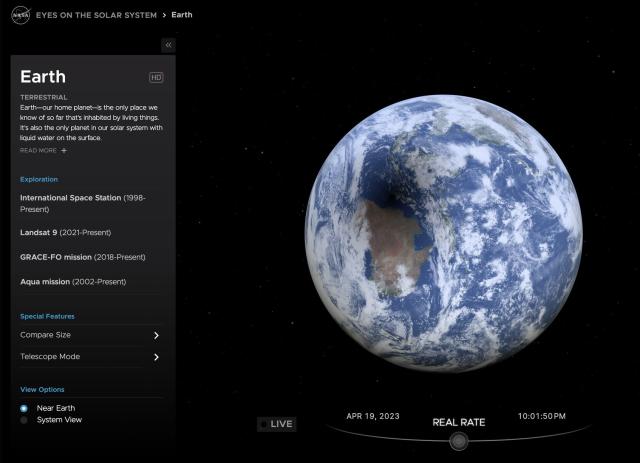
NASA Science Live: Watch a Total Solar Eclipse in Australia
On April 19 (in the US) / April 20 (Australia), the Moon will pass between the Sun and Earth, creating a total solar eclipse visible from Australia and South...YouTube
LIVE: Watch a total solar eclipse in Australia with us! We're sharing live telescope views and answering your #AskNASA questions on NASA Science Live. twitter.com/i/broadcasts/1BRKj…
[Video embedded in original tweet]
#NASA
LIVE: Watch a total solar eclipse in Australia with us! We're sharing live telescope views and answering your #AskNASA questions on NASA Science Live. twitter.com/i/broadcasts/1BRKj…
[Video embedded in original tweet]
#NASA
#NASA
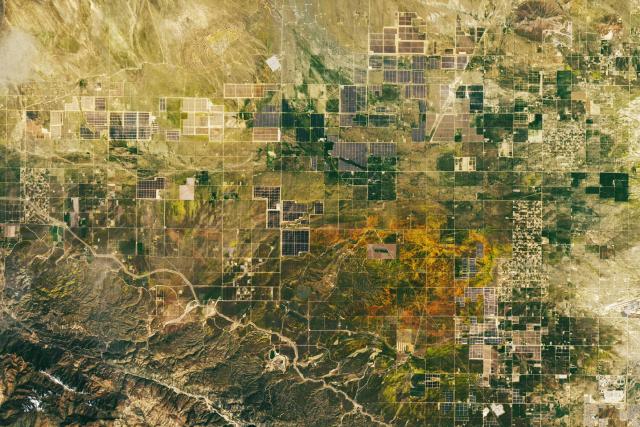
Pops of Poppies 🌼🌼
After California’s particularly wet winter: a sea of wildflowers. Orange, gold, and yellow flowers flood the valleys and hills of Antelope Valley California Poppy Reserve in this image by #Landsat 8.
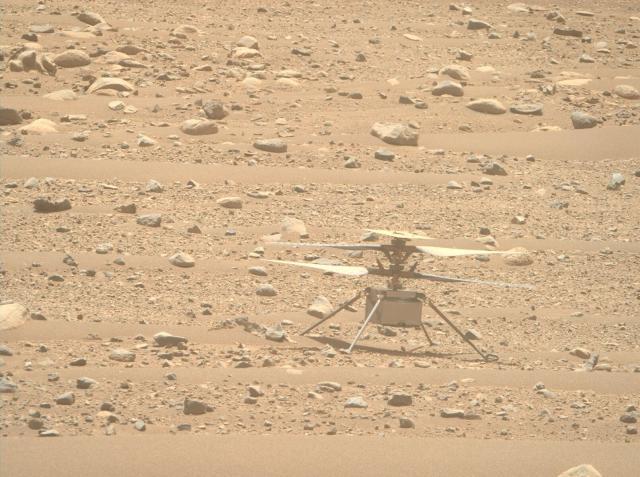
#PerseveranceRover
#NASA
Space Symposium 2023 Panel: NASA Leaders on 'Moon to Mars' Strategy Implementation
From the 38th Annual Space Symposium in Colorado Springs, Colorado, NASA associate administrators participate in a panel on our "Moon to Mars" strategy, and ...YouTube
#ISS

Eye and Brain Study, Fluid Physics Research After Cosmonaut Spacewalk
Human research and fluid physics were the main science experiments taking place aboard the International Space Station on Wednesday for four Expedition 69 astronauts.go.nasa.gov

#NASAExoplanets
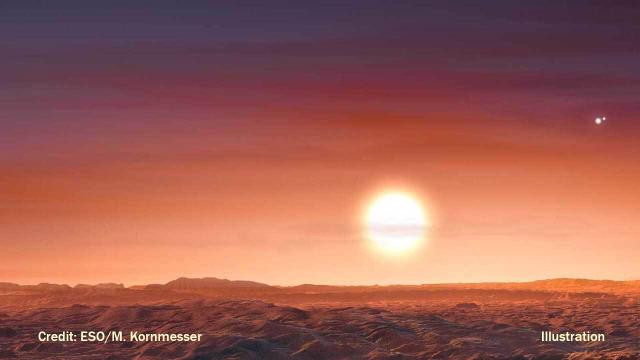
An Earth-like atmosphere may not survive Proxima b's orbit
Proxima b, an Earth-size planet right outside our solar system in the habitable zone of its star, may not be able to keep a grip on its atmosphere, leaving the surface exposed to harmful stellar radiation.Exoplanet Exploration: Planets Beyond our Solar System
One day left to vote for @TheWebbyAwards!
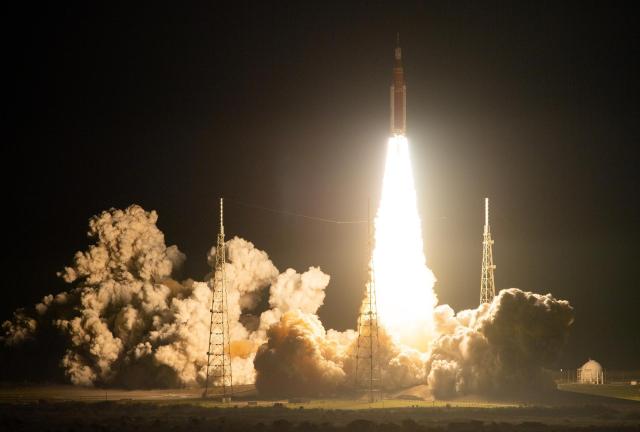
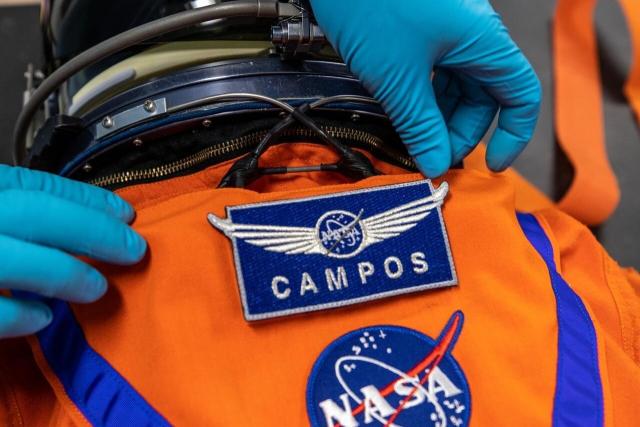
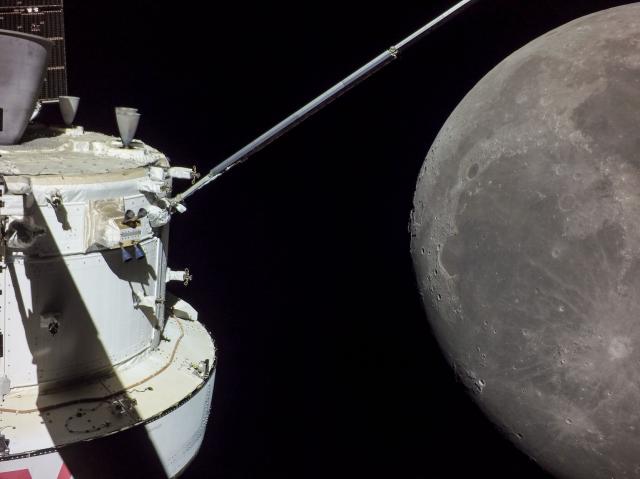
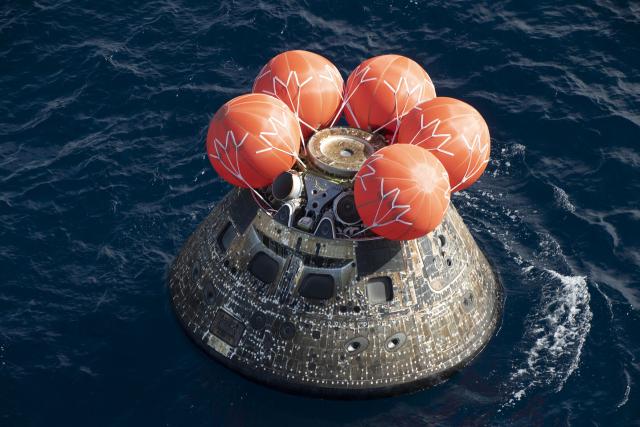
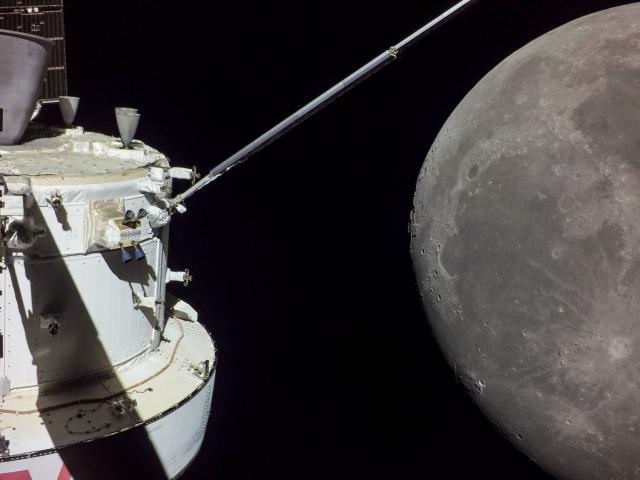
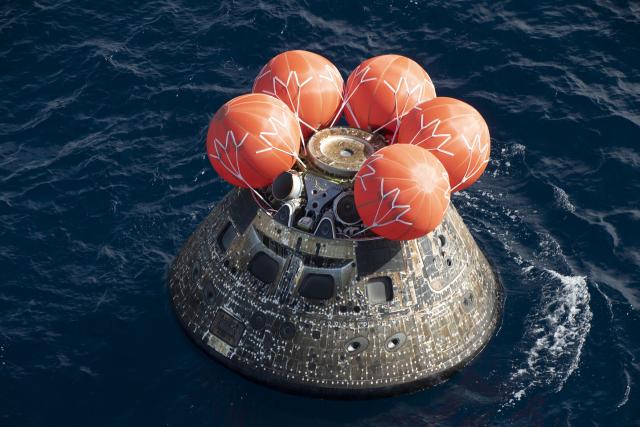
From #NASAMoonKit to #NASAMoonSnap; from naming the Moonikin to flying Campos to the Moon, from the launch to the landing of #Artemis I; our team has loved bringing our lunar missions to all of you on Earth. wbby.co/31856N
#NASAArtemis #Artemis
Vote for the best of the internet
I just voted in The Webby People's Voice Awards and checked my voter registration.wbby.co
One day left to vote for @TheWebbyAwards!
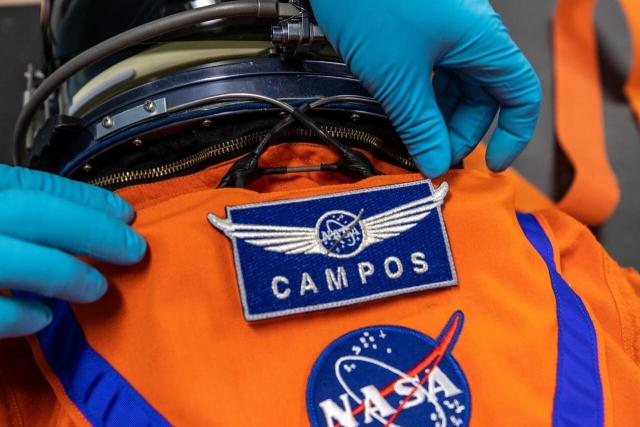
From #NASAMoonKit to #NASAMoonSnap; from naming the Moonikin to flying Campos to the Moon, from the launch to the landing of #Artemis I; our team has loved bringing our lunar missions to all of you on Earth. wbby.co/31856N
#NASAArtemis #Artemis
Vote for the best of the internet
I just voted in The Webby People's Voice Awards and checked my voter registration.wbby.co
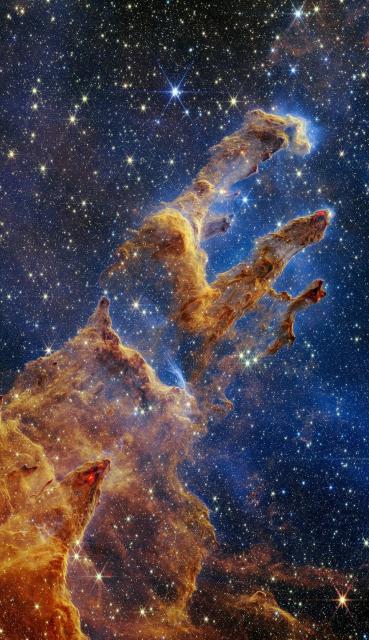
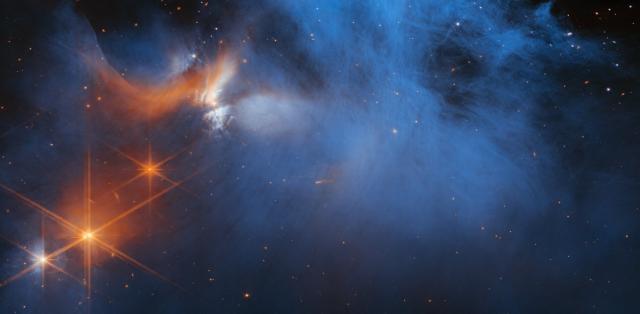
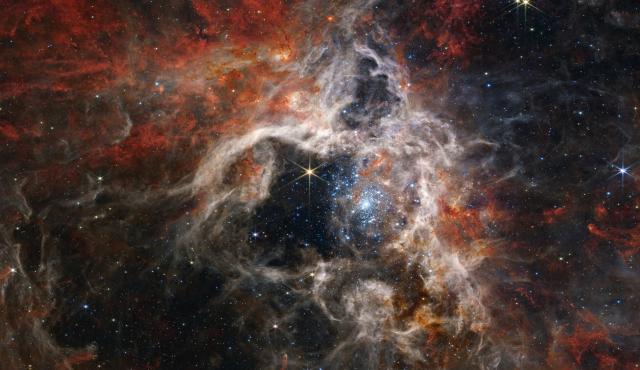
Webb Telescope. #Webbys Award. It just makes sense. Last chance to vote for us in the Webb(y)s! ⬇️
General Video: Technology- wbby.co/31914N
Social Campaigns: Education & Discovery- wbby.co/31856N
Social Video: Events & Livestreaming- wbby.co/31871N
#JamesWebb
Vote for the best of the internet
I just voted in The Webby People's Voice Awards and checked my voter registration.wbby.co
@NASARoman received new tech to measure the light of cosmic objects like galaxies and supernovae. When Roman launches by May 2027, scientists will use its data to unravel the secrets of dark energy and dark matter, and discover exoplanets. go.nasa.gov/3MWo3z9
#NASAExoplanets
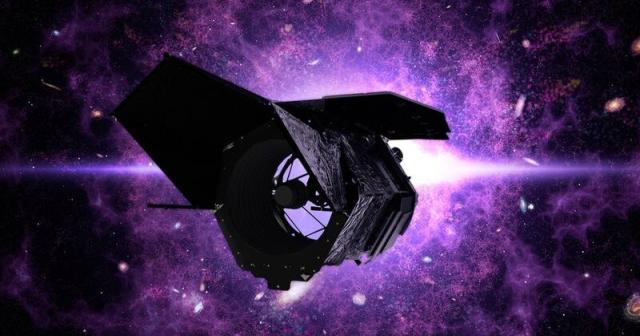
Goddard Team Builds, Tests Calibrator for NASA’s Roman in Record Time
A vital subsystem for NASA’s Nancy Grace Roman Space Telescope was recently installed in the spacecraft’s Wide Field Instrument.Ashley Balzer (NASA)
A solar eclipse will be visible over parts of Western Australia and Southeast Asia today. No matter where you are, you can watch the Moon block the Sun with us.
At 10:30pm ET (0330 UTC), watch #NASAScience Live and ask NASA experts your questions, plus get a preview of… twitter.com/i/web/status/16487…
#NASA
Where are flood waters flowing after major storms? How much did the land move during an earthquake or volcanic eruption? OPERA, a @NASA-led project, is helping make Earth data from multiple satellite missions more accessible.
Get the details: go.nasa.gov/43Pr0Hx
#NASAEarth
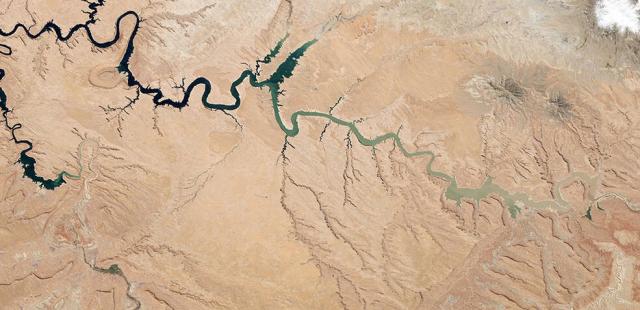
NASA-Led Project Tracking Changes to Water, Ecosystems, Land Surface
Merging data from multiple satellites, OPERA can help government agencies, disaster responders, and the public access data about natural and human impacts to the land.Tony Greicius (NASA)
Since 1972, Landsat satellites have provided a continuous record of Earth’s surface from space, giving us an unparalleled baseline for understanding how the planet is changing. 🌏 #EarthMonth
50 years of @NASA_Landsat observations of Las Vegas. Irrigated vegetation appears red.
#NASAhistory
#NASA
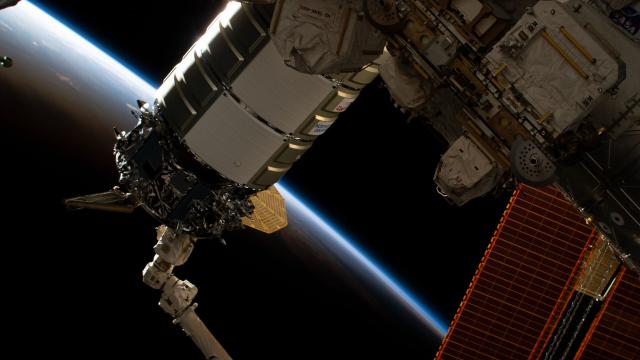
NASA Sets Coverage for Northrop Grumman Cygnus Departure from Station
Carrying more than 8,200 pounds of supplies, scientific investigations, commercial products, hardware, and other cargo to the orbiting laboratory for NASA, Northrop Grumman’s uncrewed Cygnus spacecraft is scheduled to depart the International Space S…Roxana Bardan (NASA)
#OTD 10 years ago, Hubble shared this infrared view of the Horsehead Nebula!
Harsh ultraviolet glare from a fledgling star near the top ridge of the nebula is slowly evaporating this pillar of hydrogen gas laced with dust.
Find out more: go.nasa.gov/3mFejP3
#Hubble
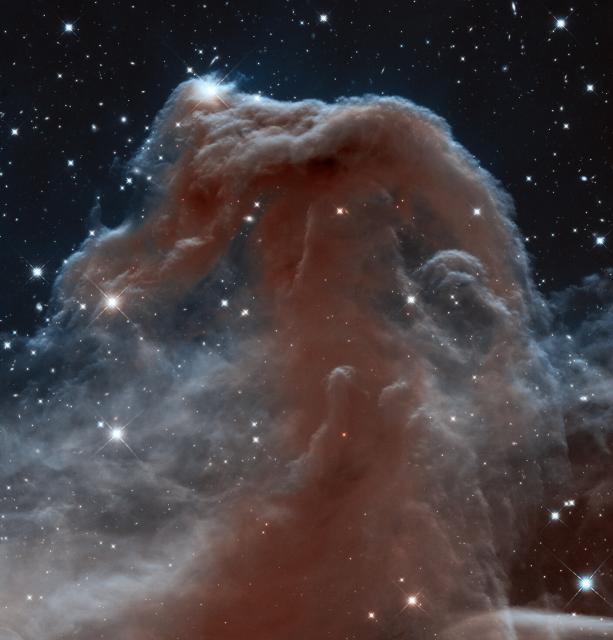
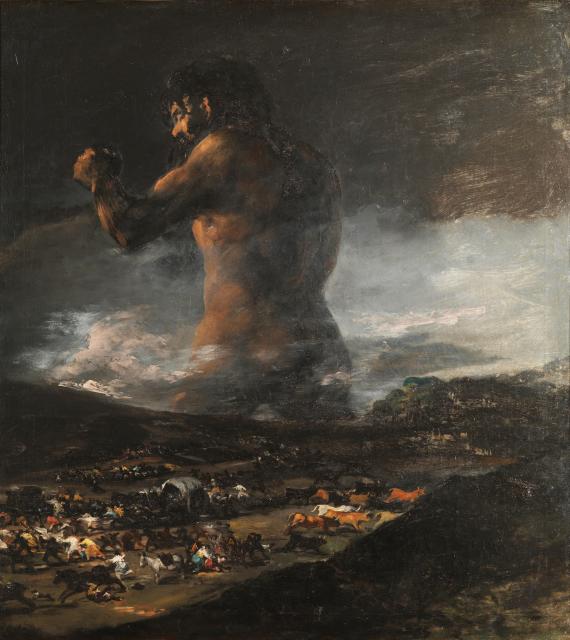
For me it looks more like a striding giant and not a horse's head as in the older images.
(See "El coloso" by Goya)
es.wikipedia.org/wiki/El_colos…
#ISS
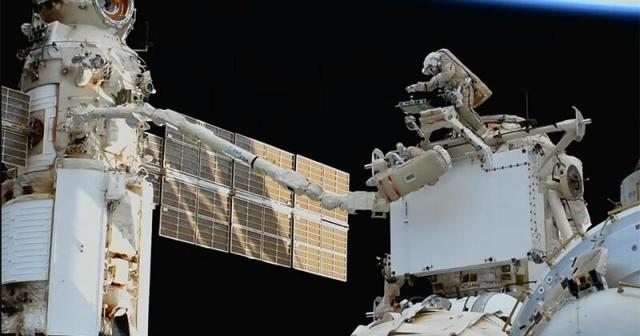
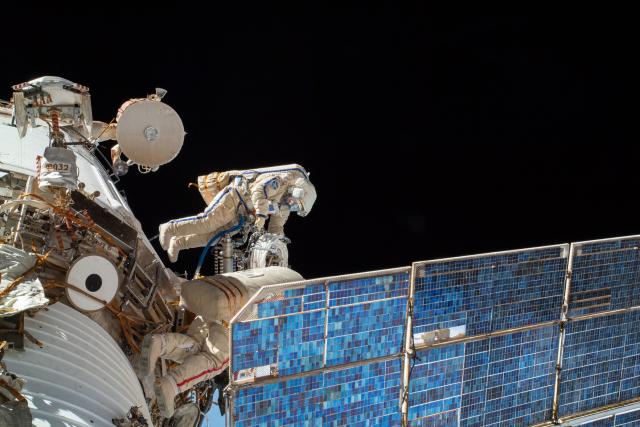
Cosmonauts Move Roscosmos Radiator and Complete Spacewalk
Roscosmos cosmonauts Sergey Prokopyev and Dmitri Petelin concluded their spacewalk on Tuesday, April 19, at 5:35 a.m. EDT after seven hours and 55 minutes.blogs.nasa.gov
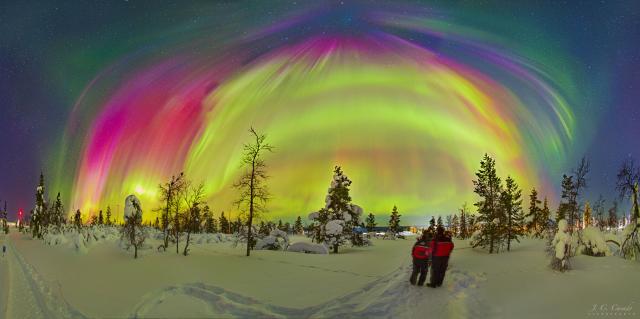
APOD: 2023 April 19 – Auroral Storm over Lapland
A different astronomy and space science related image is featured each day, along with a brief explanation.apod.nasa.gov
#ISS

Auroral Storm over Lapland
Image Credit & Copyright: Juan Carlos Casado (Starry Earth, TWAN)
apod.nasa.gov/apod/ap230419.ht… #APOD
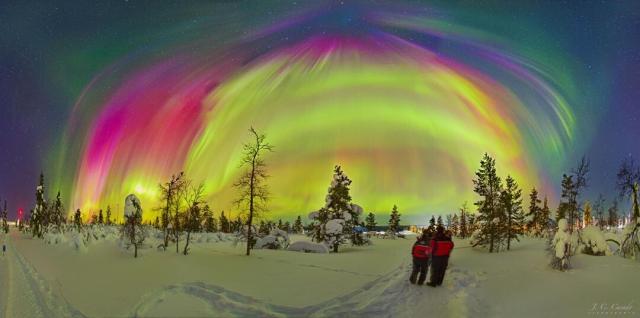
APOD: 2023 April 19 – Auroral Storm over Lapland
A different astronomy and space science related image is featured each day, along with a brief explanation.apod.nasa.gov
#ISS
#ISS
#ISS
#ISS
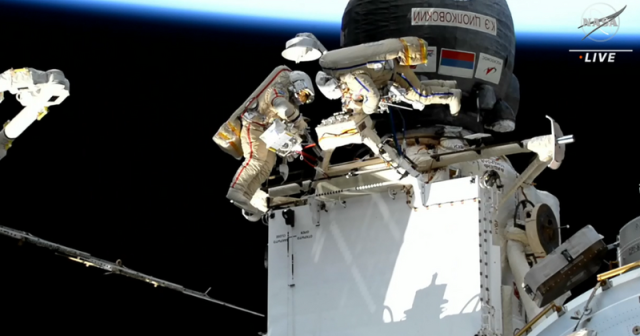
Cosmonauts Begin Spacewalk to Move Roscosmos Radiator
Roscosmos cosmonauts Sergey Prokopyev and Dmitri Petelin began a spacewalk at 9:40 p.m. EDT to relocate a radiator from the Rassvet module to the Nauka science module with assistance from European robotic arm operator cosmonaut Andrey Fedyaev.blogs.nasa.gov
#ISS
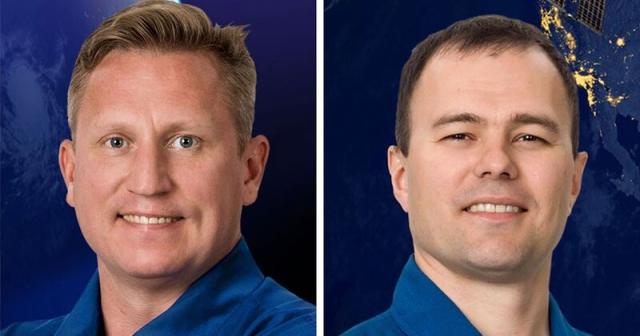
Cosmonauts Getting Ready for Spacewalk Live on NASA TV
NASA Television coverage is underway for today’s spacewalk with Roscosmos cosmonauts Sergey Prokopyev and Dmitri Petelin.blogs.nasa.gov
#NASA
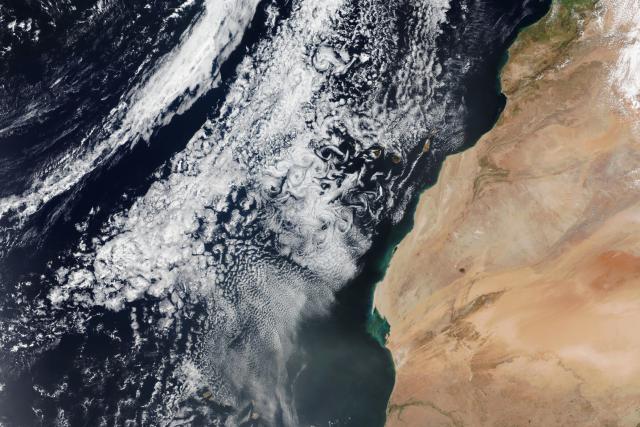
#NASAEarth
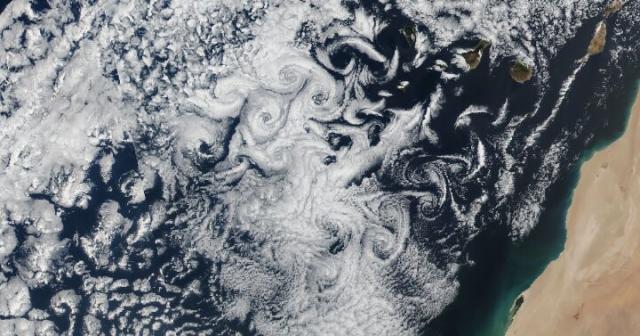
Swirly Clouds in the Canaries
Cloud vortices leave a fingerprint of atmospheric motion near the Canary Islands.go.nasa.gov
#NASAMars
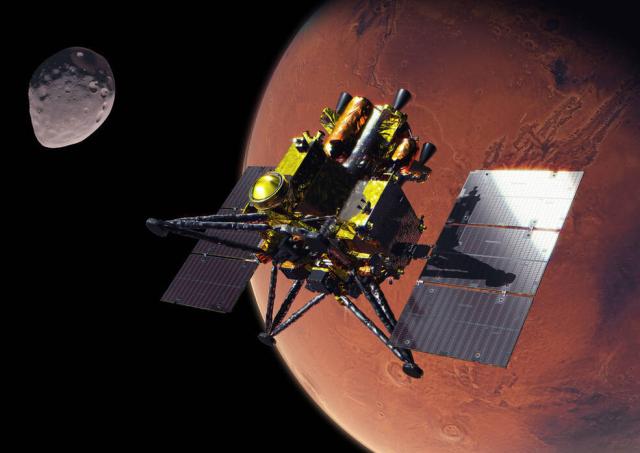
NASA Selects 10 Scientists for International Mission to Martian Moons
JPL’s Abigail Fraeman will help study the composition of Phobos and Deimos using instruments on the Japan Aerospace Exploration Agency’s spacecraft.NASA Mars Exploration
Tess Darbyfield
in reply to (moving) APOD • • •