
#Hubble
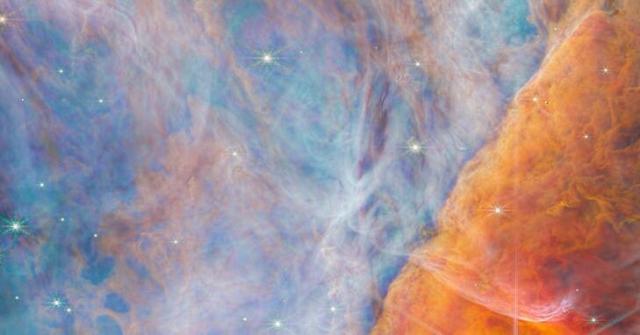
Webb Makes First Detection of Crucial Carbon Molecule
This molecule, never before seen in space, is believed to be a cornerstone of interstellar organic chemistry.Madison Olson (NASA)
#Hubble
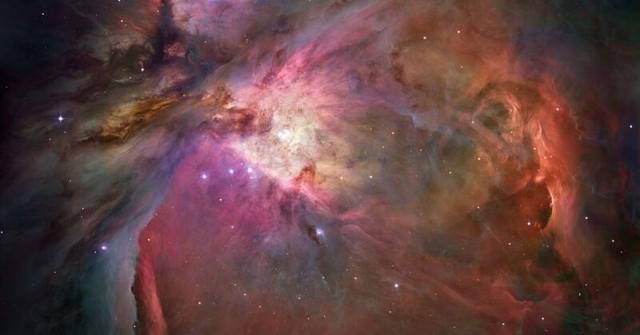
Messier 42 (The Orion Nebula)
Believed to be the cosmic fire of creation by the Maya of Mesoamerica, M42 blazes brightly in the constellation Orion. Popularly called the Orion Nebula, this stellar nursery has been known to many different cultures throughout human history.Rob Garner (NASA)
Our next cargo mission to the @Space_Station is set to lift off from @NASA_Wallops on Tuesday, Aug. 1!
@NorthropGrumman's #NG19 launch will carry gene therapy research, materials to study fires in space, and digital art from students around the world: go.nasa.gov/3JAWhFE
#NASA
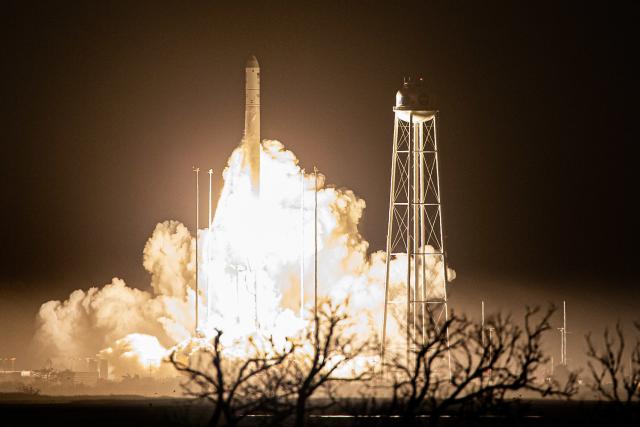
NASA Invites Media to Northrop Grumman Cargo Launch to Space Station
Media accreditation is open for launch of the next commercial resupply services mission to deliver NASA science investigations, supplies, and equipment to the International Space Station.Abbey Donaldson (NASA)
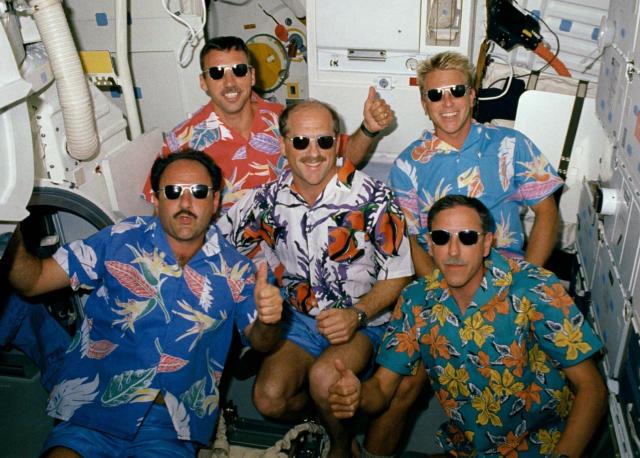
Protected eyes ✅ Looking cool ✅
Happy #NationalSunglassesDay 😎 Dr. Keith Manuel created a special titanium alloy frame without hinge screws for @NASA_Astronauts in the early '90s. The super-dark lenses of these shades blocked both UV and IR rays.
go.nasa.gov/43QawP7
#NASAhistory
An extratropical cyclone in June 2023 brought torrential rain to southern Brazil, causing deadly flooding.
These @nasa satellite images show the area near the state’s capital, Porto Alegre, before (left) and after (right). go.nasa.gov/3CLbRuP
#NASAEarth
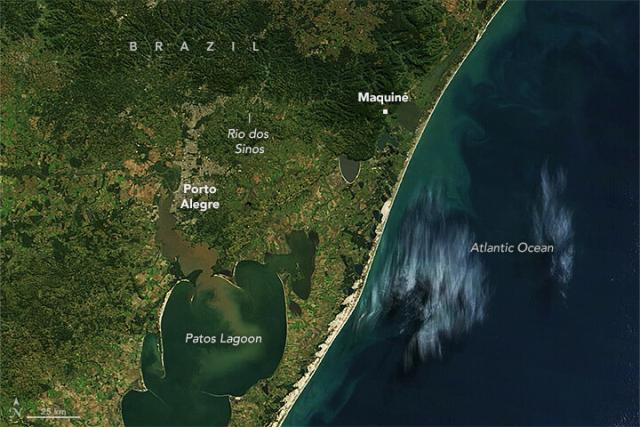
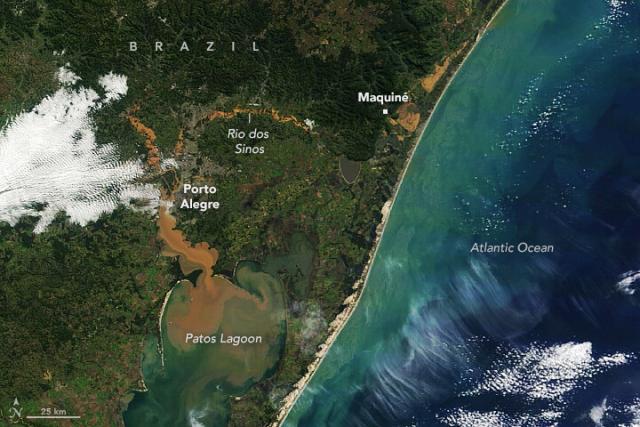
Flooding in Porto Alegre, Brazil
An extratropical cyclone triggered deadly flooding in the state of Rio Grande do Sul.go.nasa.gov
MAVEN's Ultraviolet Mars
Image Credit: MAVEN, Laboratory for Atmospheric and Space Physics, Univ. Colorado, NASA
apod.nasa.gov/apod/ap230627.ht… #APOD

APOD: 2023 June 27 - MAVEN s Ultraviolet Mars
A different astronomy and space science related image is featured each day, along with a brief explanation.apod.nasa.gov
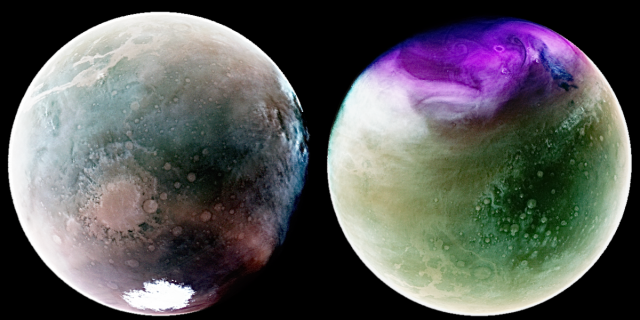
APOD: 2023 June 27 - MAVEN s Ultraviolet Mars
A different astronomy and space science related image is featured each day, along with a brief explanation.apod.nasa.gov
Look at that EPIC view! 🌀🌀
NASA’s Earth Polychromatic Imaging Camera (EPIC) on @NOAA’s DSCOVR satellite captured this view of two tropical storms, Bret and Cindy, on June 22, 2023. go.nasa.gov/441E4tk
#NASAEarth
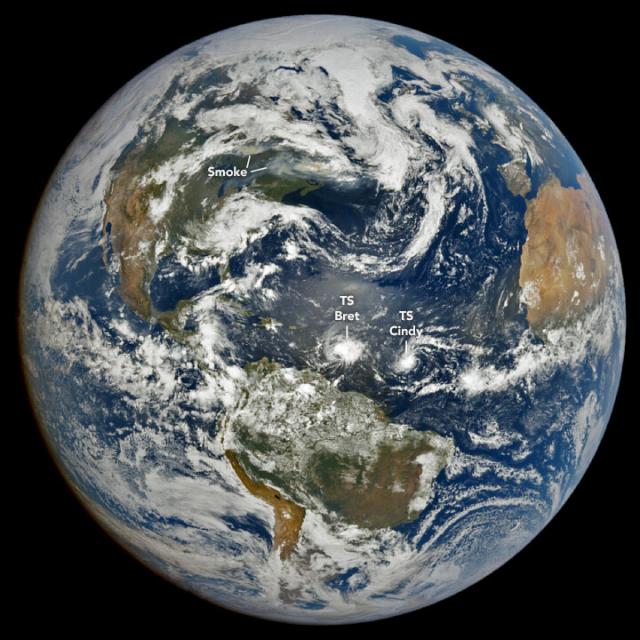
String of Storms in the Atlantic
In a first for the month of June, two named storms developed over the tropical Atlantic Ocean east of the Caribbean Sea.go.nasa.gov
#NASA
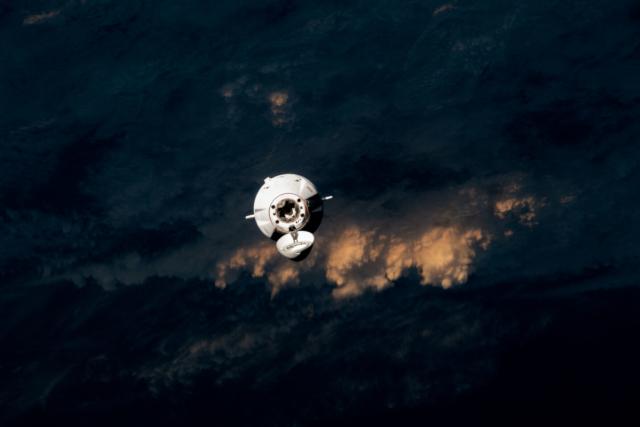
NASA to Provide Coverage as Dragon Departs Station with Science
NASA is set to receive scientific research samples and hardware as a SpaceX Dragon cargo resupply spacecraft departs the International Space Station on Thursday, June 29.Roxana Bardan (NASA)
In the Himalayas, students with the @GLOBEProgram are learning about the most essential resource to life on Earth: water. 💧
They’re measuring water quality, identifying cloud types, mapping mosquito habitats, and learning how to share that data as @nasa #CitizenScientists.
#NASAEarth
🌓Did you know that a first-quarter moon is an ideal phase to observe? It’s high in the sky in the early evening and shadows along the line between night and day enhance the topography.
Check out our new Daily Moon Guide for more observing tips! go.nasa.gov/MoonGuide
#NASAMoon
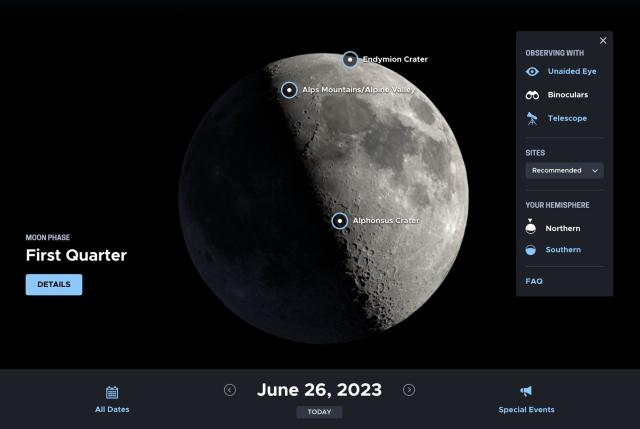
Daily Moon Guide | Observe – Moon: NASA Science
NASA's interactive map for observing the Moon each day of the year.Moon: NASA Science
#NASA
#NASA
Q&A with Media Interested in Covering Upcoming Asteroid Sample Return (June 26, 2023)
NASA’s OSIRIS-REx mission will deliver the agency’s first-ever asteroid sample to Earth on Sept. 24, 2023, at the U.S. Department of Defense’s Utah Test and ...YouTube
#ISS
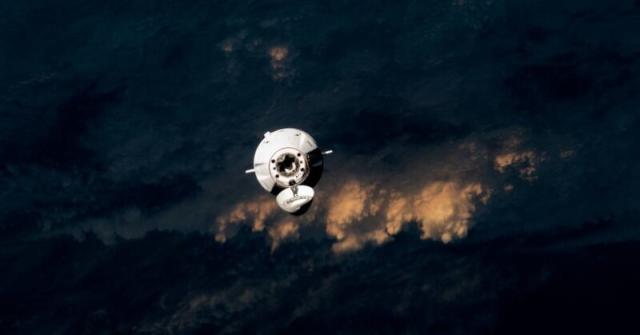
NASA to Provide Coverage as Dragon Departs Station with Science
NASA is set to receive scientific research samples and hardware as a SpaceX Dragon cargo resupply spacecraft departs the International Space Station on Thursday, June 29.Roxana Bardan (NASA)
#NASAExoplanets
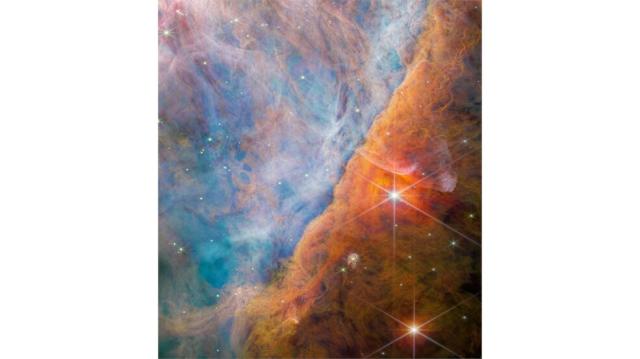
Webb Makes First Detection of Crucial Carbon Molecule
This molecule, never before seen in space, is believed to be a cornerstone of interstellar organic chemistry.Madison Olson (NASA)
Take a listen to M104! 👂
A trio of telescopes observed this galaxy. From top to bottom, these views are from the Spitzer Space Telescope (infrared), Hubble (visible), and @chandraxray (X-ray).
Find out more! ⬇️
#Hubble
This sonification was created by scientists to provide an auditory way of experiencing these images. While this isn’t the sound “of” space, sonifications represent data in the image to highlight certain scientific aspects through sound.
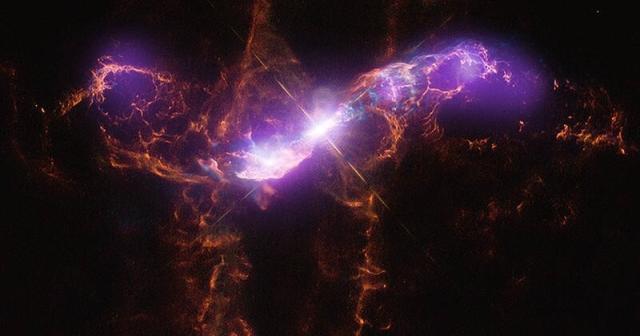
Cosmic Harmonies: Sonifications From NASA Telescopes
Three new sonifications of data from Chandra and other NASA telescopes have been released.Lee Mohon (NASA)
#ISS
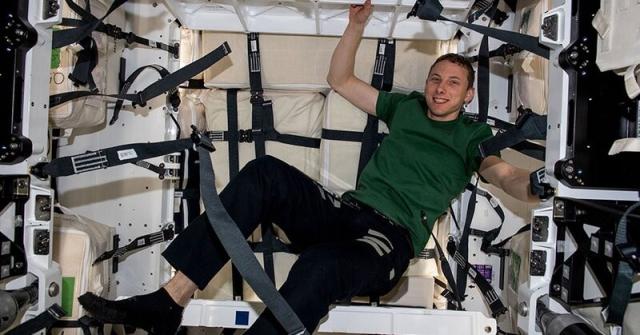
Week Starts Multitude of Space Science Activities
Space botany, microbiology, and future piloting techniques were the main experiments aboard the International Space Station on Monday.blogs.nasa.gov
#NASA
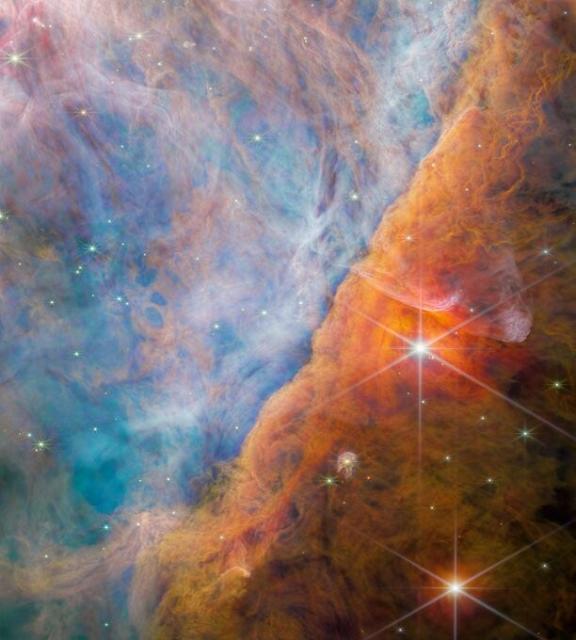
Webb Makes First Detection of Crucial Carbon Molecule
This molecule, never before seen in space, is believed to be a cornerstone of interstellar organic chemistry.Madison Olson (NASA)
Webb — constantly raising the (Orion) Bar for us all.
While observing the Orion Bar, Webb made the first detection ever of a crucial carbon molecule in space. This molecule was found inside a planet-forming disk surrounding a young star system: go.nasa.gov/3NLiJyy
#JamesWebb
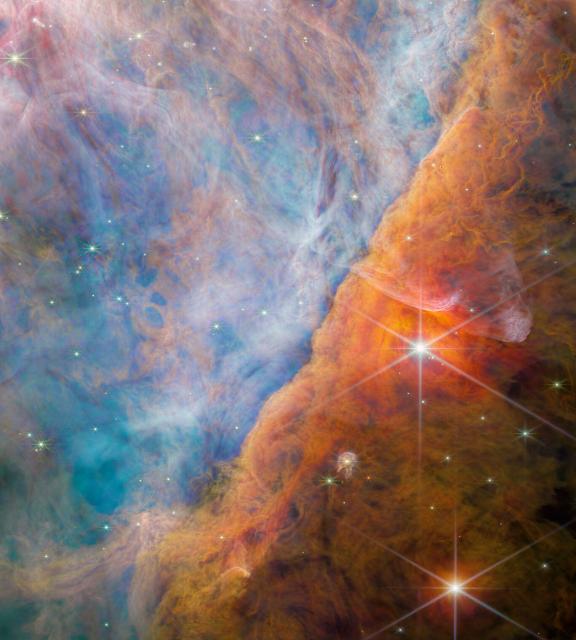
Webb Makes First Detection of Crucial Carbon Molecule
This molecule, never before seen in space, is believed to be a cornerstone of interstellar organic chemistry.Madison Olson (NASA)
#JamesWebb
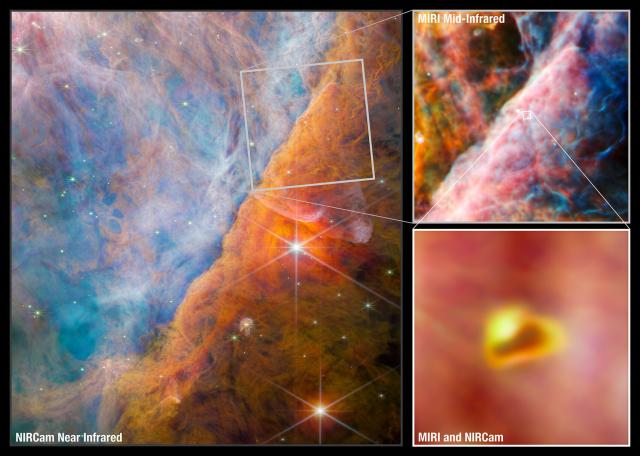
While most aircraft run on fossil fuels, NASA has been working on alternatives for decades. 🌱
Helios, a record-breaking, remotely-piloted, solar-powered aircraft, suffered a mishap #20YearsAgo today, breaking apart over the Pacific.
More about Helios: go.nasa.gov/447cmLh
#NASAhistory

NASA Armstrong Fact Sheet: Helios Prototype
Helios Prototype is a remotely piloted flying wing aircraft developed under NASA's Environmental Research Aircraft and Sensor Technology (ERAST) project.NASA
NASA’s Earth Information Center is now open to the public! 🚨🌎
Visit @nasa in downtown Washington, D.C. to see what we’re learning about our home planet in our new Earth science exhibit and immersive experience. go.nasa.gov/eic
#NASAEarth
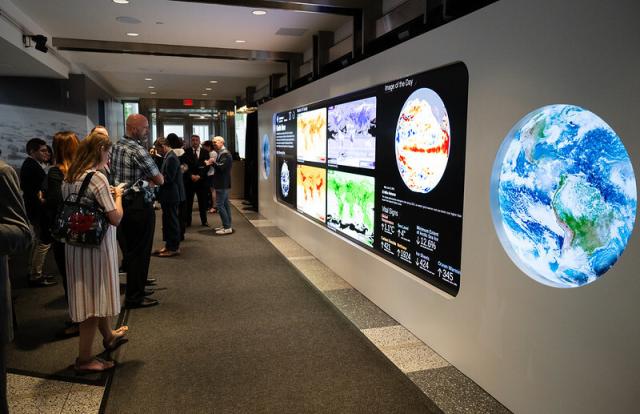
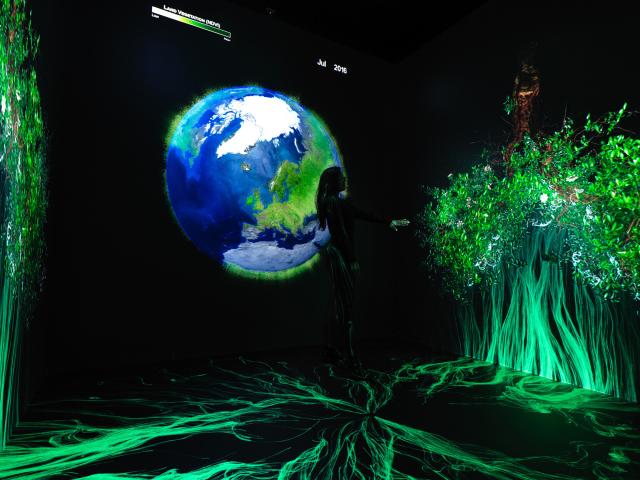
Can’t visit @nasa’s Earth Information Center in person?
Explore the virtual exhibit online from wherever you are! 💻 go.nasa.gov/eic
#NASAEarth
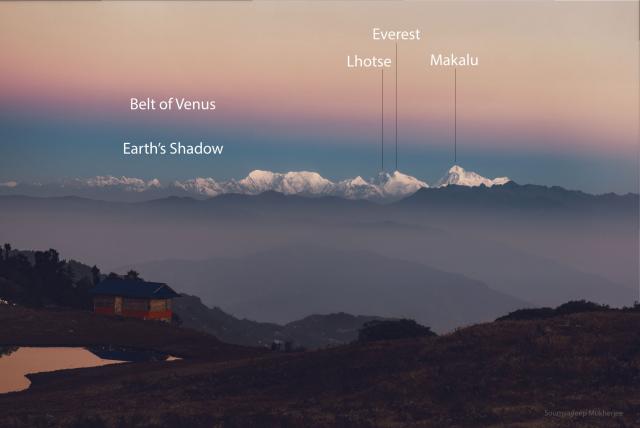
The Belt of Venus over Mount Everest
Image Credit & Copyright: Soumyadeep Mukherjee
apod.nasa.gov/apod/ap230626.ht… #APOD


APOD: 2023 June 26 – The Belt of Venus over Mount Everest
A different astronomy and space science related image is featured each day, along with a brief explanation.apod.nasa.gov
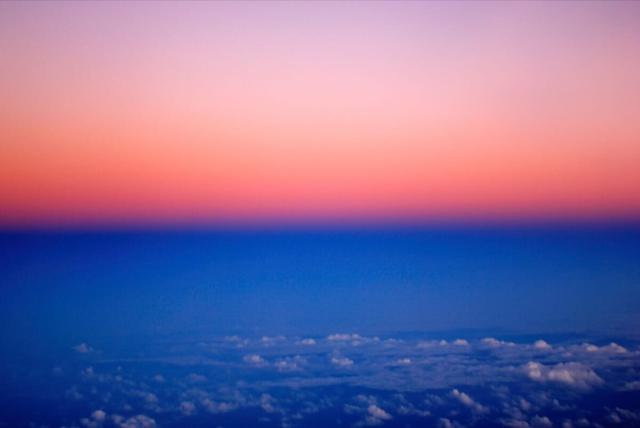
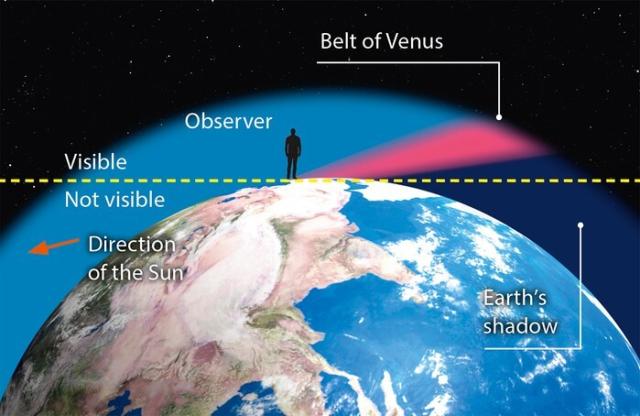
As the Sun rises in the east or sets in the west, sunlight reflects off the dense atmosphere in an effect called back-scattering, which creates a pink band of light on the opposite horizon to the Sun, above the anti-solar point. This pink band is the Belt of Venus.
Nice pic posted btw. ❤️
APOD: 2023 June 26 – The Belt of Venus over Mount Everest
A different astronomy and space science related image is featured each day, along with a brief explanation.apod.nasa.gov
#NASAExoplanets
A @Space_Station astronaut took this photo of the Strait of Gibraltar between Spain and Morocco in April 2023. go.nasa.gov/44gbqo2
The channel connects the Atlantic Ocean and Mediterranean Sea and spans only 13 kilometers (8 miles) at its narrowest point.
#NASAEarth
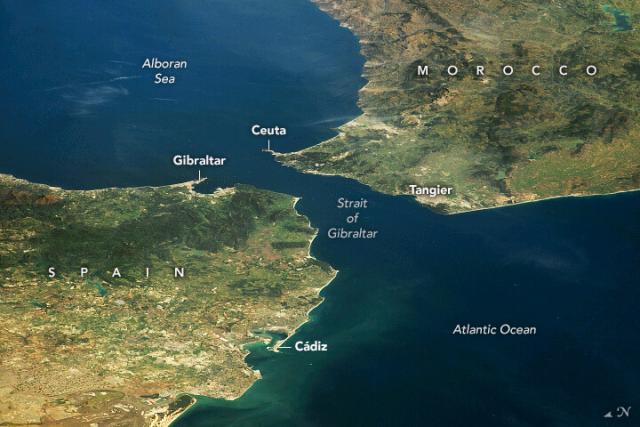
The Strait of Gibraltar
At the strait’s narrowest point, only 13 kilometers separate Europe and Africa.go.nasa.gov
Mark your calendars for April 8, 2024: A total solar eclipse will darken the skies of North America as the Moon blocks the light of the Sun for a few minutes.
We're funding five experiments to study the Sun, Earth, and their interactions: go.nasa.gov/42T5U9L
#NASA
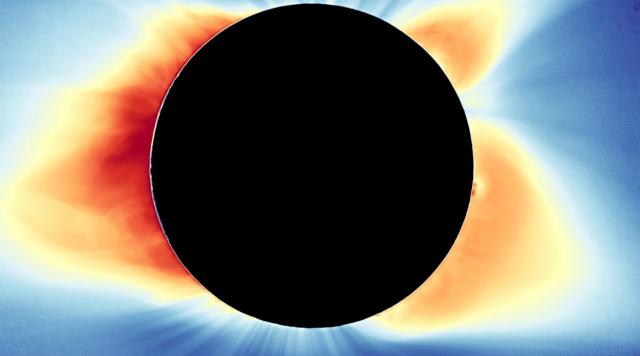
NASA Selects 5 Experiments to Study 2024 Total Solar Eclipse
A total solar eclipse will darken a swath of North America as the Moon blocks the light of the Sun for a few minutes on April 8, 2024.Abbey Interrante (NASA)
Home sweet home 🌎 😍
Earth inspires us from every angle. NASA’s missions from ground to space help us discover more about our home planet, how it’s changing, and how we can prepare for the future. nasa.gov/Earth
#NASAEarth
Lightning on Jupiter
Image Credit: NASA/JPL-Caltech/SwRI/MSSS; Processing & License: Kevin M. Gill
apod.nasa.gov/apod/ap230625.ht… #APOD

APOD: 2023 June 25 – Lightning on Jupiter
A different astronomy and space science related image is featured each day, along with a brief explanation.apod.nasa.gov
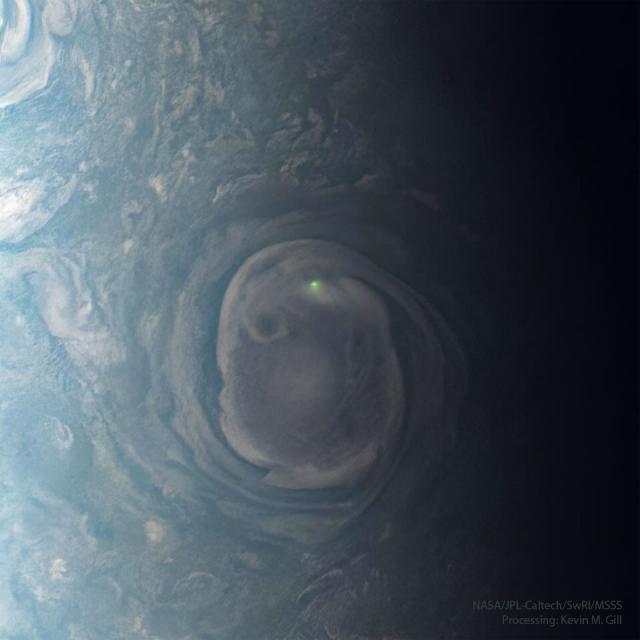
APOD: 2023 June 25 – Lightning on Jupiter
A different astronomy and space science related image is featured each day, along with a brief explanation.apod.nasa.gov
Welcome to the #Artemis Accords, India! 🇮🇳
By signing the Accords, India has become the 27th nation to commit to the safe and peaceful exploration of deep space: go.nasa.gov/3Xmt4UM
#NASAArtemis #Artemis
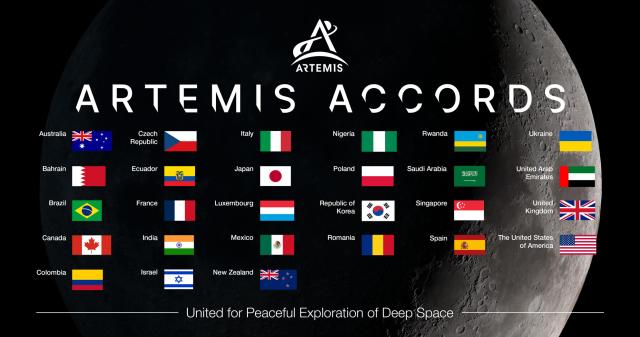
NASA Welcomes India as 27th Artemis Accords Signatory
During a ceremony at the Willard InterContinental Hotel in Washington on Wednesday, June 21, India became the 27th country to sign the Artemis Accords.Claire O’Shea (NASA)
NASA wants to identify species of phytoplankton, tiny plant-like ocean organisms, from space. Why?
They produce oxygen, soak up carbon, are food for fish, can cause harmful algal blooms, and more. go.nasa.gov/3Pp2W9T 🌊
#NASAEarth
NASA Wants to Identify Phytoplankton Species from Space. Here’s Why.
They’re small, but they’re mighty. From producing oxygen we breathe to soaking up carbon we emit to feeding fish we eat, tiny phytoplankton are a crucial part of ocean ecosystems and essential to life as we know it on Earth.Kate Ramsayer (NASA)
In early 2024, @nasa is launching the PACE satellite, which will see the ocean in more colors than ever before.
PACE is also hyperspectral and will be able to identify phytoplankton by species for the first time from space. go.nasa.gov/3JtCw2Y
#NASAEarth
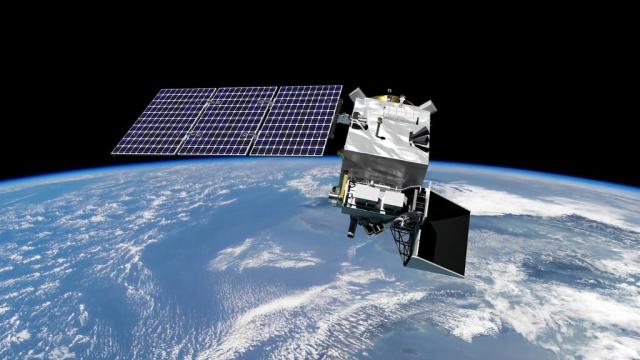
NASA PACE - Home
PACE's technologies will provide unprecedented insight into Earth's ocean and atmosphere, which impact life by regulating climate and making Earth habitablego.nasa.gov
"What a way to come to California!" —Bob Crippen, STS-7 Commander
STS-7 touched down at Edwards Air Force Base #OTD in 1983, successfully completing Space Shuttle Challenger's 2nd mission.
More about STS-7, NASA's first space mission to include a woman: go.nasa.gov/3XhpwD4
#NASAhistory
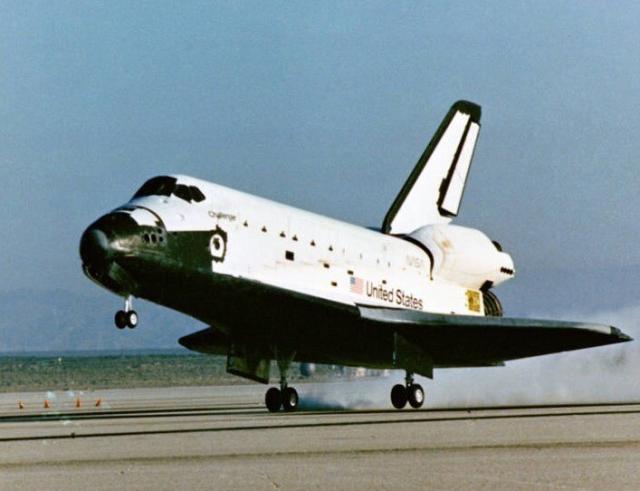
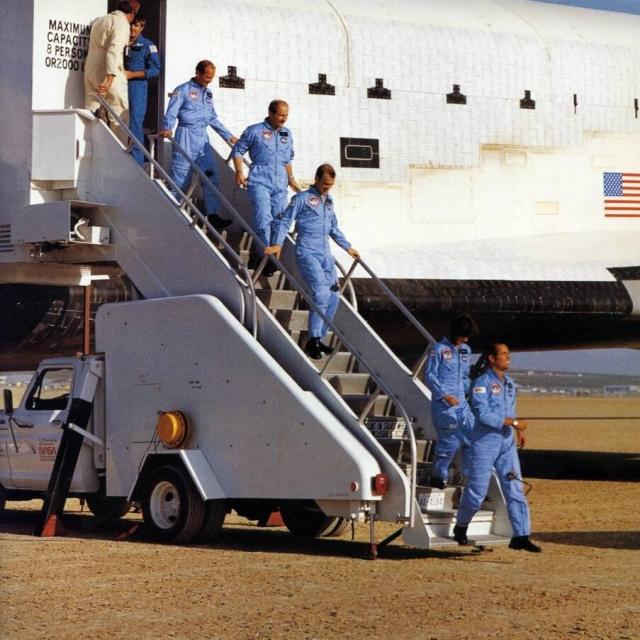
40 Years Ago: STS-7 and the Flight of Sally Ride
On June 18, 1983, space shuttle Challenger lifted off on its second journey to space, the STS-7 mission. Among its five-person crew, Challenger carried the first American woman into space, NASA astronaut Sally K. Ride.Kelli Mars (NASA)
Training begins for the @NASAArtemis II astronauts!
While some of us are enjoying the start of summer vacation, they just began training for their mission to the Moon and back.
Here's the trajectory map they covered in class this week: go.nasa.gov/44dztUs
#NASA
Artemis II Map
Trajectory for Artemis II, NASA’s first flight with crew aboard SLS, Orion to pave the way for long-term return to the Moon, missions to MarsKathryn Hambleton (NASA)
A new way to visualize our changing planet, @NASAWebb searches for an atmosphere on TRAPPIST-1 c, and a look inside the future home of asteroid samples from OSIRIS-REx.
All this and more—This Week at NASA. nasa.gov/subscribe
#NASA
NASA scientists are mapping ground changes on earthquake-prone islands like Tutuila, the largest American Samoa island, in this #Landsat 8 image.🏝️
They found that Tutuila sank an average 6-9 mm per year from 2015-2022, compared to 1-2 mm before 2009. go.nasa.gov/3r1XRKg
#NASAEarth
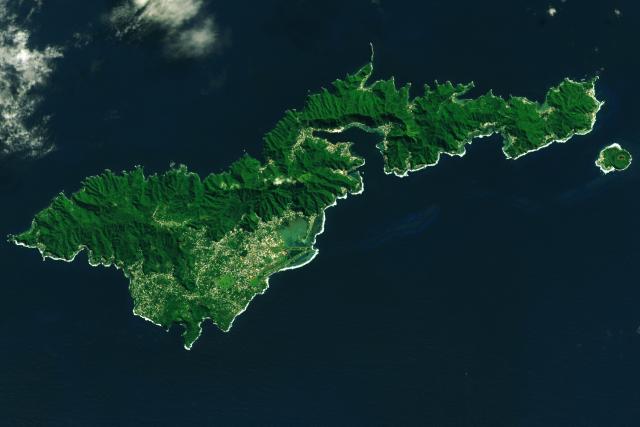
Tutuila Island, American Samoa
Volcanoes, rainforests, and reefs abound in this tropical U.S. territory.go.nasa.gov
M. Ocampo McIvor
in reply to NASA • • •