
#ISS
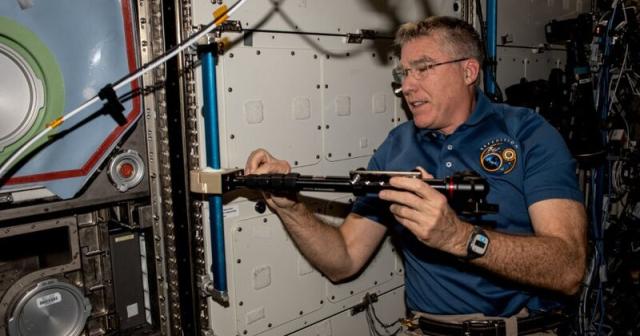
Payload Maintenance and Relocation, Robotics Session to End Week
It’s a jam-packed Friday for the Expedition 69 crew aboard the International Space Station. Ahead of their off-duty weekend, the crew moved payloads and stowage and two astronauts completed a second robotics practice session in preparation for next w…blogs.nasa.gov
Kick off the weekend with a relaxing view of the tranquil galaxy UGC 12295.
Shining in this new #HubbleFriday image, UGC 12295 is 192 million light-years away in the constellation Pisces.
Discover more about this image: go.nasa.gov/3rN4nFd
#Hubble
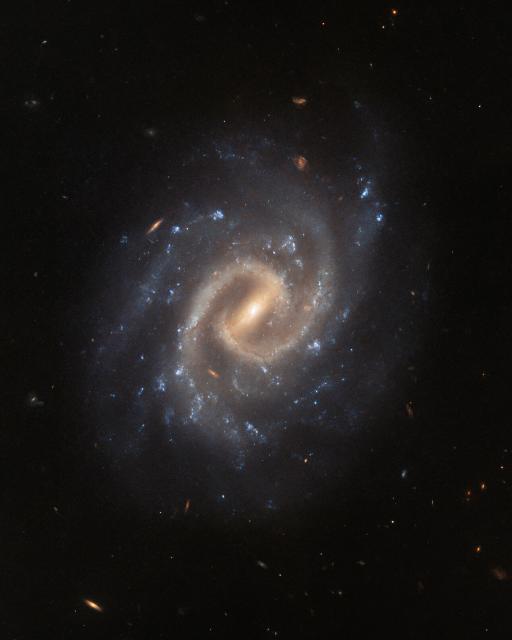
Hubble Peers at a Tranquil Galaxy
The tranquil spiral galaxy UGC 12295 basks leisurely in this image from the NASA/ESA Hubble Space Telescope.Andrea Gianopoulos (NASA)

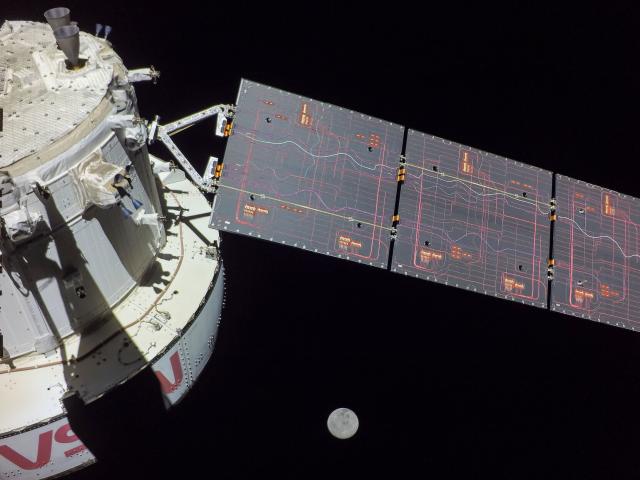
NASA Invites Media to See Recovery Craft for Artemis Moon Mission
Media are invited to see the new test version of NASA’s Orion spacecraft and the hardware teams will use to recover the capsule and astronauts upon their return from space during the Artemis II mission. The event will take place at 11 a.m.Claire O’Shea (NASA)
#PerseveranceRover
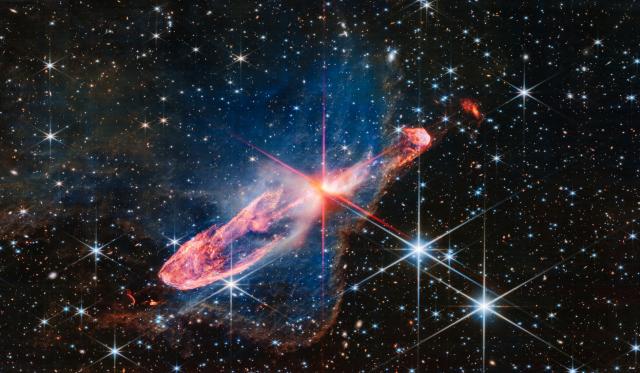
APOD: 2023 July 28 - Young Stars, Stellar Jets
A different astronomy and space science related image is featured each day, along with a brief explanation.apod.nasa.gov
Young Stars, Stellar Jets
Image Credit: NASA, ESA, CSA, Processing: Joseph DePasquale (STScI)
apod.nasa.gov/apod/ap230728.ht… #APOD

APOD: 2023 July 28 - Young Stars, Stellar Jets
A different astronomy and space science related image is featured each day, along with a brief explanation.apod.nasa.gov
The data from STAQS will complement new measurements from NASA’s TEMPO satellite, which measures hourly daytime air pollution over North America.
TEMPO launched in April 2023. 🛰️ go.nasa.gov/45586w6
#NASAEarth
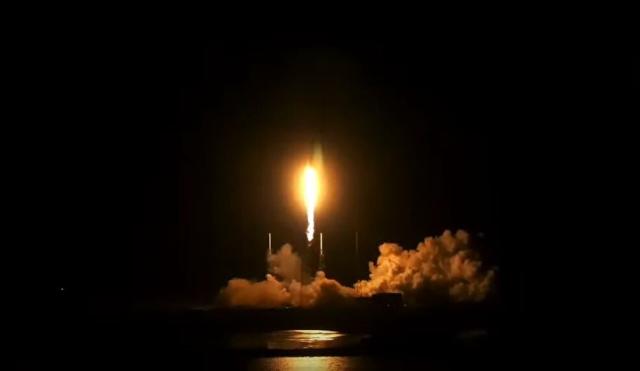
NASA’s High-Resolution Air Quality Control Instrument Launches
A NASA instrument to provide unprecedented resolution of monitoring major air pollutants – down to four square miles – lifted off on its way to geostationary orbit at 12:30 a.m. EDT Friday.Abbey Donaldson (NASA)
#NASAEarth
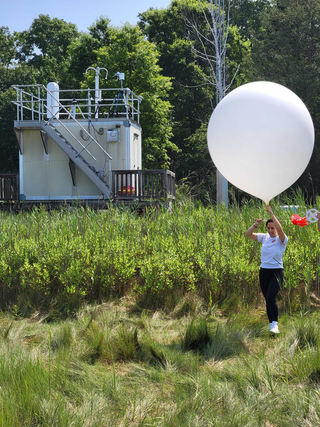
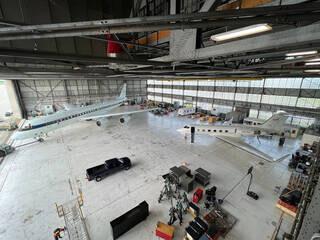
NASA-led Mission to Map Air Pollution in 3D Over Megacities
The STAQS mission is connecting air quality from space to skies to the streets of Chicago, New York, Toronto, and Los Angeles this summer.Jessica Evans (NASA)
From city street to stratosphere 🏙️🛫🛰️
This summer, @nasa’s STAQS mission is mapping air pollution in 3D across several megacities: New York City, Chicago, Los Angeles and Toronto. go.nasa.gov/3rQuStC
[Video embedded in original tweet]
#NASAEarth

NASA-led Mission to Map Air Pollution in 3D Over Megacities
The STAQS mission is connecting air quality from space to skies to the streets of Chicago, New York, Toronto, and Los Angeles this summer.Jessica Evans (NASA)

Argentina es el 28.º signatario de los Acuerdos de Artemis
En una ceremonia celebrada la Casa Rosada de Buenos Aires el jueves 27 de julio, Argentina se convirtió en el vigésimo octavo país en firmar los Acuerdos de Artemis.Roxana Bardan (NASA)

NASA Welcomes Argentina as Newest Artemis Accords Signatory
During a ceremony at the Casa Rosada in Buenos Aires on Thursday, July 27, Argentina became the 28th country to sign the Artemis Accords.Roxana Bardan (NASA)
#NASAExoplanets
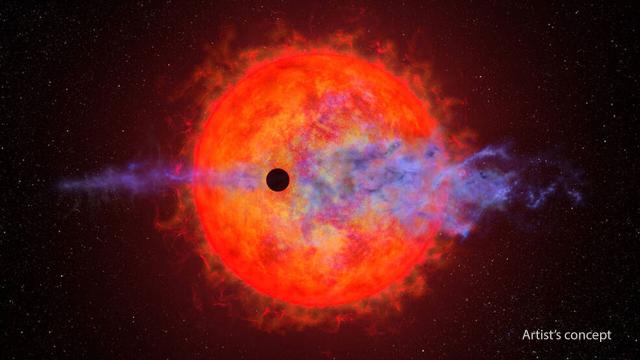
Hubble Sees Evaporating Planet Getting the Hiccups
A young planet whirling around a petulant red dwarf star is changing in unpredictable ways orbit-by-orbit.Andrea Gianopoulos (NASA)
Well, it just keeps going around and around and around like some gnat. So yeah, sooner or later you do want to swat the damned thing.

NASA Launches Beta Site; On-Demand Streaming, App Update Coming Soon
NASA is elevating its digital platforms for the benefit of all by revamping its flagship and science websites, adding its first on-demand streaming service, and upgrading the NASA app.Claire O’Shea (NASA)
Join experts from @NASAJPL, @NASAGoddard, and @ESA as they discuss dark matter & dark energy—two of the greatest mysteries of the universe.
With the recent launch of @ESA_Euclid and @NASARoman on the horizon, learn about what we’re looking forward to next.twitter.com/i/spaces/1djGXlNmD…
#NASA
LIVE: Our @NASAInterns are taking your questions!
Join us for a #NationalInternDay Reddit AMA: teddit.net/r/nasa/comments/15b…
#NASA
Hiccups happen to everyone... even planets.
Hubble observed an exoplanet orbiting so close to its parent star that it experiences a consistent, torrential blast of energy, which evaporates its hydrogen atmosphere – causing it to puff off the planet: go.nasa.gov/3OzYIvm
[Video embedded in original tweet]
#Hubble
Hubble Sees Evaporating Planet Getting the Hiccups
A young planet whirling around a petulant red dwarf star is changing in unpredictable ways orbit-by-orbit.Andrea Gianopoulos (NASA)
If a planet can get the hiccups, perhaps a planet can also catch a fever.
(Boy, it's hot outside!)
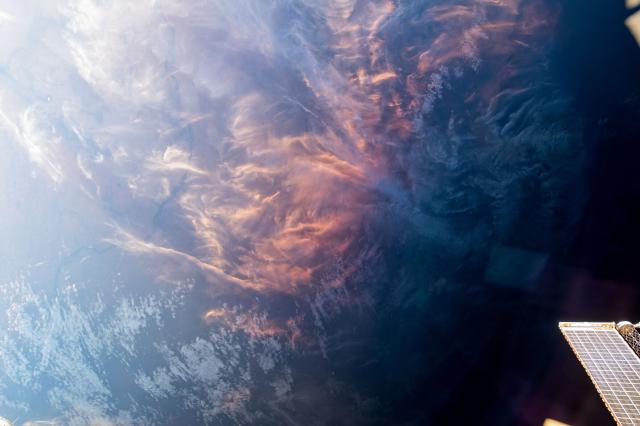
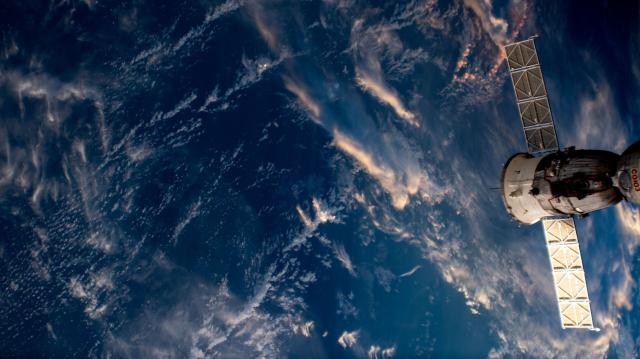
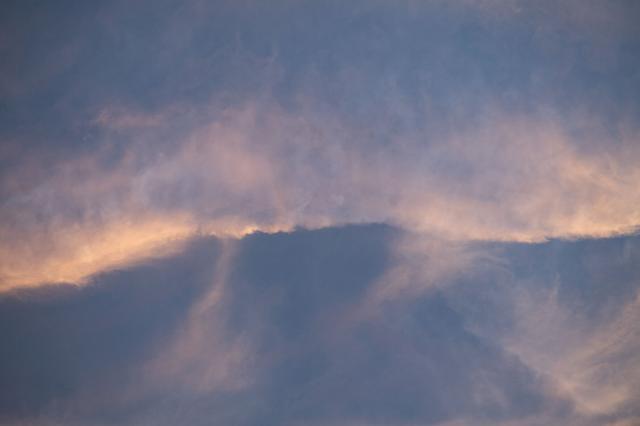
Clouds from above... ☁
Photos of pink and gold clouds hanging over oceans around the world were captured as the space station orbited roughly 260 miles overhead.
More of Earth from space: flic.kr/s/aHsmACYoYM
#ISS
Earth
Photographs of Earth taken by astronauts aboard the International Space Station.NASA Johnson (Flickr)
#ISS
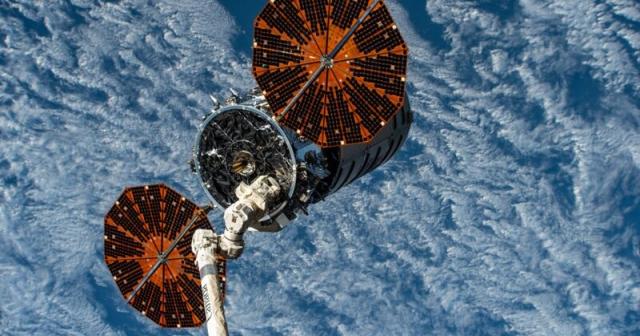
Astrobee Powered Off; Crew Completes Payload Maintenance and Preps for Upcoming Missions
The Expedition 69 crew members carried out more station maintenance activities today aboard the International Space Station as they gear up for a busy month of mission events in August.blogs.nasa.gov
If you're in parts of the Eastern Seabord, you might be able to see Cygnus lift off in person!
Here's when (and where) to look on Aug. 1, weather permitting: go.nasa.gov/3DuU6QP
#NASA
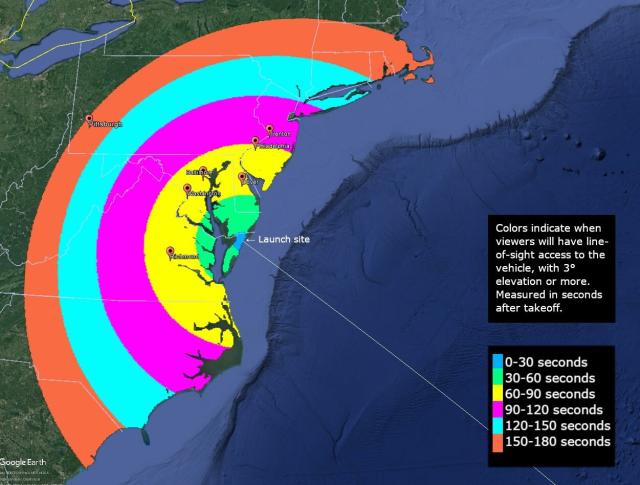
Watch the next Antares NASA Cargo Resupply Launch from Wallops
The next Antares launch is scheduled for 8:31 p.m. EDT, Tuesday, Aug. 1, from the Mid-Atlantic Regional Spaceport’s Pad 0A on Wallops Island, Virginia.Jamie Adkins (NASA)
The next cargo mission to the @Space_Station will launch from @NASA_Wallops in Virginia. Liftoff of @NorthropGrumman's uncrewed Cygnus spacecraft is set for Aug. 1 at 8:31pm ET (0031 UTC).
How to watch, from prelaunch to space station arrival: go.nasa.gov/3Qe2n2S
#NASA
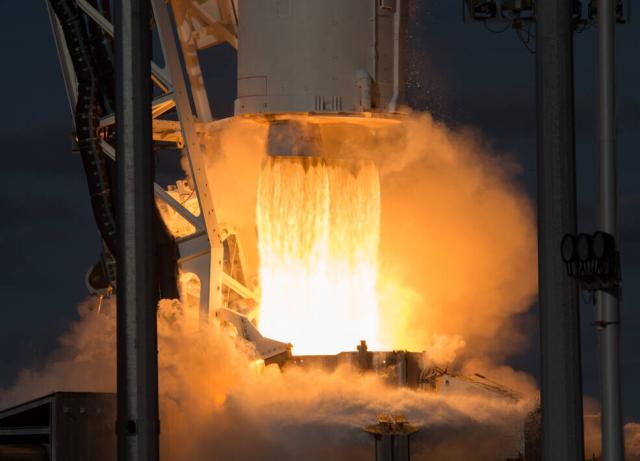
NASA Sets Coverage for Cargo Launch to International Space Station
NASA and commercial cargo provider Northrop Grumman are targeting 8:31 p.m. EDT, Tuesday, Aug. 1, for the launch of the company’s 19th resupply mission to the International Space Station from the agency’s Wallops Flight Facility in Virginia.Claire O’Shea (NASA)
#NASAEarth
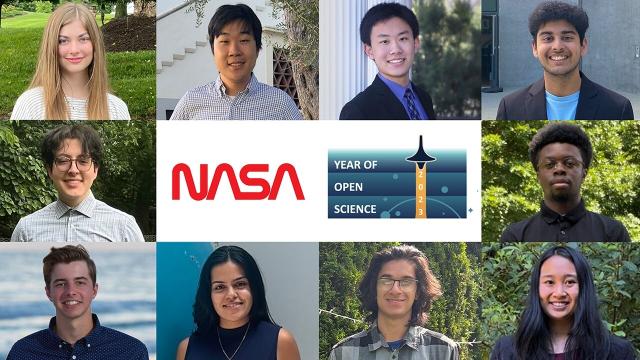

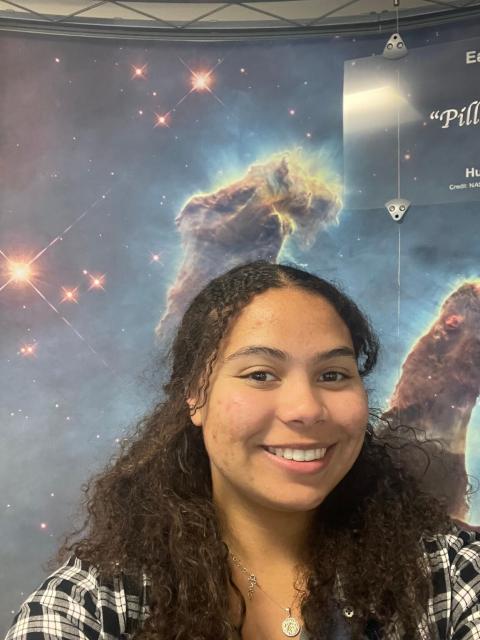

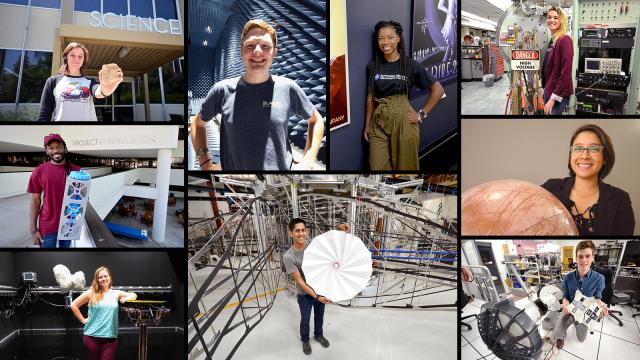
Happy #NationalInternDay!
@nasainterns help us answer questions in Earth science, communicate @nasa’s findings, and more. 🌍
Meet a few of our amazing 2023 interns 👇intern.nasa.gov/
#NASAEarth

Our #JunoMission is making ever closer passes by Jupiter’s moon Io. The spacecraft will take another look at the active, volcanic moon on July 30 – with even closer flybys to come. 🌋 missionjuno.swri.edu/news/nasa…
[Video embedded in original tweet]
#NASASolarSystem

NASA’s Juno Is Getting Ever Closer to Jupiter’s Moon Io - Mission Juno
NASA's Mission Juno will explore Jupiter, seeking to unlock secrets of the giant planet and our solar system.Mission Juno
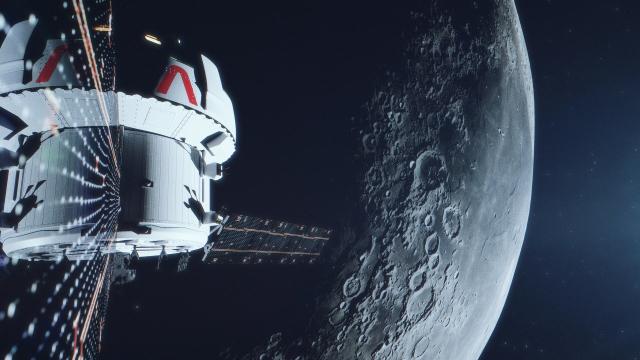
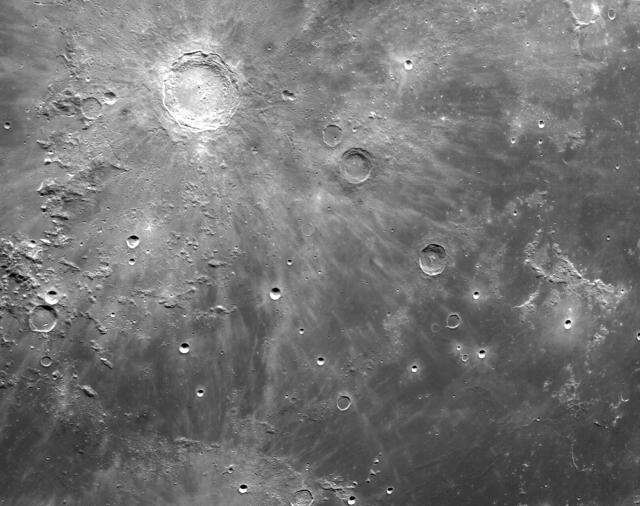
It's #NationalInternDay!
Our #NASAInterns have developed #Artemis mission animations, illustrated children's books about the future of space exploration, and become engineers and scientists helping plan future missions to the Moon and Mars.
Join us: intern.nasa.gov
#NASAArtemis #Artemis

Zelda: Oracle of Ages/Seasons arrives on Nintendo Switch Online
Nintendo has announced that The Legend of Zelda: Oracle of Ages and The Legend of Zelda: Oracle of Seasons are now available for Nintendo Switch Online subscribers.Jess Weatherbed (The Verge)
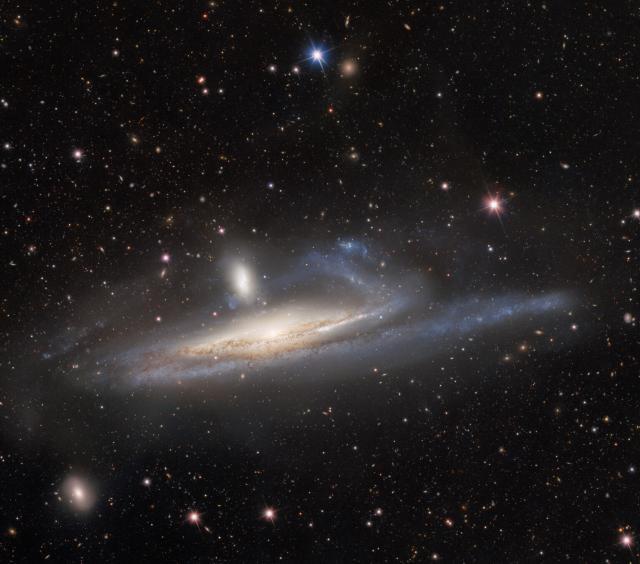
APOD: 2023 July 27 - Galaxies in the River
A different astronomy and space science related image is featured each day, along with a brief explanation.apod.nasa.gov
Galaxies in the River
Image Credit & License: CTIO/NOIRLab/DOE/NSF/AURA; R. Colombari, M. Zamani & D. de Martin (NSF’s NOIRLab)
apod.nasa.gov/apod/ap230727.ht… #APOD

APOD: 2023 July 27 - Galaxies in the River
A different astronomy and space science related image is featured each day, along with a brief explanation.apod.nasa.gov
Meet The Friend, up for any adventure and will always have your back. Check out the other Exoplaneteers and take our quiz to see which one you're most like: exoplanets.nasa.gov/exoplanete…
#NASAExoplanets

The Exoplaneteers | Explore – Exoplanet Exploration: Planets Beyond our Solar System
Four brave explorers, the Captain, the Brain, the Scout, and the Friend, find themselves flung onto different exoplanets. Separated by space, the Exoplaneteers search for signs of life, or friends, while facing the dangers of these strange worlds.Exoplanet Exploration: Planets Beyond our Solar System
#ISS
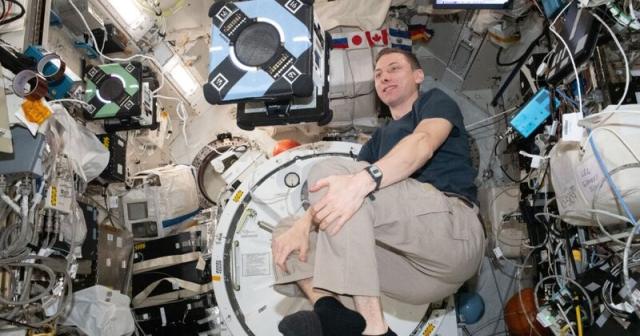
Astrobee Powered On, Safety Drills, and Health Measurements Top Today’s Schedule
Another round of safety training is underway today on the International Space Station. The Expedition 69 crew members were also tasked with robotic activities, ultrasound scans and station maintenance.blogs.nasa.gov
IC 4628: The Prawn Nebula
Image Credit & Copyright: Daniel Stern
apod.nasa.gov/apod/ap230726.ht… #APOD

APOD: 2023 July 26 – IC 4628: The Prawn Nebula
A different astronomy and space science related image is featured each day, along with a brief explanation.apod.nasa.gov
Replying to @NASAhistory
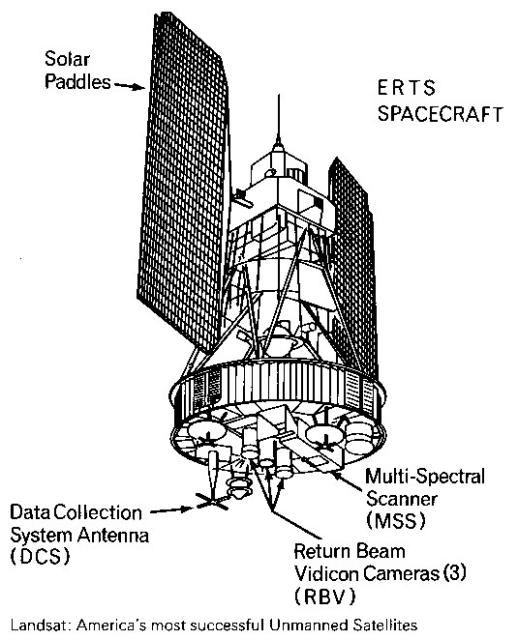
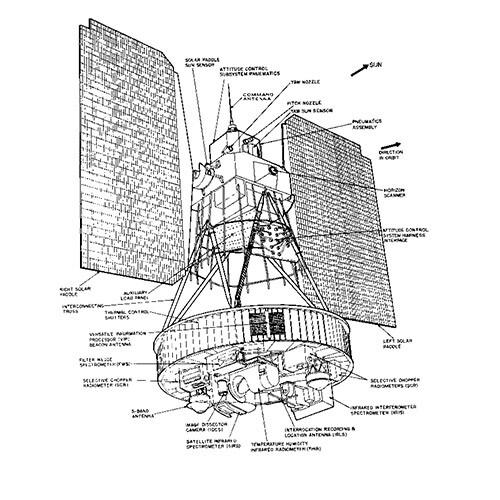
Clap your solar… uh… paddles? and head to the next trivia night if you guessed Nimbus 4!
#NASAhistory

8 Approaches to Find Yourself
Learn how to stop reacting to life, making up for the shadows of yesterday, and toiling for your tomorrow. See how to know yourself now.Margarita Tartakovsky, MS (Psych Central)
How do planets get their names? Aside from Earth, planets in our solar system were named after ancient gods. Today, the job of naming falls to the International Astronomical Union, the internationally recognized authority for naming celestial bodies. solarsystem.nasa.gov/planets/
[Video embedded in original tweet]
#NASASolarSystem
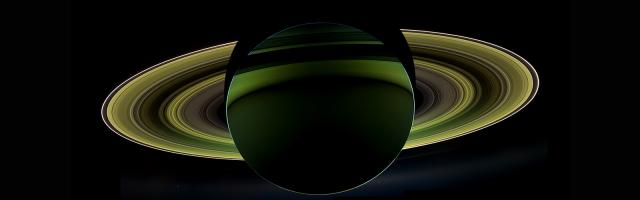
Planets
There are more planets than stars in our galaxy. We've discovered thousands of planets orbiting distant stars, but it all started with the worlds orbiting our star — the Sun. he current lineup includes eight planets.NASA Solar System Exploration
#NASAMars
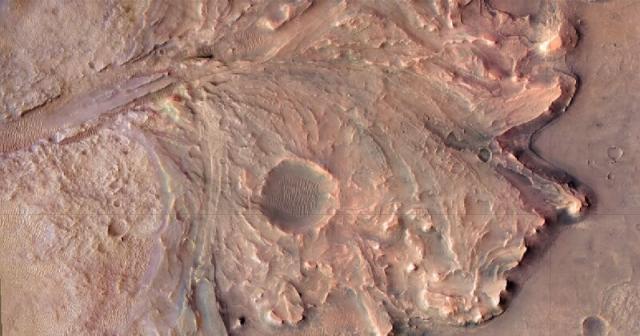
Why – and How – NASA Gives a Name to Every Spot It Studies on Mars
Martian maps are full of monikers recognizing places on Earth, explorers, and even cartoon characters.NASA Mars Exploration

NASA Awards $14 Million to Universities for Supportive STEM Efforts
NASA is investing more than $14 million in 19 U.S. colleges and universities to grow their STEM capacity to participate in critical spaceflight research and prepare a new generation of diverse students for careers in the nation's science, technology,…Claire O’Shea (NASA)
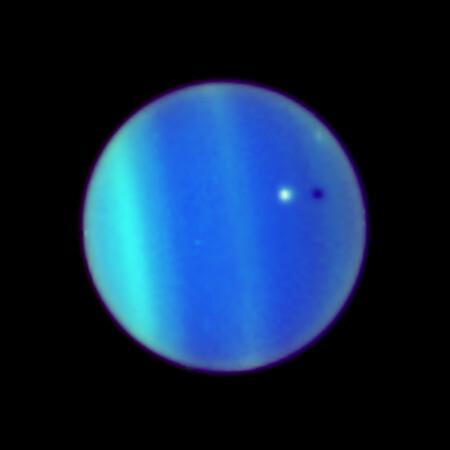
Taken #OTD in 2006, this Hubble shot shows a rare eclipse on Uranus!
The shadow of one of the planets' icy moons, Ariel, is seen on the surface. Ariel is the tiny white dot near the center of the planet.
Find out more about this astronomical alignment: go.nasa.gov/43DulbD
#Hubble
#NASA
Media Briefing: Update on NASA, DARPA Nuclear Rocket Program
NASA and Defense Advanced Research Projects Agency (DARPA) experts answer media questions about the latest update on the DRACO (Demonstration Rocket for Agil...YouTube
Rai Aren 🖖✨📚🇺🇦
in reply to NASA • • •