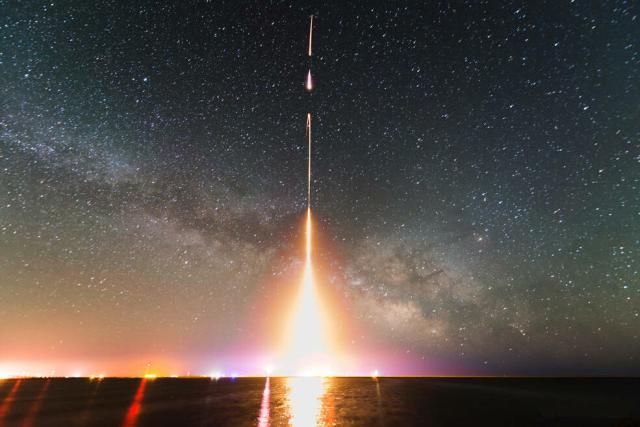
#OTD in 2014, @nasa announced that data from the Cosmic Infrared Background Experiment (CIBER) showed that the dark space between galaxies is brighter than we once thought! Learn about the potential source of the surplus infrared light here: go.nasa.gov/3E2q5cb #NASAhistorynitter.net/NASAhistory/status/…
A NASA sounding rocket experiment has detected a surprising surplus of infrared light in the dark space between galaxies, a diffuse cosmic glow as bright as all known galaxies combined.
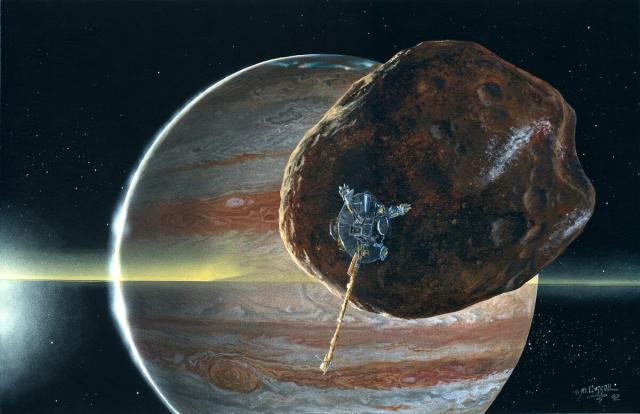
Galileo's Farewell Tour 👋 #OTD in 2002, the Galileo spacecraft flew by Jupiter's moon Amalthea marking the probe's last moon flyby. What it discovered about the red, irregularly-shaped moon was a surprise: Amalthea is a pile of icy rubble! Read more: go.nasa.gov/3fk3BJW #NASAhistorynitter.net/NASAhistory/status/…
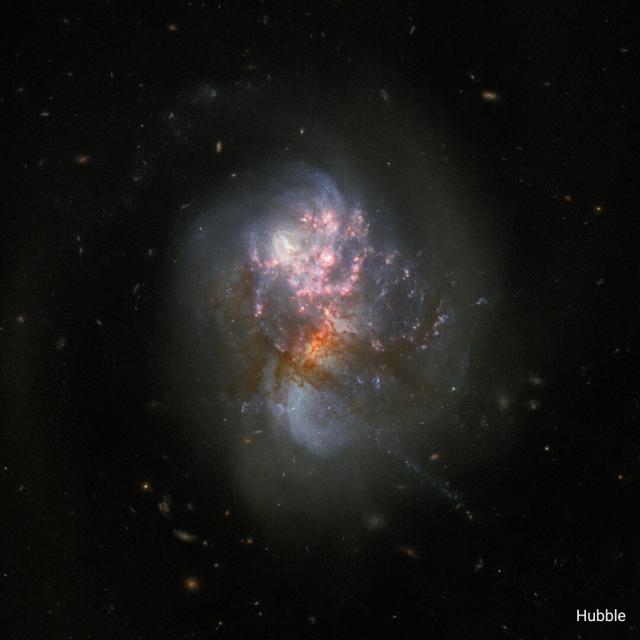
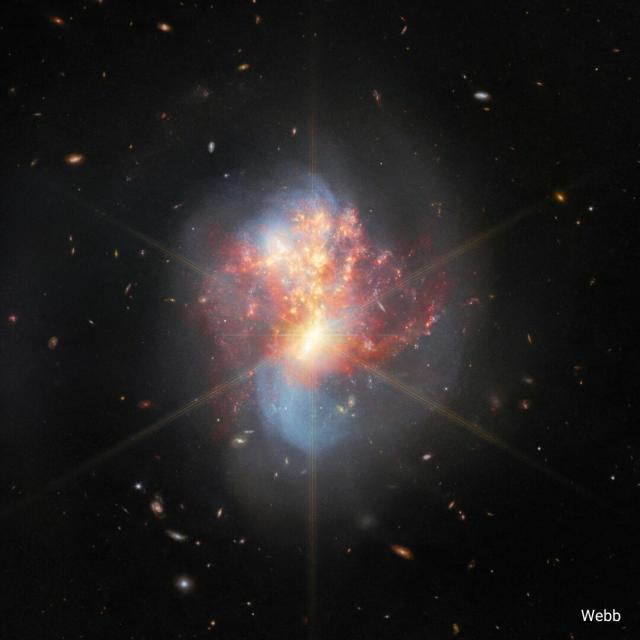
Time for a cosmic crossover! Two galaxies collectively known as IC 1623 are seen merging together by Hubble (left) and @NASAWebb (right). Their collision has ignited a frenzy of starbirth: go.nasa.gov/3FfbZoM Why do these views look different? ⬇️ #Hubblenitter.net/NASAHubble/status/1…
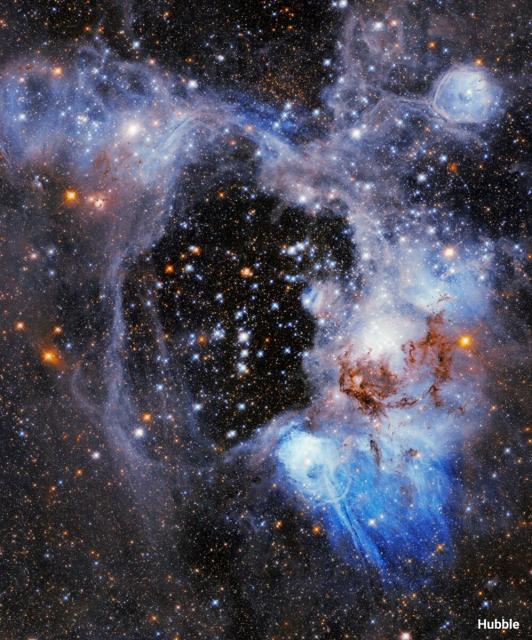
An X-cellent composite with @ChandraXRay! These images show the nebula N44, which is full of glowing hydrogen gas, dark lanes of dust, and massive stars. One of its most distinctive features is the dark, starry gap near the middle called a “superbubble.” #Hubblenitter.net/NASAHubble/status/1…
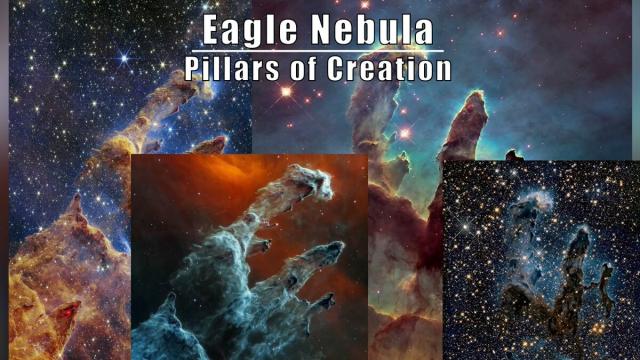
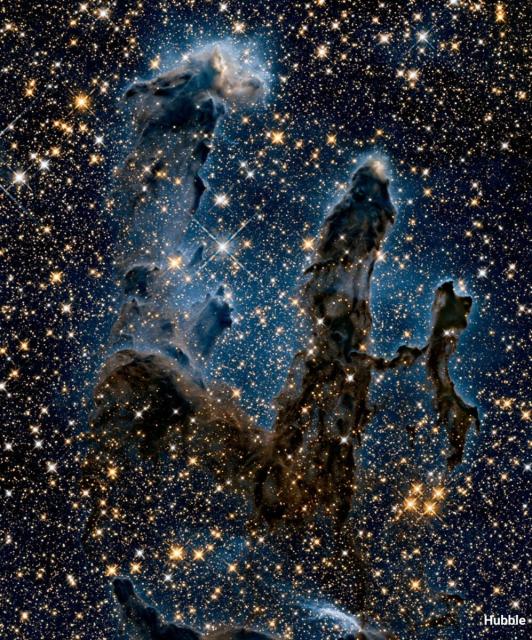
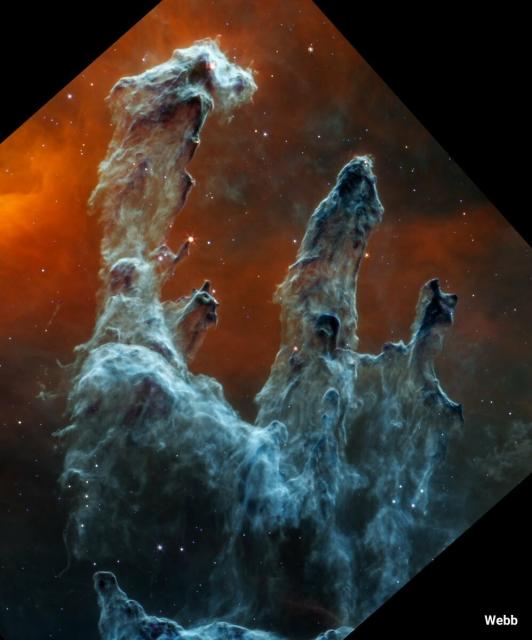
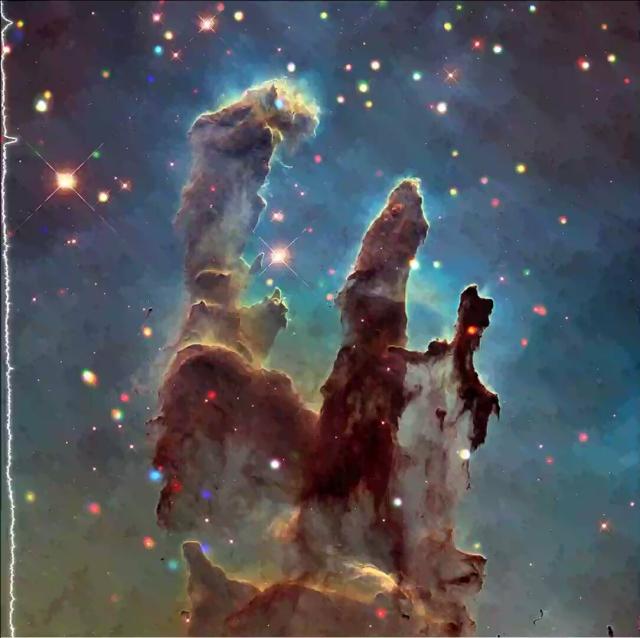
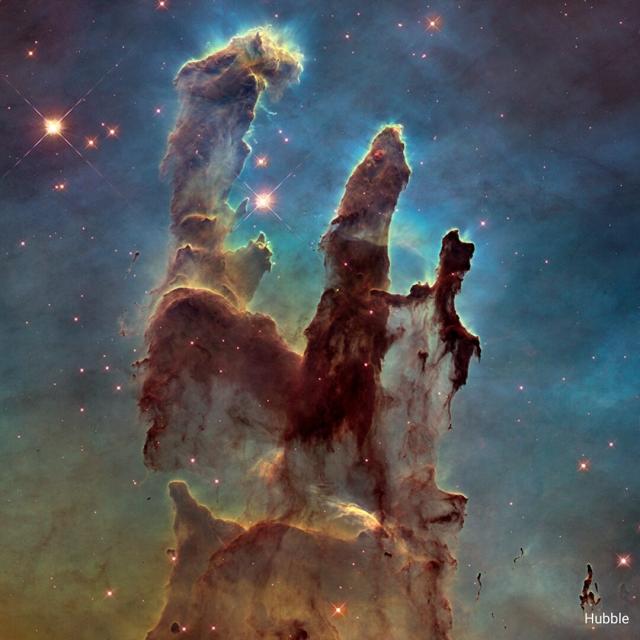
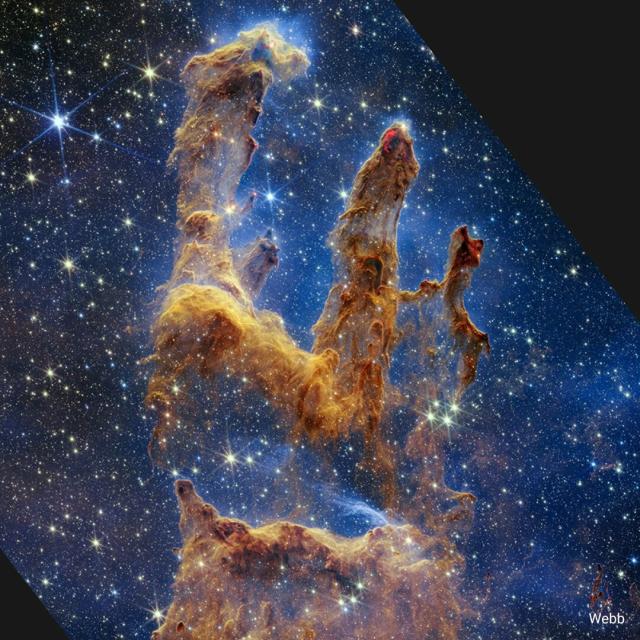
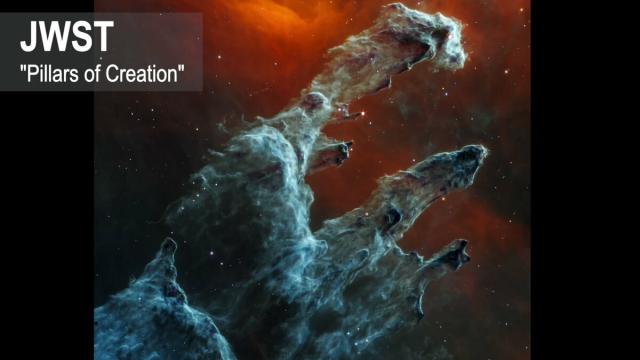
Twice the telescopes = twice as iconic 🤩 Take in these views from Hubble and @NASAWebb, all featuring the star-forming region known as the Pillars of Creation. Both telescopes see in different wavelengths of light, so working together, we get a broader view of these pillars! #Hubblenitter.net/NASAHubble/status/1…
Near-infrared 🤝 Mid-infrared These Hubble and @NASAWebb views of the Pillars of Creation demonstrate how looking at the same cosmic object in different wavelengths of light can unveil different features: go.nasa.gov/3U4EmKh More ⬇️ #Hubblenitter.net/NASAHubble/status/1…
NASA’s James Webb Space Telescope using its Mid-Infrared Instrument (MIRI) camera has snapped this eerie, extremely dusty view of the Pillars of Creation in mid-infrared light – showing us a new view of a familiar landscape.
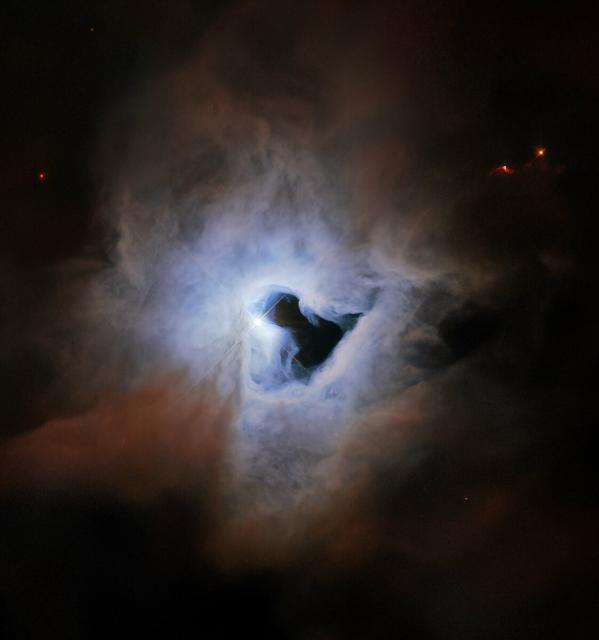
Peer into this cosmic keyhole! This #HubbleFriday showcases NGC 1999, a reflection nebula located 1,350 light-years from Earth. The nebula is quite literally composed of stardust: the leftover dust and gas from a newborn star! Read more: go.nasa.gov/3fiNY5G #Hubblenitter.net/NASAHubble/status/1…
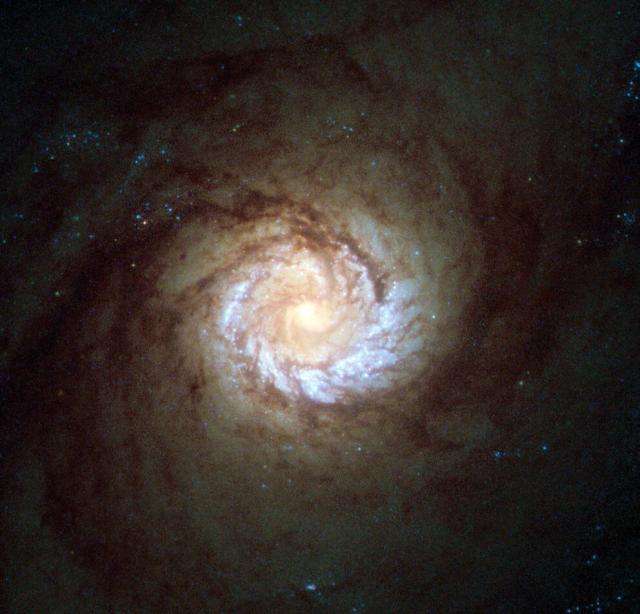
Welcome to a “starburst galaxy”! 🌟 Seen in this #HubbleClassic view, M61 earned this title due to its incredibly high rate of star formation. M61 is located about 55 million light-years away in the constellation Virgo: go.nasa.gov/3DoOKar #Hubblenitter.net/NASAHubble/status/1…
Discovered in 1779 by the Italian astronomer Barnaba Oriani, M61 is a barred spiral galaxy located in the constellation Virgo. Charles Messier noticed it on the same night as Oriani, but he mistook the galaxy for a passing comet.
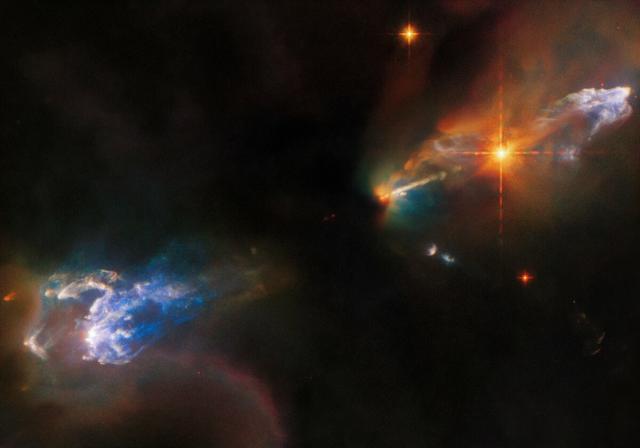
These two cosmic objects bring double trouble for #HubbleFriday! The pair of glowing clumps are Herbig-Haro objects 1,250 light-years away. They were created when jets of gas from newborn stars collided with surrounding gas and dust at breakneck speed: go.nasa.gov/3z1SD2x #Hubblenitter.net/NASAHubble/status/1…
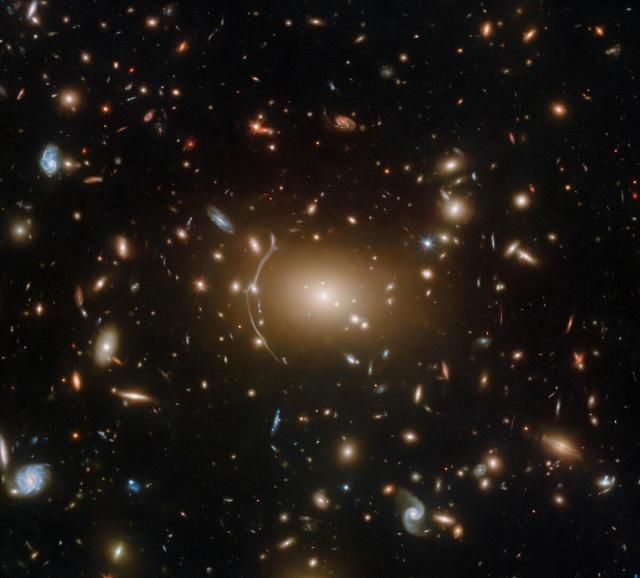
Cosmic cobwebs?! 🕸️ Not quite. But this web of galaxies known as Abell 611 is held together by a mysterious force – dark matter, which astronomers believe makes up most of our universe. Find out more: go.nasa.gov/3SPUNJI #HappyHalloween from Hubble! #Hubblenitter.net/NASAHubble/status/1…
Nowadays, all galaxies and galaxy clusters are thought to be dominated by dark matter — an elusive quantity whose nature astronomers are still working to determine. Abell 611, the glowing galaxy cluster shown in this Hubble image, is no exception.
Look familiar? 👀 This iconic shot shows the Pillars of Creation, a star-forming region within the Eagle Nebula. Beyond looking at it, we can also listen to it! Scientists assign sound to data to give us a new way of understanding the image: nasa.gov/content/explore-from-… #Hubblenitter.net/NASAHubble/status/1…
NASA.gov brings you the latest images, videos and news from America's space agency. Get the latest updates on NASA missions, watch NASA TV live, and learn about our quest to reveal the unknown and benefit all humankind.
What better way to mark #NewFriendsDay than with this new view? One of Hubble’s most iconic shots now has a complementary companion from our friend @NASAWebb! This star-forming region is known as the Pillars of Creation, and shows a small region of the Eagle Nebula. #Hubblenitter.net/NASAHubble/status/1…
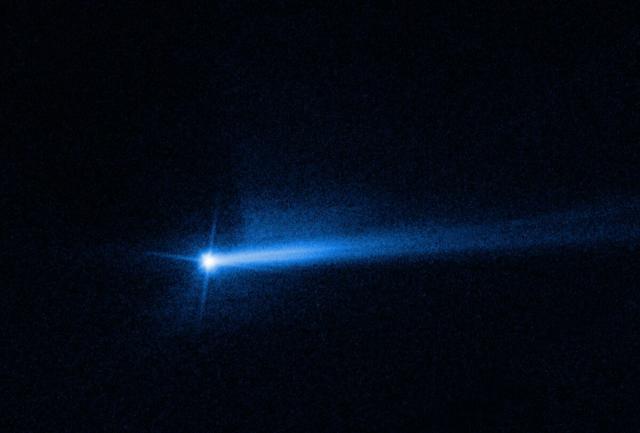
New #DARTMission image just dropped! Last month, @nasa crashed a spacecraft into a non-threatening asteroid in a test of planetary defense. This new Hubble image shows a surprising update – two tails of dust ejecting from the impacted asteroid system: go.nasa.gov/3TBEjp7 #Hubblenitter.net/NASAHubble/status/1…
Follow-up DART observations from NASA’s Hubble Space Telescope are already revealing the clearest image of a stunning surprise – a newly developed second tail of ejecta.
NASA.gov brings you the latest images, videos and news from America's space agency. Get the latest updates on NASA missions, watch NASA TV live, and learn about our quest to reveal the unknown and benefit all humankind.
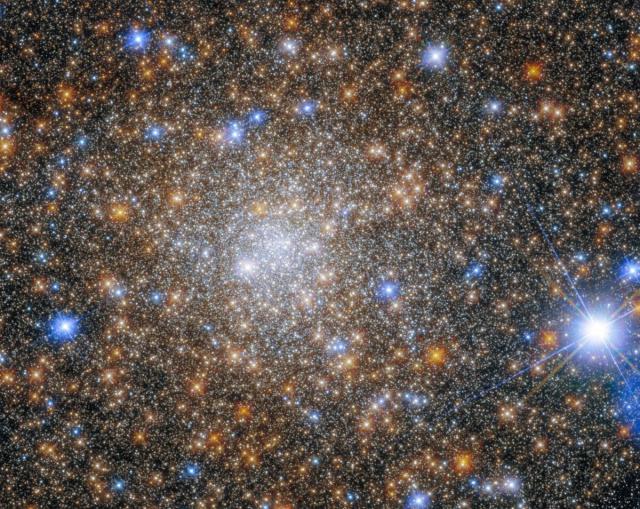
What’s more beautiful than a star? A whole cluster of them! This #HubbleFriday image shows Terzan 1, a globular cluster about 22,000 light-years away. Globular clusters are roughly spherical groups of stars bound together by gravity: go.nasa.gov/3EExhM3 #Hubblenitter.net/NASAHubble/status/1…
This image taken with the NASA/ESA Hubble Space Telescope shows Terzan 1, a globular cluster that lies about 22,000 light-years from Earth in the constellation Scorpius.
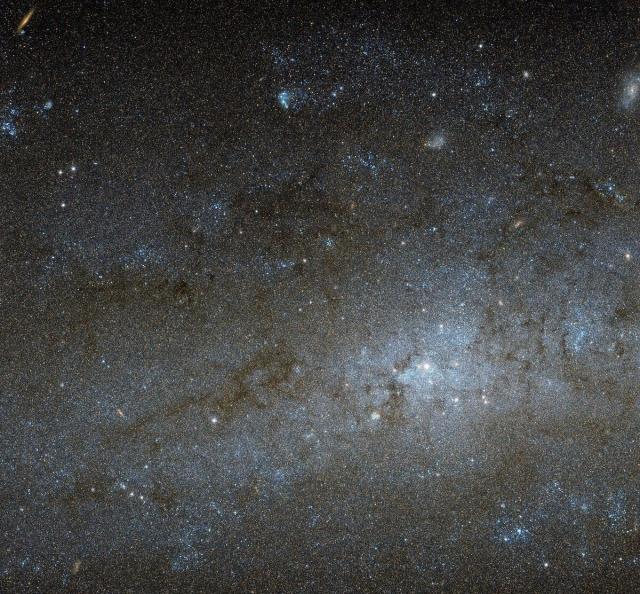
Needle’s Eye Galaxy 🪡 This #HubbleClassic view unveils a galaxy about 11 million light-years away from us. It earned its nickname because one end of the galaxy is strangely empty of stars (not seen in this image of the starry center): go.nasa.gov/3eI55gP #Hubblenitter.net/NASAHubble/status/1…
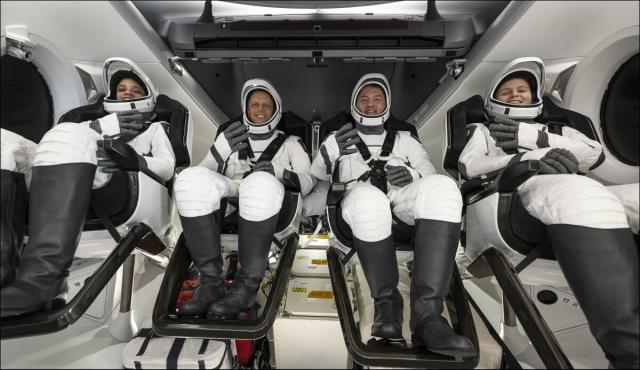
Welcome home! Crew-4 NASA astronauts @astro_watkins, @astro_farmerbob, @astro_kjell, and @ESA’s @AstroSamantha are seen inside the @SpaceX Crew Dragon Freedom after splashdown off the coast of Florida. Check back for more images 📷: flic.kr/s/aHBqjAb7MB #NasaHQPhotonitter.net/nasahqphoto/status/…
Exoplanets are so far away that the most common methods to find them involve looking at their host stars. That can make finding small planets similar to Earth even more challenging. Soon, astronomers will have a new planet-finding tool! bit.ly/3EmlO3a #NASAExoplanetsnitter.nicfab.eu/NASAExoplanet…
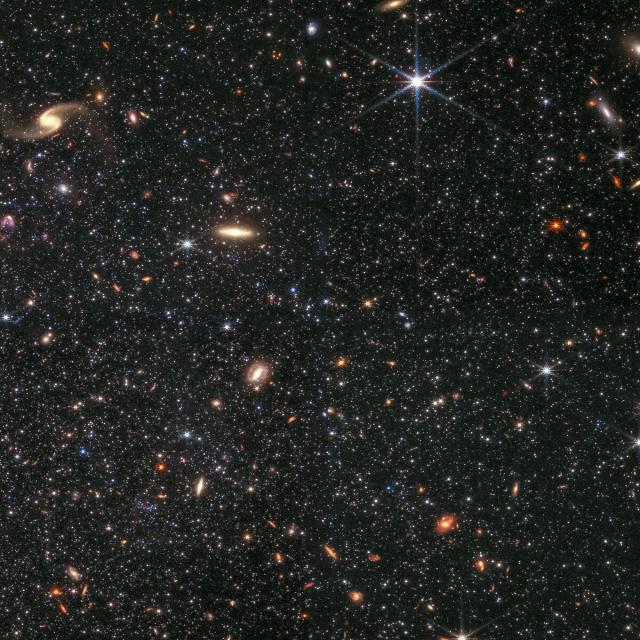
Foreground stars & background galaxies💫 Imagine standing on a faraway planet and looking up. This new @NASAWebb image reveals myriad stars of different colors, sizes, temperatures and stages of evolution. Individual galaxies form the background. go.nasa.gov/3hnt4Tv #NASAExoplanetsnitter.nicfab.eu/NASAExoplanet…
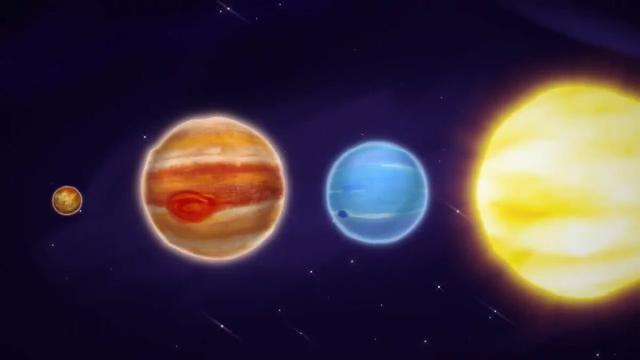
We asked you to pick your favorite exoplanet type and it wasn't even close. Let's hear it for super-Earths! Planets between twice Earth's size and Neptune are common in our galaxy, but there's nothing like them in our solar system! go.nasa.gov/3UFJrcy #NASAExoplanetsnitter.nicfab.eu/NASAExoplanet…
Super-Earths – a class of planets unlike any in our solar system – are more massive than Earth yet lighter than ice giants like Neptune and Uranus, and can be made of gas, rock or a combination.
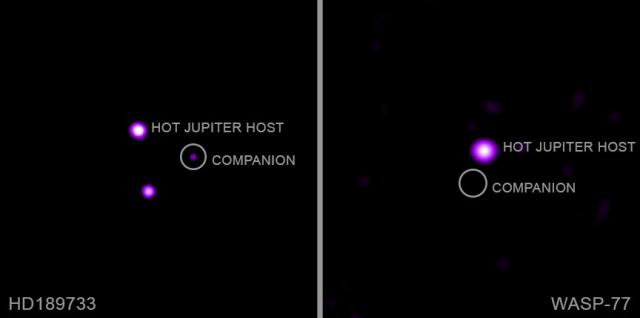
An international study found that stars with close exoplanets appeared younger than companion stars without planets. Space telescopes @chandraxray and @ESA_XMM teamed up to observe binary (two-star) systems to see the effect in X-ray light. go.nasa.gov/3ftv1x3 #NASAExoplanetsnitter.nicfab.eu/NASAExoplanet…
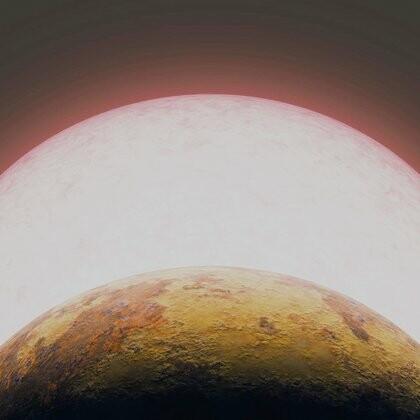
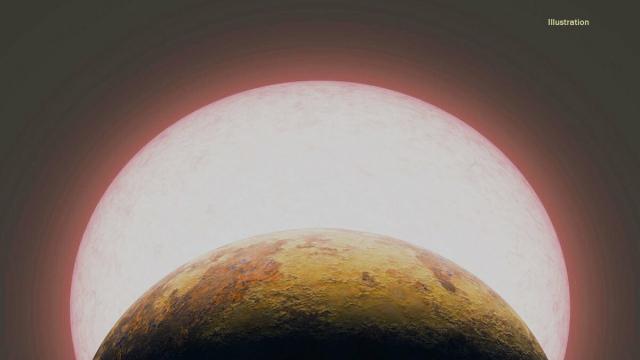
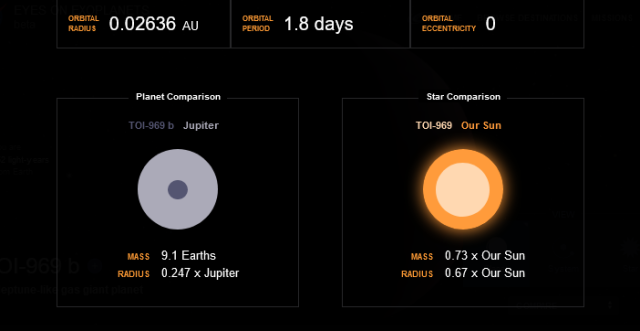
Discovery Alert!📣 A super-Earth is one of the most massive of this type found so far. Stand on its higher-gravity surface and you would certainly feel it -- you’d be about three times your weight on Earth. A year there, one orbit, is less than 15 hours. go.nasa.gov/3UGGMiM #NASAExoplanetsnitter.nicfab.eu/NASAExoplanet…
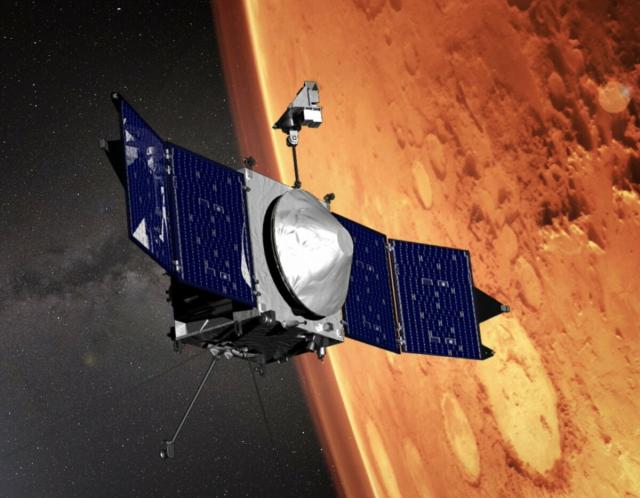
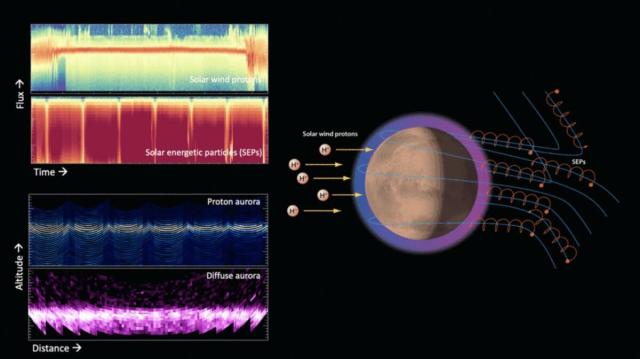
Our MAVEN orbiter has observed a Martian light show caused by a major solar storm – and there could be more to come. The findings inform space weather forecasting, which is critical to protect current and future missions at the Red Planet. More: go.nasa.gov/3NRt4XU #NASAMarsnitter.net/NASAMars/status/159…
For the first time in its eight years orbiting Mars, NASA’s MAVEN mission witnessed two different types of ultraviolet aurorae simultaneously, the result of solar storms that began on Aug. 27.
About 250 light-years from Earth, two planets orbiting a K-type star smaller than our Sun join our list of confirmed exoplanets. One is a hot mini-Neptune and the other is an eccentric cold Jupiter. This brings us to 5,197 planets beyond our solar system! go.nasa.gov/3TgPpPK #NASAExoplanetsnitter.nicfab.eu/NASAExoplanet…
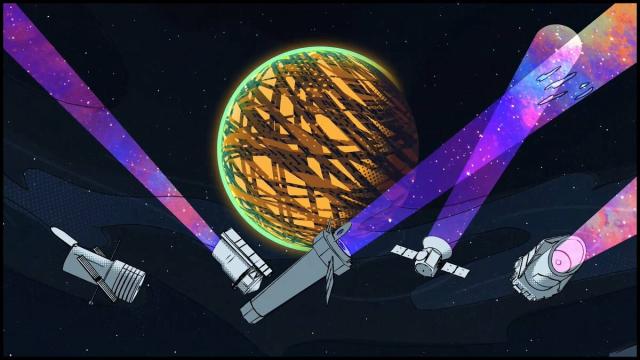
Space telescopes allow us to travel the universe as explorers. Each observes in a different range, a superpower, if you will. This allows their data to fit together and offer a more complete picture. See how they team up: go.nasa.gov/3T49GIp #NASAExoplanetsnitter.nicfab.eu/NASAExoplanet…
A superhero team of space telescopes has been working tirelessly to discover exoplanets and unveil their secrets. Now, a new superhero joins the team—the James Webb Space Telescope. What will it find?
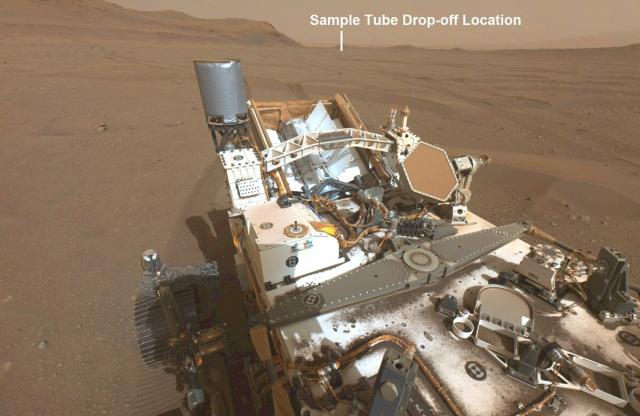
The @NASAPersevere rover will establish the first sample depot on Mars. Part of a joint @nasa/@ESA campaign to return the first samples from another planet to Earth, the depot will be located near the base of an ancient river delta in Jezero Crater. go.nasa.gov/3SKB662 #NASAMarsnitter.net/NASAMars/status/158…
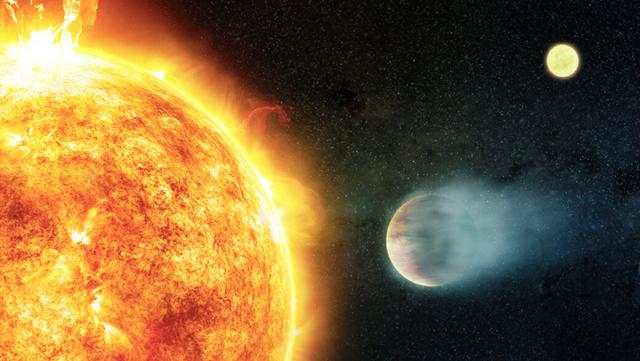
What helps keep a star acting young?🌟 New research shows it might be a hot Jupiter! Young stars put out more X-rays. Researchers observed more of this activity in stars with a nearby exoplanet. This may be the best evidence yet of this anti-aging effect. go.nasa.gov/3ftv1x3 #NASAExoplanetsnitter.nicfab.eu/NASAExoplanet…
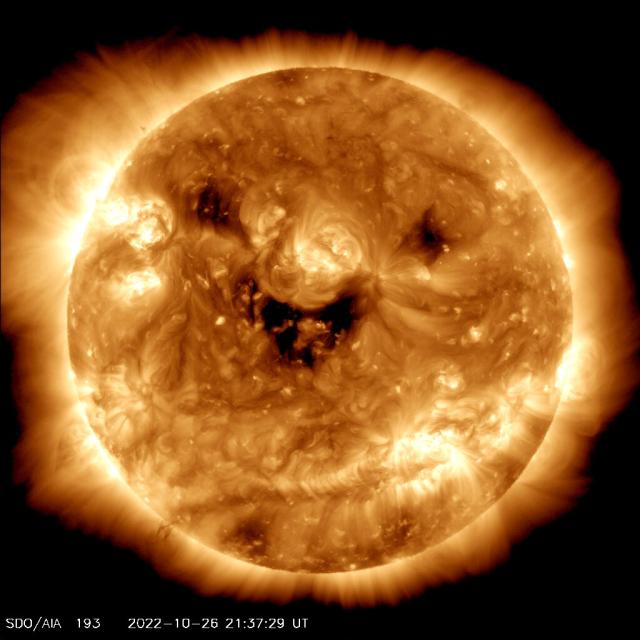
Why is our Sun smiling? We think its because of all the planets it has, but it might just be coronal holes seen in ultraviolet light. (Regions where fast solar wind gushes into space.) We do know of another star with 8 planets, and that makes *us* smile: go.nasa.gov/3FQucZQ #NASAExoplanetsnitter.nicfab.eu/NASAExoplanet…
Our solar system now is tied for most number of planets around a single star, with the recent discovery of an eighth planet circling Kepler-90, a Sun-like star 2,545 light years from Earth.
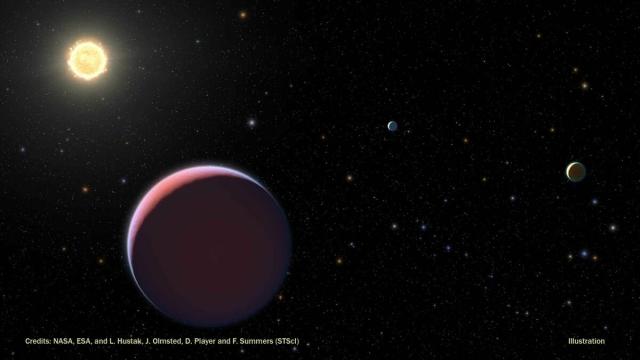
The planets beyond our solar system, exoplanets, are mysterious wonders. There are super puffy cotton-candy planets, and a world with the consistency of a marshmallow was recently discovered. Sweet! Tour our favorites: go.nasa.gov/3zyNaAr #NASAExoplanetsnitter.nicfab.eu/NASAExoplanet…



DrAliMonty
in reply to NASA • • •woah, they look like dementors ... riding horses!
So very cool.