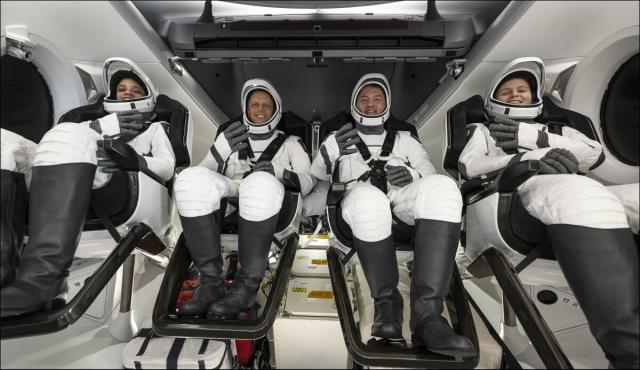
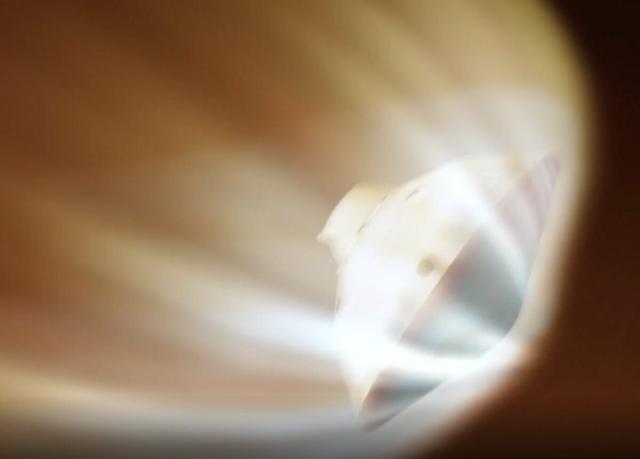
Welcome home! Crew-4 NASA astronauts @astro_watkins, @astro_farmerbob, @astro_kjell, and @ESA’s @AstroSamantha are seen inside the @SpaceX Crew Dragon Freedom after splashdown off the coast of Florida. Check back for more images 📷: flic.kr/s/aHBqjAb7MB #NasaHQPhotonitter.net/nasahqphoto/status/…
Exoplanets are so far away that the most common methods to find them involve looking at their host stars. That can make finding small planets similar to Earth even more challenging. Soon, astronomers will have a new planet-finding tool! bit.ly/3EmlO3a #NASAExoplanetsnitter.nicfab.eu/NASAExoplanet…
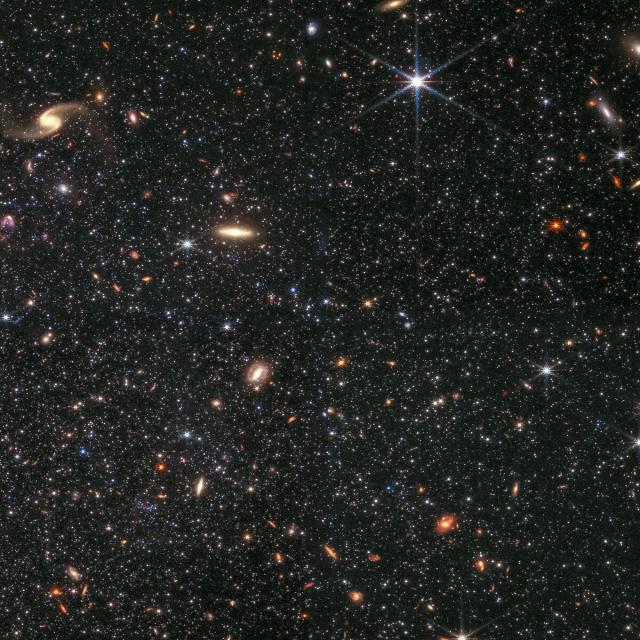
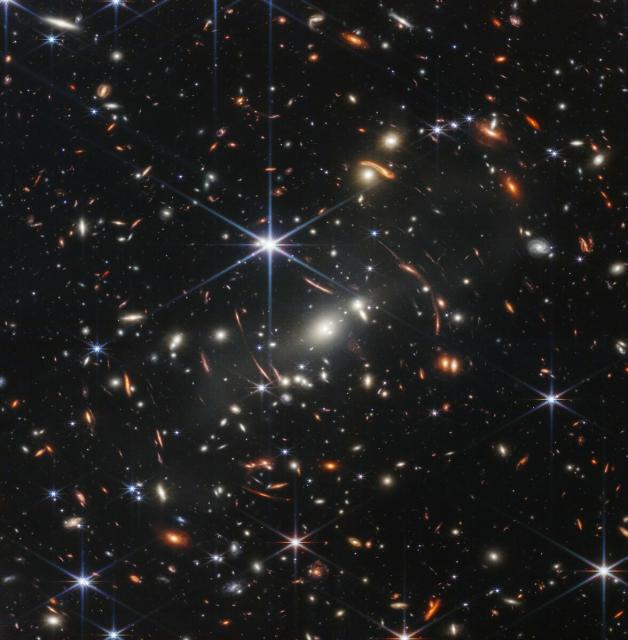
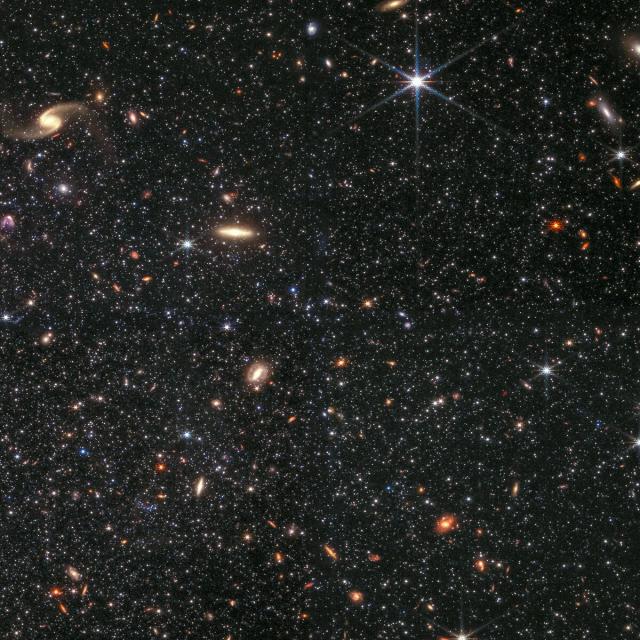
Foreground stars & background galaxies💫 Imagine standing on a faraway planet and looking up. This new @NASAWebb image reveals myriad stars of different colors, sizes, temperatures and stages of evolution. Individual galaxies form the background. go.nasa.gov/3hnt4Tv #NASAExoplanetsnitter.nicfab.eu/NASAExoplanet…
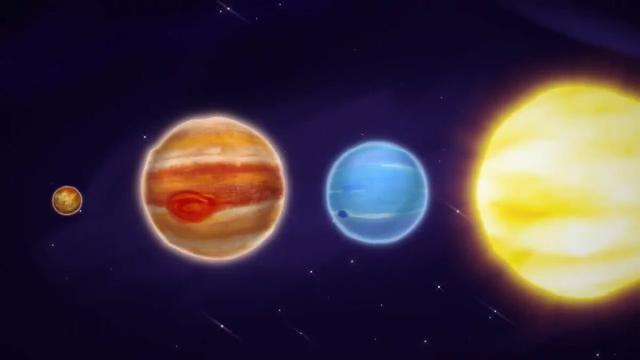
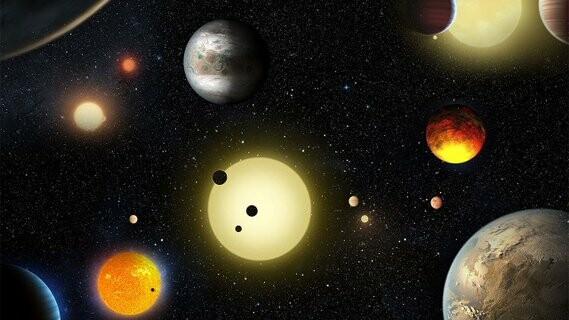
We asked you to pick your favorite exoplanet type and it wasn't even close. Let's hear it for super-Earths! Planets between twice Earth's size and Neptune are common in our galaxy, but there's nothing like them in our solar system! go.nasa.gov/3UFJrcy #NASAExoplanetsnitter.nicfab.eu/NASAExoplanet…
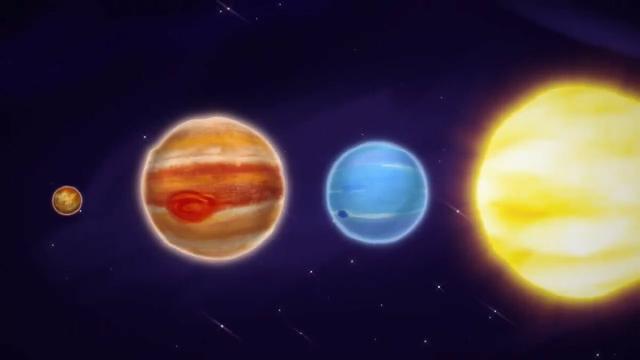
Super-Earths – a class of planets unlike any in our solar system – are more massive than Earth yet lighter than ice giants like Neptune and Uranus, and can be made of gas, rock or a combination.
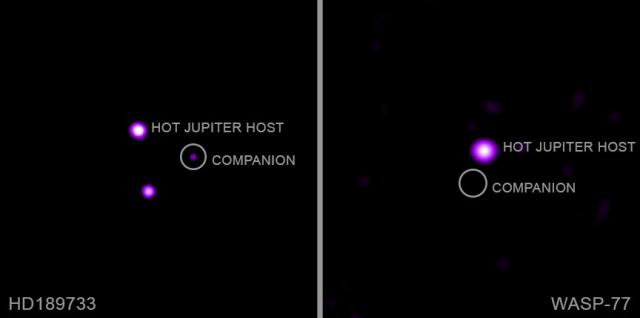
An international study found that stars with close exoplanets appeared younger than companion stars without planets. Space telescopes @chandraxray and @ESA_XMM teamed up to observe binary (two-star) systems to see the effect in X-ray light. go.nasa.gov/3ftv1x3 #NASAExoplanetsnitter.nicfab.eu/NASAExoplanet…
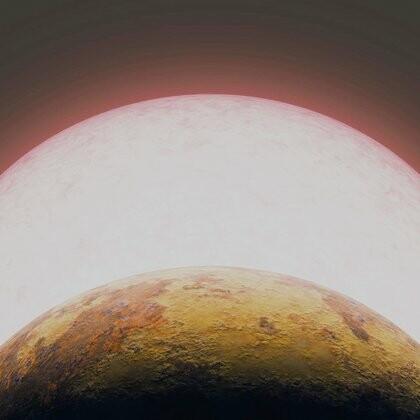
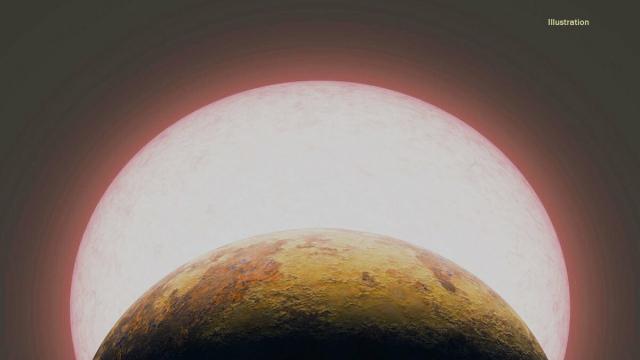
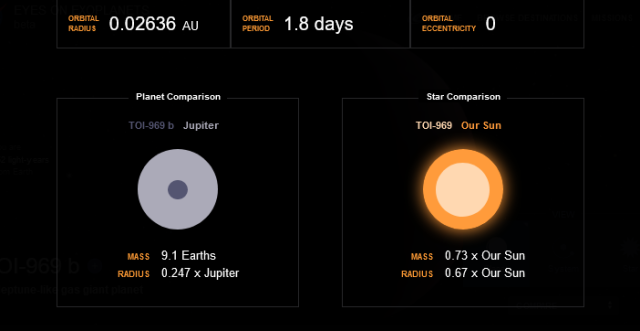
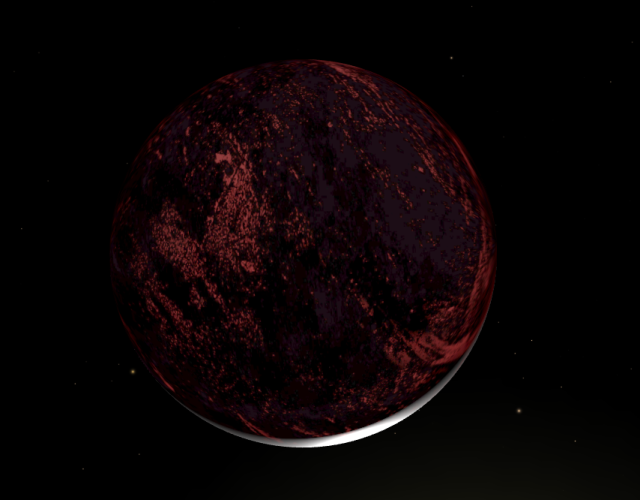
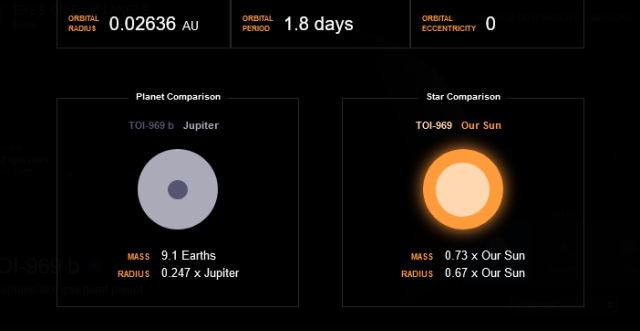
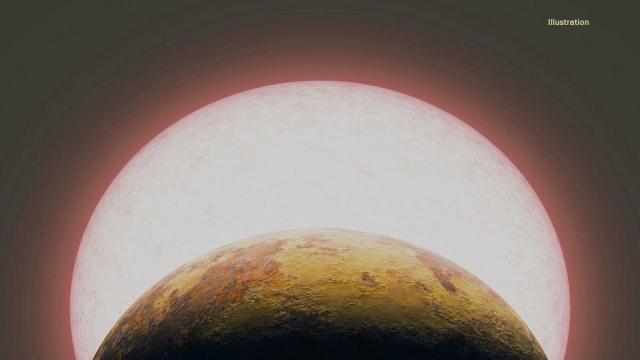
Discovery Alert!📣 A super-Earth is one of the most massive of this type found so far. Stand on its higher-gravity surface and you would certainly feel it -- you’d be about three times your weight on Earth. A year there, one orbit, is less than 15 hours. go.nasa.gov/3UGGMiM #NASAExoplanetsnitter.nicfab.eu/NASAExoplanet…
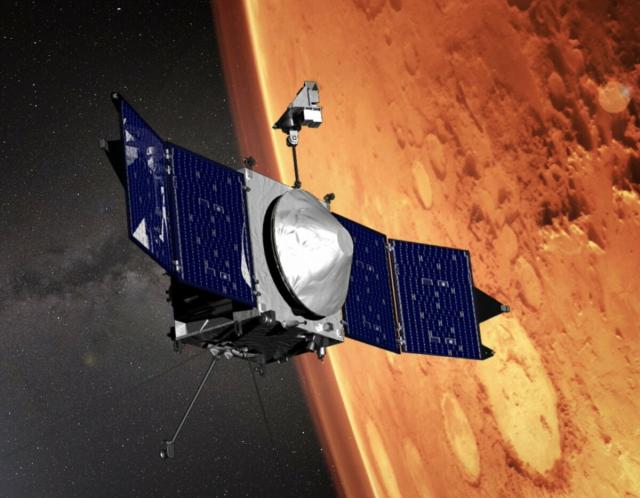
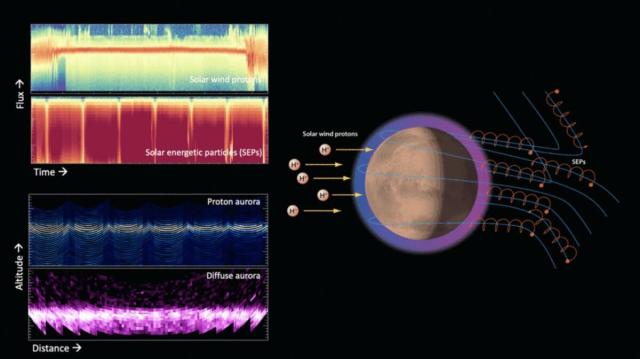
Our MAVEN orbiter has observed a Martian light show caused by a major solar storm – and there could be more to come. The findings inform space weather forecasting, which is critical to protect current and future missions at the Red Planet. More: go.nasa.gov/3NRt4XU #NASAMarsnitter.net/NASAMars/status/159…
For the first time in its eight years orbiting Mars, NASA’s MAVEN mission witnessed two different types of ultraviolet aurorae simultaneously, the result of solar storms that began on Aug. 27.
About 250 light-years from Earth, two planets orbiting a K-type star smaller than our Sun join our list of confirmed exoplanets. One is a hot mini-Neptune and the other is an eccentric cold Jupiter. This brings us to 5,197 planets beyond our solar system! go.nasa.gov/3TgPpPK #NASAExoplanetsnitter.nicfab.eu/NASAExoplanet…
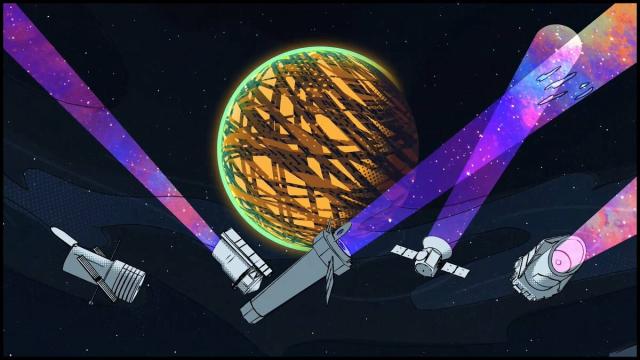
Space telescopes allow us to travel the universe as explorers. Each observes in a different range, a superpower, if you will. This allows their data to fit together and offer a more complete picture. See how they team up: go.nasa.gov/3T49GIp #NASAExoplanetsnitter.nicfab.eu/NASAExoplanet…
A superhero team of space telescopes has been working tirelessly to discover exoplanets and unveil their secrets. Now, a new superhero joins the team—the James Webb Space Telescope. What will it find?
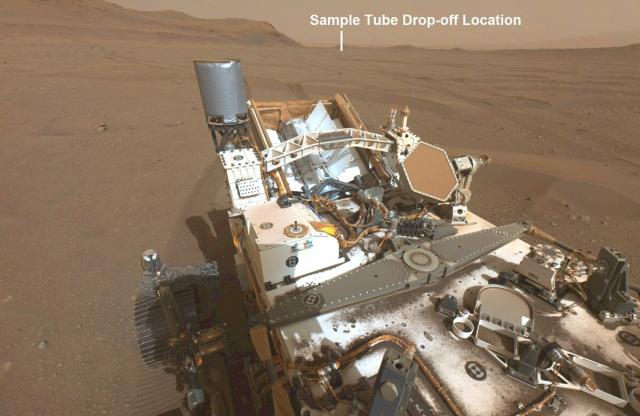
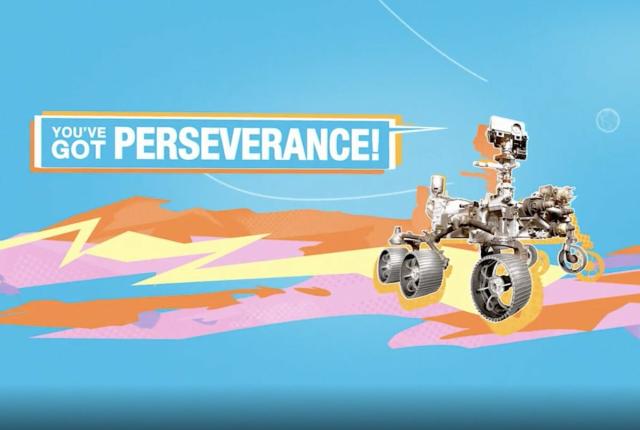
The @NASAPersevere rover will establish the first sample depot on Mars. Part of a joint @nasa/@ESA campaign to return the first samples from another planet to Earth, the depot will be located near the base of an ancient river delta in Jezero Crater. go.nasa.gov/3SKB662 #NASAMarsnitter.net/NASAMars/status/158…
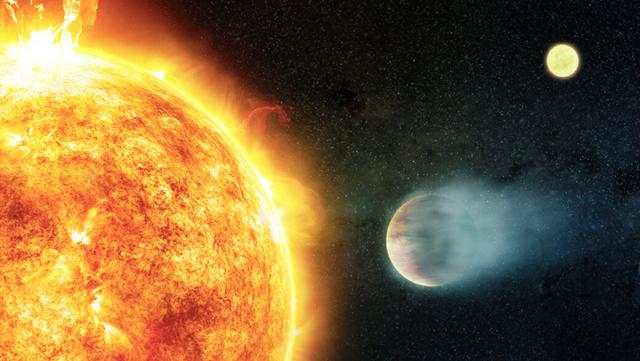
What helps keep a star acting young?🌟 New research shows it might be a hot Jupiter! Young stars put out more X-rays. Researchers observed more of this activity in stars with a nearby exoplanet. This may be the best evidence yet of this anti-aging effect. go.nasa.gov/3ftv1x3 #NASAExoplanetsnitter.nicfab.eu/NASAExoplanet…
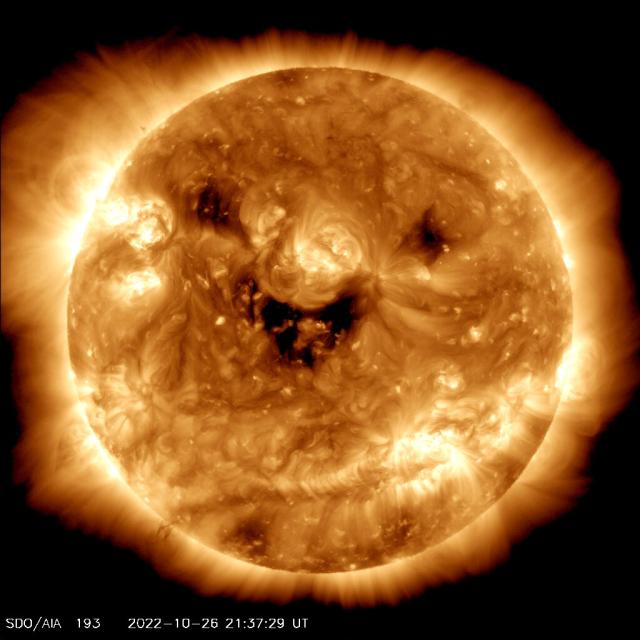
Why is our Sun smiling? We think its because of all the planets it has, but it might just be coronal holes seen in ultraviolet light. (Regions where fast solar wind gushes into space.) We do know of another star with 8 planets, and that makes *us* smile: go.nasa.gov/3FQucZQ #NASAExoplanetsnitter.nicfab.eu/NASAExoplanet…
Our solar system now is tied for most number of planets around a single star, with the recent discovery of an eighth planet circling Kepler-90, a Sun-like star 2,545 light years from Earth.
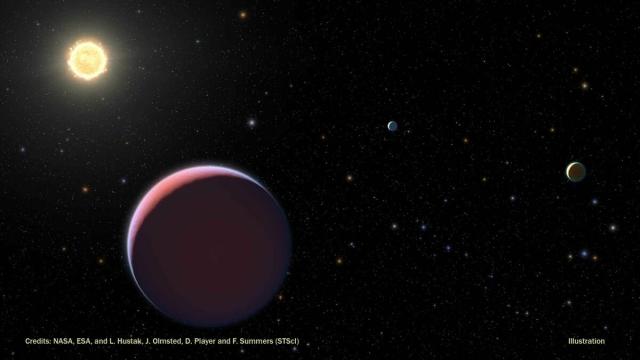
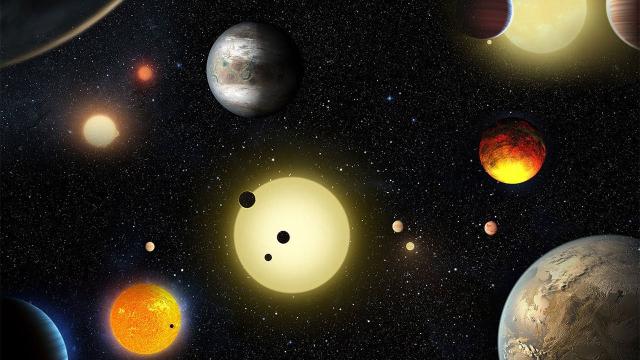
The planets beyond our solar system, exoplanets, are mysterious wonders. There are super puffy cotton-candy planets, and a world with the consistency of a marshmallow was recently discovered. Sweet! Tour our favorites: go.nasa.gov/3zyNaAr #NASAExoplanetsnitter.nicfab.eu/NASAExoplanet…
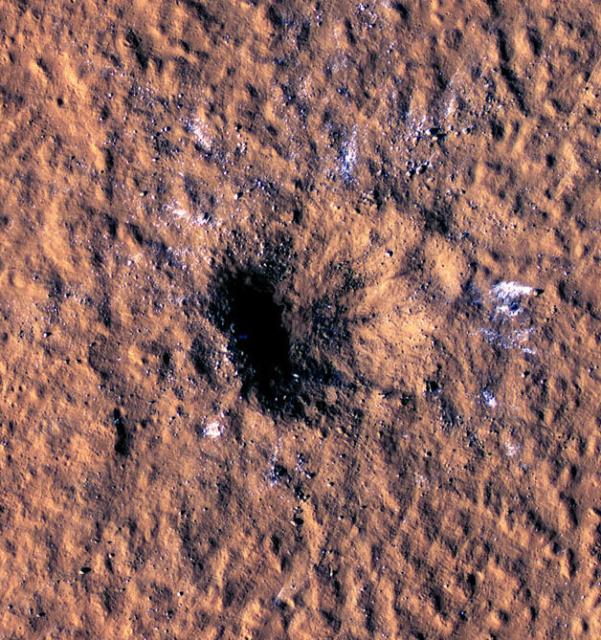
Felt that one! When a giant meteoroid struck Mars, the seismometer aboard our @NASAInSight lander sensed it – and our Mars Reconnaissance Orbiter has the visual evidence. See more about how the robotic explorers teamed up to capture the moment: go.nasa.gov/3WbKiD6 #NASAMarsnitter.net/NASAMars/status/158…
The agency’s lander felt the ground shake during the impact while cameras aboard the Mars Reconnaissance Orbiter spotted the yawning new crater from space.
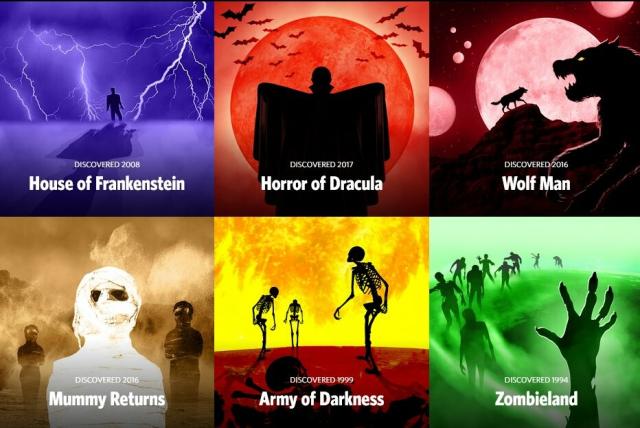
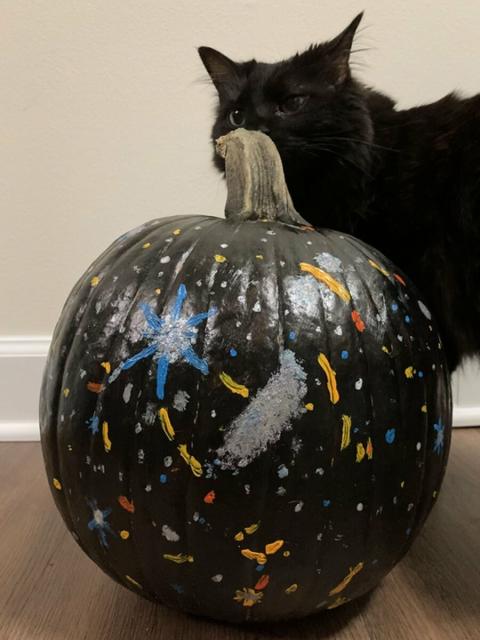
It's never too late to get into the spirit 🎃 We're inspired by @NASAWebb's Deep Field (thousands of galaxies in a speck of our sky). Check out more Halloween inspiration for boys and ghouls: exoplanets.nasa.gov #NASAExoplanetsnitter.nicfab.eu/NASAExoplanet…
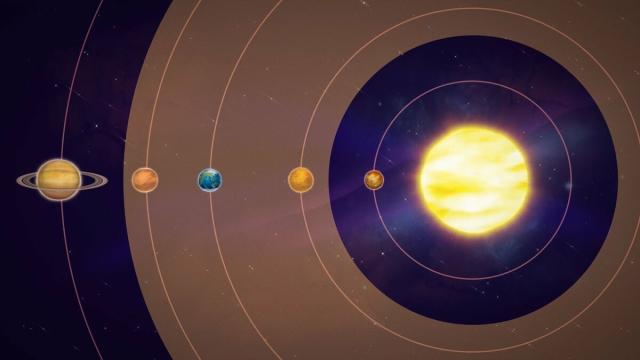
Have you heard of the habitable zone? You're in one right now. It's the distance from a star where you might find exoplanets with liquid surface water. We use the habitable zone to help focus our search for life beyond Earth.
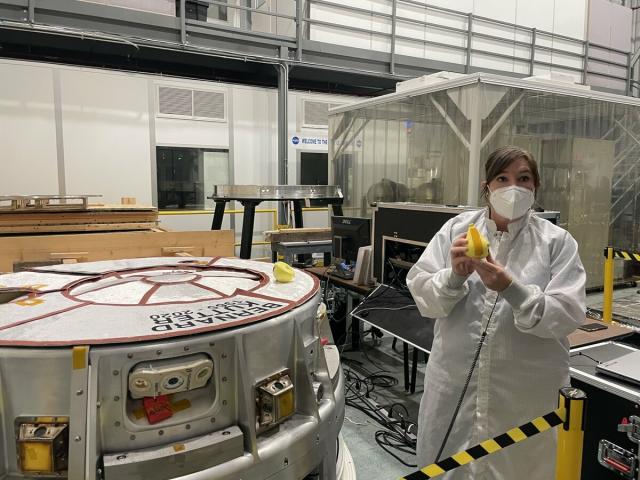
A @NASA_Langley team played hide-and-seek on land and sea to practice recovery of a lemon-sized data recorder that will splash down in the Pacific Ocean as part of the upcoming flight test of an inflatable heat shield that could help land humans on Mars: go.nasa.gov/3s6OHJI #NASAMarsnitter.net/NASAMars/status/158…
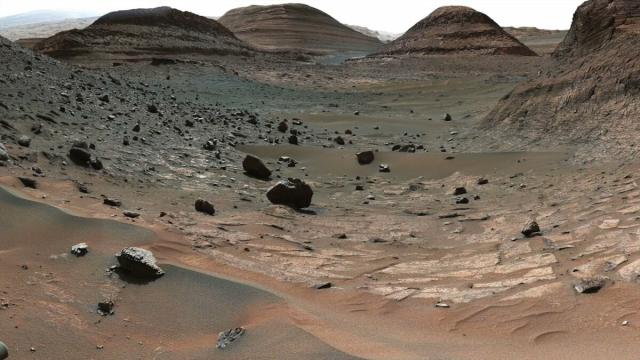
After journeying through a narrow pass, @MarsCuriosity has arrived at a long-sought region of Mt. Sharp enriched with salty minerals – tantalizing clues as to how the Red Planet’s climate changed from being more Earth-like to the frozen desert it is today. go.nasa.gov/3TgNvzA #NASAMarsnitter.net/NASAMars/status/158…
Before you can drive, first you have to fly: Before a rover can begin to make wheel prints on the Red Planet, it first has to make the harrowing journey from Earth to Mars. Tune into the latest episode of the "On a Mission" podcast: go.nasa.gov/3RvpcMI #NASAMarsnitter.net/NASAMars/status/157…
WATCH 📺 We’re live with a @NASAExoplanets expert who is telling us how we find and name worlds outside of our solar system! youtu.be/k040EOIS-IM If you have questions, drop them in the comments. #NASAJPLnitter.nicfab.eu/NASAJPL/statu…
We live in a golden age of discovery with more than 5,000 confirmed exoplanets. But how do we find these worlds, and what challenges do we face in the search...
We live in a golden age of discovery with more than 5,000 confirmed exoplanets. But how do we find these worlds, and what challenges do we face in the search...
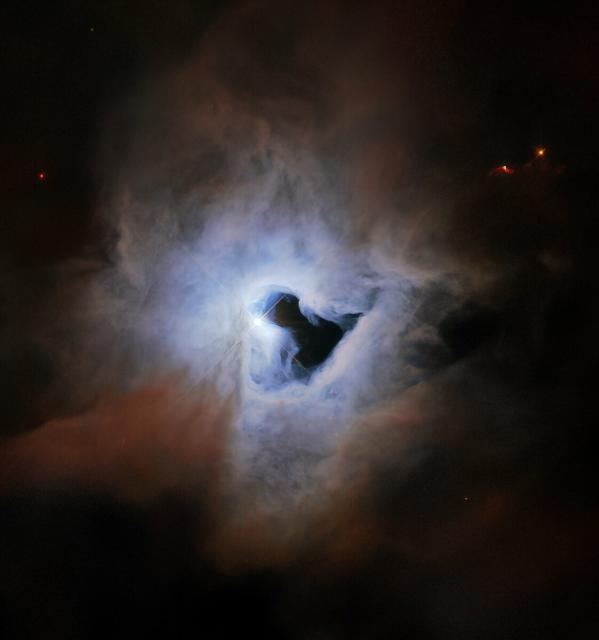
Peer into this cosmic keyhole! This #HubbleFriday showcases NGC 1999, a reflection nebula located 1,350 light-years from Earth. The nebula is quite literally composed of stardust: the leftover dust and gas from a newborn star! Read more: go.nasa.gov/3fiNY5G #Hubblenitter.net/NASAHubble/status/1…
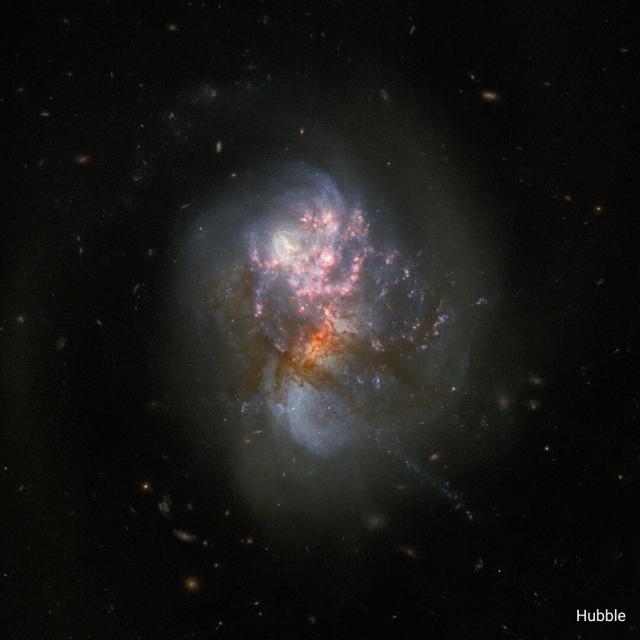
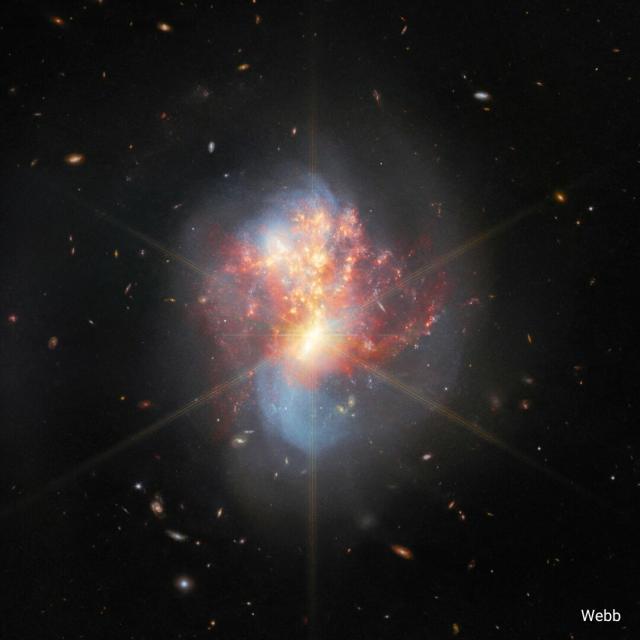
Time for a cosmic crossover! Two galaxies collectively known as IC 1623 are seen merging together by Hubble (left) and @NASAWebb (right). Their collision has ignited a frenzy of starbirth: go.nasa.gov/3FfbZoM Why do these views look different? ⬇️ #Hubblenitter.net/NASAHubble/status/1…
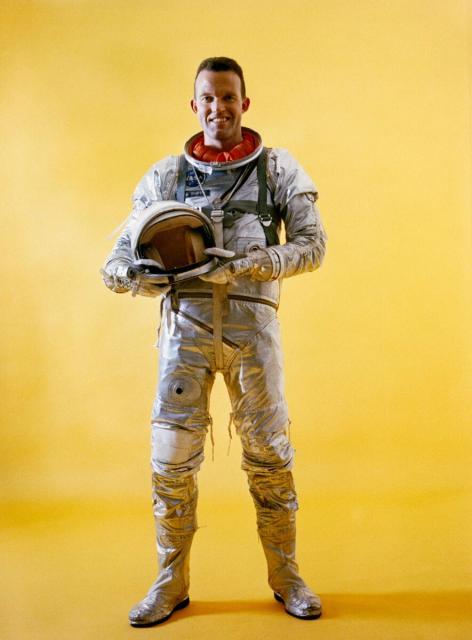
60 years ago today, Gordon "Gordo" Cooper was named as pilot for Mercury-Atlas 9, the last mission of the Mercury Program. Cooper was the last NASA astronaut to be launched into orbit on a solo flight! Get more Gordo photos and stories: go.nasa.gov/3tgPGI9 #NASAhistorynitter.net/NASAhistory/status/…
NASA brings you images, videos and features from the unique perspective of America's space agency. Get updates on missions, watch NASA TV, read blogs, view the latest discoveries, and more.
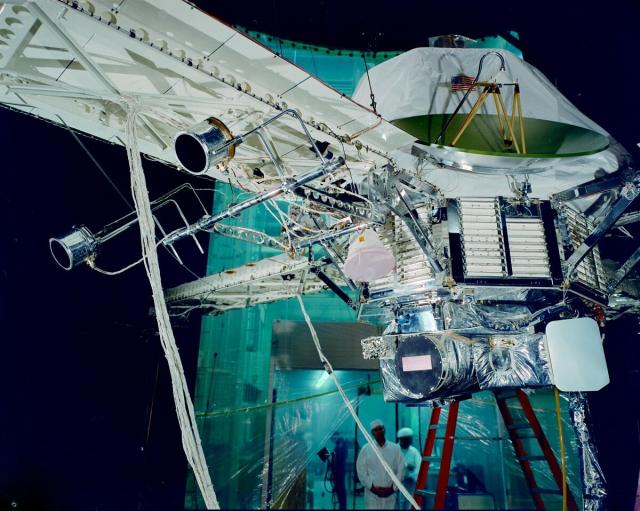
Mariner 9 successfully entered Mars orbit #OTD in 1971, beating the Soviet Mars 2 spacecraft which had an 11-day head start, to become the first spacecraft to orbit another planet! Taking over 7,000 pictures, Mariner 9 mapped 85% of Mars's surface. More: go.nasa.gov/3zZ4zTe #NASAhistorynitter.net/NASAhistory/status/…
The CRS-18 resupply mission is heading to the station with spacewalk hardware, science, CubeSats from Uganda and Zimbabwe, and treats for the crew like pumpkin spice cappuccinos and fresh fruit! 🍂☕🍎 Watch rendezvous and capture at 3:30am ET on Nov. 9. go.nasa.gov/3fBwBNG #ISSnitter.net/Space_Station/statu…
A Northrop Grumman Cygnus resupply spacecraft is on its way to the International Space Station with more than 8,200 pounds of science investigations and cargo after launching at 5:27 a.m. EST Monday from NASA’s Wallops Flight Facility in Virginia.
New science experiments to benefit humans on and off the Earth are packed inside a rocket and ready to blast off this weekend from Virginia to the International Space Station.
The astronauts have been growing plants and vegetables on the station for years. Scientists are planning new experiments to promote space agriculture and sustain future crews. See space botany pix... flic.kr/s/aHsmEXy73j #ISSnitter.net/Space_Station/statu…
Foreground stars & background galaxies💫 Imagine standing on a faraway planet and looking up. This new @NASAWebb image reveals myriad stars of different colors, sizes, temperatures and stages of evolution. Individual galaxies form the background. go.nasa.gov/3hnt4Tv #NASAExoplanetsnitter.net/NASAExoplanets/stat…
Exoplanets are so far away that the most common methods to find them involve looking at their host stars. That can make finding small planets similar to Earth even more challenging. Soon, astronomers will have a new planet-finding tool! bit.ly/3EmlO3a #NASAExoplanetsnitter.net/NASAExoplanets/stat…
We asked you to pick your favorite exoplanet type and it wasn't even close. Let's hear it for super-Earths! Planets between twice Earth's size and Neptune are common in our galaxy, but there's nothing like them in our solar system! go.nasa.gov/3UFJrcy #NASAExoplanetsnitter.net/NASAExoplanets/stat…
Super-Earths – a class of planets unlike any in our solar system – are more massive than Earth yet lighter than ice giants like Neptune and Uranus, and can be made of gas, rock or a combination.
About 250 light-years from Earth, two planets orbiting a K-type star smaller than our Sun join our list of confirmed exoplanets. One is a hot mini-Neptune and the other is an eccentric cold Jupiter. This brings us to 5,197 planets beyond our solar system! go.nasa.gov/3TgPpPK #NASAExoplanetsnitter.net/NASAExoplanets/stat…
Discovery Alert!📣 A super-Earth is one of the most massive of this type found so far. Stand on its higher-gravity surface and you would certainly feel it -- you’d be about three times your weight on Earth. A year there, one orbit, is less than 15 hours. go.nasa.gov/3UGGMiM #NASAExoplanetsnitter.net/NASAExoplanets/stat…








Aerith the vampire princess
in reply to NASA • • •