
#JamesWebb
#JamesWebb


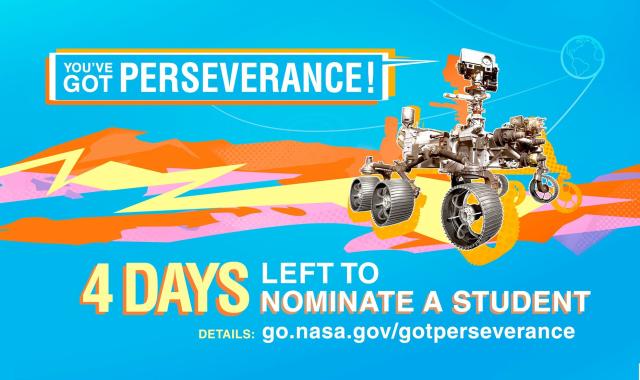
Educators: Four days left to nominate your middle- or high-school student for “You’ve Got Perseverance!” Celebrate their drive to overcome with a special award from me and my mission team.
Get details & nominate by Jan. 3: go.nasa.gov/gotperseverance
#gotperseverance
#PerseveranceRover
You've Got Perseverance! - NASA
The 'You've Got Perseverance!' opportunity is for students who have demonstrated perseverance in their academic pursuits.go.nasa.gov
#JamesWebb
#JamesWebb
#JamesWebb
#JamesWebb
Rocketry pioneer Dr. Robert Goddard conducted the first rocket test flight at his Roswell, New Mexico laboratory #OTD in 1930. His liquid fuel rocket launched to a height of 610 m (2,000 ft).
Learn more about Robert Goddard: go.nasa.gov/3W8k04h
#NASAhistory
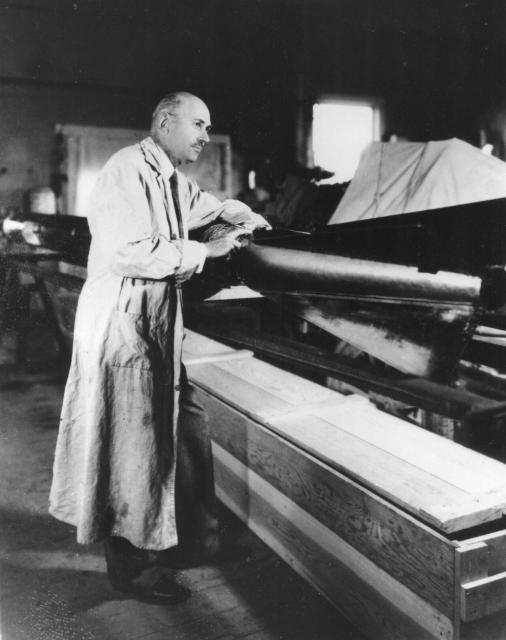
Dr. Robert H. Goddard, American Rocketry Pioneer
NASA.gov brings you the latest images, videos and news from America's space agency. Get the latest updates on NASA missions, watch NASA TV live, and learn about our quest to reveal the unknown and benefit all humankind.NASA
Robert Hutchings Goddard: Dreamer, Tinkerer, Pioneer | Roswell, NM
Robert Hutchings Goddard (1882-1945) was a pioneer in American rocketry, becoming one of the first to experiment with liquid fuel propulsion.roswell-nm.gov
What’s Up in January? 🔭
Throughout the month, a new comet may be seen gliding across the sky towards the northwest. Plus, the bright winter constellations are a nightly treat for stargazers. Lastly, expect the Wolf Moon on Jan. 6.
Read the full guide: go.nasa.gov/37ePy0B
#NASA
What’s Up: Skywatching Tips from NASA
Watch the latest video in NASA’s “What’s Up” series to discover the skywatching highlights for this month.NASA Solar System Exploration
In case you missed any of the action, here are some of the memorable moments of 2022. Happy New Year! 🛰️🗓️🎆
#ISS
Mars and the Star Clusters
Image Credit & Copyright: Gabor Balazs
apod.nasa.gov/apod/ap221230.ht… #APOD

APOD: 2022 December 30 - Mars and the Star Clusters
A different astronomy and space science related image is featured each day, along with a brief explanation.apod.nasa.gov
#PerseveranceRover
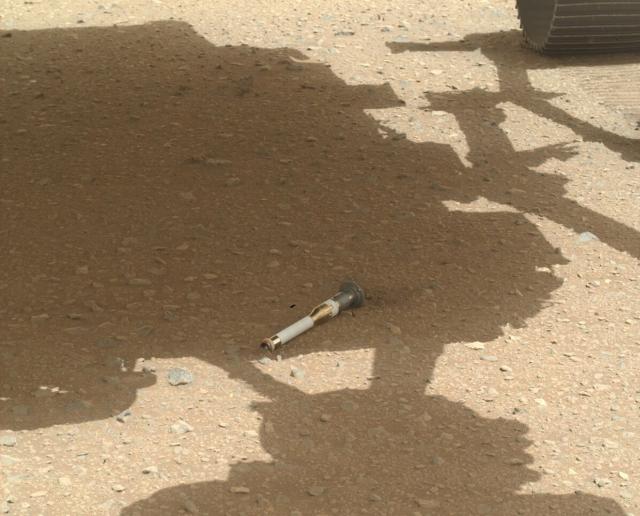
go to another planet and the first thing we do is to dump trash for some else to pickup. 😜
And thank you for all your work #nasa . I have enjoyed it for at least 53 years…
#NASASolarSystem
NASA Skywatching Home
What’s visible in the night sky? Get skywatching tips and resources from NASA.NASA Solar System Exploration
#NASA
An exoplanet 10 times the mass of Jupiter (lower right) is revealed with its sun and a background star. It's 100 times the distance from its star that Jupiter is from the Sun. go.nasa.gov/3Wyq7z0
#NASAExoplanets
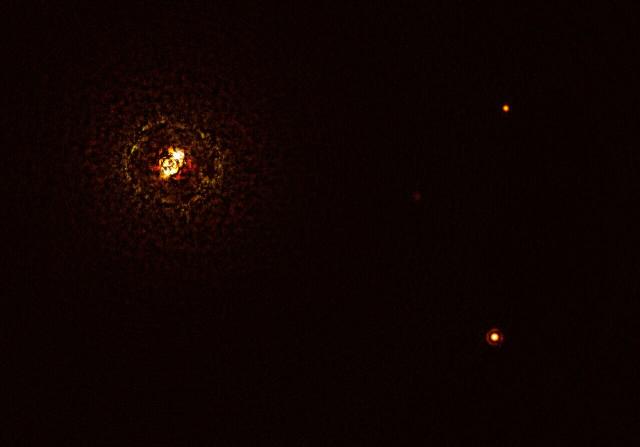
Observing Exoplanets: What Can We Really See?
Exoplanets are far away, and they are often obscured by the bright light of the stars they orbit. So, taking pictures of them the same way you'd take pictures of, say, Jupiter or Venus, isn't easy.Exoplanet Exploration: Planets Beyond our Solar System
Celebrating a successful mission 🚀
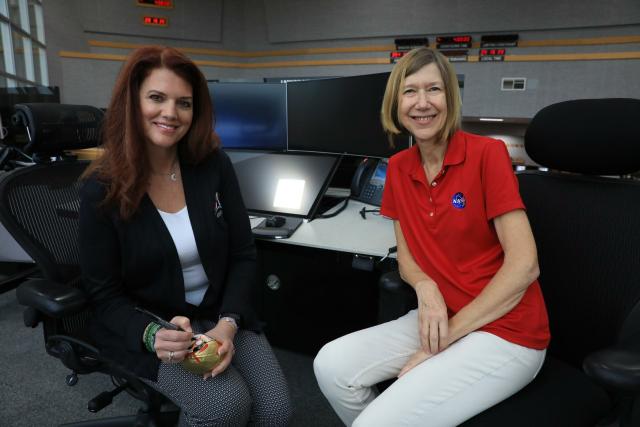
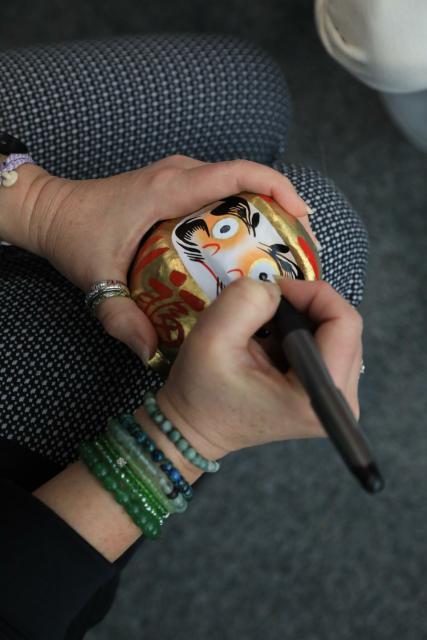
#Artemis launch director Charlie Blackwell-Thompson and space operations lead @KathyLueders color in the eye of a Japanese Daruma doll given to the team from @JAXA_en as a token of good luck prior to the Artemis I launch.
#NASAArtemis #Artemis
Look up tonight! All the planets in our solar system are visible (some with the help of a telescope). Check your favorite stargazing site for more info!
Of course, you can look at Hubble’s planet images anytime, like this one of Saturn! For more: go.nasa.gov/3vqF7TI
#Hubble
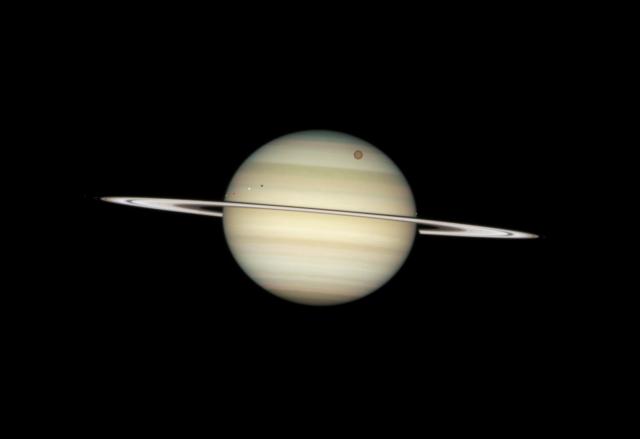
Hubble's Solar System
The Hubble Space Telescope's view of the planets and other objects orbiting our Sun.NASA Hubble Space Telescope (Flickr)
#NASASolarSystem
JunoCam : Processing - Mission Juno
Download raw imagery from JunoCam and upload your processed imagery to the gallery!Mission Juno
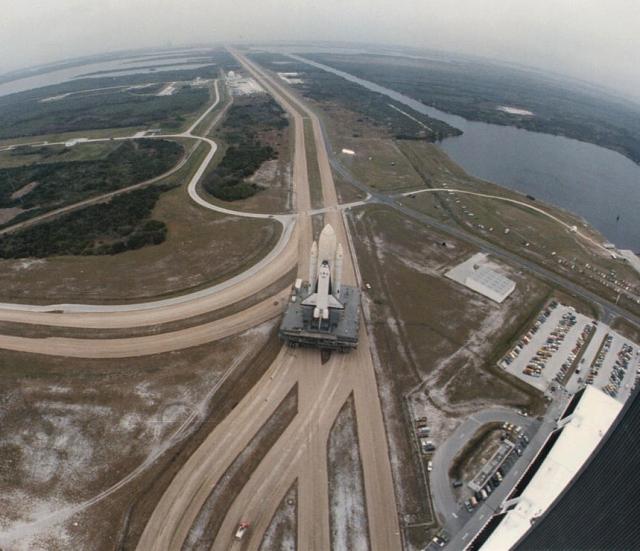
The first ever rollout of a Space Shuttle to the @NASAKennedy launchpad happened #OTD in 1980. Columbia would go on to make its first flight for STS-1 on April 12, 1981.
More: go.nasa.gov/3PByck3
#NASAhistory
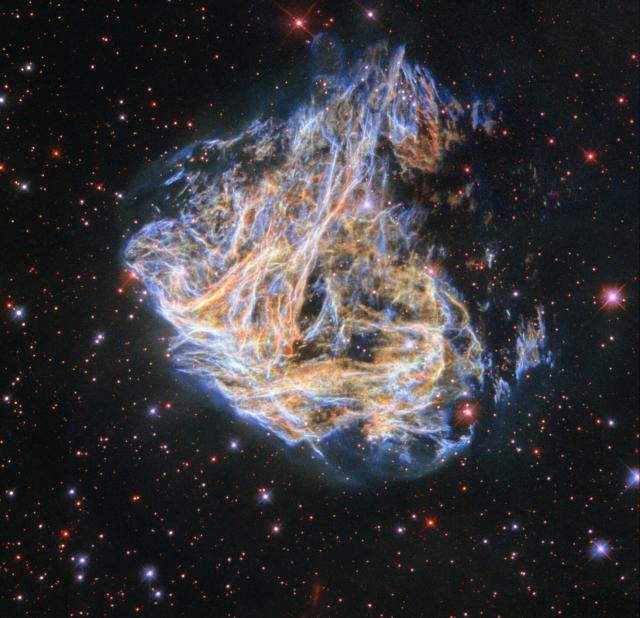
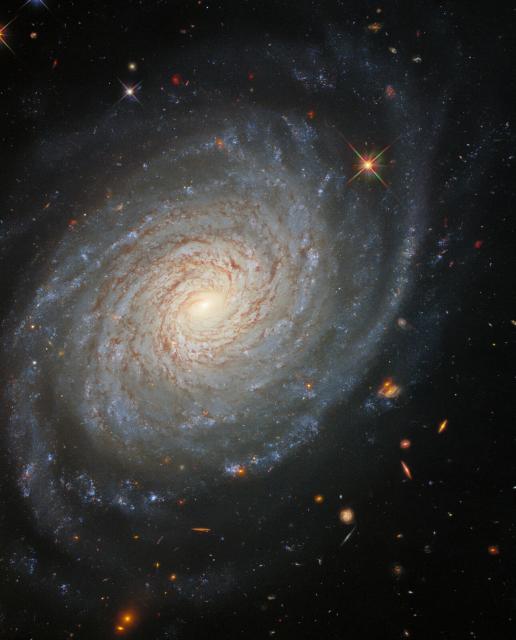
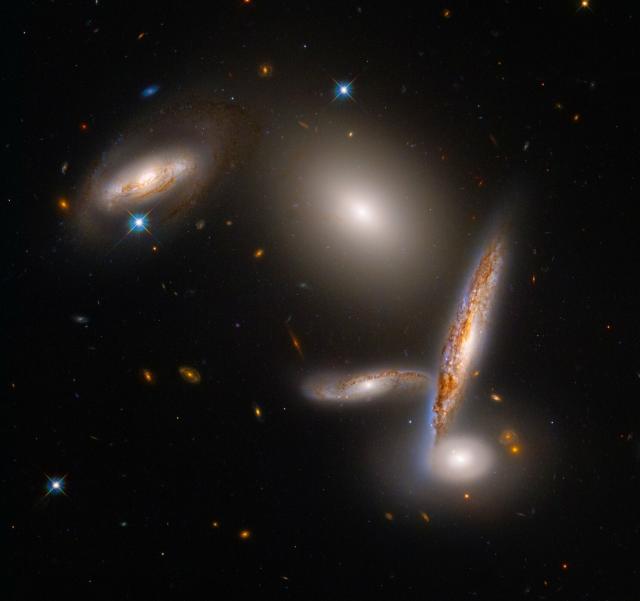
Happy (almost) New Year!
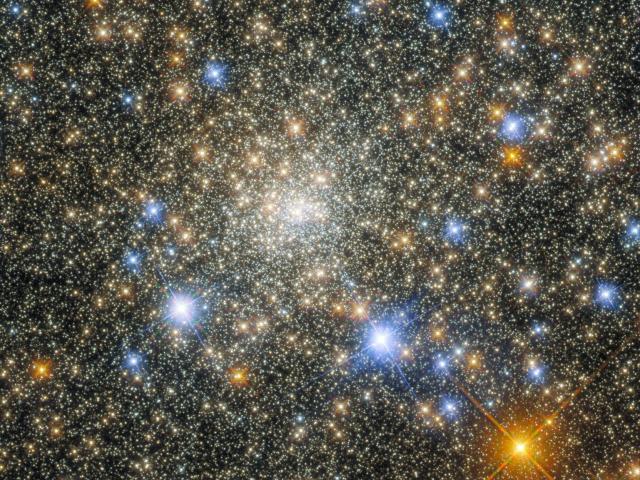
Before we ring in 2023, we need your help choosing our Twitter audience’s favorite Hubble image released in 2022.
Vote in the poll below, which features the images that got the most likes this year. Then we’ll post the winner on New Year’s Eve!
#Hubble
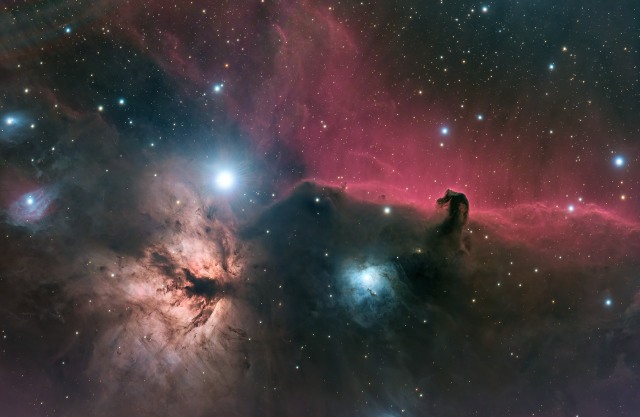
APOD: 2022 December 29 - Horsehead and Flame
A different astronomy and space science related image is featured each day, along with a brief explanation.apod.nasa.gov
Horsehead and Flame
Image Credit & Copyright: Jason Close
apod.nasa.gov/apod/ap221229.ht… #APOD

APOD: 2022 December 29 - Horsehead and Flame
A different astronomy and space science related image is featured each day, along with a brief explanation.apod.nasa.gov
So many choices this year!
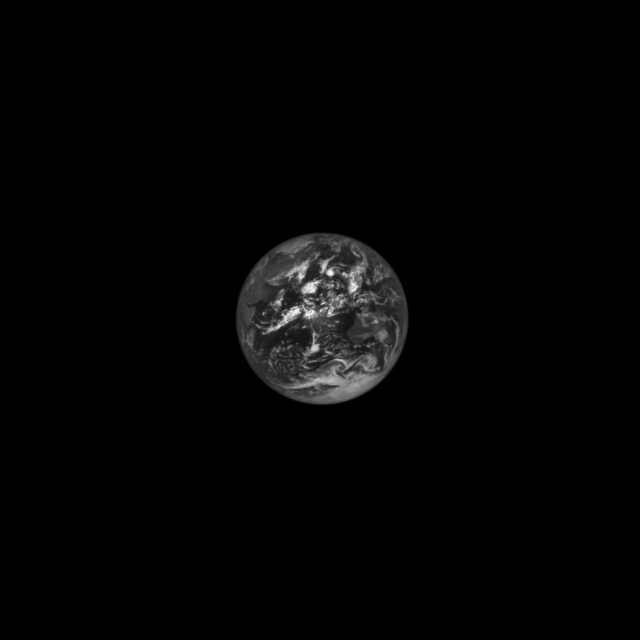
#LucyMission flies by Earth go.nasa.gov/3ssVDBf
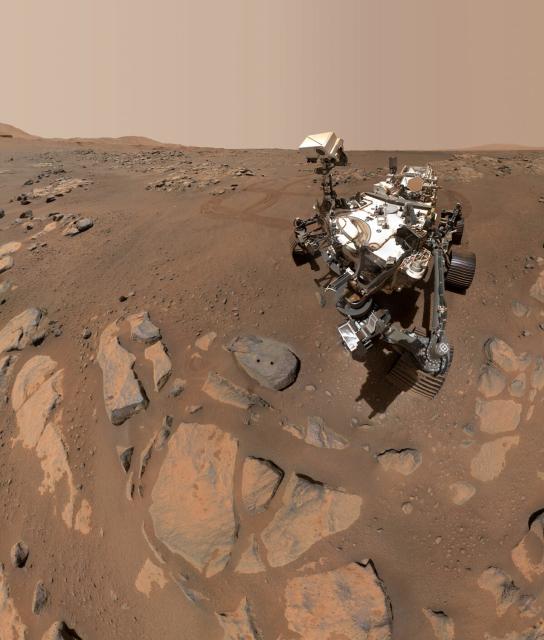
@NASAPersevere collects samples mars.nasa.gov/msr/
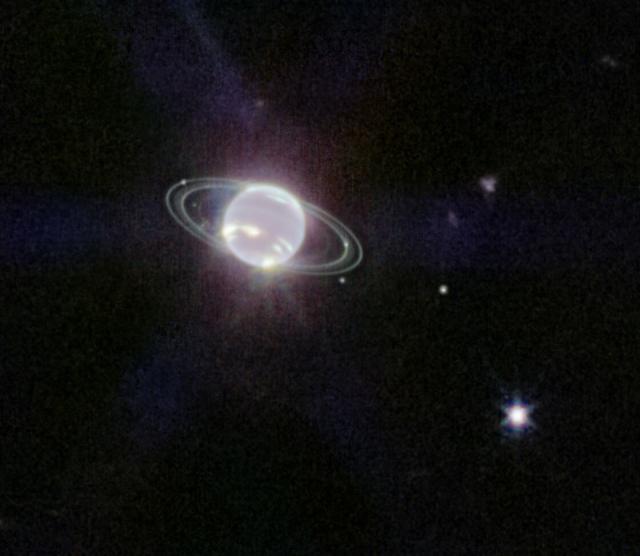
@NASAWebb spies Neptune go.nasa.gov/3VpXvGR
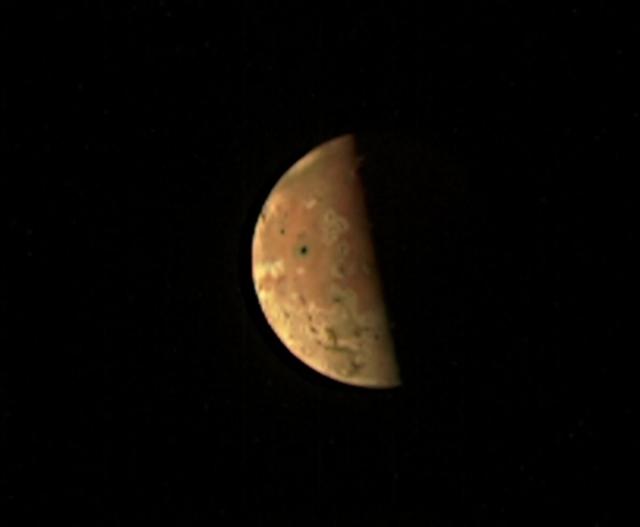
#JunoMission sees Io in infrared go.nasa.gov/3C7oNek
More: solarsystem.nasa.gov/news
#NASASolarSystem
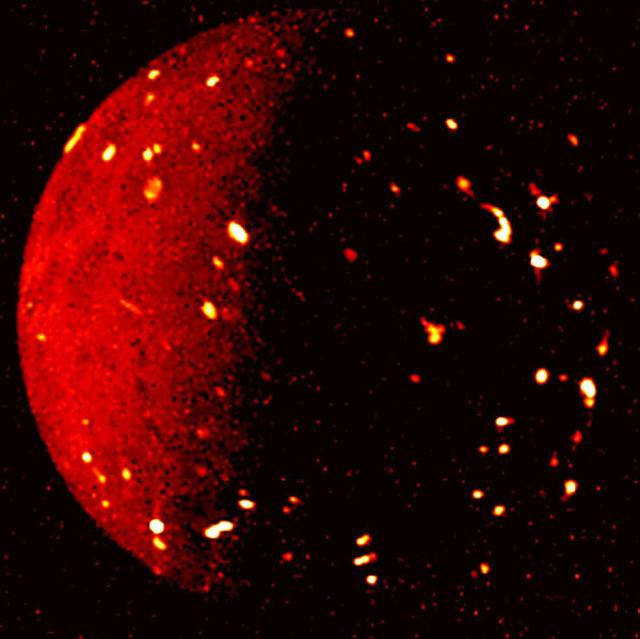
NASA’s Juno Exploring Jovian Moons During Extended Mission
After revealing a trove of details about the moons Ganymede and Europa, the mission to Jupiter is setting its sights on sister moon Io.Tony Greicius (NASA)
#NASAExoplanets
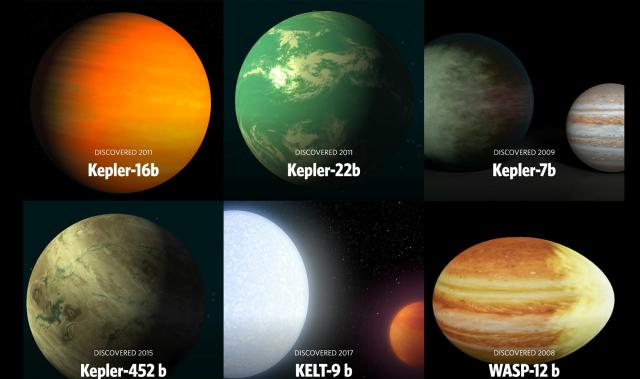
Strange New
A world with two suns, a lava world and an "Earth cousin" are just some of the exoplanets we've discovered.Exoplanet Exploration: Planets Beyond our Solar System
Thanks, now I have the King Gizzard song "Kepler-22b" stuck in my head.
youtube.com/watch?v=gfvEodNPQG…
King Gizzard & The Lizard Wizard - Kepler-22b
Directed and animated by Alex McLaren @alex_mclaren_ and Sean McAnulty @smcnoonSecond camera operated by Ambrose Kenny SmithAmby: PercussionCavs: DrumsCookie...YouTube

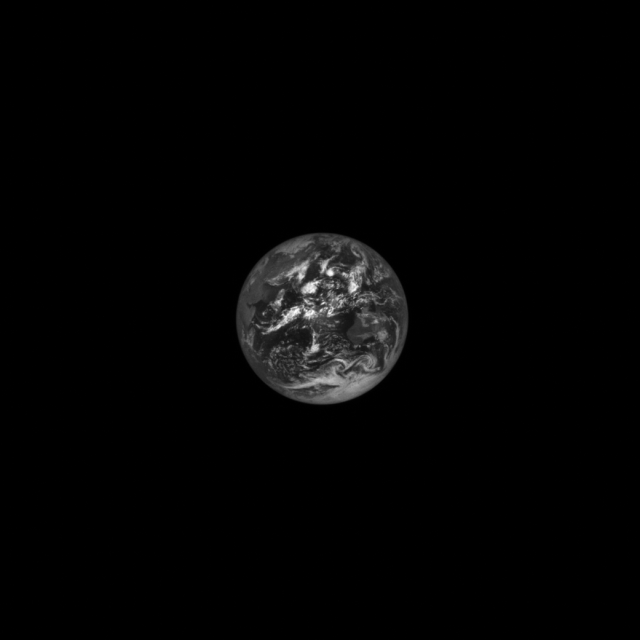
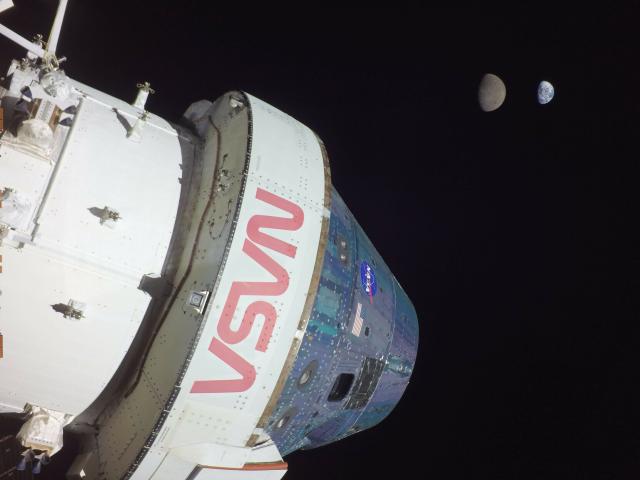
Take in that view 😍
NASA spacecraft returned new, gorgeous sights of our Blue Marble. The photo on the right was captured by @NASA_Orion and the one on the left by the Lucy spacecraft.
#NASAEarth
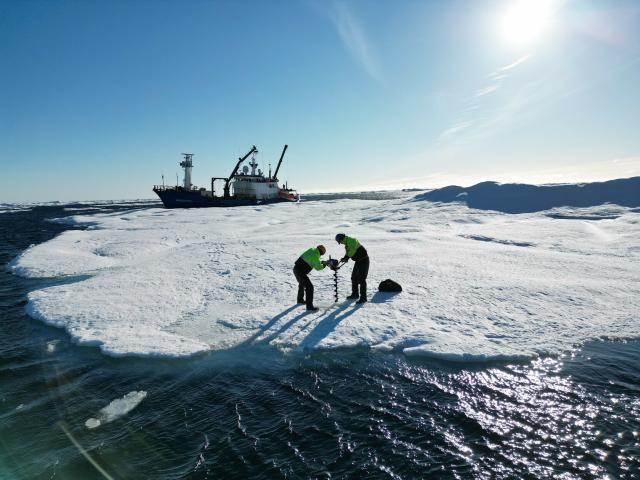
From on the ground to out in space, we learn something new about our home every day.
Check out some of our Earth highlights from 2022 ⬇️ 🌎
#NASAEarth
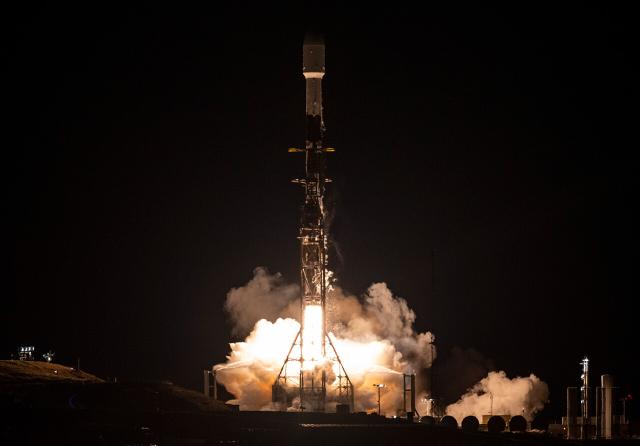
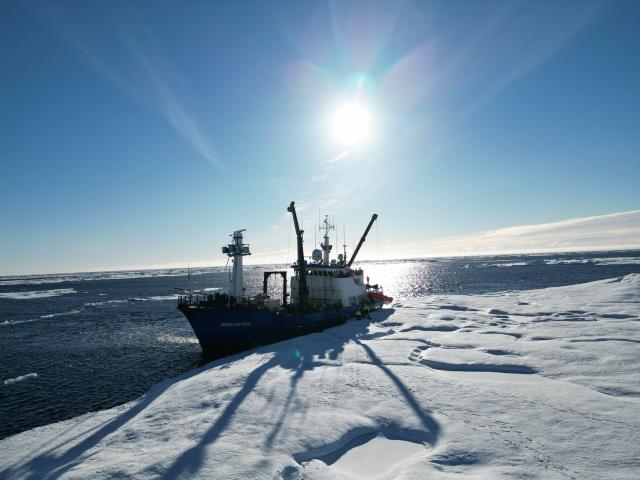
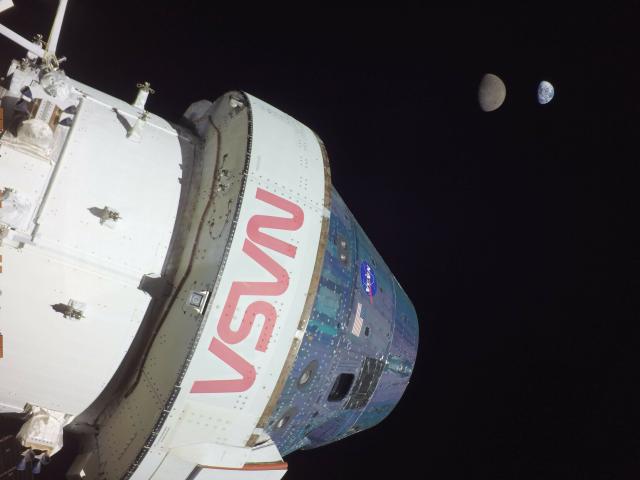
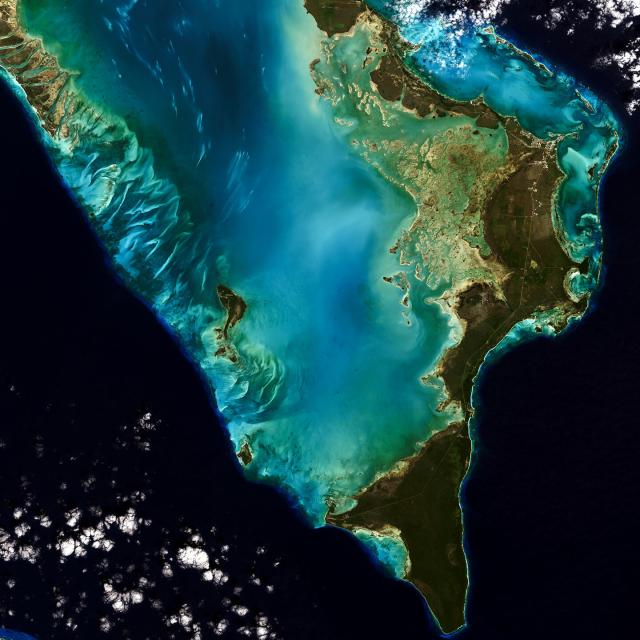
#NASAEarth
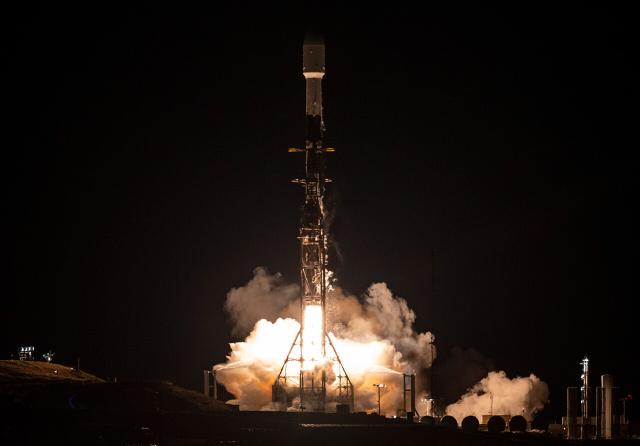
5 Things to Know About How SWOT Will Look at the World's Water
The international Surface Water and Ocean Topography mission will provide high-definition data on the salt- and fresh water on Earth’s surface.NASA SWOT

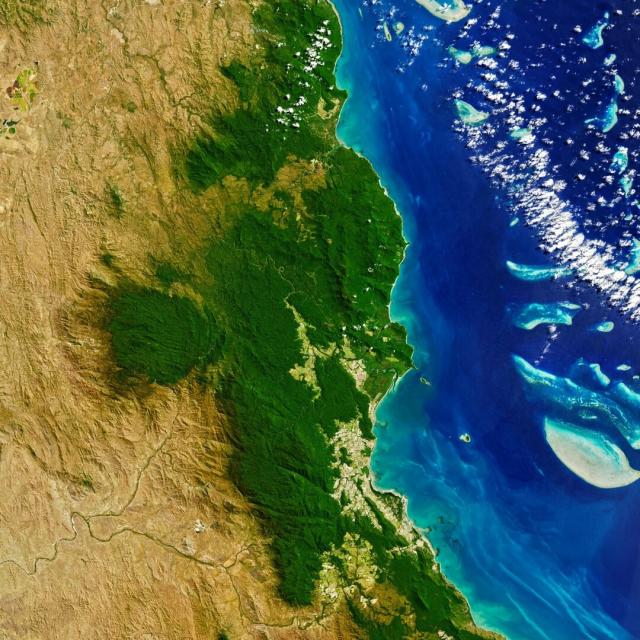
We celebrated 50 years of the #Landsat satellite. 🥳
For half a decade, the mission has collected data on Earth’s forests, farms, urban areas, and freshwater, generating the longest continuous record of its kind.go.nasa.gov/3C6Tv7j
#NASAEarth
#NASA
NASA Mars Exploration
NASA’s real-time portal for Mars exploration, featuring the latest news, images, and discoveries from the Red Planet.NASA Mars Exploration
On her birthday, we remember Star Trek actress Nichelle Nichols, one of the greats the world lost in 2022. 🖖
Learn more about Nichols' contributions to helping build a more diverse workforce at NASA: go.nasa.gov/3jsFcnr
#NASAhistory

Nichelle Nichols: Woman on a NASA Mission
NASA celebrates the life and career of Nichelle Nichols, famous for her role of Lieutenant Uhura on Star Trek, as she retires from public life. Not only did...YouTube

Star Trek’s Nichelle Nichols: ‘Martin Luther King was a Trekker’
Her portrayal of Lieutenant Uhura in the sci-fi series was light years ahead of its time. She talks about the first interracial kiss in an American TV series, her work with Nasa, and the civil rights leader who hailed her as a role model to millionsSimon Hattenstone (The Guardian)
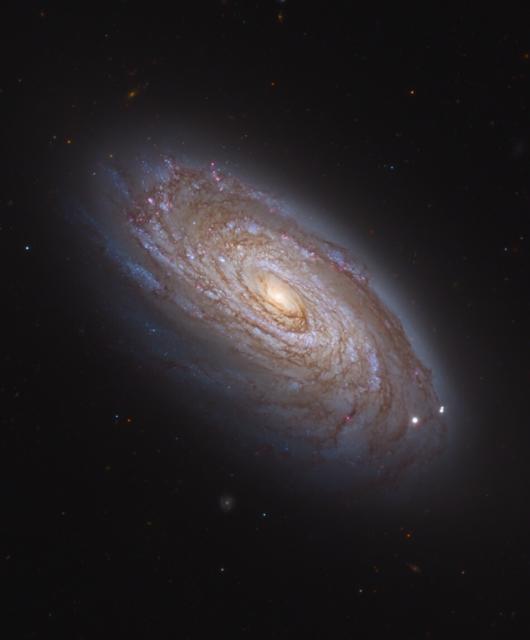
APOD: 2022 December 28 - Messier 88
A different astronomy and space science related image is featured each day, along with a brief explanation.apod.nasa.gov
Messier 88
Image Credit & Copyright: Adam Block, Mt. Lemmon SkyCenter, U. Arizona
apod.nasa.gov/apod/ap221228.ht… #APOD

APOD: 2022 December 28 - Messier 88
A different astronomy and space science related image is featured each day, along with a brief explanation.apod.nasa.gov
Earlier this month, teams integrated a science instrument that will detect and map water on the Moon’s surface with the small satellite Lunar Trailblazer.
The launch of Lunar Trailblazer is scheduled for no earlier than mid-2023. go.nasa.gov/3C4uhX8
#NASAArtemis #Artemis
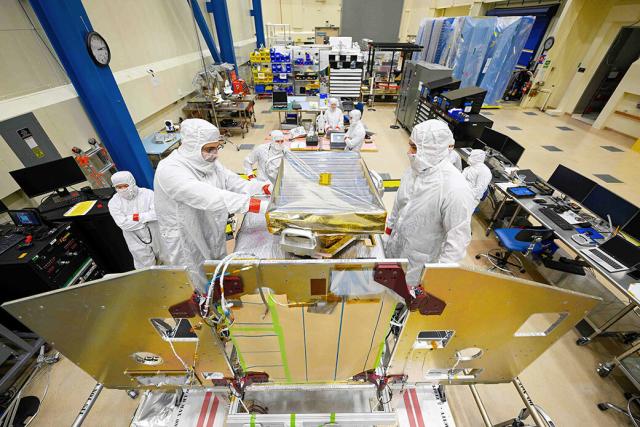
Moon Water Imager Integrated With NASA’s Lunar Trailblazer
JPL’s cutting-edge instrument, which will provide insights into the lunar water cycle and composition of the Moon’s surface, has been incorporated into the small satellite.Tony Greicius (NASA)
#NASAEarth
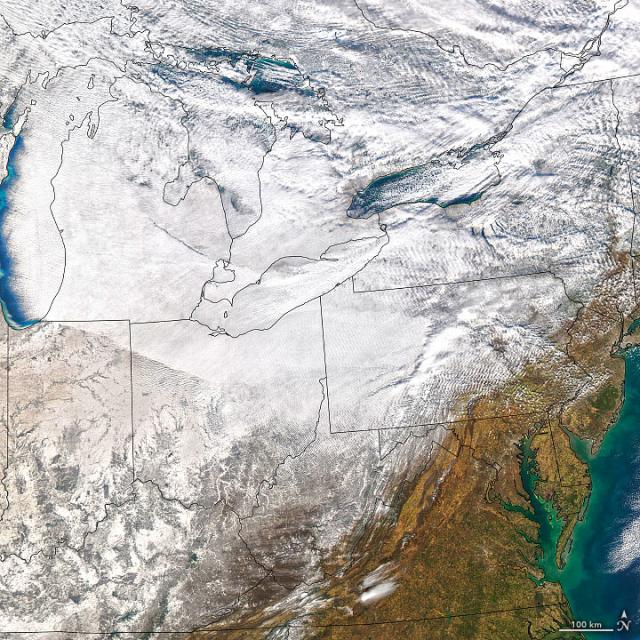
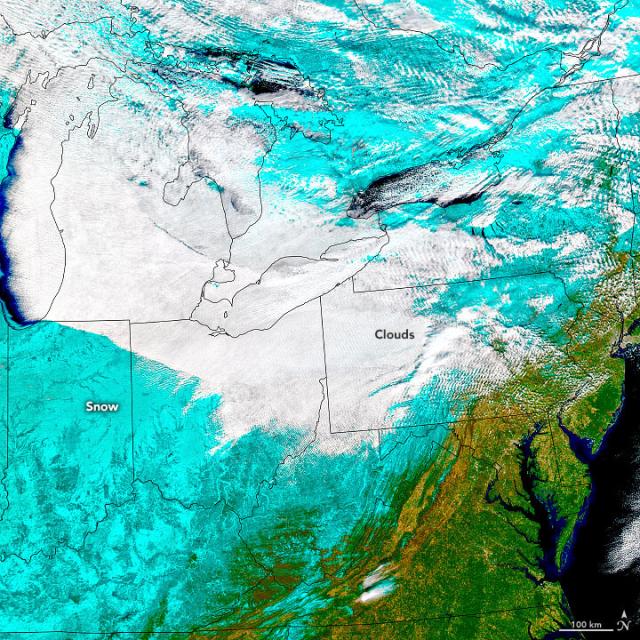
Blizzard Conditions in the U.S. Northeast
An Arctic cold front swept across the Great Lakes and brought fierce winds and potent lake-effect snow.go.nasa.gov
#NASAEarth
CBells
in reply to NASA • • •Richard J. Bartlett
in reply to NASA • • •Goose107
in reply to NASA • • •dalaidude
in reply to NASA • • •KarmaWaters
in reply to NASA • • •laurey19
in reply to NASA • • •Ged|Net
in reply to NASA • • •Jelly8bean
in reply to NASA • • •