
@NASAWebb reveals bright starbirth around the center of a spiral galaxy 220 light-years from Earth in the Pegasus constellation. The background is awash with other galaxies and stars. Imagine the worlds within! go.nasa.gov/3ClDV8a
#NASAExoplanets
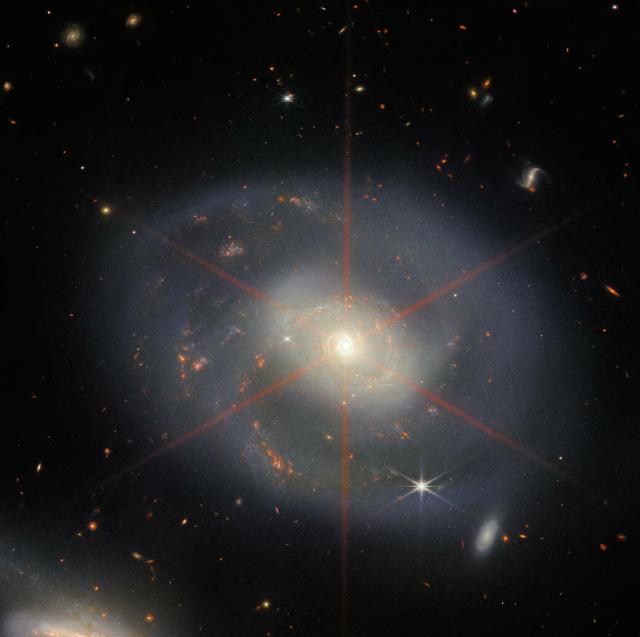
Starry Wreath in Pegasus
The James Webb Space Telescope spies the spiral galaxy NGC 7469, located 220 million light-years from Earth in the constellation Pegasus, in this image released on Dec. 21, 2022.Monika Luabeya (NASA)
The first successful planetary science mission in history!
60 years ago today, the Mariner 2 mission ended after its Venus flyby when contact with the spacecraft was lost when it was 86.7 million km (53.9 million mi) from Earth, a new distance record. go.nasa.gov/3GB5kW9
#NASAhistory

In Depth | Mariner 02 – NASA Solar System Exploration
Mariner 2 was the first successful mission to another planet (Venus).NASA Solar System Exploration

Easy Grounding Exercises
Two useful grounding techniques for times you feel overwhelmed, intensely anxious, or dissociated from your environmentStephanie Cordes (Dr. Stephanie Cordes, ND)
Kemble’s Cascade of Stars
Image Credit & Copyright: Tommy Lease
apod.nasa.gov/apod/ap230103.ht… #APOD

APOD: 2023 January 3 – Kembles Cascade of Stars
A different astronomy and space science related image is featured each day, along with a brief explanation.apod.nasa.gov
#NASA

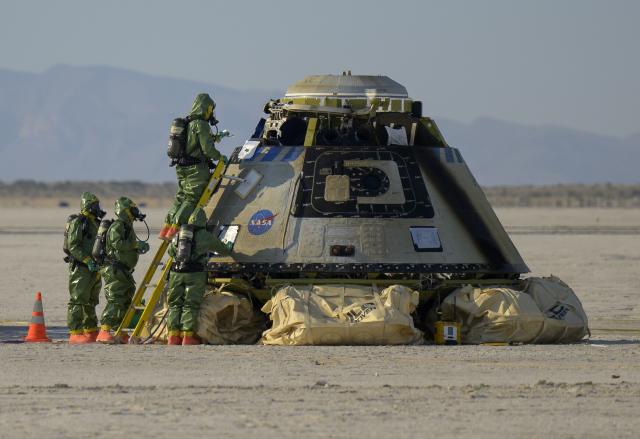
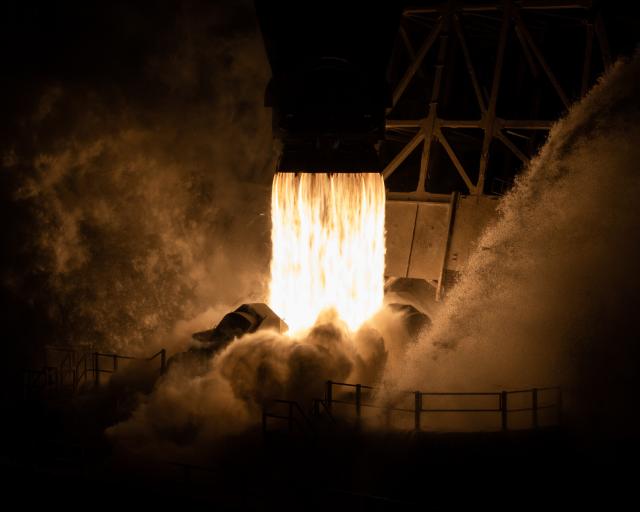
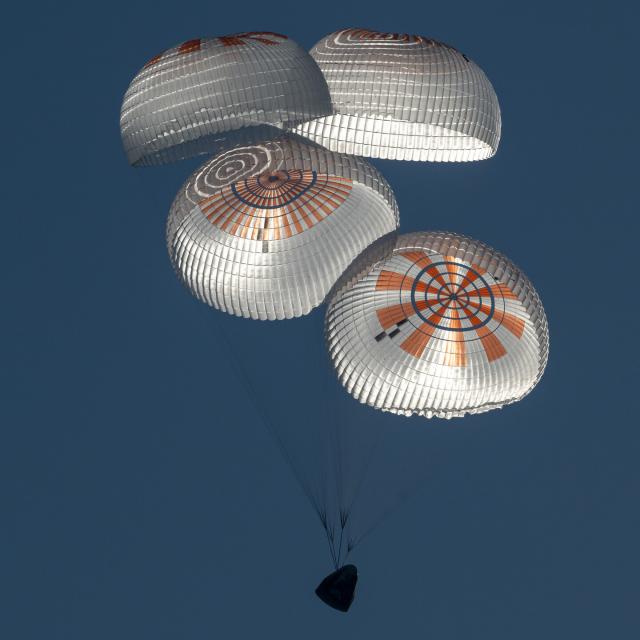
Best of 2022 by NASA HQ PHOTO
The 100 best images from 2022 as captured and selected by the NASA HQ PHOTO team. (chronological order)NASA HQ PHOTO (Flickr)
"Decades ago we science fiction writers foresaw a great many things about space travel, but two things we did not foresee."
Isaac Asimov, born #OTD in 1920, wrote this in a 1985 NASA book about science and society. Find out what was overlooked (p. 59): go.nasa.gov/3Wbx1KC
#NASAhistory
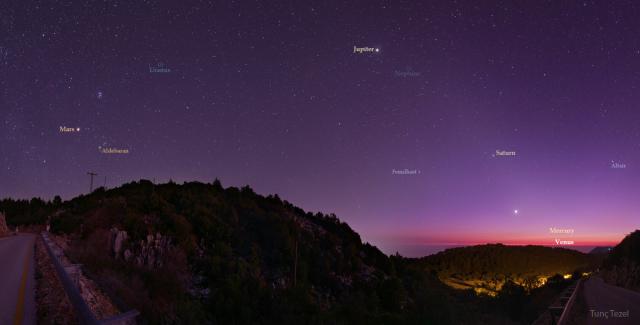
APOD: 2023 January 2 – After Sunset Planet Parade
A different astronomy and space science related image is featured each day, along with a brief explanation.apod.nasa.gov
After Sunset Planet Parade
Image Credit & Copyright: Tunc Tezel (TWAN)
apod.nasa.gov/apod/ap230102.ht… #APOD


APOD: 2023 January 2 – After Sunset Planet Parade
A different astronomy and space science related image is featured each day, along with a brief explanation.apod.nasa.gov
#NASAExoplanets
A Wonderland of Science Awaits
We've already had gifts aplenty this year and we're looking forward to the science to come in 2023, including Webb's observation of the TRAPPIST-1 planets.Exoplanet Exploration: Planets Beyond our Solar System

#NASA
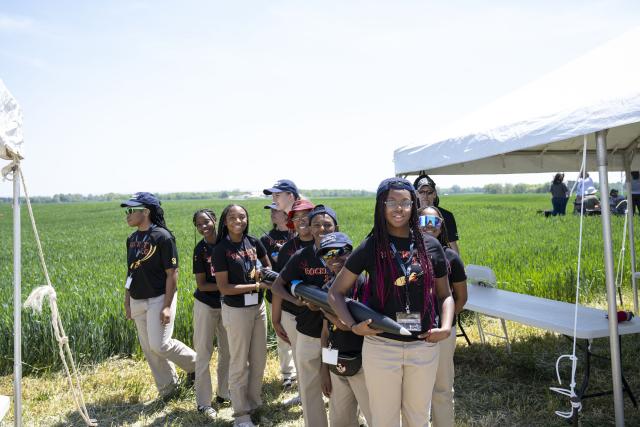
Eight Ways Students Can Dive Into NASA STEM in 2023
Here are some fun and engaging NASA STEM resources to bring the excitement of space exploration into your classroom or to learners at home in 2023.Anna Heiney (NASA)
nasa.gov/stem/studentlaunch/ho…

NASA Student Launch
NASA.gov brings you the latest images, videos and news from America's space agency. Get the latest updates on NASA missions, watch NASA TV live, and learn about our quest to reveal the unknown and benefit all humankind.NASA
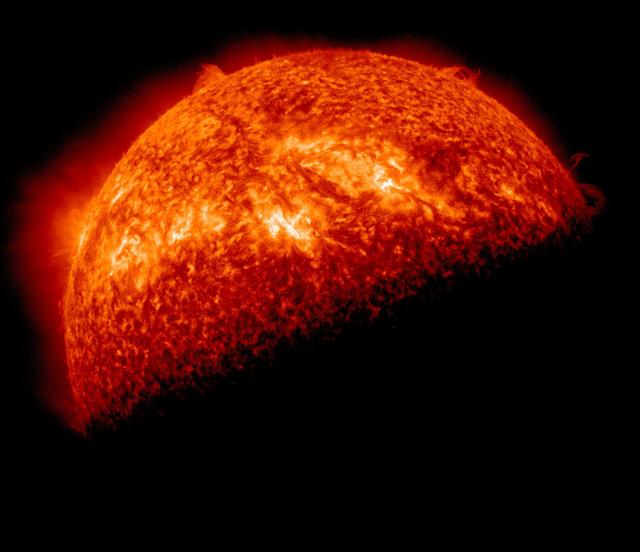
#HappyNewYear from the star of the show that makes all this possible. We begin a new orbit around our Sun, 93 million miles (150 million kilometers) from Earth. nasa.gov/sun
#NASA

Wishing you a #HappyNewYear filled with discovery!
Our solar system's own proto-snowman and the most distant object explored by a spacecraft, Arrokoth, had a visitor #OTD in 2019 when the New Horizons probe flew by, taking this photo. More about Arrokoth: go.nasa.gov/3hB2RBh
#NASAhistory
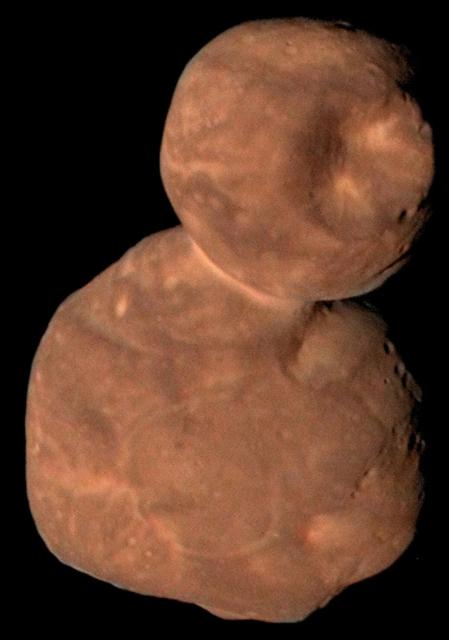
Overview | Arrokoth (2014 MU69) – NASA Solar System Exploration
Circling the Sun in a distant region of icy, rocky bodies called the Kuiper Belt, Arrokoth may represent the building blocks of Pluto and other planet-like worlds beyond Neptune.NASA Solar System Exploration
#ISS
#NASAhqphoto

Best of 2022 by NASA HQ PHOTO
The 100 best images from 2022 as captured and selected by the NASA HQ PHOTO team. (chronological order)NASA HQ PHOTO (Flickr)
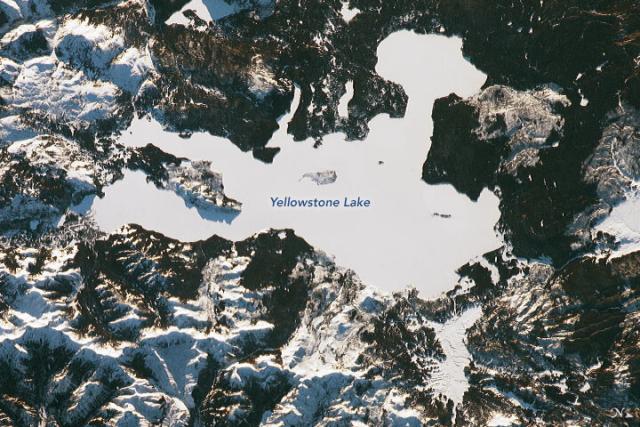
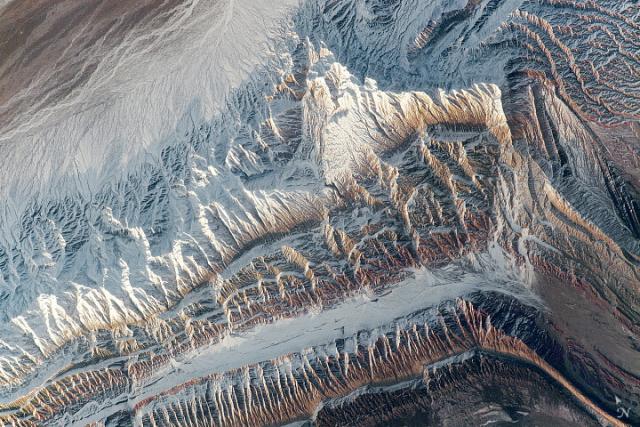
Not snow on the beach, but these winter photos taken by astronauts aboard the @Space_Station are definitely weird and beautiful. 🎶 ❄️ #HappyNewYear
See the gallery: go.nasa.gov/3i3In4y
#NASAEarth
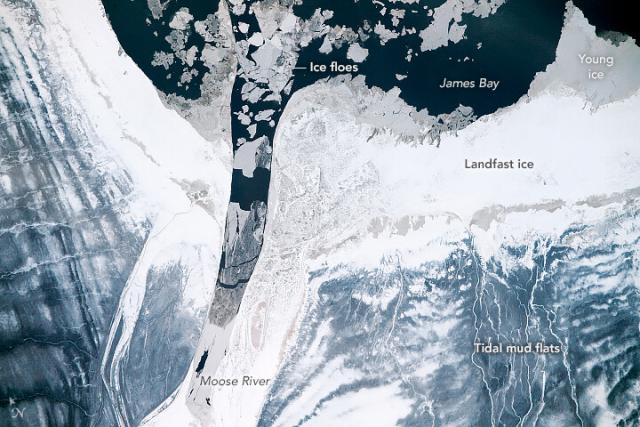
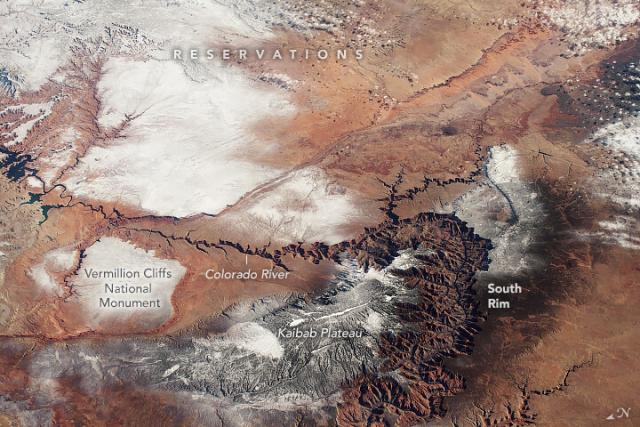
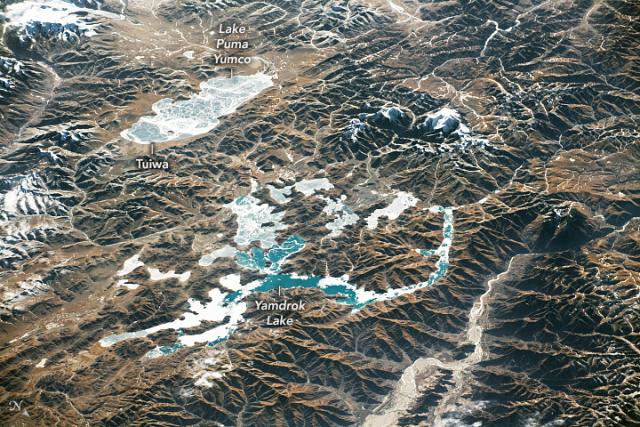
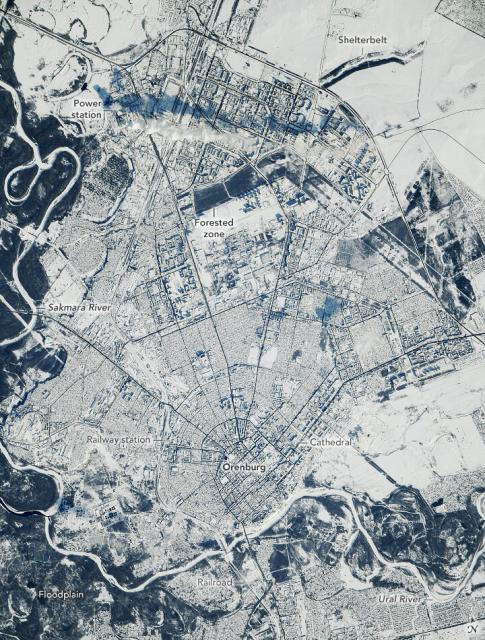
Collection - Winter from the International Space Station
Over the years, astronauts aboard the orbiting laboratory have snapped spectacular photographs of Earth’s snow and ice in both hemispheres.go.nasa.gov
#NASAEarth
#NASAEarth
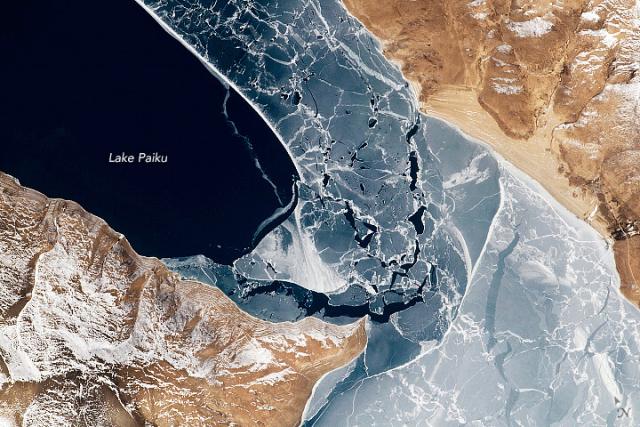
Icy Lake Paiku
This deep lake on the southern Qinghai-Tibet Plateau freezes over during winter, curbing the large changes in lake level observed during other seasons.go.nasa.gov
#NASAEarth
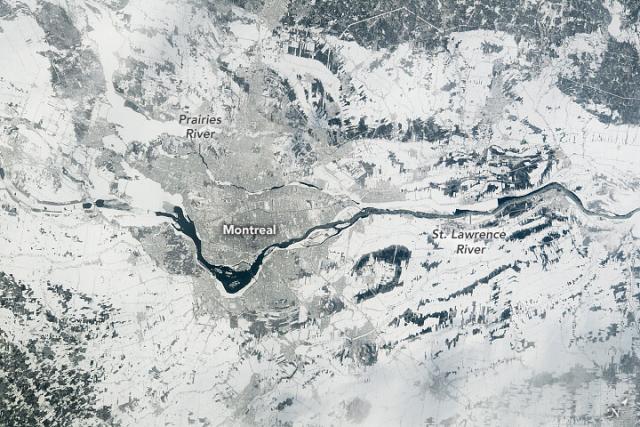
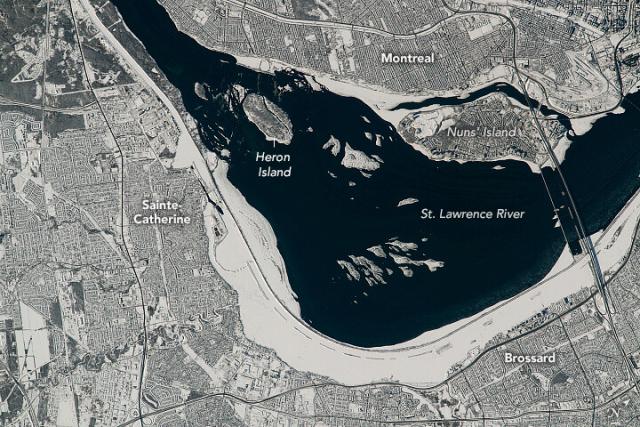
Montreal Islands
Canada’s second-most populous city occupies the largest of hundreds of islands within the Hochelaga Archipelago.go.nasa.gov
#NASAEarth
#NASAEarth
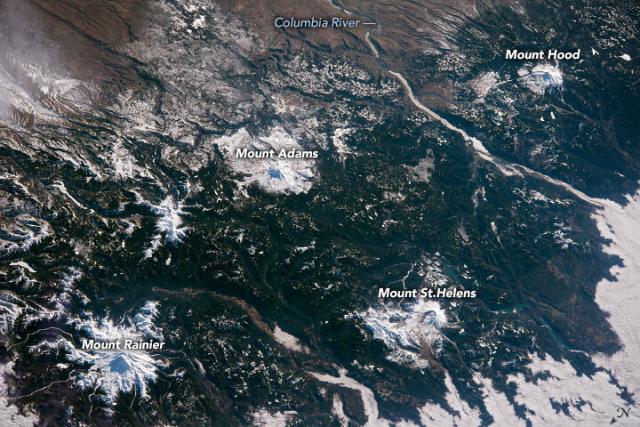
Quartet of Snowy Cascade Volcanoes
Four of the range’s prominent volcanoes—Rainier, St. Helens, Adams, and Hood—were on full display in February 2022.go.nasa.gov
#NASAEarth
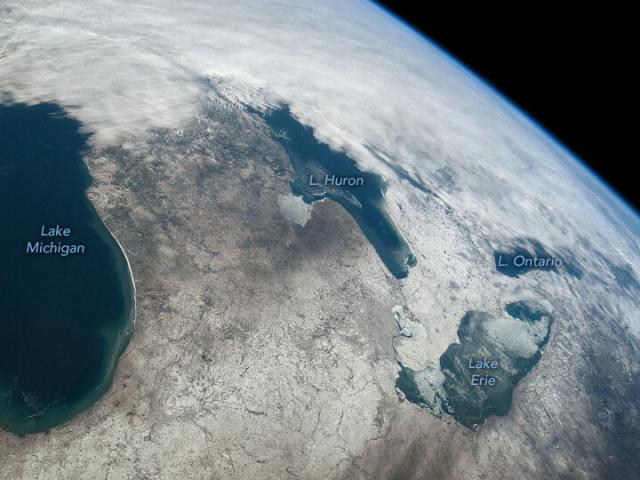
Great Lakes Dressed for Winter
Land and water were decorated with snow and ice when astronauts looked down on the region in February 2022.go.nasa.gov
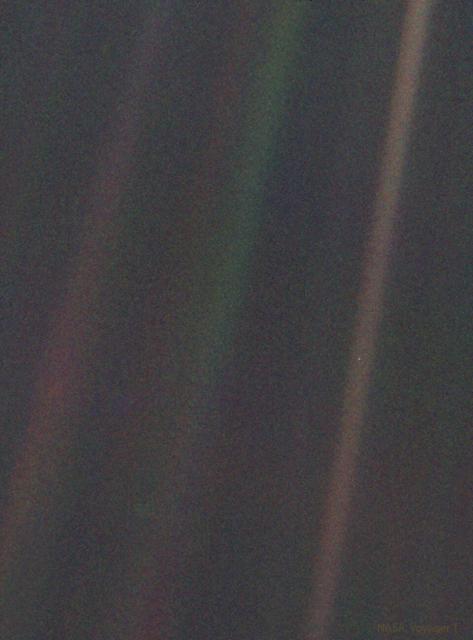
APOD: 2023 January 1 - The Largest Rock in our Solar System
A different astronomy and space science related image is featured each day, along with a brief explanation.apod.nasa.gov
The Largest Rock in our Solar System
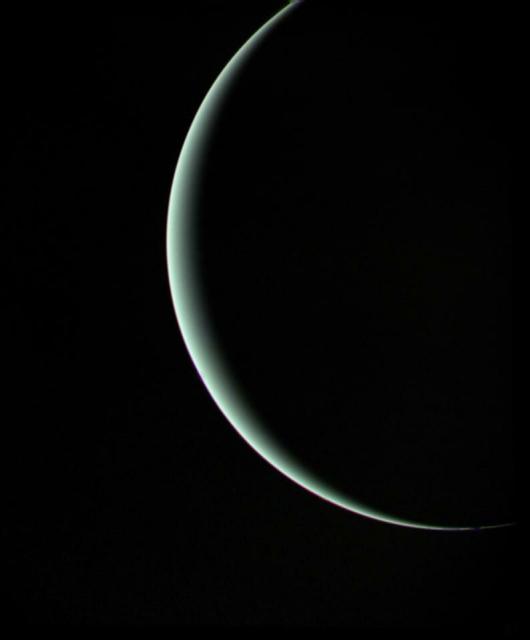
Image Credit: NASA, Voyager 1 spacecraft
apod.nasa.gov/apod/ap230101.ht… #APOD
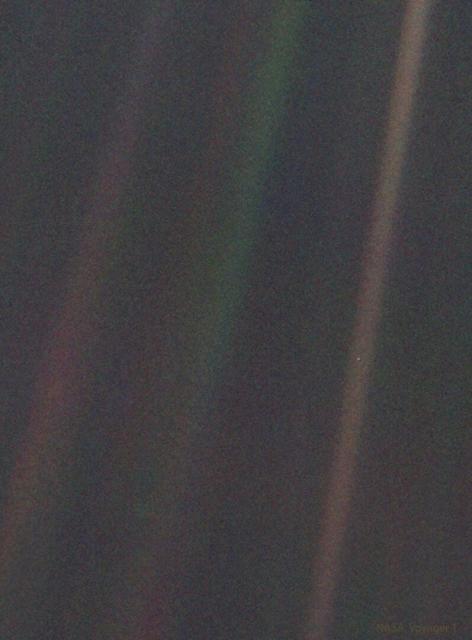
APOD: 2023 January 1 - The Largest Rock in our Solar System
A different astronomy and space science related image is featured each day, along with a brief explanation.apod.nasa.gov
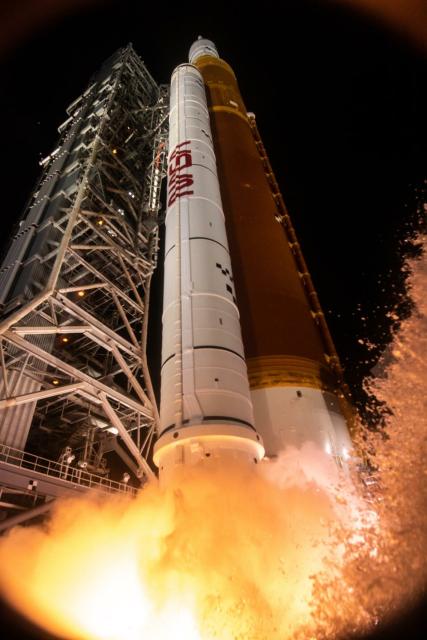
We went.
For years, we have been preparing for long-term human exploration of the Moon. In 2022, we witnessed the launch of @NASA_SLS, @NASA_Orion's trek to the Moon, and a splashdown back to Earth that future astronauts will experience.
2023, look out. We are #Artemis.
#NASAArtemis #Artemis
#NASAExoplanets
What is a light-year? – Exoplanet Exploration: Planets Beyond our Solar System
Light-year is a celestial yardstick, the distance light travels in one year. Light travels at 186,000 miles (300,000 kilometers) per second, 5.88 trillion miles (9.46 trillion kilometers) per hour.Exoplanet Exploration: Planets Beyond our Solar System
The same distance + the distance light travels in 1 day given that 2023 is a leap year.
10 5x88 x 10^12
+ 6 x 10^12
= 16.5 x 10^12 miles
Every adventurer needs a map. Meet the #NASAExplorers who have been remotely studying our Moon for decades, helping identify key areas for exploration and future landing sites for @NASAArtemis missions.

NASA Explorers Season 5, Episode 4: The South Pole
When Artemis astronauts land on the Moon, they’ll travel to sites never before visited by humans. Namely, they'll explore the South Pole region, home to the ...YouTube
NASA Explorers Season 5, Episode 4: The South Pole
When Artemis astronauts land on the Moon, they’ll travel to sites never before visited by humans. Namely, they'll explore the South Pole region, home to the Moon’s largest crater, areas of near-consta...Odysee
Ring in the new year! 🪐
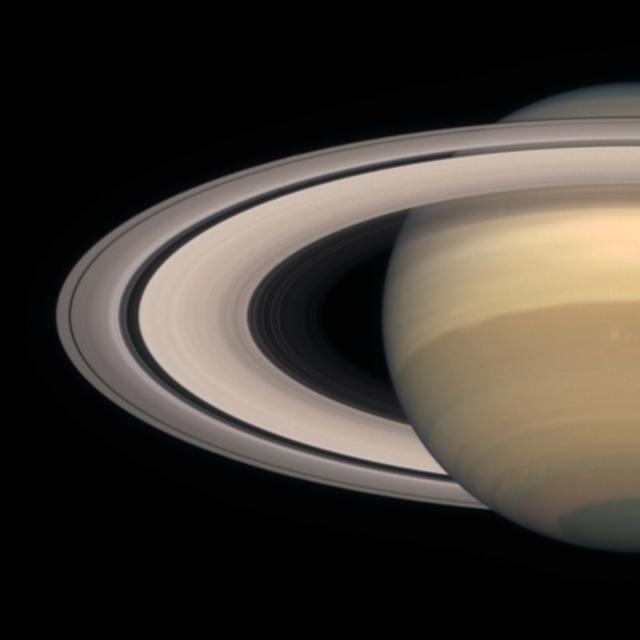
@NASAHubble took several photos of Saturn from 1996 to 2000, observing how its rings appear differently from our perspective as the gas giant makes its 29-year-long journey around the Sun.
Check out Saturn’s “changing” rings: go.nasa.gov/3jBSjTb
#NASA
Hubble redeemed!
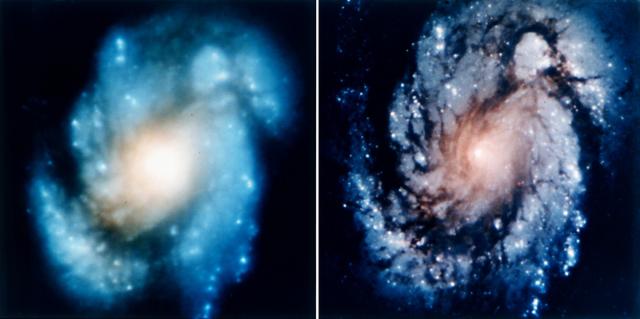
Following the first Hubble servicing mission earlier in December, galaxy M100 was imaged with the new WFPC-2 camera #OTD in 1993, showing that the defect in @NASAHubble's mirror had been corrected.
#NASAhistory
#NASAhistory
Not Yet Imagined
Not Yet Imagined documents the history of the Hubble Space Telescope from its launch through its first 30 years of operation in space.Michele Ostovar (NASA)
DEM L 190 looks like #NewYearsEve fireworks! 🎆
This supernova remnant was also voted our Twitter audience's favorite Hubble image from 2022. Good choice!
DEM L 190 is 160,000 light-years away, and made of the debris from a large star's death. For more: go.nasa.gov/3WXpb7p
#Hubble
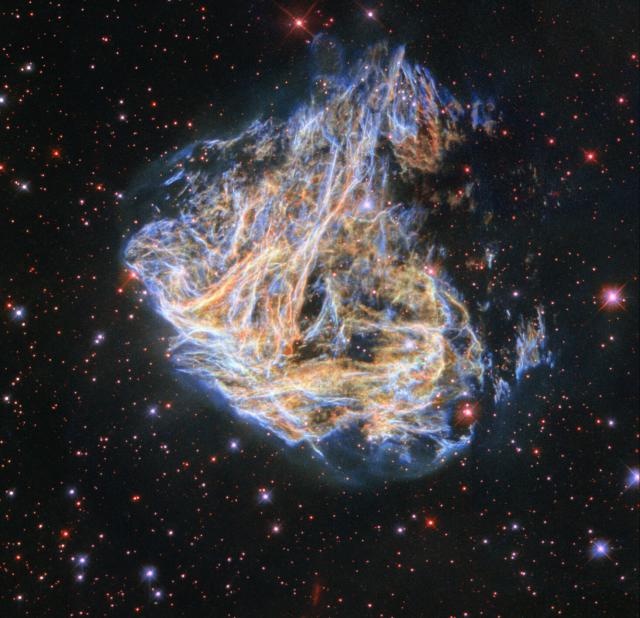
Hubble Homes in on a Celestial Fireworks Display
Shreds of the colorful supernova remnant DEM L 190 seem to billow across the screen in this image from the NASA/ESA Hubble Space Telescope.Andrea Gianopoulos (NASA)
It's been a big year for NASA—and in 2023, we're returning our first asteroid sample to Earth, sending @NASAAero breakthroughs to the skies, and announcing the #Artemis II crew that will orbit the Moon.
Check out what's next: youtube.com/watch?v=KjBisqblTL…
#NASA
NASA in 2023: A Look Ahead
In 2022, we made history. In 2023, we are preparing for our future by exploring the secrets of the universe. All for the benefit of humanity.To learn more ab...YouTube
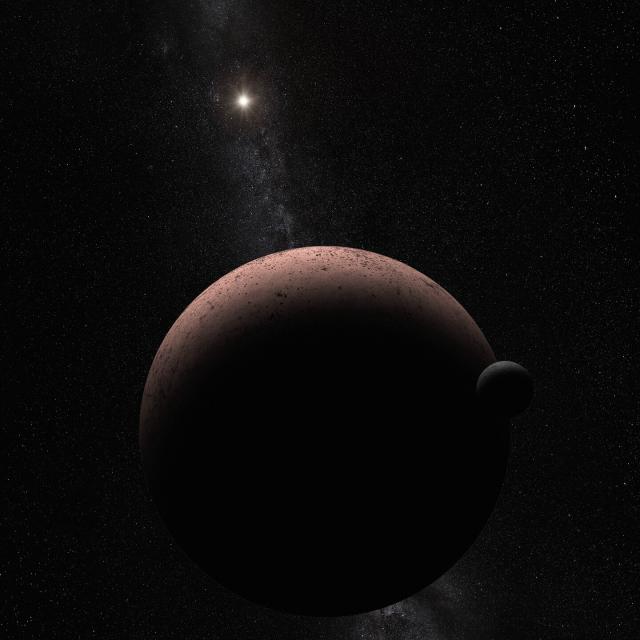
APOD: 2022 December 31 - Moon over Makemake
A different astronomy and space science related image is featured each day, along with a brief explanation.apod.nasa.gov
Moon over Makemake
Illustration Credit: Alex H. Parker (Southwest Research Institute)
apod.nasa.gov/apod/ap221231.ht… #APOD

APOD: 2022 December 31 - Moon over Makemake
A different astronomy and space science related image is featured each day, along with a brief explanation.apod.nasa.gov
MOVED to @chjara@meow.tuxcrafting.online reshared this.
#NASAArtemis #Artemis
#ISS

Station Crew Wraps Up a Busy Year as Soyuz Review Continues
Research and maintenance activities aboard the International Space Station continue into the new year while engineers and managers discuss Soyuz capabilities and potential next steps in response to the Soyuz MS-22’s external cooling loop leak.go.nasa.gov
#NASAExoplanets
Cosmic Milestone: NASA Confirms 5,000 Exoplanets
The count of confirmed exoplanets just ticked past the 5,000 mark, representing a 30-year journey of discovery led by NASA space telescopes.Exoplanet Exploration: Planets Beyond our Solar System
I love #photography. From broad landscapes to extreme closeups, my pics from 2022 had a bit of everything. Your weekly faves included my “pet rock,” a Martian moon, and more.
👍View and “like” photos: go.nasa.gov/2L6tFta
📷Image of the Week gallery: go.nasa.gov/3s4mRg7
#PerseveranceRover
Images from the Mars Perseverance Rover - NASA
Raw images of Mars taken by the Perseverance rover and Ingenuity Mars helicopter in Jezero Crater.go.nasa.gov
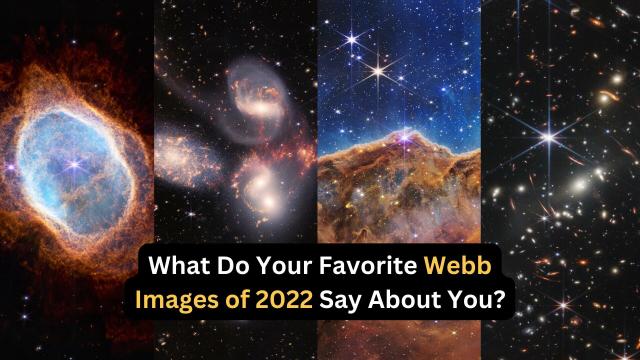
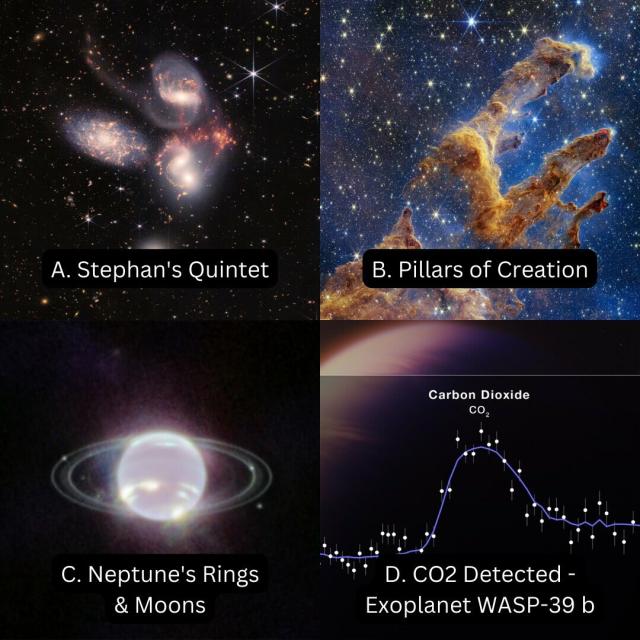
What do your favorite Webb images of 2022 say about you?
1. Pick your favorite out of each set in this thread.
2. Keep track of your choices.
3. Find & share your result!
Let’s get started ⬇️
#JamesWebb
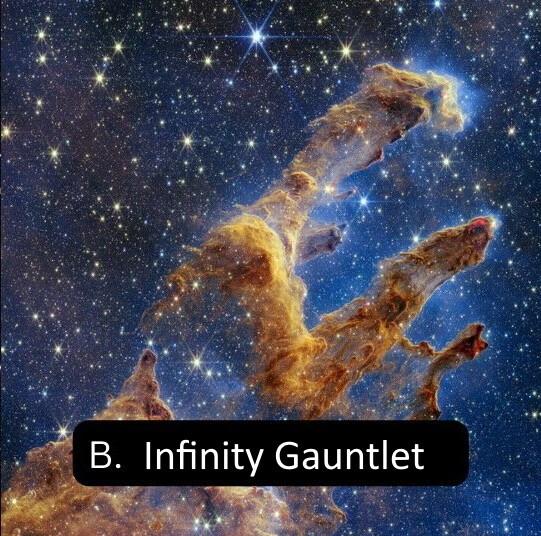
#JamesWebb

Emil Jacobs - Collectifission
in reply to NASA • • •