
#ISS
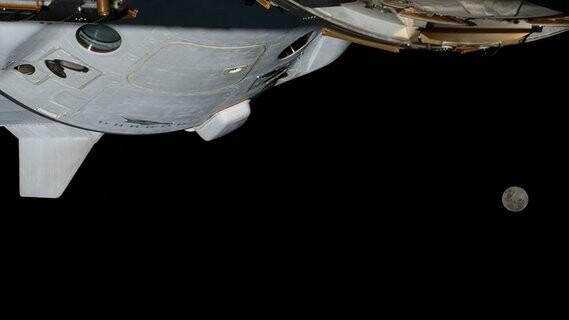
Astronauts Relax after Dragon Leaves, Cosmonauts Study Heart Activity in Space
Four Expedition 68 astronauts are enjoying Tuesday off after spending the weekend packing a U.S. cargo craft and readying it for departure on Monday.blogs.nasa.gov
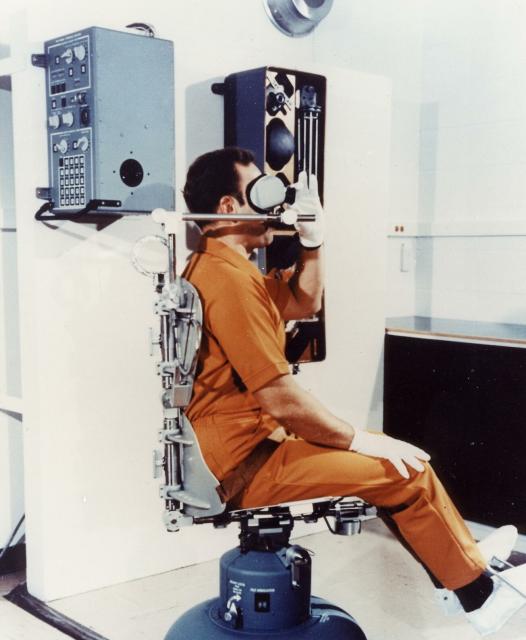
Let's see how nauseous you get 😵
The Human Vestibular Function experiment used a spinning chair to test Skylab astronauts' susceptibility to motion sickness, before, during, and after their time in space. #50YearsAgo
More on Skylab medical experiments: go.nasa.gov/3k4jtCz
#NASAhistory
Greenland’s largest ice stream is expected to contribute more to sea level rise by the end of the century than models previously indicated.
This animation shows thinning since 2007 and projected through 2100, with the greatest thinning in yellow.
🧊➡💧: go.nasa.gov/3jV963G
#NASAEarth
Thinning of the Northeast Greenland Ice Stream
Greenland’s largest ice stream is expected to contribute more to sea level rise than models previously indicated.go.nasa.gov
#PerseveranceRover
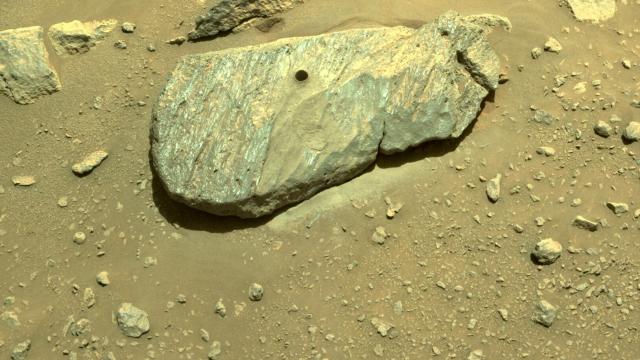

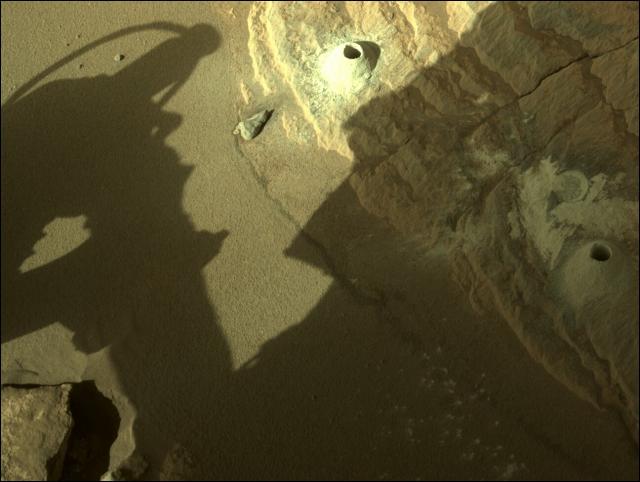
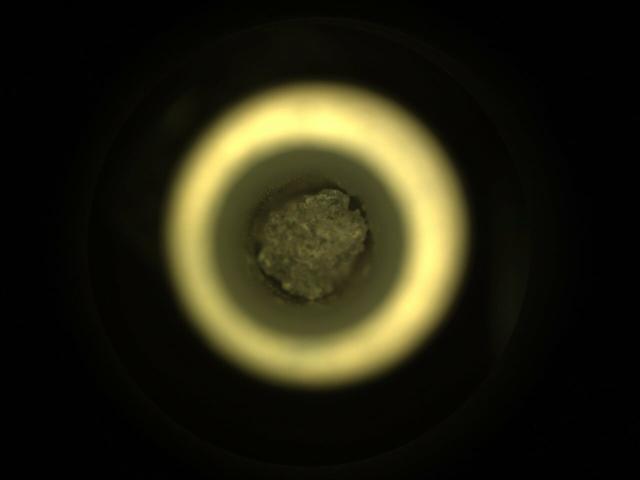
You might remember I collected two samples from this rock, as I’ve done in several spots. From each of those sites, I’m keeping one sample, and setting one down in this sample depot I’m building.
More on each sample: mars.nasa.gov/mars-rock-sample…
#PerseveranceRover
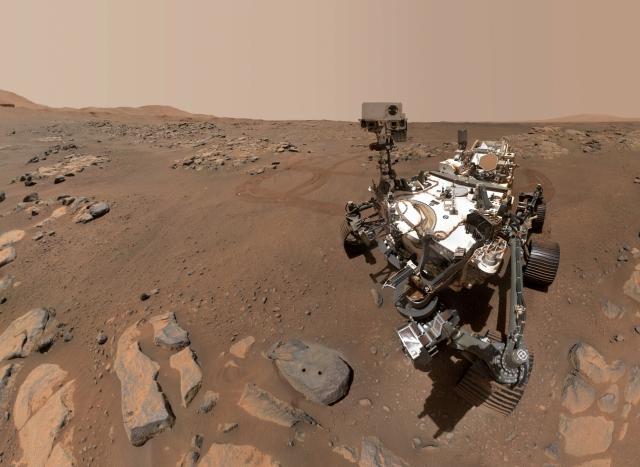
Perseverance Rover Mars Rock Samples
More about the Mars rock samples collected by the Perseverance rover that may one day be returned to Earth by a future mission for scientists to study.NASA Mars Exploration
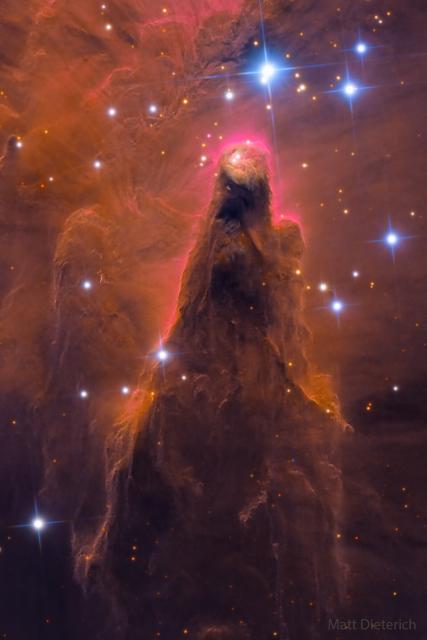
APOD: 2023 January 10 – NGC 2264: The Cone Nebula
A different astronomy and space science related image is featured each day, along with a brief explanation.apod.nasa.gov
NGC 2264: The Cone Nebula
Image Credit & Copyright: Matthew Dieterich
apod.nasa.gov/apod/ap230110.ht… #APOD

APOD: 2023 January 10 – NGC 2264: The Cone Nebula
A different astronomy and space science related image is featured each day, along with a brief explanation.apod.nasa.gov
#NASA
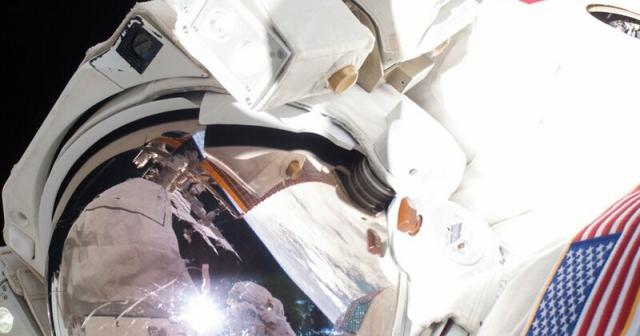
#ISS
#ISS
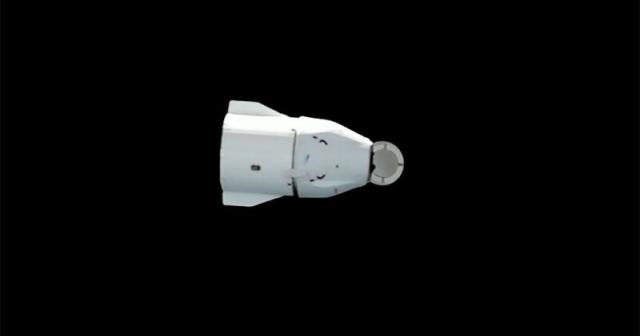
Science-Packed Dragon Cargo Craft Undocks from Station
After receiving commands from flight controllers on the ground, the uncrewed SpaceX Dragon spacecraft undocked from the zenith port of the International Space Station’s Harmony module at 5:05 p.m.blogs.nasa.gov
#ISS
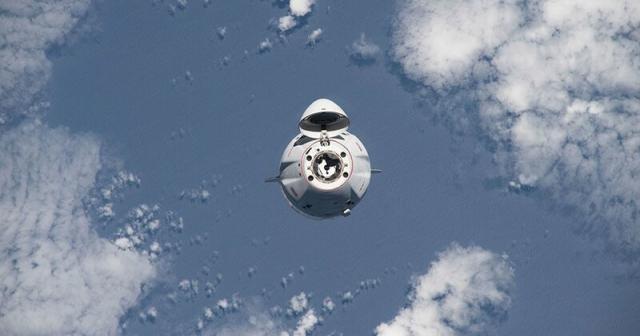
Dragon Cargo Craft Prepares to Leave Station Live on NASA TV
Live coverage of the departure of SpaceX’s uncrewed Dragon cargo spacecraft from the International Space Station is underway on NASA Television, the agency’s website, and the NASA app.blogs.nasa.gov
LIVE: @SpaceX's Dragon cargo craft is bringing tons of @ISS_Research, including a space radiation vest and orbiting plant experiments, back to Earth.
Undocking is scheduled to start shortly after 5pm ET (2200 UTC). twitter.com/i/broadcasts/1yoKM…
#NASA
#NASA
NASA Selects Experimental Space Technology Concepts for Initial Study
Imagine a future in space where pellet-beam propulsion systems speed up travel to other worlds, pipelines on the Moon transport oxygen between settlements, and Martian bricks grow on their own before being assembled into homes.Gerelle Dodson (NASA)
#NASAExoplanets
This #MoonCrushMonday, we're reminiscing about International #ObserveTheMoon Night. We had record-breaking participation in 2022, with 4282 registrations from 125 different countries. See how people around the world celebrated: go.nasa.gov/3Iw7iZj.
Photo credit: Carol Botha
#NASAMoon
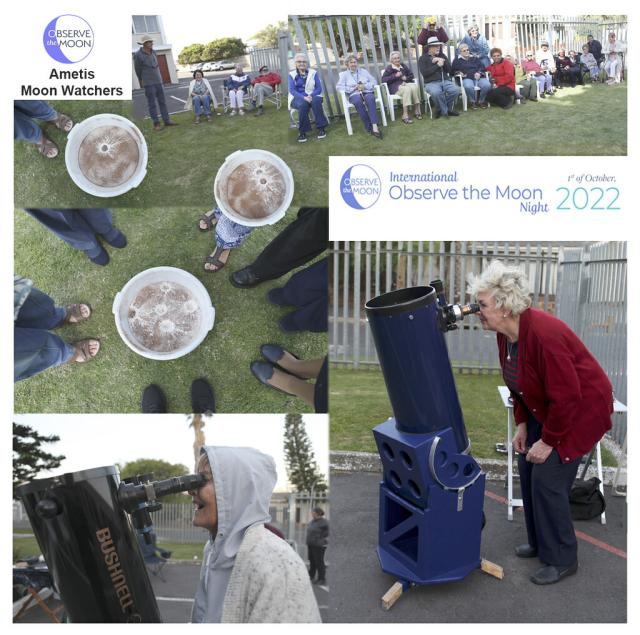
International Observe the Moon Night 2022 Recap – Moon: NASA Science
Here's how our community observed the Moon in 2022.Moon: NASA Science
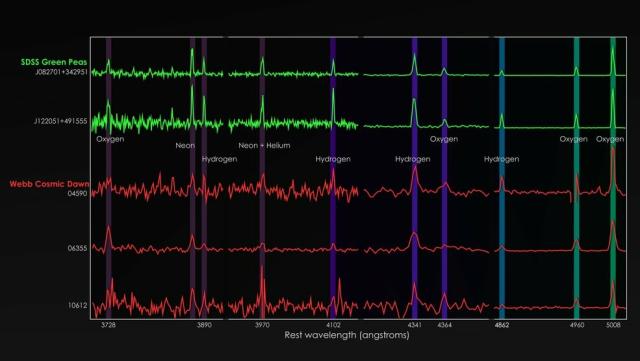
In @NASAWebb's very fist image, scientists have now identified three of the earliest galaxies, and they resemble a rare type in our cosmic neighborhood: Green pea galaxies. go.nasa.gov/3GPdQB2
#NASAExoplanets
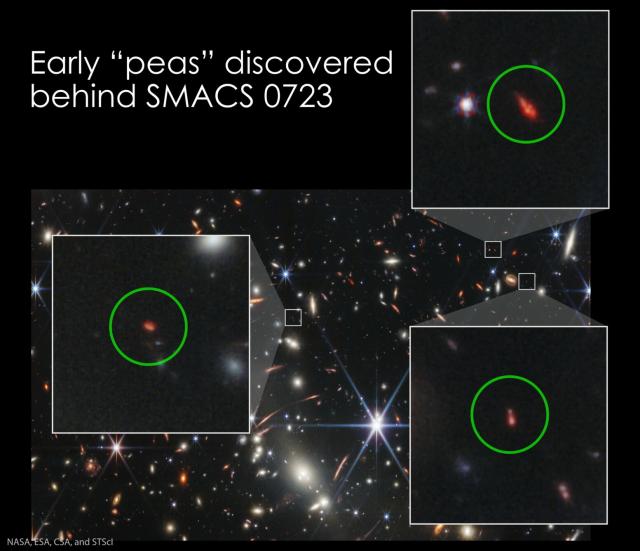
NASA’s Webb Telescope Reveals Links Between Galaxies Near and Far
A new analysis of distant galaxies imaged by NASA’s James Webb Space Telescope shows that they are extremely young and share some remarkable similarities to “green peas,” a rare class of small galaxies in our cosmic backyard.Francis Reddy (NASA)
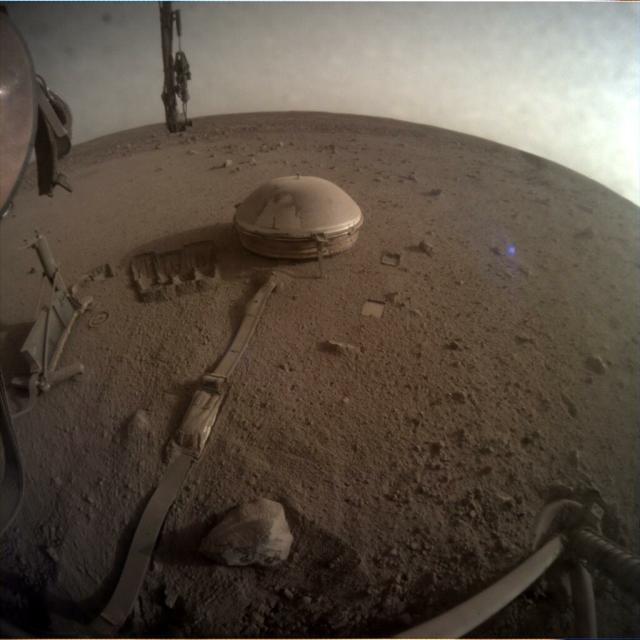
For four years, @NASAInSight studied Mars' interior, marsquakes, and Martian weather.
Join our @reddit Ask Me Anything on Jan. 10 at 3pm ET (2000 UTC), where mission experts will answer your questions about the lander's legacy: reddit.com/r/askscience
#NASA
#ISS
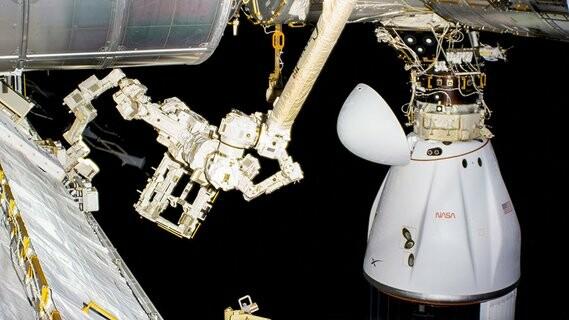
Science-Filled Dragon Leaving Station Today After Crew Med Checks
A U.S. cargo craft is being loaded with hardware and sensitive research samples for analysis on Earth before it departs the International Space Station today.blogs.nasa.gov
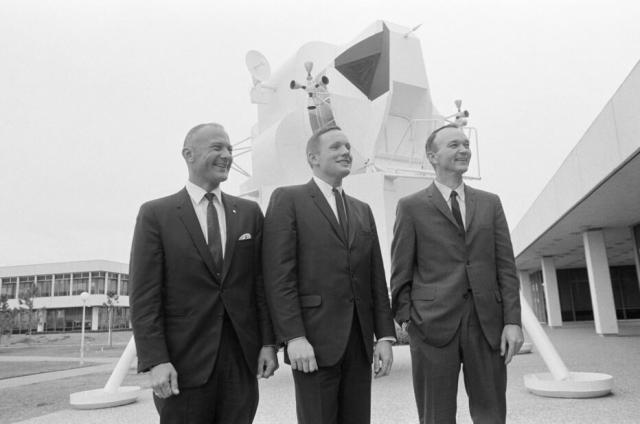
#OTD in 1969, @nasa announced the crew for Apollo 11, the first mission that would land humans on the Moon. Buzz Aldrin, Neil Armstrong, and Michael Collins were to make the trip… if all went well on Apollo 9 & 10.
Who was on the backup crew? Hint: go.nasa.gov/3Qfn4tq
#NASAhistory
nasa.gov/topics/aeronautics/in…

Aeronautics
NASA.gov brings you the latest images, videos and news from America's space agency. Get the latest updates on NASA missions, watch NASA TV live, and learn about our quest to reveal the unknown and benefit all humankind.NASA
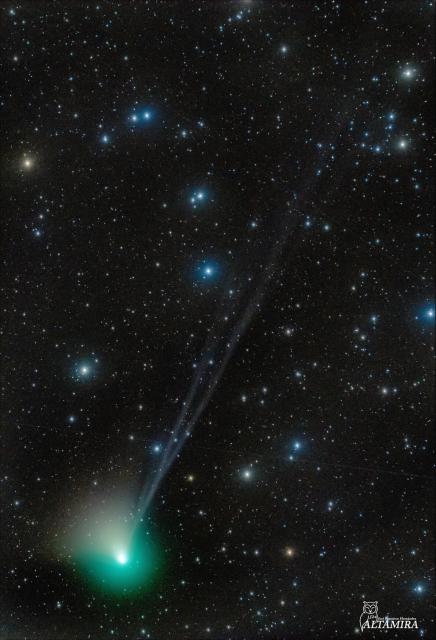
APOD: 2023 January 9 – Tails of Comet ZTF
A different astronomy and space science related image is featured each day, along with a brief explanation.apod.nasa.gov
Tails of Comet ZTF
Image Credit & Copyright: Jose Francisco Hernández
apod.nasa.gov/apod/ap230109.ht… #APOD

APOD: 2023 January 9 – Tails of Comet ZTF
A different astronomy and space science related image is featured each day, along with a brief explanation.apod.nasa.gov
"Remember to look up at the stars and not down at your feet"
#HappyBirthday to the late cosmologist Stephen Hawking. Changing our view of the universe with his theories and outreach, Hawking was also an avid advocate for continued space exploration.
📷 Hawking at NASA in 2008
#NASAhistory

Hoping to read more books in 2023? Get started with the Hubble history book “Not Yet Imagined"!
1) Get a free e-book: go.nasa.gov/3ZlQgTx
2) Or if you're at #AAS241, swing by the @nasa Booth from 7:30-8:30 p.m. on Jan. 8 or 10-11 a.m. on Jan. 9 to get a signed copy!
#Hubble
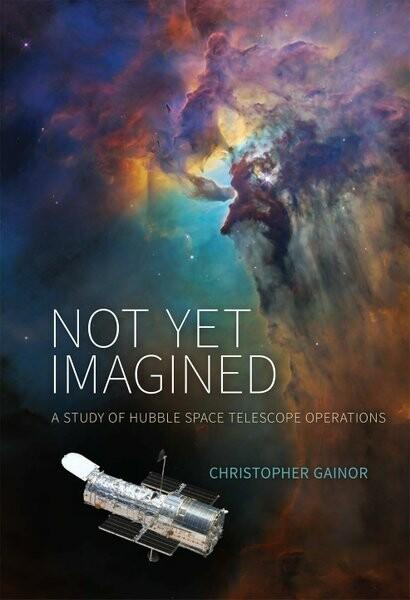
Not Yet Imagined
Not Yet Imagined documents the history of the Hubble Space Telescope from its launch through its first 30 years of operation in space.Michele Ostovar (NASA)
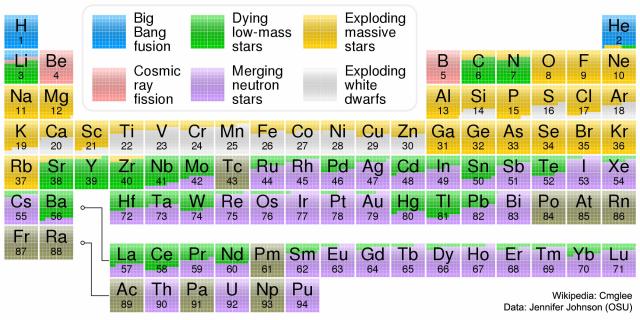
APOD: 2023 January 8 – Where Your Elements Came From
A different astronomy and space science related image is featured each day, along with a brief explanation.apod.nasa.gov
What are the gold colored ones like 43 Technetium? Seems there's 7 colors used, but only 6 in the key table (?).
Cool as f* though. 😀
Where Your Elements Came From
Image Credit & License: Wikipedia: Cmglee; Data: Jennifer Johnson (OSU)
apod.nasa.gov/apod/ap230108.ht… #APOD
APOD: 2023 January 8 – Where Your Elements Came From
A different astronomy and space science related image is featured each day, along with a brief explanation.apod.nasa.gov

Some planets are so close to their stars that they're being pulled and stretched as the stars consume them. WASP-12b is one such doomed world. 🍳 go.nasa.gov/3IvnUjZ
#NASAExoplanets
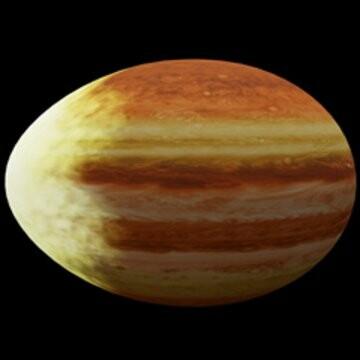
WASP-12b 3D Model - Exoplanet Exploration: Planets Beyond our Solar System
The doomed egg-shaped exoplanet WASP-12b is a hot Jupiter that orbits so close to its parent star, it's being torn apart.Exoplanet Exploration: Planets Beyond our Solar System

does this mean WASP - 12b doesn’t spin on its own axis?
If it is spinning on its own axis, why hasn’t it been pulled equally on all sides?
Peering inward toward the center of our Milky Way galaxy, a globular cluster shines bright, 50,000 light-years from Earth.
@NASAHubble is essential to helping scientists study these tightly bound groups of stars found in all types of galaxies. go.nasa.gov/3Zm2o71
#NASA
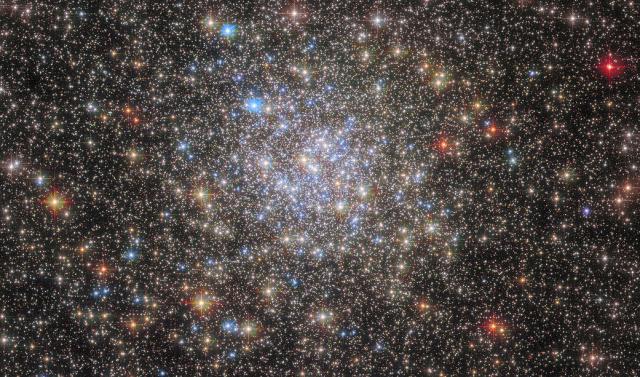
Hubble Gazes at Colorful Cluster of Scattered Stars
The scattered stars of the globular cluster NGC 6355 are strewn across this image from the NASA/ESA Hubble Space Telescope.Andrea Gianopoulos (NASA)
How did NASA prepare for landing humans on the Moon in 1969? By sending the Surveyor landers to check out the surface and practice soft landings!
Surveyor 7, the last of the series to fly, launched to the Moon #OTD in 1968 and returned 21,274 pictures! go.nasa.gov/3ZelFHF
#NASAhistory
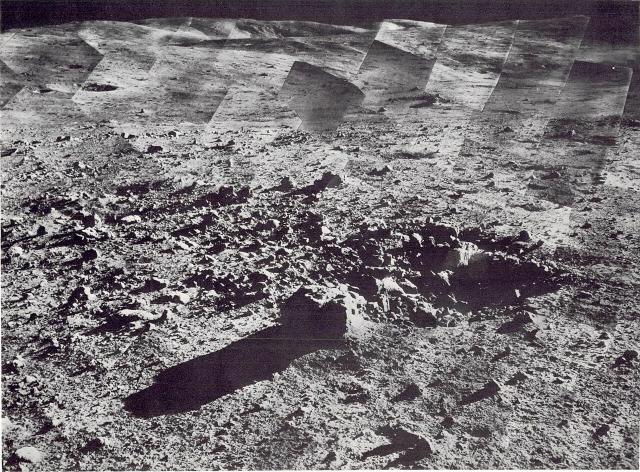
50 years ago: Surveyor 7 Launches
. Surveyor 7, the seventh and last in the series, launched January 7, 1968, from Cape Canaveral on an Atlas-Centaur rocket and landed successfully on the Moon three days later.NASA
And there are even some successes in this.
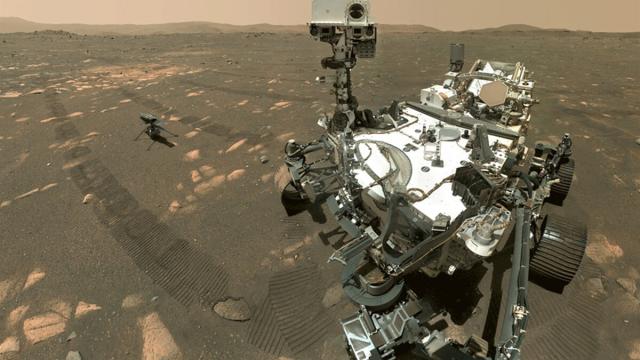
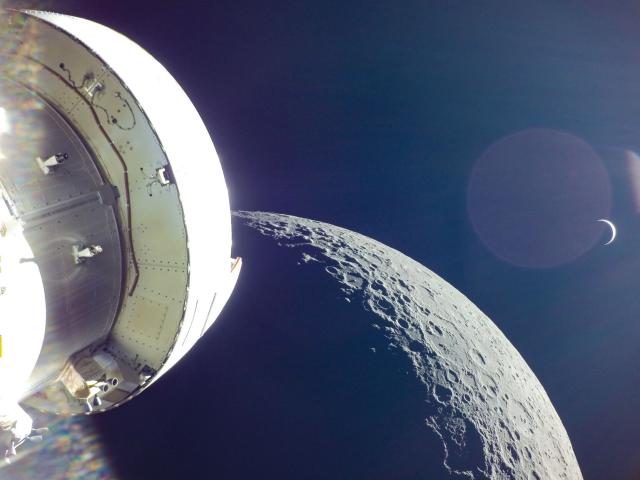
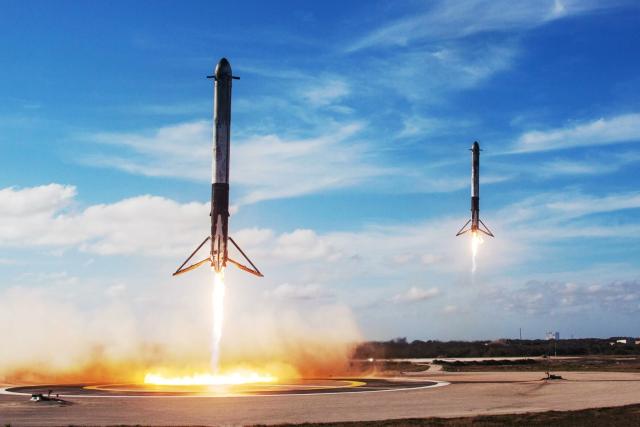
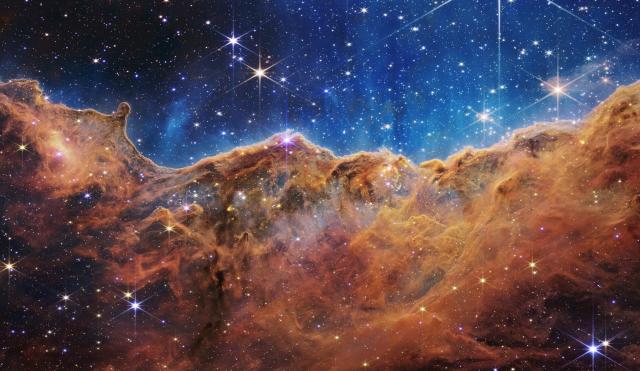
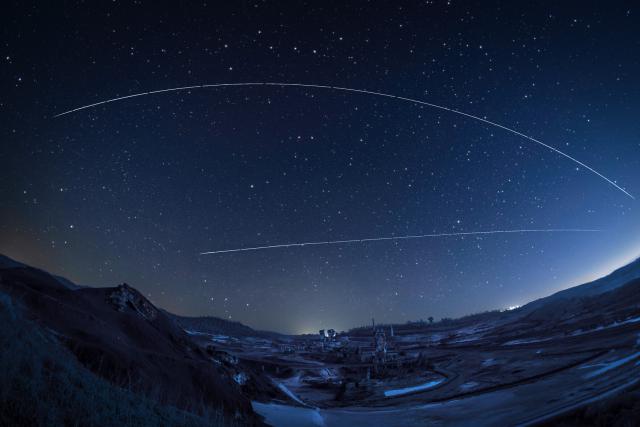
APOD: 2023 January 7 - Space Stations in Low Earth Orbit
A different astronomy and space science related image is featured each day, along with a brief explanation.apod.nasa.gov
Space Stations in Low Earth Orbit
Image Credit & Copyright: Zarcos Palma
apod.nasa.gov/apod/ap230107.ht… #APOD

APOD: 2023 January 7 - Space Stations in Low Earth Orbit
A different astronomy and space science related image is featured each day, along with a brief explanation.apod.nasa.gov
Recently at NASA:
@NASA_Orion arrived at @NASA_Kennedy, @NASAPersevere made a cache deposit of Martian samples, and we bid farewell to @NASAInsight.
Looking for more space and aeronautics in the new year? Subscribe: go.nasa.gov/3CRYObt
#NASA
NASA Newsletters
NASA.gov brings you the latest images, videos and news from America's space agency. Get the latest updates on NASA missions, watch NASA TV live, and learn about our quest to reveal the unknown and benefit all humankind.NASA
Join us Jan. 9 as @SpaceX’s #CRS26 undocks from the @Space_Station. Coverage starts at 4:45pm ET (2145 UTC) here and on go.nasa.gov/3iiZors.
Here's what the cargo craft is bringing back to Earth, including agriculture and radiation experiments: go.nasa.gov/3QjIiGD
#NASA
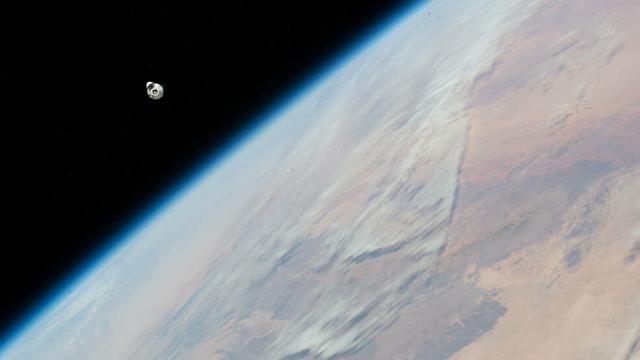
NASA to Provide Live Coverage of SpaceX Cargo Craft Station Departure
A SpaceX Dragon cargo resupply spacecraft is set to depart the International Space Station on Monday, Jan. 9, returning scientific research samples and hardware to Earth for NASA.Roxana Bardan (NASA)
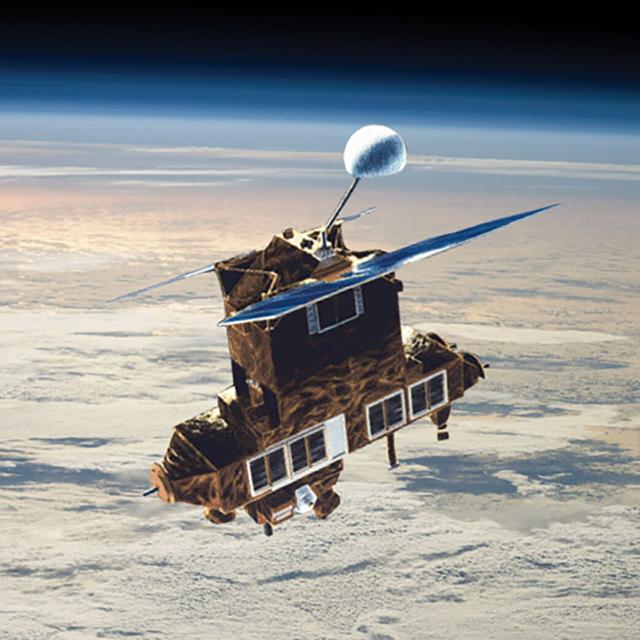
NASA’s retired Earth Radiation Budget Satellite (ERBS) is expected to reenter Earth’s atmosphere after almost 40 years in space.
The @DeptofDefense currently predicts reentry at approximately 6:40 pm EST on Jan. 8.
go.nasa.gov/3Iv7Iz3
#NASAEarth
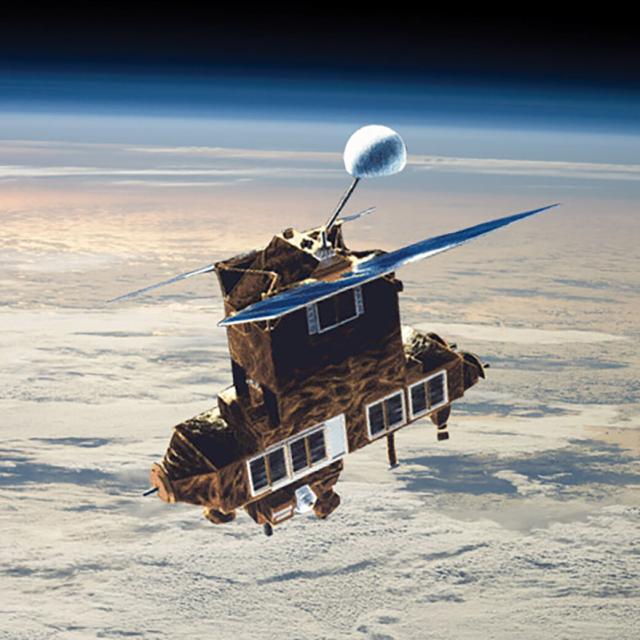
Retired NASA Earth Radiation Budget Satellite to Reenter Atmosphere
After almost four decades in space, NASA’s retired Earth Radiation Budget Satellite (ERBS) is expected to reenter Earth’s atmosphere in early January.Joe Atkinson (NASA)
Thank you for your service ERBS!
Somewhere around 235,000 orbits of the earth if it's doing 16 laps a day?
Wow, did it really travel >5B miles? It's crazy it's traveling distances comparable to voyagers just 'running laps around the house' instead of into the great unknown.
Inspections are underway 🔍
@NASAKennedy technicians are conducting inspections of @NASA_Orion’s heatshield, which experienced temperatures near 5,000 degrees Fahrenheit as the capsule faced its biggest challenge—reentering the Earth’s atmosphere. go.nasa.gov/3vP0RZy
#NASAArtemis #Artemis

Heat Shield Inspections Underway on Artemis I Orion Spacecraft
Inside the Multi-Payload Processing Facility at NASA’s Kennedy Space Center in Florida, engineers and technicians conduct inspections of the heat shield on the Orion spacecraft for the Artemis I mission.Danielle Sempsrott (NASA)
#ISS
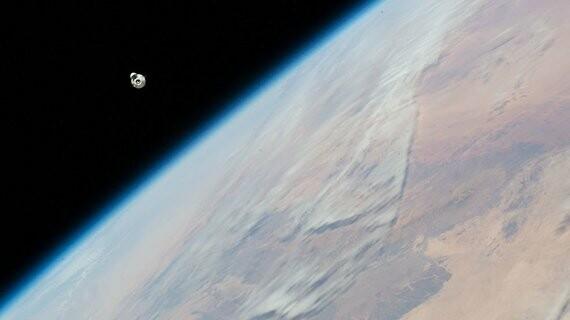
NASA to Provide Live Coverage of SpaceX Cargo Craft Station Departure
A SpaceX Dragon cargo resupply spacecraft is set to depart the International Space Station on Monday, Jan. 9, returning scientific research samples and hardware to Earth for NASA.Roxana Bardan (NASA)
Next week, @nasa will be sharing recent discoveries at a science conference. Meanwhile, we'll be sharing the science with *you*! Stay tuned for new planets, @NASAWebb discoveries and more! nasa.gov/feature/nasa-science-…
#NASAExoplanets
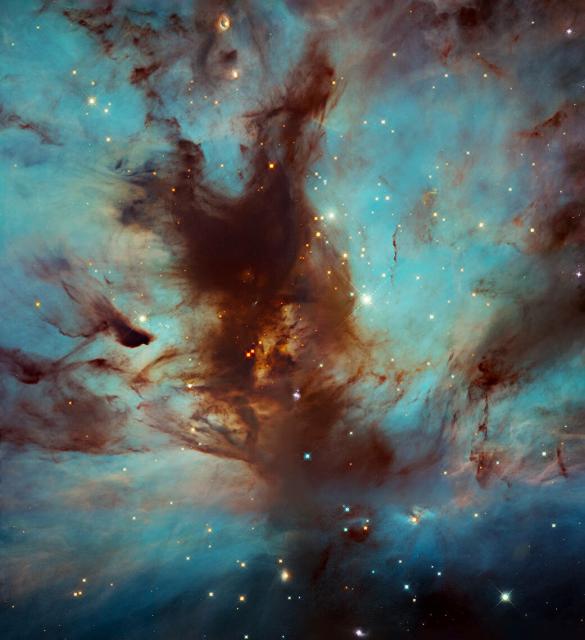
NASA Science To Be Featured at American Astronomical Society Meeting
Experts will discuss new research from NASA missions at the 241st meeting of the American Astronomical Society (AAS), on topics ranging from the universe’s early galaxies to planets outside our solar system.Alise Fisher (NASA)
We’re howling for the first full moon of 2023. 🐺
The first full moon of the year is known by many names, such as the “Wolf” Moon. Look to the night sky on Jan. 6 to spot our lunar companion, with the bright star Pollux keeping it company.
More: go.nasa.gov/3jXT6y0
#NASA
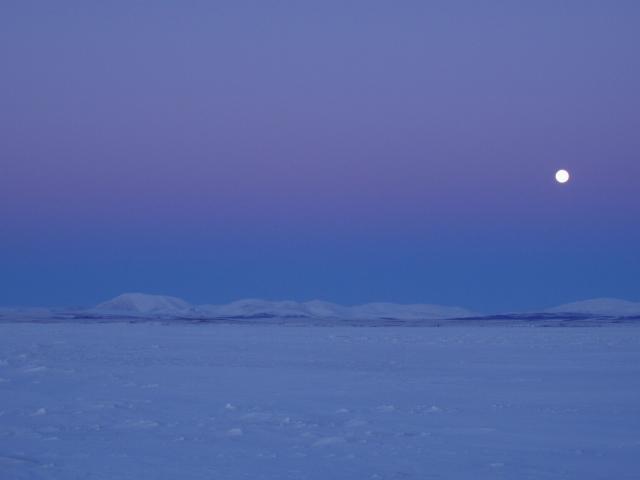
The Next Full Moon is the Wolf or Ice Moon
The next full Moon will be Friday evening, Jan. 6, 2023, at 6:08 PM EST. The Moon will appear full from Thursday evening through Sunday morning.NASA Solar System Exploration
#PerseveranceRover
El Diablo Roboc 😈🤖
in reply to NASA • • •