

8 Approaches to Find Yourself
Learn how to stop reacting to life, making up for the shadows of yesterday, and toiling for your tomorrow. See how to know yourself now.Margarita Tartakovsky, MS (Psych Central)
Orion and the Running Man
Image Credit & Copyright: Abraham Jones
apod.nasa.gov/apod/ap230310.ht… #APOD

APOD: 2023 March 10 - Orion and the Running Man
A different astronomy and space science related image is featured each day, along with a brief explanation.apod.nasa.gov
That's how many planets we've confirmed beyond our solar system -- so far! One of the newly-discovered worlds is more than 1,000 light-years from Earth. TOI 2525 b, a ''warm Neptune,'' orbits its star with a larger companion planet. exoplanets.nasa.gov/discovery/
#NASAExoplanets
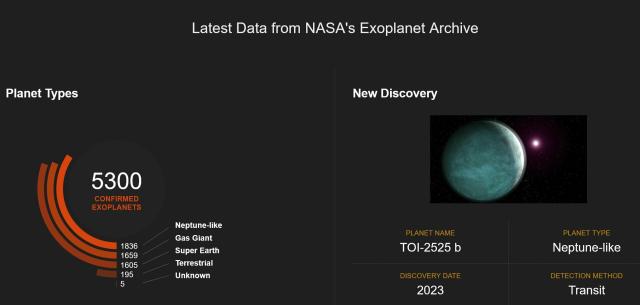
Discoveries Dashboard | Discovery – Exoplanet Exploration: Planets Beyond our Solar System
See the latest real-time data dashboard from NASA on exoplanet discoveries, planet types, and more.Exoplanet Exploration: Planets Beyond our Solar System
A new air pollution mission, called MAIA, will investigate the health impacts of tiny airborne particles polluting some of the world’s most populated cities.
@nasa and @ASI_spazio are partnering to build and launch MAIA before the end of 2024.
Details: go.nasa.gov/3YFdQJo
#NASAEarth
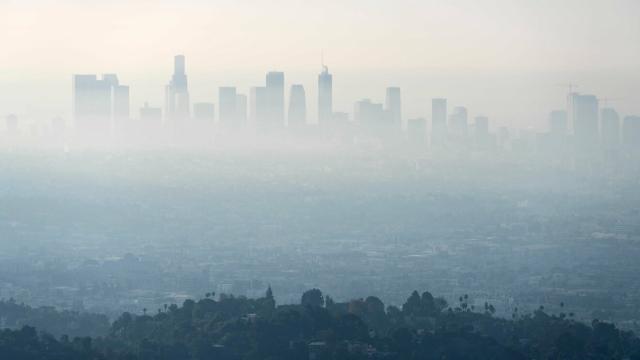
NASA and Italian Space Agency Join Forces on Air Pollution Mission
The two agencies are partnering on a satellite to understand the effects of different types of particle pollution on human health.NASA Jet Propulsion Laboratory (JPL)
#NASASolarSystem
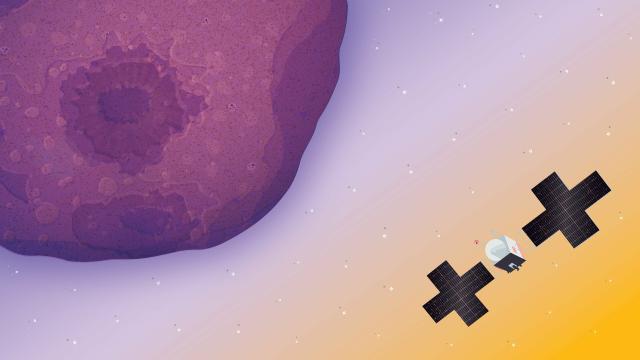
Educator Guide: Metal Math: A ‘Pi in the Sky’ Math Challenge | NASA/JPL Edu
In this illustrated math problem, students use pi to calculate the approximate density of the asteroid (16) Psyche and compare that to the density of known terrestrial materials.NASA/JPL Edu
Tune in as #Crew5 heads home after five months on the @Space_Station!
Crew-5 is scheduled to splash down at 9:19pm ET on Saturday, March 11 (0219 UTC March 12). Join us throughout the day for undocking and splashdown coverage on social media and NASA TV: go.nasa.gov/3YzdeVN
#NASA
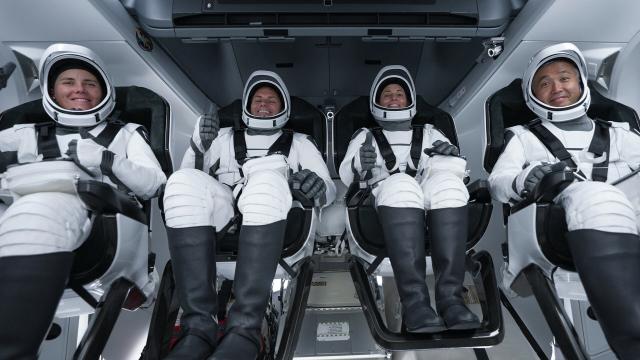
Coverage Set as NASA’s SpaceX Crew-5 Prepares to Splashdown
NASA will provide coverage of the agency’s SpaceX Crew-5 mission return to Earth from the International Space Station, beginning with undocking coverage live at 12 a.m. EST on Saturday, March 11.Roxana Bardan (NASA)
Today, the Biden-Harris Administration released the Fiscal Year 2024 NASA budget request: nasa.gov/budget
Returning to the Moon to prepare for Mars, addressing climate change, making aviation safer, empowering our workforce, and creating jobs: This is the #StateOfNASA.
#NASA
Budget Documents, Strategic Plans and Performance Reports
NASA.gov brings you the latest images, videos and news from America's space agency. Get the latest updates on NASA missions, watch NASA TV live, and learn about our quest to reveal the unknown and benefit all humankind.NASA
#NASA
NASA Sets Coverage for Annual Address, Budget Media Call in March
Administrator Bill Nelson will broadcast his annual State of NASA remarks at 3 p.m. EST on Thursday, March 9. The event will air on NASA Television, the NASA app, and the agency’s website.Roxana Bardan (NASA)
When you think of NASA, do you think of...
Rockets or corn?
Space or wheat?
Mars or rice?
NASA data also plays a big role in the food we eat, from water management to sustainable farming processes.
#NASAEarth
When you think of NASA, do you think of...
Rockets or corn?
Space or wheat?
Mars or rice?
NASA data also plays a big role in the food we eat, from water management to sustainable farming processes.
#NASAEarth
The Corn Belt in the midwest is home to the nation’s most productive soils.
Hundreds of miles above, NASA satellites provide critical views of the region that help scientists study soil loss over time and develop tools for conservation techniques.
🔗 go.nasa.gov/3mDlpD9
#NASAEarth
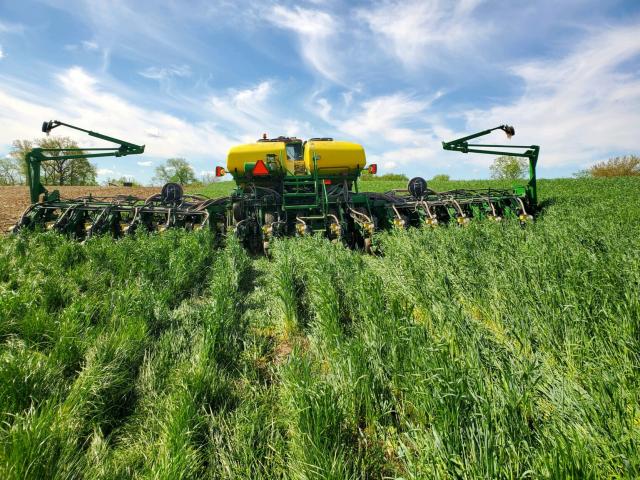
Shoring up the Corn Belt’s Soil Health With NASA Data
Soil is the foundation of our food systems, and sustainable farming depends upon healthy soil, which has impacts far beyond the field on air, water and climate.Lina Tran (NASA)
🔗go.nasa.gov/3ZLbJVw
#NASAEarth
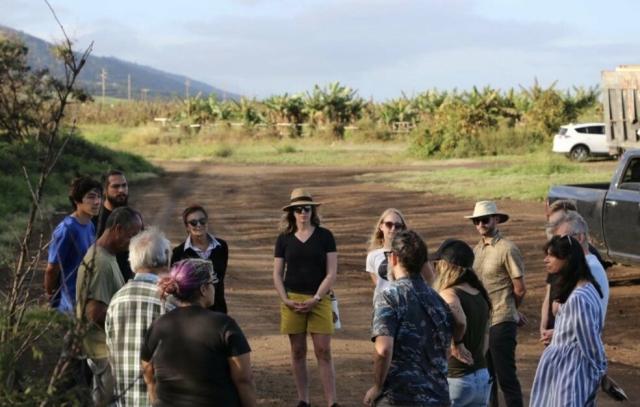
NASA Engages U.S. Farmers: Bringing Satellite Data Down to Earth
NASA is increasing its decades-long investment in U.S. agriculture through the launch of NASA Acres, a new consortium that will unite physical, social, and economic scientists with leaders in agriculture from public and private sectorsAries Keck (NASA)
Tropical Cyclone Freddy, an unusually long-lived storm, wandered in the Indian Ocean for more than a month, bringing strong winds and downpours to anything in its path.
The @NOAA-20 satellite captured this image of the storm on March 8, 2023. go.nasa.gov/3YDQP9I 🌀
#NASAEarth
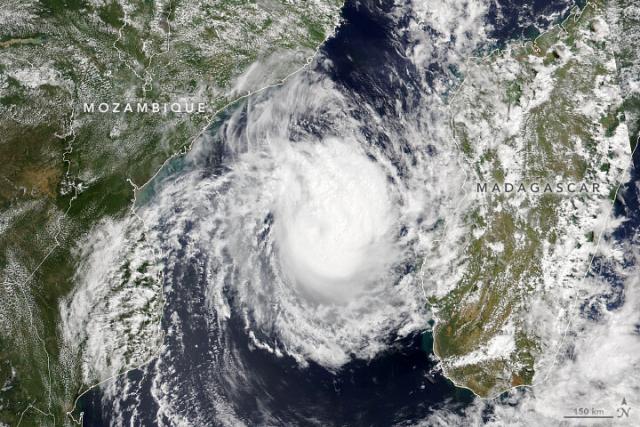
For the Longest Time
Tropical Cyclone Freddy, an unusually long-lived storm, wandered in the Indian Ocean for more than a month.go.nasa.gov
#ISS
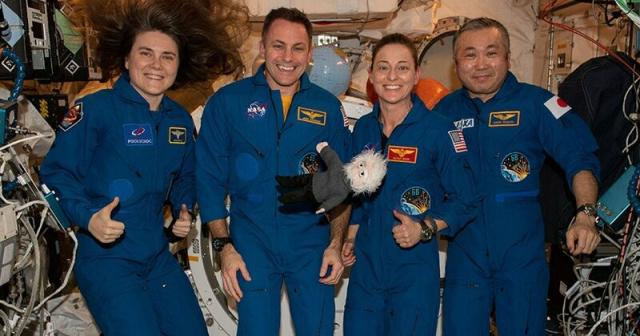
Foursome Targets Saturday for Return to Earth as Station Ops Continue
Four Expedition 68 crew members are nearing the end of their stay aboard the International Space Station this weekend.blogs.nasa.gov
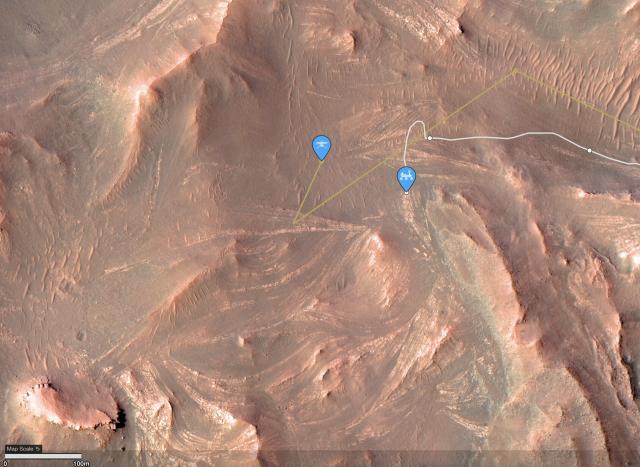
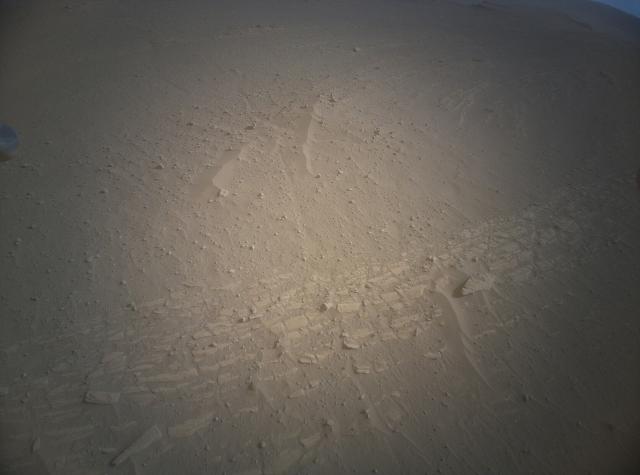
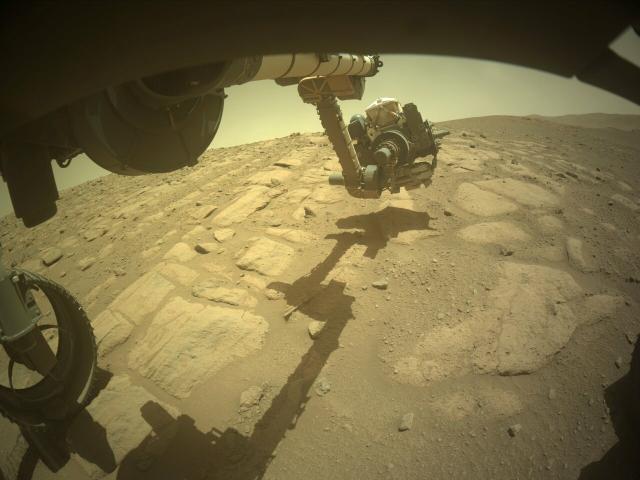
1️⃣ In satellite images, my team spied some interesting curved rock beds in this area, which may have come from a meandering river.
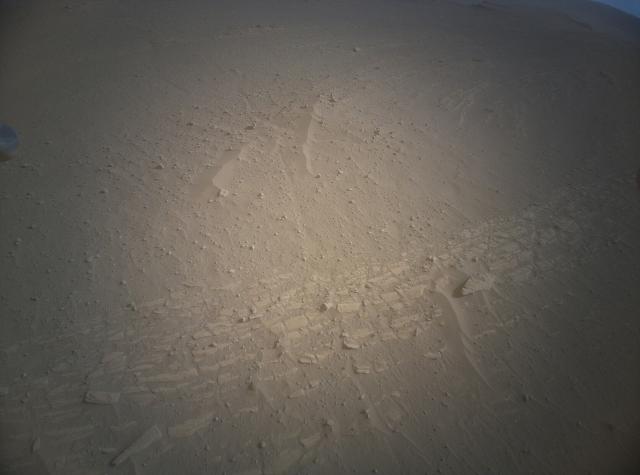
2️⃣ #MarsHelicopter flew over the area to scout it out.
3️⃣ Now I’m here doing science up close.
How’s that for teamwork?
#PerseveranceRover
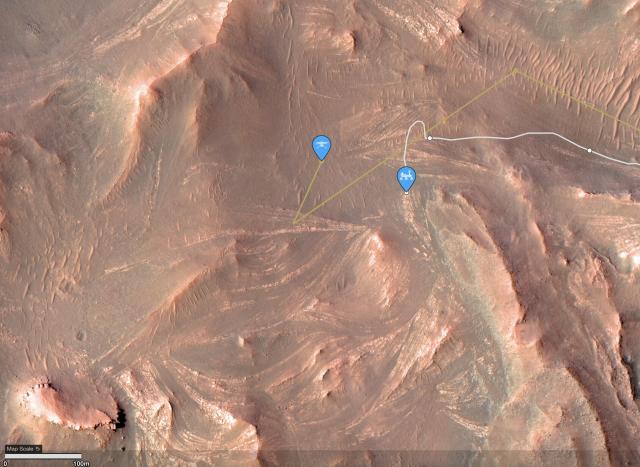
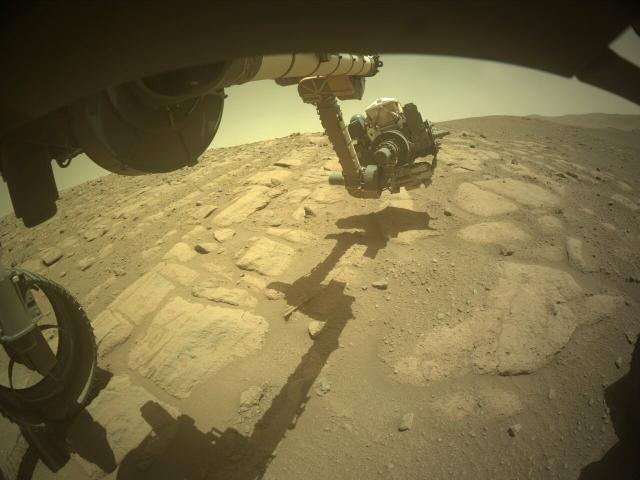
✅ Global views
✅ Aerial views
✅ Surface views
Orbiter, helicopter, and rover – exploring Mars together.
#NASAMars
Ode to Our Favorite Meatball
Designed in 1959,
this "meatball" stands the test of time.
Though briefly ousted by "the worm,"
in '92 the ball returned!
Learn more about the history of NASA's insignia on #NationalMeatballDay: go.nasa.gov/3T6xAED
#NASAhistory
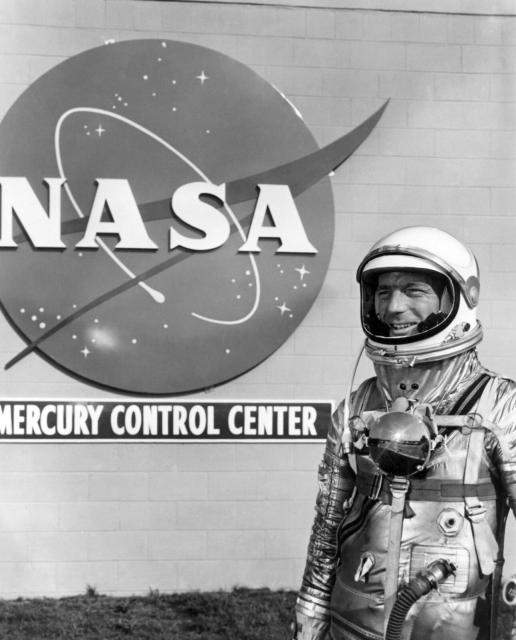
Emblems of Exploration
Over the course of their histories, the NACA and NASA have developed a wide variety of emblems representing each agency’s illustrious exploration of aerospace missions.NASA
#ISS
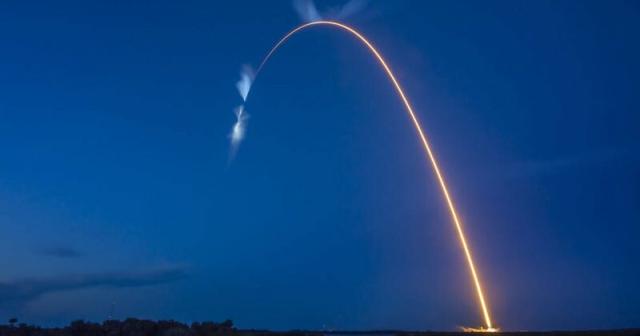
NASA Sets Coverage for Next SpaceX Resupply Launch to Space Station
NASA and SpaceX are targeting 8:30 p.m. EDT Tuesday, March 14, to launch the company’s 27th commercial resupply mission to the International Space Station. Liftoff will be from Launch Complex 39A at the NASA’s Kennedy Space Center in Florida.Claire O’Shea (NASA)
Tune in to @nasa TV for live coverage as NASA's @SpaceX Crew-5 returns to Earth from the space station on Saturday, March 11.
📺 Undocking coverage begins: 12am ET
🛰️ Dragon Endurance undocks: 2:05am ET
🌊 Splashdown: 9:19pm ET

Coverage Set as NASA’s SpaceX Crew-5 Prepares to Splashdown
NASA will provide coverage of the agency’s SpaceX Crew-5 mission return to Earth from the International Space Station, beginning with undocking coverage live at 12 a.m. EST on Saturday, March 11.Roxana Bardan (NASA)
A million-second exposure. 10,000 galaxies. One mind-blowing image.
The Hubble Ultra Deep Field image unveiled a powerful, deep view of our universe #OTD in 2004.
This image only covers the amount of sky you can see through an eight-foot-long soda straw: go.nasa.gov/3FaoVLC
#Hubble

What are future @NASA_Astronauts planning to wear on the first mission to the Moon’s South Pole?
NASA and @Axiom_Space will reveal the new #Artemis III spacesuit prototype on Wednesday, March 15. Don’t miss it: go.nasa.gov/3YBjcFI
#NASA
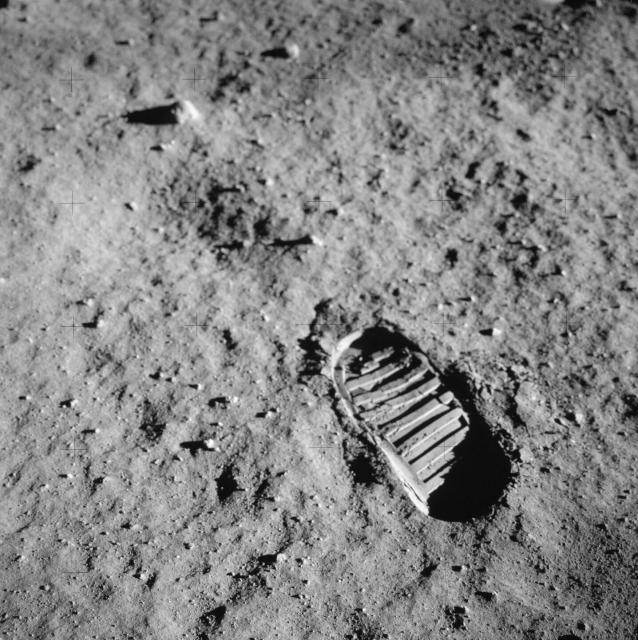
NASA, Axiom Space to Reveal Artemis Moon Mission Spacesuit
A spacesuit prototype of what NASA astronauts, including the first woman, plan to wear on the surface of the Moon during the agency’s Artemis III mission, is set for reveal during a televised event hosted by Axiom Space beginning at 10:30 a.m.Roxana Bardan (NASA)

Pyccel: a Python-to-X transpiler for scientific high-performance computing
Bourne et al., (2023). Pyccel: a Python-to-X transpiler for scientific high-performance computing. Journal of Open Source Software, 8(83), 4991, https://doi.org/10.21105/joss.04991Journal of Open Source Software
DART vs Dimorphos
Image Credit: NASA, Johns Hopkins APL, DART
apod.nasa.gov/apod/ap230309.ht… #APOD

APOD: 2023 March 9 - DART vs Dimorphos
A different astronomy and space science related image is featured each day, along with a brief explanation.apod.nasa.gov
Spot an eclipse in 2023 or 2024!
This map shows where the Moon’s shadow will cross the contiguous US during the "ring of fire" eclipse on Oct. 14, 2023, and total eclipse on April 8, 2024: go.nasa.gov/3YxJOr5
Did you see the #eclipse in 2017? Would you travel to see these?
#NASA
New NASA Map Details 2023 and 2024 Solar Eclipses in the US
NASA has released a new map showing the paths of the 2023 and 2024 solar eclipses in the United States.Vanessa Thomas (NASA)
I traveled to Bend Oregon to see the 2017 eclipse. It was my first total solar eclipse and it was awesome!
I plan to observe the October 2023 eclipse from home (it will be partial from my location).
The April 2024 eclipse will be total from my location so I am hoping for clear skies on that day and plan to observe it from home.
#Crew5 has worked on more than 100 different @ISS_Research experiments over their five months on the @Space_Station—from exploring quantum mechanics to growing space tomatoes.
Take a look back at Crew-5's scientific journey: nasa.gov/mission_pages/station…
#NASA
NASA’s Space-X Crew-5 Scientific Mission aboard the Space Station
As the NASA SpaceX Crew-5 mission wraps up after months aboard the International Space Station, NASA astronauts Josh Cassada and Nicole Mann as well as Koichi Wakata of the Japan Aerospace Exploration Agency (JAXA) and Roscosmos cosmonaut Anna Kikina…Ana Guzman (NASA)
#ISS
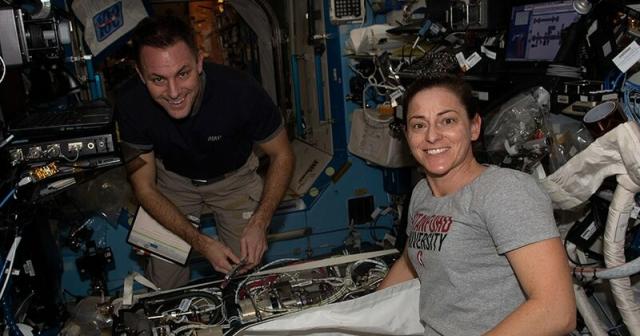
Advanced Science Work Under Way Before Crew Departure
The four new Expedition 68 crew members are getting used to life in space while four other crewmates are preparing to go home this month.blogs.nasa.gov
Journey into the quantum realm with Ant-Man's Paul Rudd! Learn how @NASASpaceSci’s quantum science could help unlock insight into the universe’s biggest mysteries, while contributing to technologies that improve our lives on Earth.
#NASAExoplanets
#JamesWebb
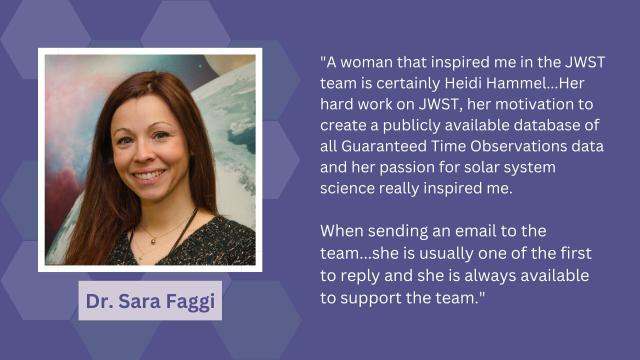
Happy #WomensHistoryMonth! This year, we'd like to highlight some of the amazing women on the Webb telescope team — plus the Webb women who inspire them. ⬇️
#InternationalWomensDay #IWD2023
#JamesWebb

#JamesWebb
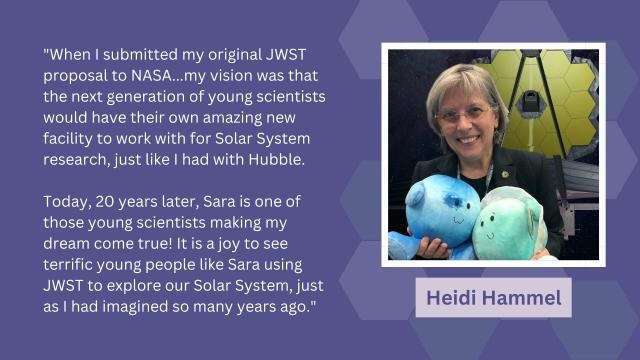
Heidi Hammel Biography Webb Telescope/NASA
The James Webb Space Telescope (sometimes called Webb or JWST) is a large infrared telescope with a 6.5-meter primary mirror. Webb will be the premier observatory of the next decade, serving thousands of astronomers worldwide.go.nasa.gov
Hear the stories of women who make a galactic difference on Earth, from driving a rover on Mars to studying our changing planet: bit.ly/3TfB489
Commemorate #InternationalWomensDay and follow @WomenNASA to discover their stories.
#NASA
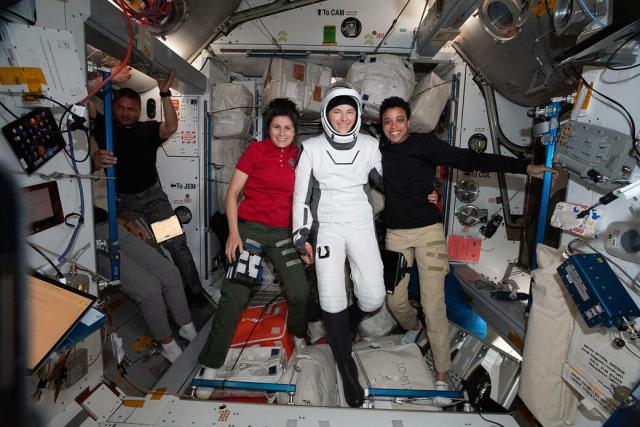
Women at NASA: Celebrating Women's History Month
Astronauts. Thermal Blanket Technicians. Planetary Protection Officers. In our Women’s History Month podcast episode playlist, meet some of the women who are making a difference at NASA.SoundCloud
The explosion of a giant star left behind a pulsar. Winds travel near the speed of light into a chaotic collision as charged particles and magnetic fields crash into surrounding gas, creating this pulsar wind nebula. go.nasa.gov/3ZuIRB2
#NASAExoplanets
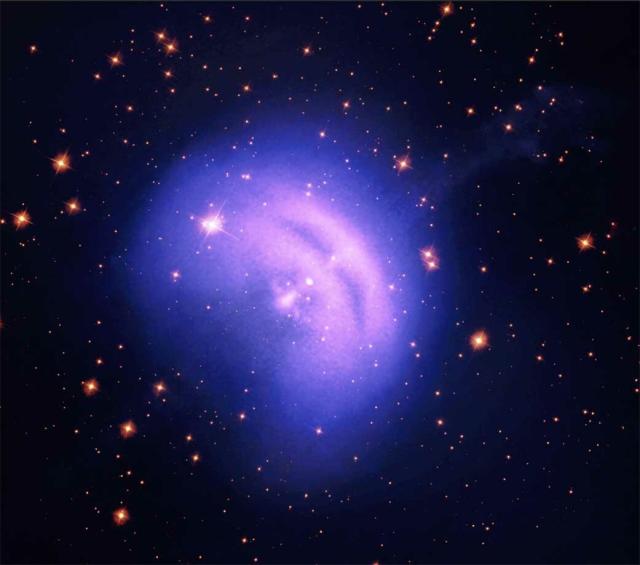
Vela Pulsar Wind Nebula Takes Flight in New Image From NASA’s IXPE
About 10,000 years ago, a giant star exploded in the constellation Vela, leaving behind a dense object called a pulsar that appears to brighten regularly as it spins, like a cosmic lighthouse.Beth Ridgeway (NASA)
#NASAExoplanets
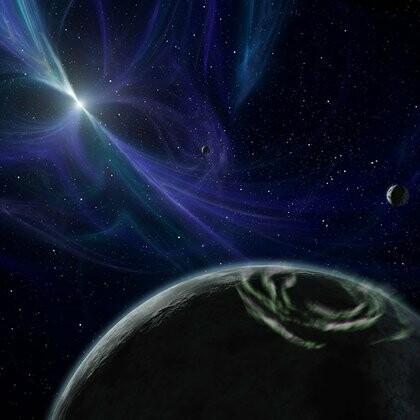
Extreme Planets - Exoplanet Exploration: Planets Beyond our Solar System
This artist's concept depicts a planetary system discovered by Aleksander Wolszczan in 1992 around a pulsar.Exoplanet Exploration: Planets Beyond our Solar System
Protection against potential moon pathogens 😷
In preparation for the first Apollo Moon landing, the first Mobile Quarantine Facility arrived at @NASA_Johnson in Houston in March 1968. Read about the features of the MQF! go.nasa.gov/3F9rrBT
#NASAhistory
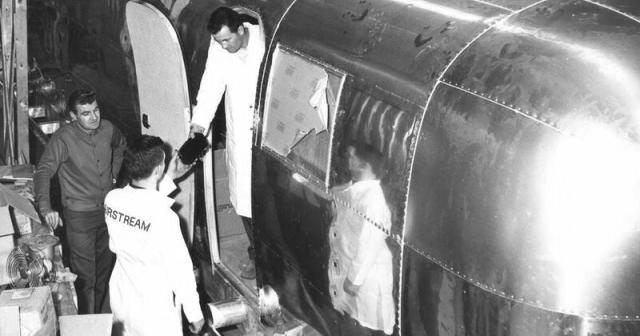
55 Years Ago: The First Mobile Quarantine Facility Arrives in Houston
On March 6, 1968, in preparation for the first Apollo Moon landing, the first Mobile Quarantine Facility (MQF) arrived at the Manned Spacecraft Center (MSC), now NASA’s Johnson Space Center in Houston, for testing and evaluation.Kelli Mars (NASA)
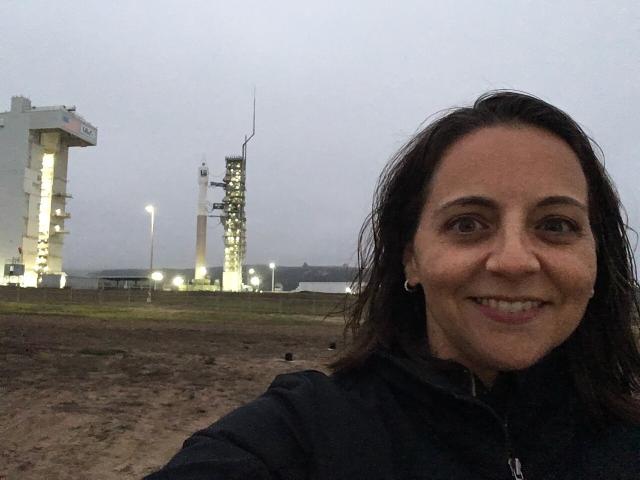
Many @nasaearth satellites use light to study Earth from space.
Light from the Sun bounces off Earth and to the satellite’s sensor. Each wavelength of light tells scientists something about the surface below. Julia and her team make sure those sensors are extremely precise.
#NASAEarth
Julia Barsi also works with the @NASA_Goddard GLAMR lab, where scientists test sensors before the satellite is sent to space.
They shine laser light at the sensor to see how it responds to different wavelengths. This information helps scientists interpret the satellite data.
#NASAEarth
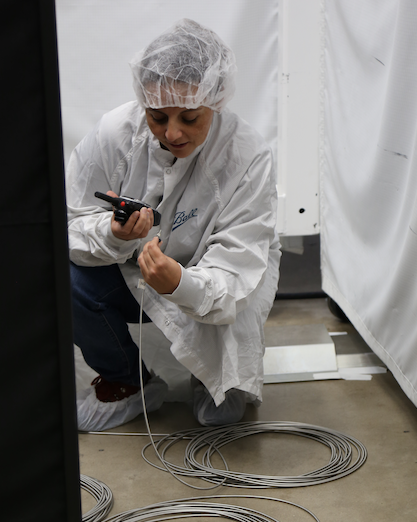
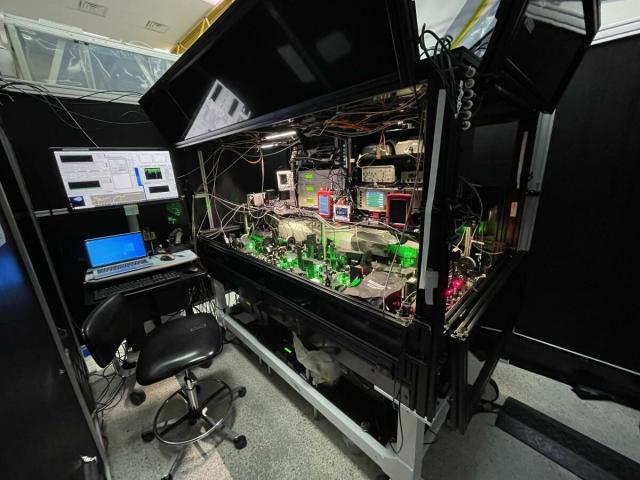
Julia Barsi is one of the many #WomenInScience at NASA who help us learn more about our home planet.
Follow along this #WomensHistoryMonth as we highlight more female-identifying scientists at NASA.
#NASAEarth
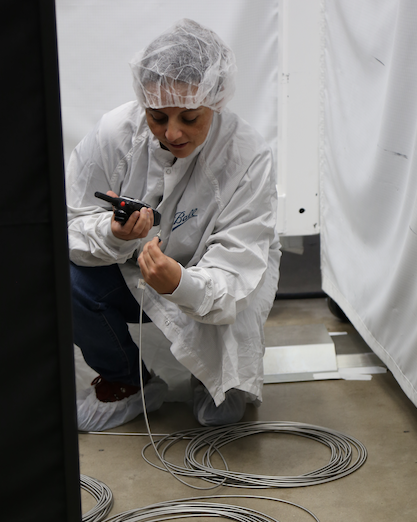
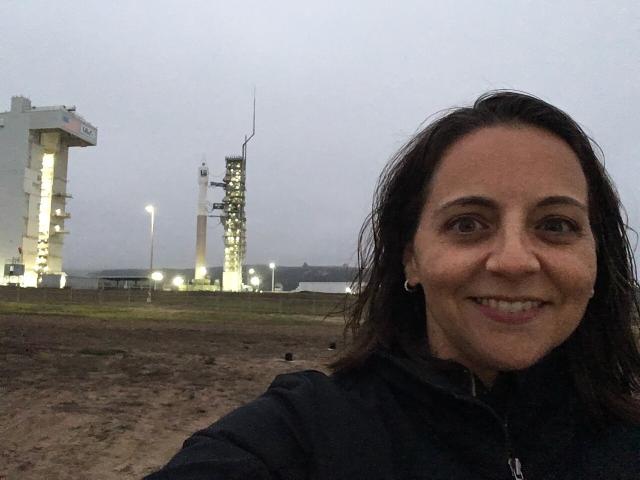
On this #InternationalWomensDay, meet Colleen Townsley.
She manages Hubble's Integration and Test Team, completing on-the-ground tests of things like new flight software and procedural changes before they're sent up to the orbiting observatory.
#NASASolarSystem
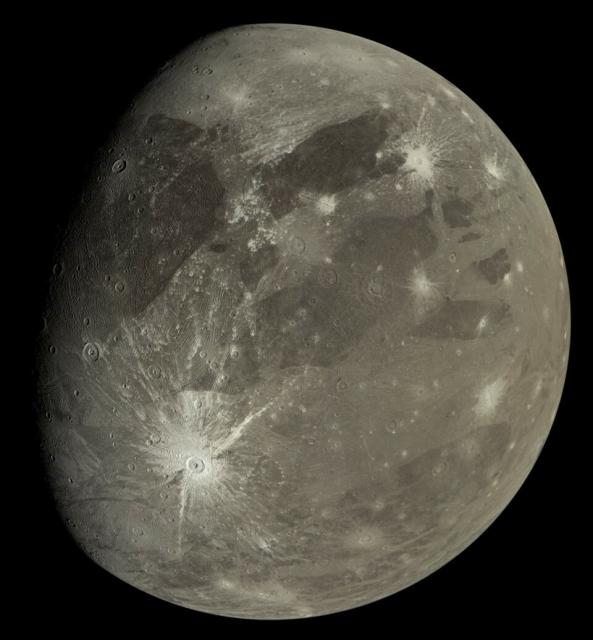
Science Findings - Mission Juno
NASA's Mission Juno will explore Jupiter, seeking to unlock secrets of the giant planet and our solar system.Mission Juno
Hakka
in reply to (moving) APOD • • •Dr. Juande Santander-Vela
in reply to (moving) APOD • • •please, add the alt-text; a proposal: «On the bottom of the image Orion Nebula M42 looks like a rounded, dark red cloud surrounded by smoke-like clouds.
On the top of the image, the Running Man Nebula NGC 1977 looks like a person running with open arms from right to left surrounded by a blue-greenish nebulously.
Shot with a monochrome camera and luminance, Red, Green & Blue Filters from a backyard in West Virginia for a total of 6 hours (Jan 15th to 16th , 2023)»
Lonewolf
in reply to (moving) APOD • • •Good movie
Johnathan Snyder
in reply to (moving) APOD • • •