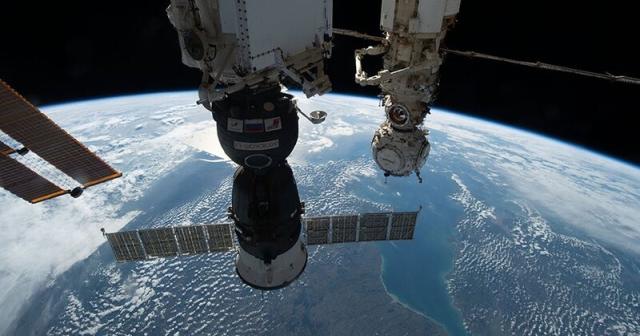
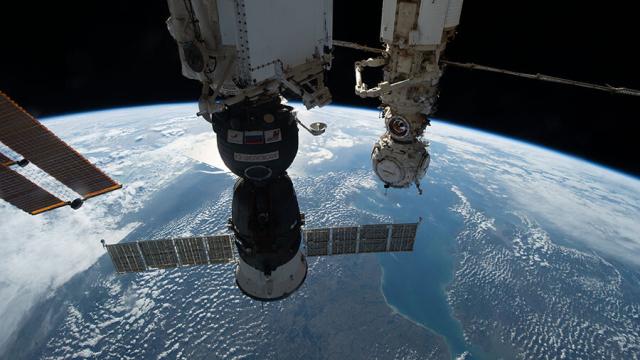
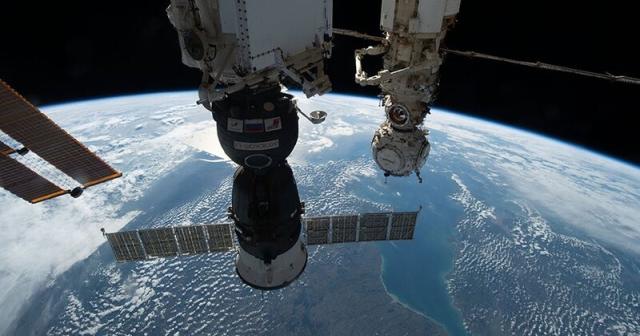
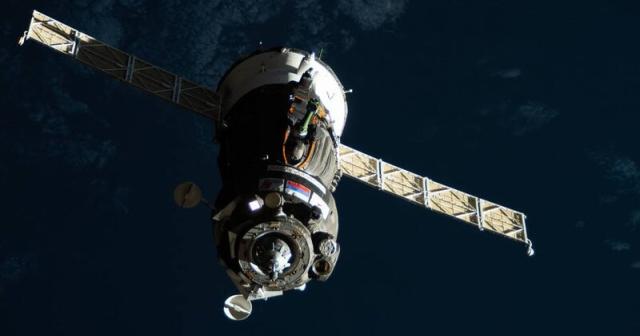
The passengerless Soyuz MS-22 crew ship undocked from the station at 5:57am ET today and will land in Kazakhstan less than two hours later. More... go.nasa.gov/3ZpCv5b #ISS
The uncrewed Roscosmos Soyuz MS-22 spacecraft undocked from the International Space Station at 5:57 a.m. EDT, heading for an automated, parachute-assisted landing in Kazakhstan at 7:45 a.m. (5:45 p.m. Kazakhstan time).
The Soyuz MS-22 spacecraft is due to undock from the station uncrewed at 5:57am ET today for a landing in Kazakhstan live on @nasa TV. blogs.nasa.gov/spacestation/20… #ISS
NASA is providing live coverage on NASA TV, the agency’s website, and the NASA app of the undocking and departure of the uncrewed Roscosmos Soyuz MS-22 spacecraft from the International Space Station.
Watch the uncrewed Soyuz MS-22 spacecraft undock from the @Space_Station and return to Earth live on NASA TV on March 28 at 5:30am (0930 UTC) on nasa.gov/live. #NASA
NASA launches, landings, and events. Watch live broadcasts from NASA Television and NASA's social media channels, and a schedule of upcoming live events including news briefings, launches and landings.
An uncrewed Soyuz crew ship preps to depart the station early Tuesday morning as the Exp 68 crew works new @ISS_Research. blogs.nasa.gov/spacestation/20… #ISS
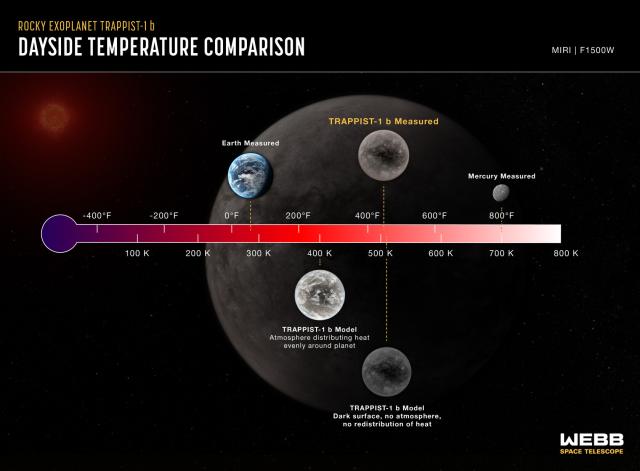
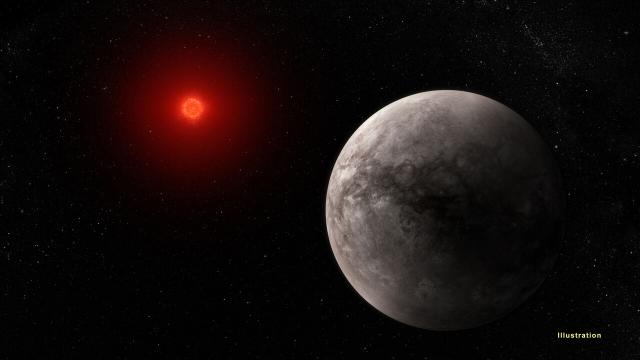
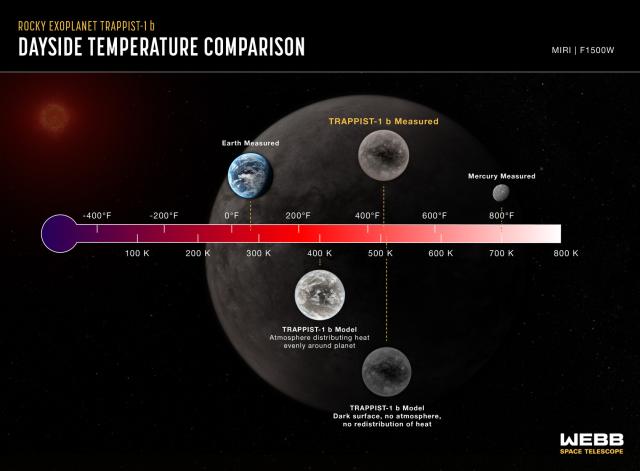
Scientists made models for TRAPPIST-1 b: with an atmosphere and without. @NASAWebb's measurements matched the model for a planet without atmosphere. This bodes well for Webb's ability to study temperate, Earth-size planets, like other TRAPPIST-1 worlds. go.nasa.gov/42VAWiu #NASAExoplanets
Our first look at a TRAPPIST-1 planet with @NASAWebb reveals the innermost world’s dayside temperature of about 450 degrees F (232 C) and suggests it has no significant atmosphere. It's the first direct measurement of *any* light from a rocky exoplanet. go.nasa.gov/42VAWiu #NASAExoplanets
One week until you meet the astronauts flying to the Moon aboard the #Artemis II mission!
The @NASA_Orion spacecraft will return to the Moon — this time, with four astronauts aboard. Set a reminder for April 3 for the reveal: youtube.com/live/mua1Lysc_JQ?s… #NASA
Meet the four astronauts who will orbit the Moon aboard the Orion spacecraft on their approximately 10-day Artemis II mission, the first crewed flight test a...
As a program area manager in the Applied Sciences Program of the Earth Science Division, you will lead the strategy, implementation, and oversight of eff orts to advance uses of Earth science information to inform decision making by public and privat…
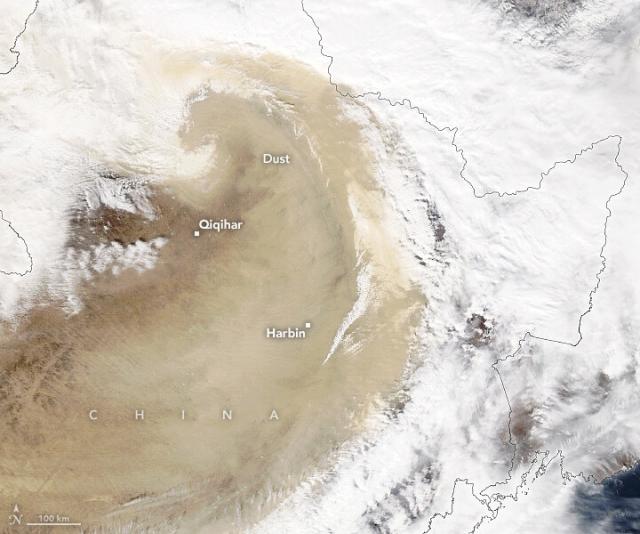
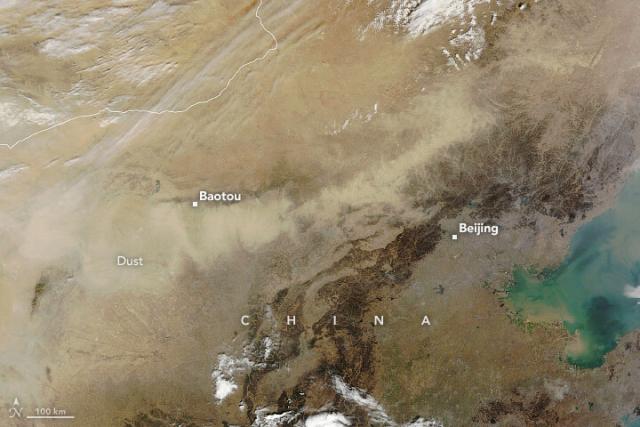
A recent @nasagoddard study found that high levels of the air pollutant PM2.5 likely contributed to 2.89 million premature deaths, of which 22% were linked to dust. go.nasa.gov/3LWJorA #NASAEarth
NASA research finds that a combination of windblown dust and human-caused particle pollution was associated with nearly 3 million premature deaths in 2019.
Depending on the size and type of particles and where they reach in the atmosphere, dust can contribute to warming or cooling, and influence storms and weather events.
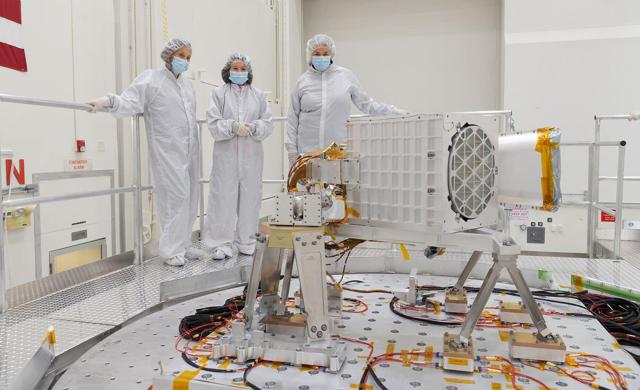
NASA’s EMIT instrument is now on the @Space_Station, mapping dust around the globe. go.nasa.gov/3nnHpST #NASAEarth
EMIT will make the first detailed maps of dust composition of Earth’s dust source regions and use state-of-the-art climate models to better understand regional and global heating and cooling impacts and future changes in dust source regions.
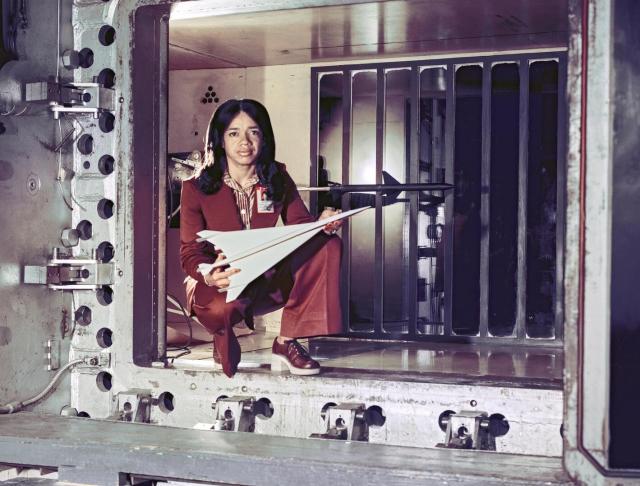
After working as a human computer for years, Christine Darden became one of the few women aerospace engineers at NASA in the '70s, becoming well known for her research into supersonic aircraft noise, especially sonic boom reduction. go.nasa.gov/3JE3nZd #WomensHistoryMonth #NASAhistory
Dr. Christine Mann Darden (1942-) is internationally known for her research into supersonic aircraft noise, especially sonic boom reduction, and recognized for her groundbreaking achievement as the first African American woman at NASA Langley to be a…
TRAPPIST-1 b: We give it a one (M-dwarf) star review; it lacks atmosphere. ⭐
Webb found the dayside temperature of this rocky exoplanet to be about 450º F (227º C) — suggesting it has no significant atmosphere: go.nasa.gov/3K9cS4g
Scientists made models for TRAPPIST-1 b: with an atmosphere, and without. Webb’s results matched the model with no atmosphere. If TRAPPIST-1 b did have an atmosphere to circulate and distribute heat, its temperature should have been much cooler than what was measured. #JamesWebb
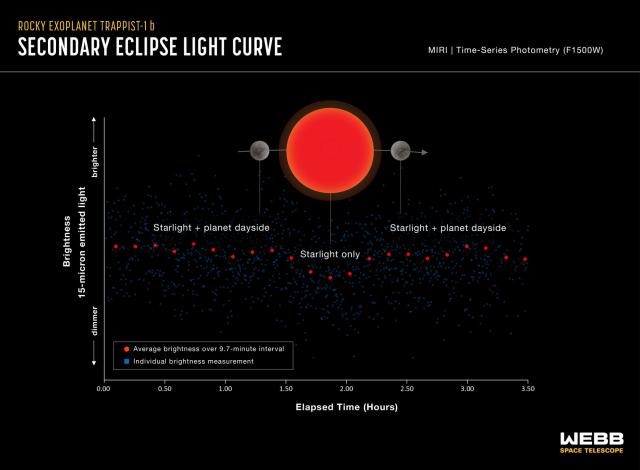
How do you take a planet’s temperature? The team measured the change in brightness (in infrared light, or emitted heat energy) when TRAPPIST-1 b moved behind its star. This was a challenge because the star is 1000 times brighter, and the change in brightness was less than 0.1%. #JamesWebb
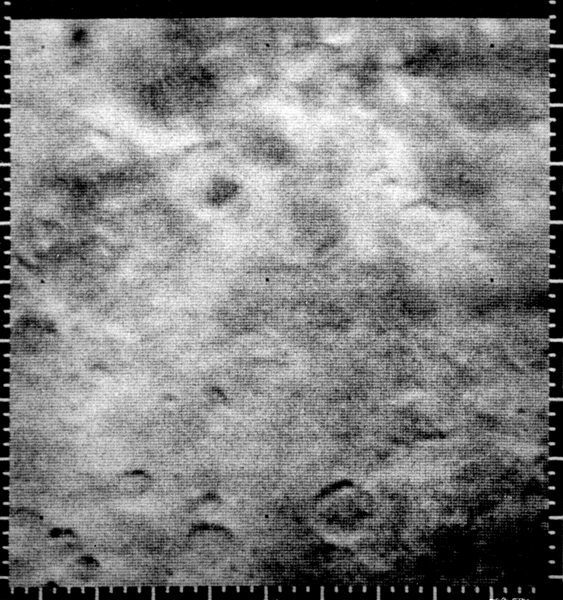
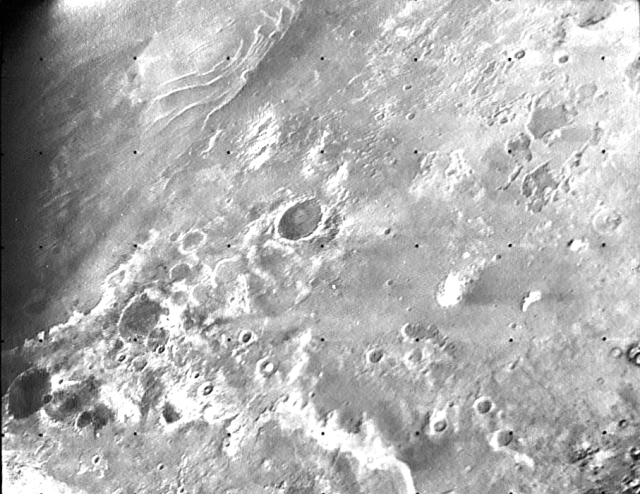
Mariner 7, launched #OTD in 1969, along with its twin Mariner 6 launched a month earlier, were sent to Mars to study its surface and atmosphere during close flybys. @NASAMars
Left: Mariner 4 photo of Mars, 1965 Right: Mariner 7 photo of Mars, 1969 #NASAhistory
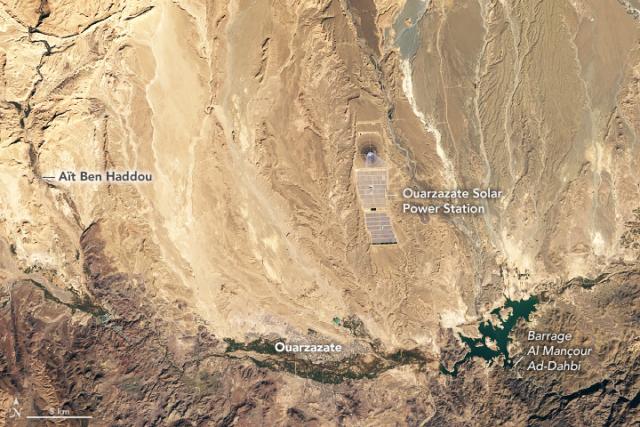
🛰️ While passing over Morocco, #Landsat 8 captured a photo of this dry, sunny basin, which is the site of a solar power station that supplies electricity to nearly 2 million Moroccans. ⚡ go.nasa.gov/42AoOTN #NASAEarth
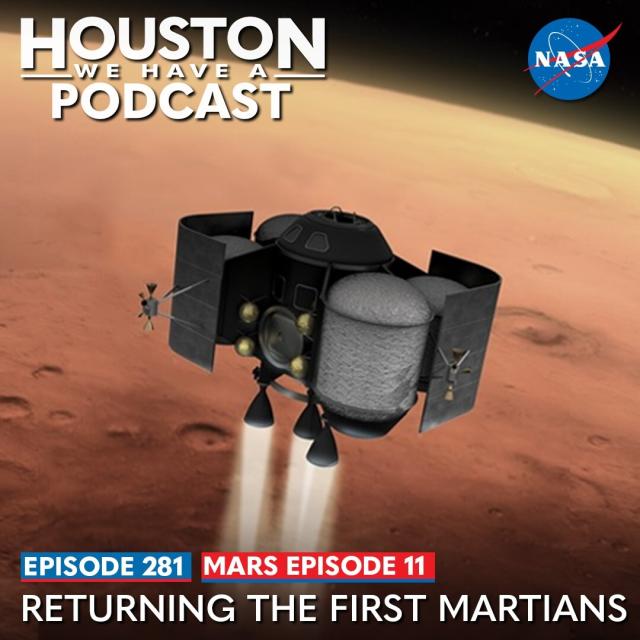
If you’ve been tuning in, you know landing on Mars is half of the battle–returning the first astronauts home from the Red Planet is the other half. Listen in as four experts discuss in this week's episode of “Houston, We have a Podcast”: go.nasa.gov/42FdMN9 #NASA
Experts from NASA’s Mars Architecture Team gather to discuss the mechanics of returning the first astronauts from the surface of Mars back home to Earth. HWHAP Episode 281.
For more information and stills gallery, please turn to: www.erikwernquist.com/wanderers For youtube version, please turn here: https://www.youtube.com/watch?v=YH3c1QZzRK4 ----- UPDATE:…
If anyone craves more Carl's voice, this little video uses excerpts from his Pale Blue Doot Audiobook, which he partially narrated before passing audible.es/pd/Pale-Blue-Dot-Au…
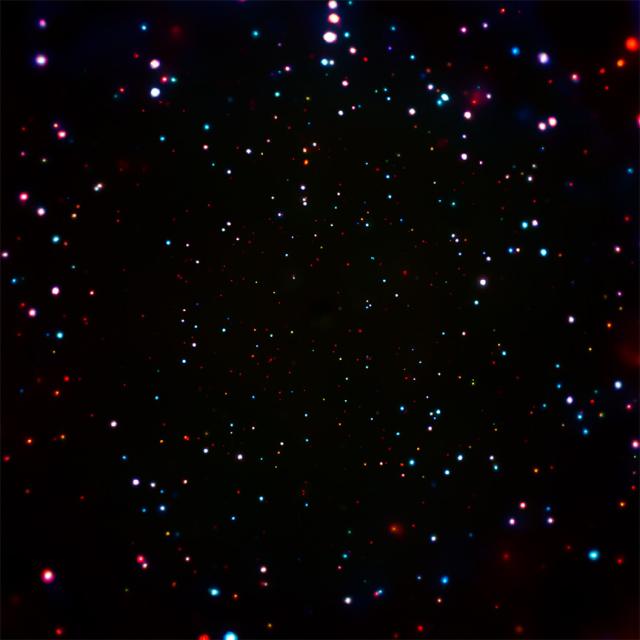
At first glance, this image may appear to be a view of stars. Rather, almost all these different colored dots are black holes or entire galaxies. When we add sound, we can hear the data. Music represents the full range of X-ray frequencies collected by @chandraxray. #NASAExoplanets
The central region of this image contains an incredible concentration of supermassive black holes, equivalent to about 5,000 objects that would fit into the area on the sky covered by the full Moon. Complete visual description of the Chandra Deep Field: chandra.si.edu/photo/2021/soni… #NASAExoplanets
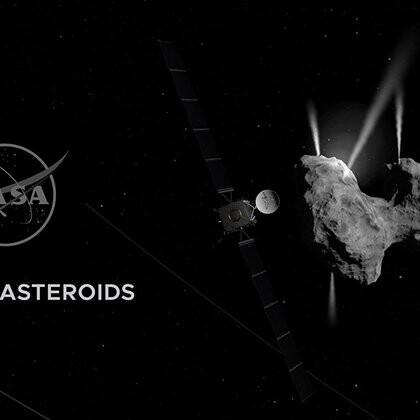
Asteroid 2023 DZ2 will pass Earth more than 100,000 miles (161,000 km) away–about half the distance to the Moon–making its close approach at 3:51 p.m. EDT (12:51 p.m. PDT). Check out @NASA_Eyes on Asteroids at eyes.nasa.gov/apps/asteroids/#… #NASA
Explore the 3D world of Asteroids, Comets and NEOs. Learn about past and future missions, tracking and predicting orbits, and close approaches to Earth.
"Asteroid 2023 DZ2 will pass Earth more than 100,000 miles (161,000 km) away–about half the distance to the Moon–making its close approach at 3:51 p.m. EDT (12:51 p.m. PDT)."
Want to help keep Earth safe from near-Earth asteroids? Join the International Astronomical Search Collaboration and help us find more of these remnants left over from the early formation of our solar system. @DoNASAScience at: science.nasa.gov/citizenscienc… #NASA
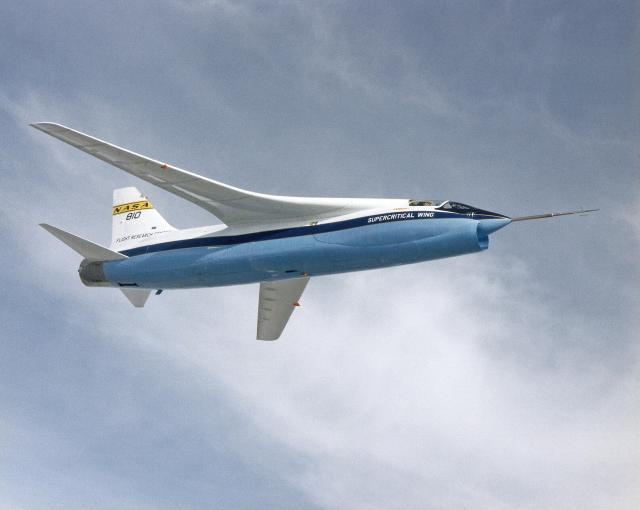
In this photo taken 50 years ago in 1973, a Vought TF-8A Crusader flies with NASA's experimental supercritical wing. The airfoil design increased cruising speed and fuel efficiency, and is now used on nearly every modern commercial aircraft. @NASAaero
F-8 Supercritical Wing Background In the early 1960s, Richard T. Whitcomb, chief of the Transonic Aerodynamics Branch, Langley Research Center, Hampton, VA, conducted exploratory research that led to the invention and patent of the NASA Supercritical…
Astronaut Jim Lovell, veteran of the Gemini 7, Gemini 12, Apollo 8, and Apollo 13 missions, turns 95 years young today! Join us in wishing him many happy days ahead. #NASAhistory
"We choose to return to the Moon together…children who watch that flight are going to learn the names of those new pioneers. They'll be the ones who carry us into the future we hope to build."
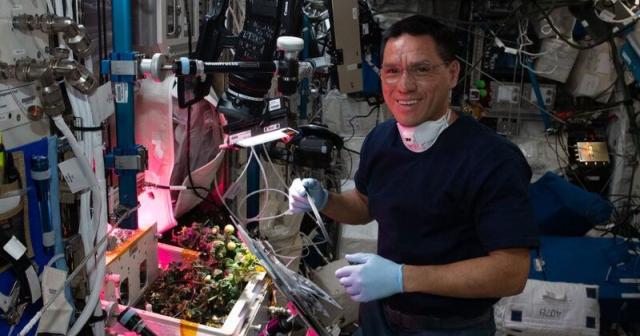
The Exp 68 crew finished the week with bioprinting, a student robotics project, and a veggie harvest and prepared cargo to return in the uncrewed Soyuz next week. go.nasa.gov/3FPkc2d #ISS
The Expedition 68 crew members conducted space health experiments and prepared for the final plant harvest aboard the International Space Station while inspiring the next generation of explorers in a virtual robotics competition.
Through the lens of NASA photographer Aubrey Gemignani, we witness the people and hear the stories behind awe-inspiring missions to space. As a co-founder of "Faces of NASA," we turn the camera on her and share her story: go.nasa.gov/42CIoPj #NASA
“I think I’m always seeking out projects that help people feel seen. And maybe that’s why I got so into photography initially. I struggle with that myself — feeling seen.
On Tuesday, March 28, the uncrewed Roscosmos Soyuz MS-22 spacecraft will undock from the space station and make an automated landing in Kazakhstan. Watch undocking and departure live on @nasa TV beginning at 5:30am ET. go.nasa.gov/3LKzQjn #ISS
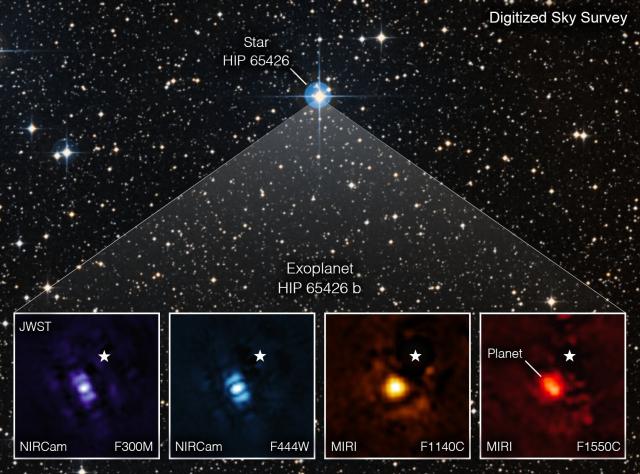
Every superhero needs a mask 🦸 @NASAWebb uses masks to dim the bright light of stars to reveal much smaller planets. Seeing these faraway worlds in infrared can tell us even more! Super indeed. go.nasa.gov/42Cdjew #NASAExoplanets
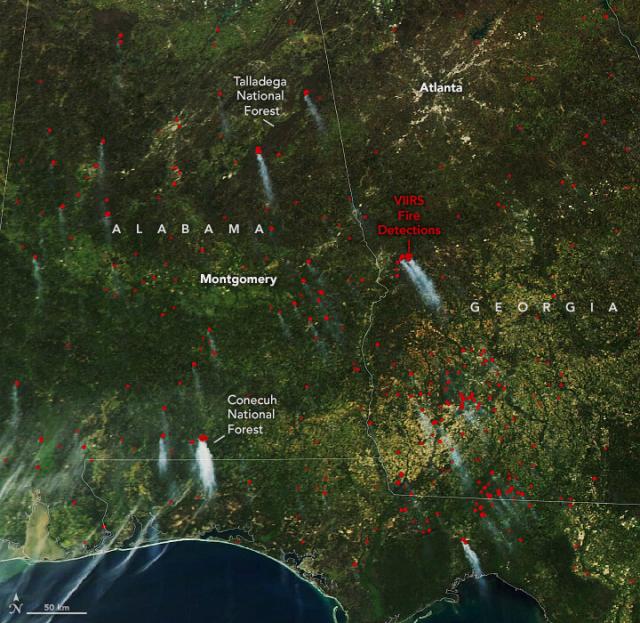
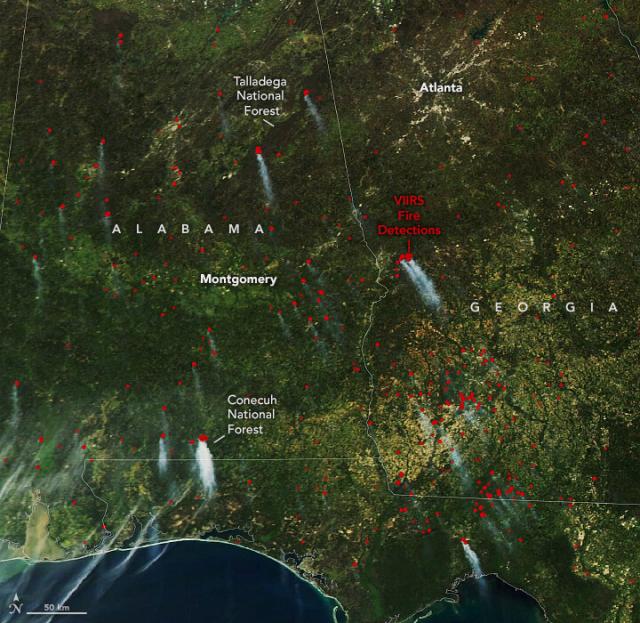
Most landscapes in North America are fire-adapted, and frequent fires enable trees and wildlife to flourish.
In this image, red dots indicate active fires in the U.S. Southeast as detected by the @nasa @noaa Suomi NPP satellite on March 14, 2023. 🔥 go.nasa.gov/3z5k1w6 #NASAEarth
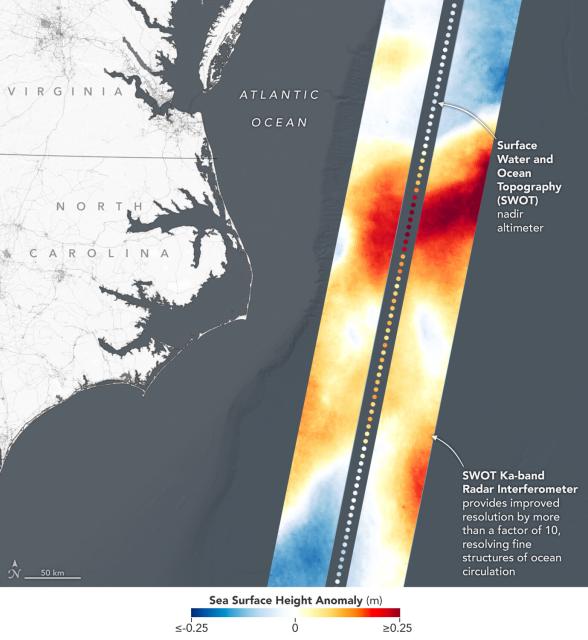
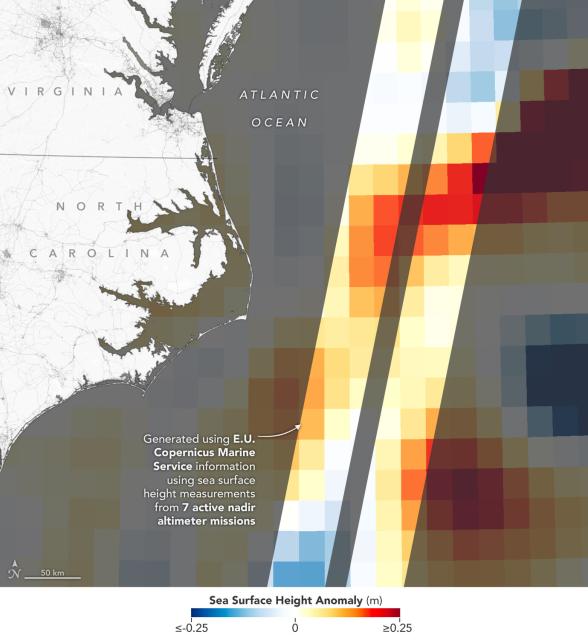
First light data from the NASA-@CNES SWOT mission reveals that it provides 10 times the resolution of ocean measurements than data gathered by seven other satellites combined. These measurements will help us better study Earth’s surface water. go.nasa.gov/3z5hIJj #NASA
The Surface Water and Ocean Topography mission offers the first taste of the detailed perspectives of Earth’s surface water that its cutting-edge instruments will be able to capture.














#GoldenSmile
in reply to NASA • • •