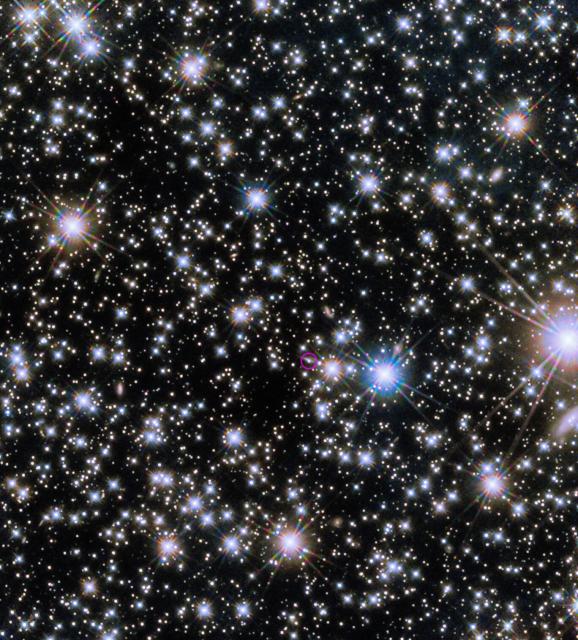
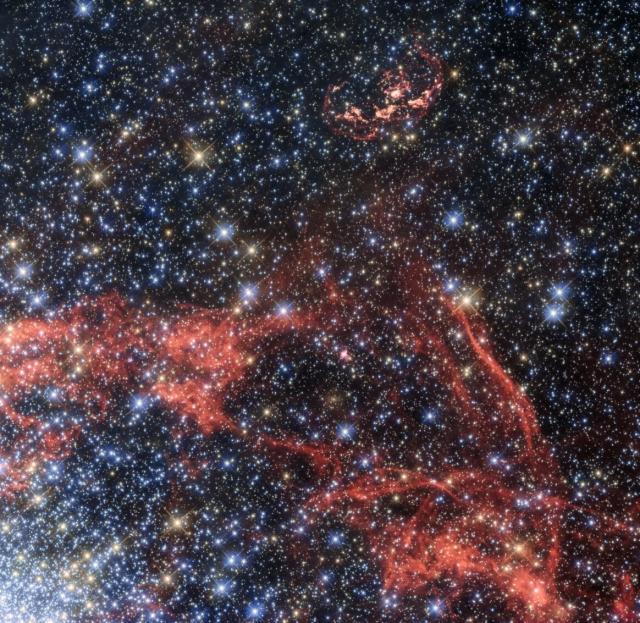
A pulse of intense radiation swept through our solar system that astronomers called the BOAT: the brightest of all time.
Several @nasa missions, including Hubble, have followed up to study this gamma-ray burst, likely caused by the birth of a black hole: go.nasa.gov/3zeNjbz #Hubble
On Sunday, Oct. 9, 2022, a pulse of intense radiation swept through the solar system so exceptional that astronomers quickly dubbed it the BOAT – the brightest of all time.
Meet the four astronauts who will take a trip around the Moon aboard the Orion spacecraft on their approximately 10-day Artemis II mission, the first crewed ...
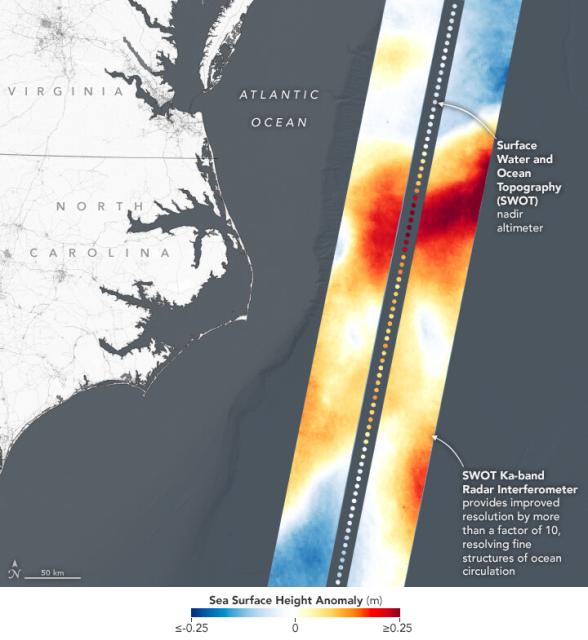
SWOT’s that? A first look at data from @nasa’s SWOT mission! 💧
This image shows sea level in two 75 mile wide strips in the Gulf Stream off the U.S. East Coast. Red indicates sea level higher than the global average; blue is lower. go.nasa.gov/3TOKaZu #NASAEarth
The Surface Water and Ocean Topography mission has sent back some of its first glimpses of water on Earth’s surface, including a detailed view of the Gulf Stream.
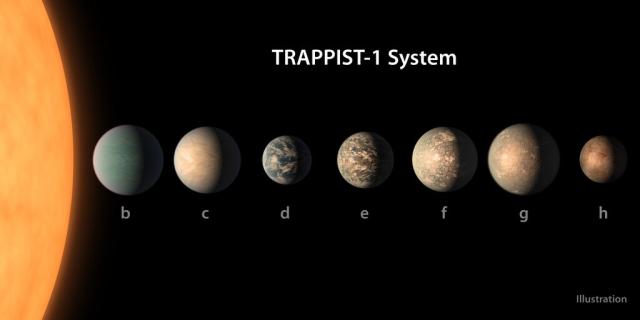
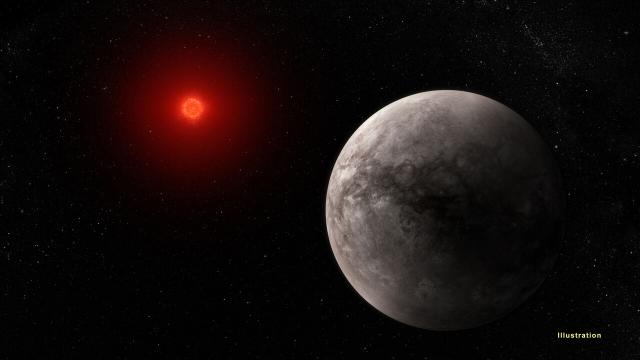
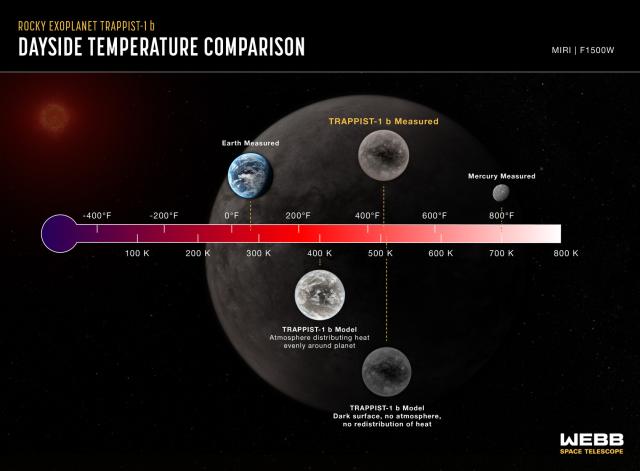
Seven Earth-sized worlds orbit the TRAPPIST-1 star, ~40 light-years away. @NASAWebb studied the innermost planet and measured its temperature and found little evidence of an atmosphere. These observations bode well for studying the rest of the planets: go.nasa.gov/42VAWiu #NASAExoplanets
See what it's like to have a 6.2-million-gallon pool as your office and dive into @NASASTEM's latest Surprisingly STEM episode. NASA diver Arielle Valdez shares her STEM career story & what it's like to find #YourPlaceInSpace. #NASA
Join NASA and @BoeingSpace mission experts for a media teleconference with an update on the Crew Flight Test of the #Starliner spacecraft to the @Space_Station, this Wednesday, March 29, at 2pm ET (1800 UTC). More details: go.nasa.gov/42Oi4lq #NASA
NASA and Boeing will host a media teleconference at 2 p.m. EDT Wednesday, March 29, to provide an update on the Crew Flight Test (CFT) of the CST-100 Starliner spacecraft to the International Space Station.
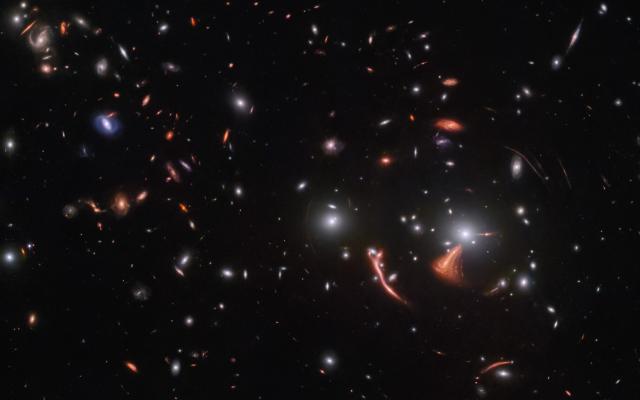
See those strange arcs and streaks in this new Webb image? They’re actually distant galaxies, magnified and warped due to an effect called gravitational lensing: esawebb.org/images/potm2303a/ #JamesWebb
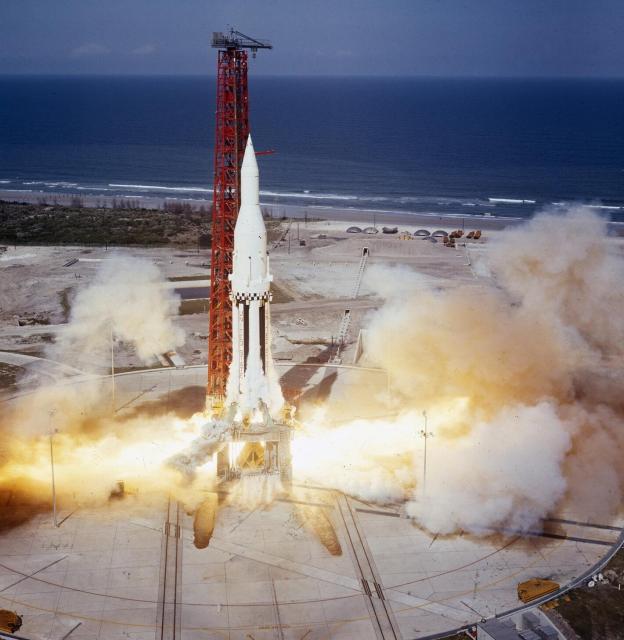
#60YearsAgo today the final test of the Saturn I's first stage, Saturn SA-4, launched from @NASAKennedy. The uncrewed suborbital test flight was successful, paving the way for tests of the second stage. #NASAhistory
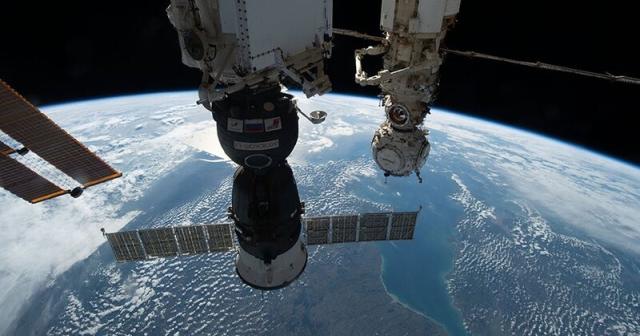
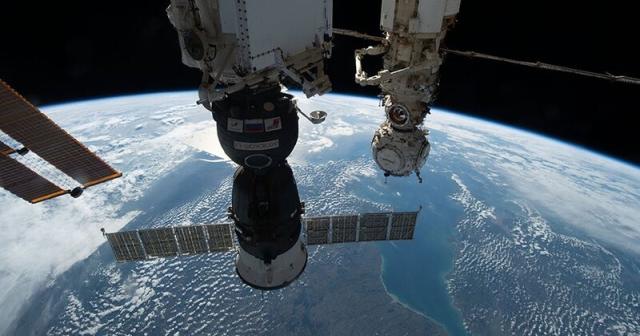
The Soyuz MS-22 spacecraft landed uncrewed in Kazakhstan at 7:46am ET (5:46pm Kazakhstan time) today less than two hours after undocking from the space station. blogs.nasa.gov/spacestation/20… #ISS
The uncrewed Roscosmos Soyuz MS-22 spacecraft made an automated, parachute-assisted landing in Kazakhstan at 7:46 a.m. EDT (5:46 p.m. Kazakhstan time) on Tuesday after undocking from the International Space Station at 5:57 a.m.
The passengerless Soyuz MS-22 crew ship undocked from the station at 5:57am ET today and will land in Kazakhstan less than two hours later. More... go.nasa.gov/3ZpCv5b #ISS
The uncrewed Roscosmos Soyuz MS-22 spacecraft undocked from the International Space Station at 5:57 a.m. EDT, heading for an automated, parachute-assisted landing in Kazakhstan at 7:45 a.m. (5:45 p.m. Kazakhstan time).
The Soyuz MS-22 spacecraft is due to undock from the station uncrewed at 5:57am ET today for a landing in Kazakhstan live on @nasa TV. blogs.nasa.gov/spacestation/20… #ISS
NASA is providing live coverage on NASA TV, the agency’s website, and the NASA app of the undocking and departure of the uncrewed Roscosmos Soyuz MS-22 spacecraft from the International Space Station.
Watch the uncrewed Soyuz MS-22 spacecraft undock from the @Space_Station and return to Earth live on NASA TV on March 28 at 5:30am (0930 UTC) on nasa.gov/live. #NASA
NASA launches, landings, and events. Watch live broadcasts from NASA Television and NASA's social media channels, and a schedule of upcoming live events including news briefings, launches and landings.
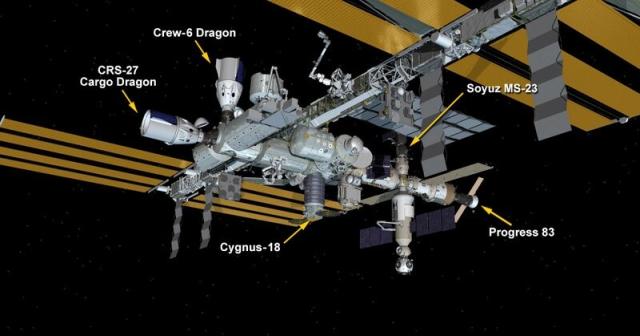
An uncrewed Soyuz crew ship preps to depart the station early Tuesday morning as the Exp 68 crew works new @ISS_Research. blogs.nasa.gov/spacestation/20… #ISS
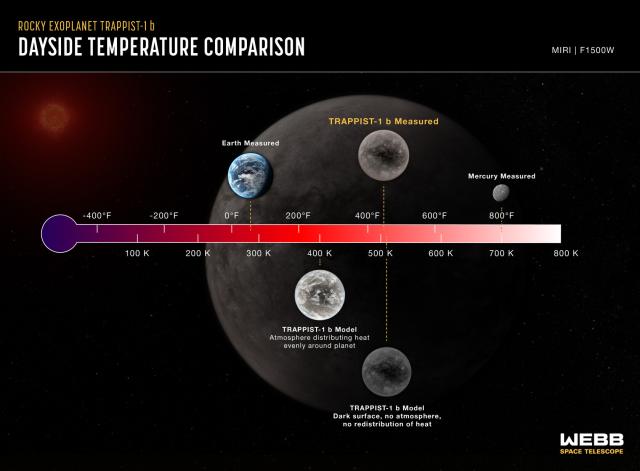
Scientists made models for TRAPPIST-1 b: with an atmosphere and without. @NASAWebb's measurements matched the model for a planet without atmosphere. This bodes well for Webb's ability to study temperate, Earth-size planets, like other TRAPPIST-1 worlds. go.nasa.gov/42VAWiu #NASAExoplanets
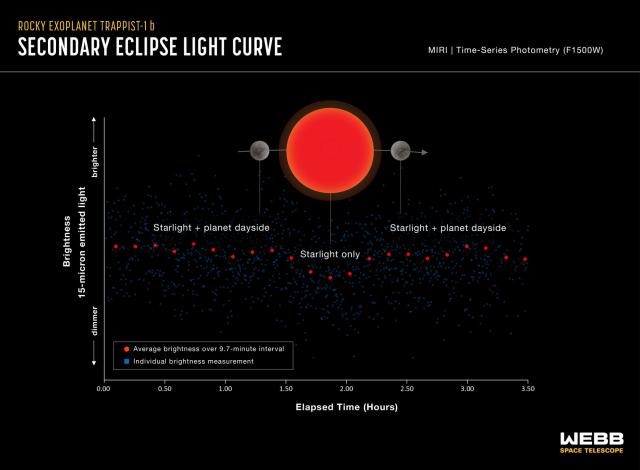
Our first look at a TRAPPIST-1 planet with @NASAWebb reveals the innermost world’s dayside temperature of about 450 degrees F (232 C) and suggests it has no significant atmosphere. It's the first direct measurement of *any* light from a rocky exoplanet. go.nasa.gov/42VAWiu #NASAExoplanets
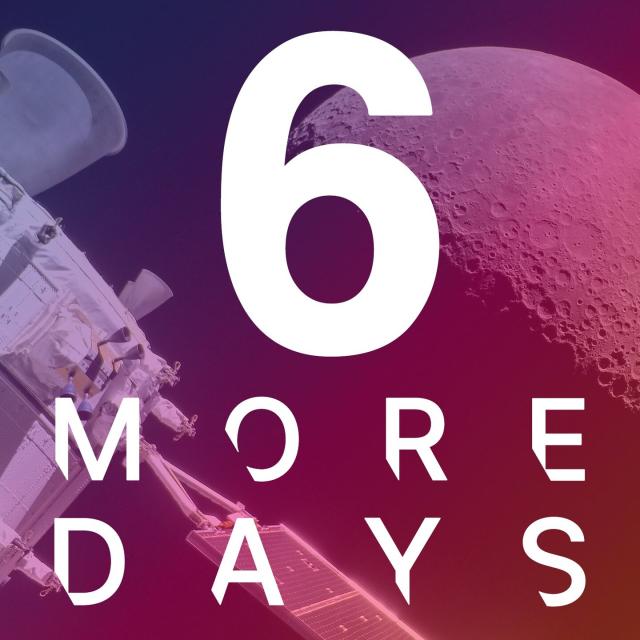
One week until you meet the astronauts flying to the Moon aboard the #Artemis II mission!
The @NASA_Orion spacecraft will return to the Moon — this time, with four astronauts aboard. Set a reminder for April 3 for the reveal: youtube.com/live/mua1Lysc_JQ?s… #NASA
Meet the four astronauts who will orbit the Moon aboard the Orion spacecraft on their approximately 10-day Artemis II mission, the first crewed flight test a...
As a program area manager in the Applied Sciences Program of the Earth Science Division, you will lead the strategy, implementation, and oversight of eff orts to advance uses of Earth science information to inform decision making by public and privat…
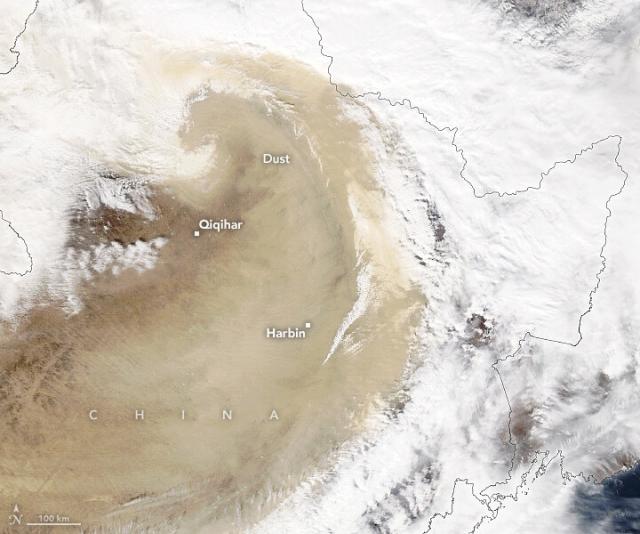
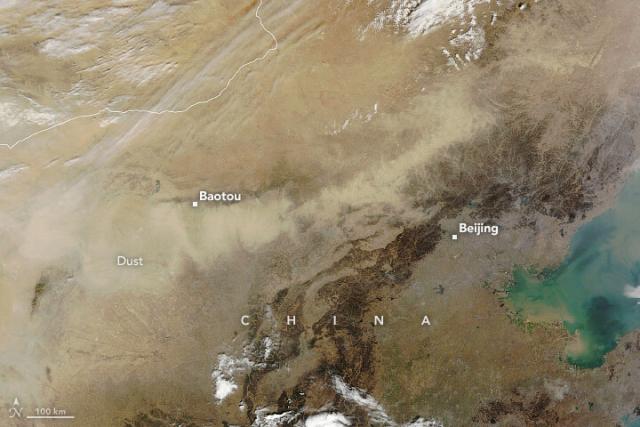
A recent @nasagoddard study found that high levels of the air pollutant PM2.5 likely contributed to 2.89 million premature deaths, of which 22% were linked to dust. go.nasa.gov/3LWJorA #NASAEarth
NASA research finds that a combination of windblown dust and human-caused particle pollution was associated with nearly 3 million premature deaths in 2019.
Depending on the size and type of particles and where they reach in the atmosphere, dust can contribute to warming or cooling, and influence storms and weather events.
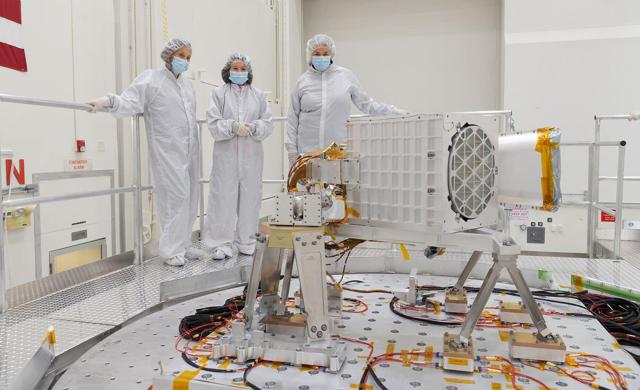
NASA’s EMIT instrument is now on the @Space_Station, mapping dust around the globe. go.nasa.gov/3nnHpST #NASAEarth
EMIT will make the first detailed maps of dust composition of Earth’s dust source regions and use state-of-the-art climate models to better understand regional and global heating and cooling impacts and future changes in dust source regions.
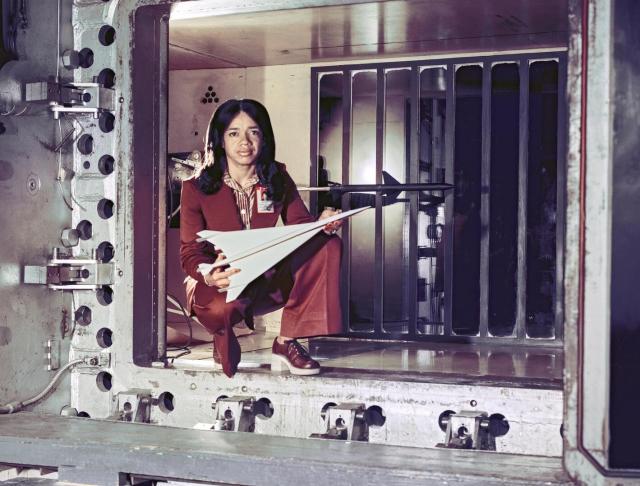
After working as a human computer for years, Christine Darden became one of the few women aerospace engineers at NASA in the '70s, becoming well known for her research into supersonic aircraft noise, especially sonic boom reduction. go.nasa.gov/3JE3nZd #WomensHistoryMonth #NASAhistory
Dr. Christine Mann Darden (1942-) is internationally known for her research into supersonic aircraft noise, especially sonic boom reduction, and recognized for her groundbreaking achievement as the first African American woman at NASA Langley to be a…
TRAPPIST-1 b: We give it a one (M-dwarf) star review; it lacks atmosphere. ⭐
Webb found the dayside temperature of this rocky exoplanet to be about 450º F (227º C) — suggesting it has no significant atmosphere: go.nasa.gov/3K9cS4g
Scientists made models for TRAPPIST-1 b: with an atmosphere, and without. Webb’s results matched the model with no atmosphere. If TRAPPIST-1 b did have an atmosphere to circulate and distribute heat, its temperature should have been much cooler than what was measured. #JamesWebb
How do you take a planet’s temperature? The team measured the change in brightness (in infrared light, or emitted heat energy) when TRAPPIST-1 b moved behind its star. This was a challenge because the star is 1000 times brighter, and the change in brightness was less than 0.1%. #JamesWebb
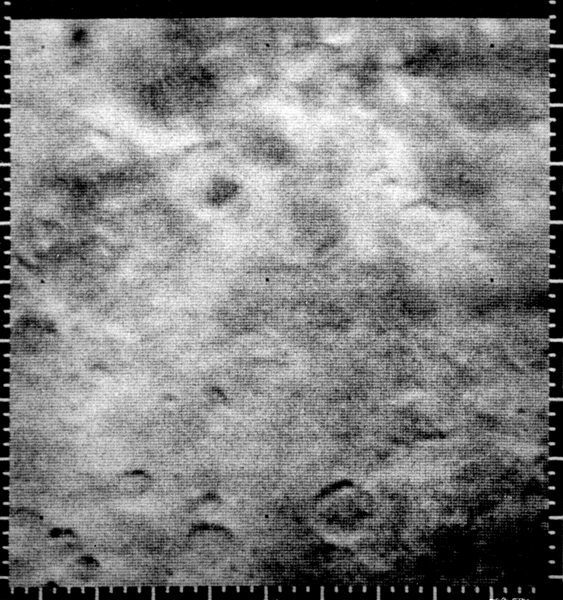
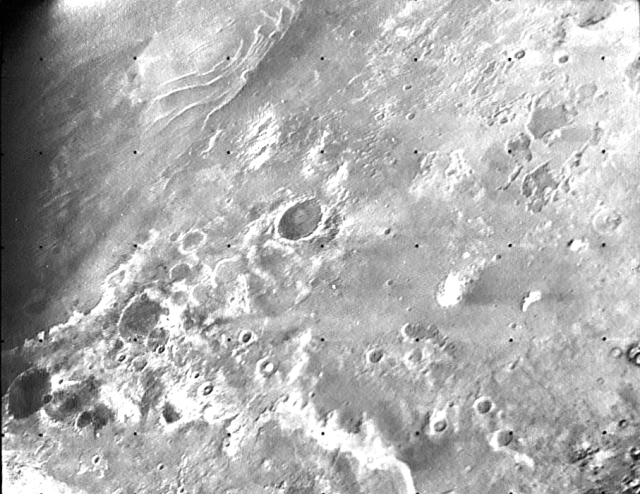
Mariner 7, launched #OTD in 1969, along with its twin Mariner 6 launched a month earlier, were sent to Mars to study its surface and atmosphere during close flybys. @NASAMars
Left: Mariner 4 photo of Mars, 1965 Right: Mariner 7 photo of Mars, 1969 #NASAhistory
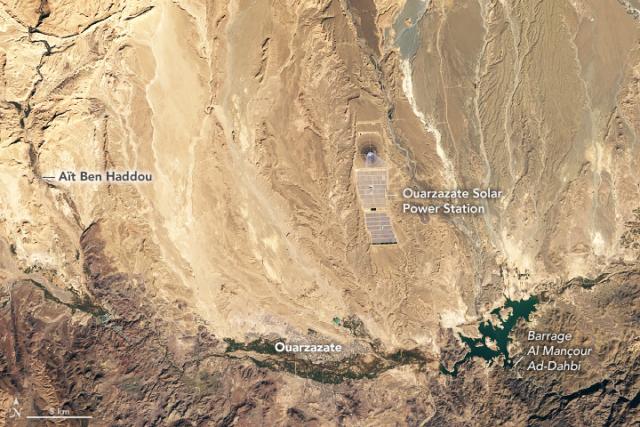
🛰️ While passing over Morocco, #Landsat 8 captured a photo of this dry, sunny basin, which is the site of a solar power station that supplies electricity to nearly 2 million Moroccans. ⚡ go.nasa.gov/42AoOTN #NASAEarth
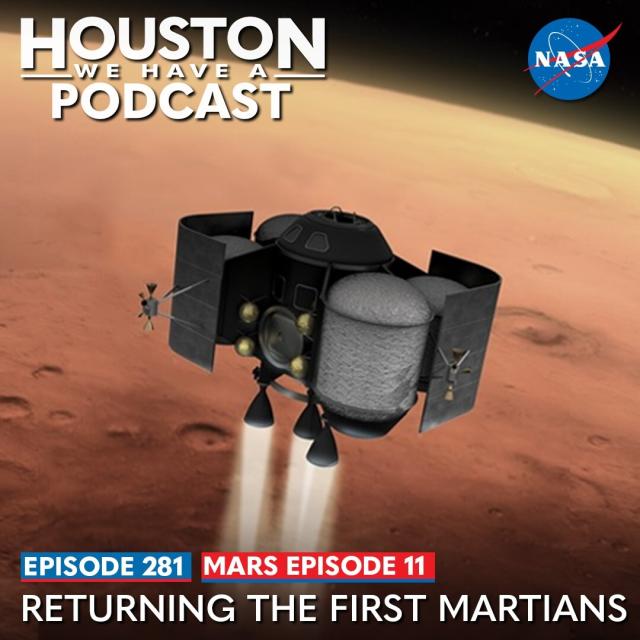
If you’ve been tuning in, you know landing on Mars is half of the battle–returning the first astronauts home from the Red Planet is the other half. Listen in as four experts discuss in this week's episode of “Houston, We have a Podcast”: go.nasa.gov/42FdMN9 #NASA
Experts from NASA’s Mars Architecture Team gather to discuss the mechanics of returning the first astronauts from the surface of Mars back home to Earth. HWHAP Episode 281.
For more information and stills gallery, please turn to: www.erikwernquist.com/wanderers For youtube version, please turn here: https://www.youtube.com/watch?v=YH3c1QZzRK4 ----- UPDATE:…
If anyone craves more Carl's voice, this little video uses excerpts from his Pale Blue Doot Audiobook, which he partially narrated before passing audible.es/pd/Pale-Blue-Dot-Au…
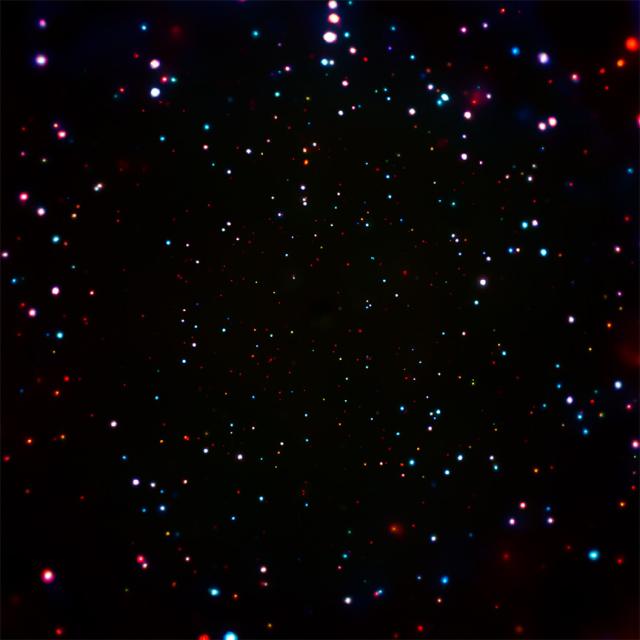
At first glance, this image may appear to be a view of stars. Rather, almost all these different colored dots are black holes or entire galaxies. When we add sound, we can hear the data. Music represents the full range of X-ray frequencies collected by @chandraxray. #NASAExoplanets
The central region of this image contains an incredible concentration of supermassive black holes, equivalent to about 5,000 objects that would fit into the area on the sky covered by the full Moon. Complete visual description of the Chandra Deep Field: chandra.si.edu/photo/2021/soni… #NASAExoplanets
Asteroid 2023 DZ2 will pass Earth more than 100,000 miles (161,000 km) away–about half the distance to the Moon–making its close approach at 3:51 p.m. EDT (12:51 p.m. PDT). Check out @NASA_Eyes on Asteroids at eyes.nasa.gov/apps/asteroids/#… #NASA
Explore the 3D world of Asteroids, Comets and NEOs. Learn about past and future missions, tracking and predicting orbits, and close approaches to Earth.
"Asteroid 2023 DZ2 will pass Earth more than 100,000 miles (161,000 km) away–about half the distance to the Moon–making its close approach at 3:51 p.m. EDT (12:51 p.m. PDT)."
Want to help keep Earth safe from near-Earth asteroids? Join the International Astronomical Search Collaboration and help us find more of these remnants left over from the early formation of our solar system. @DoNASAScience at: science.nasa.gov/citizenscienc… #NASA
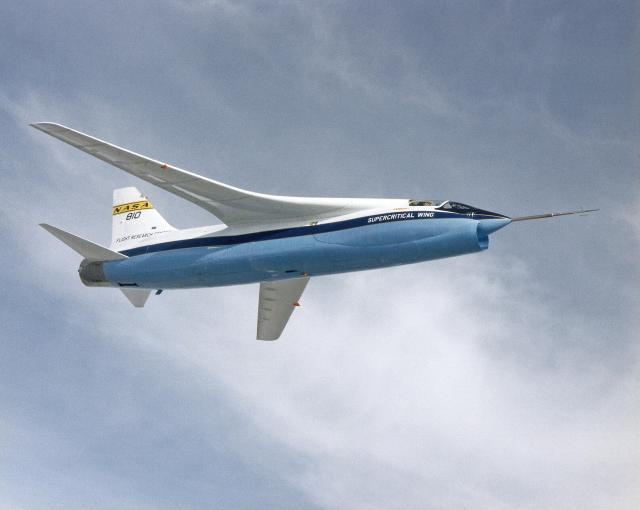
In this photo taken 50 years ago in 1973, a Vought TF-8A Crusader flies with NASA's experimental supercritical wing. The airfoil design increased cruising speed and fuel efficiency, and is now used on nearly every modern commercial aircraft. @NASAaero
F-8 Supercritical Wing Background In the early 1960s, Richard T. Whitcomb, chief of the Transonic Aerodynamics Branch, Langley Research Center, Hampton, VA, conducted exploratory research that led to the invention and patent of the NASA Supercritical…











Aviva Gary
in reply to NASA • • •