
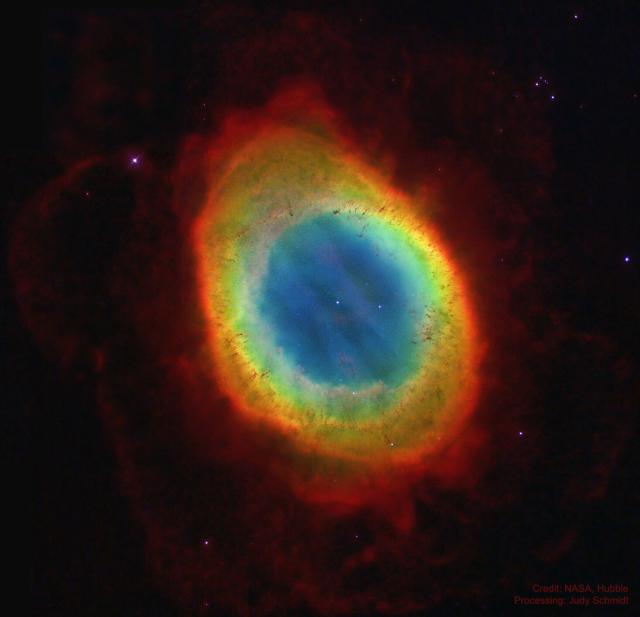
APOD: 2023 April 2 – M57: The Ring Nebula from Hubble
A different astronomy and space science related image is featured each day, along with a brief explanation.apod.nasa.gov
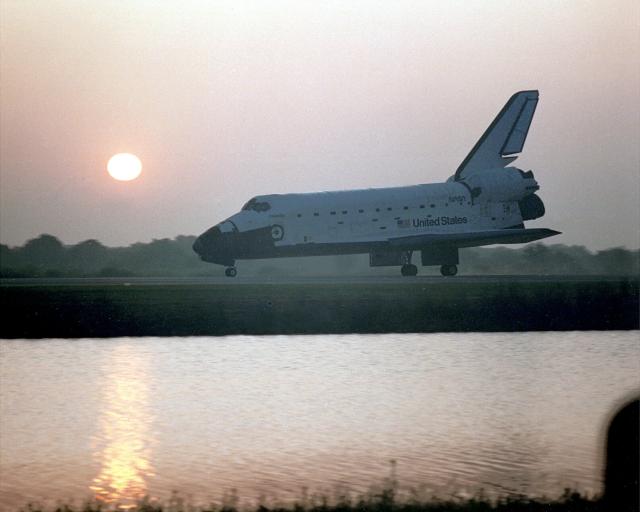
Good morning Atlantis!
#OTD in 1992 STS-45 landed. On board: future NASA Administrator Charles Bolden, the first Belgian citizen in space Dirk Frimout, and the 1st Atmospheric Laboratory for Applications and Science (ATLAS) experiments.
About the mission go.nasa.gov/3TM1Xke
#NASAhistory
M57: The Ring Nebula from Hubble
Image Credit: NASA, ESA, Hubble Legacy Archive; Processing: Judy Schmidt
apod.nasa.gov/apod/ap230402.ht… #APOD
APOD: 2023 April 2 – M57: The Ring Nebula from Hubble
A different astronomy and space science related image is featured each day, along with a brief explanation.apod.nasa.gov


The Noble Quran - Quran.com
The Quran translated into many languages in a simple and easy interfaceQuran.com
Welcome to the Triassic parks!
This @nasa Terra satellite image shows the Ischigualasto and Talampaya parks in northern Argentina, an area that was teeming with crocodile- and mammal-like reptiles in the Triassic 252-200 million years ago. go.nasa.gov/40LPrnD
#NASAEarth
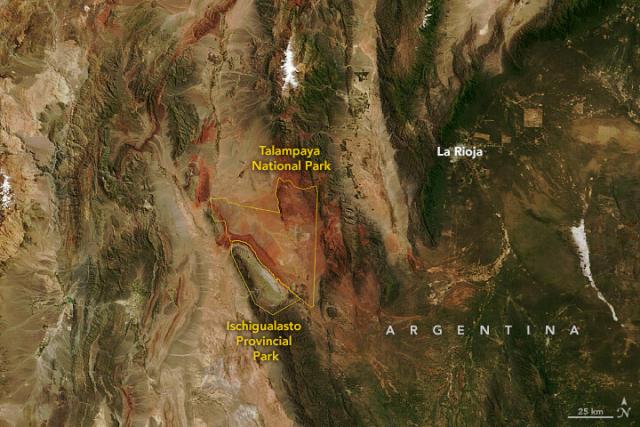
Triassic Parks
Fossils found in this region of Argentina have been key to understanding the origins and behaviors of mammals and dinosaurs.go.nasa.gov
#NASA
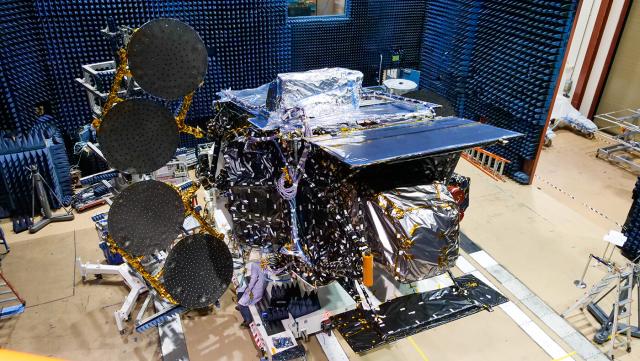
New Instrument to Track Pollution Hourly, Shed Light on Disparities
NASA is preparing for the launch of an instrument that will provide new insight into air quality in North America, observing air pollution from space more frequently and in greater detail than previous space-based instruments.Joe Atkinson (NASA)
NGC 2442: Galaxy in Volans
Image Credit & Copyright: Nicolas Rolland, Martin Pugh
apod.nasa.gov/apod/ap230401.ht… #APOD

APOD: 2023 April 1 - NGC 2442: Galaxy in Volans
A different astronomy and space science related image is featured each day, along with a brief explanation.apod.nasa.gov
📷flic.kr/s/aHBqjAxCFR
#NASAhqphoto

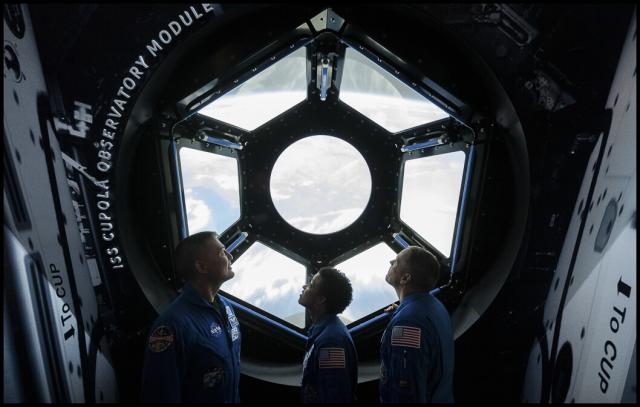
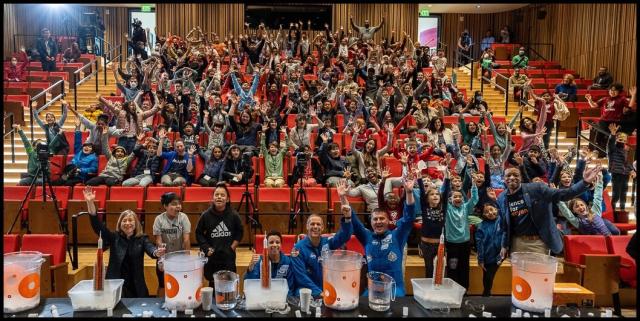
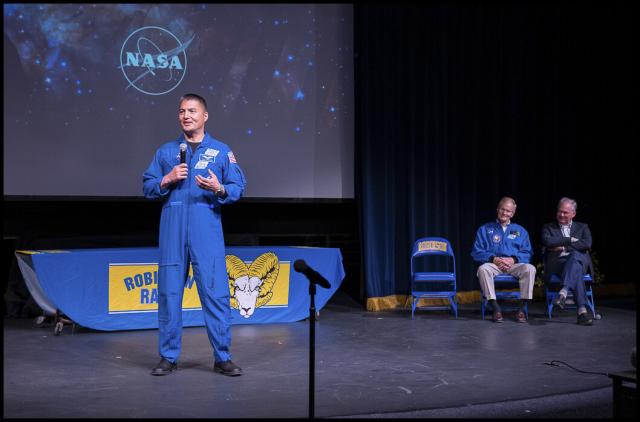
202303 NASA's SpaceX Crew-4 Postflight Visit
Explore this photo album by NASA HQ PHOTO on Flickr!NASA HQ PHOTO (Flickr)
#NASAExoplanets
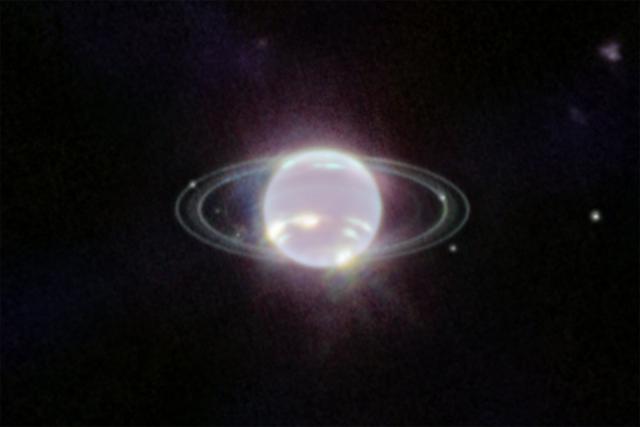
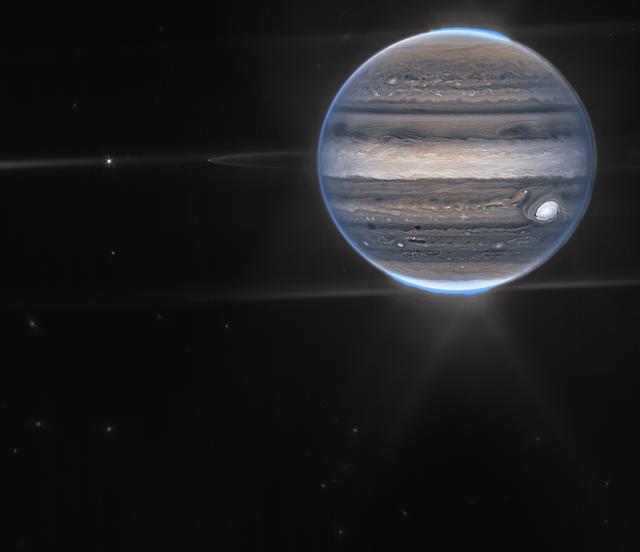
New Webb Image Captures Clearest View of Neptune’s Rings in Decades
NASA’s James Webb Space Telescope shows off its capabilities closer to home with its first image of Neptune.Jessica Merzdorf (NASA)
Our crawler-transporter was recognized as the world's heaviest self-powered vehicle, DC welcomed the #Crew4 astronauts, and we prepare to recover asteroid samples returning in September—This Week at NASA.
Subscribe for videos on Earth, flight & space at bit.ly/3mFZr2s
#NASA
#NASA
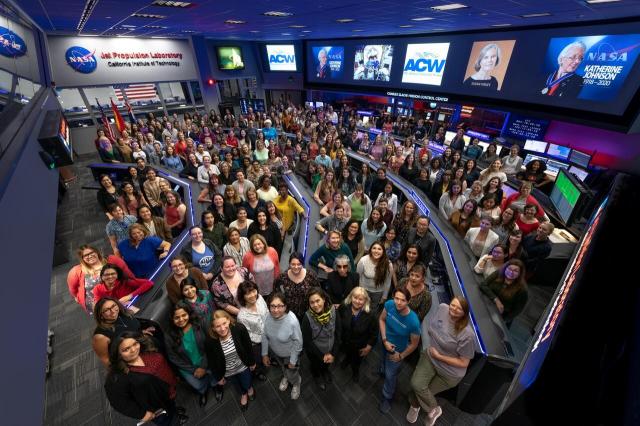
Women at NASA
NASA.gov brings you the latest images, videos and news from America's space agency. Get the latest updates on NASA missions, watch NASA TV live, and learn about our quest to reveal the unknown and benefit all humankind.NASA
🔭 What's up in the night sky this April?
The Moon will pair up beautifully with several planets, while viewing conditions may be ideal for the Lyrid meteor shower. More skywatching tips:
#NASA
Back to the grind! I’m #SamplingMars yet again, with the first rock core of my new science campaign exploring the top of Jezero Crater’s delta.
My coring drill is working well, and my team’s excited about what this rock may hold. Here’s why: go.nasa.gov/3JYkAwF
#PerseveranceRover
NASA's Perseverance Collects First Mars Sample of New Science Campaign
The rover continues its hunt for rocks worthy of bringing to Earth for further study.NASA Mars Exploration

#NASASolarSystem
#ISS
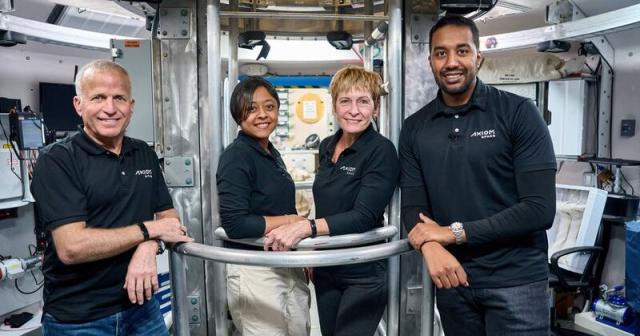
NASA Updates Media on Next Private Astronaut Mission to Space Station
NASA experts will join a virtual press conference hosted by Axiom Space at 12 p.m. EDT Thursday, April 6, to preview the launch of Axiom Mission 2 (Ax-2), the second private astronaut mission to the International Space Station.Roxana Bardan (NASA)
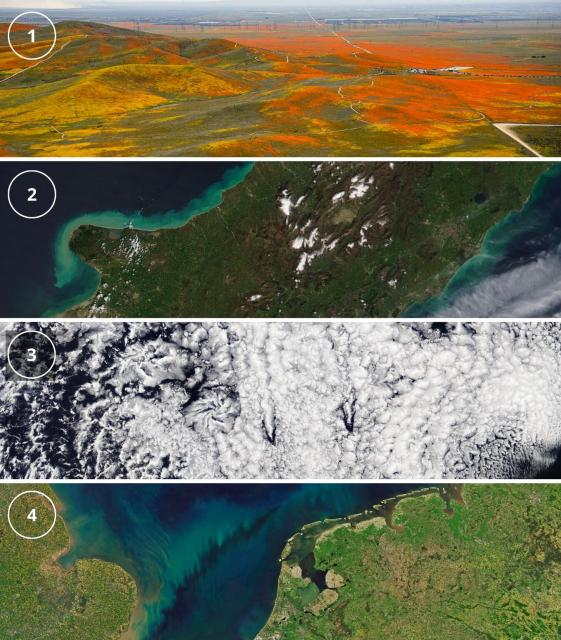
Help us spruce up our banner image by voting for your favorite one:
#NASAEarth
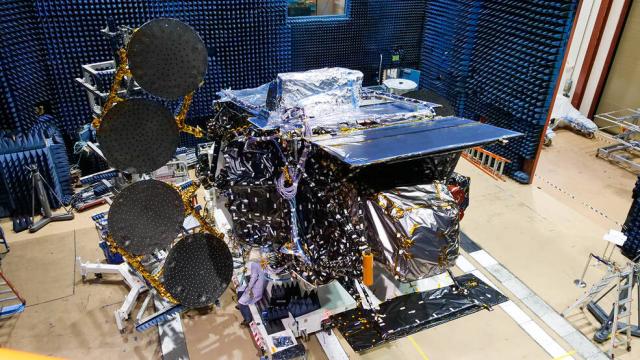
NASA is preparing to launch its TEMPO satellite next month!
TEMPO will observe air quality over North America from space every hour and reveal how pollution exposure varies by neighborhood and within a city. go.nasa.gov/3G3jjDq
#NASAEarth
New Instrument to Track Pollution Hourly, Shed Light on Disparities
NASA is preparing for the launch of an instrument that will provide new insight into air quality in North America, observing air pollution from space more frequently and in greater detail than previous space-based instruments.Joe Atkinson (NASA)
#NASAEarth
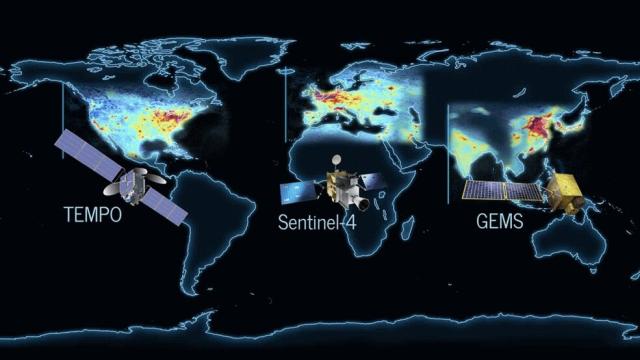
Once in orbit, TEMPO will join a larger constellation of satellite missions that monitor air quality in Europe and Asia, @esa’s upcoming Sentinel-4 and South Korea’s GEMS, respectively.
Full story: go.nasa.gov/3G3jjDq
#NASAEarth
New Instrument to Track Pollution Hourly, Shed Light on Disparities
NASA is preparing for the launch of an instrument that will provide new insight into air quality in North America, observing air pollution from space more frequently and in greater detail than previous space-based instruments.Joe Atkinson (NASA)
#ISS
#NASAExoplanets
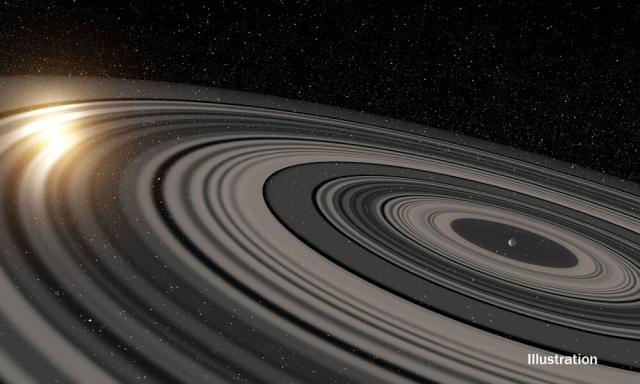
Super-Saturn: astronomers find a massive ring system around an exoplanet
Astronomers, have discovered that the ring system that they see eclipse the very young Sun-like star J1407 is of enormous proportions, much larger and heavier than the ring system of Saturn.Exoplanet Exploration: Planets Beyond our Solar System
#ISS
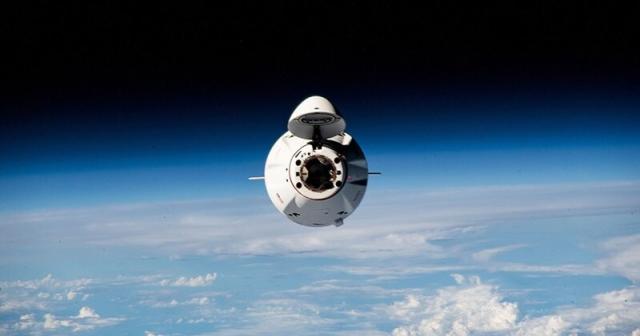
Cardiac Study, Robotics Work, and Light Duty Day for Astronauts
Heart research and robotics were the top objectives for the Expedition 69 crew aboard the International Space Station on Friday.blogs.nasa.gov
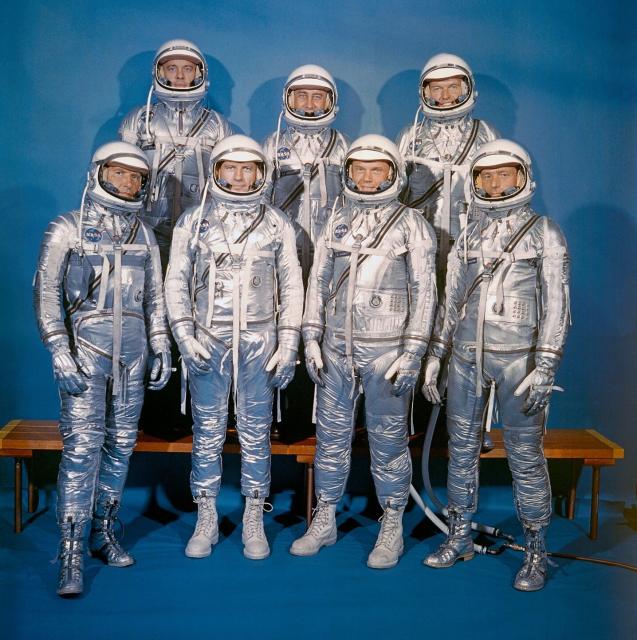
In just three more days, the four astronauts that will fly to the Moon on #Artemis II will be revealed!
64 years ago on April 1, 1959, the first @NASA_Astronauts, the Mercury 7, were chosen (announced on April 9). Of them, Al Shepard went on to crew a mission to the Moon!
#NASAhistory
About 390 million light-years away, the galaxy Z 229-15 shines in this #HubbleFriday image!
Its luminous heart is caused by a disk of material heating as it swirls toward the black hole at the galaxy's core: go.nasa.gov/40uKG1z
#Hubble
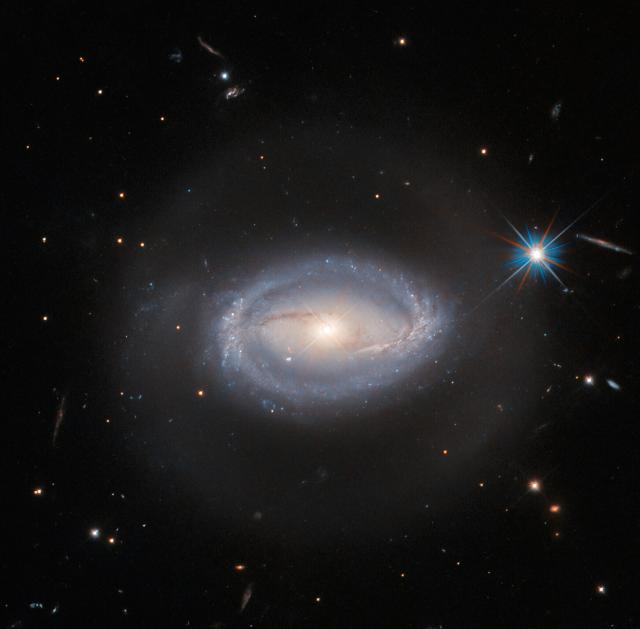
Hubble Views an Intriguing Active Galaxy
This luminous image from the NASA/ESA Hubble Space Telescope shows Z 229-15, a celestial object that lies about 390 million light-years from Earth in the constellation Lyra.Andrea Gianopoulos (NASA)
Elsa who? ❄️
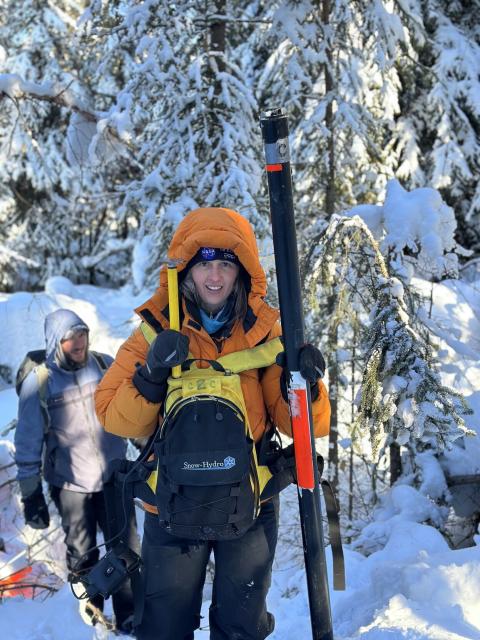
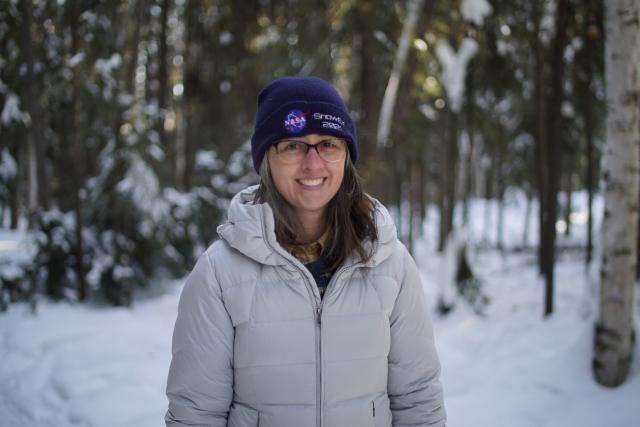
SnowEx was in the field this March – and it’s #WomensHistoryMonth!
Today, we’re celebrating the female scientists who showshoed and snowmobiled through Alaska, dug snow pits, and measured snow properties for @nasa’s SnowEx mission.
#NASAEarth


Carrie Vuyovich is a snow scientist @nasagoddard and the lead for NASA's SnowEx.
This year, Carrie is leading the largest SnowEx mission to date – with over 46 scientists helping to measure snow in the field and from research aircraft. ❄️ #WomenInScience
#NASAEarth
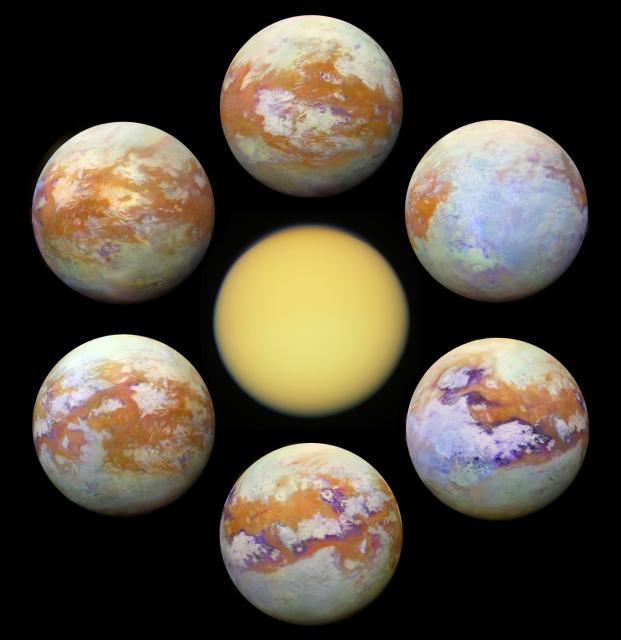
APOD: 2023 March 31 - Seeing Titan
A different astronomy and space science related image is featured each day, along with a brief explanation.apod.nasa.gov
by 🔬 Gaspar Bruner-Montero, Carlos M Luque, Cássia Siqueira Cesar, Shuai Dominique Ding, Jonathan P Day, Francis Michael Jiggins
pubmed.ncbi.nlm.nih.gov/369961… #Drosophila

Hunting Drosophila viruses from wild populations: A novel isolation approach and characterisation of viruses - PubMed
Metagenomic studies have demonstrated that viruses are extremely diverse and abundant in insects, but the difficulty of isolating them means little is known about the biology of these newly discovered viruses.PubMed
Seeing Titan
Image Credit: VIMS Team, U. Arizona, U. Nantes, ESA, NASA
apod.nasa.gov/apod/ap230331.ht… #APOD

APOD: 2023 March 31 - Seeing Titan
A different astronomy and space science related image is featured each day, along with a brief explanation.apod.nasa.gov
#NASAExoplanets
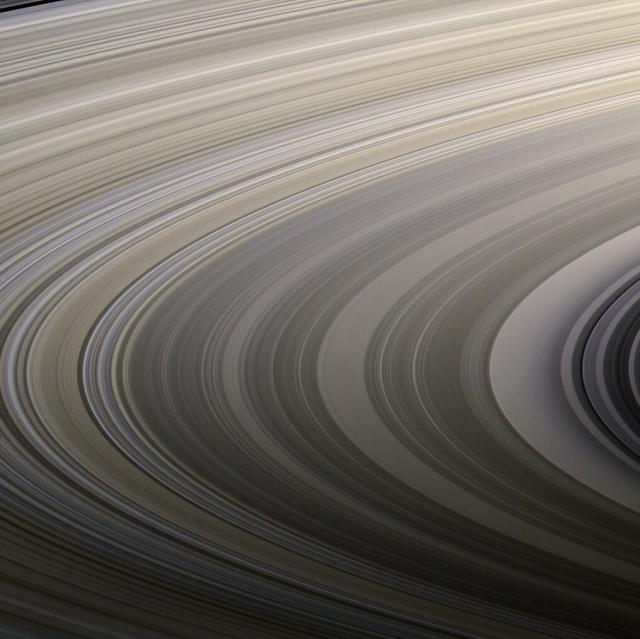
Hubble Finds Saturn's Rings Heating Its Atmosphere
Saturn's vast ring system is heating the giant planet's upper atmosphere. The phenomenon has never before been seen in the solar system.Andrea Gianopoulos (NASA)
#NASA
#NASA
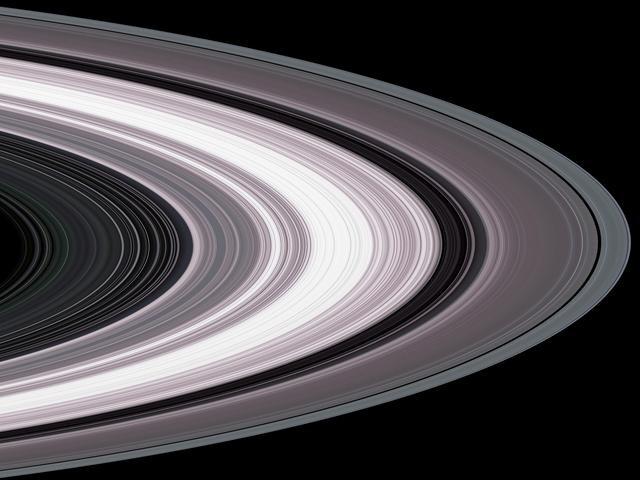
Hubble Finds Saturn's Rings Heating Its Atmosphere
Saturn's vast ring system is heating the giant planet's upper atmosphere. The phenomenon has never before been seen in the solar system.Andrea Gianopoulos (NASA)
Spain’s fire season got off to an early start with an intense blaze in the eastern Castellon province. An astronaut on the @Space_Station took this photo on March 27, as a thick plume of smoke streamed southeast toward the Mediterranean Sea.
🔗 go.nasa.gov/3M4MlpX
#NASAEarth
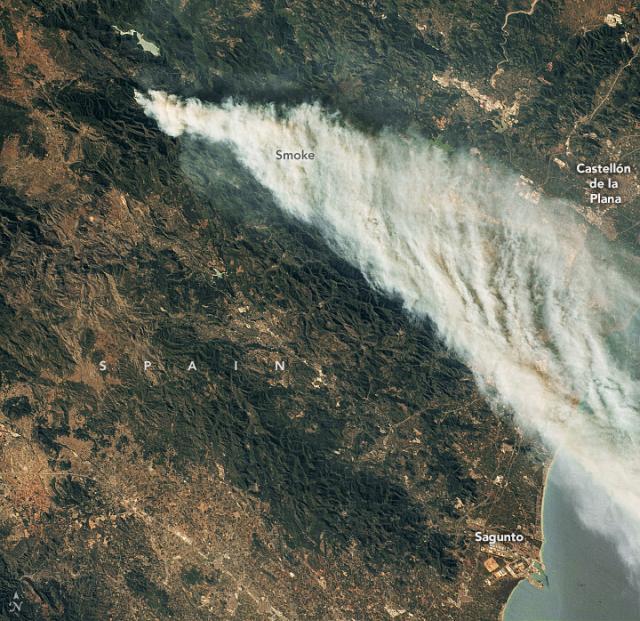
A Raging Fire in Spain
The 2023 fire season got off to an early start with a major fire in the Castellon province.go.nasa.gov
#NASASolarSystem
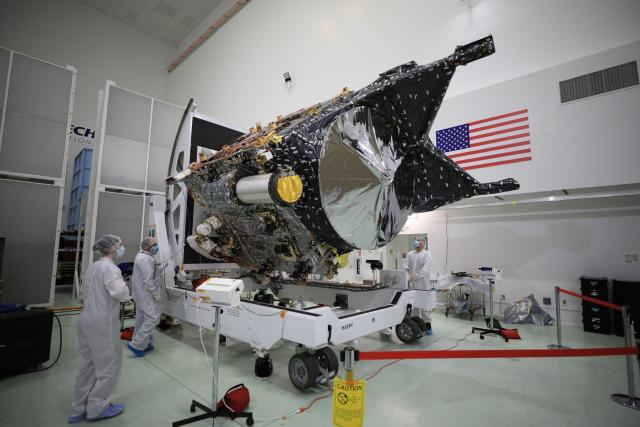
In Depth | 16 Psyche – NASA Solar System Exploration
Asteroid Psyche is a giant metal-rich asteroid that will be explored by a spacecraft with the same name - NASA's Psyche mission.NASA Solar System Exploration
#NASAExoplanets

TRAPPIST-1e - Guided Tour | Exoplanet Travel Bureau – Exoplanet Exploration: Planets Beyond our Solar System
Just 40 light-years away from Earth, the seven rocky worlds of TRAPPIST-1 would allow you to planet hop, one by one!Exoplanet Exploration: Planets Beyond our Solar System
#ISS
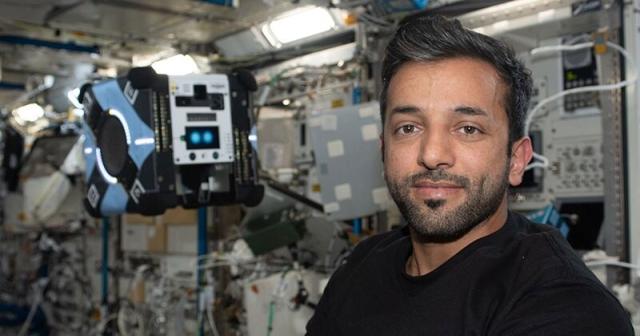
Cargo, Research Work Ongoing as Commercial Crew Missions Announced
The Expedition 69 crew members continue unpacking the SpaceX Dragon resupply ship in the midst of human research and pharmaceutical studies aboard the International Space Station.blogs.nasa.gov
Scientists can now detect small-scale features of harmful algal blooms that occur close to beaches and inside small bays.
Using a data processing technique, they can view “red tide” events in false-color, seen in this Feb. 26 satellite image of Florida. go.nasa.gov/3nwk4ys
#NASAEarth
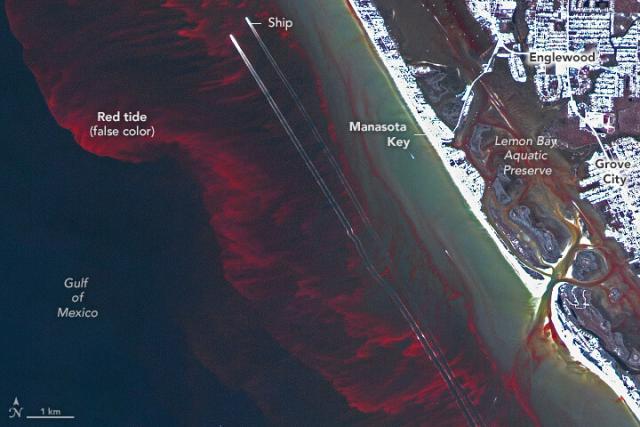
Putting the Red in “Red Tide”
Scientists developed a way to detect the fine-scale features of harmful algae blooms that occur close to beaches and inside small bays.go.nasa.gov
The work was done by scientists at the University of South Florida, using PlanetLabs satellite data made available through @nasaearthdata’s Commercial SmallSat Data Acquisition program.
Learn more: go.nasa.gov/40OoYoR
#NASAEarth
🦉bernard 🦂
in reply to NASA • • •