
A spacesuit is not just a fashion statement. It's a personal mobility system to keep astronauts safe as they explore the lunar surface.
This week on NASA’s Curious Universe podcast, we hear about the development of the next generation of spacesuits.
🎧 nasa.gov/curiousuniverse
#NASAMoon
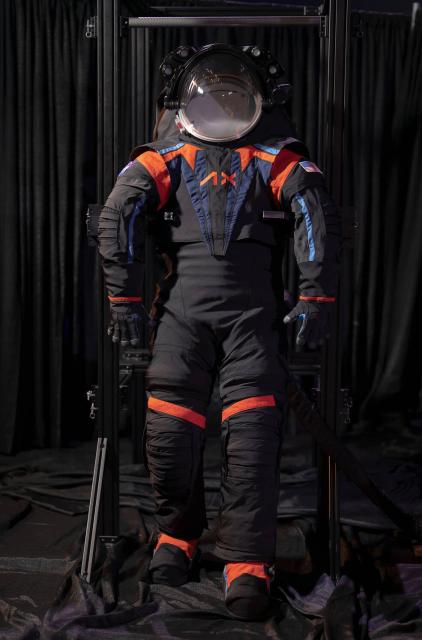
NASA's Curious Universe
NASA.gov brings you the latest images, videos and news from America's space agency. Get the latest updates on NASA missions, watch NASA TV live, and learn about our quest to reveal the unknown and benefit all humankind.NASA
#NASA

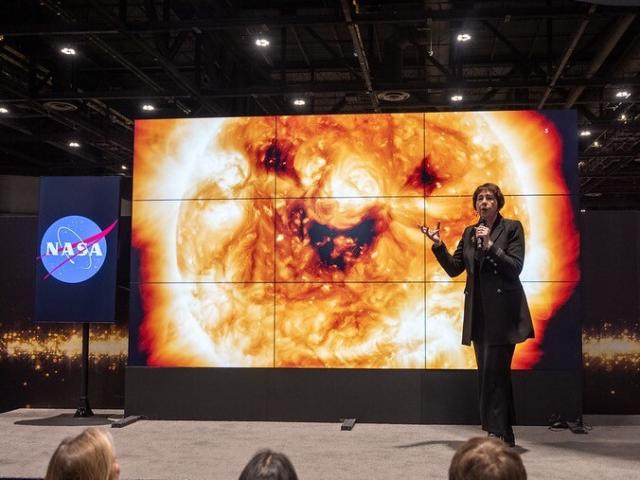
NASA Updates Media on Next Private Astronaut Mission to Space Station
NASA experts will join a virtual press conference hosted by Axiom Space at 12 p.m. EDT Thursday, April 6, to preview the launch of Axiom Mission 2 (Ax-2), the second private astronaut mission to the International Space Station.Roxana Bardan (NASA)
Meet the 2023 class of the NASA Hubble Fellowship Program!
These 24 Fellows will pursue independent research in any area of NASA Astrophysics. The program grants them three years of support at an American university or research center of their choosing: go.nasa.gov/3zsHoA1
#Hubble
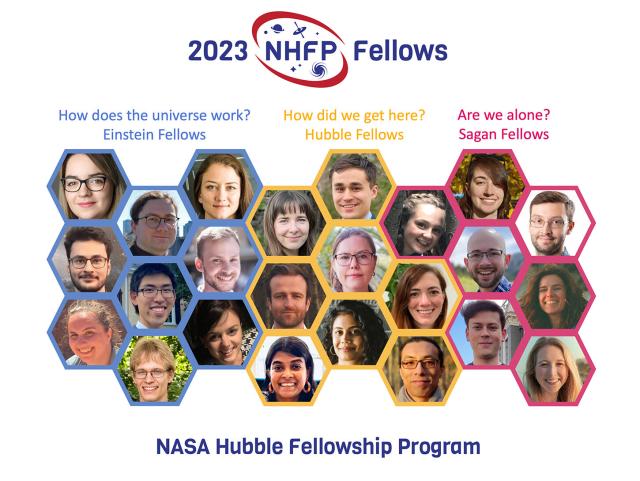
NASA Awards Astrophysics Postdoctoral Fellowships for 2023
NASA has selected 24 new Fellows for its prestigious NASA Hubble Fellowship Program (NHFP). The NHFP is one of the highlights of NASA's pursuit of excellence in astrophysics.Andrea Gianopoulos (NASA)
#ISS
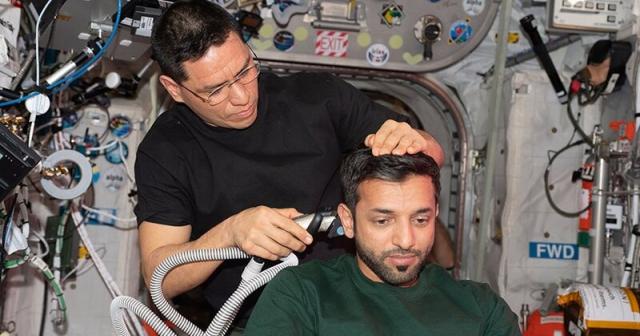
Crew Health Checks, Space Physics Top Tuesday Research Schedule
Human research activities dominated the Expedition 69 crew’s schedule aboard the International Space Station on Tuesday with ultrasound scans, vision checks, and hearing exams.blogs.nasa.gov
#NASAhistory
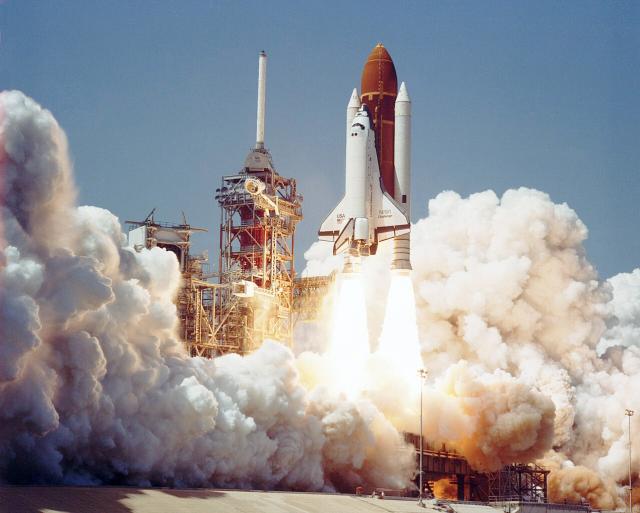
#NASA
NASA: Artemis II Crew
Meet the astronauts who will venture beyond the Moon on Artemis II, flying farther into space than any humans ever have before and paving the way for future lunar surface missions.NASA
#Landsat captured a tornado’s path of destruction across Arkansas.
Severe thunderstorms tore through the U.S. Midwest and Mid-South where they spawned dozens of tornadoes across seven states. go.nasa.gov/3MlnoHf
#NASAEarth

Tornado Razes a Path Through Wynne
A path of destruction across the Arkansas town is visible to Landsat after another tornado outbreak swept across parts the U.S.go.nasa.gov
#NASASolarSystem
Home – NASA Solar System Exploration
NASA’s real-time science encyclopedia of deep space exploration. Our scientists and far-ranging robots explore the wild frontiers of our solar system.NASA Solar System Exploration
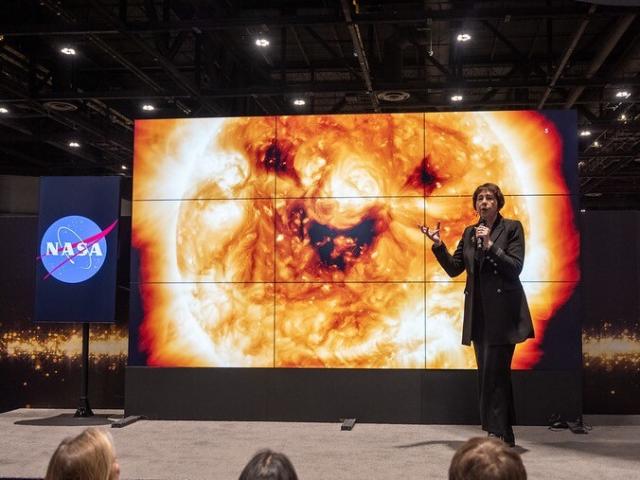
Welcome to Twitter, @NASAScienceAA! 👋
Dr. Nicky Fox, our head of #NASAScience, will share updates about topics and missions ranging from our changing planet to our expanding universe. Follow along: science.nasa.gov
#NASA
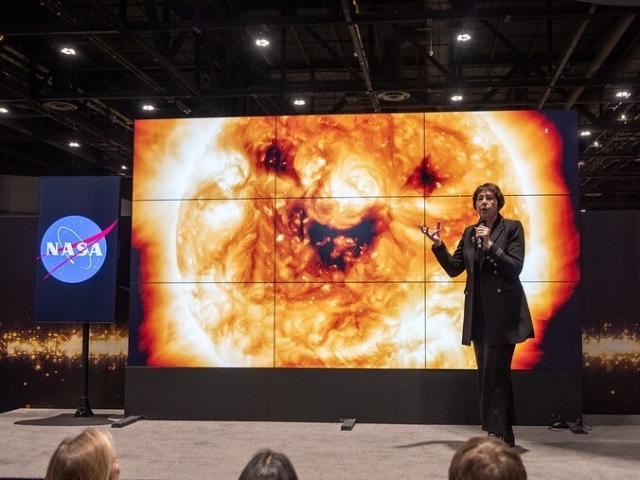
Apollo 6, the second all-up uncrewed test of the Saturn V, launched #OTD in 1968, the same day Martin Luther King, Jr. was assassinated.
While there were problems, NASA managers thought they were surmountable and the next launch would carry a crew. go.nasa.gov/3GDPNoj
#NASAhistory
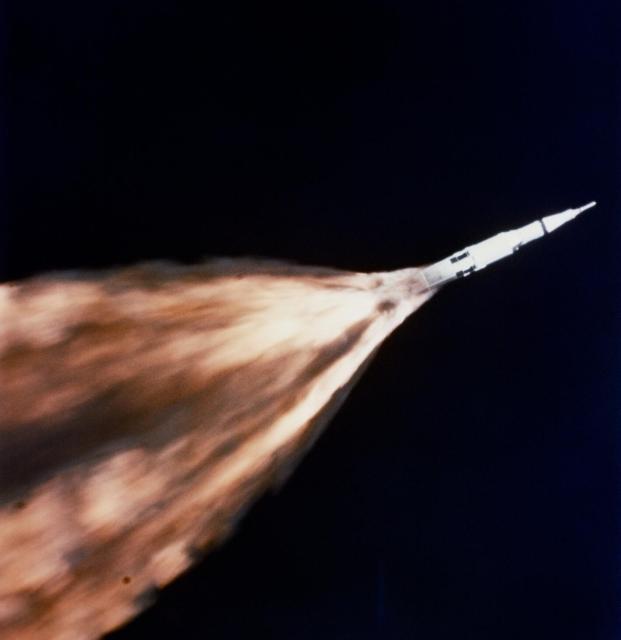
The Legacy of Apollo 6
Following on the heels of the two very successful Apollo 4 and 5 missions, Apollo 6 was the second all-up unmanned test of the Saturn 5.NASA
Nitrogen dioxide is largely produced from vehicle emissions.
The team estimated that 1.85 million new asthma cases worldwide in 2019 were attributable to NO2. Two-thirds of those were in urban areas. go.nasa.gov/3Kx5T5u
#NASAEarth
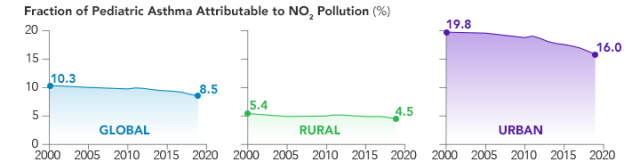
No Breathing Easy for City Dwellers: Nitrogen Dioxide
A new satellite-derived global dataset links concentrations of nitrogen dioxide with cases of pediatric asthma in urban areas around the world.go.nasa.gov
Air quality is an important contributor to disease. #NPHW
NASA-funded scientists linked health outcomes to satellite measurements of air pollutants like nitrogen dioxide and fine particulate matter (PM2.5). go.nasa.gov/3Kx5T5u
#NASAEarth
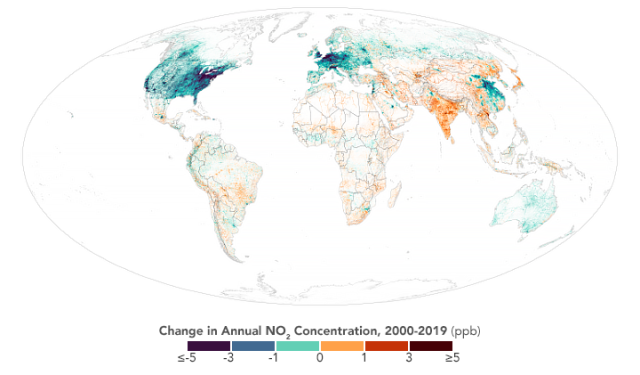
No Breathing Easy for City Dwellers: Nitrogen Dioxide
A new satellite-derived global dataset links concentrations of nitrogen dioxide with cases of pediatric asthma in urban areas around the world.go.nasa.gov
Small, inhalable particles called PM2.5 can contribute to diseases and premature death.
A @nasa-funded study found that 2.5 billion city dwellers worldwide live in areas where PM2.5 exceeds @WHO guidelines, leading to 1.8 million deaths in 2019. go.nasa.gov/3MeCSg6
#NASAEarth
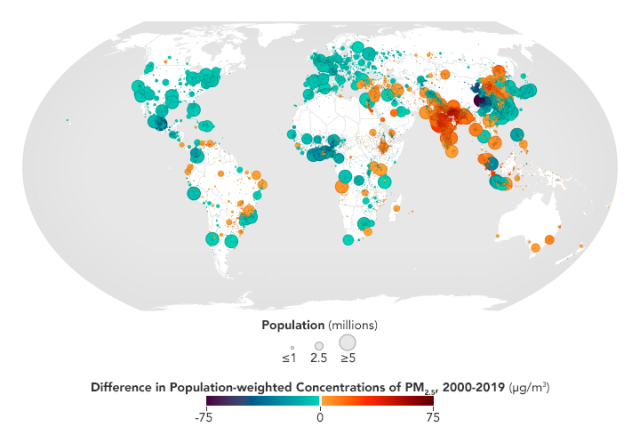
No Breathing Easy for City Dwellers: Particulates
A new satellite-derived dataset links concentrations of fine particulate matter in air pollution with health outcomes in cities around the world.go.nasa.gov
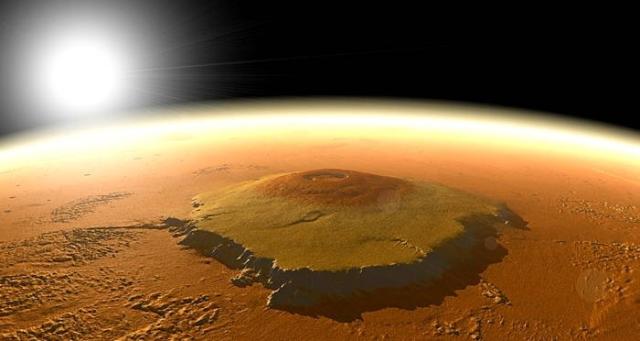
Olympus Mons: Largest Volcano in the Solar System
Image Credit: ESA, DLR, FU Berlin, Mars Express; Processing & CC BY 2.0 License: Andrea Luck
apod.nasa.gov/apod/ap230404.ht… #APOD

APOD: 2023 April 4 – Olympus Mons: Largest Volcano in the Solar System
A different astronomy and space science related image is featured each day, along with a brief explanation.apod.nasa.gov

32 Journal Prompts for Self-Reflection and Self-Care
Grab your favorite notebook and pen, and get to know yourself a little better with these prompts. ✍️Shine
#NASAMoon

Artemis II: Meet the Astronauts Who will Fly Around the Moon (Official NASA Video)
Four astronauts have been selected for NASA’s Artemis II mission: Commander Reid Wiseman, pilot Victor Glover, and mission specialist Christina Koch from NAS...YouTube
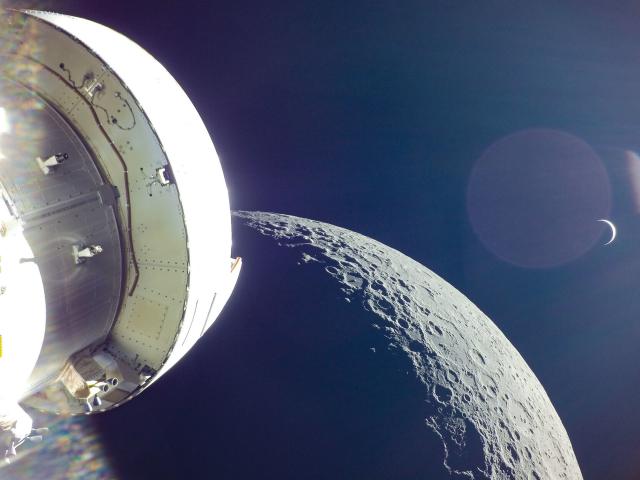
It’s quite a view from out there.
Today, NASA announced the crew of #Artemis II. Astronauts Wiseman, Glover, Koch, and Hansen will fly around the Moon, taking in the spectacular sights of the craggy lunar surface and our home planet in the distance. go.nasa.gov/3K9LSAg
#NASASolarSystem
NASA: Artemis II Crew
Meet the astronauts who will venture beyond the Moon on Artemis II, flying farther into space than any humans ever have before and paving the way for future lunar surface missions.NASA

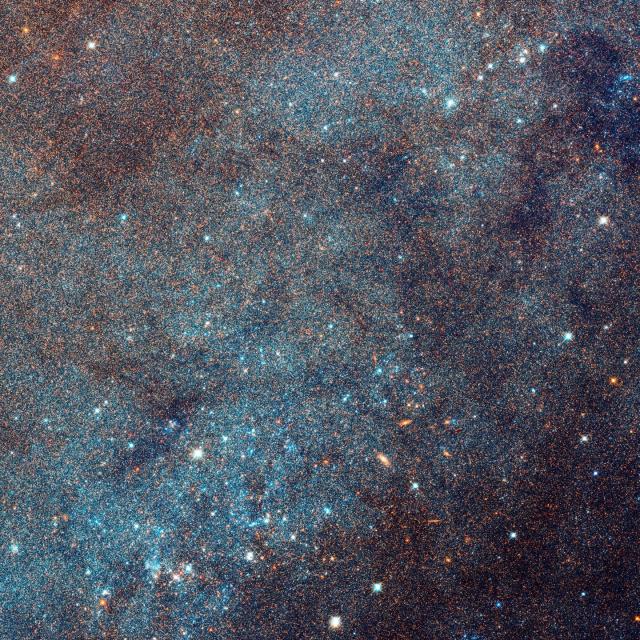
Hey, neighbor!
The Andromeda Galaxy is the nearest major galaxy to ours, at a distance of about 2.5 million light-years.
This #HubbleClassic view shows just a portion of Andromeda. Learn more about the galaxy "next door": go.nasa.gov/3U0QLQP
#Hubble
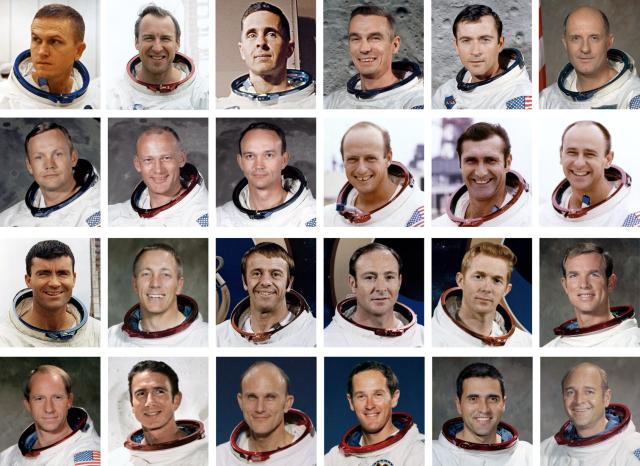
These are the 24 humans who have traveled to the Moon to date, 12 of whom walked on its surface.
With #Artemis II, we look forward to adding @astro_reid, @AstroVicGlover, @Astro_Christina, and @Astro_Jeremy to this photo!
#NASAhistory
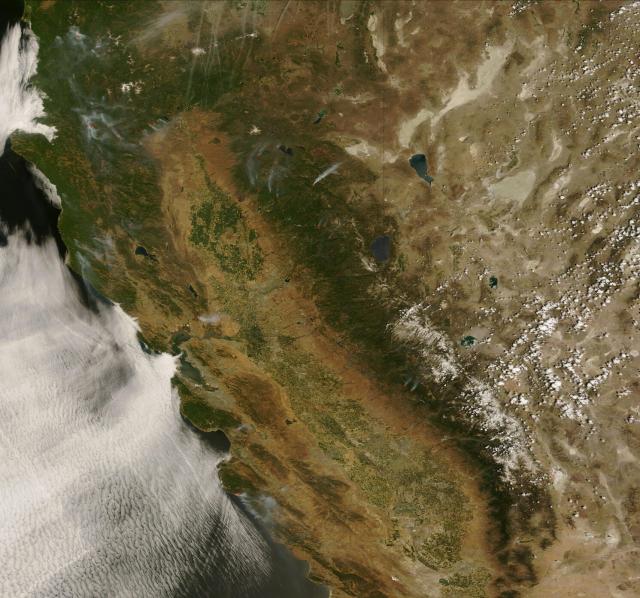
Wildfire smoke is one of the largest sources of unhealthy air quality.
To help extinguish its health effects, Jason Vargo of the @SFFED uses @nasa satellite data to better understand wildfire smoke impacts and build healthier communities.
Learn more: go.nasa.gov/3Zb93j2
#NASAEarth
60 years ago, a spin-stabilized spherical silver satellite soared into space and successfully studied the sky!
Launched April 3, 1963, @NASAGoddard's Explorer 17 measured the density, composition, pressure, and temperature of Earth's upper atmosphere: go.nasa.gov/3Kmz2Ah
#NASAhistory
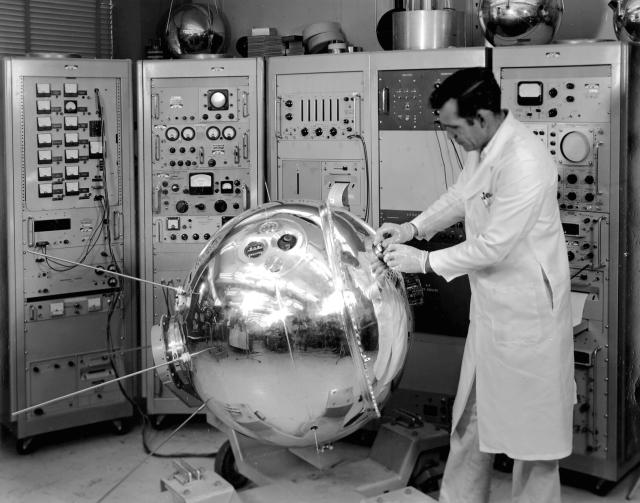
Explorer XVII Satellite
Weighing 405 lbs. (184 kg), this 35-inch (89-cm) pressurized stainless steel sphere measured the density, composition, pressure and temperature of Earth's atmosphere after its launch from Cape Canaveral on April 3, 1963.NASA
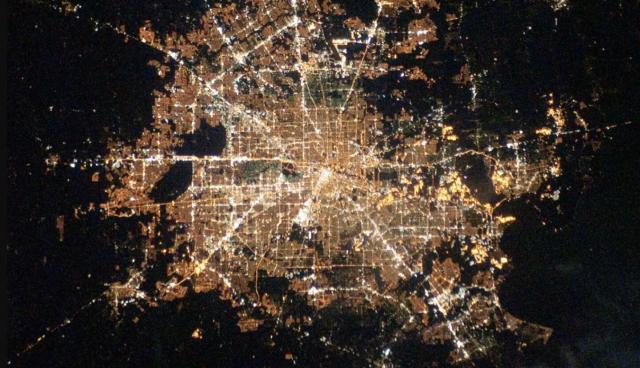
Bright nighttime lights disrupt circadian rhythms and cause sleep deficiency.
Scientists compared @nasa nightlight and @cdc health data and found that poorer, non-white neighborhoods experience more artificial light at night. #NPHW go.nasa.gov/3nBnuQx
#NASAEarth
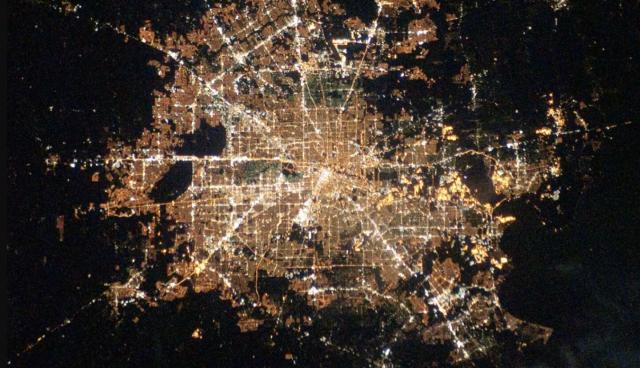
Brighter Neighborhoods Harm Human Health | NASA Applied Sciences
A newly emerging field of study is connecting the bright lights of U.S. cities at night to poorer human health.go.nasa.gov
#NASAEarth
Tracking Saharan Dust to Safeguard Public Health | NASA Applied Sciences
Formed from winds blowing loose sand, dirt, and debris, Saharan dust travels across the Atlantic Ocean and large quantities can result in poor air quality ango.nasa.gov
#ISS
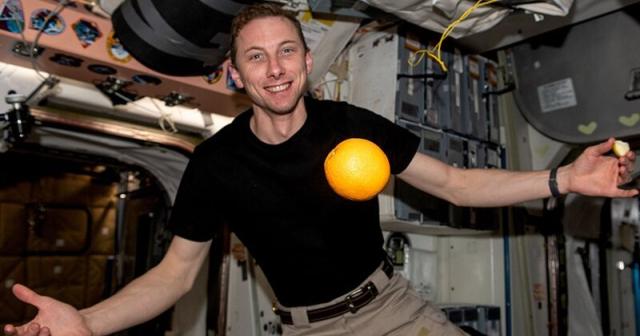
Crew Trains for Port Move During Busy Science Day
Three Expedition 69 crew members are training to take a short ride around the International Space Station and move their Soyuz crew ship to another docking port later this week.blogs.nasa.gov
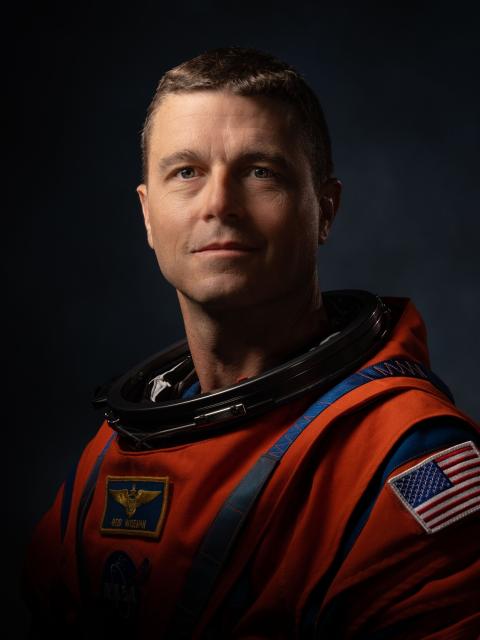
Here they are. @SenBillNelson announces the #Artemis II crew, the next astronauts to fly around the Moon:
@Astro_Christina
@Astro_Jeremy
@AstroVicGlover
@Astro_Reid
We go together. nasa.gov/specials/artemis-ii/
#NASA
NASA: Artemis II Crew
Meet the astronauts who will venture beyond the Moon on Artemis II, flying farther into space than any humans ever have before and paving the way for future lunar surface missions.NASA
#NASAArtemis #Artemis
NASA: Artemis II Crew
Meet the astronauts who will venture beyond the Moon on Artemis II, flying farther into space than any humans ever have before and paving the way for future lunar surface missions.NASA
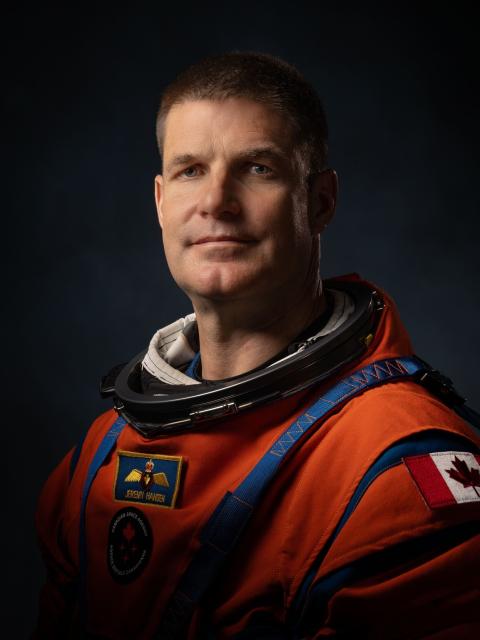
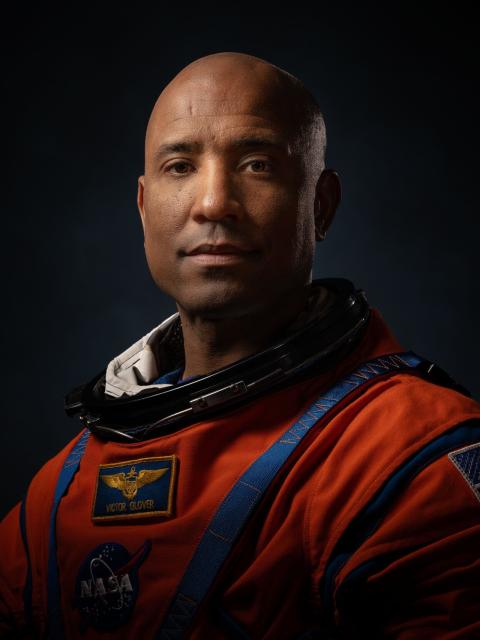
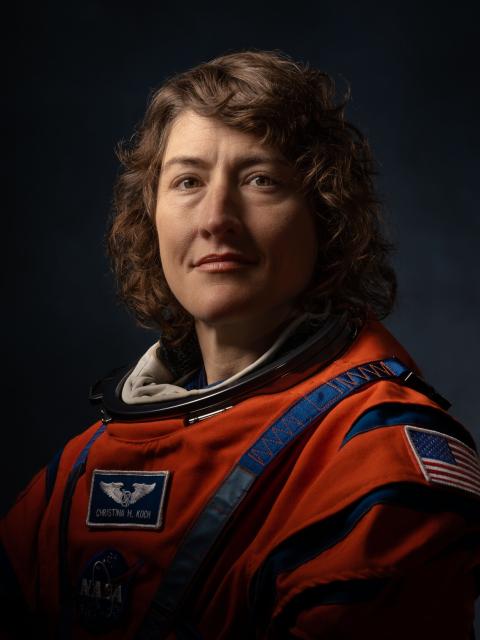
LIVE NOW: Who’ll fly around the Moon aboard the #Artemis II mission? You’re about to find out.
These astronauts will take the next giant leap — paving the way for future lunar landings and human exploration of Mars. twitter.com/i/broadcasts/1BdxY…
#NASA
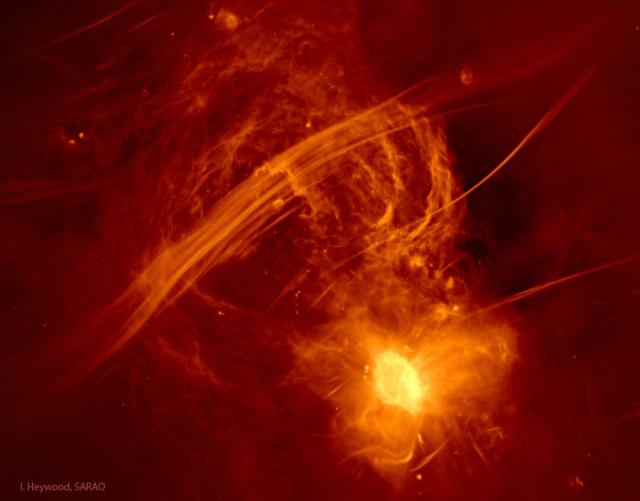
APOD: 2023 April 3 – The Galactic Center Radio Arc
A different astronomy and space science related image is featured each day, along with a brief explanation.apod.nasa.gov
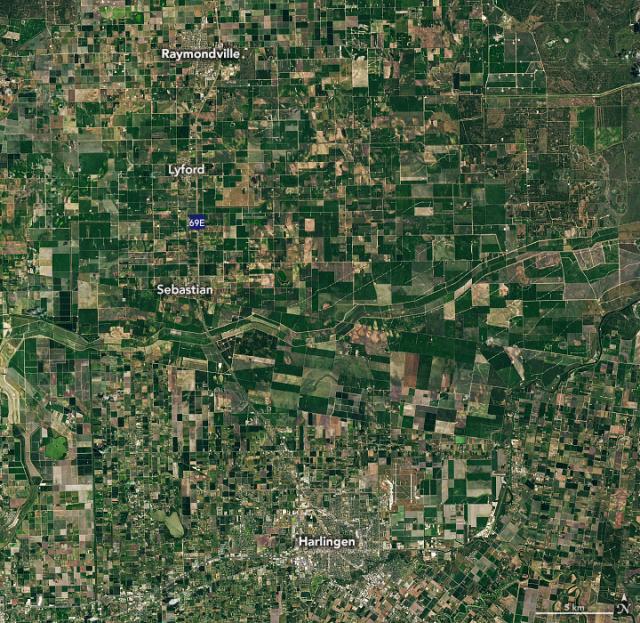
Farmers in the Rio Grande Valley are using @nasa satellite data to stop infestations of a cotton-loving beetle early in the growing season before they become severe and spread.
Full story: go.nasa.gov/3nF8scH
#NASAEarth
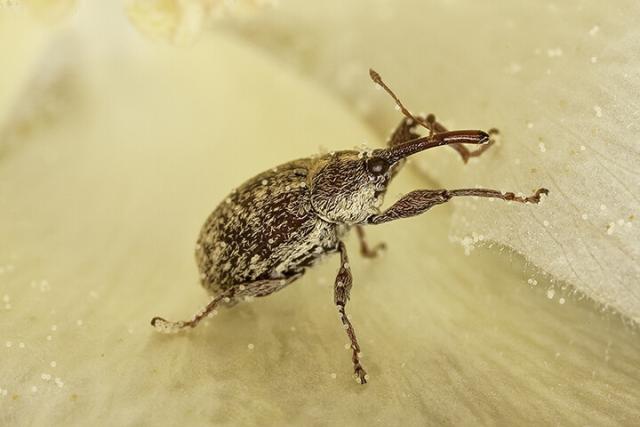
Battling Boll Weevils in Texas
Satellites are helping farmers in the Rio Grande Valley take on the cotton-loving beetles.go.nasa.gov
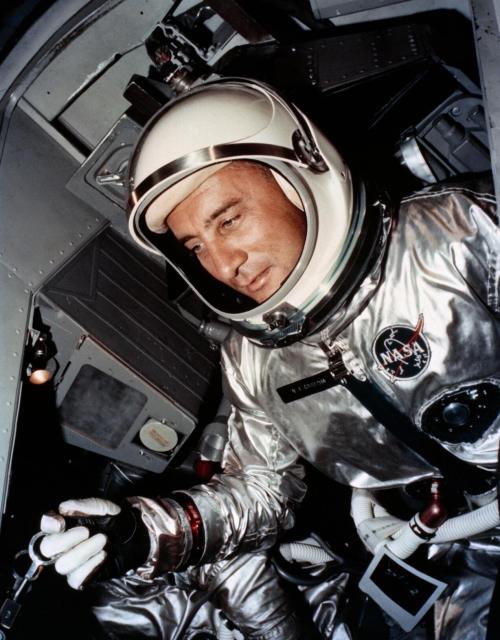
#Remembering Gus Grissom, NASA's 2nd astronaut, on his #birthday.
The 2nd American in space (Liberty Bell 7), first Gemini mission commander (Gemini III), and Apollo 1 commander, he had all the "Right Stuff."
Do you have a favorite Gus Grissom photo or story? Share it below ⬇️
#NASAhistory
The Galactic Center Radio Arc
Image Credit: Ian Heywood (Oxford U.), SARAO;
apod.nasa.gov/apod/ap230403.ht… #APOD

APOD: 2023 April 3 – The Galactic Center Radio Arc
A different astronomy and space science related image is featured each day, along with a brief explanation.apod.nasa.gov
#NASA
Who Will Fly Around the Moon? Introducing the Artemis II Astronauts LIVE (Official NASA Broadcast)
Meet the four astronauts who will take a trip around the Moon aboard the Orion spacecraft on their approximately 10-day Artemis II mission, the first crewed ...YouTube
Menno
in reply to NASA • • •