
This isn't an expanding star: this is a light echo!
In this time-lapse sonification, a pulse of light from the star V838 Monocerotis gives the illusion that the surrounding dust is expanding. In reality, it's just the light from the star's flash reaching dust farther away.
#Hubble
Hubble captured the first image #OTD in 2002!
This star is 20,000 light-years away, at the outer edge of our Milky Way Galaxy. In this sonification, scientists mapped brightness to pitch and volume, and the surrounding stars are pitched to musical notes: go.nasa.gov/3WescRA
#Hubble
America's first spacecraft to orbit Venus, the Pioneer-Venus Orbiter, was launched #OTD in 1978. The spacecraft's radar penetrated Venus's thick atmosphere, allowing scientists to produce this topographical map of the surface. @NASASolarSystem
Learn more: go.nasa.gov/41Dn8al
#NASAhistory
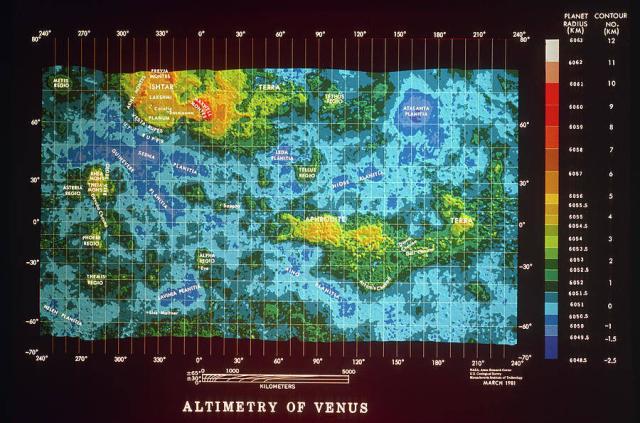
In Depth | Pioneer Venus 1 – NASA Solar System Exploration
NASA’s real-time science encyclopedia of deep space exploration. Our scientists and far-ranging robots explore the wild frontiers of our solar system.NASA Solar System Exploration
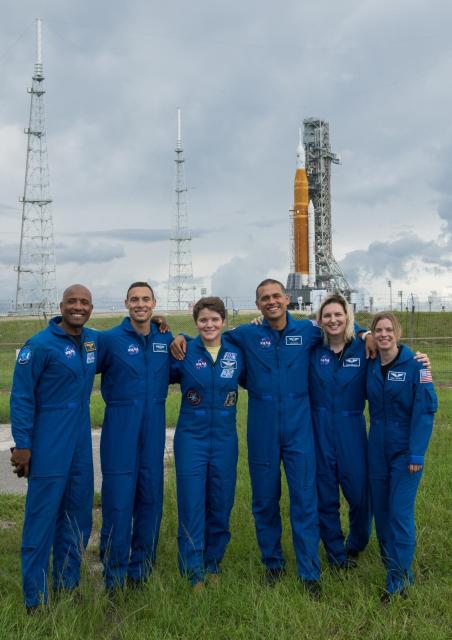
The @NASAArtemis II astronauts visit Washington, @BlueOrigin is selected to develop the landing system that will take astronauts to and from the surface of the Moon on #Artemis V, and @NASARoman takes shape.
Subscribe for all this and more: nasa.gov/subscribe
#NASA
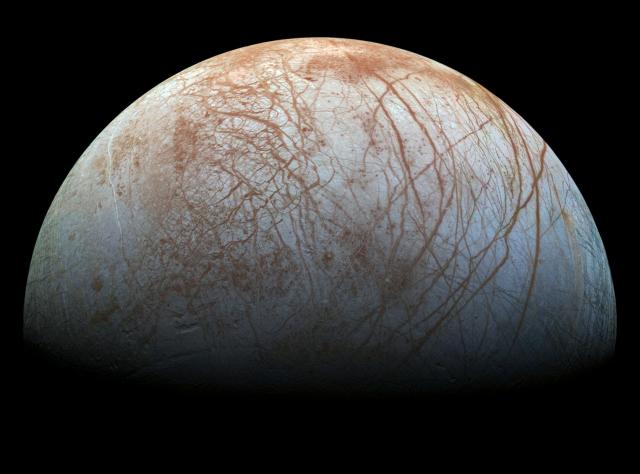
APOD: 2023 May 20 - Galileo s Europa
A different astronomy and space science related image is featured each day, along with a brief explanation.apod.nasa.gov

Easy Grounding Exercises
Two useful grounding techniques for times you feel overwhelmed, intensely anxious, or dissociated from your environmentStephanie Cordes (Dr. Stephanie Cordes, ND)
Galileo's Europa
Image Credit: NASA, JPL-Caltech, SETI Institute, Cynthia Phillips, Marty Valenti
apod.nasa.gov/apod/ap230520.ht… #APOD

APOD: 2023 May 20 - Galileo s Europa
A different astronomy and space science related image is featured each day, along with a brief explanation.apod.nasa.gov
#NASAExoplanets
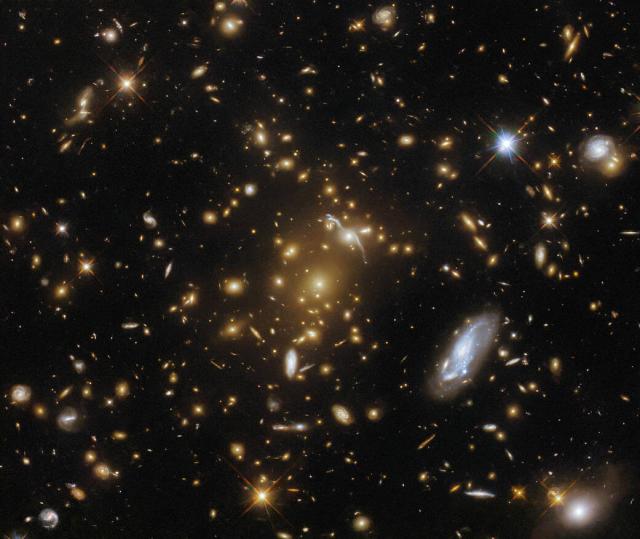
Hubble Captures a Light-Bending Galaxy Cluster
A vast galaxy cluster lurks in the center of this image from the NASA/ESA Hubble Space Telescope.Andrea Gianopoulos (NASA)
#NASAhqphoto
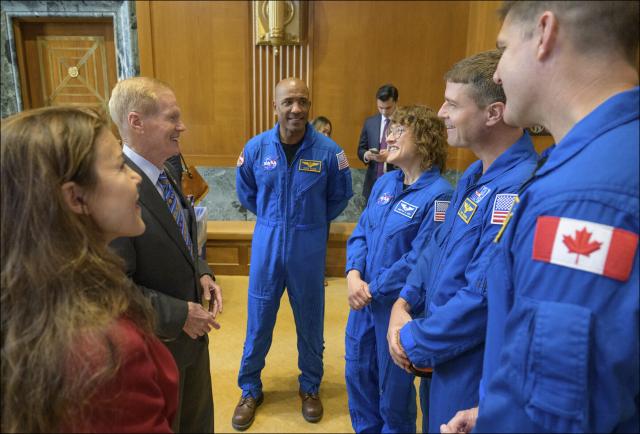
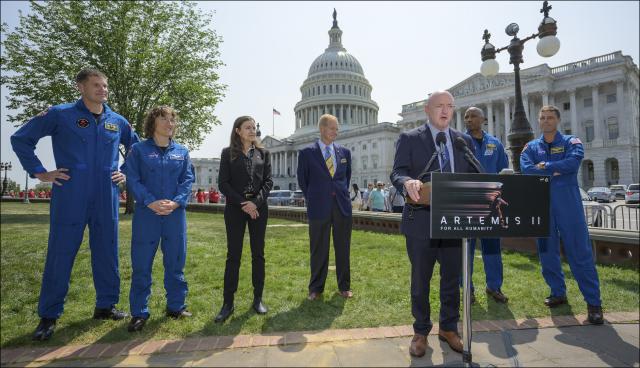
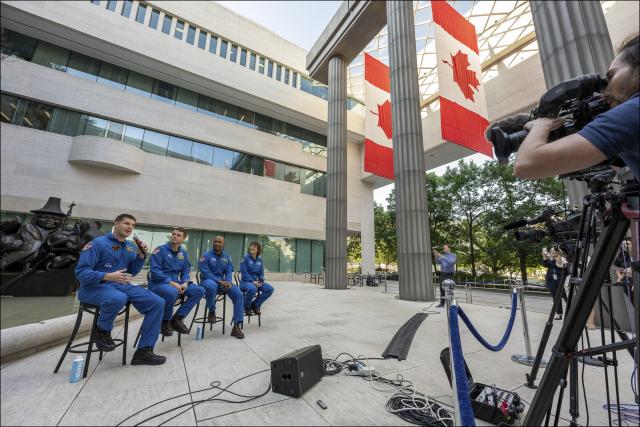
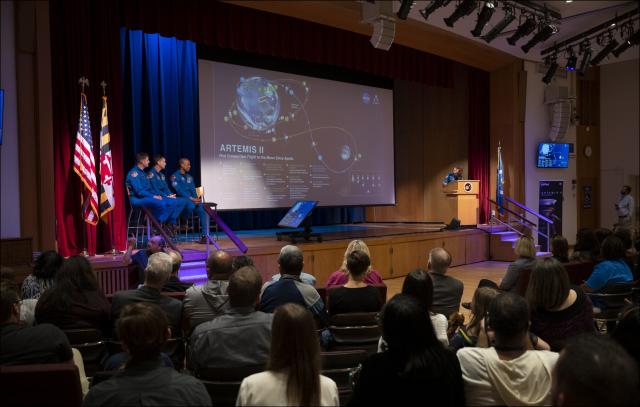
202305 Artemis II Crew in Washington
Explore this photo album by NASA HQ PHOTO on Flickr!NASA HQ PHOTO (Flickr)
Climate change is causing rising sea levels, longer and more intense heat waves, melting ice, extreme weather events and more.
But there are other, often surprising, ways Earth’s changing climate is affecting our world. 🧵 go.nasa.gov/3pNh4Pg
#NASAEarth

Planes, Shipping Lanes, and Automobiles
A new NASA Climate feature series examines some of the lesser-known, and often surprising, ways global climate change is affecting our world. First up: transportation.Climate Change: Vital Signs of the Planet
Climate change may make airline flights bumpier. 🛩️
Climate change may strengthen vertical wind shear in jet streams – creating irregular air motions, or turbulence. Pilots use or avoid jet streams to make flights more efficient.
#NASAEarth
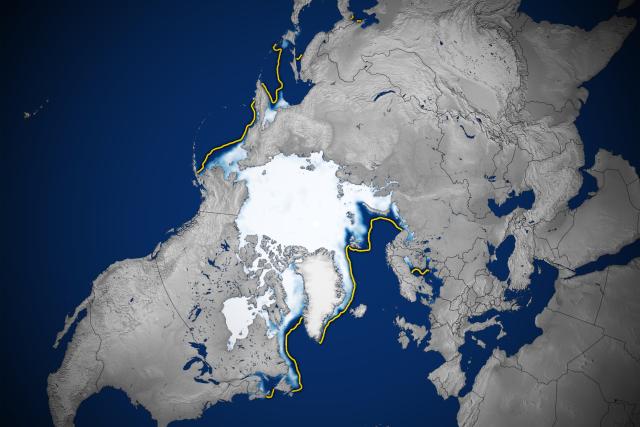
As Arctic sea ice melts due to climate change, sailing through the Arctic Ocean could become easier and shorten travel times.
However, traveling over sea ice using snowmobiles, trucks or other vehicles could become unsafe as the ice thins. 🧊
#NASAEarth
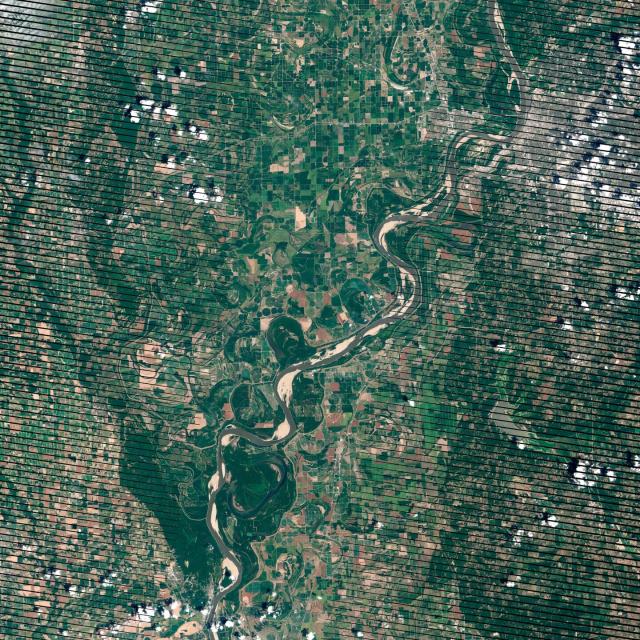
Climate change is expected to increase the frequency and intensity of droughts and floods.
Water levels in rivers and reservoirs could shift drastically, impacting cargo ships. 🚢 go.nasa.gov/3pNh4Pg
#NASAEarth
Planes, Shipping Lanes, and Automobiles
A new NASA Climate feature series examines some of the lesser-known, and often surprising, ways global climate change is affecting our world. First up: transportation.Climate Change: Vital Signs of the Planet
#ISS
Fedivision Song Contest, the annual event where (amateur) musicians from all around the fediverse compete, is about to kick off! It's 2023, it's our third Fedivision, and we can't wait to hear what you all come up with!
Please follow the official bot @fedivision, watch for #fedivision and #fedivision2023 and head over to fedivision.party for all the info!
And start your music production engines - now!
Please note: Fedivision Song Contest is for previously unpublished, original songs.
#NASAhqphoto
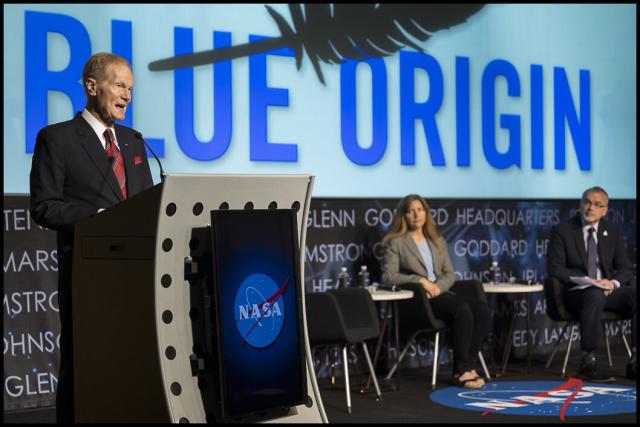
20230519 Artemis Human Landing System Announcement
Explore this photo album by NASA HQ PHOTO on Flickr!NASA HQ PHOTO (Flickr)
The #ArtemisGeneration has big shoes to fill. 👞
During Apollo 11 the average age in mission control was only 28 years old. Today, @nasa is preparing for the next generation to take the helm. The Artemis generation, like Apollo before them, will guide humanity to new heights.
#NASAhistory
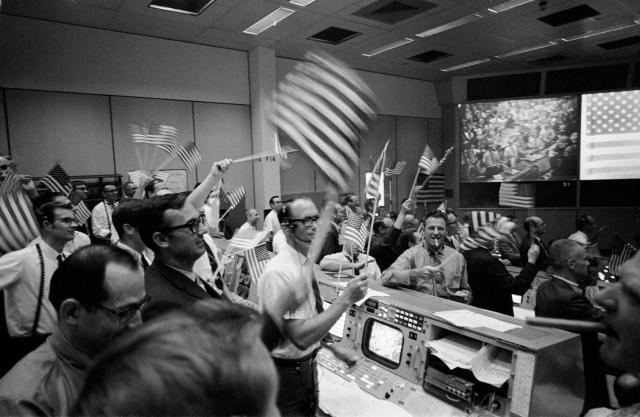
They will return us to the Moon, and one day land humans on Mars—all while being representative of America’s diverse society. Join us in taking on this colossal task.
Apply or share the application for our Fall @NASAInterns session by May 27: intern.nasa.gov
#NASAhistory
LIVE: We're announcing the Phase 2 winners for our @NASAPrize Deep Space Food Challenge, a global competition to develop sustainable ways of producing healthy food for long-term missions to the Moon, Mars, and beyond.
Watch with us at #NYCxDESIGN: livestream.com/viewnow/dsfc
#NASA
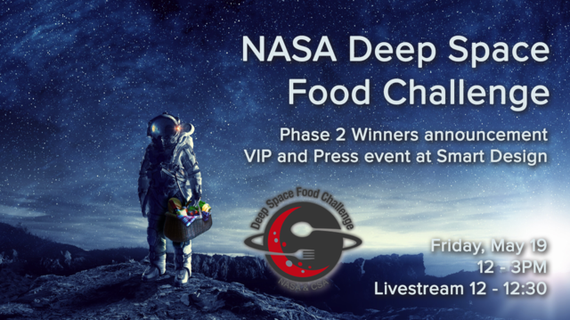
NASA Deep Space Food Challenge - Phase 2 Winners Announcement by National Institute of Aerospace
Watch National Institute of Aerospace's NASA Deep Space Food Challenge - Phase 2 Winners Announcement on Livestream.com.Livestream
#NASA

NASA Selects Blue Origin as Second Artemis Lunar Lander Provider
To develop a human landing system for the agency’s Artemis V mission to the Moon, NASA has selected Blue Origin of Kent, Washington.Claire O’Shea (NASA)
“We always describe water as the artery of life."
Through the @GLOBEProgram, NASA is helping create a global network of student and citizen scientists. In Oman, students are working on issues affecting local farmers, such as low water levels and soil salinity.
#NASAEarth
#ISS
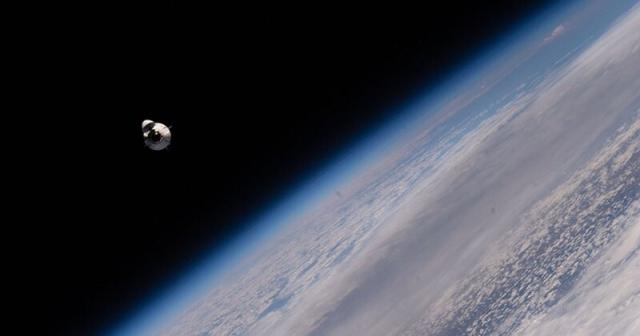
Light Duty Day During Spacewalk Safety Training and Axiom Mission Preps
The seven-member Expedition 69 crew split up on Wednesday with four astronauts enjoying some time off and three cosmonauts staying busy with cargo transfers and lab maintenance.blogs.nasa.gov
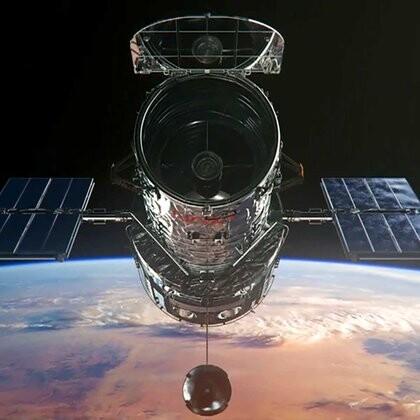
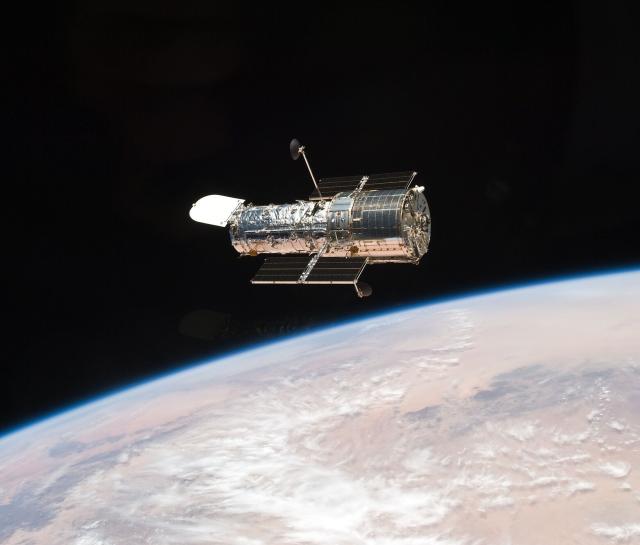
"Houston, Hubble has been released. It's safely back on its journey of exploration" –Scott Altman, STS-125 Commander
Space Shuttle Atlantis released the @NASAHubble Space Telescope #OTD in 2009 after the STS-125 crew made the observatory's final repairs and upgrades.
#NASAhistory
About 26,000 light-years away, the globular star cluster NGC 6325 shines in this #HubbleFriday view.
Globular clusters are tightly bound collections of stars that contain anywhere from tens of thousands to millions of members: go.nasa.gov/3WetrQu
#Hubble
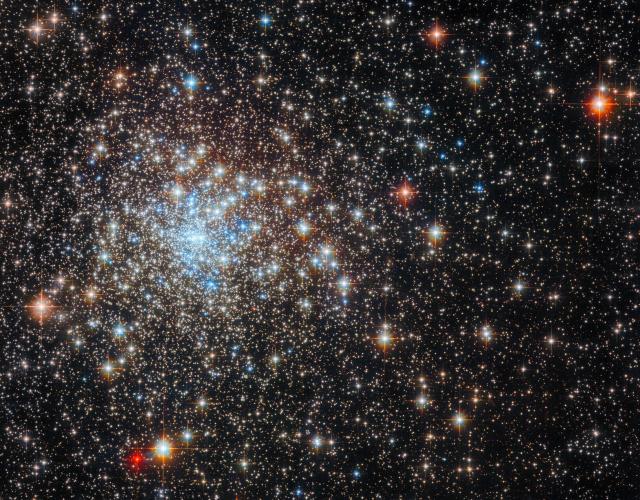
Hubble Peers into a Glistening Star Cluster
The densely packed globular cluster NGC 6325 glistens in this image from the NASA/ESA Hubble Space Telescope.Andrea Gianopoulos (NASA)
These #Landsat images show the same estuary in northeastern China 36 years apart.
A salt-loving seepweed turns the coast a deep red in the fall, which highlights how the estuary has changed due to coastal developments from 1986 (left) to 2022 (right). go.nasa.gov/3oen6YS
#NASAEarth
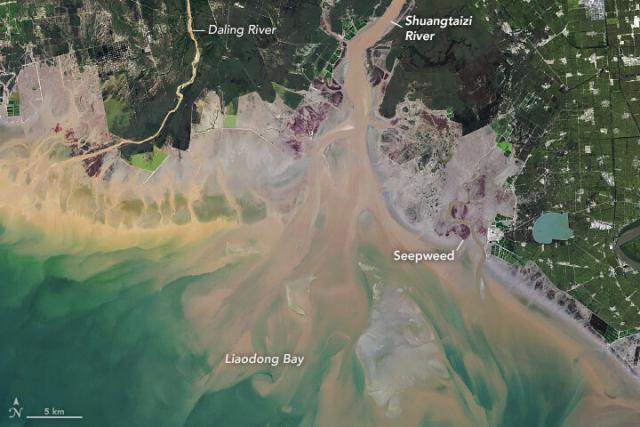
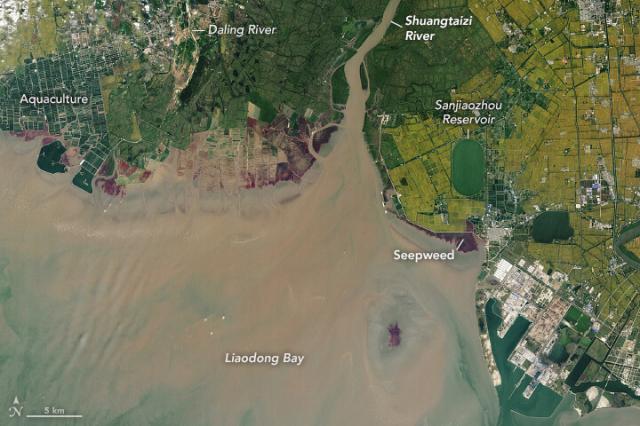
A Changing Estuary Lined With Red
Satellite observations of seepweed are helping scientists track how these treasured, colorful plants are faring as coastal landscapes in northeastern China change.go.nasa.gov
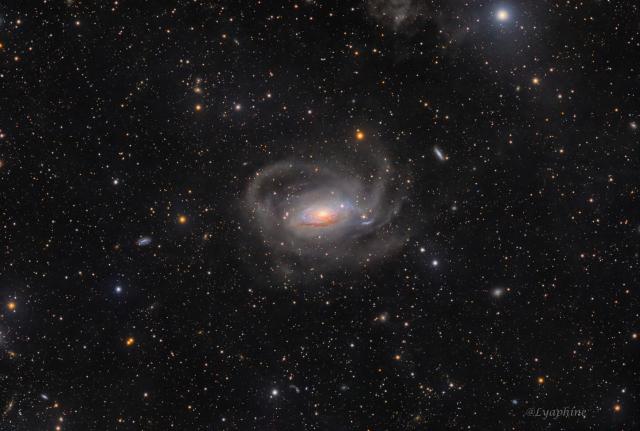
APOD: 2023 May 19 - Curly Spiral Galaxy M63
A different astronomy and space science related image is featured each day, along with a brief explanation.apod.nasa.gov
Curly Spiral Galaxy M63
Image Credit & Copyright: Sophie Paulin, Jens Unger, Jakob Sahner
apod.nasa.gov/apod/ap230519.ht… #APOD

APOD: 2023 May 19 - Curly Spiral Galaxy M63
A different astronomy and space science related image is featured each day, along with a brief explanation.apod.nasa.gov
#NASA
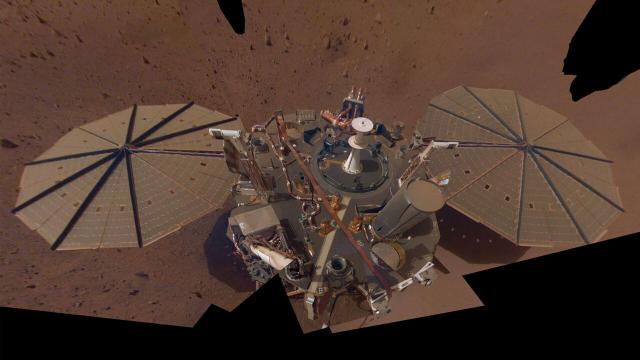
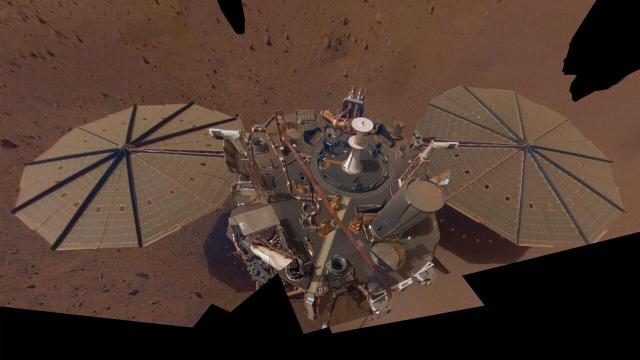
Ever feel like you're being pulled in different directions and you might erupt?
An Earth-size exoplanet, spotted by NASA's orbiting telescopes, is at the center of a cosmic tug-of-war in its star system—which may stud its surface with fiery volcanoes: go.nasa.gov/3MzUxhS
#NASA
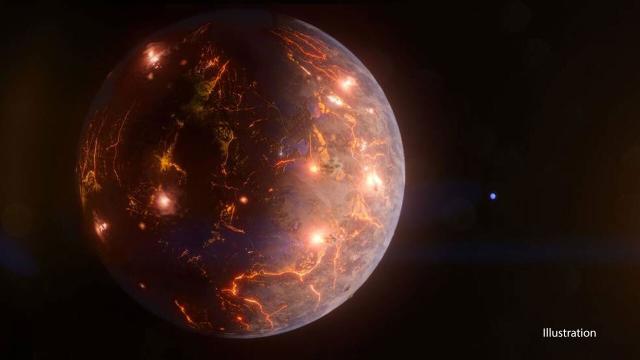
NASA’s Spitzer, TESS Find Potentially Volcano-Covered Earth-Size World
Astronomers have discovered an Earth-size exoplanet, or world beyond our solar system, that may be carpeted with volcanoes.Jeanette Kazmierczak (NASA)
Way to go, #CAPSTONE!
In addition to taking its first images and testing new navigational tech, the #CubeSat has flown a near-rectilinear halo orbit for over six months, the same orbit that @NASA_Gateway, our future lunar space station, will fly.
#NASAArtemis #Artemis
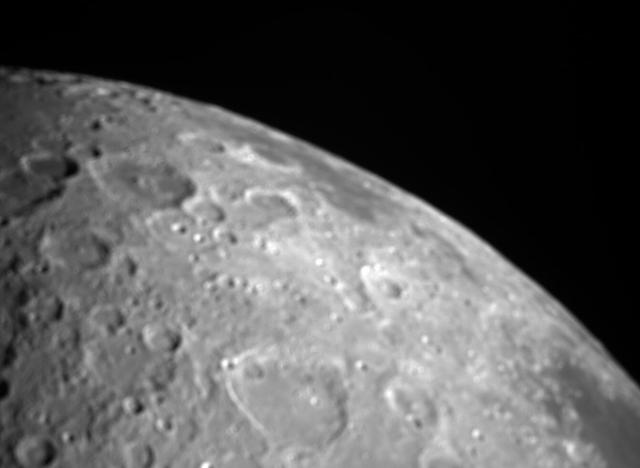
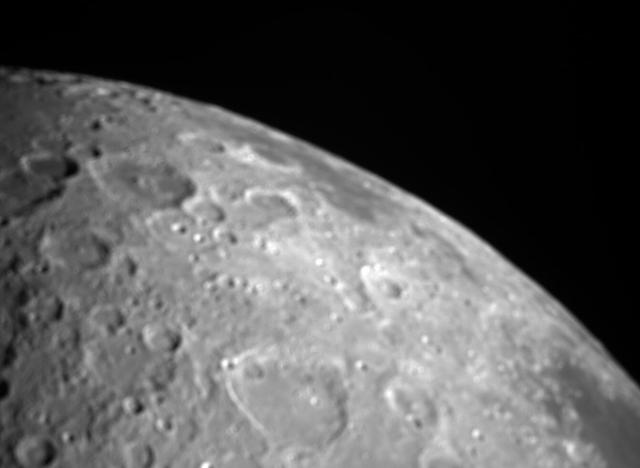
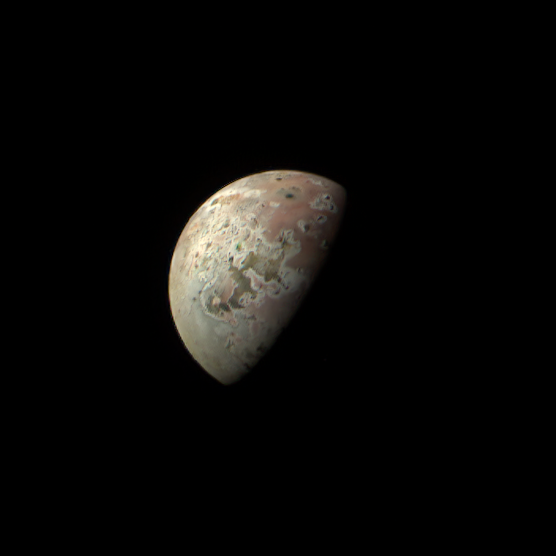
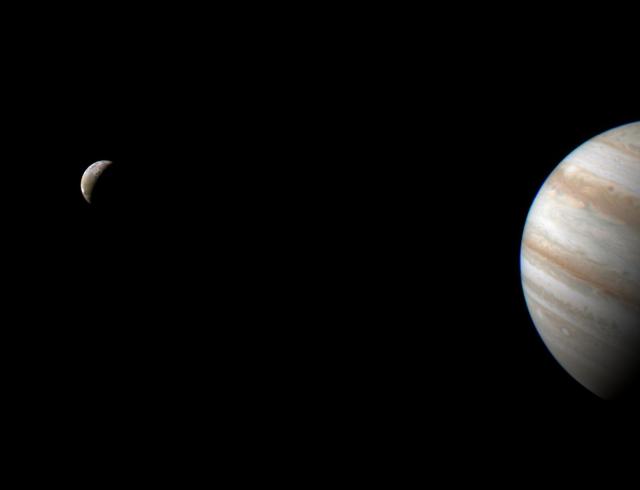
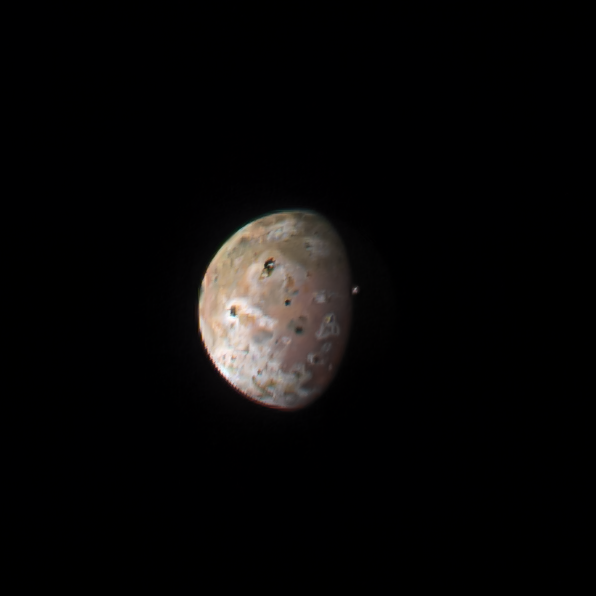
Oh hello, Io! During its 51st close flyby of Jupiter on May 16, our #JunoMission captured these views of Jupiter's volcanic moon Io.
More about Juno's exploration of Io: missionjuno.swri.edu/news/nasa…
Other recent images: missionjuno.swri.edu/junocam/p…
📸 processed by Kevin M. Gill
#NASASolarSystem
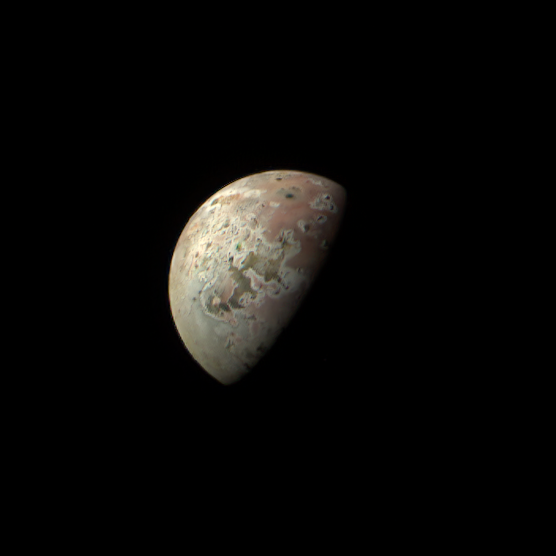
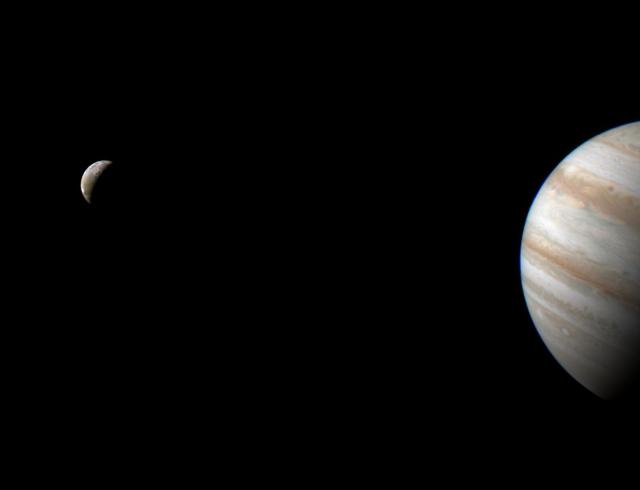
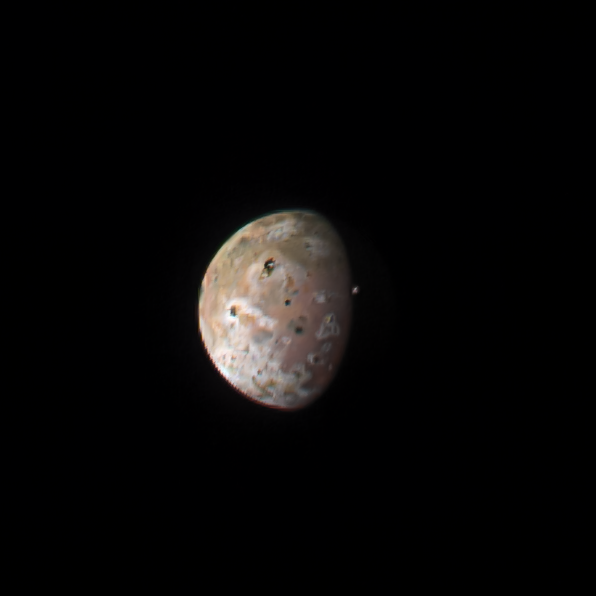
NASA’s Juno Mission Getting Closer to Jupiter’s Moon Io - Mission Juno
NASA's Mission Juno will explore Jupiter, seeking to unlock secrets of the giant planet and our solar system.Mission Juno
Zooming in on Belva Crater. Places like this, where nature has done the excavating for you, can be great for getting a look at exposed rocks from under the surface. Hooray for meteorites! ☄️
See what clues I’m picking up on here: go.nasa.gov/3MDM9xX
#PerseveranceRover
NASA's Perseverance Rover Captures View of Mars' Belva Crater
The six-wheeled scientist encountered the crater during its latest science campaign in search of rock samples that could be brought to Earth for deeper investigation.NASA Mars Exploration

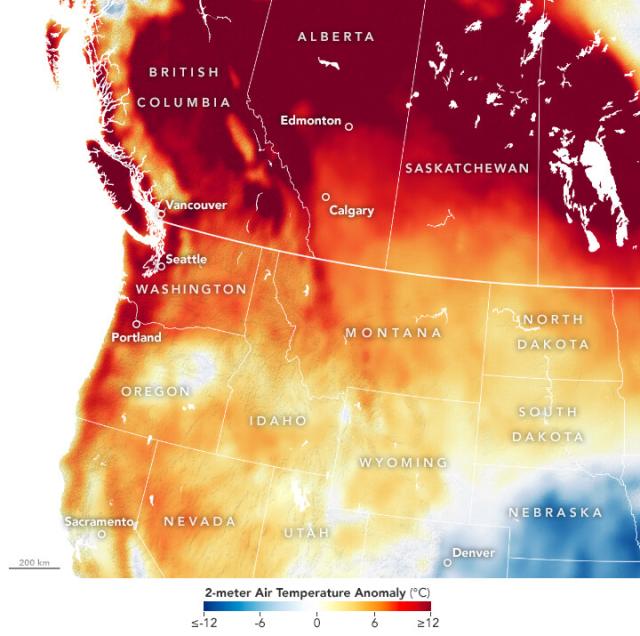
Summer temperatures came early to the western U.S. and Canada 🥵
This map shows the difference between air temperature during the heatwave and the 2014-2022 average (higher temps in red) according to the @nasagoddard GEOS model. 🌡️ go.nasa.gov/42MkjoF
#NASAEarth
Summer Temperatures Arrive Early
Record-breaking heat stifled western U.S. states and Canadian provinces.go.nasa.gov
#ISS
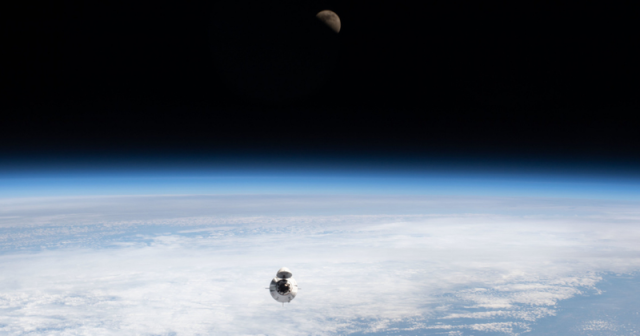
Station Preps for Axiom Mission 2 Nearing Sunday Launch
The Expedition 69 crew members continue preparing the International Space Station for the arrival four private astronauts early next week.blogs.nasa.gov
What healthy and sustainable ways would you use to keep astronauts fed on long-duration missions to the Moon, Mars, and beyond?
The Phase 2 winners of our Deep Space Food Challenge will be revealed live Friday, May 19, at the #NYCxDESIGN Festival: go.nasa.gov/3MCRLIF
#NASA
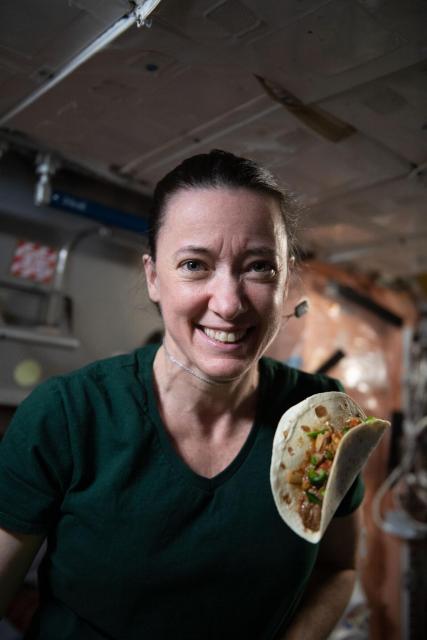
Media, Public Invited to Meet Solvers in NASA Space Food Challenge
NASA will announce the second phase winners of its Deep Space Food Challenge, a global competition to help develop innovative food systems for future spacefarers on long-term exploration missions, on Friday, May 19.Roxana Bardan (NASA)
#NASAhistory
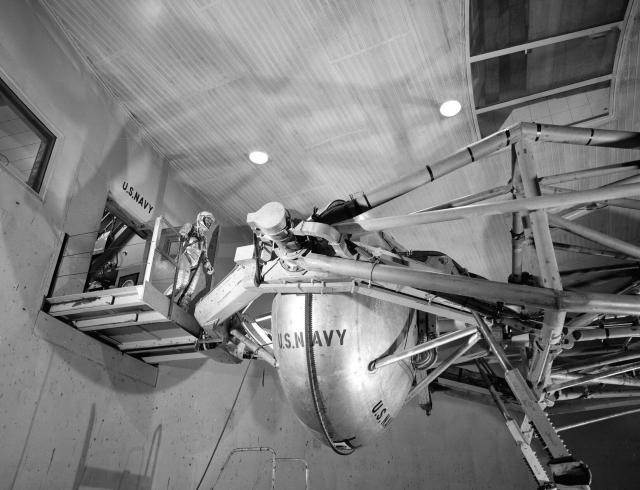
The dress rehearsal for landing the first astronauts on the Moon
#OTD in 1969, Apollo 10 astronauts Tom Stafford, Gene Cernan, and John Young launched to the Moon. The crew rehearsed all aspects of a lunar landing mission, except for the landing. go.nasa.gov/4542N0K
#NASAhistory
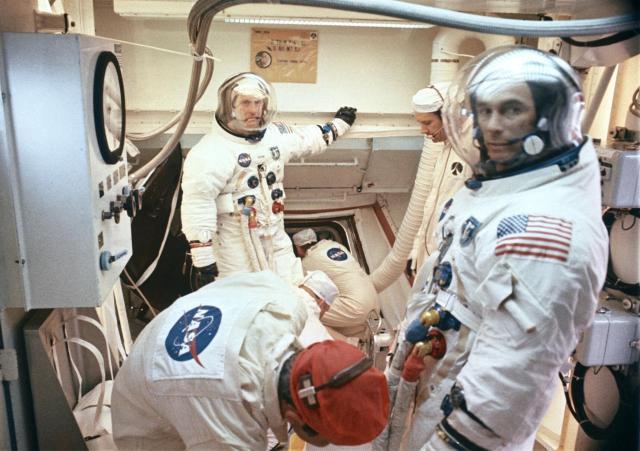
50 Years Ago: Apollo 10 to Sort Out the Unknowns
As Commander Thomas P. Stafford stated during a preflight press conference, Apollo 10 was planned to “sort out all the unknowns” to make the Moon landing possible.Kelli Mars (NASA)
Rob Vincent 🎙️
in reply to NASA • • •