
1/2 History making missions will require a next generation ride.
@nasa is seeking proposals from industry for a LTV (Lunar Terrain Vehicle) that will transport astronauts across the Moon to explore during #Artemis missions: go.nasa.gov/43q2dJe
#NASAArtemis #Artemis

NASA Pursues Lunar Terrain Vehicle Services for Artemis Missions
NASA is seeking industry proposals for a next-generation LTV (Lunar Terrain Vehicle) that will allow astronauts to go farther and conduct more science than ever before as they explore the south polar region of the Moon during Artemis missions.Claire O’Shea (NASA)
Hot new bombshells enter the villa.
Otherwise invisible to the unaided eye, infrared data from @NASAWebb and x-ray data from @ChandraXray make details in these proper fit cosmic wonders available by mapping the data to colors that humans can perceive:
go.nasa.gov/43wTsx9
#NASA
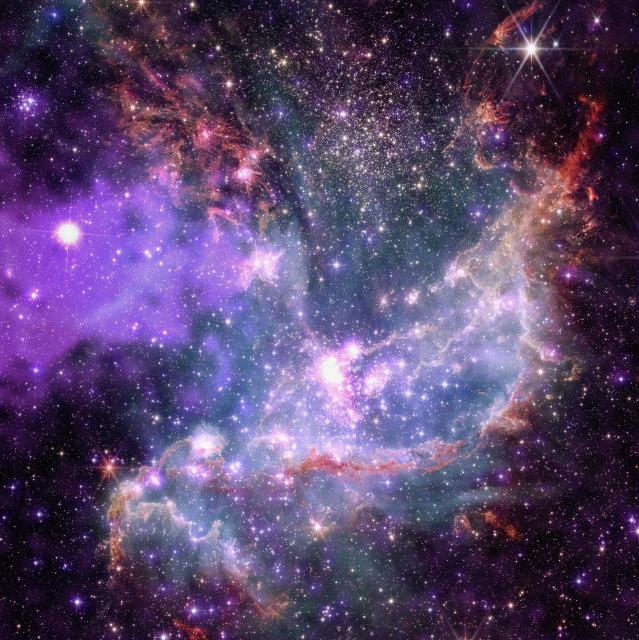
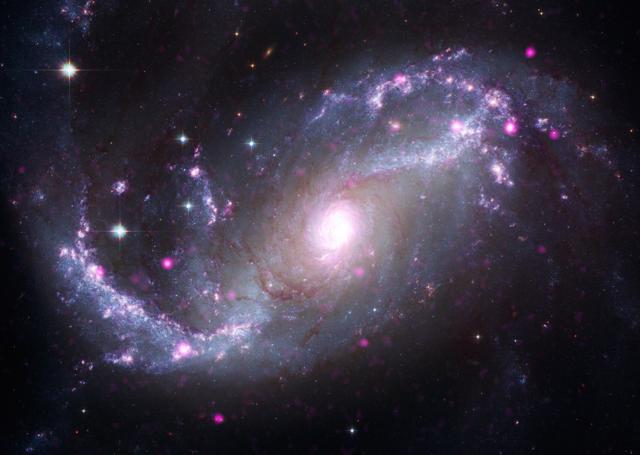
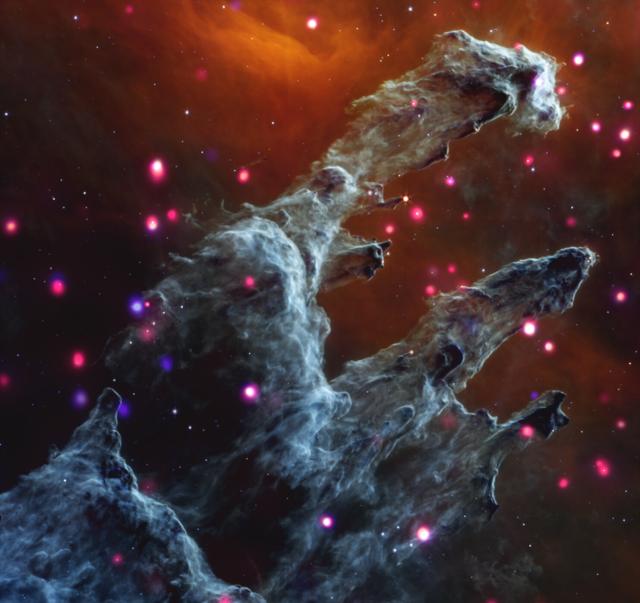
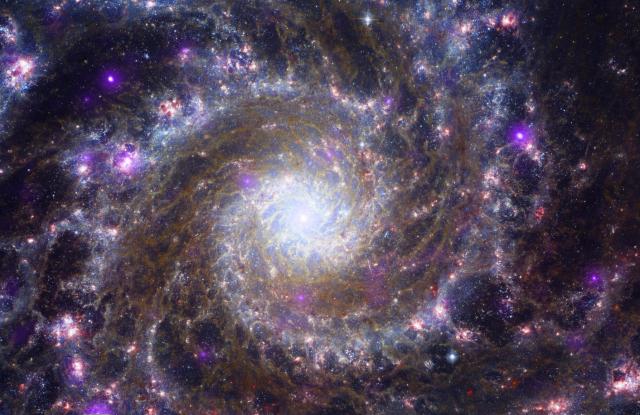
NASA's Chandra, Webb Combine for Arresting Views
Four composite images deliver dazzling views from NASA's Chandra X-ray Observatory and James Webb Space Telescope of two galaxies, a nebula, and a star cluster.Lee Mohon (NASA)
#ISS
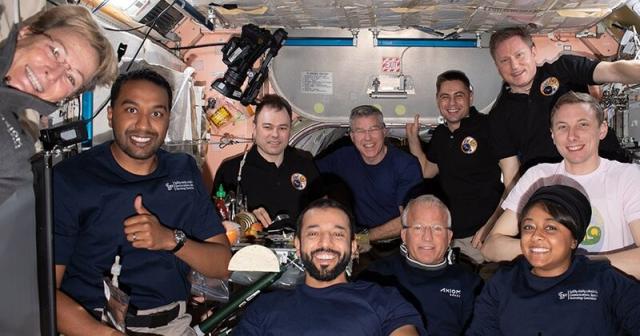
Expedition 69, Ax-2 Crews Study Ways to Improve Life on Earth and in Space
Life science for the benefit of human beings living on and off the Earth once again filled the research schedule aboard the International Space Station for the Expedition 69 and Axiom Mission-2 (Ax-2) crew members.blogs.nasa.gov
#NASAExoplanets
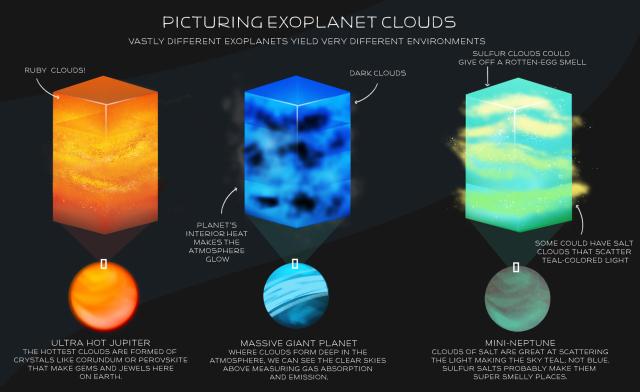
Exoplanet Clouds: 'Jewels' of New Knowledge
NASA's James Webb Space Telescope will take aim at exoplanet clouds, revealing secrets of their atmospheres.Exoplanet Exploration: Planets Beyond our Solar System
#NASA
Data incoming!
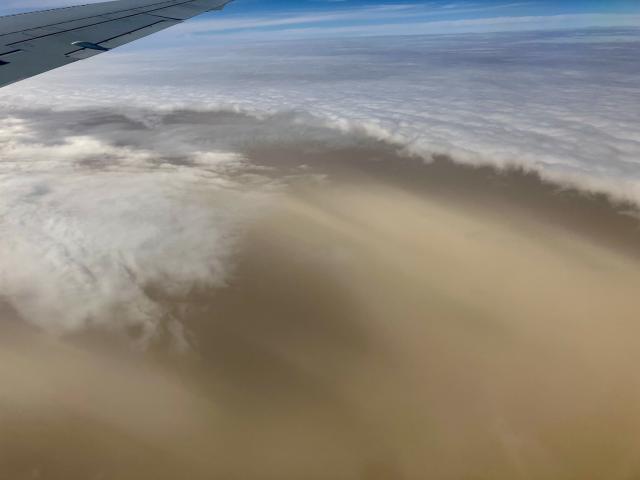
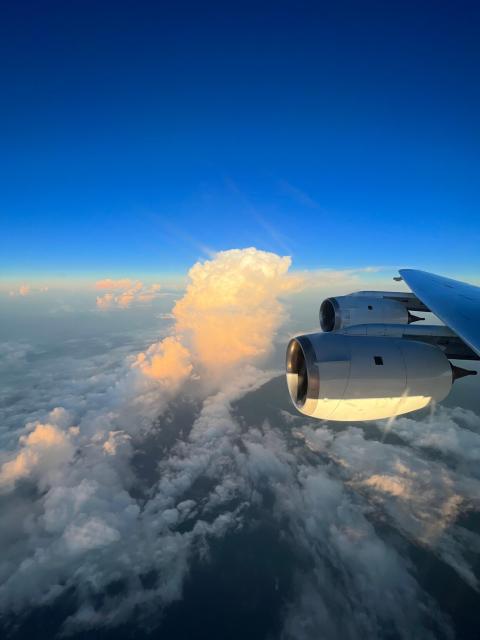
@nasa’s CPEX-CV mission flew off the coast of Cabo Verde in 2022 to study infant storms and how dust, moisture and other factors affect storm intensification. The data is now available to the public. #OpenScience go.nasa.gov/3BWzdNl
#NASAEarth
We’re launching solar arrays, small satellites, and a plant experiment to the @Space_Station on the next @SpaceX cargo mission, set for June 3.
Tune in on May 30 at 2pm ET (1800 UTC) for details. #AskNASA your questions and we may answer them on-air. go.nasa.gov/430oldn
#NASA
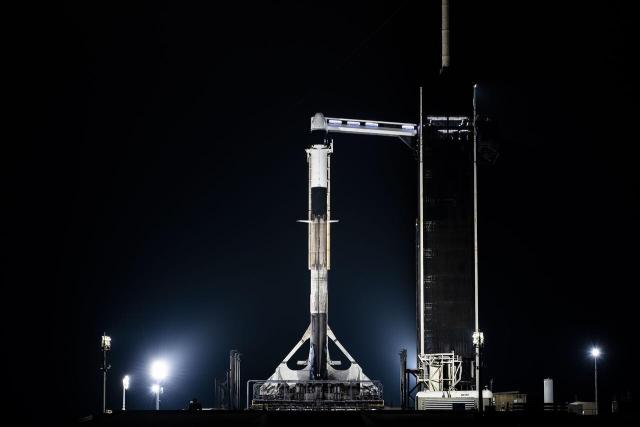
NASA to Discuss Science on Next SpaceX Cargo Launch to Space Station
NASA will host a media teleconference at 2 p.m. EDT Tuesday, May 30, to discuss the next science investigations, technology demonstrations, crew supplies, and hardware bound for the International Space Station aboard SpaceX’s 28th commercial resupply…Claire O’Shea (NASA)
Paula Cain started her career in fashion design—now, she's a thermal blanket technician at @NASAGoddard, making sure our telescopes and spacecraft can run at a steady temperature.
Learn more about her journey in our latest @NASASTEM episode of "Surprisingly STEM!"
#NASA
#NASA
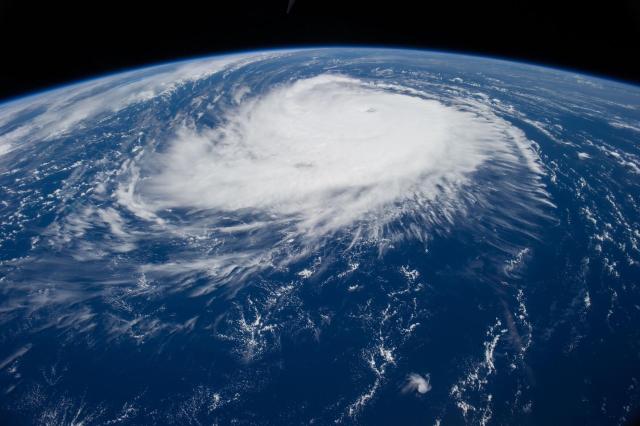
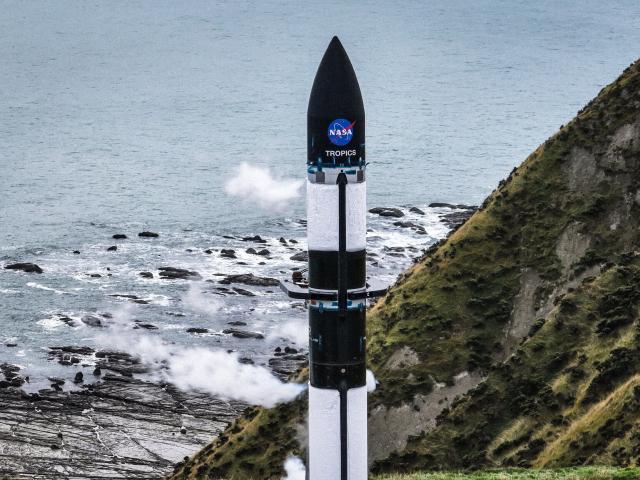
NASA, Rocket Lab Complete Launch of TROPICS CubeSat Constellation
The final pair of NASA’s TROPICS (Time-Resolved Observations of Precipitation structure and storm Intensity with a Constellation of Smallsats) are in orbit after successfully launching at 11:46 p.m. EDT, May 25, (3:46 p.m.Claire O’Shea (NASA)
Check out our Exoplanet Travel Bureau: exoplanets.nasa.gov/travel/
#NASAExoplanets
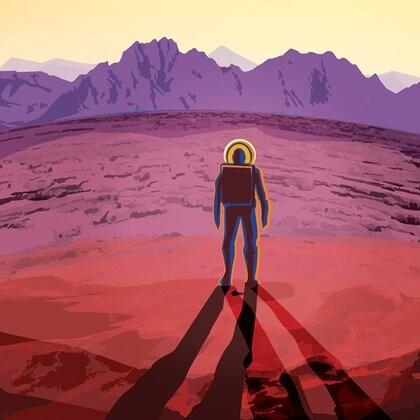
Take a virtual trip with NASA
Book your trip to the imagined surfaces of planets outside our solar system, with NASA's interactive Exoplanet Travel BureauExoplanet Exploration: Planets Beyond our Solar System
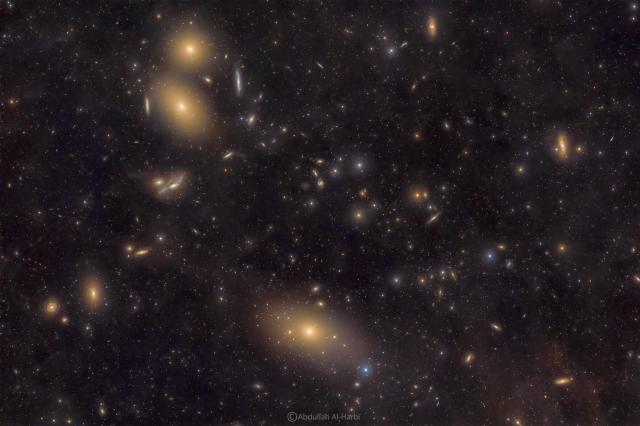
APOD: 2023 May 26 - Virgo Cluster Galaxies
A different astronomy and space science related image is featured each day, along with a brief explanation.apod.nasa.gov
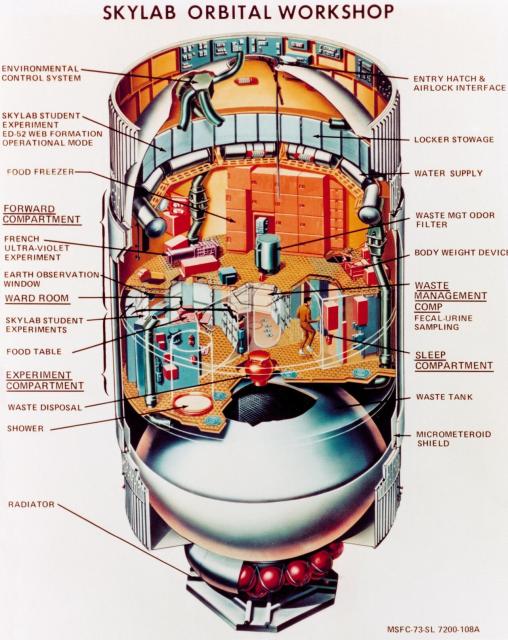
#50YearsAgo today, the Skylab 2 crew began to activate Skylab, moving into the Orbital Workshop (OWS), where it was about 55°C (130°F). It took hours to assemble and deploy the parasol through the scientific airlock.
Once deployed, the OWS's temperature began to drop. #Skylab50
#NASAhistory
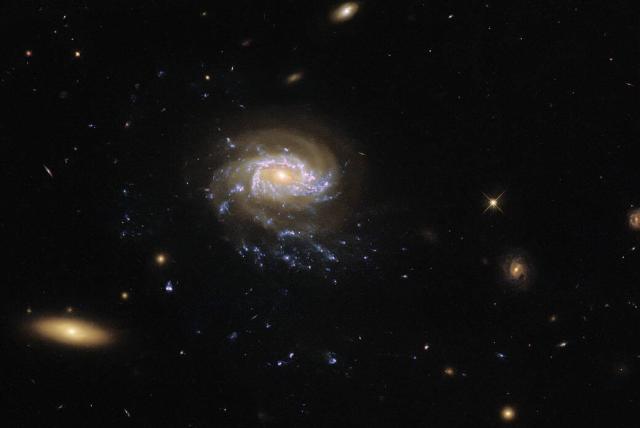
Space jellyfish! 🪼
This "jellyfish galaxy" JW39 is about 900 million light-years away. It earned this nickname because of the galaxy's trailing tendrils of star formation that stretch away from JW39's central disk.
Explore more: go.nasa.gov/3q1N0j2
#Hubble
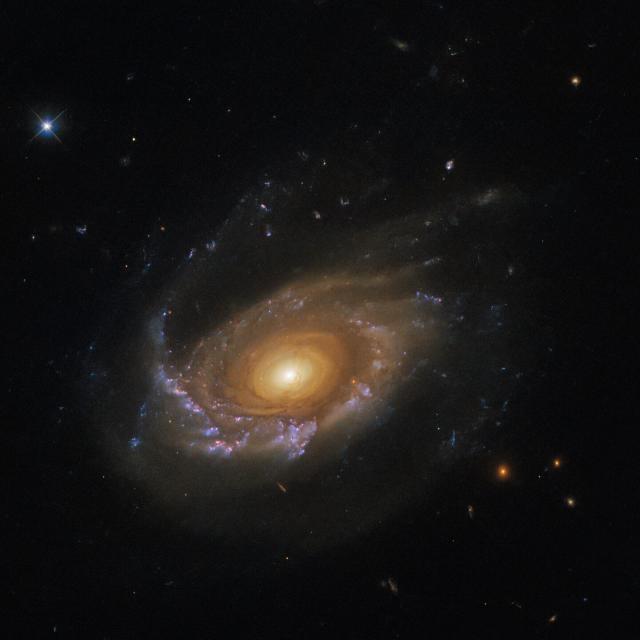
Hubble Captures a Drifting Galaxy
The jellyfish galaxy JW39 hangs serenely in this image from the NASA/ESA Hubble Space Telescope.Andrea Gianopoulos (NASA)
#ISS
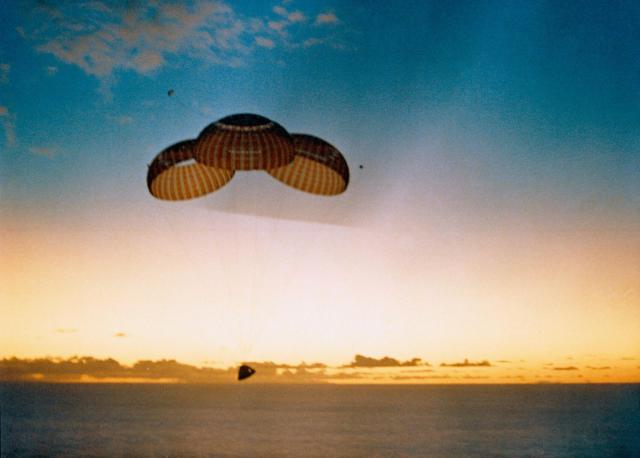
The Apollo 10 astronauts splashed down in the Pacific Ocean just as the Sun was rising #OTD in 1969. 🌅
Stafford, Young, and Cernan's successful mission cleared the way for the first humans to land on the Moon a few months later in July. go.nasa.gov/42X2sLZ
#NASAhistory
Virgo Cluster Galaxies
Image Credit & Copyright: Abdullah Alharbi
apod.nasa.gov/apod/ap230526.ht… #APOD

APOD: 2023 May 26 - Virgo Cluster Galaxies
A different astronomy and space science related image is featured each day, along with a brief explanation.apod.nasa.gov
#NASA
#NASA
#NASA
Teamwork makes TROPICS work 🛰️🛰️
Launching two pairs of small satellites into criss-crossing orbits will allow TROPICS to measure storms near the equator almost every hour. go.nasa.gov/43efNjm
#NASAEarth
NASA, Rocket Lab Announce Coverage for Second TROPICS Launch
After successfully launching the first pair of small satellites earlier this month from New Zealand, NASA and Rocket Lab are now targeting no earlier than 1:30 a.m. EDT Monday, May 22 (5:30 p.m.Roxana Bardan (NASA)
Want to intern with us? Applications are open to enrolled STEM and non-STEM undergrads, graduate students, and recent graduates.
Check out the opportunities available for our fall 2023 class of @NASAInterns. Apply by Saturday, May 27: intern.nasa.gov
#NASA

#NASA
NASA Intern and Fellow Opportunities for International Students
NASA.gov brings you the latest images, videos and news from America's space agency. Get the latest updates on NASA missions, watch NASA TV live, and learn about our quest to reveal the unknown and benefit all humankind.NASA
#ISS
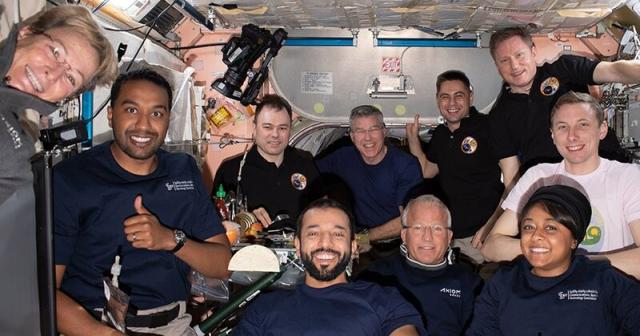
Expedition 69 and Ax-2 Working Together on Space Biology
The Expedition 69 and Axiom Mission-2 (Ax-2) crews worked throughout Thursday conducting a multitude of space research aboard the International Space Station.blogs.nasa.gov
Intense fires in Canada, fueled by unusually hot and windy weather, produced smoke that covered skies in May 2023.
This animation shows the volume of soot from @nasa’s GEOS-FP model, which combines satellite, aircraft and ground measurements. go.nasa.gov/3owCIXP
#NASAEarth
A Smoky May for North America
Fierce fires in Canada are the source of smoke that has swirled across much of the continent.go.nasa.gov
6 hours after Skylab 2 launched #OTD in 1973, the crew reached Skylab and got its first view of the damage.
The protective shield of the Orbital Workshop was missing, one of the solar arrays was gone, and the other only partially deployed. #Skylab50
🔗 go.nasa.gov/3MGLqvP
#NASAhistory
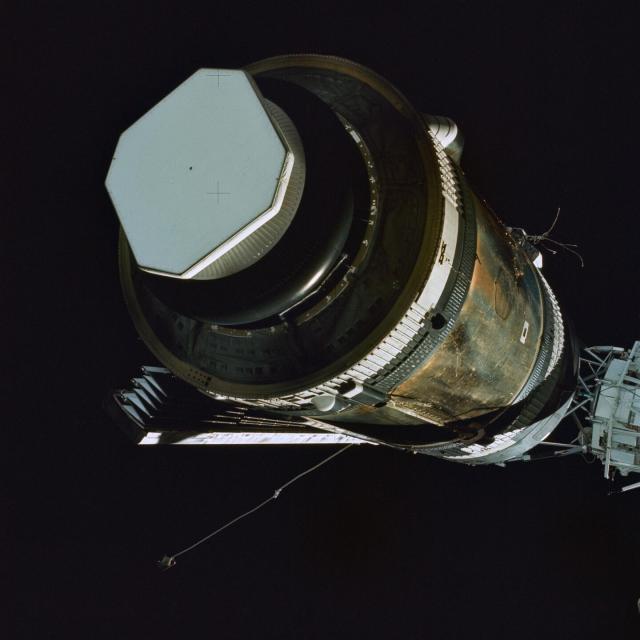
Skylab 2: “We can fix anything!”
The first installment of this mini-series discussed how Skylab, America’s first space station, ran into serious trouble immediately after launching on May 14, 1973.NASA
the James Web Telescope uses something similar to block the heat of the sun.. a series of them that lowers the temp by something like 600 degrees

NASA’s OSIRIS-REx spacecraft is 4 months away
from returning to Earth with a sample of asteroid Bennu. Scientists will examine the sample with questions about,
🧬Origins of life
📚 History of the solar system
🪨 Changes to the sample on its journey.
#NASA
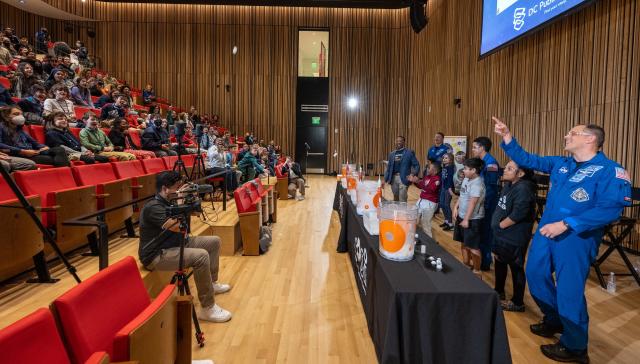
NASA Education Programs - Office of Non-Public Education
Information on educational services provided by the National Aeronautics and Space Administration (NASA).bit.ly
Spiral galaxy Messier 74 is about 32 million light-years away. Here, @NASAWebb outlines gas and dust in infrared while @Chandraxray spotlights high-energy activity from stars. @NASAHubble shows additional stars and dust in visible light. go.nasa.gov/3Mz7Pds
#NASAExoplanets
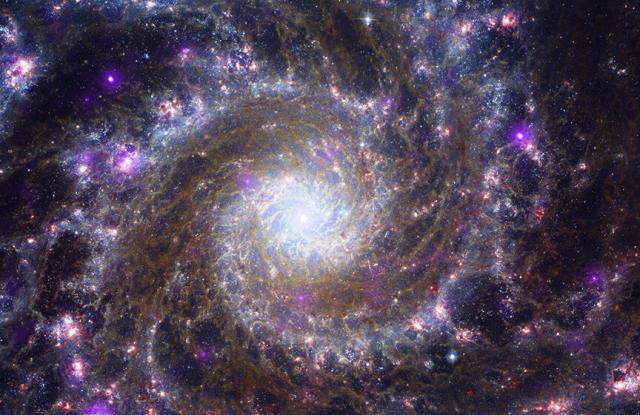
NASA's Chandra, Webb Combine for Arresting Views
Four composite images deliver dazzling views from NASA's Chandra X-ray Observatory and James Webb Space Telescope of two galaxies, a nebula, and a star cluster.Lee Mohon (NASA)
50 years ago today, Pete Conrad, Joseph Kerwin, and Paul Weitz lifted off from @NASAKennedy, heading to Skylab: America's first space station.
Our Skylab missions laid the groundwork for @NASA_Astronauts to live and work in space, from the @Space_Station to the Moon and beyond.
#NASA
Meet Emily Gargulinski, a @NASA_Langley scientist who watches fires from space. 🔥
She uses geospatial data to evaluate what's happening with those fires on the ground, better understanding their impacts on farmers, communities, and more: haqast.org/
#NASAEarth
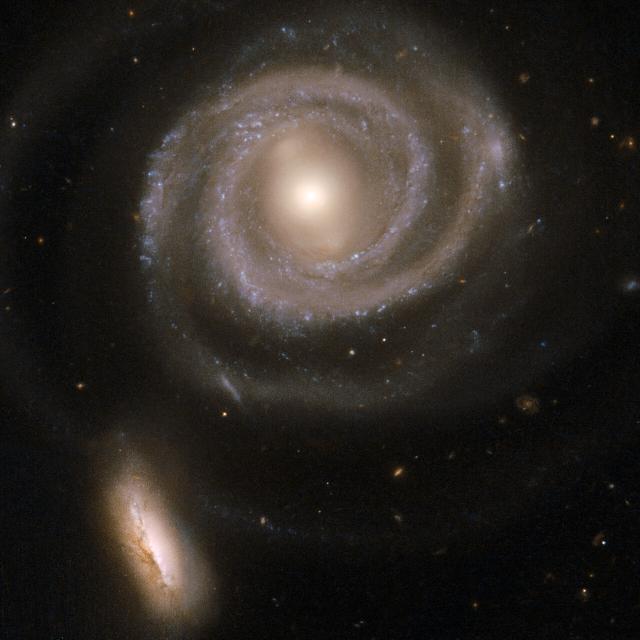
Galactic besties!
The two galaxies in this #HubbleClassic view are gravitationally interacting with each other.
Located about 200 million light-years away, NGC 5754 is the bigger one. NGC 5752 is just below it.
Find out more: go.nasa.gov/3oAWH7F
#Hubble
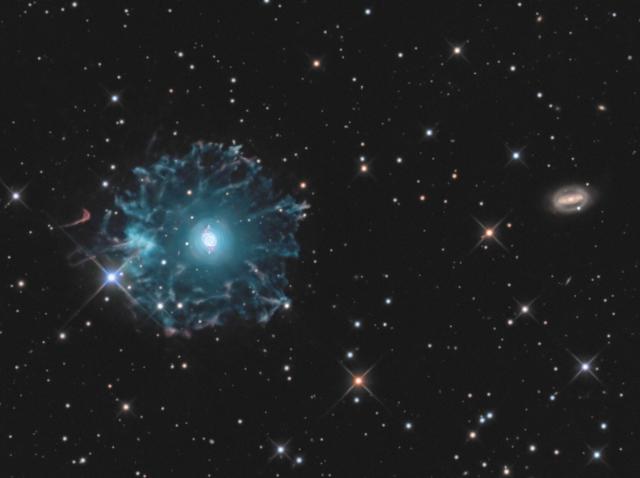
APOD: 2023 May 25 - Cat s Eye Wide and Deep
A different astronomy and space science related image is featured each day, along with a brief explanation.apod.nasa.gov
Astronauts Pete Conrad, Paul Weitz, and Joe Kerwin, the first Skylab crew, launched in an Apollo spacecraft to the damaged space station #50YearsAgo today. 🚀 #Skylab50
Task #1: Save Skylab!
#NASAhistory
Almost all known black holes come in two sizes: small and gigantic. Data suggests intermediate-sized ones exist, but they're rare.
Astronomers using @NASAHubble have found evidence of one in a star cluster about 6,000 light-years away: go.nasa.gov/3WBaMys
#NASA
NASA's Hubble Hunts for Intermediate-Sized Black Hole Close to Home
Astronomers using Hubble have come up with what they say is some of their best evidence yet for the presence of a rare class of "intermediate-sized" black hole that may be lurking in the heart of the closest globular star cluster to Earth.Andrea Gianopoulos (NASA)
Typhoon Mawar was one of the strongest in decades to lash the U.S. territory of Guam.
When @noaa-20 captured this image on May 24, the storm carried sustained winds of about 140 miles (225 kilometers) per hour—equivalent to a category 4 storm. go.nasa.gov/3BRB8D7 🌀
#NASAEarth
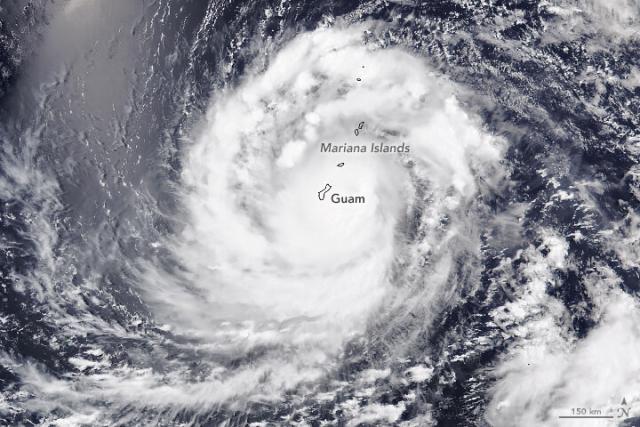
Typhoon Mawar
The category 4 storm was one of the strongest in decades to lash the U.S. territory of Guam.go.nasa.gov
Launching soon: NASA’s TROPICS is a constellation of CubeSats that will help scientists learn more about tropical cyclones like Mawar. 🛰️ 🌀
The satellites will collect information about temperature, precipitation, water vapor, and clouds. go.nasa.gov/3BRB8TD
#NASAEarth
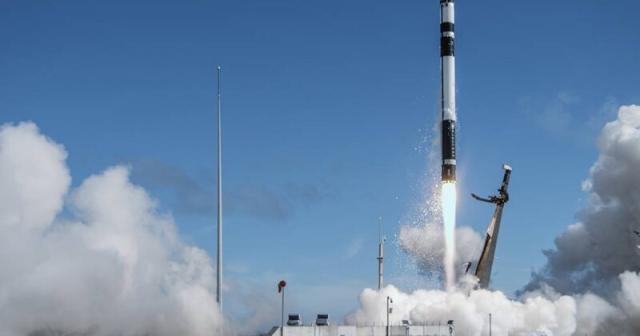
NASA, Rocket Lab Announce Coverage for Second TROPICS Launch
After successfully launching the first pair of small satellites earlier this month from New Zealand, NASA and Rocket Lab are now targeting no earlier than 1:30 a.m. EDT Monday, May 22 (5:30 p.m.Roxana Bardan (NASA)
Cat's Eye Wide and Deep
Image Credit & Copyright: Jean-François Bax, Guillaume Gruntz
apod.nasa.gov/apod/ap230525.ht… #APOD

APOD: 2023 May 25 - Cat s Eye Wide and Deep
A different astronomy and space science related image is featured each day, along with a brief explanation.apod.nasa.gov
‘I am the eye in the sky, Looking at you, I can read your mind…’
Is it the symbol of the Watching Eye of the Great Feline Overlord?
How can any one be hostile to the beauties , the wonders, the symmetry found by science?
String Theory? Schrodinger’s Cat?
I love to be playful with these.
I have the profoundest respect for the many areas of the world science has opened up. I am profoundly grateful to see & learn of it all.
Climate change may be affecting our health in surprising ways, from spreading insect-borne diseases, like malaria, to worsening seasonal allergies. NASA satellites and data help us study these public health threats and reduce their impacts.
Details: go.nasa.gov/3q1a8y6
#NASAEarth
When Climate Gets Under Your Skin
From insect-borne diseases to seasonal allergies and “superbugs,” climate change is quite literally getting under our skin, affecting our health in often surprising ways.Climate Change: Vital Signs of the Planet
#PerseveranceRover
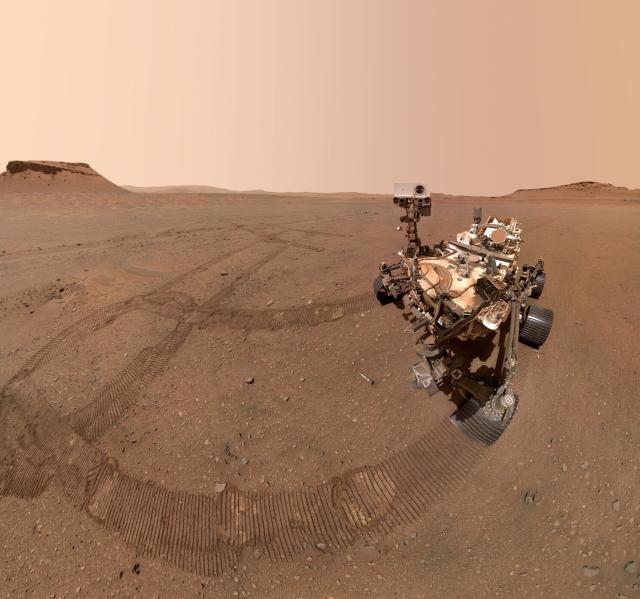
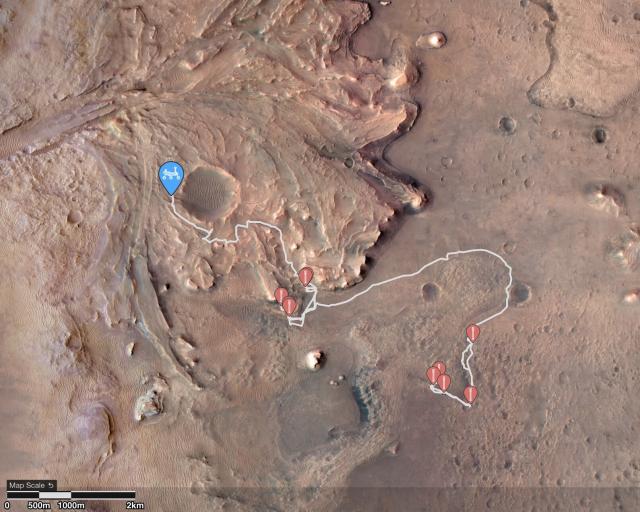
Mars 2020 Perseverance Rover - NASA
NASA's Mars 2020 Perseverance rover will look for signs of past microbial life, cache rock and soil samples, and prepare for future human exploration.mars.nasa.gov
#NASA
Aviva Gary
in reply to NASA • • •