
Why is Venus so hot?
The planet’s thick CO2-filled atmosphere is great at trapping heat. This creates a runaway greenhouse effect that makes Venus roughly 700°F (389°C) hotter than it would be otherwise. @NASAJPL's Dr. Amy Hofmann gives us the details: go.nasa.gov/42FxR4v
#NASA
Venus
Venus is the second planet from the sun and our closest planetary neighbor.NASA Solar System Exploration
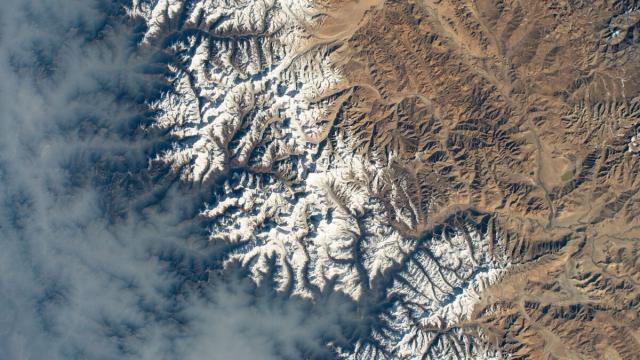
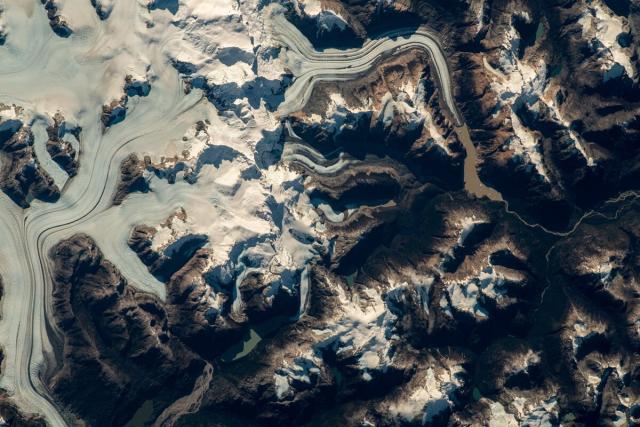
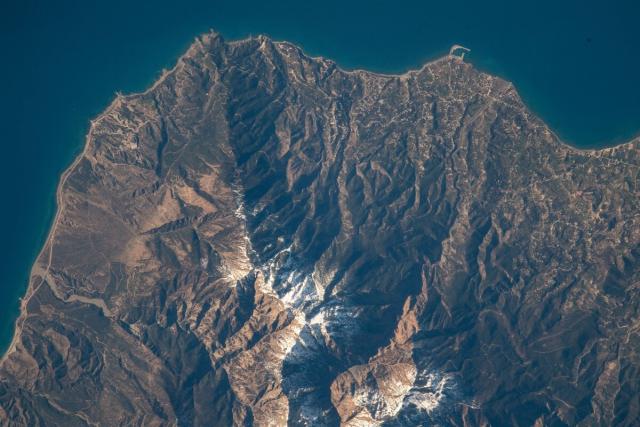
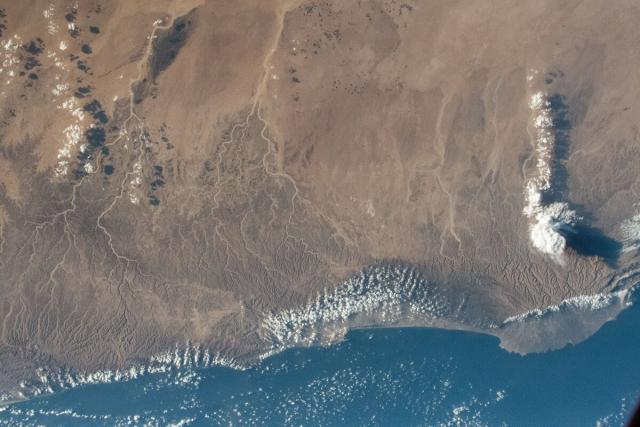
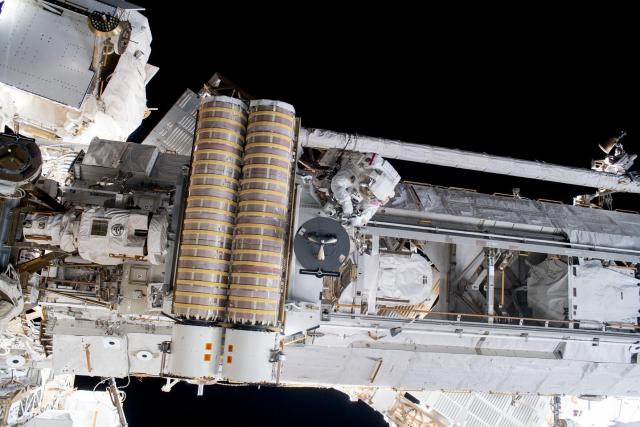
Take a peek at some mountains around the world. ⛰
These images were photographed from the space station as it orbited roughly 260 miles above Earth. More orbital views... flic.kr/s/aHsmACYoYM
#ISS
Earth
Photographs of Earth taken by astronauts aboard the International Space Station.NASA Johnson (Flickr)
#NASA
exoplanets.nasa.gov/news/1761/…
#NASAExoplanets
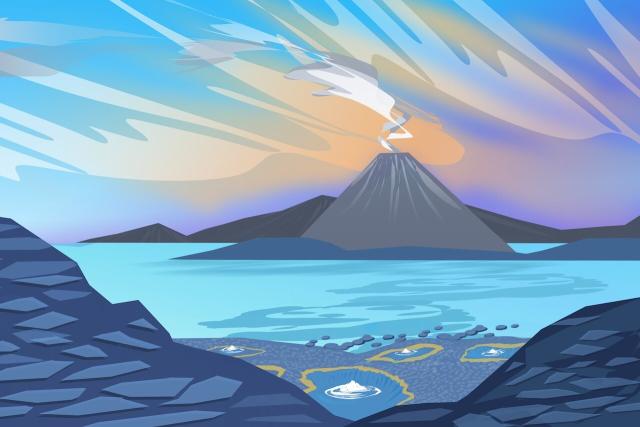
Beginnings: Life on Our World and Others
The first story in a six-part series on NASA's Search for Life takes a close look at the origin of our solar system, and the building blocks of life.Exoplanet Exploration: Planets Beyond our Solar System
#ISS
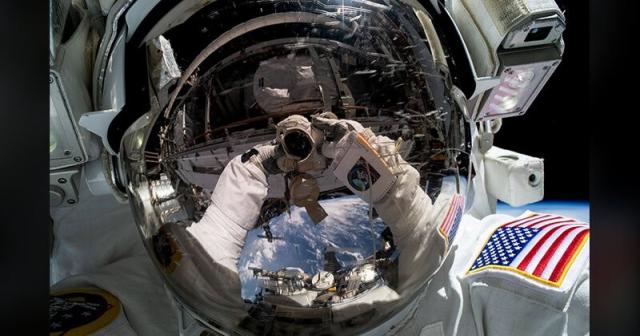
Astronauts Ready for Thursday’s Spacewalk
Wednesday was a busy day for the Expedition 69 crew’s astronauts and cosmonauts as they continued preparing for two different spacewalks at the International Space Station.blogs.nasa.gov
Get those sunglasses! 😎
The bright, silvery water in this @nasa Aqua satellite image is due to sunglint. Sunglint happens when sunlight reflects off water at the same angle the satellite sensor views it. go.nasa.gov/3P9gZ3f
#NASAEarth
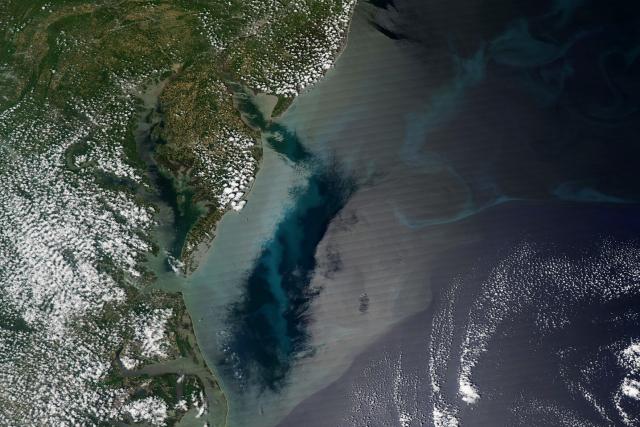
The Subtleties of Sunglint
Calm waters off the Delmarva Peninsula appear as dark patches within gleaming areas of sunglint.go.nasa.gov
#OTD in 1967, Mariner V launched to Venus on a flyby mission to learn about the planet's atmosphere.
With an atmospheric pressure more than 90 times Earth's and a temperature of 527 °C, we learned Venus wasn't so similar to Earth after all!
Read: go.nasa.gov/43x5uXy
#NASAhistory
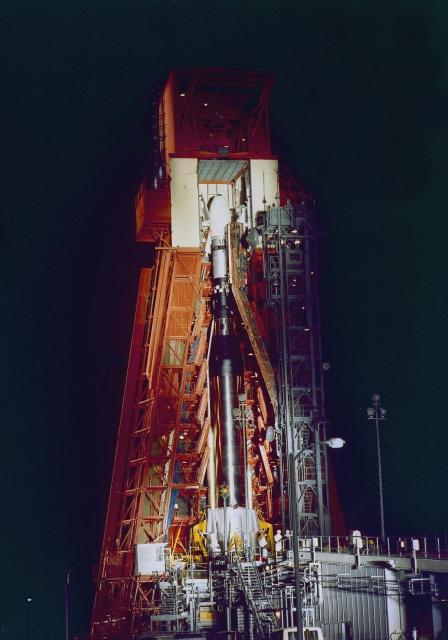
55 Years Ago: Mariner 5 Explores Venus
In 1967, as NASA continued preparations for the first human landing on the Moon, the agency once again turned its attention toward exploring Venus.Kelli Mars (NASA)
Happy #FlagDay! While the U.S. flag is on all @NASA_Astronauts's spacesuits now, it wasn't always! After the first U.S. spacewalk in 1965 featuring flag patches on White and McDivitt's suits, NASA made it standard.
More about NASA and the flag: go.nasa.gov/42z6XLJ
#NASAhistory
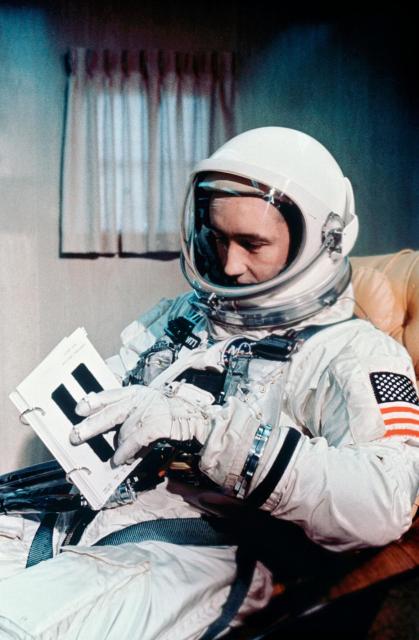
The American Flag in the U.S. Space Program
Neil Armstrong and Buzz Aldrin exited their craft wearing spacesuits prominently adorned with the American flag and walked into the pages of history.NASA
The Shark Nebula
Image Credit & Copyright: Stephen Kennedy
apod.nasa.gov/apod/ap230614.ht… #APOD

APOD: 2023 June 14 – The Shark Nebula
A different astronomy and space science related image is featured each day, along with a brief explanation.apod.nasa.gov

#NASAExoplanets
#NASA
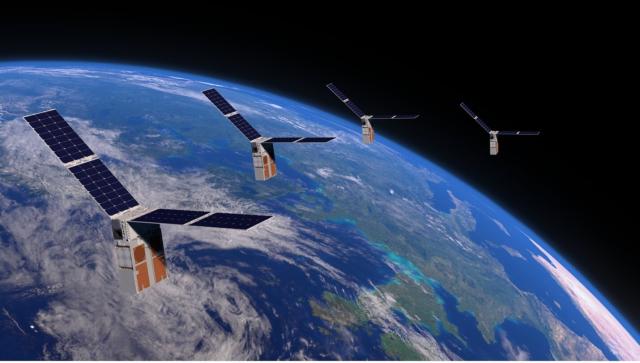
Satellite Swarms for Science ‘Grow up’ at NASA Ames
NASA’s Starling mission will test new technologies for autonomous swarm navigation on four CubeSats in low-Earth orbit. Work on swarm technologies has been underway for decades at NASA's Ames Research Center in California's Silicon Valley.Abigail Tabor (NASA)
We're going on an adventure... High Above Down Under!
Join us June 27 for @NASAGoddard's new video series, following two NASA teams as they launch rockets from Australia to help us look for life around distant stars: youtu.be/Ji_JOPPjwFY
#NASA
High Above Down Under Series Trailer
There are likely billions of planets in our galaxy. With over 5,000 already confirmed, how do we know which ones might hold life? Two NASA sounding rockets a...YouTube
#NASAExoplanets
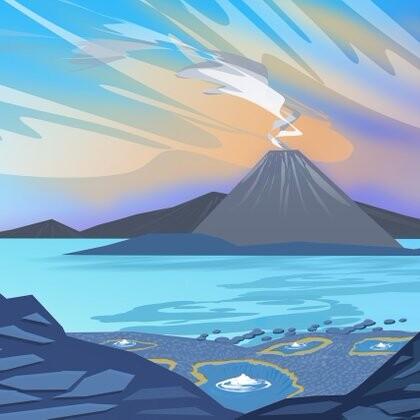
Beginnings: Life on Our World and Others
The first story in a six-part series on NASA's Search for Life takes a close look at the origin of our solar system, and the building blocks of life.Exoplanet Exploration: Planets Beyond our Solar System
#ISS

Expedition 69 Crew Members Gearing Up for More Spacewalks
Four Expedition 69 astronauts practiced simulated robotic maneuvers on a computer today to support a spacewalk scheduled for Thursday.blogs.nasa.gov
#NASAExoplanets
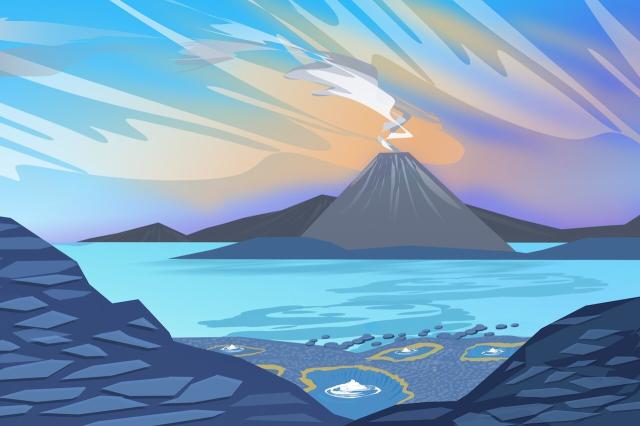
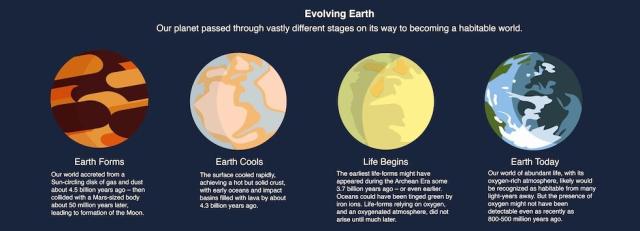
#NASAExoplanets
#NASAEarth
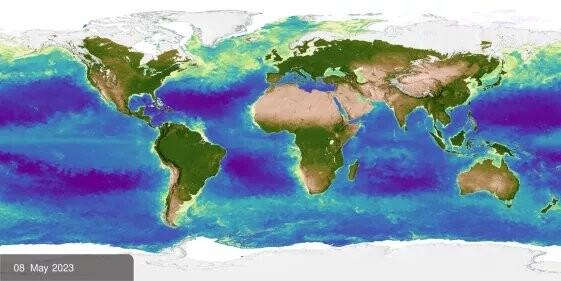
New Consortium to Create Innovative Methods to Value Earth Observations | NASA Applied Sciences
From a farmer deciding when to water their crops, to emergency response agencies sending resources after a natural disaster, NASA Earth observations help decgo.nasa.gov
…boldly going where no spacecraft had gone before!
Pioneer 10, the first spacecraft sent to the outer solar system, became the first to cross Neptune's orbit #40YearsAgo today!
More about Pioneer 10, a mission of firsts! go.nasa.gov/3X22bVQ
#NASAhistory
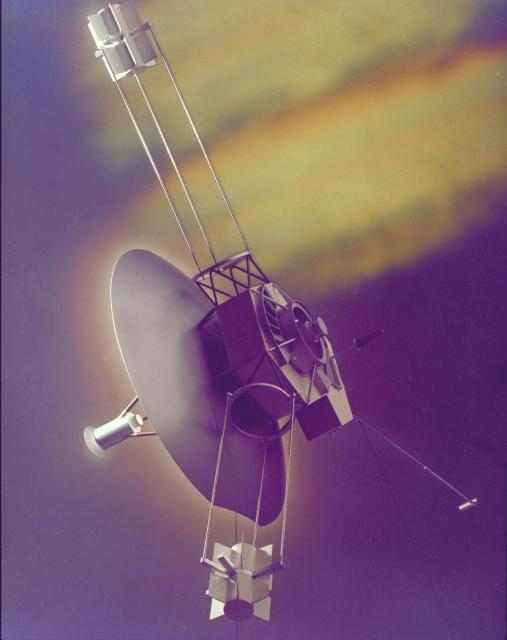
In Depth | Pioneer 10 – NASA Solar System Exploration
NASA’s real-time science encyclopedia of deep space exploration. Our scientists and far-ranging robots explore the wild frontiers of our solar system.NASA Solar System Exploration
#NASA
Look closely. 🧐 Can you tell what’s land and what’s water?
Lakes Wular and Dal, surrounded by the high Himalaya Mountains, supply water for drinking and irrigation in northern India, but the lakes have been declining in recent years.
#NASAEarth
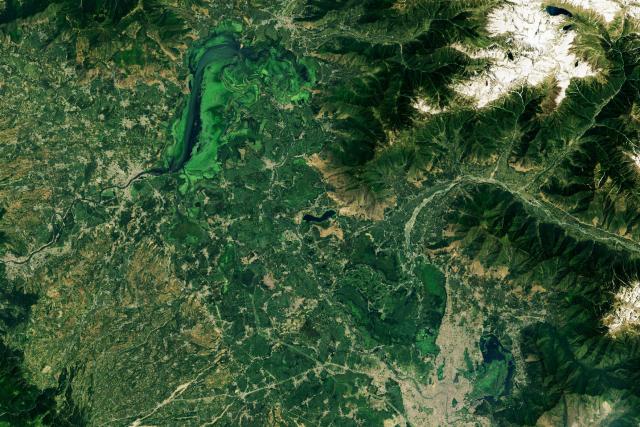
#NASAEarth
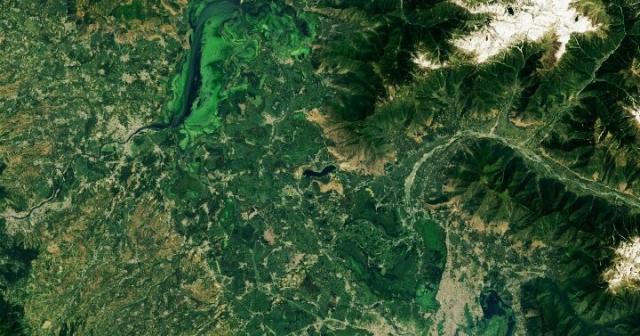
Shrinking Lakes of the Kashmir Valley
Two of the largest lakes in India’s Jammu and Kashmir region have declined in recent years, with implications for water security.go.nasa.gov
The #Artemis II mission will test laser communications technologies for potential future crewed spaceflight.
The @NASALaserComm terminal — O2O — just arrived to @NASAKennedy to be integrated with the @NASA_Orion spacecraft. go.nasa.gov/3CqkDy1
#NASAArtemis #Artemis

NASA Laser Communications Terminal Delivered for Artemis II Mission
The laser communications system for NASA’s Artemis II mission arrived at NASA’s Kennedy Space Center in Florida for integration with the Orion spacecraft, which will carry astronauts around the Moon.Katherine Schauer (NASA)
#NASAhqphoto
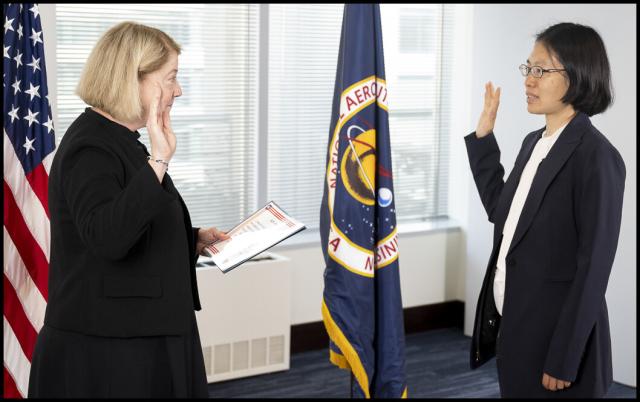
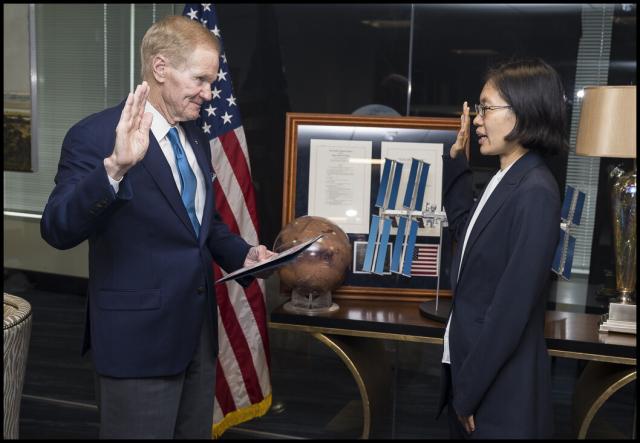
202306 Iris Lan Swearing In
Explore this photo album by NASA HQ PHOTO on Flickr!NASA HQ PHOTO (Flickr)
Remembering Donald K. "Deke" Slayton on the 30th anniversary of his passing. One of NASA's first 7 astronauts, Slayton served as NASA's Director of Flight Crew Operations before flying on the Apollo-Soyuz Test Project.
More about Slayton's legacy at NASA: go.nasa.gov/43YOB89
#NASAhistory
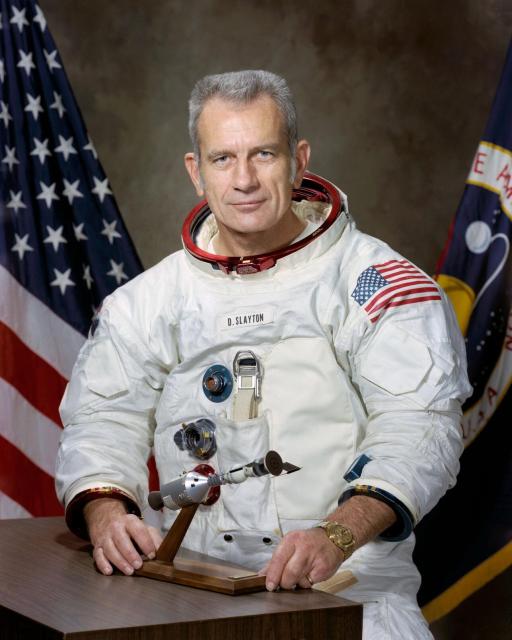
60 and 50 Years Ago: Astronaut Slayton Grounded in 1962, Reinstated in
Donald K. “Deke” Slayton, one of the original Mercury 7 astronauts that NASA selected in April 1959, lost his chance to become the second American to orbit the Earth when doctors noted he had a slight heart irregularity.Kelli Mars (NASA)
The galaxy next door!
This #HubbleClassic view shows a star field in the outer disk of the Andromeda Galaxy, which is the nearest major galaxy to our Milky Way.
Explore more: go.nasa.gov/45WRs3i
#Hubble
youtube.com/watch?v=YEXuGgRCyS…
Moons Across Jupiter
Image Credit: NASA; ESA, JPL, Cassini Imaging Team, SSI; Processing: Kevin M. Gill
apod.nasa.gov/apod/ap230613.ht… #APOD
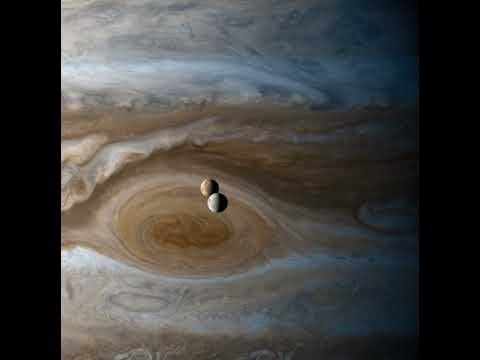
Moons Across Jupiter
Credit: NASA/JPL-Caltech/SSI/CICLOPS/Kevin M. GillLicence: CCBY2: https://creativecommons.org/licenses/by/2.0/Details: https://www.flickr.com/photos/kevinmgi...YouTube

How do places on Mars get their name?
More than 2,000 locations on the Red Planet have official names, recognizing places on Earth, explorers, and even cartoon characters. Learn what inspires names for Martian hills, craters, and rocks: go.nasa.gov/3CmCYMm
#NASA
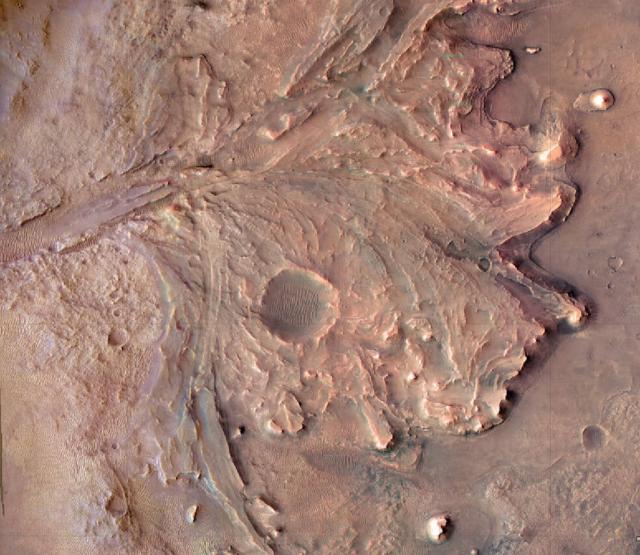
Why – and How – NASA Gives a Name to Every Spot It Studies on Mars
Martian maps are full of monikers recognizing places on Earth, explorers, and even cartoon characters.Tony Greicius (NASA)
About those names from cartoons ... "Early Mars missions sometimes took a whimsical route with nicknames, even using cartoon character names. “Yogi Rock,” “Casper,” and “Scooby-Doo” were among the unofficial names applied by the team behind NASA’s first rover, Sojourner, in the late 1990s."
All well and good, but I can't believe they didn't use Marvin. I mean, it's right there. MARVIN.
😂
Later this month, we're opening the Earth Information Center—a hybrid exhibit that offers an interactive look at our changing planet.
Media are invited to a ribbon-cutting ceremony on Wednesday, June 21, at NASA Headquarters in Washington: go.nasa.gov/43STHT7
#NASA

NASA Invites Media to Tours, Opening of Earth Information Center
NASA Administrator Bill Nelson is inviting media to a ribbon cutting ceremony on Wednesday, June 21, for the opening of NASA’s Earth Information Center at the agency’s headquarters in Washington.Claire O’Shea (NASA)
That's how many planets beyond our solar system we've confirmed. We've found planets with three stars, planets without stars, and planets orbiting the cores of stars. Each one is a wonder. Exoplanets.nasa.gov
#NASAExoplanets
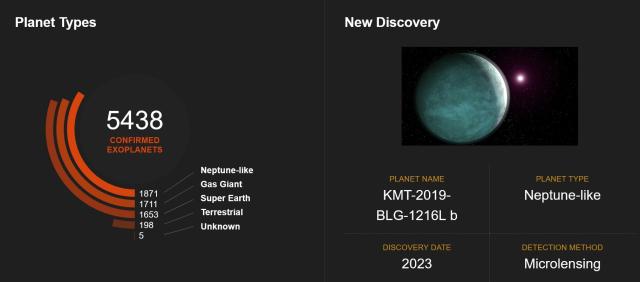
Exoplanet Exploration: Planets Beyond our Solar System
NASA’s Exoplanet Exploration Program, the search for planets and life beyond our solar system.Exoplanet Exploration: Planets Beyond our Solar System
#ISS
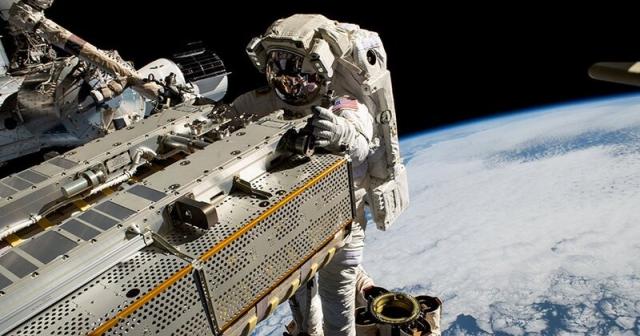
Astronauts Prep for Roll-Out Solar Array Installation Job
The International Space Station’s sixth roll-out solar array will be installed this week after last week’s installation of its fifth roll-out solar array.blogs.nasa.gov
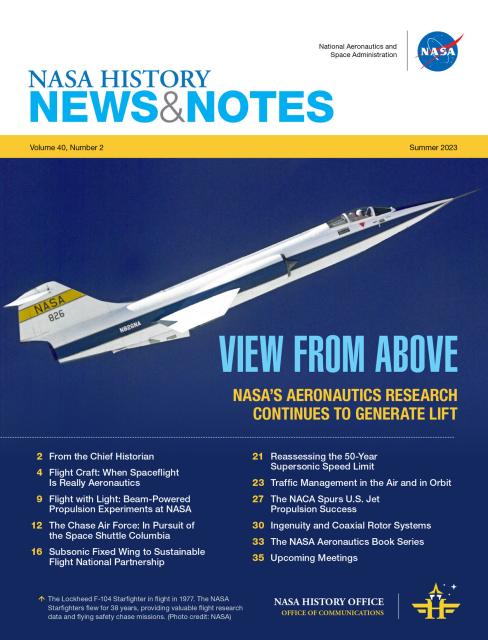
In our latest edition of NASA History News & Notes, we take a look at @NASAaero history with a squadron of new articles! ✈️ ✈️ ✈️
• Experiments in powering aircraft with beamed energy,
• The story of the first Shuttle chase teams,
• A look back at the development of jet propulsion,
• The history behind coaxial rotorcraft like the Mars Ingenuity helicopter,
And much, much more! Read:
nasa.gov/sites/default/files/a…
#NASAhistory
Go off 👏 🧊
Annual thinning and breaking up of sea ice in the Sea of Okhotsk near Russia created beautiful swirls as the ice drifted with the ocean currents and wind. go.nasa.gov/3P82Lj6
#NASAEarth
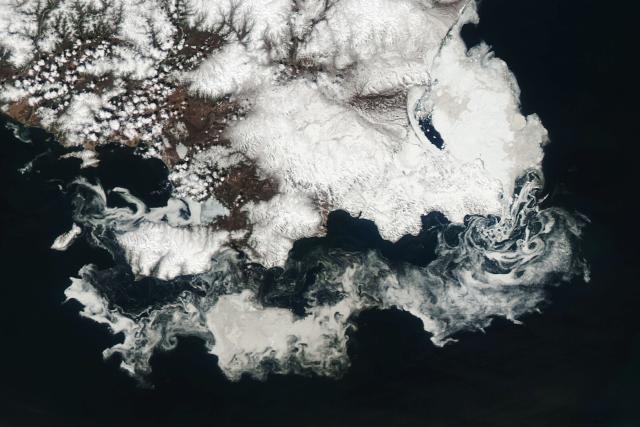
Ice Swirls in the Sea of Okhotsk
Ice breaking up off the Russian coast whirled at the whims of winds and currents.go.nasa.gov
During the 2022-2023 winter, the extent of sea ice in the Arctic was below average according to the @nsidc. 🧊
In the Sea of Okhotsk, sea ice extent has decreased about 9% per decade from 1979-2010, according to a recent study from scientists in Japan. go.nasa.gov/3P82Lj6
#NASAEarth
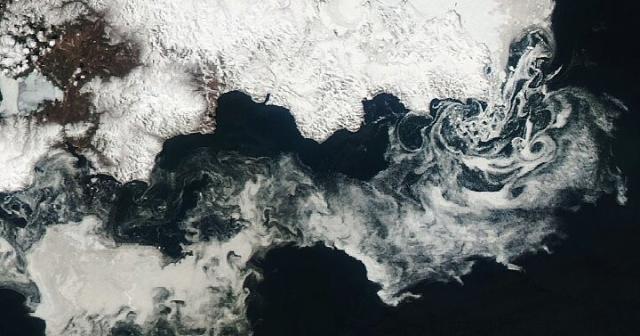
Ice Swirls in the Sea of Okhotsk
Ice breaking up off the Russian coast whirled at the whims of winds and currents.go.nasa.gov
#NASA
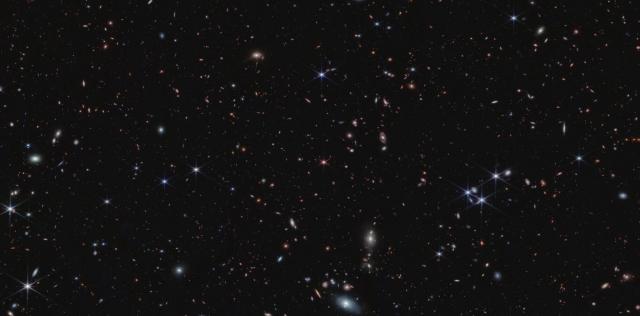
Meet Kellin Slater, @ColoradoStateU environmental epidemiologist using ground monitors and @nasa satellite data to better understand how wildfire and prescribed burning translate to community health. 🔥
Learn more: bit.ly/3lv9jvJ
#NASAEarth
Welcome home STS-91! 🌎
#25YearsAgo today, Space Shuttle Discovery touched down at @NASAKennedy, closing out the Shuttle-Mir Program.
Find out how lessons from Shuttle-Mir paved the way for the @Space_Station: go.nasa.gov/3WU3eak
#NASAhistory
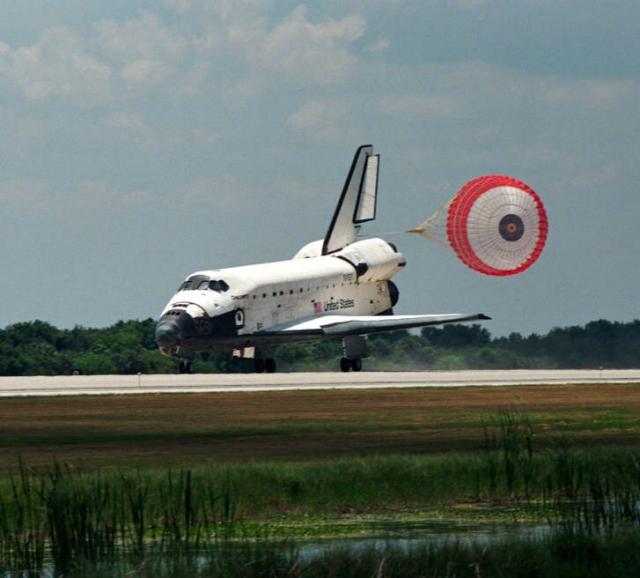
25 Years Ago: STS-91 Closes Out the Shuttle-Mir Program
Space shuttle Discovery paid the last American visit to the Russian space station Mir during the STS-91 mission in June 1998.Kelli Mars (NASA)
Hello once again to musicians and music lovers of the fediverse!
Music has been written! Forms has been filled out! And deadlines have been reached!
A grand total of 43 songs participate in this #FediVision2023.
They can all be found in a playlist on the website, so you can go listen to them right now!
fedivision.party/
Further info on how voting works can be found in the next post and also here: fedivision.party/how-does-voti…
Let the listening begin!
Voting for #Fedivision2023 is open right now and until sunday, June 18th 2023, 5 PM UTC.
Voting works by mentioning this bot and writing "vote xxxx" where xxxx is the four letter code for the song you want to vote for.
The four letter codes can be found in square brackets in the playlist and in the song descriptions next to the word "Code":
fedivision.party/
A description of the voting process is also available here: fedivision.party/how-does-voti…

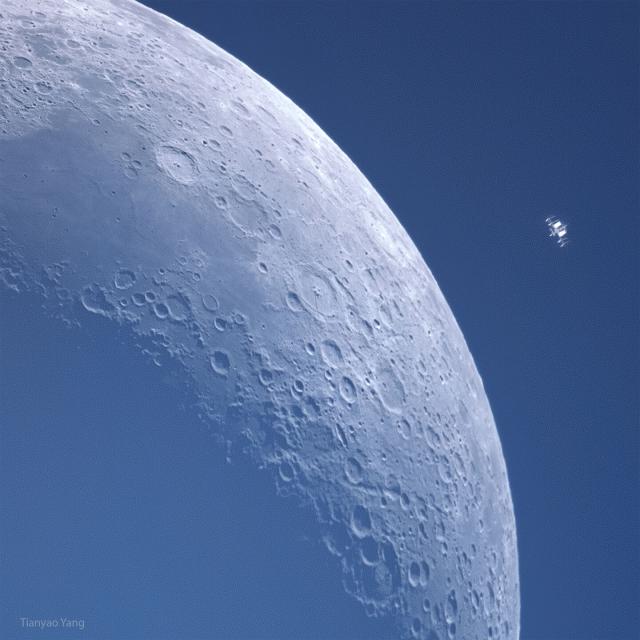
APOD: 2023 June 12 – The Largest Satellites of Earth
A different astronomy and space science related image is featured each day, along with a brief explanation.apod.nasa.gov
Mrfrisky
in reply to NASA • • •sOlOw-NH
in reply to NASA • • •Jeff Spears (real)
in reply to NASA • • •