
#ISS
Astronauts Relax Before Space Delivery, Cosmonauts Prep for Spacewalk
Expedition 69 is awaiting an orbiting U.S. cargo craft carrying over 8,200 pounds of science and supplies for delivery on Friday.blogs.nasa.gov
Is climate change the same as global warming? Not quite.
The warming of Earth — or global warming — is just one factor that makes up a range of changes that are happening to our planet, which is climate change.
And @nasa is studying all of it: climate.nasa.gov/
[Video embedded in original tweet]
#NASAEarth

Home – Climate Change: Vital Signs of the Planet
Vital Signs of the Planet: Global Climate Change and Global Warming. Current news and data streams about global warming and climate change from NASA.Climate Change: Vital Signs of the Planet
Teams from @nasa & the @DeptofDefense completed the latest recovery tests for the crewed #Artemis II mission off the coast of San Diego.
The recovery teams are modifying timelines and procedures after the successful recovery of @NASA_Orion after Artemis I go.nasa.gov/458GWEL
#NASAArtemis #Artemis

#NASAExoplanets
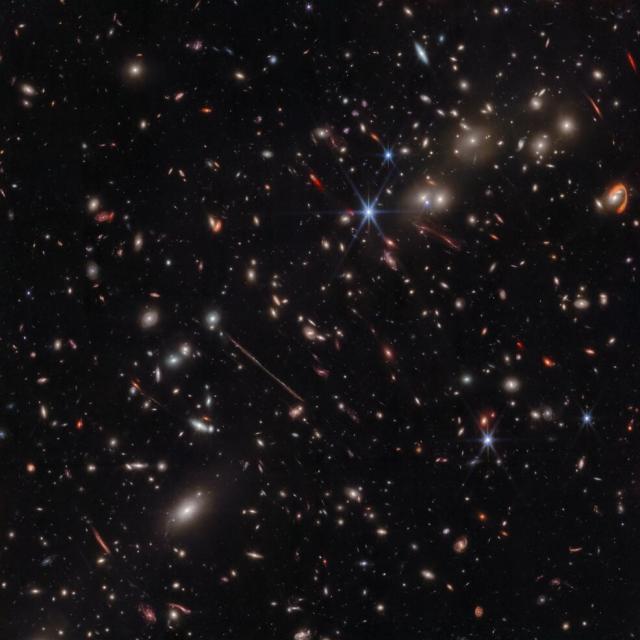
Webb Spotlights Gravitational Arcs in ‘El Gordo’ Galaxy Cluster
A new image of the galaxy cluster known as “El Gordo” is revealing distant and dusty objects never seen before, and providing a bounty of fresh science.Isabelle Yan (NASA)
What science is ahead for the #Crew7 astronauts on their stay aboard the @Space_Station?
An experiment to improve sleep quality in space and on Earth, quantum research, and studying microbial growth: go.nasa.gov/43Fw67X
#NASA

NASA’s SpaceX Crew-7 to Conduct Scientific Studies on Space Station
NASA’s SpaceX Crew-7 mission is scheduled to launch to the International Space Station from Kennedy Space Center in Florida to conduct scientific investigations on the orbiting lab.Carrie Gilder (NASA)
#JamesWebb
#JamesWebb
Youths!
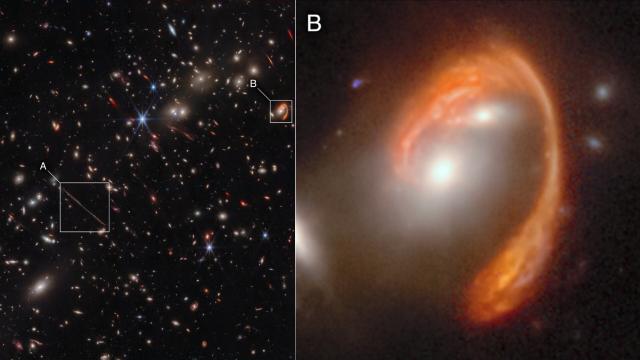
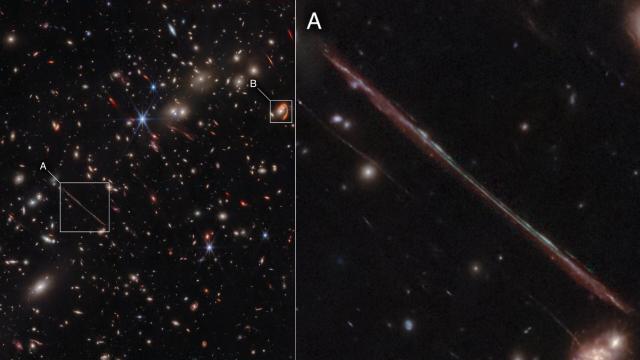
Webb observed galaxy cluster El Gordo, a cosmic teen that existed 6.2 billion years after the big bang. The most massive cluster of its era, it’s a perfect gravitational magnifying glass, bending & distorting light from distant objects behind it: go.nasa.gov/3YkoBCp
#JamesWebb

Webb Spotlights Gravitational Arcs in ‘El Gordo’ Galaxy Cluster
A new image of the galaxy cluster known as “El Gordo” is revealing distant and dusty objects never seen before, and providing a bounty of fresh science.Isabelle Yan (NASA)
What could be better than experiments in space? Experiments on the Moon!
#OTD in 1971, Apollo 15 astronaut David Scott performed his feather and hammer experiment on the Moon, demonstrating that without air resistance all objects fall at the same rate. go.nasa.gov/47cbHuk
#NASAhistory
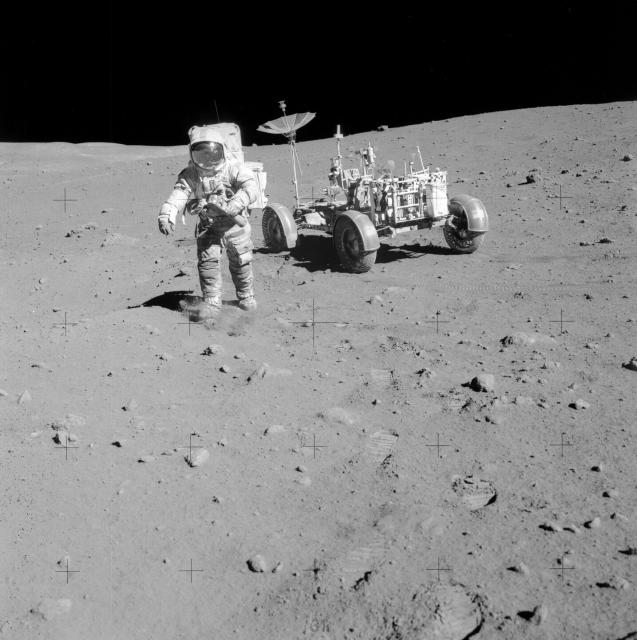
The Apollo 15 Hammer-Feather Drop – Moon: NASA Science
At the end of the last Apollo 15 moon walk, Commander David Scott (pictured above) performed a live demonstration for the television cameras.Moon: NASA Science
#JamesWebb
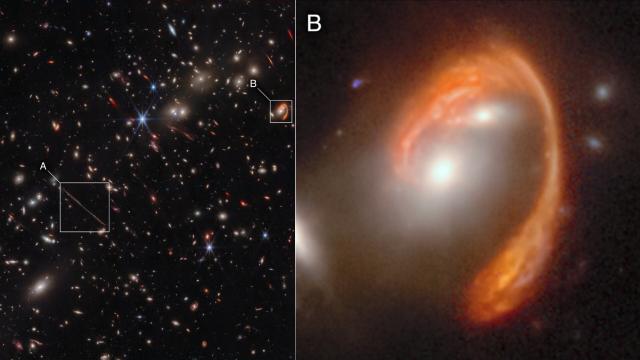
#JamesWebb
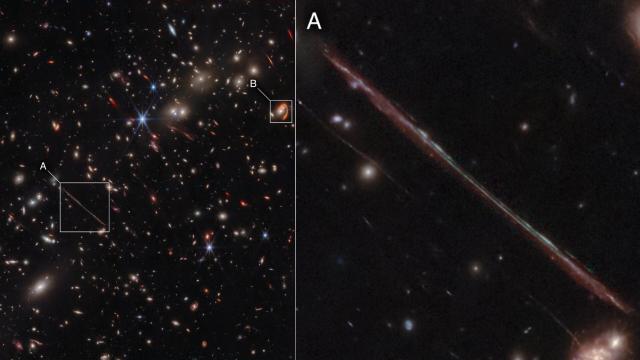
Youths!
Webb observed galaxy cluster El Gordo, a cosmic teen that existed 6.2 million years after the big bang. The most massive cluster of its era, it’s a perfect gravitational magnifying glass, bending & distorting light from distant objects behind it: go.nasa.gov/3DDfSBF
#JamesWebb
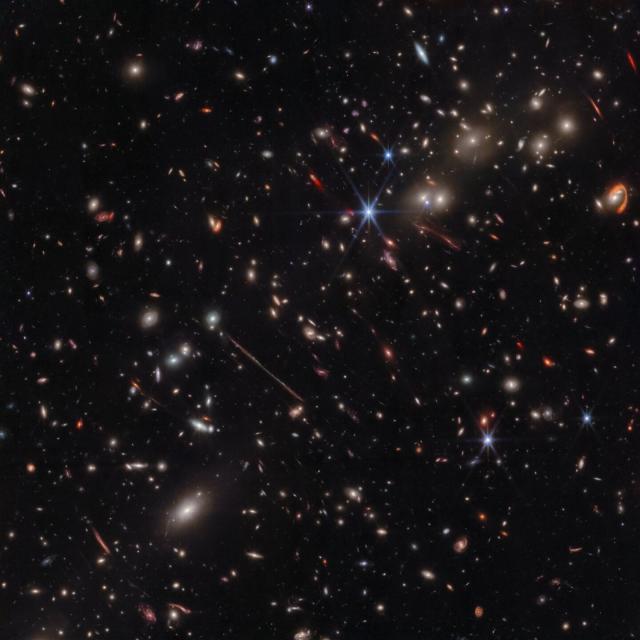
Webb Spotlights Gravitational Arcs in ‘El Gordo’ Galaxy Cluster
A new image of the galaxy cluster known as “El Gordo” is revealing distant and dusty objects never seen before, and providing a bounty of fresh science.Isabelle Yan (NASA)
The U.S. Southwest endured more than three weeks of extreme temperatures in July 2023.🌡️
This map shows air temperatures on July 25, 2023 using satellite observations and a @nasagoddard GEOS model. Temperatures over 113°F (45°C) are dark red. go.nasa.gov/44OhEMx
#NASAEarth
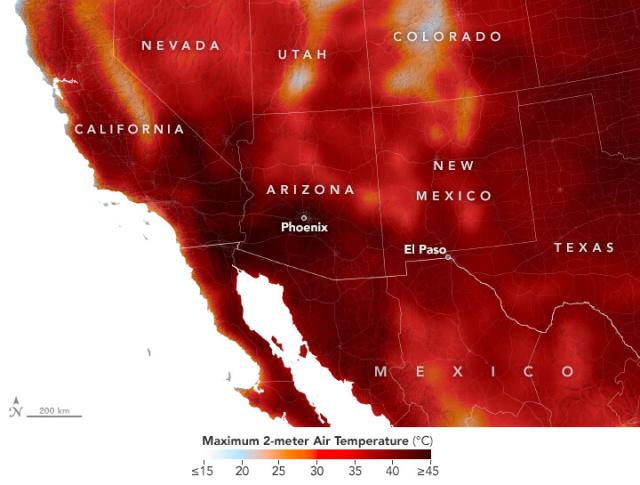
Relentless Heat in the Southwest
The desert Southwest endured more than three weeks of extreme temperatures in July 2023.go.nasa.gov

M82: Galaxy with a Supergalactic Wind
NASA, ESA, Hubble; Processing & Copyright: Harshwardhan Pathak
apod.nasa.gov/apod/ap230802.ht… #APOD

APOD: 2023 August 2 – M82: Galaxy with a Supergalactic Wind
A different astronomy and space science related image is featured each day, along with a brief explanation.apod.nasa.gov
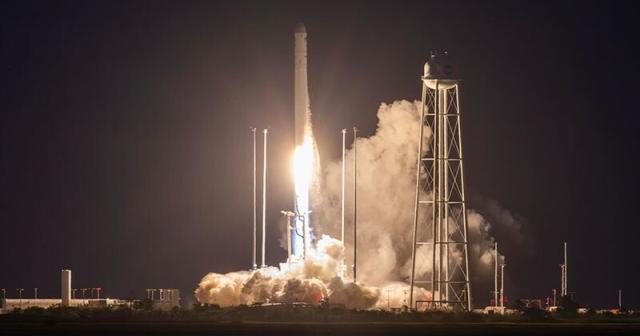
After a successful launch from @NASA_Wallops, the #CRS19 capsule is heading to the @Space_Station, loaded with science and snacks.
Live coverage of the capsule's rendezvous will begin Aug. 4 at 4:30am ET (0830 UTC): go.nasa.gov/3Quxes2
#NASA
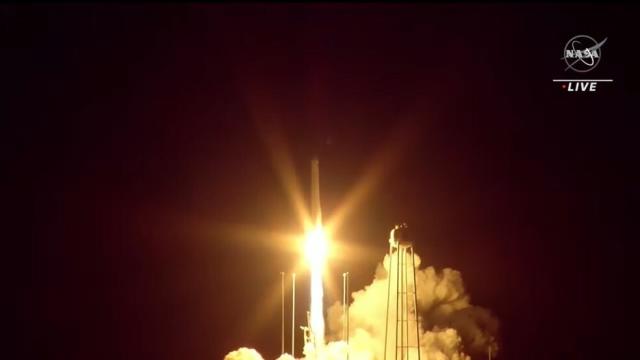
Science, Hardware Launch on NASA’s Northrop Grumman Cargo Mission
A Northrop Grumman Cygnus resupply spacecraft is on its way to the International Space Station with more than 8,200 pounds of NASA science investigations and cargo after launching at 8:31 p.m.Roxana Bardan (NASA)
Liftoff of @NorthropGrumman's #Cygnus cargo craft to replenish the Exp 69 crew with over 8,200 pounds of science and supplies. The space delivery is scheduled for 5:55am ET on Friday. More... go.nasa.gov/3QlILKg
[Video embedded in original tweet]
#ISS

Science, Hardware Launch on NASA’s Northrop Grumman Cargo Mission
A Northrop Grumman Cygnus resupply spacecraft is on its way to the International Space Station with more than 8,200 pounds of NASA science investigations and cargo after launching at 8:31 p.m.Roxana Bardan (NASA)

Science, Hardware Launch on NASA’s Northrop Grumman Cargo Mission
A Northrop Grumman Cygnus resupply spacecraft is on its way to the International Space Station with more than 8,200 pounds of NASA science investigations and cargo after launching at 8:31 p.m.Roxana Bardan (NASA)
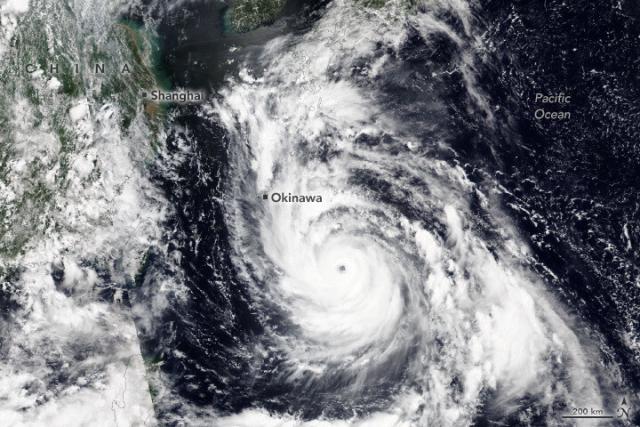
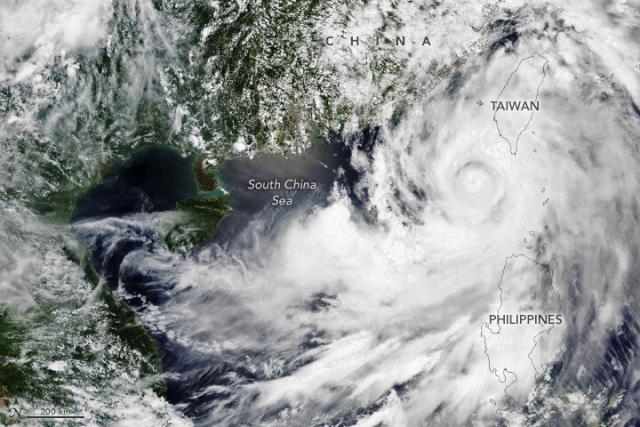
Typhoon Khanun approached China’s coast on the heels of Typhoon Doksuri, which left a trail of destruction in the days prior.
The @noaa-20 satellite captured these images of Typhoons Khanun (left) and Doksuri (right) on July 31 and 27, respectively. go.nasa.gov/3KnkMa2
#NASAEarth
#NASAEarth
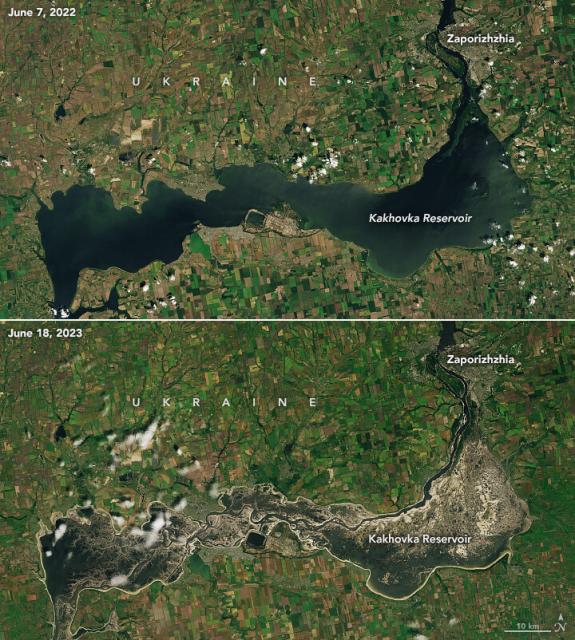
Canals in Ukraine are Drying Up
After the breach of Kakhovka Dam and the flood that ensued, farmers in the area are coping with depleted water supplies.go.nasa.gov
After the breach of Kakhovka Dam in June 2023, the adjacent reservoir drained, leaving farmers in southern Ukraine to cope with depleted water supplies.
These #Landsat images show the reservoir and two canals before (left) and after (right) the breach. go.nasa.gov/3Yh4rt2
#NASAEarth
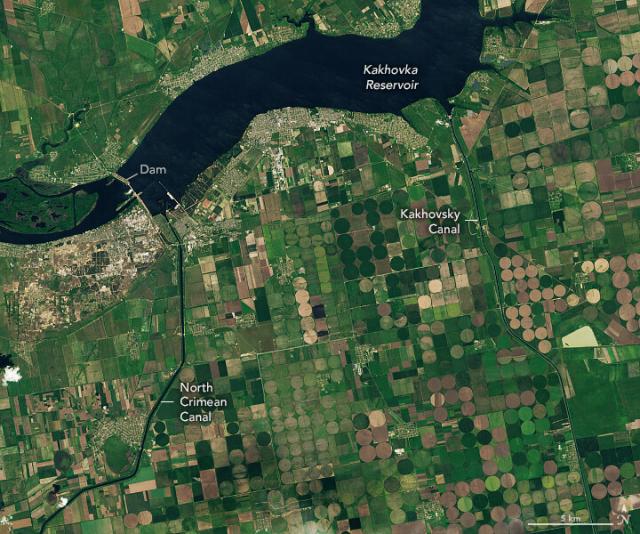
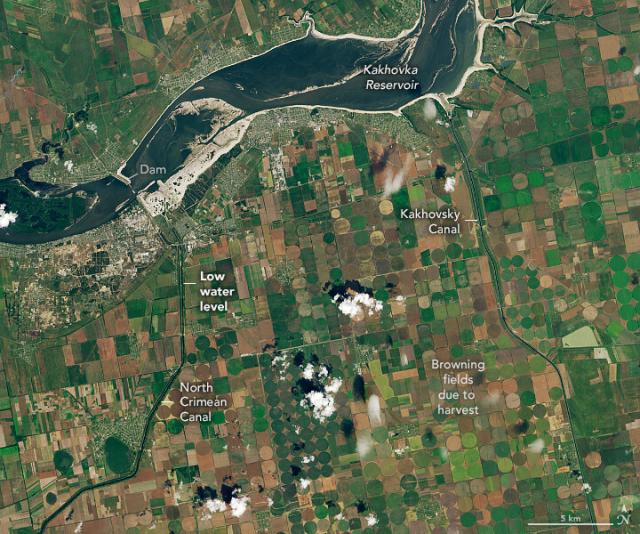
Canals in Ukraine are Drying Up
After the breach of Kakhovka Dam and the flood that ensued, farmers in the area are coping with depleted water supplies.go.nasa.gov
#NASAEarth
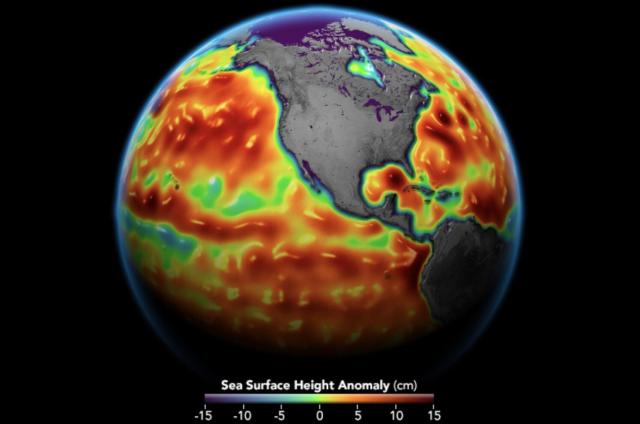
Sea Level | NASA Global Climate Change
Vital Signs of the Planet: Global Climate Change and Global Warming. Current news and data streams about global warming and climate change from NASA.Climate Change: Vital Signs of the Planet
#NASAEarth
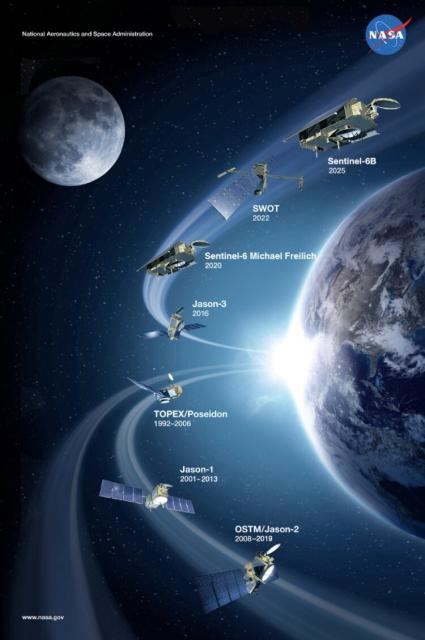
Sentinel-6 Michael Freilich Satellite
Designed to measure the height of the ocean - a key component to understanding how Earth's climate is changing - Sentinel-6/Michael Freilich consists of two identical satellites that will be launched five years apart.NASA Jet Propulsion Laboratory (JPL)
What's Up in August? Saturn reaches opposition, meaning it's at its biggest and brightest for the year. The "shooting stars" of the Perseid meteors are a must-see overnight on August 12-13. And August brings two full moons. solarsystem.nasa.gov/skywatchi…
[Video embedded in original tweet]
#NASASolarSystem
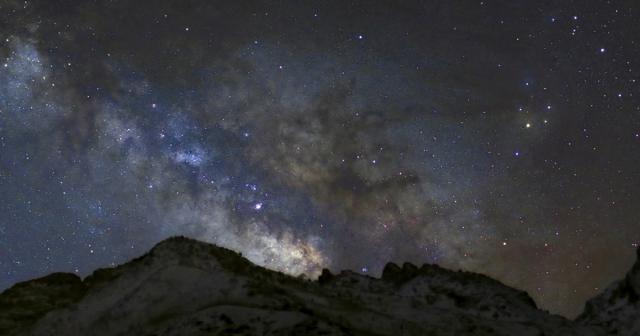
NASA Skywatching Home
What’s visible in the night sky? Get skywatching tips and resources from NASA.NASA Solar System Exploration
#NASAExoplanets

The Exoplaneteers | Explore – Exoplanet Exploration: Planets Beyond our Solar System
Four brave explorers, the Captain, the Brain, the Scout, and the Friend, find themselves flung onto different exoplanets. Separated by space, the Exoplaneteers search for signs of life, or friends, while facing the dangers of these strange worlds.Exoplanet Exploration: Planets Beyond our Solar System
MEDIA: We will provide an update about the #Artemis II mission during a news conference on Tues., Aug. 8, at 2pm ET (1800 UTC) at @NASAKennedy.
The first crewed Artemis mission will send four astronauts on a journey around the Moon and back to Earth: go.nasa.gov/3OCLUEd
#NASAArtemis #Artemis
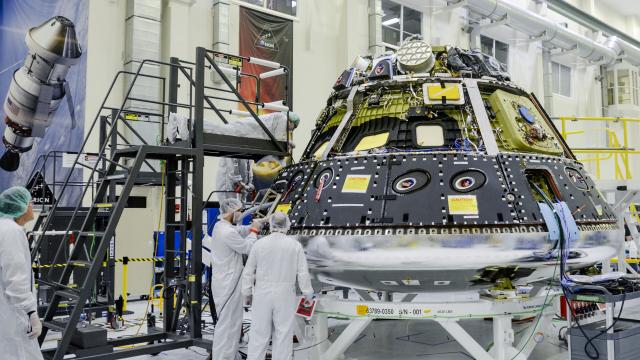
Join NASA Administrator, Artemis II Moon Crew for Mission Update
NASA will host a news conference at 2 p.m. EDT on Tuesday, Aug. 8, at the agency’s Kennedy Space Center in Florida, to provide Artemis II mission preparations and crew training updates.Claire O’Shea (NASA)
Keep your eyes on the sky throughout August. You'll see Saturn at dusk and dawn, the Perseid meteors return, and you may even catch a "super blue moon," so-called when there are two full moons in a month.
Get details in our monthly episode of What’s Up: go.nasa.gov/3Kp7slo
[Video embedded in original tweet]
#NASA

What’s Up: Skywatching Tips from NASA
Watch the latest video in NASA’s “What’s Up” series to discover the skywatching highlights for this month.NASA Solar System Exploration
During their first few days on Skylab, @NASA_Astronauts Al Bean, Owen Garriott, and Jack Lousma moved slowly to minimize their vertigo as they adjusted to weightlessness.
In this image taken #OTD in 1973, they have a meal together. #Skylab50
More: go.nasa.gov/3DG4ULX
#NASAhistory
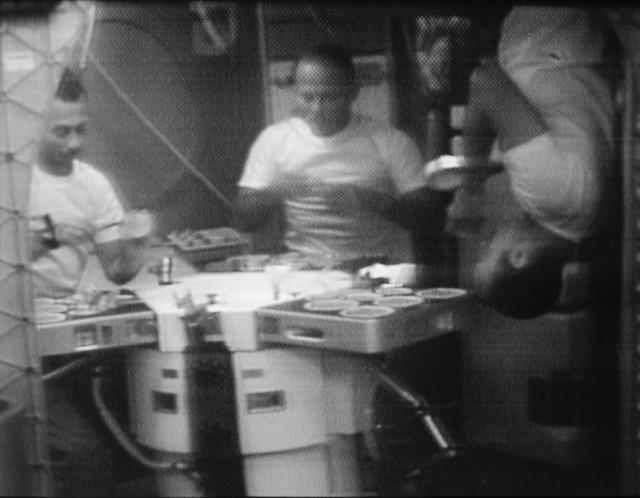
50 Years Ago: Second Skylab Crew Begins Record-Breaking Mission
On July 28, 1973, the second crew to occupy Skylab, American’s first space station, lifted off from NASA’s Kennedy Space Center (KSC) in Florida on a planned two-month mission, at the time the longest human spaceflight.Kelli Mars (NASA)
The four astronauts of the #Artemis II flight around the Moon will join @SenBillNelson for an update on their training and preparations for the historic mission.
Tune in Tuesday, Aug. 8, at 2 p.m. ET (1800 UTC): go.nasa.gov/3OeVagx
#NASA
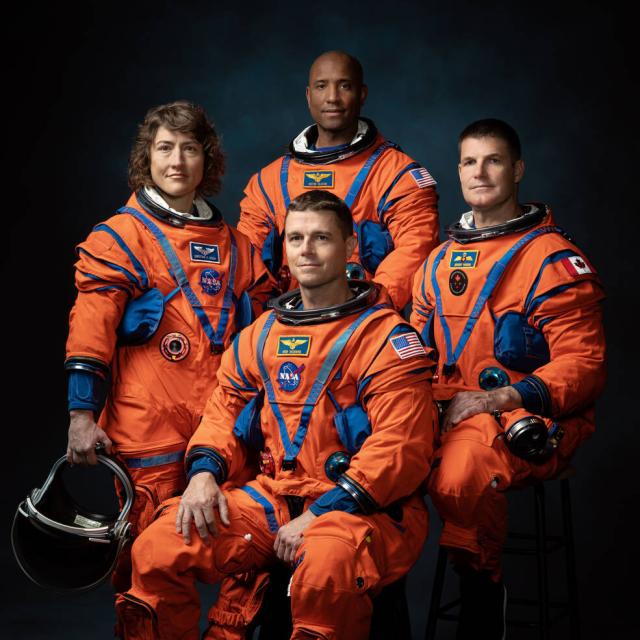
Join NASA Administrator, Artemis II Moon Crew for Mission Update
NASA will host a news conference at 2 p.m. EDT on Tuesday, Aug. 8, at the agency’s Kennedy Space Center in Florida, to provide Artemis II mission preparations and crew training updates.Claire O’Shea (NASA)

Join NASA Administrator, Artemis II Moon Crew for Mission Update
NASA will host a news conference at 2 p.m. EDT on Tuesday, Aug. 8, at the agency’s Kennedy Space Center in Florida, to provide Artemis II mission preparations and crew training updates.Claire O’Shea (NASA)
#ISS
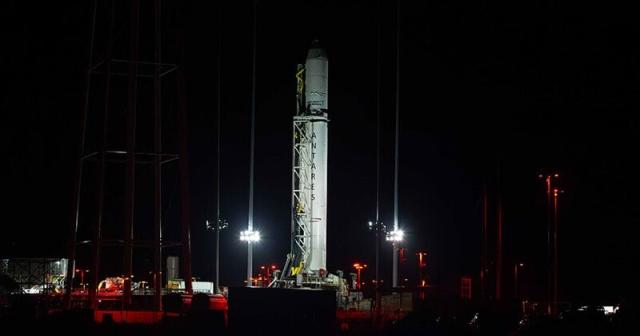
Cygnus Launching Today as Crew Works Eye-Brain Study and Spacewalk Preps
The Cygnus space freighter sits atop its Antares rocket from Northrop Grumman counting down to a launch today from NASA’s Wallops Flight Facility in Virginia.blogs.nasa.gov
Pilot John Manke first flew the X-24B, the "flying flatiron," on a glide flight #OTD in 1973. These glide missions represented the final milestone in NASA's piloted lifting body program that helped write flight plans for space shuttle landings.
More: go.nasa.gov/3OCBlAZ
#NASAhistory
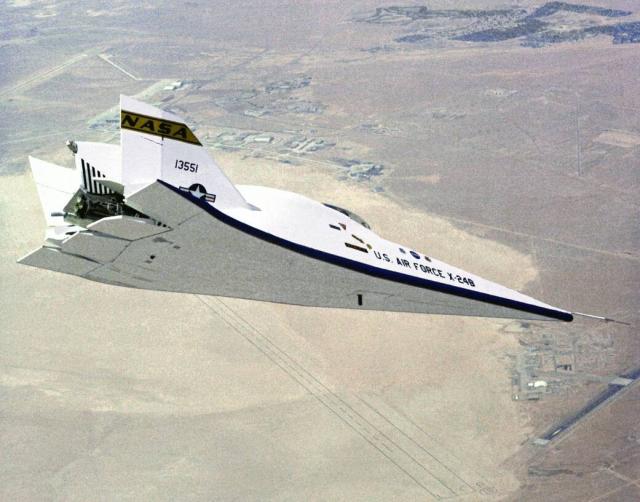
NASA Armstrong Fact Sheet: Lifting Bodies
Lifting Bodies demonstrated the ability of pilots to maneuver and safely land a wingless vehicle.NASA
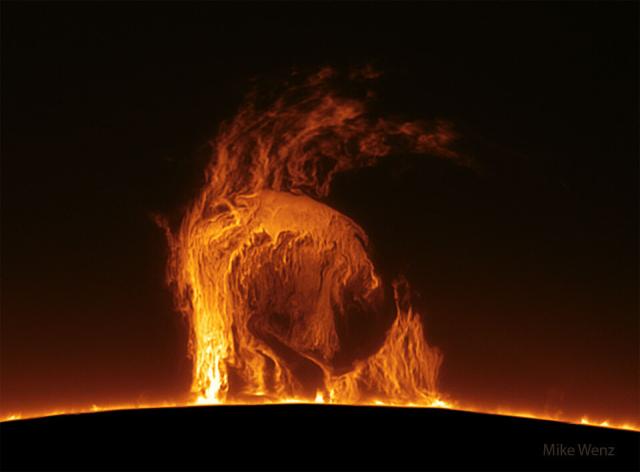
APOD: 2023 August 1 – Monster Solar Prominence
A different astronomy and space science related image is featured each day, along with a brief explanation.apod.nasa.gov

Monster Solar Prominence
Image Credit & Copyright: Mike Wenz
apod.nasa.gov/apod/ap230801.ht… #APOD

APOD: 2023 August 1 – Monster Solar Prominence
A different astronomy and space science related image is featured each day, along with a brief explanation.apod.nasa.gov
Houston, we have a @NASASocial!
Apply for a chance to join in our NASA Social for the OSIRIS-REx asteroid sample reveal at @NASA_Johnson, Oct. 10-11. Get a first look at rocks from deep space, tour our laboratories, & meet other creators. #ToBennuAndBack go.nasa.gov/3OBz3C9
#NASA
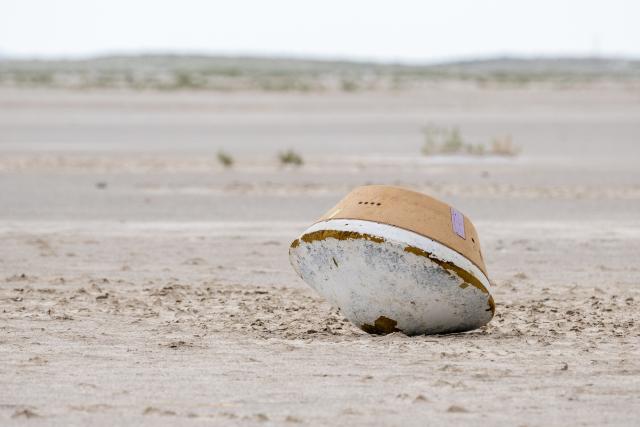
Experience the Reveal of the First U.S. Asteroid Sample
Content creators are invited to register for a chance to take part in our NASA Social event for the OSIRIS-REx sample reveal–the first pristine asteroid sampleGary Daines (NASA)
L: ar5iv.labs.arxiv.org/
C: news.ycombinator.com/item?id=3…
posted on 2023.07.31 at 14:40:33 (c=0, p=4)

ar5iv – Articles from arXiv.org as responsive HTML5 web documents
ar5iv offers a modern web view for arXiv's preprints. An open community resource, on a quest to a full collection of high-quality documents.ar5iv
#NASA
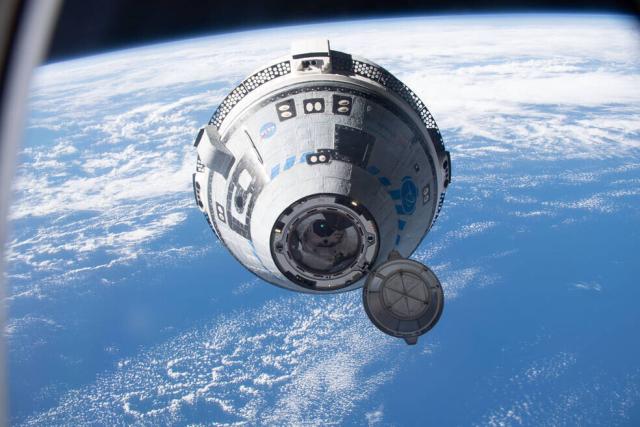
NASA, Boeing to Provide Progress Update on Starliner Crew Flight Test
NASA and Boeing will host a media teleconference at 2 p.m. EDT Monday, Aug. 7, to provide an update on the first astronaut flight of the company’s CST-100 Starliner to and from the International Space Station.Claire O’Shea (NASA)
#NASAExoplanets
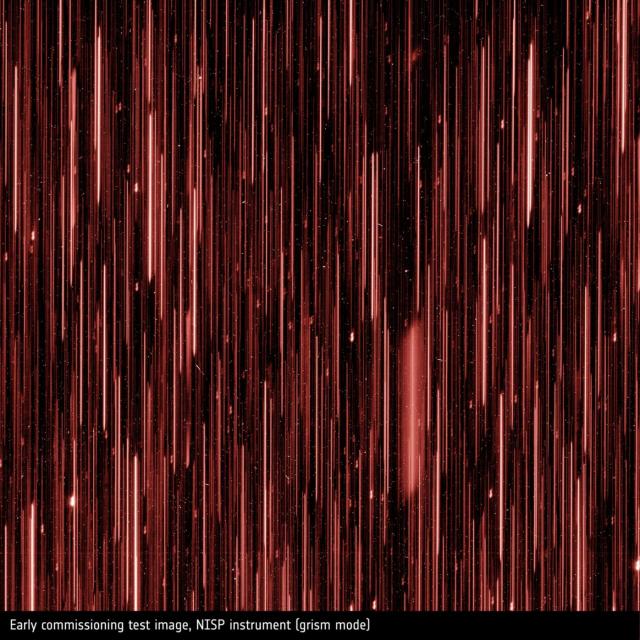
Euclid test images tease of riches to come
Euclid’s two instruments have captured their first test images. The mesmerising results indicate that the space telescope will achieve the scientific goals that it has been designed for – and possibly much more.www.esa.int

NASA, Boeing to Provide Progress Update on Starliner Crew Flight Test
NASA and Boeing will host a media teleconference at 2 p.m. EDT Monday, Aug. 7, to provide an update on the first astronaut flight of the company’s CST-100 Starliner to and from the International Space Station.Claire O’Shea (NASA)
#MondayMotivation: Small acts can have a big effect.
#NASAExoplanets
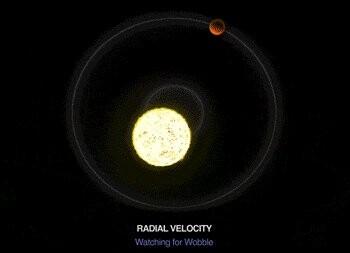
5 Ways to Find a Planet | Explore – Exoplanet Exploration: Planets Beyond our Solar System
NASA’s Exoplanet Exploration Program, the search for planets and life beyond our solar system.Exoplanet Exploration: Planets Beyond our Solar System
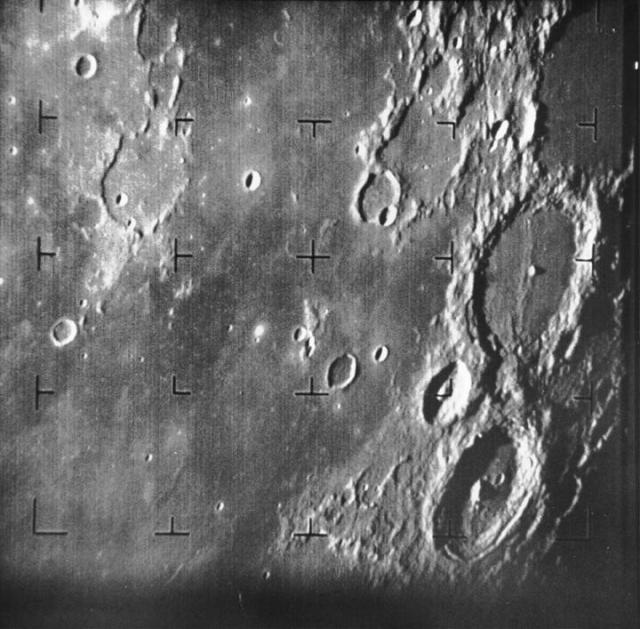
Before 1964, we had no close-up photos of the Moon, and it wasn't known if astronauts could feasibly land on its surface. That changed when Ranger 7 sent back 4,316 images of the lunar surface before impacting the Moon #OTD in 1964.
More about Ranger 7: go.nasa.gov/3QhaGv4
#NASAhistory
Θεία πίτσα 🧀🍕🥓🍅
in reply to NASA • • •teledyn 𓂀
in reply to NASA • • •My favourite moon experiment was when the new camera refused to work, so some highly trained for anything moonwalker hit it with a hammer, a very expensive camera, a very expensive hammer, and the best part is: the camera started to work!
Only its tripod was never designed to absorb such a blow, and I recall the crystal clear video slowly tilting over, coming to rest pointing directly at the sun for a brief moment before going permanently dark.
Anyone else remember this?
#NASAhistory