Cabel Sasser on “Turn-On,” a hyperactive 1969 sketch comedy show unseen for 54 years: "the first computerized TV show" from the creator of Laugh-In was cancelled after the first episode, decades ahead of its time cabel.com/2023/08/06/turn-on-f…
I’ve waited a long time for this. In 1969, producers George Schlatter and Ed Friendly wanted to create another monster comedy hit like they had with Rowan & Martin’s Laugh-In, a cha…
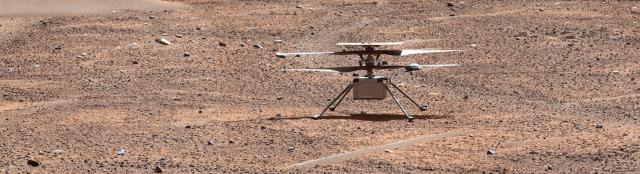
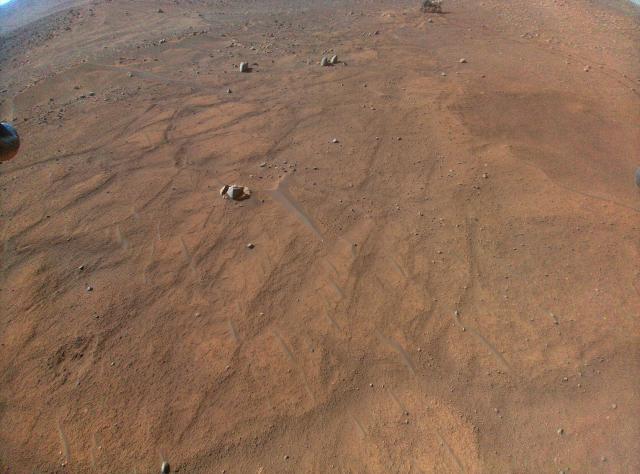
Look who it is! I recently drove right past Ingenuity and got a pic after it ended its 53rd flight early. Happy to say it’s since completed a 54th flight to check out its systems. (Even caught a glimpse of me too!) Latest #MarsHelicopter status: go.nasa.gov/43YuiqW #PerseveranceRover
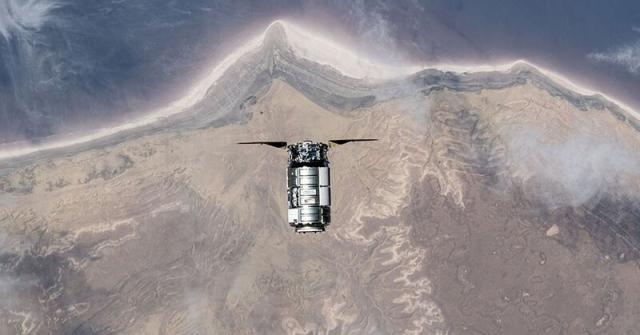
The Exp 69 crew is unpacking @NorthropGrumman's #Cygnus cargo craft and gearing up for another spacewalk while also exploring high temp physics and semiconductor crystals today. blogs.nasa.gov/spacestation/20… #ISS
The Exp 69 crew is unpacking @NorthropGrumman's #Cygnus cargo craft and gearing up for another spacewalk while also exploring high temp physics and semiconductor crystals today. blogs.nasa.gov/spacestation/20… #ISS
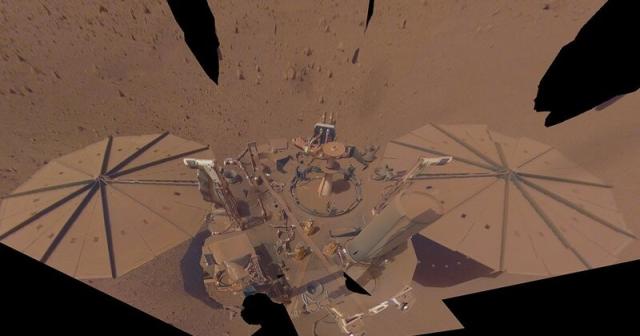
Mars is spinning faster! 🌀 Before it retired last December, @NASAInSight sent back radio science data that’s providing new details about how fast Mars rotates and how much it wobbles. See what the latest findings mean: go.nasa.gov/47jcx8x #NASAMars
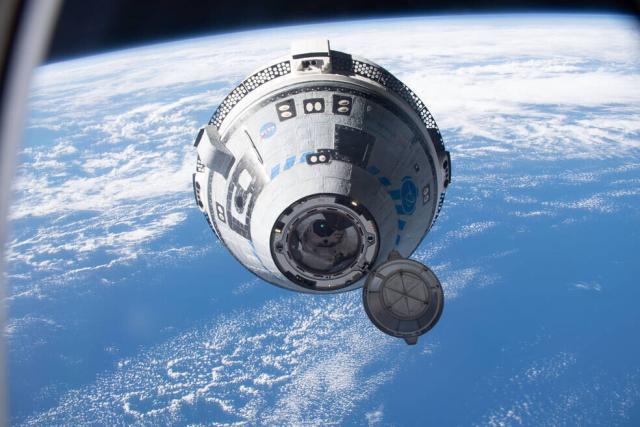
LIVE NOW: NASA and @BoeingSpace leaders provide an update on the #Starliner spacecraft ahead of its first flight carrying astronauts to the @Space_Station. Tune in. youtube.com/watch?v=iqPslXCL8f… #NASA
NASA will host a media teleconference at 2 p.m. EDT, Monday, Aug. 7, to provide an update on the first astronaut flight of the company’s CST-100 Starliner to...
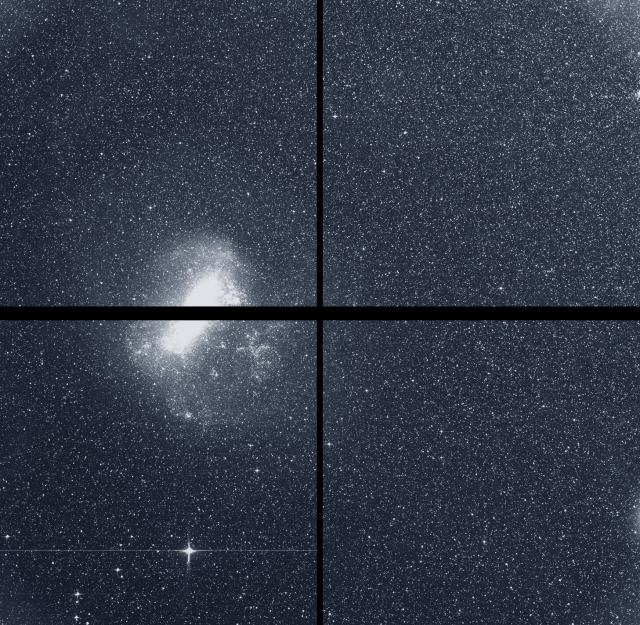
#OTD 5 years ago, NASA's Transiting Exoplanet Survey Satellite (TESS) captured its first light image, showing a wide swath of the southern sky using all four of its wide field cameras (image from one camera shown here).
Using data from @NASAMars' InSight lander, scientists have made the most precise measurements ever of the Red Planet’s rotation. go.nasa.gov/3DIsWGa How? Giant radio antennas on Earth! 🌏📡🔴 Specifically, @NASASCaN's Deep Space Network.
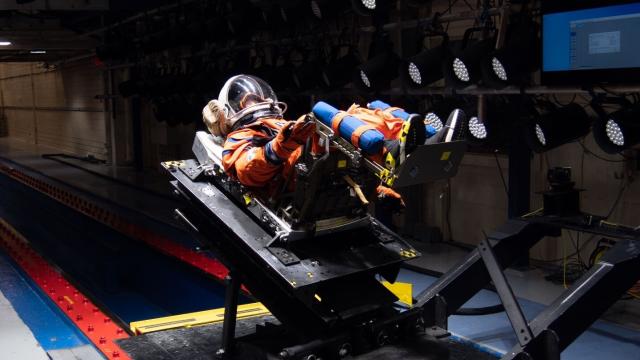
Commander Moonikin Campos, the manikin that flew on the #Artemis I mission, is back from vacation and is working as a crash test dummy.
Not the Moon, for sure, but he continues to inform our understanding of the experience of flying inside @NASA_Orion: go.nasa.gov/45d0urw #NASAArtemis #Artemis
NASA’s Commander Moonikin Campos, a manikin that flew on the Artemis I flight test beyond the Moon wearing the OCSS (Orion Crew Survival System) spacesuit, is continuing its journey of exploration on Earth through a unique series of testing as a cras…
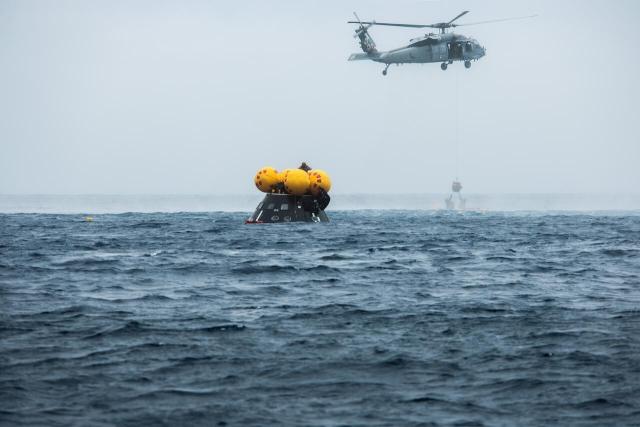
NASA’s Search and Rescue team participated in the Underway Recovery Test 10 to validate the #Artemis II astronauts’ beacons, which allow recovery teams to locate the crew should they need to egress from @NASA_Orion. go.nasa.gov/3OihJ3W #NASAArtemis #Artemis
When Artemis II NASA astronauts Reid Wiseman, Victor Glover, Christina Hammock Koch, and Canadian Space Agency astronaut Jeremy Hansen splash down in the Pacific Ocean after a 10-day mission around the Moon, NASA’s landing and recovery team will be r…
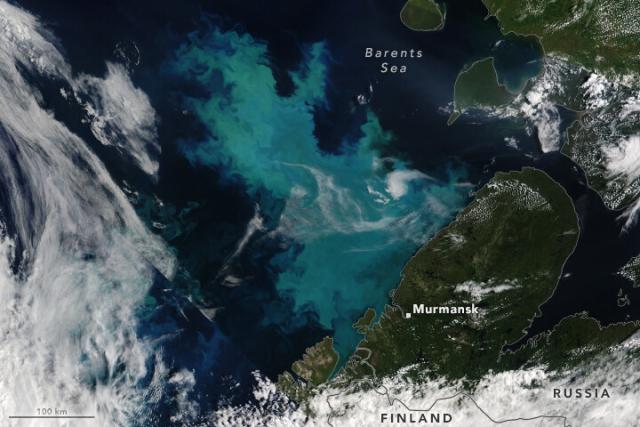
NASA’s upcoming PACE mission will help scientists learn more about ocean ecology, including the species of phytoplankton present in blooms and the rates of their growth.
PACE's technologies will provide unprecedented insight into Earth's ocean and atmosphere, which impact life by regulating climate and making Earth habitable
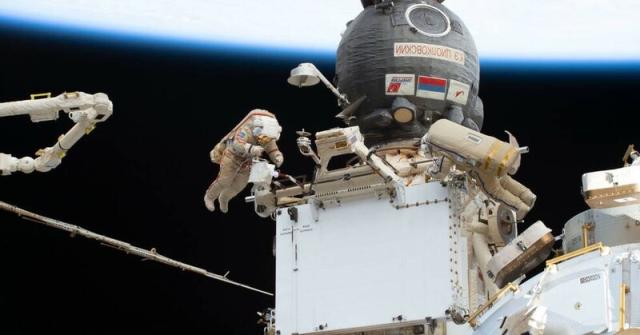
Two cosmonauts will exit the space station at 10:45 am ET on Wednesday for a spacewalk to install debris shields and relocate hardware live on @nasa TV. nasa.gov/press-release/nasa-se… #ISS
NASA will provide live coverage beginning at 10:15 a.m. EDT Wednesday, Aug. 9, as two Roscosmos cosmonauts conduct a spacewalk to upgrade the International Space Station. The spacewalk is expected to begin about 10:45 a.m.
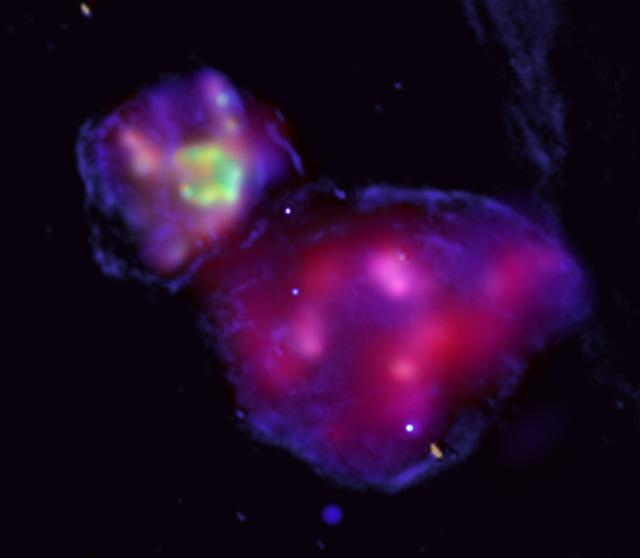
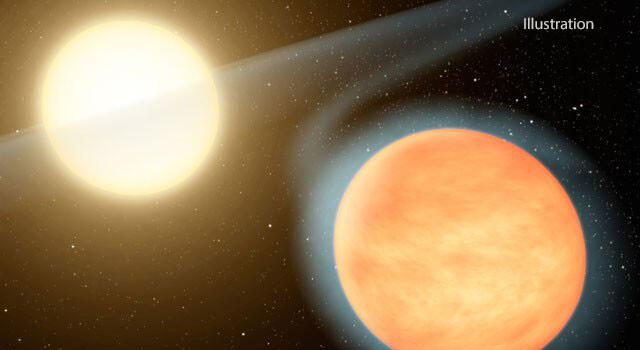
More than 1,400 light-years from Earth, the exoplanet WASP-12 b is being slowly devoured by its star. Scientists think it could be gone in 10 million years. But not today. #MondayMotivation: Today belongs to you!✨ #NASAExoplanets
NASA will provide live coverage beginning at 10:15 a.m. EDT Wednesday, Aug. 9, as two Roscosmos cosmonauts conduct a spacewalk to upgrade the International Space Station. The spacewalk is expected to begin about 10:45 a.m.
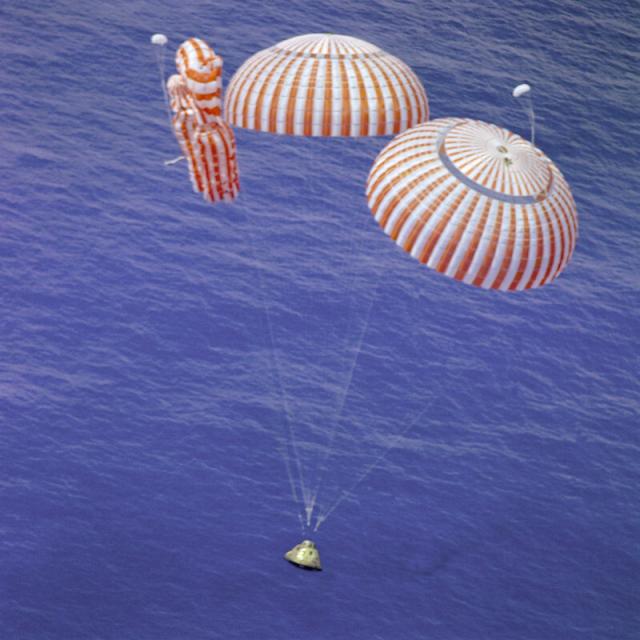
#OTD in 1971, the Apollo 15 Command Module "Endeavour," with astronauts Dave Scott, Al Worden and Jim Irwin aboard, splashed down in the Pacific Ocean to end their mission. Although 1 of the 3 main parachutes collapsed, the crew was unharmed.
An upcoming @nasa mission called PACE will see the ocean in more colors than ever before, allowing researchers to understand which species of phytoplankton are present in blooms. go.nasa.gov/3OIxi6g #NASAEarth
PACE's technologies will provide unprecedented insight into Earth's ocean and atmosphere, which impact life by regulating climate and making Earth habitable
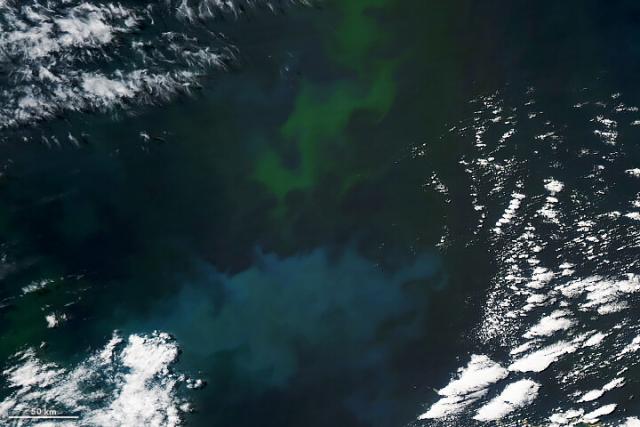
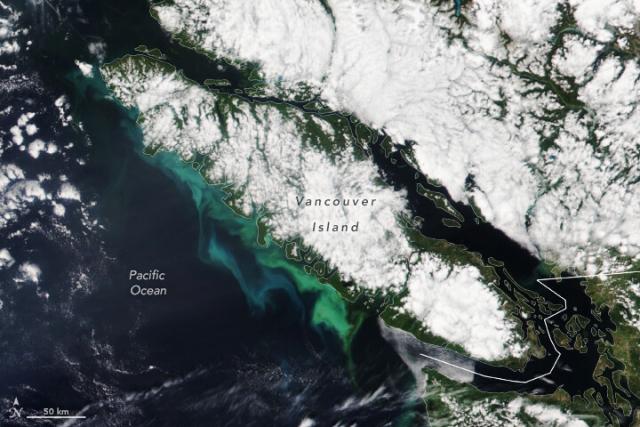
Swirls of phytoplankton and sediment colored the coastline of Vancouver Island in shades of turquoise and green. The @NOAA-20 satellite captured this image on July 26, 2023. go.nasa.gov/3KrDOvI #NASAEarth
When the Sun warms your skin, the light traveled 8 minutes to reach you. When we talk about the cosmos, it’s easy to toss out big numbers – it's hard to wrap our minds around just how large, how far, and how numerous celestial bodies really are. exoplanets.nasa.gov/faq/26/wha…
Light-year is a celestial yardstick, the distance light travels in one year. Light travels at 186,000 miles (300,000 kilometers) per second, 5.88 trillion miles (9.46 trillion kilometers) per hour.
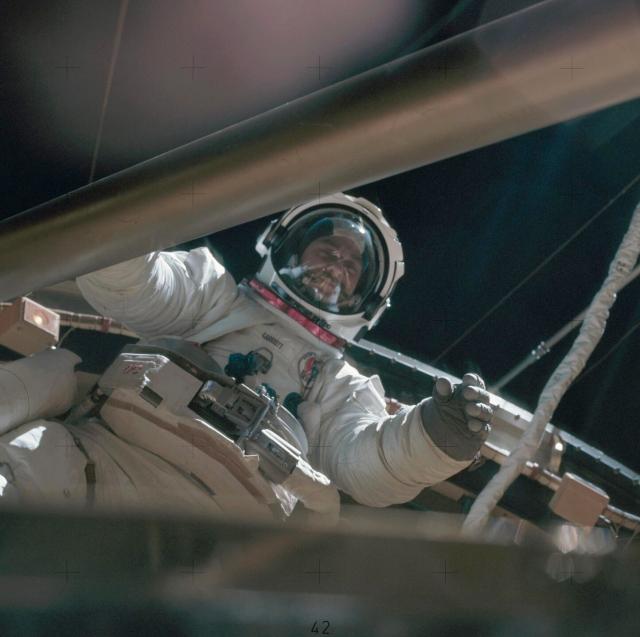
Owen Garriott (shown here) and his Skylab 3 crewmates performed a nearly 6.5 hour spacewalk #OTD in 1973 to install a 2-pole sunshade, change the film on the Apollo Telescope Mount, and install and repair equipment for experiments. #Skylab50
On July 28, 1973, the second crew to occupy Skylab, American’s first space station, lifted off from NASA’s Kennedy Space Center (KSC) in Florida on a planned two-month mission, at the time the longest human spaceflight.
Did Mars ever have the right conditions to support life?
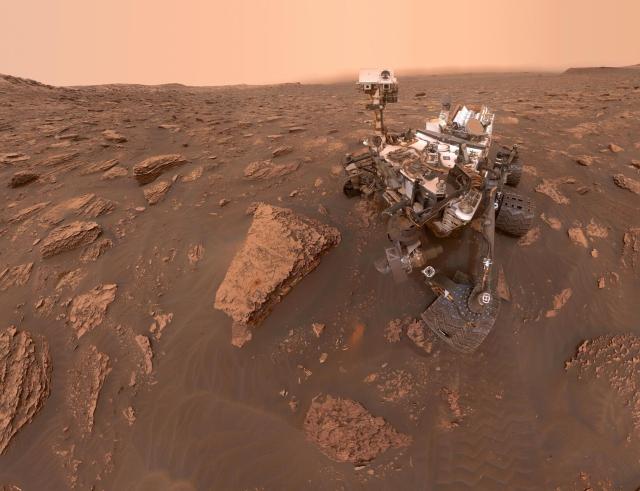
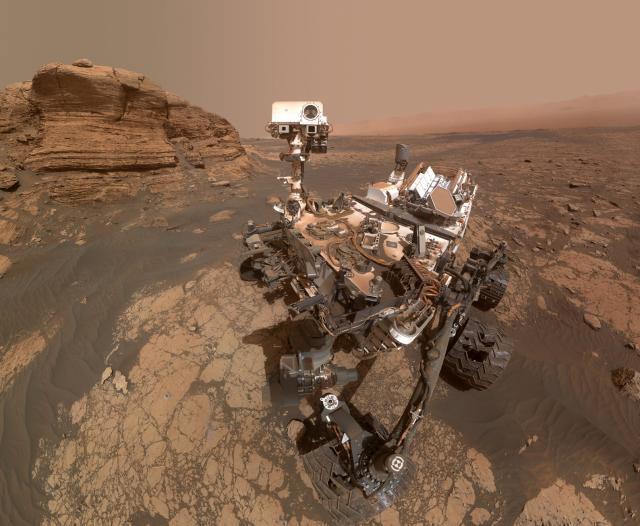
#OTD in 2012, the @MarsCuriosity rover landed on the Red Planet. Sampling Martian rocks over 19 miles and 11 years, Curiosity continues to shine a light on Mars's history.
NASA's Mars Science Laboratory mission, Curiosity is the largest and most capable rover ever sent to Mars. View the latest news, images, and discoveries from the Red Planet.
Creators and space enthusiasts, apply to our @NASASocial by Aug. 7 for a chance to see the OSIRIS-Rex asteroid sample reveal at @NASA_Johnson on Oct. 10-11.
Content creators are invited to register for a chance to take part in our NASA Social event for the OSIRIS-REx sample reveal–the first pristine asteroid sample
I have participated in several #NASAsocial events & highly recommend applying! It would be great to see some folks from the #Fediverse actively contributing.
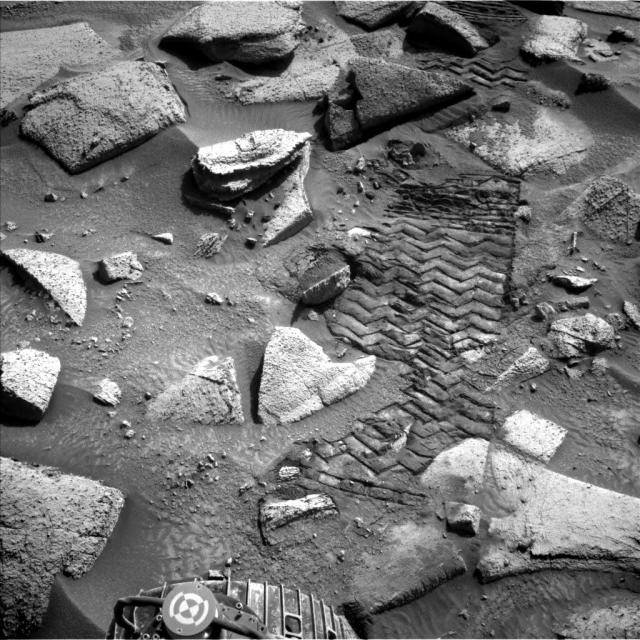
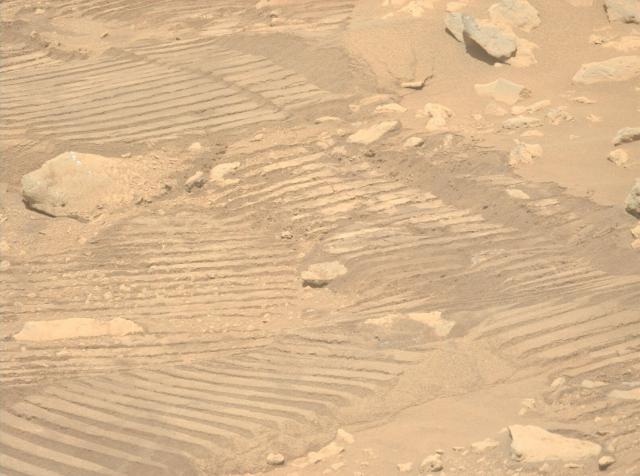
Oh hey @MarsCuriosity – Happy 11th “landiversary!” 🎉 Did you know I’m just 10 km short of your 30 km of driving on Mars? Following your mission and wheel tracks from afar here at Jezero Crater. #PerseveranceRover
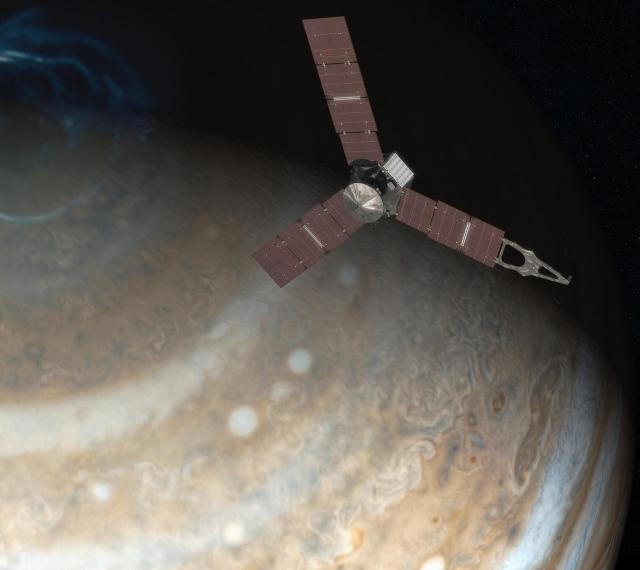
@NASAJuno launched on its 5-year journey to Jupiter #OTD in 2011. It has revealed what's under the planet's outer layer of swirling clouds, and provided unprecedented views of Jupiter and its moons.
In the final episode of High Above Down Under, we leave the rocket range behind and head into the wild to find the fallen rocket parts. Later, we catch up with the scientists to hear about their findings. Follow the series: go.nasa.gov/3PHtenQ
There are likely billions of planets in our galaxy. With over 5,000 already confirmed, how do we know which ones might hold life? Two NASA sounding rockets a...
This week, a cargo spacecraft loaded with science and snacks arrived at the @Space_Station, Moon rocket hardware is on the move for #Artemis, and our Psyche spacecraft tested its "wings" for launch.
Although summer 2023 has been unusually hot in parts of the U.S., it has been a quiet year for fires. NASA’s new initiative, FireSense, aims to match NASA data and resources to fire managers on the ground. go.nasa.gov/3QlKejS #NASAEarth
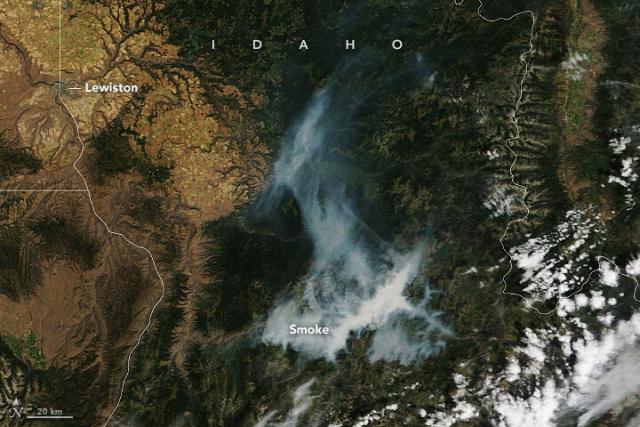
The Elkhorn Fire, which started on July 24, is the largest fire in Idaho. @nasa’s Terra satellite captured this image of the smoke appearing to settle into the deep valleys carved by the Salmon River. #NASAEarth
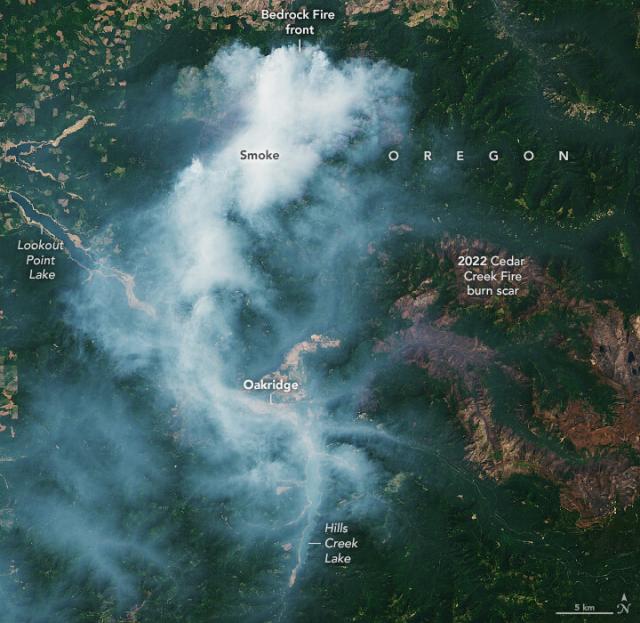
60 fires are burning across nine states in the western U.S., fueled by hot and dry conditions. On August 1, #Landsat 9 captured this image of smoke streaming away from the Bedrock Fire in Oregon. go.nasa.gov/3Kscai8 #NASAEarth
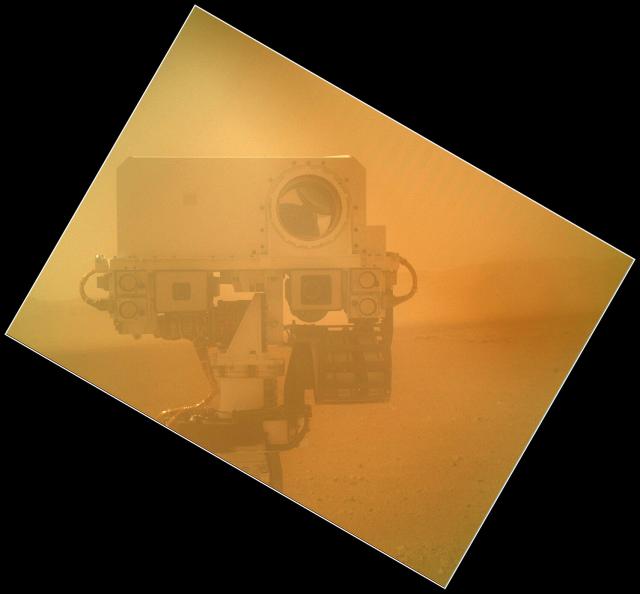
Happy 11th Landiversary, @MarsCuriosity! #OTD the rover survived its wild ride down to a safe landing on Mars. This mountaineering adventurer continues to explore and is facing its toughest climb yet. Catch up on Curiosity’s journey: go.nasa.gov/3KpQrr8 #NASAMars
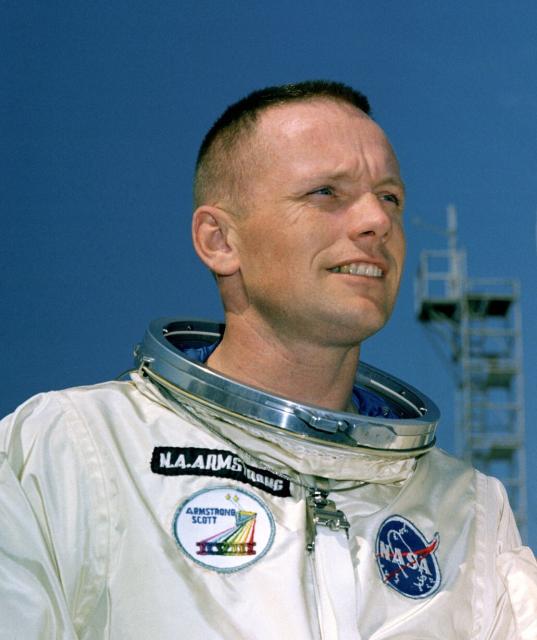
On his birthday, we remember the illustrious Neil Armstrong: test pilot, aeronautical engineer, astronaut, professor, and of course, the first person to set foot on the Moon.











kottke.org
in reply to Waxy.org • • •Turn-On History: An Infamous Show Hits YouTube
Tedium: The Dull Side of the Internet.Ernie Smith
in reply to kottke.org • • •