
#NASASolarSystem
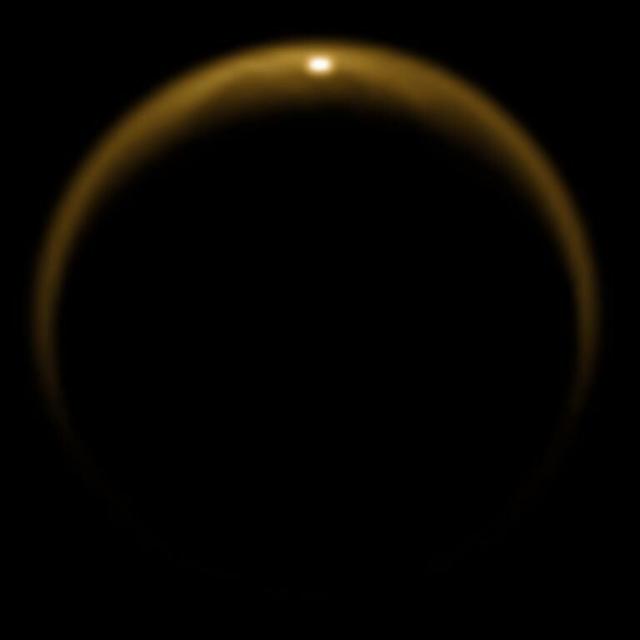
Titan - Overview
Saturn’s largest moon, Titan has an earthlike cycle of liquids flowing across its surface.NASA Solar System Exploration
Mars Sample Return will retrieve Martian rocks and atmosphere and bring them to Earth. Want to find out more?
Join our series of virtual and in-person meetings seeking to obtain public comments on the draft environmental impact statement for the mission: go.nasa.gov/3gniufj
#NASAJPL
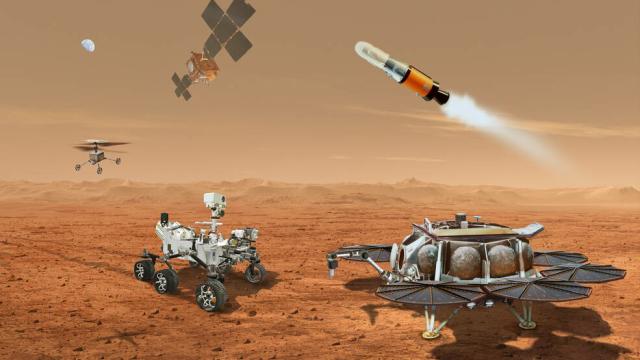
NASA Invites Public Comment on Plans for Mars Sample Return Campaign
NASA is seeking public comments on a draft environmental impact statement for the agency’s Mars Sample Return (MSR) campaign. Comments are due by Monday, Dec. 19.Gerelle Dodson (NASA)
#NASAExoplanets
🥔 go.nasa.gov/3EXjLTK
#NASAEarth
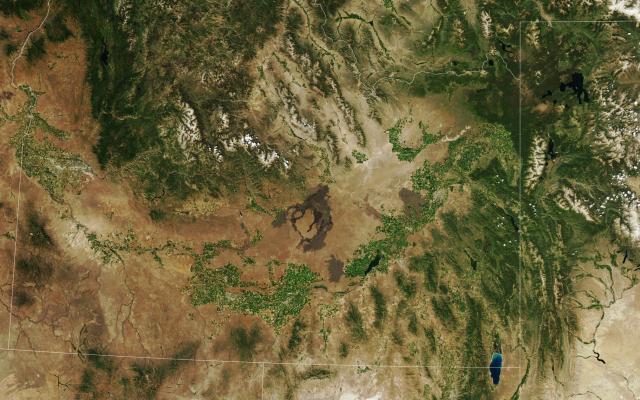
Idaho’s Potato Belt
Almost one-third of American potatoes are grown in the Snake River Plain, a belt of low-lying land in the southern part of the state.go.nasa.gov
#NASA
Titan - Overview
Saturn’s largest moon, Titan has an earthlike cycle of liquids flowing across its surface.NASA Solar System Exploration
"Hmm, what should our theme be for Expedition 42?"
#OTD in 2014, Expedition 42 launched to the @Space_Station aboard Soyuz TMA-15M. The mission included scientific experiments to find the answer to life, the universe, and everything.
More on the mission: go.nasa.gov/3tMvZbp
#NASAhistory
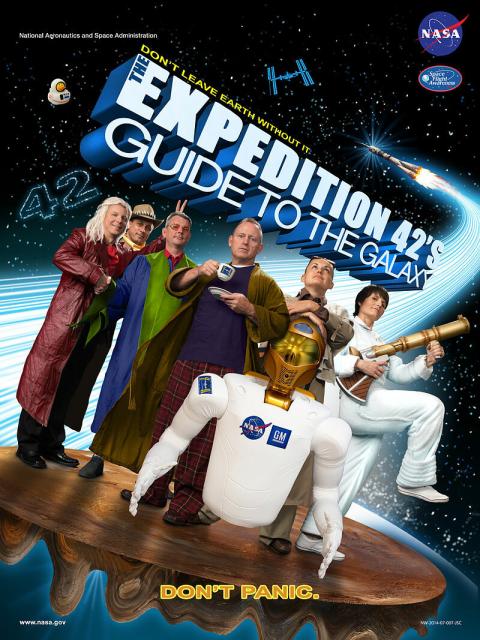
Expedition 42
NASA.gov brings you the latest images, videos and news from America's space agency. Get the latest updates on NASA missions, watch NASA TV live, and learn about our quest to reveal the unknown and benefit all humankind.NASA
What a great sense of humor!
There's some hoopy froods that really know where their towels are! Pan Galactic Gargle Blasters for everyone!🍸
#ISS
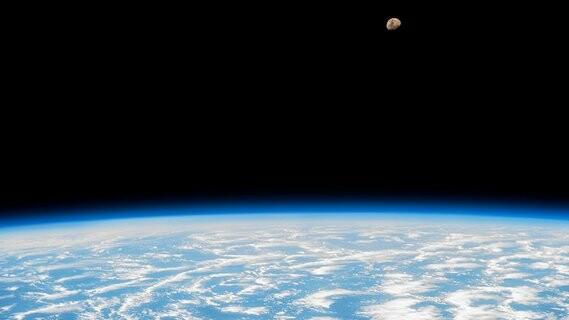
Crew Goes into Thanksgiving with Spacewalk and Dragon Preps
Four Expedition 68 astronauts will relax on Thanksgiving day as three cosmonauts continue preparing for a spacewalk on Friday.blogs.nasa.gov
The @EuropaClipper spacecraft is getting wheels, but they’re not for driving. The four large reaction wheels will spin nearly continuously to help keep the spacecraft oriented as it flies by Jupiter’s icy moon Europa. go.nasa.gov/3XsDnGn
#NASAJPL
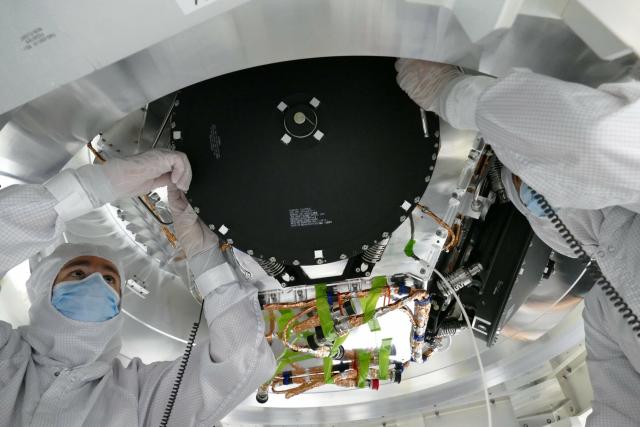
NASA’s Europa Clipper Gets Its Wheels for Traveling in Deep Space
The enormous spacecraft that will head to Jupiter’s moon Europa uses four large reaction wheels to help keep it oriented.NASA Jet Propulsion Laboratory (JPL)
Flight controllers unexpectedly lost data to and from @NASA_Orion at 1:09 am ET for 47 minutes while reconfiguring the communication link between Orion and the Deep Space Network. The team resolved the issue and Orion remains in a healthy configuration. go.nasa.gov/3XswKDZ
[Video embedded in original tweet]
#NASAArtemis #Artemis
What does @nasa have to do with cheese? Corn, soy, alfalfa and other foods for dairy cows all need water to grow.🐄
Some @NASAEarth satellites measure soil moisture or groundwater, helping farmers understand how much water is available for their plants. youtube.com/watch?v=ujOrbk9mJC…
#NASAEarth

Snacktime with NASA: Cheese Board
Snacktime with NASA digs into the science behind what’s on your plate from a tasty cheese board, to seafood, to fresh produce, to chips and dip. Food can bri...YouTube
Don't need the cows, just find a way to make 'cheese' in Space
#NASAhistory
#ISS
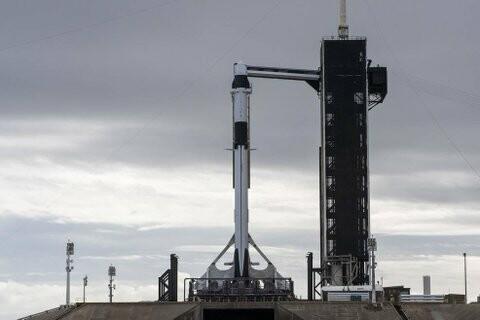
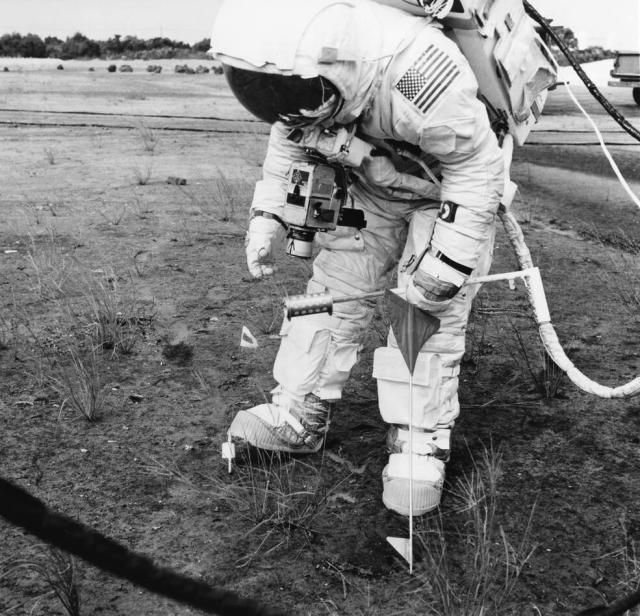
NASA Updates Coverage for Next SpaceX Resupply Launch to Space Station
NASA and SpaceX now are targeting 2:20 p.m. EST Saturday, Nov. 26, to launch the company’s 26th commercial resupply mission to the International Space Station.Roxana Bardan (NASA)

How to Practice Mindfulness Meditation
Mindfulness is important. How do we develop it?Karen Kissel Wegela Ph.D. (Psychology Today)
If you're interested in #meditation I recommend the awesome medito app. It's free and ad-free.
meditofoundation.org/medito-ap…

App - Medito Foundation
Free-forever meditation app. Made for people, not for profit.Medito Foundation
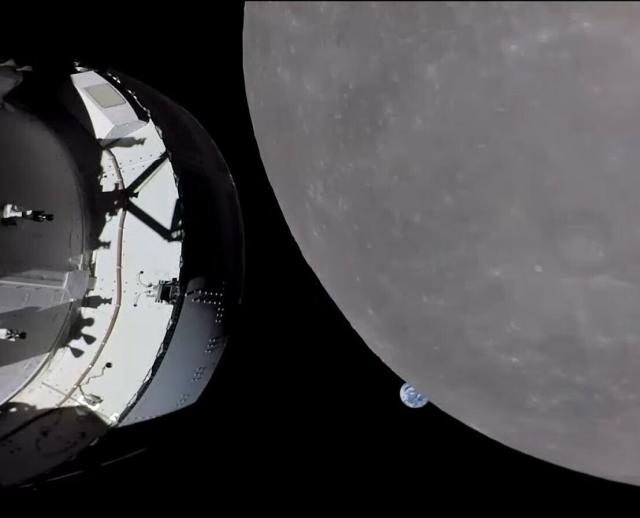
Earthset from Orion
Image Credit: NASA, Artemis 1
apod.nasa.gov/apod/ap221123.ht… #APOD

APOD: 2022 November 23 - Earthset from Orion
A different astronomy and space science related image is featured each day, along with a brief explanation.apod.nasa.gov


I see images like this often, as an avid scifi fan.
But this one is real!
It's unexpectedly moving.
You are here -> 🌏
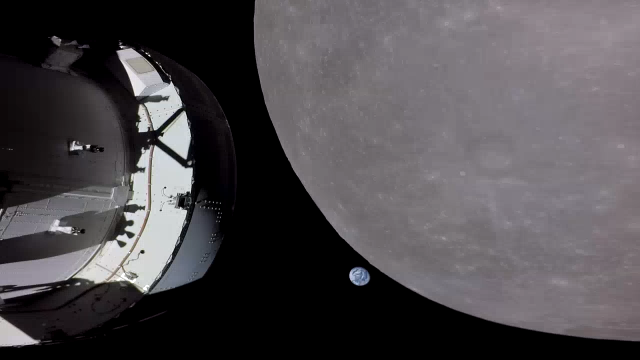
APOD: 2022 November 23 - Earthset from Orion
A different astronomy and space science related image is featured each day, along with a brief explanation.apod.nasa.gov
The @NASA_Orion spacecraft is now on its seventh day into the #Artemis I mission.
Orion will exit the lunar sphere of influence, or the gravitational pull of the Moon, at 11:31 pm ET (04:31 UTC) and continue traveling toward distant retrograde orbit. go.nasa.gov/3OuAUXS
#NASAArtemis #Artemis
Over millions of years, the Colorado River carved through ancient sedimentary rocks even as tectonic forces caused the entire landmass to rise. go.nasa.gov/3Ev4LLf
An astronaut on the @Space_Station took this photograph of the river. 🧑🚀 📸
#NASAEarth
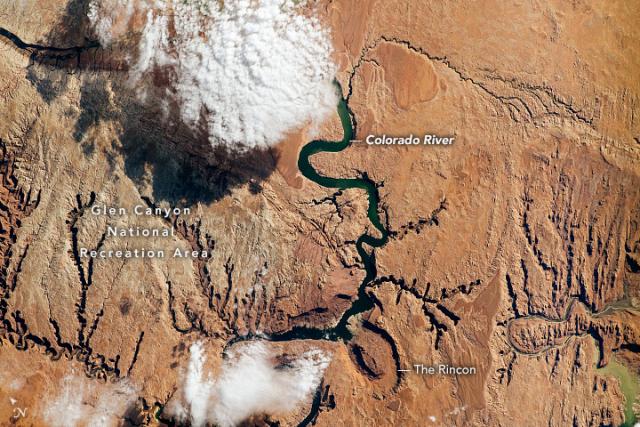
The Colorado River Cuts a Canyon
Over millions of years, the mighty river carved through old sedimentary rocks even as the landmass was rising.go.nasa.gov
#NASAEarth
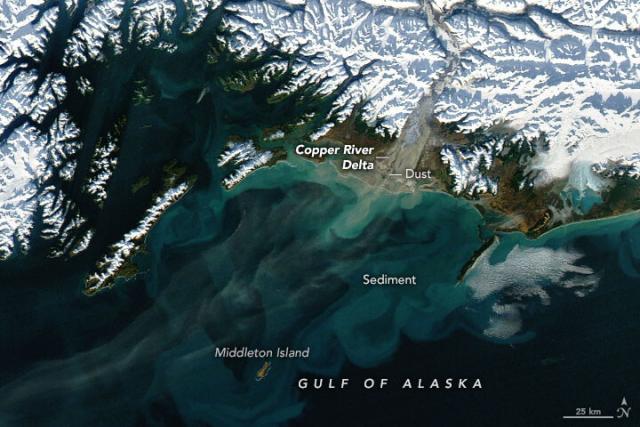
Dusty Copper River Delta
Plumes from this part of Alaska happen in autumn when winds are strong, water levels are low, and snow has not yet blanketed the floodplain.go.nasa.gov
#NASAJPL
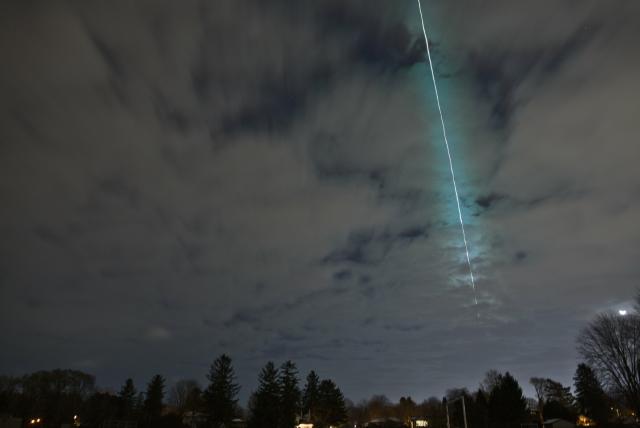
NASA Program Predicted Impact of Small Asteroid Over Ontario, Canada
2022 WJ1 was a tiny asteroid on a collision course with Earth. But astronomers saw it coming, and NASA’s Scout impact hazard assessment system calculated where it would hit.NASA Jet Propulsion Laboratory (JPL)

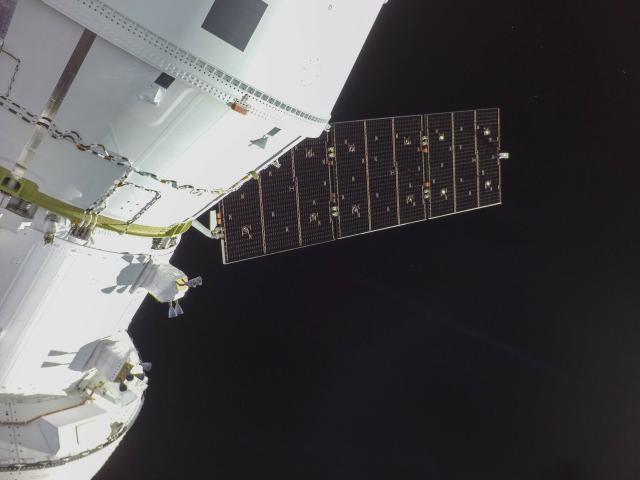
One of @NASA_Orion’s four solar arrays is seen in detail during deployment shortly after the uncrewed #Artemis I mission launched at 1:47 a.m. EST on Nov. 16, 2022.
Want to see more photos and video? Imagery is being added throughout the mission here: flic.kr/s/aHBqjAfKs1
#NASAArtemis #Artemis
#NASAExoplanets
NASA, ESA Reveal Tale of Death, Dust in Orion Constellation
In a tale of cosmic proportions, the region is being transformed by the massive stars that live and die within it.NASA Jet Propulsion Laboratory (JPL)
We want to hear from you!
Join our series of virtual and in-person meetings seeking to obtain public comments on the contents of the draft environmental impact statement for the Mars Sample Return Campaign being planned by @NASAJPL and @ESA. Here’s how: go.nasa.gov/3gniufj
#NASA
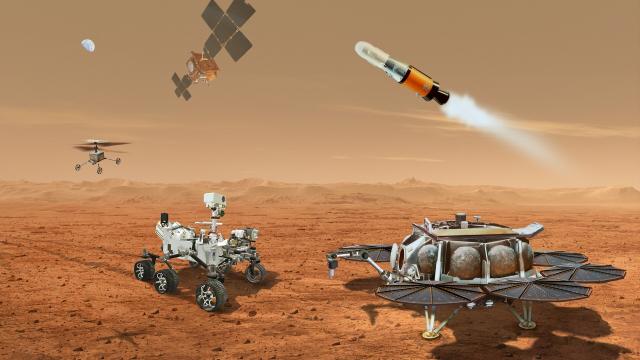
NASA Invites Public Comment on Plans for Mars Sample Return Campaign
NASA is seeking public comments on a draft environmental impact statement for the agency’s Mars Sample Return (MSR) campaign. Comments are due by Monday, Dec. 19.Gerelle Dodson (NASA)
#NASAMoon
#NASATechnology

#NASA
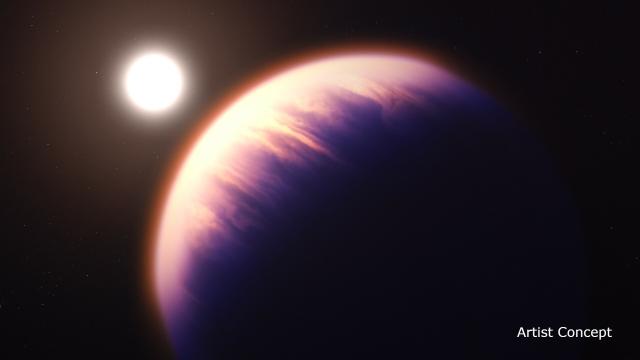
NASA’s Webb Reveals an Exoplanet Atmosphere as Never Seen Before
NASA’s James Webb Space Telescope just scored another first: a molecular and chemical profile of a distant world’s skies.Jamie Adkins (NASA)
#NASA
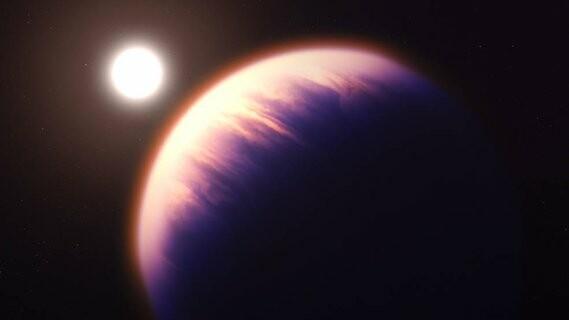
NASA’s Webb Reveals an Exoplanet Atmosphere as Never Seen Before
NASA’s James Webb Space Telescope just scored another first: a molecular and chemical profile of a distant world’s skies.Jamie Adkins (NASA)
These persevering students have shown they can tackle anything. They’re getting NASA’s “You’ve Got Perseverance” award, including a message from Mars and a chat with my mission team.
Has your student #gotperseverance? Nominate by Dec. 19: go.nasa.gov/gotperseverance
#PerseveranceRover
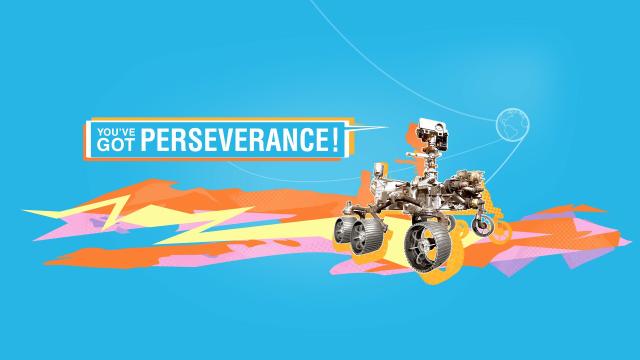

You've Got Perseverance! - NASA
The 'You've Got Perseverance!' opportunity is for students who have demonstrated perseverance in their academic pursuits.go.nasa.gov
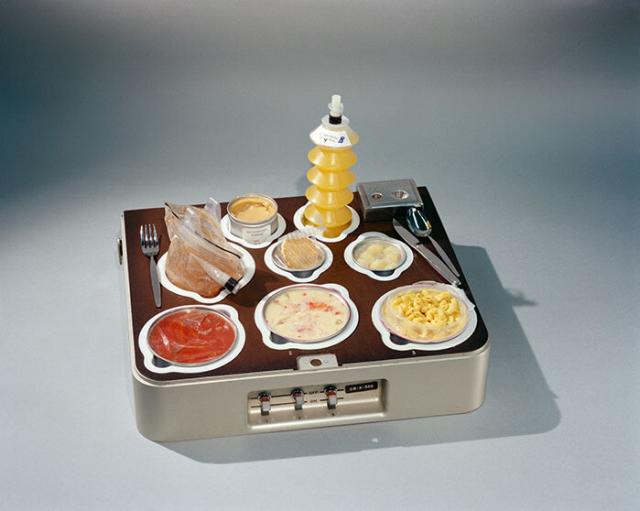
Pass the Tang-sgiving drink!
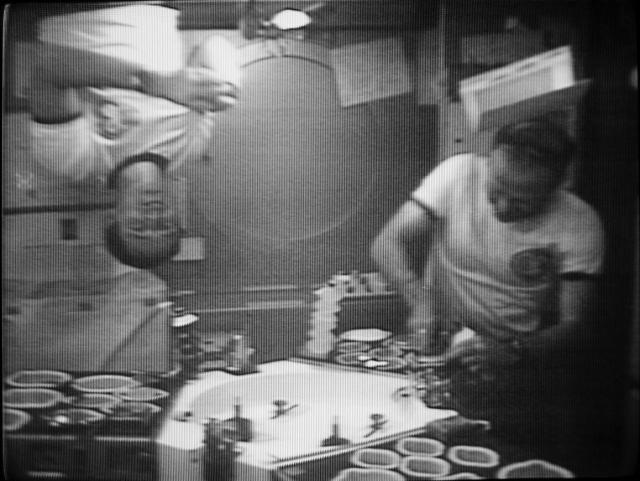
The first #Thanksgiving in space happened today in 1973. Skylab 4 astronauts Gerald Carr, Edward Gibson, and William Pogue celebrated after a grueling 6.5 hour spacewalk! Although no turkey was served, it was still a feast to be thankful for! 🦃
#NASAhistory
#NASAUniverse
NASA, ESA Reveal Tale of Death, Dust in Orion Constellation
In a tale of cosmic proportions, the region is being transformed by the massive stars that live and die within it.Tony Greicius (NASA)
#NASA
#NASAUniverse
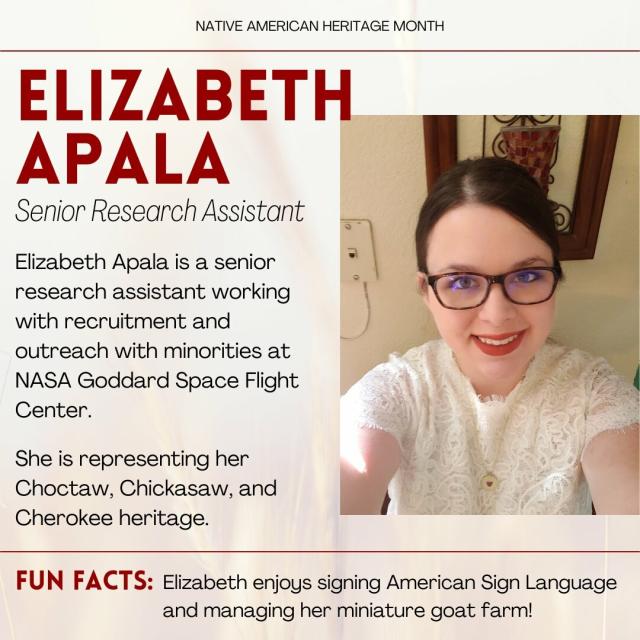
We are all connected by water. 💧
Meet some of the scientists and engineers contributing to a new Earth science mission, SWOT – a satellite that will track water on more than 90% of our world’s surface.
#NASAJPL
#NASASolarSystem
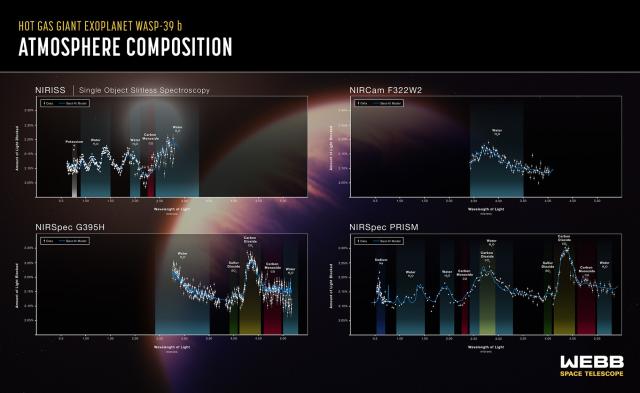
#HappyBirthday to former NASA astronaut Guion Bluford! 🥳
Dr. Bluford was the 1st Black American astronaut in space in 1983, and was a mission specialist on four Space Shuttle missions: STS-8, 61A, 39, and 53.
Read Dr. Bluford's recollections: go.nasa.gov/3AvAWcq
#NASAhistory
A tale of death and dust! ✨
A new image combining previously released data from three telescopes shows the Orion Nebula region is being transformed by the massive stars that live and die within it.
Learn more: go.nasa.gov/3tTHde0
#NASAJPL
NASA, ESA Reveal Tale of Death, Dust in Orion Constellation
In a tale of cosmic proportions, the region is being transformed by the massive stars that live and die within it.NASA Jet Propulsion Laboratory (JPL)
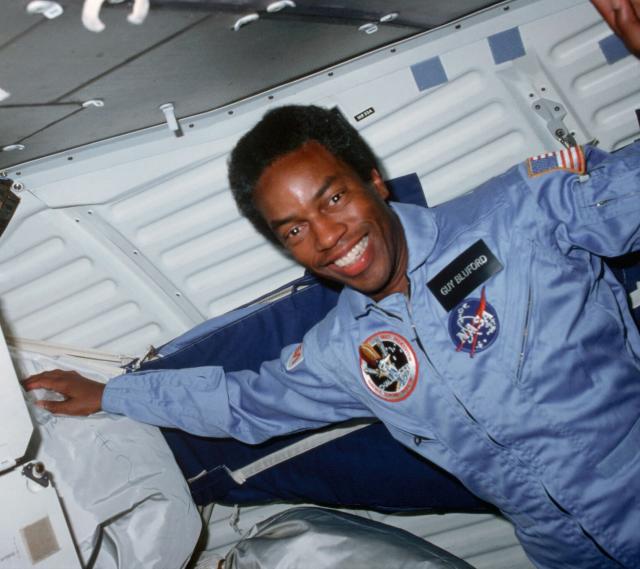
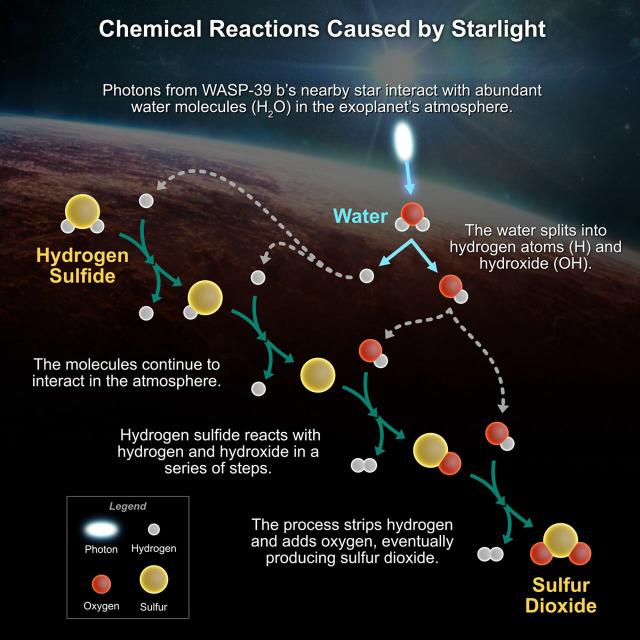
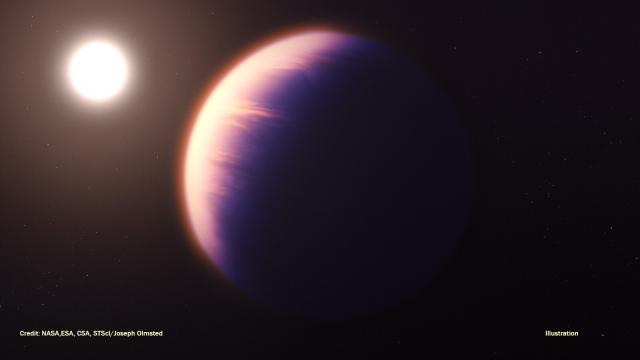
@NASAWebb's unprecedented observations of the exoplanet WASP-39 b read fingerprints of atoms and molecules, as well as signs of active chemistry and clouds! This Saturn-size giant orbits its star closer than Mercury is to our Sun. go.nasa.gov/3OqkAaI
#NASAExoplanets
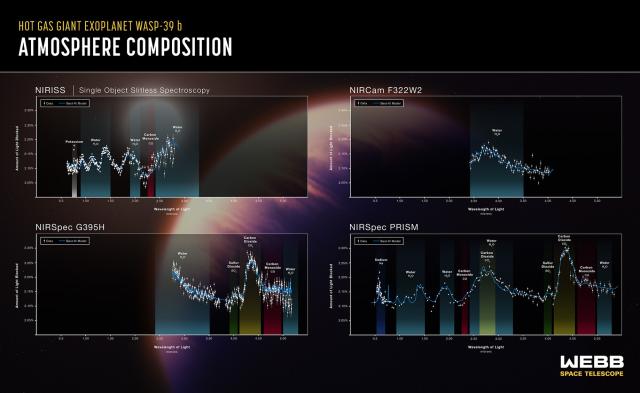
NASA's Webb Reveals an Exoplanet Atmosphere as Never Seen Before
Webb's firsts keep coming: Observations of WASP-39b show fingerprints of atoms and molecules, as well as signs of active chemistry and clouds.Exoplanet Exploration: Planets Beyond our Solar System
#NASAExoplanets
#NASAExoplanets
aleksranda
in reply to NASA • • •Jason
in reply to NASA • • •