
This narrated 3-D animation describes what the two @NASA_Astronauts will do today during today's spacewalk to install a new roll-out solar array. nasa.gov/live
[Video embedded in original tweet]
#ISS
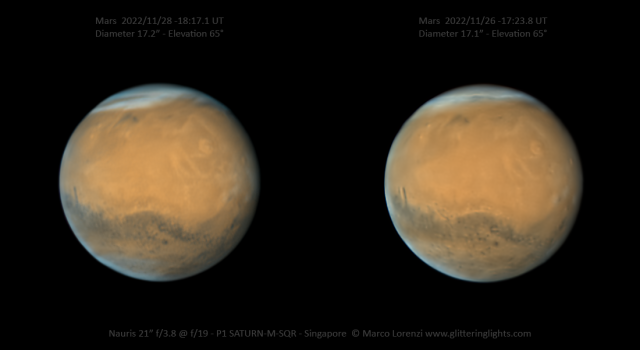
APOD: 2022 December 3 - Stereo Mars
A different astronomy and space science related image is featured each day, along with a brief explanation.apod.nasa.gov
Stereo Mars near Opposition
Image Credit & Copyright: Marco Lorenzi
apod.nasa.gov/apod/ap221203.ht… #APOD

APOD: 2022 December 3 - Stereo Mars
A different astronomy and space science related image is featured each day, along with a brief explanation.apod.nasa.gov
An aurora recently dipped south of the Arctic Circle and put on a show over mainland Nunavut and Hudson Bay.
The nighttime light of the aurora was detected by the @noaa @nasa Suomi NPP satellite. go.nasa.gov/3OTHEik
#NASAEarth
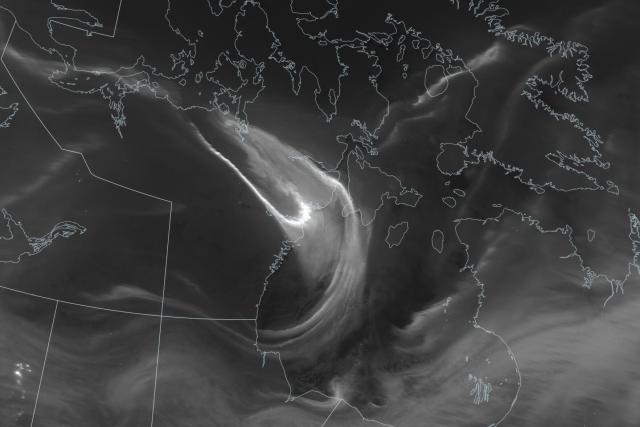
Vibrant Aurora Over Hudson Bay
The light show dipped south of the Arctic Circle, where it was especially bright over northeastern Canada.go.nasa.gov
.@NASA_Orion will reenter the lunar sphere of influence tomorrow, on Dec. 3, making the Moon the main gravitational force acting on the spacecraft.
The spacecraft will exit the lunar sphere of influence for a final time on Dec. 6. #Artemis go.nasa.gov/3OWzsxG
#NASAArtemis #Artemis
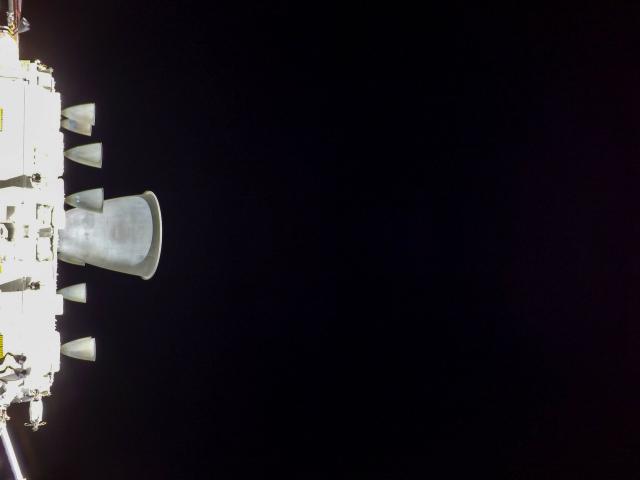
You must construct additional pylons. 🛠
Tune in Dec. 3 at 6am ET (1100 UTC) as @NASA_Astronauts Josh Cassada and Frank Rubio install a roll-out solar array to upgrade power generation on the @Space_Station's starboard structure: go.nasa.gov/3H6qfRr
#NASA

NASA to Provide Live Coverage of US Spacewalks Outside Space Station
Astronauts aboard the International Space Station will conduct a pair of U.S. spacewalks in December to install rollout solar arrays to increase electrical power in support of station operations and scientific research.Roxana Bardan (NASA)

Don’t miss the remaining coverage of the #Artemis I Moon mission: go.nasa.gov/3uiYzBd
Dec. 5, 9am ET (1400 UTC): Return lunar flyby
Dec. 5, 5pm ET (2200 UTC): Flyby debrief
Dec. 8, 5pm ET (2200 UTC): Splashdown preview
Dec. 11, 11am ET (1600 UTC): @NASA_Orion splashdown
#NASA
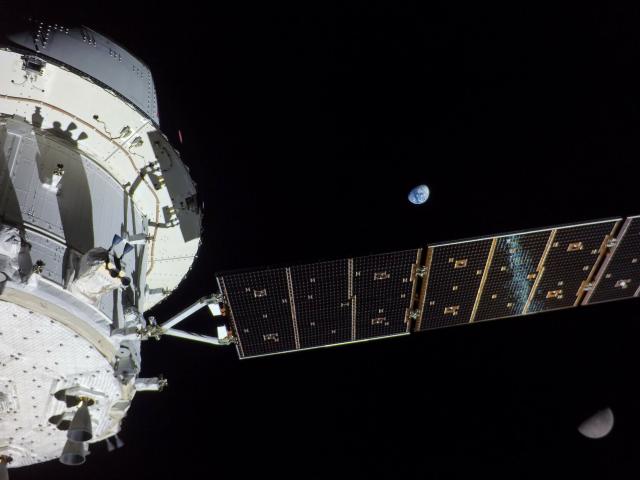
NASA Sets Coverage of Orion’s Historic Moon Mission Return, Splashdown
NASA will provide live coverage of the Artemis I uncrewed Orion spacecraft’s return flyby of the Moon on Monday, Dec. 5, as well as its return to Earth on Sunday, Dec. 11.Roxana Bardan (NASA)
go.nasa.gov/3h268cu
#ISS
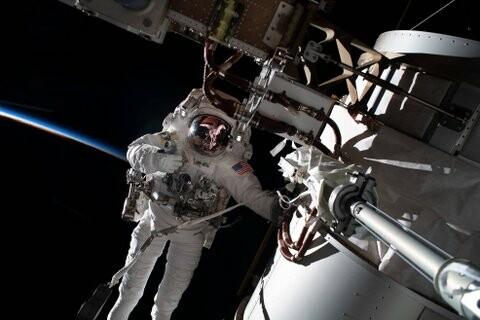
NASA to Provide Live Coverage of US Spacewalks Outside Space Station
Astronauts aboard the International Space Station will conduct a pair of U.S. spacewalks in December to install rollout solar arrays to increase electrical power in support of station operations and scientific research.Roxana Bardan (NASA)
#NASAhistory
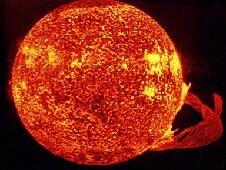
@NASAWebb used two of its cutting-edge science cameras, including MIRI (the Mid-Infrared instrument), to capture these galaxies blending together in a chaotic splash of dust and gas. go.nasa.gov/3ugh9Ky
#NASAJPL
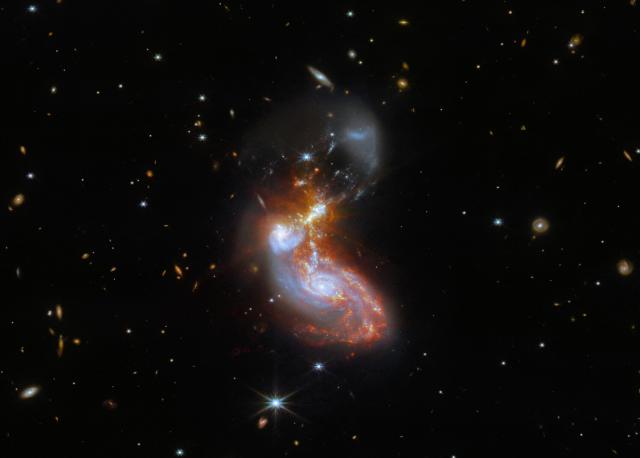
VP Harris, French President Get First Look at Galactic Get-Together
Vice President Kamala Harris and French President Emmanuel Macron previewed a new image of a pair of galaxies from the Webb telescope’s MIRI and NIRCam cameras.NASA Jet Propulsion Laboratory (JPL)
#NASAUniverse

Launch of ASTRO-1 – Dec. 2, 1990
This week in 1990, space shuttle Columbia, mission STS-35, launched from NASA’s Kennedy Space Center carrying Astronomy Laboratory 1 in its cargo bay.Lee Mohon (NASA)
Overgrown Christmas ornament or precision laser ranging spacecraft? This 1975 footage of the building of LAGEOS dug up from NASA's Archives cranks the sparkle factor up to 11! #ArchivesSparkle #ArchivesHashtagParty
Watch the whole film: go.nasa.gov/3B4iAiT
#NASAhistory
Laser Geodynamics Satellite (LAGEOS)
This 1975 NASA video highlights the development of LAser GEOdynamics Satellite (LAGEOS I) developed at NASA's Marshall Space Flight Center in Huntsville, Ala...YouTube
#ISS
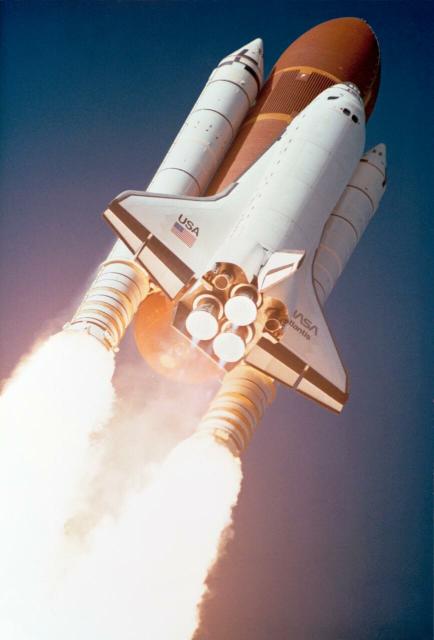
Match these Shuttle missions, all launched on Dec. 2! Answers in alt text.
1. STS-27
2. STS-35
3. STS-53
4. STS-61
A. 1st Hubble servicing mission
B. The 3rd classified DoD mission
C. NASA's Associate Administrator Bob Cabana was the pilot
D. Devoted to astronomical observation
#NASAhistory
#NASAUniverse
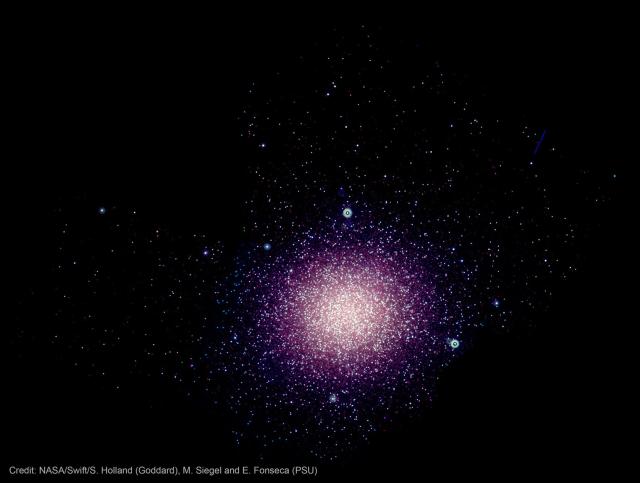
NASA - An Image Gallery Gift from NASA's Swift
The Swift team has selected more than 100 images to help celebrate eight years of operations of the satellite's Ultraviolet/Optical Telescope.go.nasa.gov
#ISS
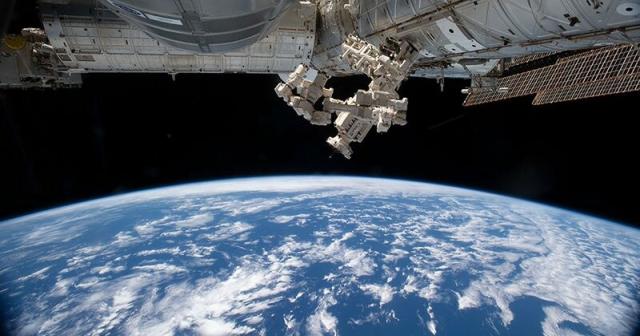
Astronauts Conduct Health Checks, Research Day Before Spacewalk
Two astronauts are preparing to exit the International Space Station on Saturday to install a new roll-out solar array.blogs.nasa.gov
Our next #StarrySights image shows a cosmic youngster... at a whopping 10 million years old!
NGC 1858 is both an open cluster and an emission nebula. Astronomers believe that star formation within this cluster is ongoing or has very recently occurred: go.nasa.gov/3FnGAjI
#Hubble
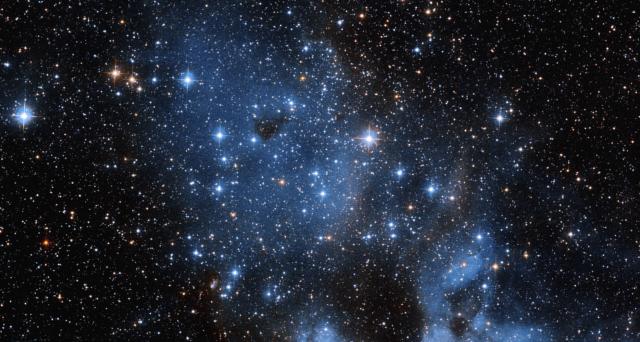
Hubble Spies Emission Nebula-Star Cluster Duo
This whole collection is NGC 1858, an open star cluster in the northwest region of the Large Magellanic Cloud, a satellite galaxy of our Milky Way that boasts an abundance of star-forming regions.Andrea Gianopoulos (NASA)
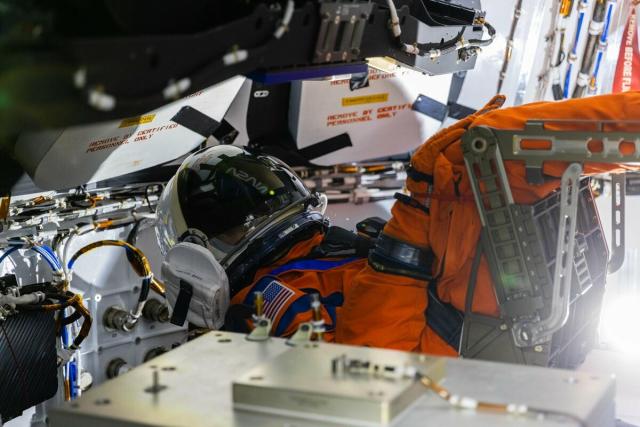
The purposeful passengers aboard @NASA_Orion — Commander Moonikin Campos, Helga, and Zohar — have a very unique view of the Moon during the #Artemis I mission.
They recently "live-tweeted" their experience. Check it out: twitter.com/i/events/159836215…
#NASAArtemis #Artemis
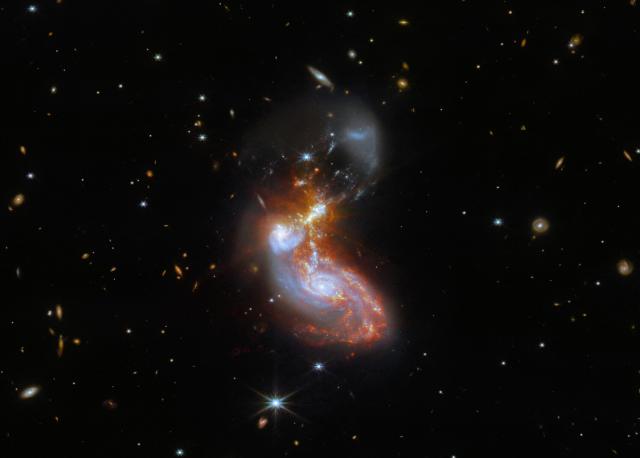
APOD: 2022 December 2 - Merging Galaxy Pair IIZw096
A different astronomy and space science related image is featured each day, along with a brief explanation.apod.nasa.gov
Merging Galaxy Pair IIZw096
Image Credit: ESA/Webb, NASA & CSA, L. Armus, A. Evans
apod.nasa.gov/apod/ap221202.ht… #APOD

APOD: 2022 December 2 - Merging Galaxy Pair IIZw096
A different astronomy and space science related image is featured each day, along with a brief explanation.apod.nasa.gov
#NASATechnology
#NASASolarSystem
NASA Skywatching Home
What’s visible in the night sky? Get skywatching tips and resources from NASA.NASA Solar System Exploration
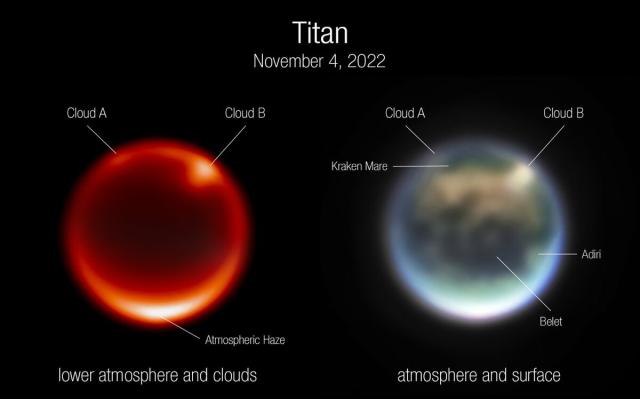
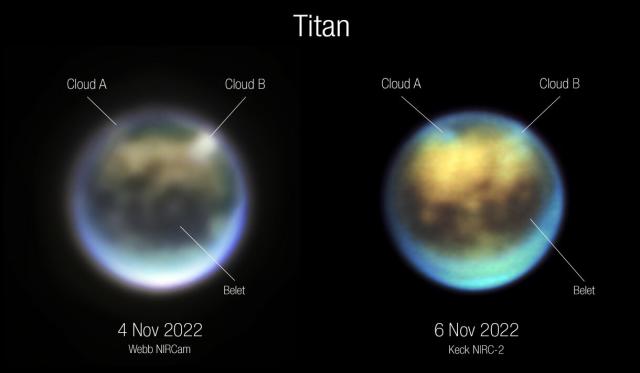
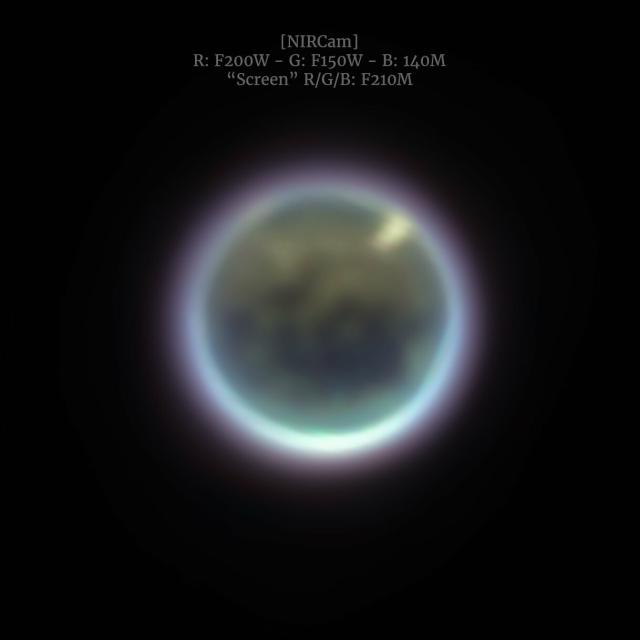
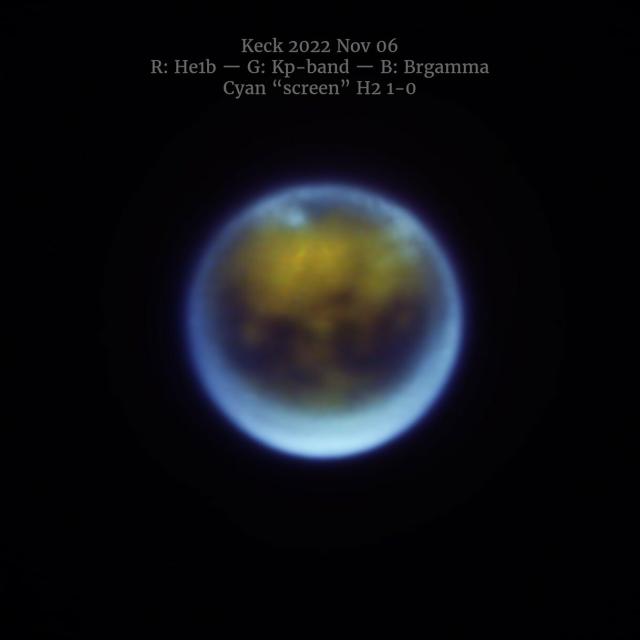
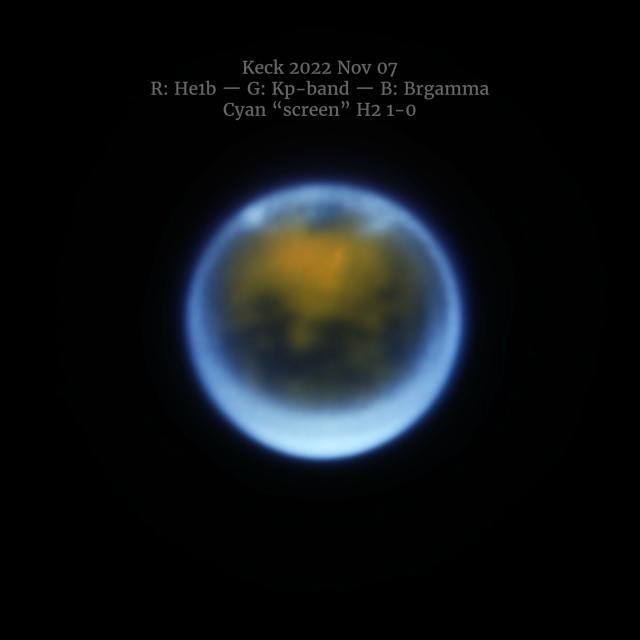
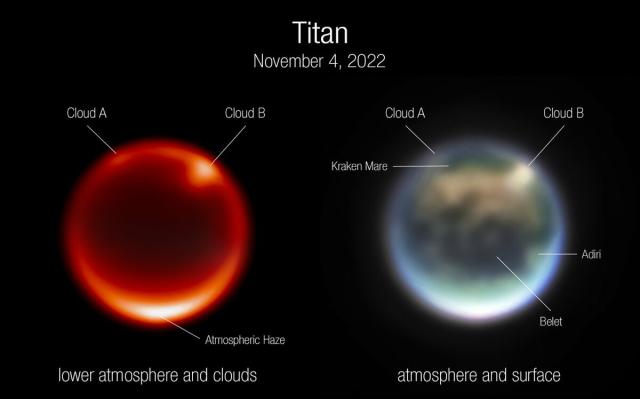
🪐 Saturn’s moon Titan has fascinated planetary scientists for decades.
The Cassini mission discovered liquid methane seas beneath a thick, nitrogen-rich atmosphere. Now, @NASAWebb continues to explore: go.nasa.gov/3FijpXN
#NASAJPL
#NASAArtemis #Artemis
NASA: Artemis I
Artemis I will be the first in a series of increasingly complex missions to build a sustained human presence at the Moon for decades to come.NASA
#NASAExoplanets
LIVE NOW: The @NASA_Orion spacecraft is performing the first of two maneuvers to exit lunar orbit and begin its journey from the Moon back to Earth.
The burn is scheduled to begin at 4:53pm ET (21:53 UTC). #Artemis twitter.com/i/broadcasts/1mnxe…
#NASA
LIVE NOW: The @NASA_Orion spacecraft is performing the first of two maneuvers to exit lunar orbit and begin its journey from the Moon back to Earth.
The burn is scheduled to begin at 4:53pm ET (21:53 UTC). #Artemis twitter.com/i/broadcasts/1mnxe…
[Video embedded in original tweet]
#NASA
#NASAExoplanets
Ready for more #StarrySights? 🌟
This newly released Hubble image shows the open star cluster BSDL 2757. Bright, blue white stars pierce through the rusty-red tones of gas and dust clouds.
Discover more: go.nasa.gov/3VoJNoF
#Hubble
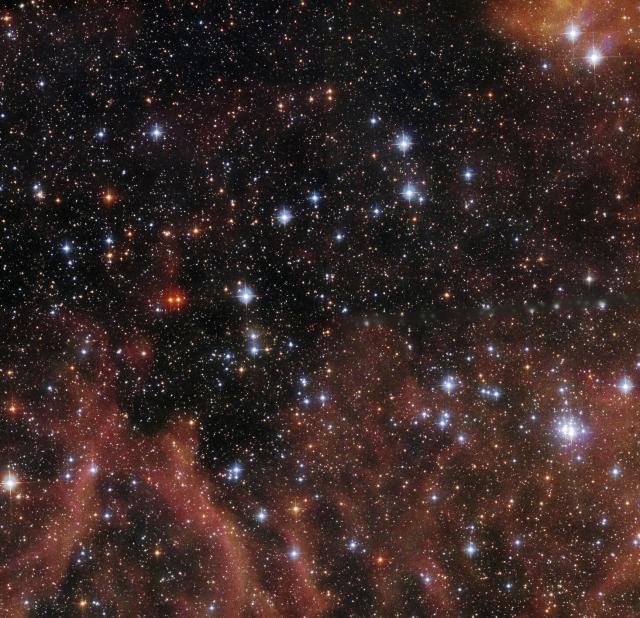
Hubble Views a Cloud-Filled, Starry Scene
Bright, blue-white stars of the open cluster BSDL 2757 pierce through the rusty-red tones of gas and dust clouds in this NASA Hubble Space Telescope image.Andrea Gianopoulos (NASA)
#NASAhistory
#NASA
#NASAUniverse
I thought I wouldn’t understand anything but I still gave it a try. This was very informative! (I understood everything).
Thank you!
#ISS
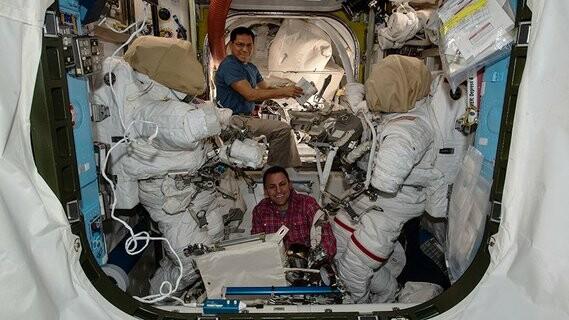
Astronauts Prepare to Grow Tomatoes, Get Ready for Spacewalk
The Expedition 68 crew began installing a new space botany experiment today while gearing up for a spacewalk planned for this weekend.blogs.nasa.gov
#NASATechnology
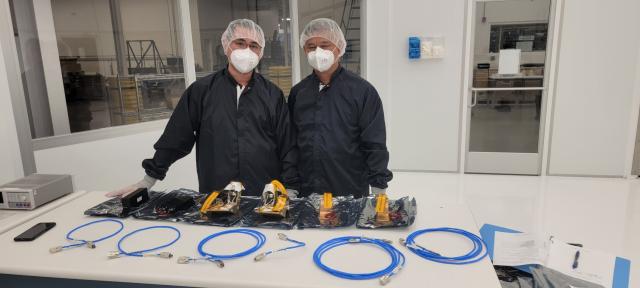
Tiny NASA Cameras to Watch Commercial Lander form Craters on Moon
This little black camera looks like something out of a spy movie — the kind of device one might use to snap discrete photos of confidential documents.Joe Atkinson (NASA)
#NASASolarSystem
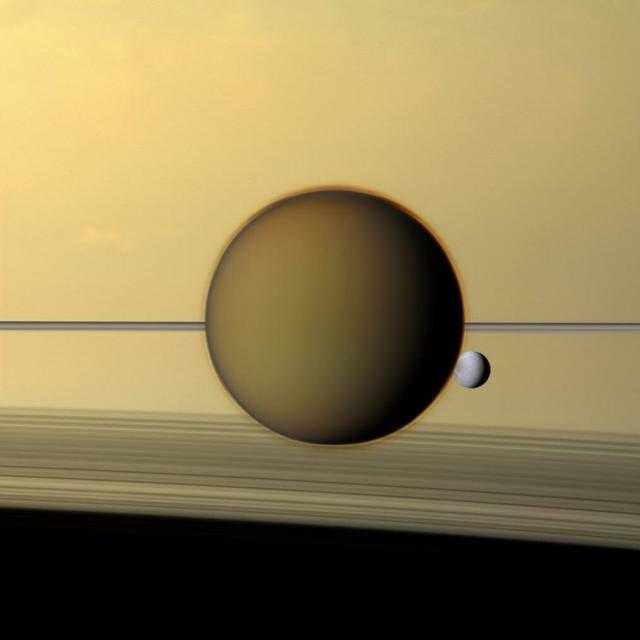
Titan - Overview
Saturn’s largest moon, Titan has an earthlike cycle of liquids flowing across its surface.NASA Solar System Exploration
Hey, stargazers!
What's Up for December? The Moon is on the move, slipping past Jupiter (twice!) and passing in front of Mars, while the winged stallion constellation, Pegasus, will be on view. 👀
✨ More skywatching tips: go.nasa.gov/3zLnOgh
#NASAJPL
NASA Skywatching Home
What’s visible in the night sky? Get skywatching tips and resources from NASA.NASA Solar System Exploration
#NASASolarSystem
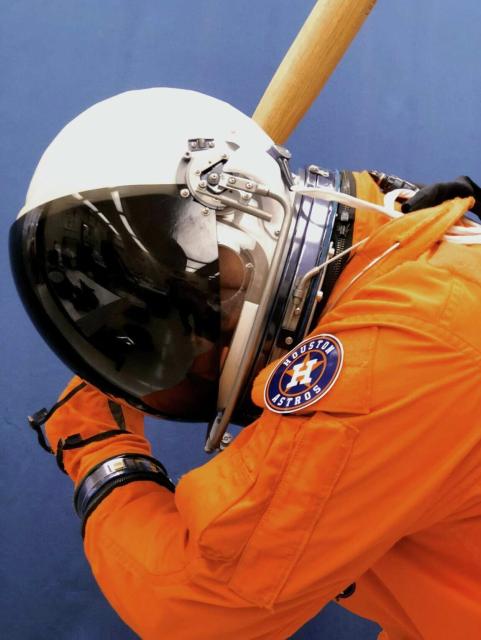
(Out of this) World Champions!
#OTD in 1964, the Houston Colt .45s baseball team changed its name to the Houston @astros reflecting the city's new fame as home to the Manned Spacecraft Center (later renamed @NASA_Johnson).
#NASAhistory
CaptJack
in reply to NASA • • •