
#ISS
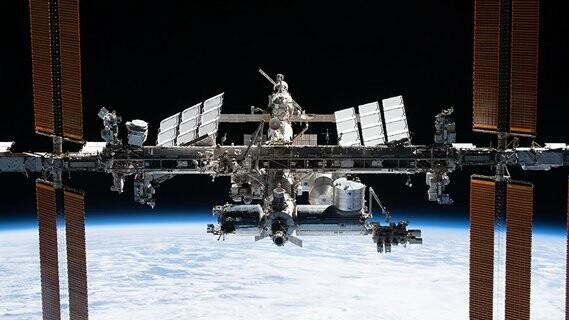
Space Station Maneuvers to Avoid Debris After Conjunction Postpones Spacewalk
The International Space Station conducted a Pre-Determined Debris Avoidance Maneuver (PDAM) today, Dec. 21, at 8:42 a.m. EST.go.nasa.gov
Meet some #NASAExplorers who really rock!
These researchers at @NASAGoddard study Moon rocks brought back by Apollo astronauts to learn more about our solar system and our own origins in it. They’re prepping to do the same with rocks from @NASAArtemis.
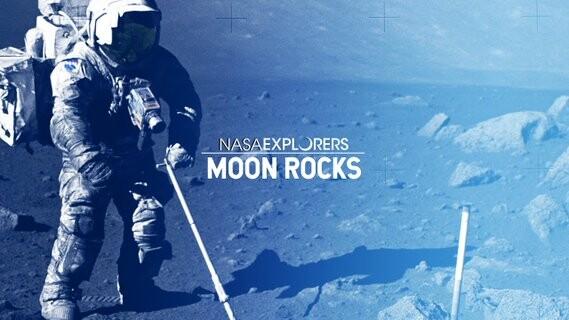
NASA Explorers Season 5, Episode 2: Moon Rocks
Meet NASA’s rock detectives. Using tiny samples of lunar rock brought back by Apollo astronauts, these NASA Explorers are looking into the origins of our Moo...YouTube
Cancel your holiday plans, we're going to the Moon!
With the urgency of the Space Race in full effect, Apollo 8 astronauts Frank Borman, Bill Anders, and Jim Lovell launched from @NASAKennedy #OTD in 1968.
More about the first crewed mission to the Moon: go.nasa.gov/3j6pVsc
#NASAhistory
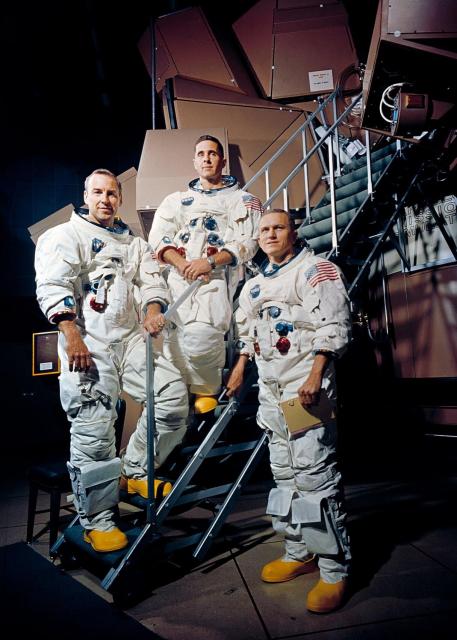
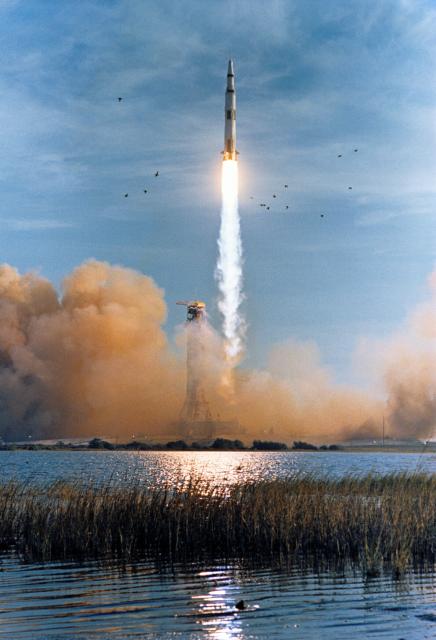
To the Moon and Back: Apollo 8 and the Future of Lunar Exploration
In mid-August of 1968, astronauts Frank Borman, Jim Lovell and William Anders received a call telling them to cancel their winter holiday plans — they were going to the Moon.Karl Hille (NASA)
#ISS
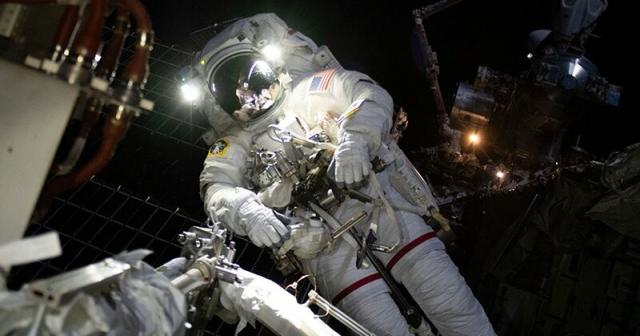
NASA Spacewalk Postponed Due to Debris Avoidance
While flight control teams were preparing for today's U.S. spacewalk, updated tracking data on a fragment of Russian Fregat-SB upper stage debris showed a close approach to station.go.nasa.gov
Sun Halo at Sixty-three Degrees North
Image Credit & Copyright: Goran Strand
apod.nasa.gov/apod/ap221221.ht… #APOD

APOD: 2022 December 21 - Sun Halo at Sixty three Degrees North
A different astronomy and space science related image is featured each day, along with a brief explanation.apod.nasa.gov
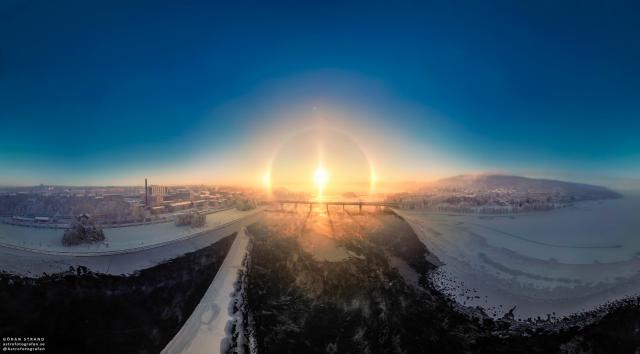
APOD: 2022 December 21 - Sun Halo at Sixty three Degrees North
A different astronomy and space science related image is featured each day, along with a brief explanation.apod.nasa.gov
👩🚀📸: go.nasa.gov/3jhgWVc
#NASAEarth

Strait of Messina
Sunglint, waves, and ship wakes are visible on the waters between Italy’s Calabria region and Sicily.go.nasa.gov
This map shows lightning flashes detected by a sensor on the @Space_Station in the span of two minutes during a Dec. 13 storm. 🌩️
Size represents number of lightning flashes. Colors indicate flash brightness. The data are overlaid on a @noaa GOES image. go.nasa.gov/3hNlp1c
#NASAEarth
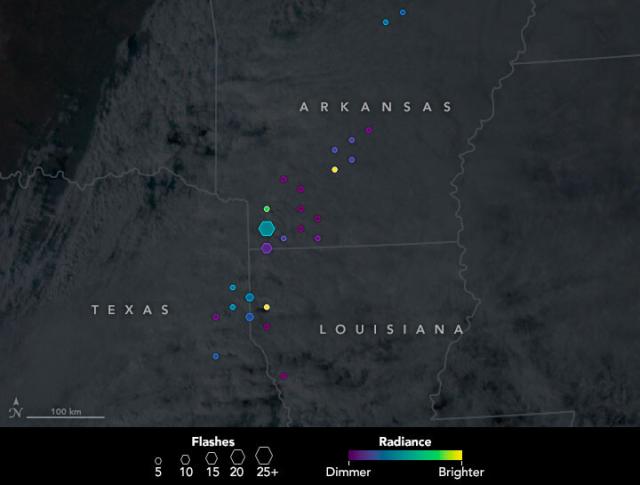
Lightning in the U.S. South
Dangerous thunderstorms and destructive tornadoes lashed the U.S. South amid a sprawling winter storm in December 2022.go.nasa.gov
What will the Moon look like on your (or your pet's) next birthday, your anniversary, or on another special day?
Check out the Moon phase for each day in 2023, courtesy of our Lunar Reconnaissance Orbiter and Scientific Visualization Studio:
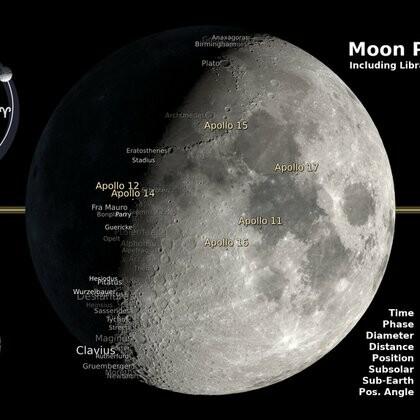
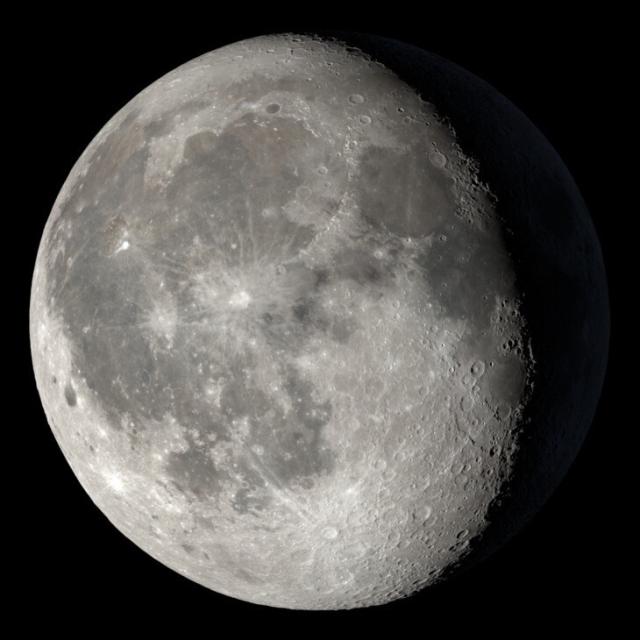
#NASAMoon
#NASAExoplanets
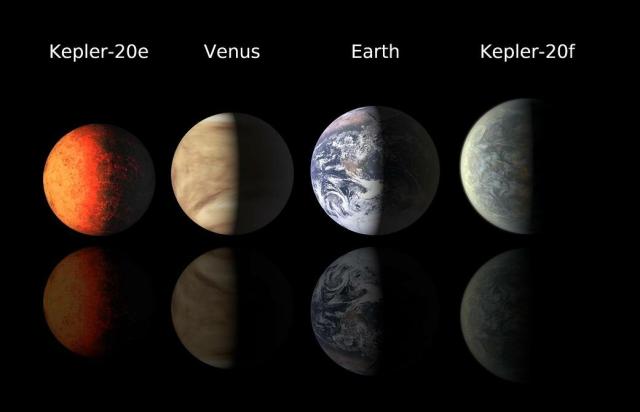
Kepler-20e -- The Smallest Exoplanet (Artist's Concept) - Exoplanet Exploration: Planets Beyond our Solar System
This artist's animation flies through the Kepler-20 star system, where NASA's Kepler mission discovered the first Earth-size planets around a star beyond our own.Exoplanet Exploration: Planets Beyond our Solar System
#ISS
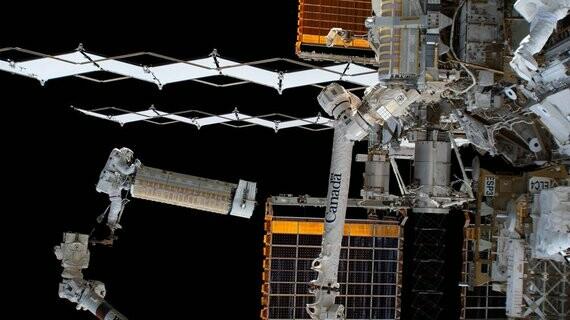
NASA to Air Live Coverage of US Spacewalk for Solar Array Installation
NASA astronauts aboard the International Space Station will conduct a spacewalk on Wednesday, Dec. 21, to install a rollout solar array to increase electrical power in support of operations and scientific research.Gerelle Dodson (NASA)
#ISS
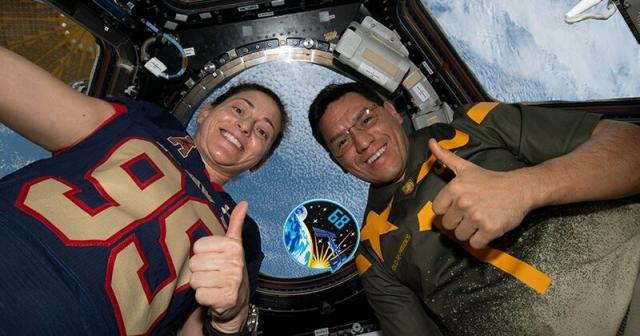
Spacewalk Preps Under Way During Multitude of Science Experiments
Two Expedition 68 astronauts are preparing to exit the International Space Station on Wednesday and augment the orbiting lab’s power generation system.blogs.nasa.gov
#NASAExoplanets
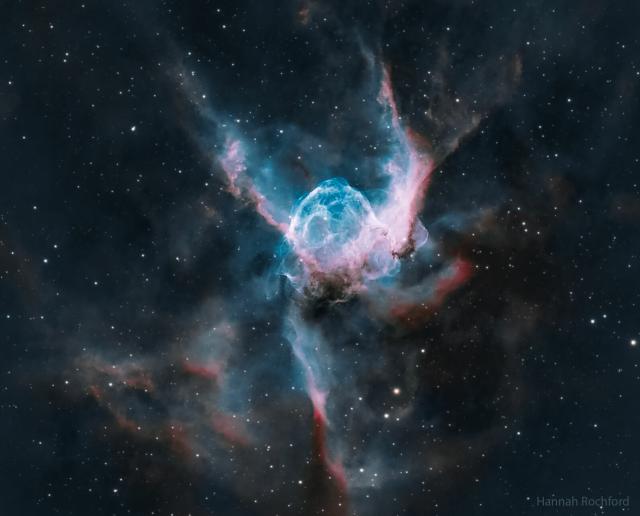
APOD: 2022 December 20 - Thors Helmet
A different astronomy and space science related image is featured each day, along with a brief explanation.apod.nasa.gov
#NASAhistory
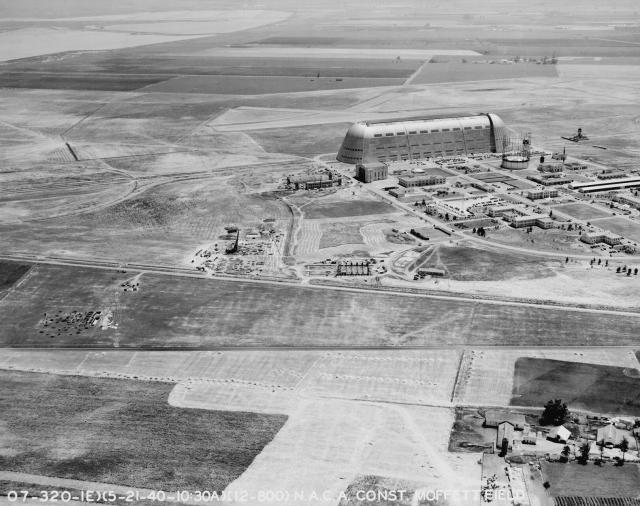
History of Ames Research Center
NASA.gov brings you the latest images, videos and news from America's space agency. Get the latest updates on NASA missions, watch NASA TV live, and learn about our quest to reveal the unknown and benefit all humankind.NASA
The new @NearSpaceNet antennas will enhance direct-to-Earth communications – the process by which a satellite takes a picture and then sends the image over radio waves to an antenna on Earth. 🛰📸🌏
Learn more: go.nasa.gov/3G4Q8QY
#NASAEarth
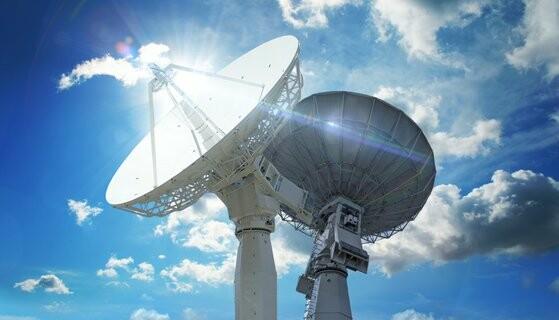

NASA Enables Future of Science Observation through Tri-band Antennas
NASA’s Near Space Network enables spacecraft exploring the solar system to send back essential science data for researchers and scientists to investigate and make profound discoveries.Katherine Schauer (NASA)
O Trappist-1, O Trappist-1, how lovely are thy planets!
We know you are all eagerly awaiting Webb's look at this system of 7 Earth-sized worlds. The telescope has observed all the planets, and preliminary results (including atmospheric properties) will be out in the new year!
#JamesWebb
.@nasa scientists are developing AI to help guide future astronauts’ navigation of the Moon using lunar landmarks and data gathered from the Lunar Reconnaissance Orbiter.
This new tech could help where GPS is unreliable: go.nasa.gov/3jgbC4g
#NASAArtemis #Artemis
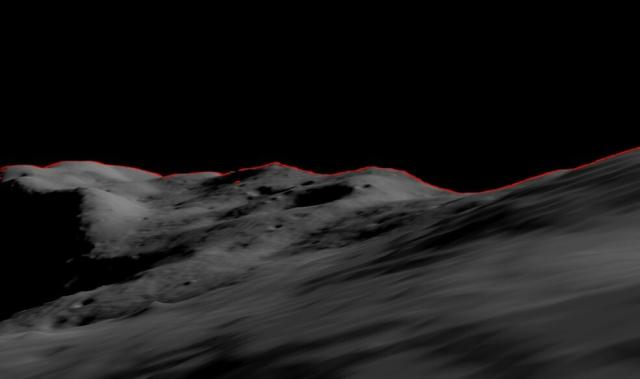
Steering by Landmarks – On the Moon
A NASA engineer is teaching a machine to use features on the Moon’s horizon to navigate across the lunar surface.Karl Hille (NASA)
Thor's Helmet
Image Credit & Copyright: Hannah Rochford
apod.nasa.gov/apod/ap221220.ht… #APOD

APOD: 2022 December 20 - Thors Helmet
A different astronomy and space science related image is featured each day, along with a brief explanation.apod.nasa.gov

#ISS
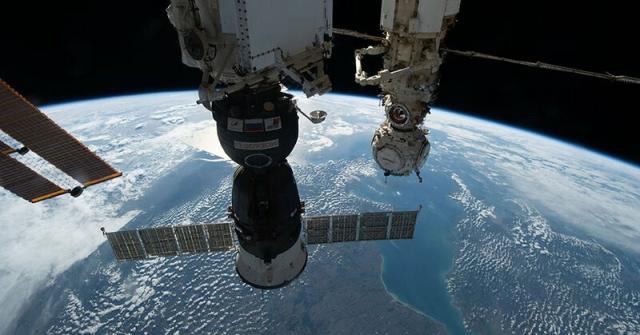
Week Begins with Bone Research, Cargo Operations Ahead of Spacewalk
Life science and cargo operations kicked off the week for the Expedition 68 crew aboard the International Space Station.blogs.nasa.gov
Like #Apollo17 astronaut Harrison Schmitt throwing his rock hammer before heading into the lunar module for the last time, we’re throwing this lunar panorama here. That’s all folks for #Apollo50th!
The hammer throw: apolloinrealtime.org/17/?t=170…
#NASAhistory
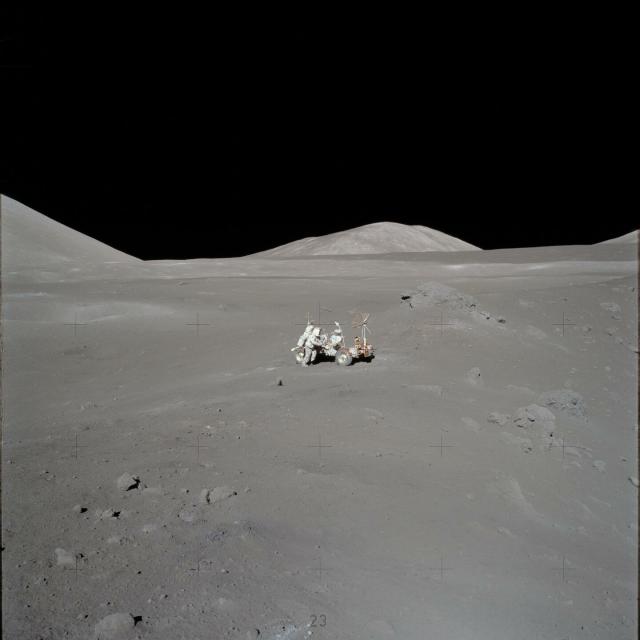
Apollo 17 in Real Time
A real-time interactive journey through the last landing on the Moon. Relive every moment as it occurred in 1972.Apollo 17 in Real Time
#NASAEarth


Worst Drought on Record Parches Horn of Africa
The most severe drought in 70 years of record keeping threatens the Horn of Africa with famine.go.nasa.gov
🏆 Among stellar company!
For its significant contributions to science and discovery, the James Webb Space Telescope was selected for the 2022 Bloomberg Businessweek 50 – an annual unranked list of icons, leaders, and innovators.
More: nasa.gov/feature/goddard/2022/…
#JamesWebb

NASA Webb Telescope Selected for Bloomberg Businessweek’s Bloomberg 50
NASA’s James Webb Space Telescope was selected for the 2022 Bloomberg 50, its annual list of icons, leaders, and innovators that have changed the global business landscape over the past year.Jamie Adkins (NASA)
A once overlooked giant planet may be spiraling into its fiery hot star! exoplanets.nasa.gov/news/1718/…
#NASAExoplanets
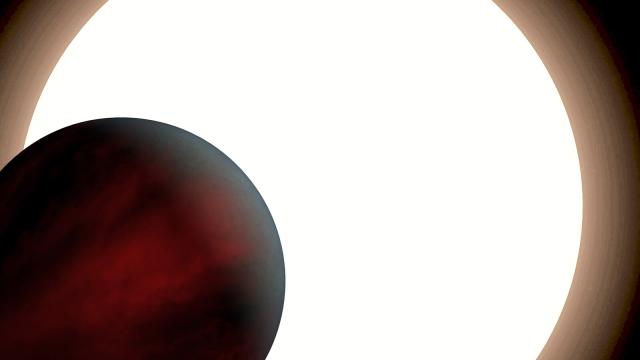
Discovery Alert: For This Familiar Planet, a Death Spiral
A previously discovered "hot Jupiter" appears to be spiraling into its star, new data shows.Exoplanet Exploration: Planets Beyond our Solar System

Social scientist Jason Vargo studies the intersection of severe weather events, their health impacts, and community development in his role as a researcher at @SFFED.
In this audio story, hear how @NASAEarth science data is making his job easier.
🎧: go.nasa.gov/3BNcK5S
#NASAEarth
Splashdown!
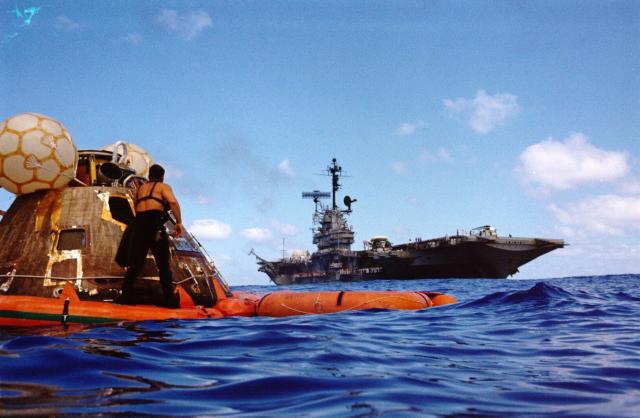
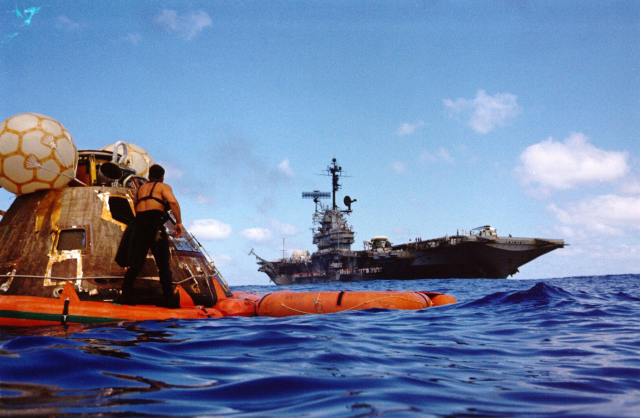
After 12 days and 14 hours in space, the #Apollo17 astronauts splashed down in the Pacific Ocean at 2:25 pm EST #OTD in 1972. It was the longest of all the Apollo missions with the most samples retrieved and photos taken. #Apollo50th
#NASAhistory
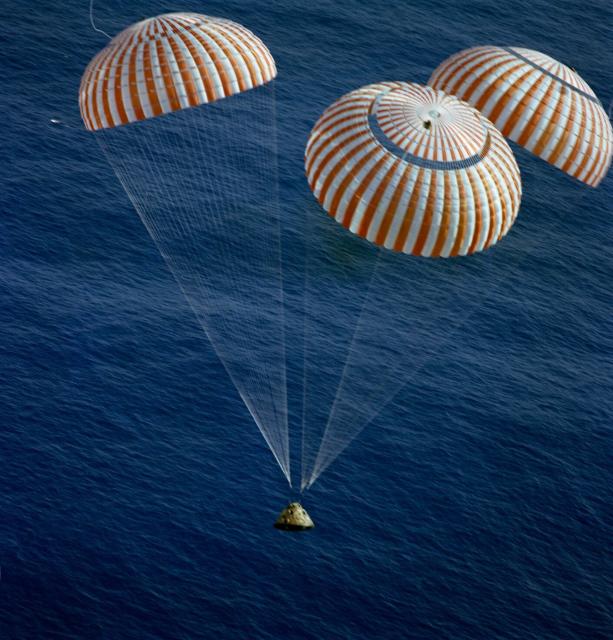
When #Apollo17 splashed down in the Pacific, a recovery team was waiting on the USS Ticonderoga just 6.4 km (4 mi) away to pick up the astronauts and the lunar samples inside the CM.
Read more about the mission’s return to Earth: go.nasa.gov/3V92HyF
#NASAhistory
Apollo 17 Splash Down Ends the Beginning of Lunar Exploration
On Dec. 19, 1972, Apollo 17 astronauts Eugene A. Cernan, Ronald E. Evans, and Harrison H. “Jack” Schmitt, the first trained geologist to travel to the Moon, successfully ended their 13-day Moon landing mission with a splashdown in their Command Modul…Kelli Mars (NASA)
Are we there yet?
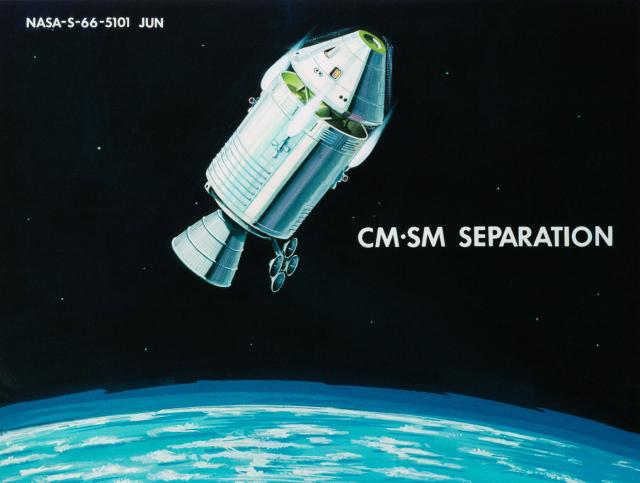
Almost! 50 years ago today, in preparation for #Apollo17’s descent through Earth’s atmosphere, the Service Module, which powered the mission’s flight to the Moon and back, was separated from the Command Module. #Apollo50th
#NASAhistory
Apollo 17, the most recent mission to land on the Moon, splashed down in the Pacific Ocean today (Dec. 19) in 1972.
What we learned from Apollo is preparing us for @NASAArtemis missions, which will return humanity to the lunar surface. go.nasa.gov/3BNkXHe
#NASA
Apollo 17 Splash Down Ends the Beginning of Lunar Exploration
On Dec. 19, 1972, Apollo 17 astronauts Eugene A. Cernan, Ronald E. Evans, and Harrison H. “Jack” Schmitt, the first trained geologist to travel to the Moon, successfully ended their 13-day Moon landing mission with a splashdown in their Command Modul…Kelli Mars (NASA)
Details: go.nasa.gov/3FzEXhA
More about the solar system's largest planet: solarsystem.nasa.gov/jupiter
#NASASolarSystem
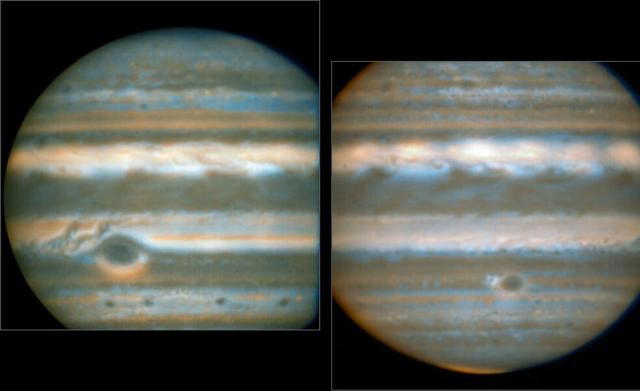
40-Year Study Finds Mysterious Patterns in Temperatures at Jupiter
Based partly on data from generations of NASA missions, including NASA’s Voyager and Cassini, the work could help scientists determine how to predict weather on Jupiter.Tony Greicius (NASA)
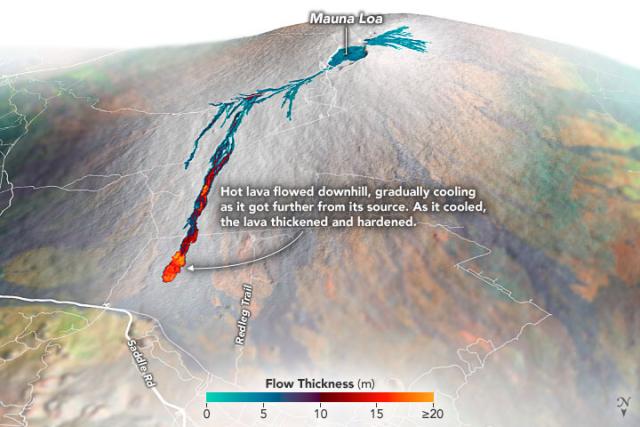
These airborne measurements helped @usgs scientists calculate that 230 million cubic meters of molten rock poured from the volcano during the two-week eruption.
Full story: go.nasa.gov/3hAKBrM
#NASAEarth

Sizing up Mauna Loa’s Lava Flows
Airborne mapping of the thickness of the lava flows helped scientists calculate that 230 million cubic meters of molton rock poured from the volcano during the two-week eruption.go.nasa.gov
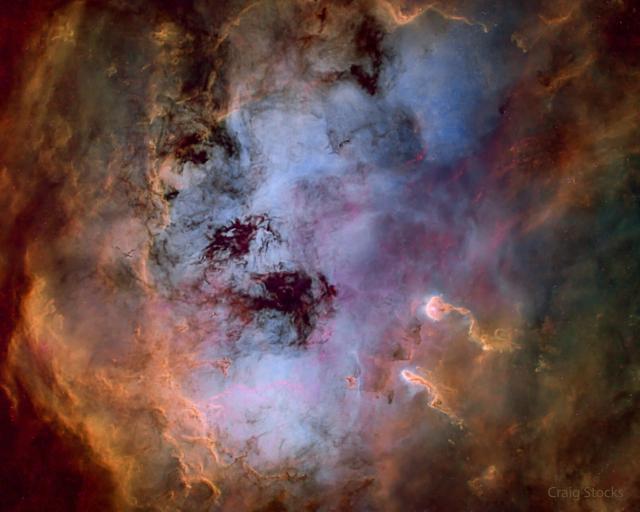
APOD: 2022 December 19 - The Tadpole Nebula in Gas and Dust
A different astronomy and space science related image is featured each day, along with a brief explanation.apod.nasa.gov
Then and now.
Discover the differences and similarities between launch and recovery during the Apollo missions and the #Artemis I flight test around the Moon. See how @NASA_SLS and @NASA_Orion broke records and made history: go.nasa.gov/3HMQFrP
#NASAArtemis #Artemis
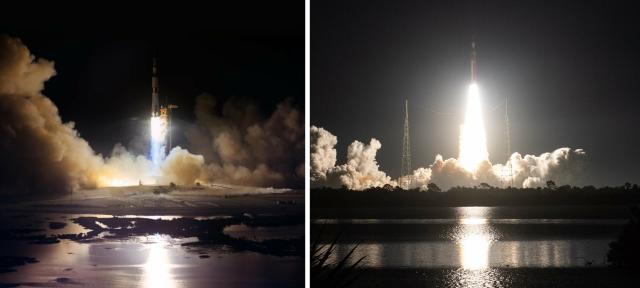
Then and Now: Apollo to Artemis
More than 50 years ago, NASA sent the first humans to the Moon through the Apollo program. Now, NASA is preparing to send the first woman and first person of color to the lunar surface as part of the Artemis program.Jason Costa (NASA)
#NASAMoon
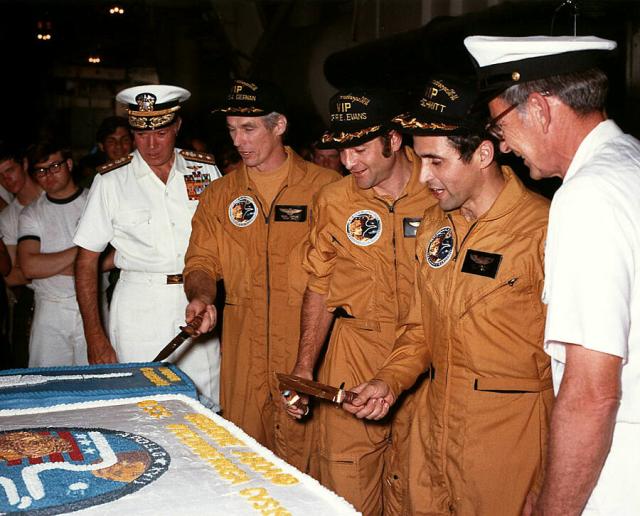
Apollo 17 Splash Down Ends the Beginning of Lunar Exploration
On Dec. 19, 1972, Apollo 17 astronauts Eugene A. Cernan, Ronald E. Evans, and Harrison H. “Jack” Schmitt, the first trained geologist to travel to the Moon, successfully ended their 13-day Moon landing mission with a splashdown in their Command Modul…Kelli Mars (NASA)
#OTD in 1999: The third servicing mission up to the Hubble Space Telescope launched!
During this mission, astronauts replaced Hubble’s gyroscopes and installed new equipment to make it more capable than before.
Find out more: go.nasa.gov/3W6ohFm
#Hubble
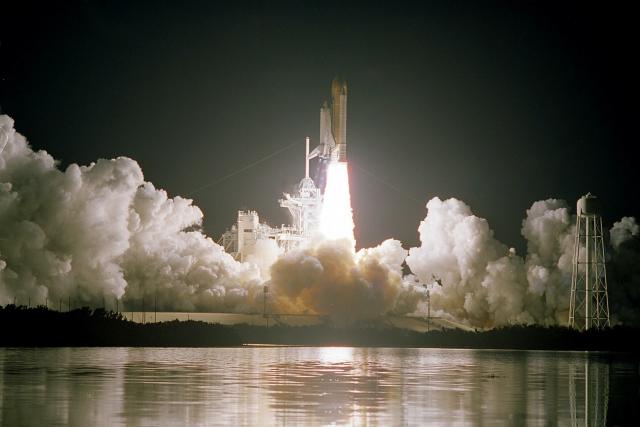
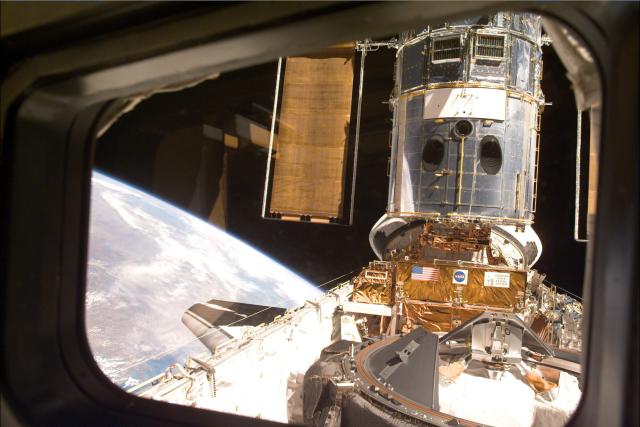
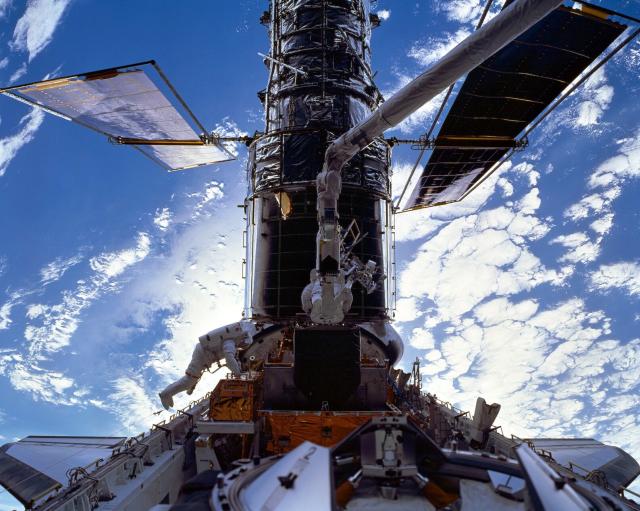
About - Hubble Servicing Missions | SM3A
NASA.gov brings you the latest images, videos and news from America's space agency. Get the latest updates on NASA missions, watch NASA TV live, and learn about our quest to reveal the unknown and benefit all humankind.NASA
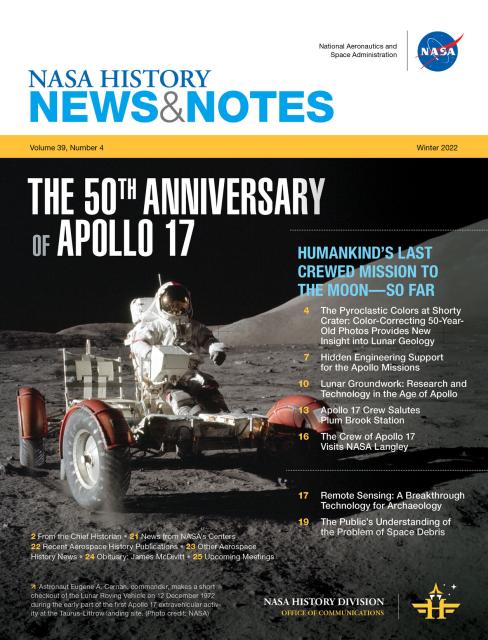
🎁 We have a holiday gift for you! It's the new edition of NASA History News & Notes, celebrating the 50th anniversary of Apollo 17!
Topics: The orange soil at Shorty Crater, engineering support of the Apollo missions, Apollo 17 science & more!
Download: go.nasa.gov/3G0xBFr
#NASAhistory
The Tadpole Nebula in Gas and Dust
Image Credit & Copyright: Craig Stocks (Utah Desert Remote Observatories)
apod.nasa.gov/apod/ap221219.ht… #APOD


APOD: 2022 December 19 - The Tadpole Nebula in Gas and Dust
A different astronomy and space science related image is featured each day, along with a brief explanation.apod.nasa.gov
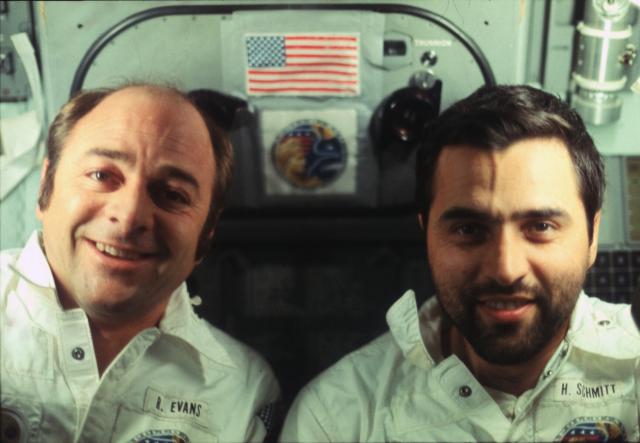
Wonder what it’s like to be on the Moon? #Apollo17 astronaut Harrison Schmitt said:
“Working on the Moon is a lot of fun. It’s like walking around on a giant trampoline all the time and you’re just as strong as you were here on Earth, but you don’t weigh as much.” #Apollo50th
#NASAhistory
Watching the moon walkers, I wondered about this. We'd see them bounce about, but always very gingerly, and no one does the great leaps that early SciFi movie astronauts enjoyed.
You do weigh less yet have the same strength, but you also still have the same inertial mass. Wouldn't that cause problems when stopping or turning?
It's like the great spinning space stations. Who would have thought the coriolis effect would pose such a problem?
GVF 🇨🇦
in reply to NASA • • •The most gutsy thing ever done in NASA history.
Let's put three guys on a rocket with just two test flights, and a pogo problem from the second one, and send them to the moon without a lifeboat.
Mike H
in reply to NASA • • •Jelly8bean
in reply to NASA • • •