
#NASAhistory
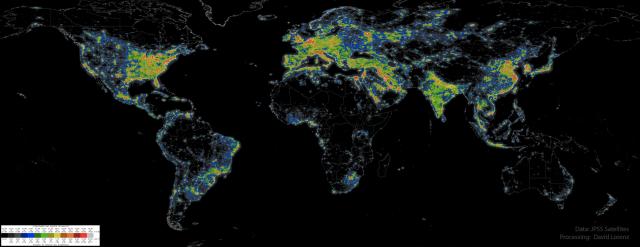
APOD: 2023 March 8 – Artificial Night Sky Brightness
A different astronomy and space science related image is featured each day, along with a brief explanation.apod.nasa.gov
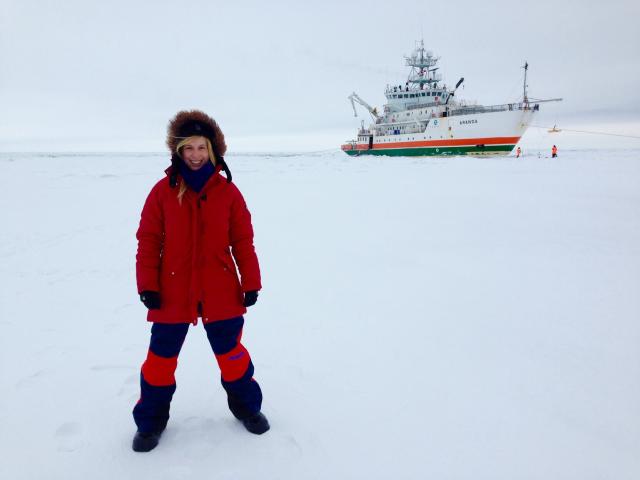
Happy #InternationalWomensDay!
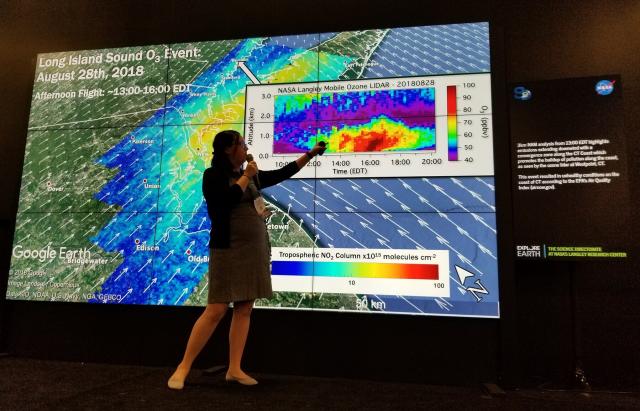
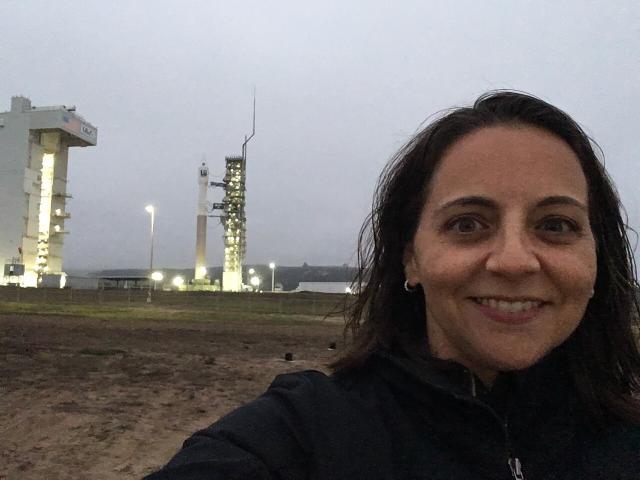
From studying air quality to sea ice, women at @nasa help us learn more about our home planet. 🌎👩🔬#IWD2023
Follow along this #WomensHistoryMonth as we highlight more female-identifying scientists at NASA.
#NASAEarth

Artificial Night Sky Brightness
Image Credit: Data: JPSS Satellites; Processing: David J. Lorenz
apod.nasa.gov/apod/ap230308.ht… #APOD

APOD: 2023 March 8 – Artificial Night Sky Brightness
A different astronomy and space science related image is featured each day, along with a brief explanation.apod.nasa.gov

#ISS
NASA’s OCO-2 satellite helps track carbon dioxide emissions for more than 100 countries.
In this map, countries where more carbon dioxide was removed than emitted appear as green depressions, while countries with higher emissions are tan or red and appear to pop off the page.
#NASAEarth
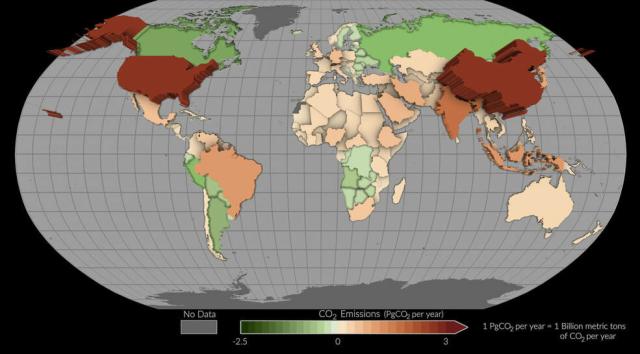
“NASA is focused on delivering Earth science data that addresses real world climate challenges – like helping governments around the world measure the impact of their carbon mitigation efforts.” – Karen St. Germain, NASA’s Earth Science Division director
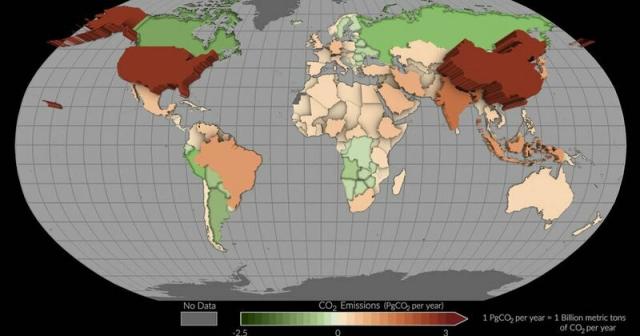
NASA Mission Takes Stock of Carbon Dioxide Emissions by Countries
A pilot project has estimated emissions and removals of carbon dioxide in individual nations using satellite measurements.Tony Greicius (NASA)
#ISS
March’s full moon marks the beginning of spring and is known by many names, including the Worm Moon, due to earthworms emerging from the newly thawed ground.
The Moon will appear full in the morning sky until Wed., March 8: go.nasa.gov/3SSDZ6t
[Video embedded in original tweet]
#NASAArtemis #Artemis
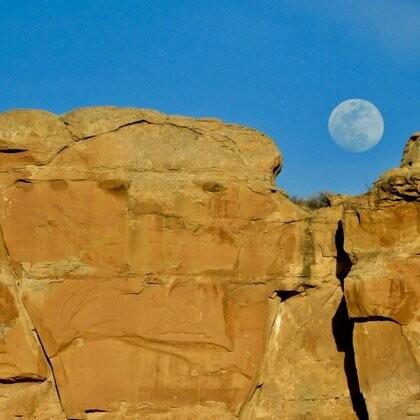
March 2023: The Next Full Moon is the Crow, Crust, Sap, Sugar, or Worm Moon
The next full moon will be Tuesday, March 7, 2023 at 7:40 AM EST. The Moon will appear full Sunday through Wednesday.NASA Solar System Exploration
#NASAExoplanets

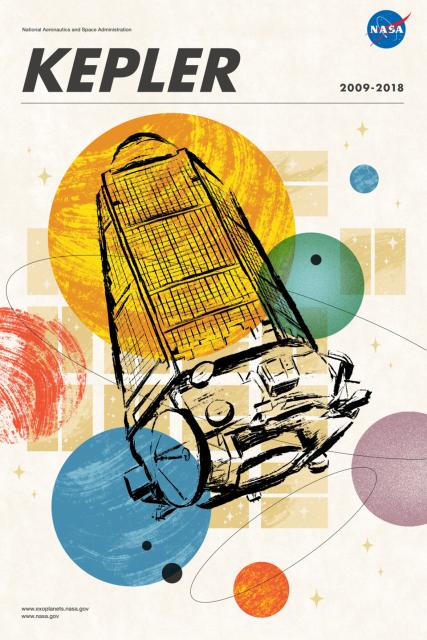
Kepler Space Telescope Poster - Exoplanet Exploration: Planets Beyond our Solar System
Kepler was NASA’s first exoplanet hunting space telescope. It ushered in a golden age of exoplanet discovery, with more than 2,600 worlds to its credit. We’re still making discoveries in Kepler’s data.Exoplanet Exploration: Planets Beyond our Solar System

How to Practice Mindfulness Meditation
Mindfulness is important. How do we develop it?Karen Kissel Wegela Ph.D. (Psychology Today)
Researchers are using @NASAEarth-observing satellites to track wildfires increasing in intensity & frequency due to climate change.
Learn how an outside perspective helps scientists study wildfires on the latest episode of our Curious Universe podcast: go.nasa.gov/3kODD4f
#NASA
Curious Universe Season 5 Ep 3: “Wildfires from Space”
Wherever you live on Earth, wildfires touch your life. Explore how NASA scientist Doug Morton and Canadian firefighter-turned-researcher Josh Johnston use satellites to track the changing landscape of wildfires from space.Gary Daines (NASA)
#ISS
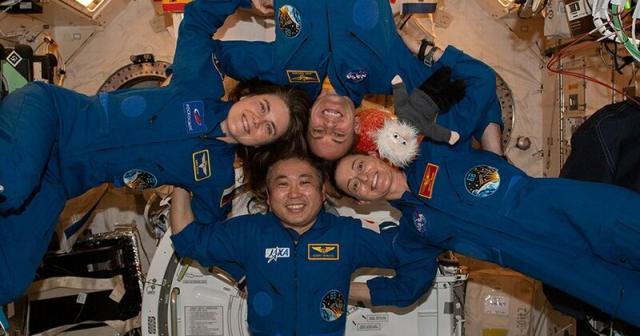
Crew of 11 Staying Focused on Advanced Space Research
The International Space Station’s 11 residents are composed of three individual crews that arrived at the orbital outpost on three different crew ships.blogs.nasa.gov
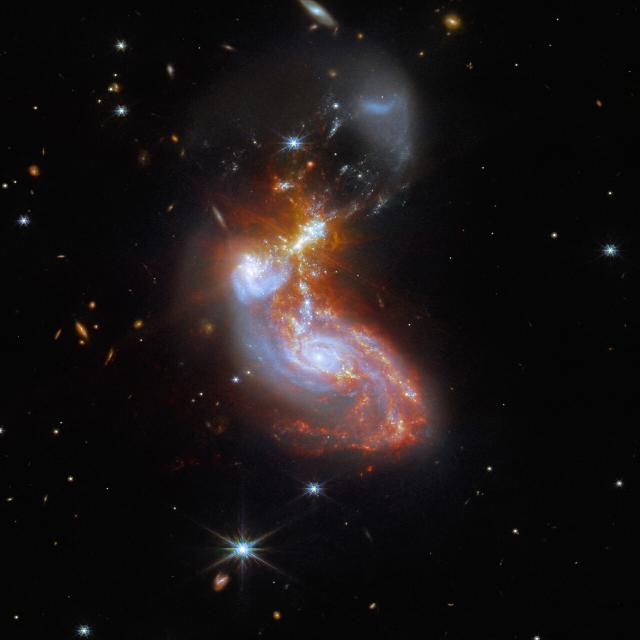
500 million light-years from Earth, merging galaxies have a chaotic, disturbed shape in this Webb image. The bright cores of the two galaxies are connected by tendrils of star formation. Eventually they will be one. esawebb.org/images/potm2211a/
#NASAExoplanets
The Moon is calling. ⬜
We are partnering with Minecraft to bring the #Artemis missions to players all over the world. Read more about the partnership: go.nasa.gov/3Zq0emL
#NASAArtemis #Artemis

Take the Next Giant Leap With NASA and Minecraft
Students will learn basic rocket engineering and mechanics as they build and launch their rocket in Minecraft’s “Artemis: Rocket Build” mission.Sandra May (NASA)
Every day, @nasa data gets served on a dinner plate. 🍽️
Our fleet of Earth-observing satellites helps farmers make critical decisions about how to better grow food on our changing planet.
Inside Agriculture | NASA Applied Sciences
Our mission is to bring the wealth of scientific experience and understanding of Earth observations to the challenges of a hungry world.go.nasa.gov
#NASA
Artemis I Post-Flight Update
NASA leaders provide an update on findings from the successful Artemis I mission, the first integrated flight test of the agency’s Space Launch System rocket...YouTube
#NASAhistory

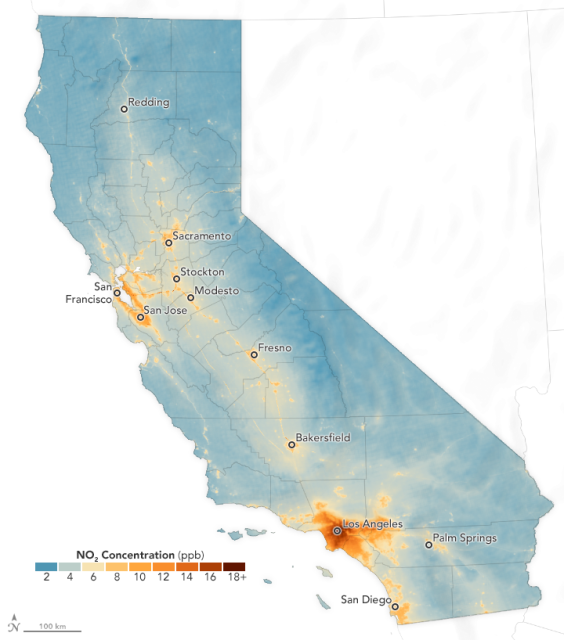
Scientists mapped nitrogen dioxide (NO2) in California’s air at the neighborhood scale and found hotspots of the air pollutant near high-rise buildings and food processing facilities.
Dark orange shows where NO2 concentrations were highest in 2018 & 2019. go.nasa.gov/3Jgjs8x
#NASAEarth
Nitrogen Dioxide in the Neighborhood
A team of scientists mapped nitrogen dioxide in California’s air at the neighborhood scale and found hotspots of the air pollutant near high-rise buildings and food processing facilities.go.nasa.gov
TEMPO, an upcoming @nasa mission, will allow scientists to see how concentrations of pollution—such as NO2 and ozone—change over time depending on temperature, wind, traffic patterns, and other phenomena.
Learn about TEMPO:
go.nasa.gov/424mg07
#NASAEarth
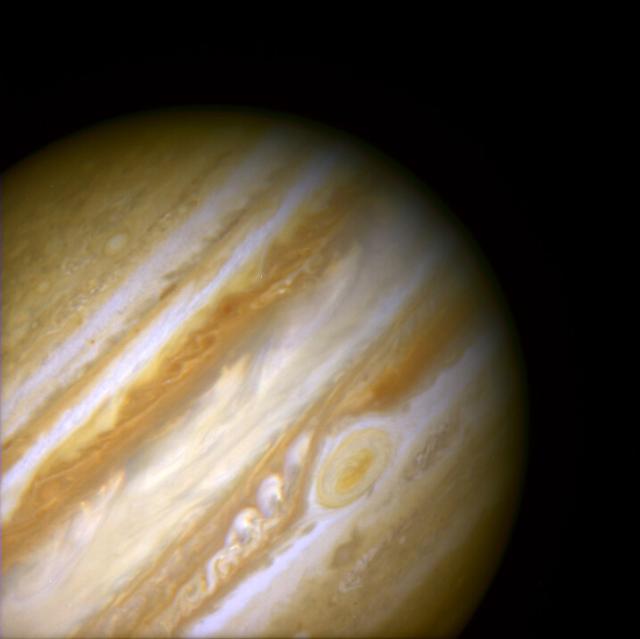
Jupiter’s Great Red Spot, seen in this #HubbleClassic image from 1999, has captivated astronomers for centuries. The spot is a vast storm, spinning like a cyclone.
It’s the largest known storm in our solar system and almost twice the size of Earth: go.nasa.gov/3SWCK5W
#Hubble
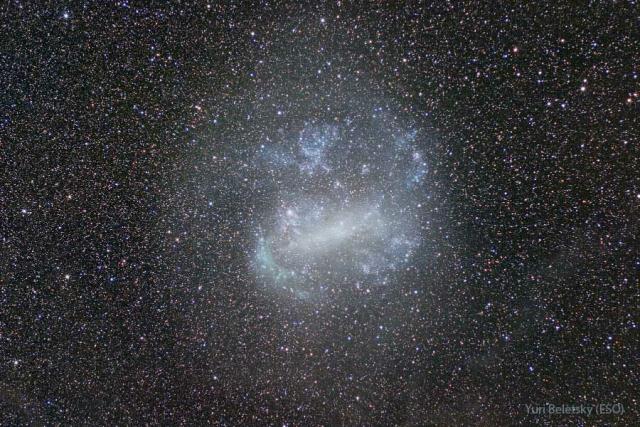
APOD: 2023 March 7 – Deep Field: The Large Magellanic Cloud
A different astronomy and space science related image is featured each day, along with a brief explanation.apod.nasa.gov
Deep Field: The Large Magellanic Cloud
Image Credit & Copyright: Yuri Beletsky (Carnegie Las Campanas Observatory, TWAN)
apod.nasa.gov/apod/ap230307.ht… #APOD

APOD: 2023 March 7 – Deep Field: The Large Magellanic Cloud
A different astronomy and space science related image is featured each day, along with a brief explanation.apod.nasa.gov
#ISS
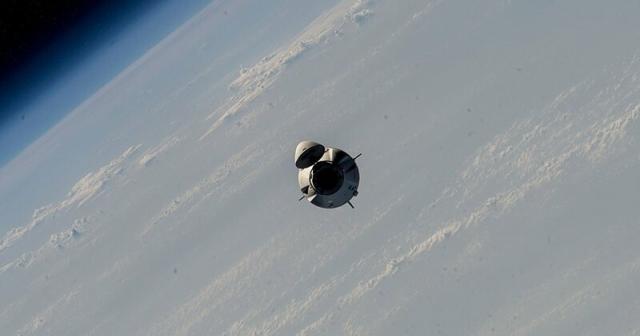
Expanded Station Crew Works Together Before Quartet Departure
The newly-expanded International Space Station crew of 11 members kicked off a busy work week today conducting a variety of research and visiting vehicle activities.blogs.nasa.gov
Do you see the tendrils hanging from this ''jellyfish'' galaxy? As jellyfish galaxies move through intergalactic space, gas is slowly stripped away, forming trails that resemble tendrils illuminated by star formation. go.nasa.gov/3ykqRxr
#NASAExoplanets
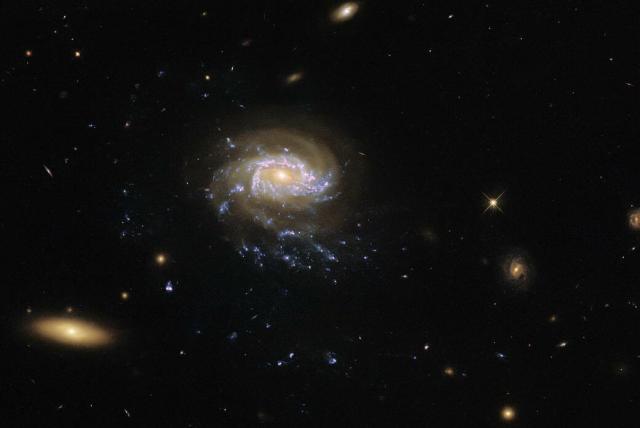
Hubble Peers at a Galactic Seascape
A “jellyfish galaxy” with trailing tentacles of stars hangs in inky blackness in this image from the NASA/ESA Hubble Space Telescope.Andrea Gianopoulos (NASA)

Novel crAssphage isolates exhibit conserved gene order and purifying selection of the host specificity protein
Bacteroidota are the most common bacteria in the human gut and are responsible for degrading complex polysaccharides that would otherwise remain undigested.bioRxiv
I've got sunshine on a cloudy day. 🎶
For the first time, @MarsCuriosity spotted some of the clearest sunrays ever seen on the Red Planet. These images reveal new findings about the weather on Mars: go.nasa.gov/3Ypb8aW
#NASA
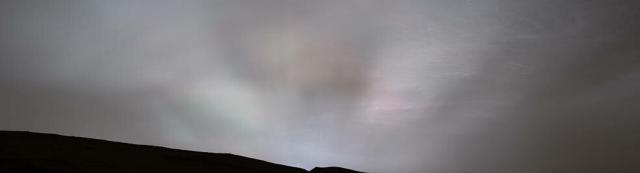
NASA’s Curiosity Views First ‘Sun Rays’ on Mars
The veteran rover captured a dazzling sunset at the start of a new cloud-imaging campaign.Tony Greicius (NASA)

You can move, but you can't hide: identification of mobile genetic elements with geNomad
Identifying and characterizing mobile genetic elements (MGEs) in sequencing data is essential for understanding their diversity, ecology, biotechnological applications, and impact on public health.bioRxiv
It's the last full moon of winter in the northern hemisphere! This full moon corresponds with several religious practices and festivals, including Lent, Purim, Holi, and Medin Poya.
Learn more about Moon phases: moon.nasa.gov/moon-in-motion/m…
#NASAMoon
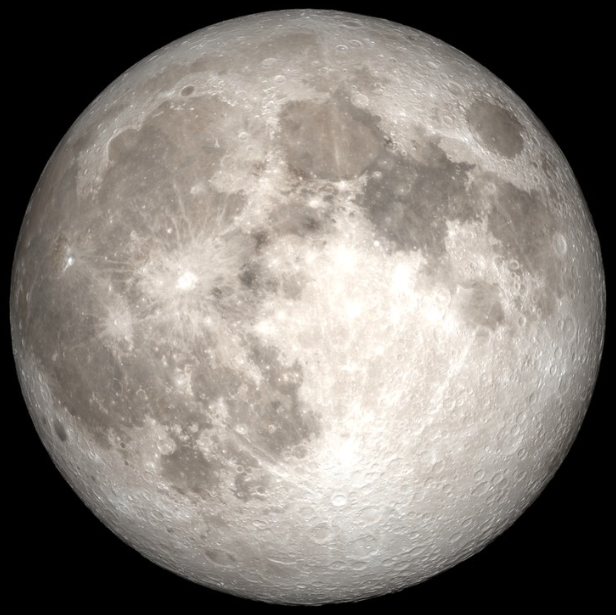
Moon Phases | Moon in Motion – Moon: NASA Science
Everything you want to know about why our Moon's appearance changes throughout the month.Moon: NASA Science
Now that #Crew6 is getting settled in, what's coming up next for the @Space_Station?
Learn more about the heart disease studies, student-designed prototypes, and other @ISS_Research that's heading to orbit on #CRS27 later this month: go.nasa.gov/3F0t84K
#NASA
Research Flies to the Space Station on SpaceX CRS-27
NASA’s 27th SpaceX commercial resupply services (CRS) mission is scheduled to launch to the International Space Station from the agency’s Kennedy Space Center in Florida in March.Ana Guzman (NASA)
This full moon is worming its way into your sky.
March’s full moon is known as the Worm, Crow, Crust, Sap, or Sugar Moon and is associated with the beginning of spring in the Northern Hemisphere.
Send us your favorite Moon pics and see what else is up: go.nasa.gov/3F0a7iG
#NASA
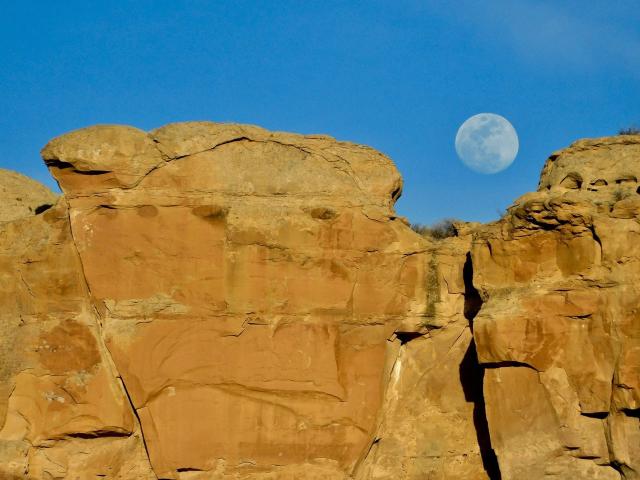
March 2023: The Next Full Moon is the Crow, Crust, Sap, Sugar, or Worm Moon
The next full moon will be Tuesday, March 7, 2023 at 7:40 AM EST. The Moon will appear full Sunday through Wednesday.NASA Solar System Exploration
#MondayMotivation: Look around; you're already on the way!
#NASAExoplanets
What is a light-year? – Exoplanet Exploration: Planets Beyond our Solar System
Light-year is a celestial yardstick, the distance light travels in one year. Light travels at 186,000 miles (300,000 kilometers) per second, 5.88 trillion miles (9.46 trillion kilometers) per hour.Exoplanet Exploration: Planets Beyond our Solar System
After torrential rains in São Paulo, a state in southeast Brazil, #Landsat images revealed widespread landslides in the coastal São Sebastião municipality.
This Feb. 26 image shows landslides across the hilly landscape between Jaqueí and Praia da Baleia. go.nasa.gov/3EVK3VZ
#NASAEarth
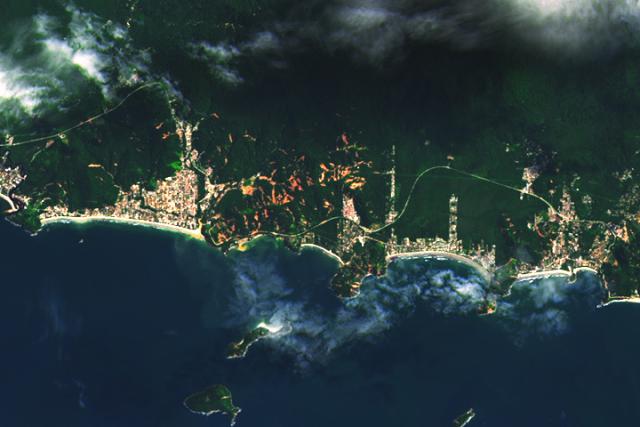
Landslides in São Paulo, Brazil
After torrential rains, satellite images revealed widespread landslides in the Brazilian state’s coastal municipality of São Sebastião.go.nasa.gov
Donna Shirley joined @NASAJPL in 1966 as an aeronautical engineer, and went on to lead the development of the first rover to land on Mars (Sojourner) and become the 1st woman to lead a NASA Program, the Mars Exploration Program!
More about her career: go.nasa.gov/41IUsOl
#NASAhistory
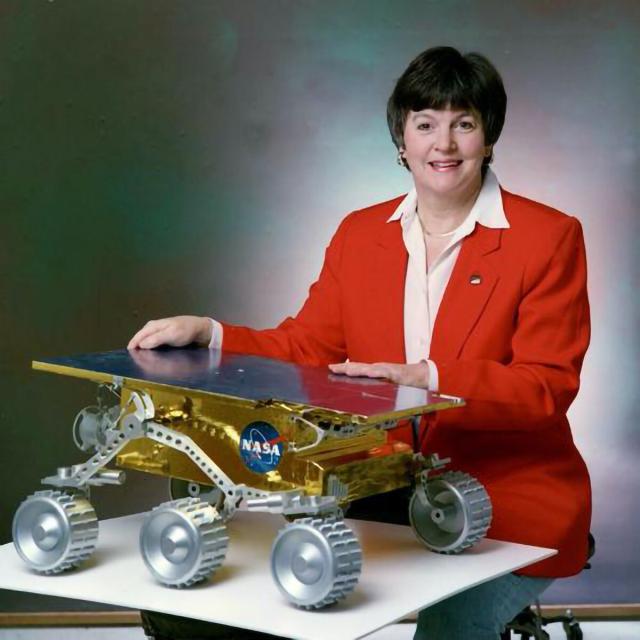
Mars Exploration Program Manager Donna Shirley to Retire
Donna Shirley, manager of NASA's Mars Exploration Program at the Jet Propulsion Laboratory and original leader of the team that built the highly acclaimed Mars Pathfinder rover, will retire August 21.NASA Jet Propulsion Laboratory (JPL)
Quantum science is behind many technologies we use on Earth and helps us study the universe's biggest mysteries.
Learn more alongside Ant-Man actor Paul Rudd! 🐜👇
#NASAEarth
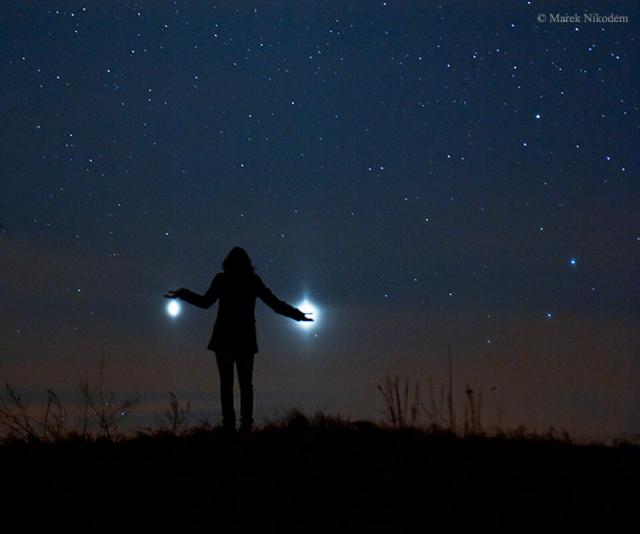
APOD: 2023 March 6 – Jupiter and Venus from Earth
A different astronomy and space science related image is featured each day, along with a brief explanation.apod.nasa.gov
Jupiter and Venus from Earth
Image Credit & Copyright: Marek Nikodem (PPSAE)
apod.nasa.gov/apod/ap230306.ht… #APOD

APOD: 2023 March 6 – Jupiter and Venus from Earth
A different astronomy and space science related image is featured each day, along with a brief explanation.apod.nasa.gov
Some objects in the universe are so massive, they literally cause ripples through space and time.
On the most recent episode of our Curious Universe podcast, dive into the invisible, time-warping world of gravitational waves. go.nasa.gov/41PtqVw
#NASA
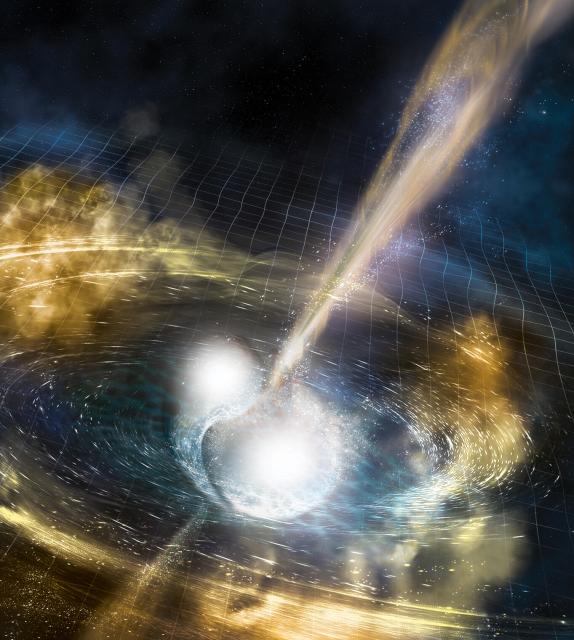
Curious Universe S.5 Ep 2: The Invisible World of Gravitational Waves
Information about the universe is all around us. But there’s more than meets the eye! Gravitational waves are the invisible ripples in spacetime caused by supermassive interstellar activity.Gary Daines (NASA)
#NASA

Hubble Peers at a Galactic Seascape
A “jellyfish galaxy” with trailing tentacles of stars hangs in inky blackness in this image from the NASA/ESA Hubble Space Telescope.Andrea Gianopoulos (NASA)
EllenInEdmonton
in reply to NASA • • •Lani Hashimoto
in reply to NASA • • •Enrique Boeneker
in reply to NASA • • •