
All hands on deck!
The launch of the first Skylab crew, scheduled for May 15, 1973, was delayed as NASA worked around the clock to come up with a plan to save the space station. Temperatures in the orbital workshop were rising quickly… #Skylab50
More: go.nasa.gov/3W6hXyr
#NASAhistory
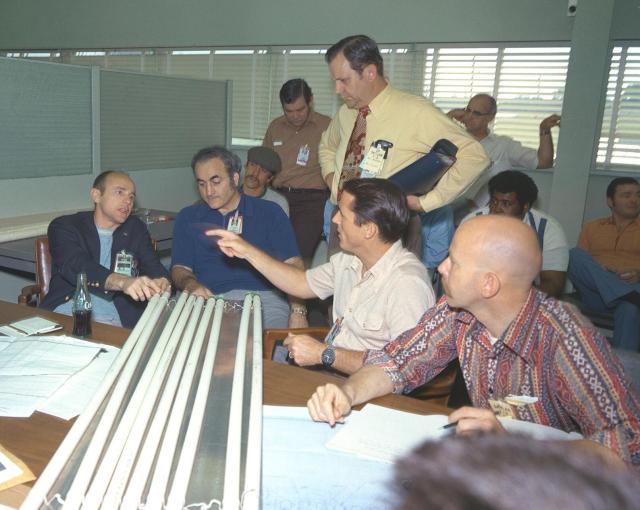
50 Years Ago: The Launch of Skylab, America’s First Space Station
Skylab, America’s first space station and the first crewed research laboratory in space, lifted off on May 14, 1973, on the last Saturn V rocket.Kelli Mars (NASA)
#ISS
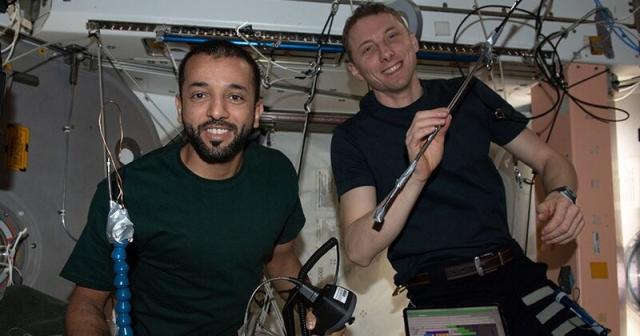
Crew Works Human Research and Cleans Up After Spacewalk
The seven-member Expedition 69 crew began its week studying microgravity’s effects on human immunity, replacing critical life support gear, and cleaning up after last week’s spacewalk.blogs.nasa.gov
Lights are steadily returning to southeast Türkiye after deadly earthquakes triggered power outages in February 2023.
These maps show nighttime lights detected near Antakya just after the quake (Feb. 8, left) and on April 30 (right). go.nasa.gov/3MsAJNv
#NASAEarth
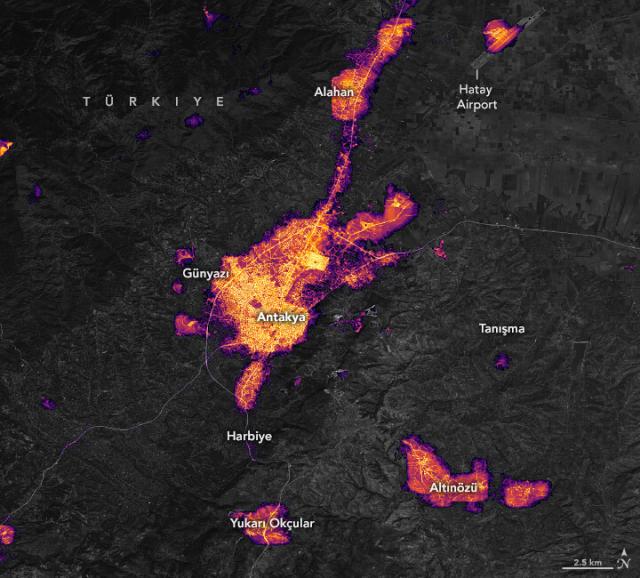
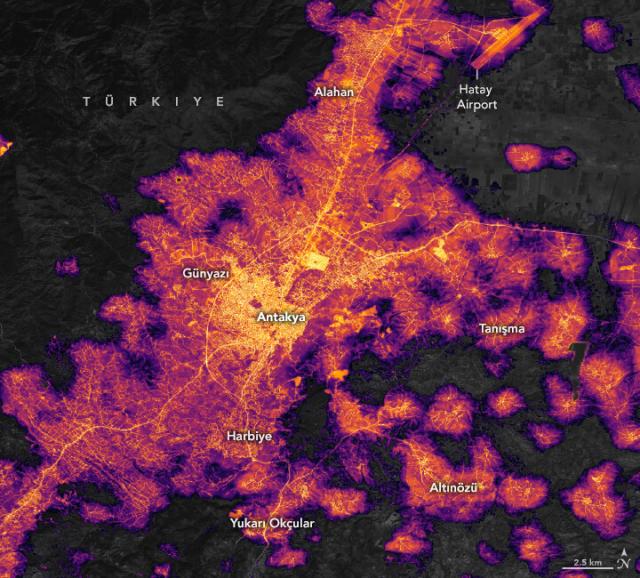
Brighter Nights in Antakya
Lights have been steadily returning to southeast Türkiye after deadly earthquakes triggered power outages in February 2023.go.nasa.gov
#NASAExoplanets
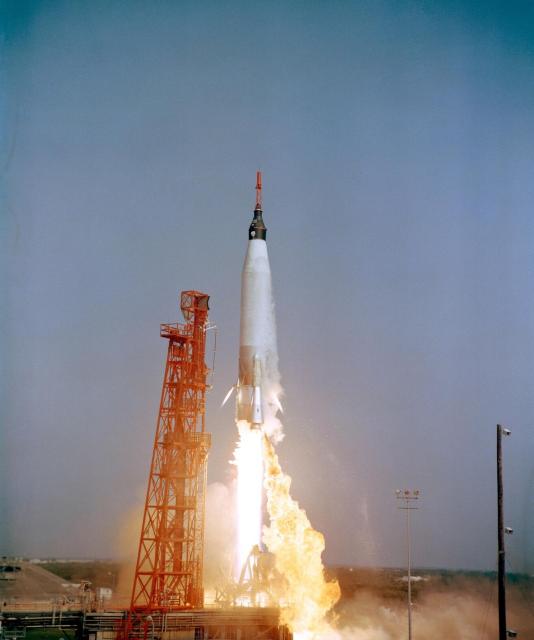
"Faith 7 is all go."
#60YearsAgo today, L. Gordon "Gordo" Cooper, Jr. was launched in his Faith 7 spacecraft on the final mission of Project Mercury: Mercury-Atlas 9. 🧵 1/4
#NASAhistory
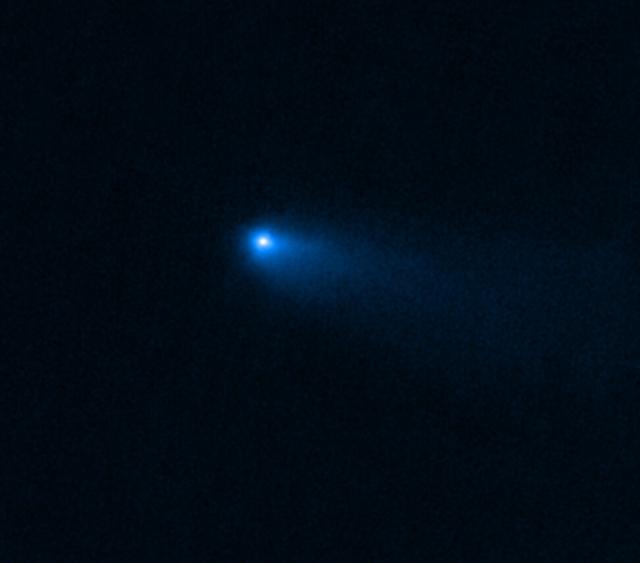
Com-et me, bro. ☄️
Webb confirmed the 1st detection of water vapor around a rare type of comet in the main asteroid belt. This suggests that ice from the early solar system can be preserved there—a breakthrough for studying the origins of water on Earth: go.nasa.gov/3BucEzm
#JamesWebb
NASA’s Webb Finds Water, and a New Mystery, in Rare Main Belt Comet
Using Webb’s NIRSpec (Near-Infrared Spectrograph) instrument, astronomers have confirmed gas – specifically water vapor – around a comet in the main asteroid belt for the first time, indicating that water ice from the primordial solar system can be p…Jessica Evans (NASA)
Cool
Clear
Water (water)…

The Sons Of The Pioneers - Cool Water
Cool Water, recorded in 1947, reached fourth position in the US Country Charts and in 1948 reached seventh position in the US County Charts.YouTube
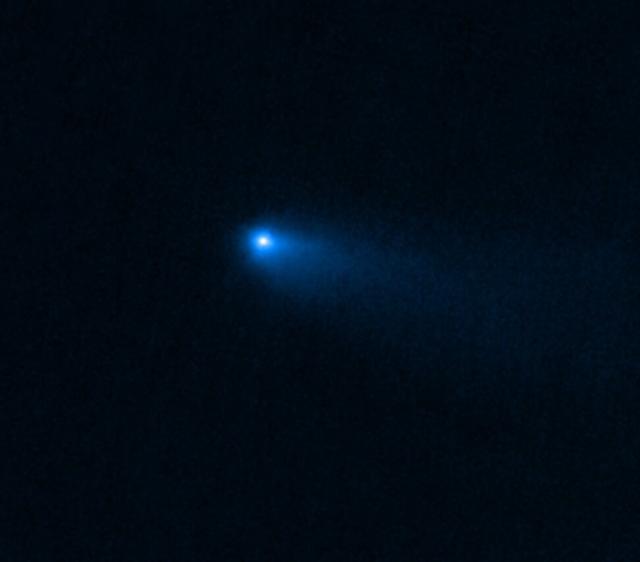
Com-et me, bro. ☄️
Webb confirmed the 1st detection of water vapor around a rare type of comet in the main asteroid belt. This suggests that ice from the early solar system can be preserved there—a breakthrough for studying the origins of water on Earth: go.nasa.gov/3BucEzm
#JamesWebb
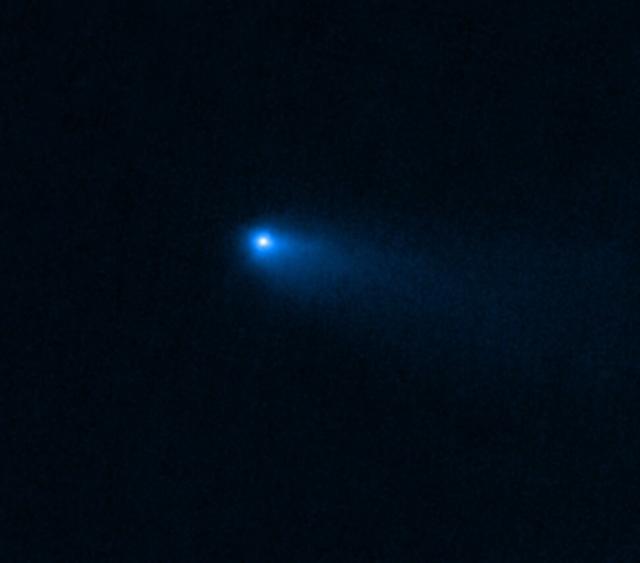
NASA’s Webb Finds Water, and a New Mystery, in Rare Main Belt Comet
Using Webb’s NIRSpec (Near-Infrared Spectrograph) instrument, astronomers have confirmed gas – specifically water vapor – around a comet in the main asteroid belt for the first time, indicating that water ice from the primordial solar system can be p…Jessica Evans (NASA)
Cooper took photos of Earth and performed experiments while circling the planet.
All was going well until the 19th orbit when a short circuit knocked out the automatic stabilization and control system, carbon dioxide levels began to rise and the cabin temperature exceeded 54°C!
#NASAhistory
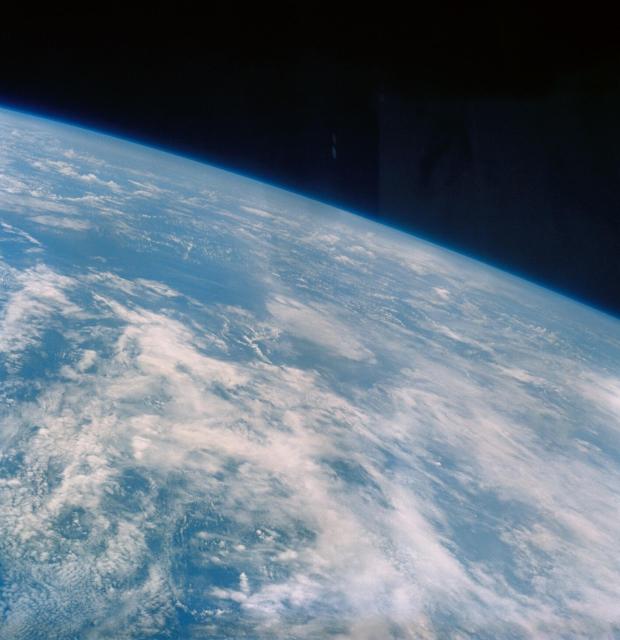
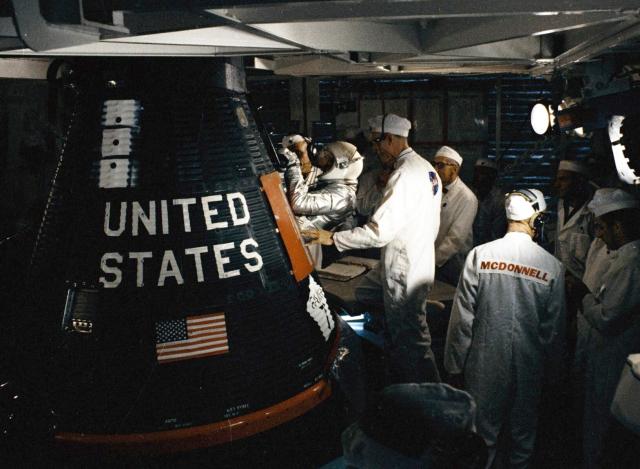
Cooper, seen here getting into his tiny spacecraft, was the last NASA astronaut ever to be launched into orbit on a solo flight, orbiting the Earth 22 times, and logging more than 34 hours in space, longer than all previous Mercury missions combined.
#Claustrophobia 2/4
#NASAhistory
Despite the malfunctions, Cooper was able to make a perfect manual reentry. Faith 7 splashed down about 80 miles southeast of Midway Island in the Pacific Ocean on May 16, 1963.
Get the details of this highly successful mission: go.nasa.gov/3MCktcZ
#NASAhistory
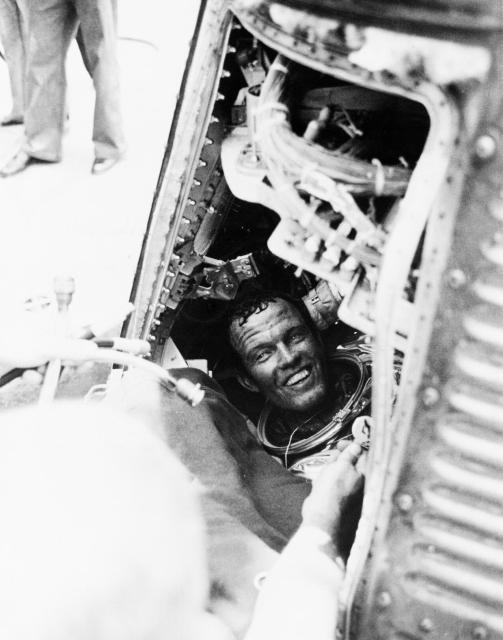
Fifty-five Years Ago, Faith 7 Closes Out Project Mercury
Project Mercury was America’s first human space flight program. The Space Task Group at Langley Research Center in Virginia initiated the project in 1958 with three goals: orbiting a human spacecraft, investigating an astronaut’s ability to function …NASA
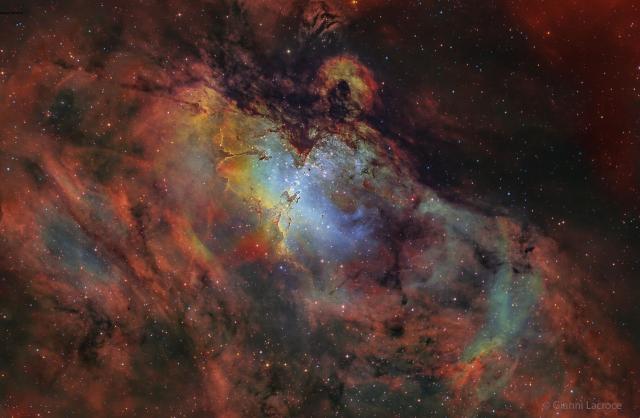
APOD: 2023 May 15 – M16: Eagle Nebula Deep Field
A different astronomy and space science related image is featured each day, along with a brief explanation.apod.nasa.gov
M16: Eagle Nebula Deep Field
Image Credit & Copyright: Gianni Lacroce
apod.nasa.gov/apod/ap230515.ht… #APOD

APOD: 2023 May 15 – M16: Eagle Nebula Deep Field
A different astronomy and space science related image is featured each day, along with a brief explanation.apod.nasa.gov
#NASAExoplanets
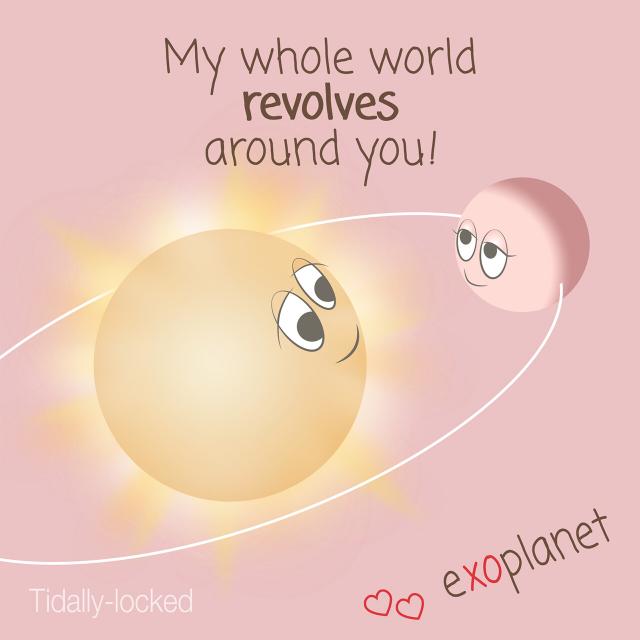
Dr. Nancy Grace Roman is often called the "Mother of Hubble". Her work at @nasa made Hubble's mission possible, and also helped pave the way for space-based telescopes like @NASAWebb and @NASARoman.
Find out more about Dr. Roman: go.nasa.gov/3BqscUX
#Hubble

Nancy Roman (1925-2018) | Astronomer / "Mother of Hubble" – NASA Solar System Exploration
"If you enjoy puzzles, science or engineering may be the field for you. Scientific research and engineering is a continuous series of solving puzzles."NASA Solar System Exploration
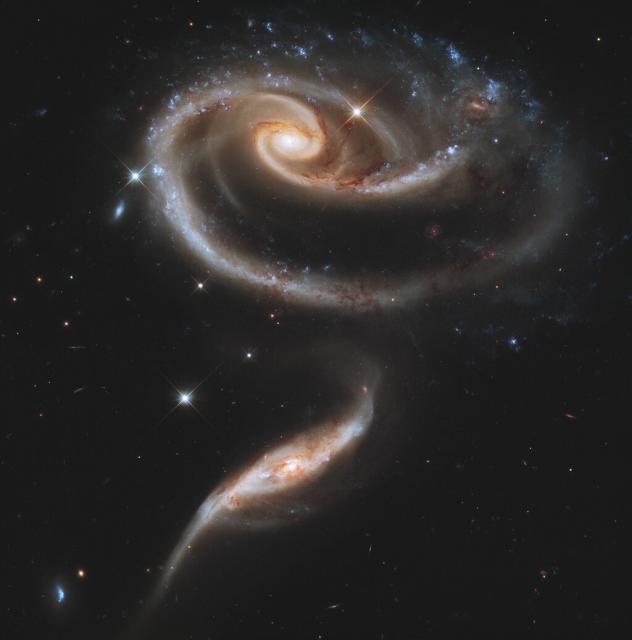
Who made you the star you are today? Mention them to give them cosmic #MothersDay flowers. 🌹
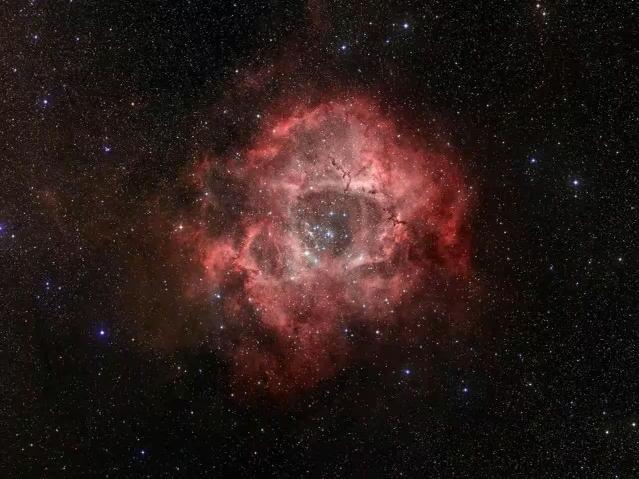
The Rosette Nebula, about 5,000 light-years from Earth, is a region in space where stars are formed. This image by the Spitzer Space Telescope shows the stellar nursery in infrared.
#NASA
#NASAExoplanets
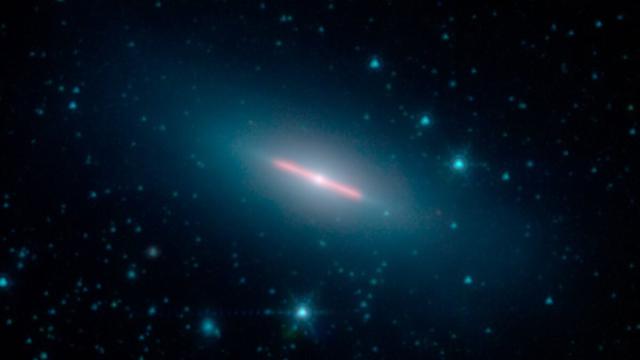
“Mother of Hubble,” friend of Webb. 💐
We’re honored that Dr. Nancy Grace Roman visited the Webb Telescope at @NASAGoddard in 2017. Here she is shown with our Operations Project Scientist, Dr. Jane Rigby.
#JamesWebb


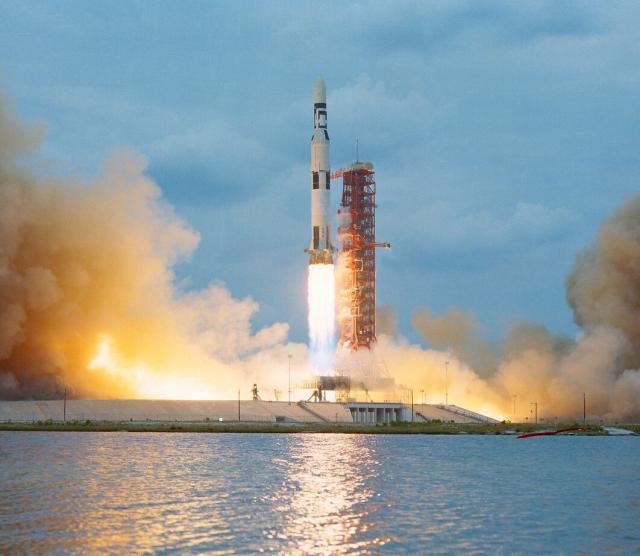
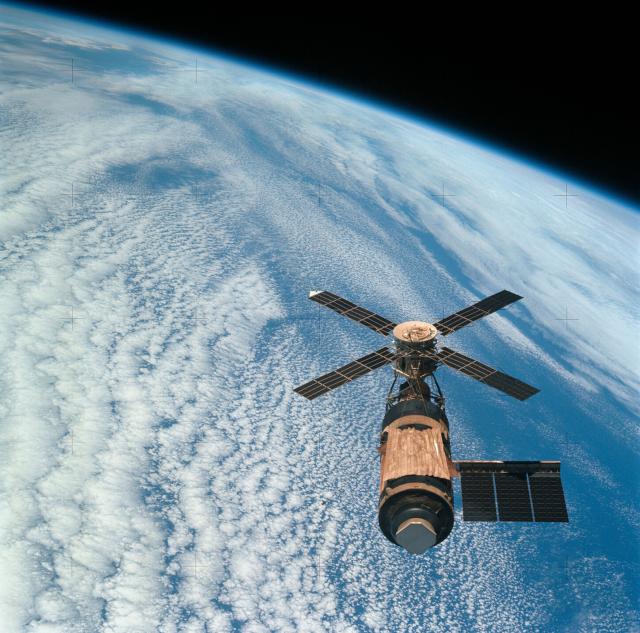
The Skylab space station was launched into orbit 50 years ago today — the last launch of a Saturn V rocket! #Skylab50
63 seconds into the flight, controllers saw the first signs that something had gone wrong, kicking off a dramatic race to save the entire Skylab program.
#NASAhistory
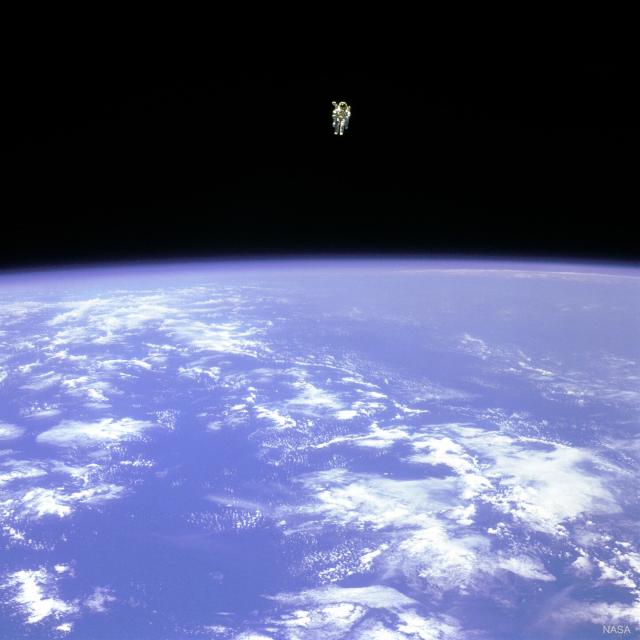
APOD: 2023 May 14 – To Fly Free in Space
A different astronomy and space science related image is featured each day, along with a brief explanation.apod.nasa.gov
To Fly Free in Space
Image Credit: NASA, STS-41B
apod.nasa.gov/apod/ap230514.ht… #APOD

APOD: 2023 May 14 – To Fly Free in Space
A different astronomy and space science related image is featured each day, along with a brief explanation.apod.nasa.gov

#NASAExoplanets
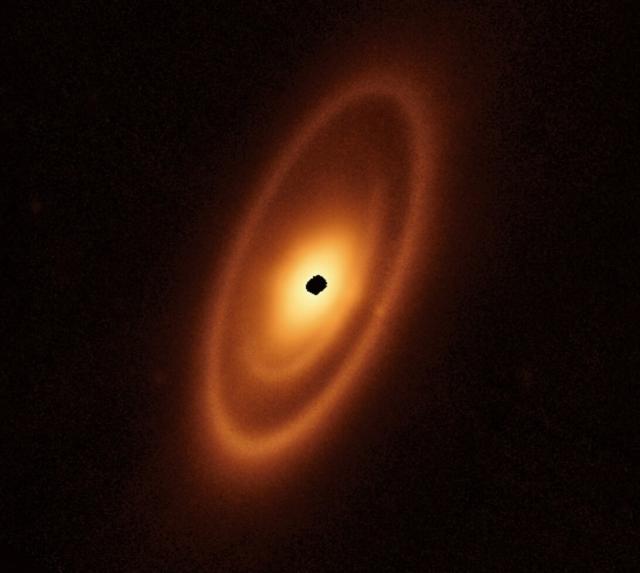
Webb Looks for Fomalhaut’s Asteroid Belt and Finds Much More
Astronomers used NASA’s James Webb Space Telescope to image the warm dust around a nearby young star, Fomalhaut, in order to study the first asteroid belt ever seen outside of our solar system in infrared light.Jamie Adkins (NASA)
Happy 50th, Skylab!
Our first space station launched into orbit on May 14, 1973. Skylab hosted three crews of @NASA_Astronauts, proving that humans could live and work in space for extended periods of time. Learn more with @NASA_History: go.nasa.gov/3nVqFmz
#NASA
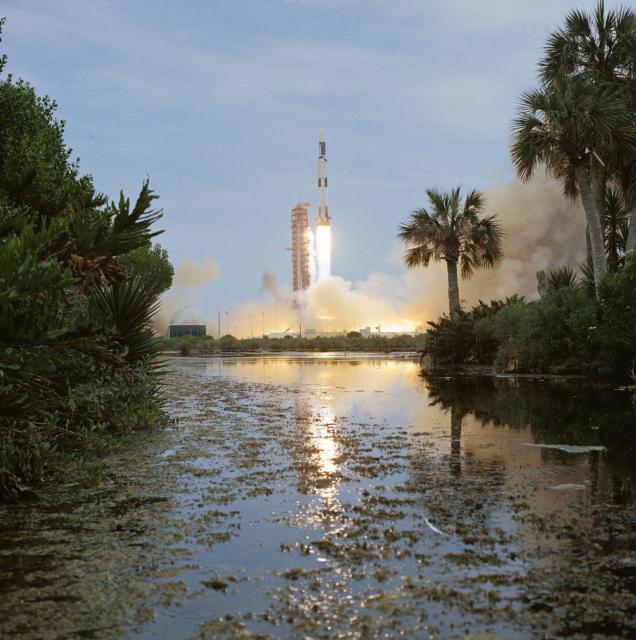
Skylab, Birth of the Modern Space Station: Part I - The History of Sky
It's been three years since the first human inhabitants took up residence aboard the International Space Station (ISS).NASA
Black lava and pink ash from volcanic and tectonic activity make these two Gulf of California islands appear rust-colored in this photograph taken by a @Space_Station astronaut. 🌋
The two large islands are Isla del Espíritu Santo and Isla La Partida. go.nasa.gov/3nXxxQj
#NASAEarth
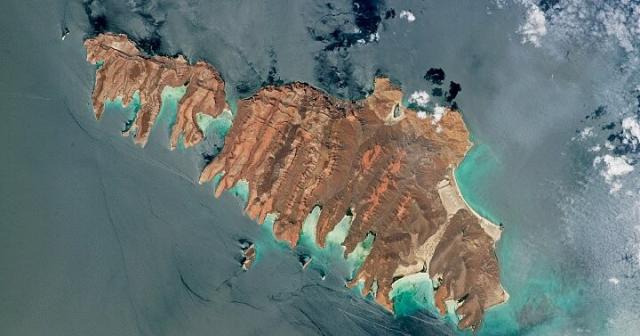
Espíritu Santo Archipelago
The island group off Mexico’s Baja California Sur has eroded slowly, preserving evidence of past human activity.go.nasa.gov
This week was busy.
@Space_Station crew members relocated their @SpaceX Dragon to a new docking port, @NASAWebb imaged a nearby star, and @RocketLab launched two small satellites to study hurricanes.
Subscribe to our newsletter and get the full scoop: nasa.gov/subscribe
#NASA
Apollo 17: The Crescent Earth
Image Credit: Apollo 17, NASA; Restoration - Toby Ord
apod.nasa.gov/apod/ap230513.ht… #APOD

APOD: 2023 May 13 - Apollo 17: The Crescent Earth
A different astronomy and space science related image is featured each day, along with a brief explanation.apod.nasa.gov
#ISS
Cosmonauts Deploy Radiator and Complete Spacewalk
Roscosmos cosmonauts Sergey Prokopyev and Dmitri Petelin concluded their spacewalk May 12 at 5:01 p.m. EDT after 5 hours and 14 minutes.go.nasa.gov
NASA’s Lunar Flashlight mission has ended after being unable to reach its science orbit around the Moon. But the technology demonstration tested several key technologies that had never been used in space before that will benefit future spacecraft.
jpl.nasa.gov/news/nasa-calls-e…
#NASAMoon
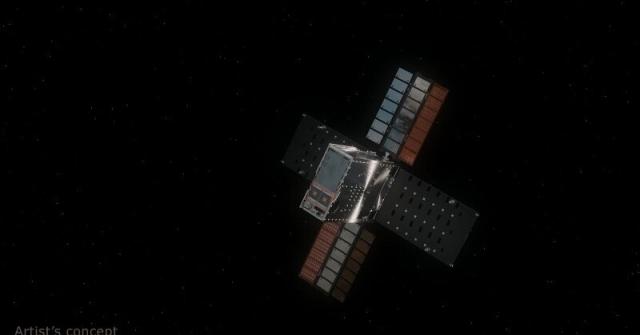
NASA Calls End to Lunar Flashlight After Some Tech Successes
While the CubeSat couldn’t reach the lunar South Pole to help seek ice, it fulfilled several technology goals that will empower future missions for the benefit of humanity.NASA Jet Propulsion Laboratory (JPL)
#ISS
#NASAExoplanets
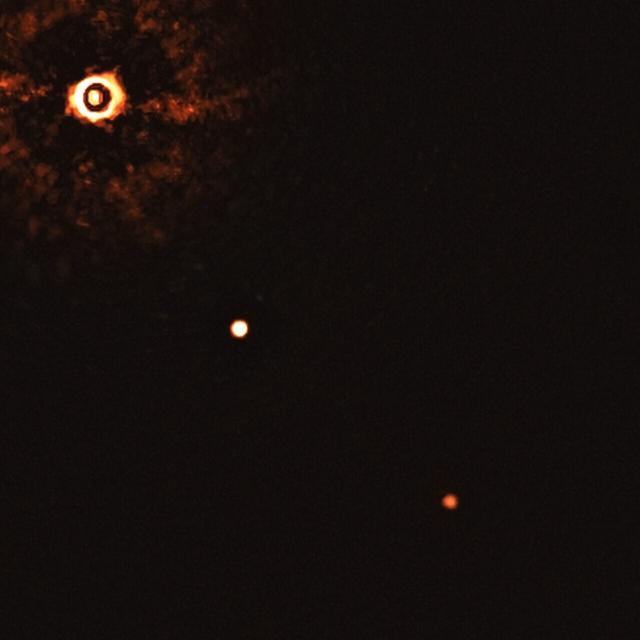
Discovery Alert: See the Image – 2 Planets Orbit a Sun-like Star
Astronomers have captured a direct image of a multi-planet system around a Sun-like star, the first of its kind.Exoplanet Exploration: Planets Beyond our Solar System
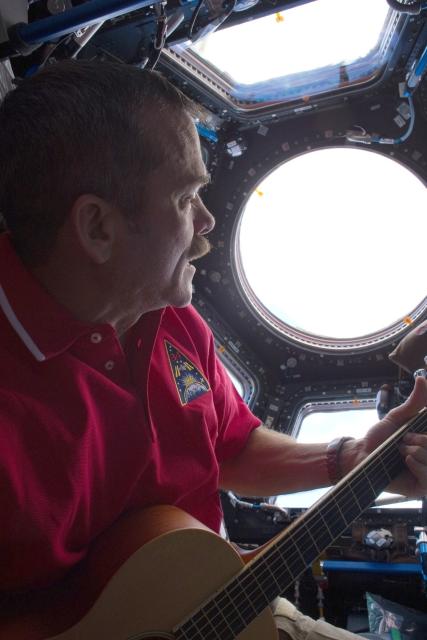
"Ground control to Major Tom" 🎤
@csa_asc astronaut @Cmdr_Hadfield treated us to the first music video made in space, released #OTD in 2013 (10 years ago today)! It's unclear whether we've been able to get David Bowie’s Space Oddity out of our heads since.
#NASAhistory
We're holding a public meeting of our independent study team on unidentified anomalous phenomena (UAP) on Wednesday, May 31, at 10:30am ET (1430 UTC), with a media teleconference to follow.
How to watch: go.nasa.gov/42tSGAX
Submit your questions: go.nasa.gov/42uzK4J
#NASA
NASA Provides Coverage of Unidentified Anomalous Phenomena Meeting
NASA is holding a public meeting at 10:30 a.m. EDT Wednesday, May 31, of its independent study team on categorizing and evaluating data of unidentified anomalous phenomena (UAP).Abbey Donaldson (NASA)
#ISS
Over their eight days on the @Space_Station, the private astronauts of @Axiom_Space's Axiom Mission 2 will run activities from student outreach to scientific experiments.
#Ax2 is set to lift off from @NASAKennedy on Sunday, May 21—here's how to watch: go.nasa.gov/41yAdlp
#NASA

NASA Sets Coverage for Axiom Mission 2 Briefings, Events, Broadcast
NASA, Axiom Space, and SpaceX will provide coverage of the upcoming prelaunch and launch activities for Axiom Mission 2 (Ax-2), the second private astronaut mission to the International Space Station.Claire O’Shea (NASA)
Why yes, Mercury is in retrograde.
This little planet’s motion in our skies takes the blame for plenty of mishaps here on Earth, but it’s just doing its thing, orbiting the Sun!
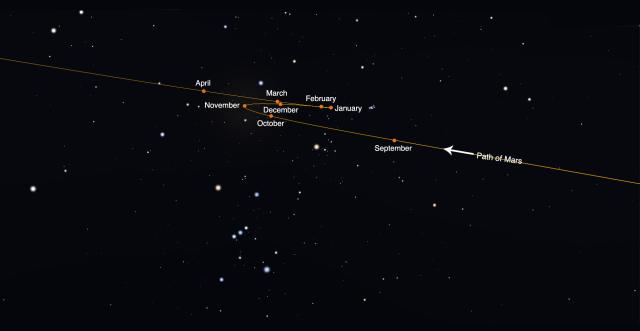
More about retrograde motion (and Mars): mars.nasa.gov/all-about-mars/n… twitter.com/i/web/status/16570…
#NASASolarSystem
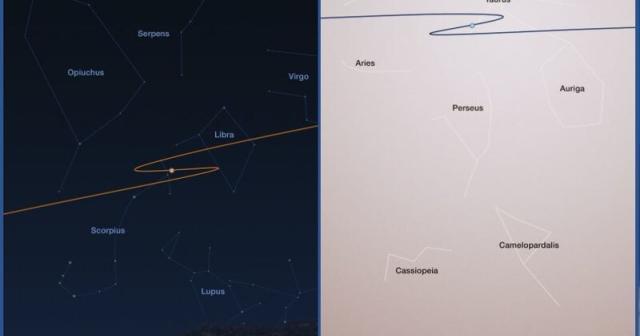
Mars Retrograde | Mars in our Night Sky – NASA Mars Exploration
NASA’s real-time portal for Mars exploration, featuring the latest news, images, and discoveries from the Red Planet.NASA Mars Exploration
#NASASolarSystem
#NASASolarSystem
What could you make with 8 crayons? What about a box of 96 or 128? 🖍️
@nasa’s PACE satellite, slated to launch in 2024, will see ocean color in more shades than any other sensor, helping scientists unlock the secrets of the sea. 🌊 🛰️
go.nasa.gov/41v5CFo
#NASAEarth
A Sea of Data: The PACE Mission
The data from PACE (Plankton, Aerosol, Cloud, ocean Ecosystem) will help us better understand how the ocean and atmosphere exchange carbon dioxide. In additi...YouTube
#ISS
Celebrating 50 years!
Skylab, America's first space station, launched 50 years ago this Sunday! Join us as we revisit the first long-duration space missions made by @nasa astronauts and see how they paved the way for the future. #Skylab50
#NASAhistory
#NASAEarth
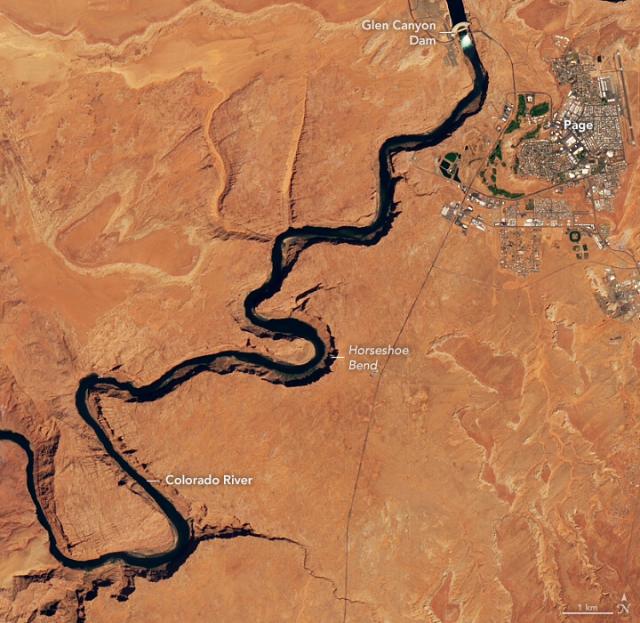
High Flow at Glen Canyon Dam
Water managers released a surge of water from the dam in late April to help preserve shrinking sandbars and shoreline habitats downstream.go.nasa.gov
ᴚ uɐᗡ
in reply to NASA • • •