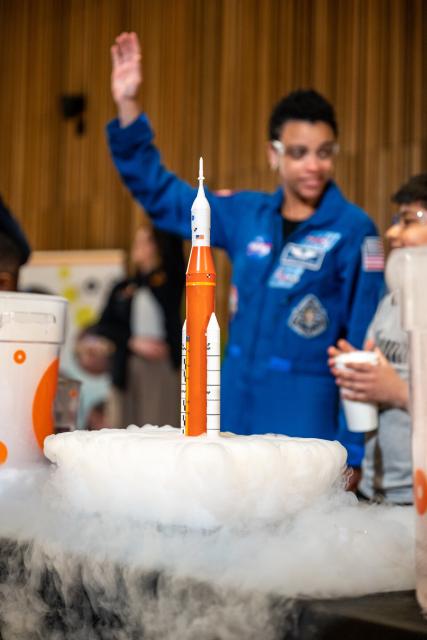
Our Artifacts program is open! Eligible institutions can apply to receive historic NASA artifacts to use in STEM education. Create an account and search for items including shuttle tiles, science instruments and spacecraft models like this @NASA_SLS model: go.nasa.gov/3MXGvpc #NASA
Eligible schools, universities, museums, libraries, and planetariums interested in receiving historic NASA objects for their STEM programs have until Friday, June 30, to apply for the 60th screening of the NASA Artifacts Module.
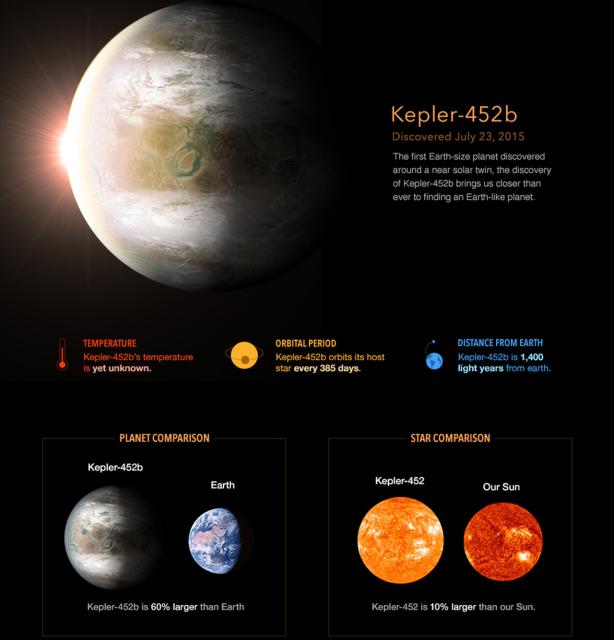
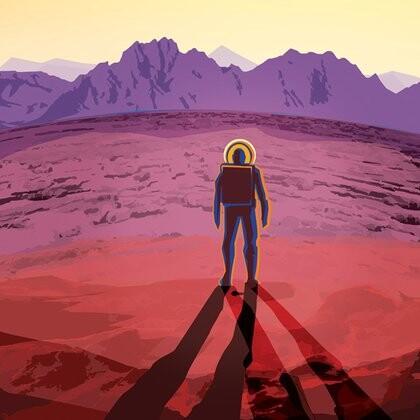
Kepler-452 b is in some ways, Earth's bigger, older cousin. It was the first planet nearly Earth's size discovered orbiting a Sun-like star. exoplanets.nasa.gov/exoplanet-… #NASAExoplanets
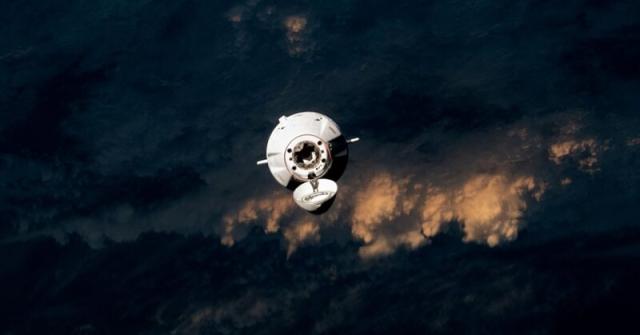
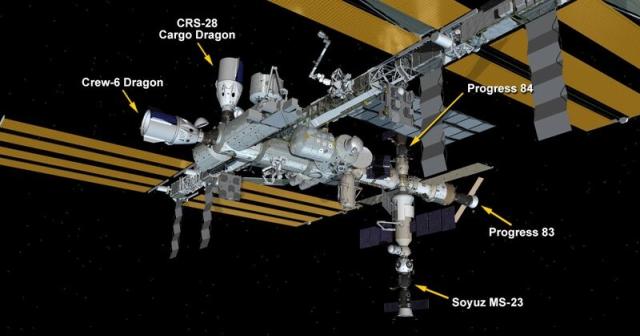
The Exp 69 crew is unloading the @SpaceX Dragon cargo craft while two @NASA_Astronauts prepare to install a roll-out solar array during a spacewalk on Friday. blogs.nasa.gov/spacestation/20… #ISS
How do we know what Earth's climate was like long ago?
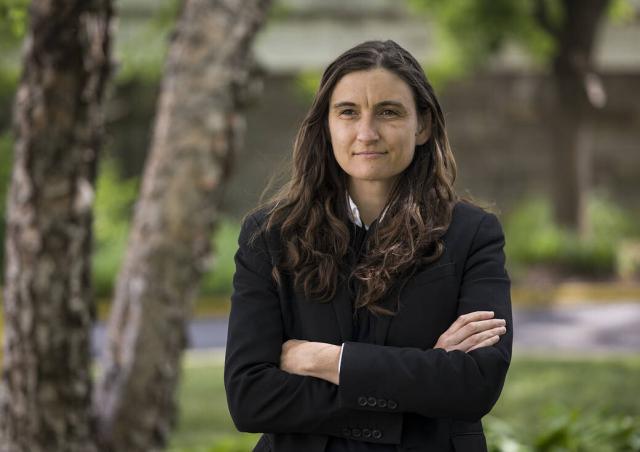
If you look closely, there are clues just about everywhere across our globe. Some are easy to see and others are more subtle. @NASAClimate scientist Dr. Gavin Schmidt explains more. Want even more?: climate.nasa.gov/faq/20/how-do… #NASAEarth
How do we know what Earth's climate was like long ago? If you look closely, there are clues just about everywhere across our globe. Some are easy to see and others are more subtle. @NASAClimate scientist Dr. Gavin Schmidt explains.
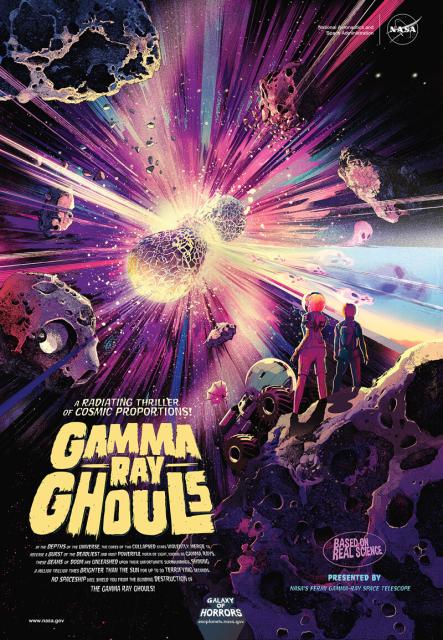
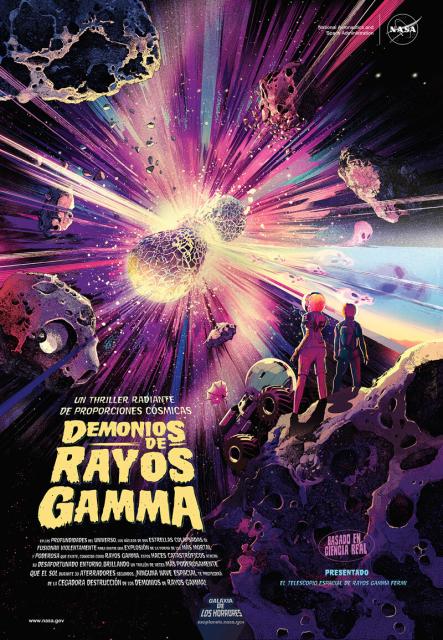
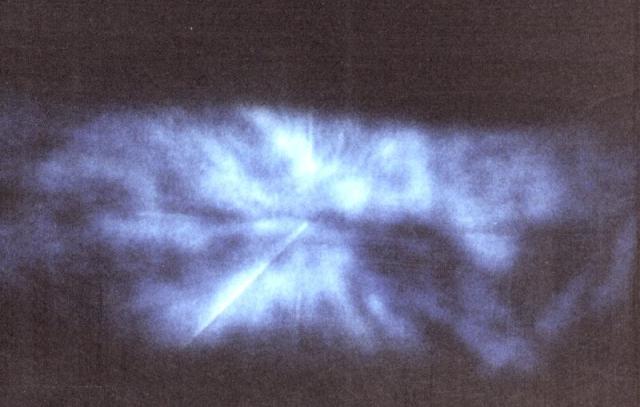
The cores of two collapsed stars violently merge to release a burst of the deadliest and most powerful form of light, known as gamma rays. These beams shine a million trillion times brighter than the Sun for up to 30 seconds! go.nasa.gov/45TpaX6 #NASAExoplanets
In the depths of the universe, the cores of two collapsed stars violently merge to release a burst of the deadliest and most powerful form of light, known as gamma rays.
AirNow is your one-stop source for air quality data. Our recently redesigned site highlights air quality in your local area first, while still providing air quality information at state, national, and world views.
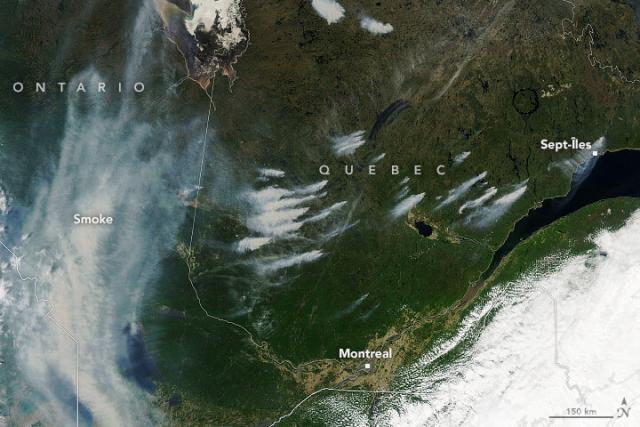
This @nasa GMAO animation models where the smoke may travel in the coming days. Concentrations of PM2.5 – small particles common in smoke that degrade air quality – are shown in yellows and reds. #NASAEarth
I am proud to have met so many amazing human beings who happen to be #LGBTQT+! our world is a brighter, more creative, tender place thanks to their being here! In my next toot, I will address why the world is so much worse off w bigotted, racist, zealots, bullies! But now, I celebrate Pride Month!
I’m in southwestern Ontario, the worst of it right now. I have respiratory disease and have spent the day hiding in my room with my air purifier on max. I hope it rains soon.
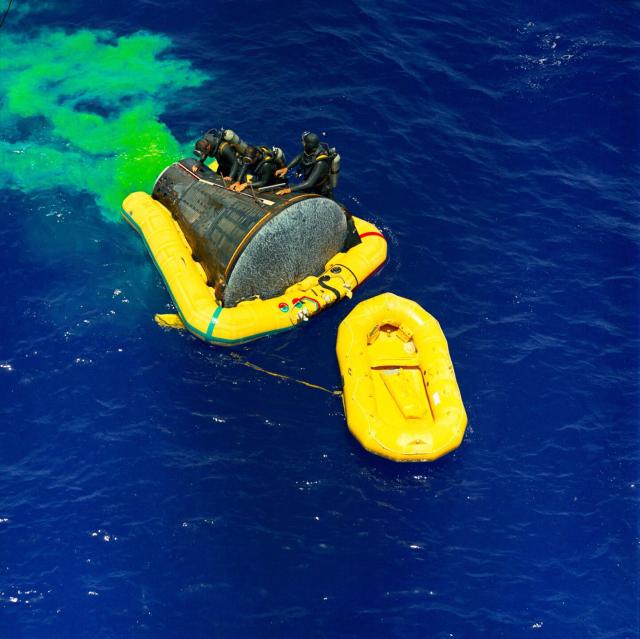
Gemini IV, crewed by @NASA_Astronauts Jim McDivitt and Ed White, splashed down in the Atlantic Ocean #OTD in 1965 after a successful 4-day mission including the first ever American spacewalk.
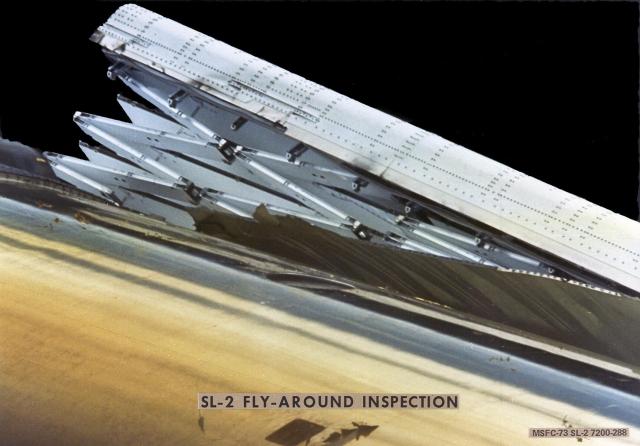
When Skylab was launched on May 14, 1973, one of the solar arrays on its Orbital Workshop was ripped off and the other was jammed closed with debris. The space station was losing power. #NASAhistory
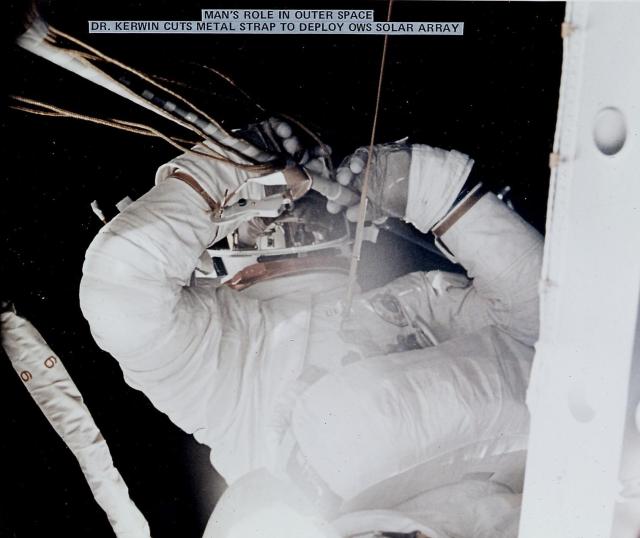
#OTD in 1973, astronauts Pete Conrad and Joe Kerwin were finally able to free the jammed solar array during a challenging 3 hour and 25 minute spacewalk.
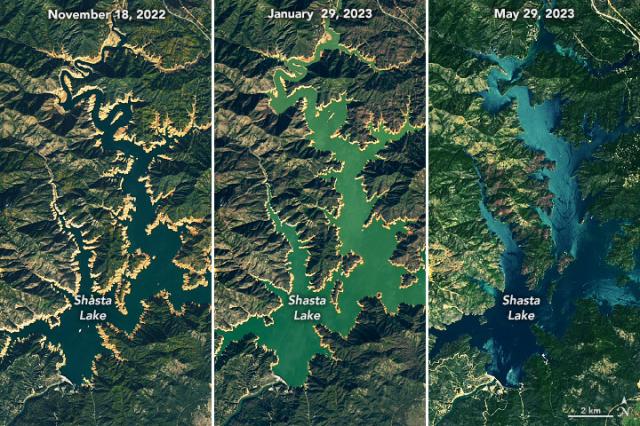
Shasta Lake, California’s largest reservoir, filled to nearly 100% capacity last month. Heavy rains and meltwater from an above-average snowpack earlier this year helped counter a prolonged drought. go.nasa.gov/43Pmok7 #Landsat watched it fill up ⤵️ #NASAEarth
Out of curiosity, do you know what has been the impact to our groundwater systems in California? Do you have a way of measuring the health of our aquifers? And, while we’re at it, do you have a way of providing a map of aquifer basin health in different parts of the US?
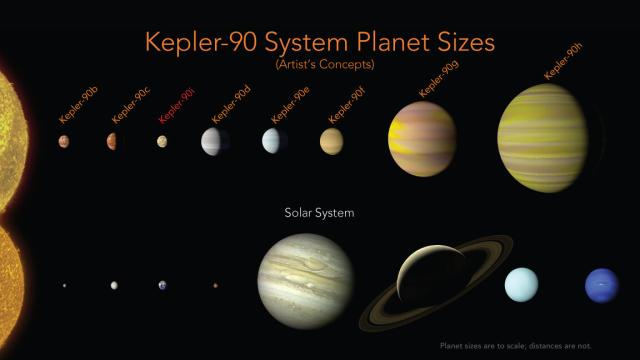
More than 2,700 light-years from Earth, eight planets orbit a star slightly larger than our Sun. This system was found using machine learning; researchers trained computers to look for signs of planets in data from the Kepler Space Telescope. exoplanets.nasa.gov/news/1476/… #NASAExoplanets
Our solar system now is tied for most number of planets around a single star, with the recent discovery of an eighth planet circling Kepler-90, a Sun-like star 2,545 light years from Earth.
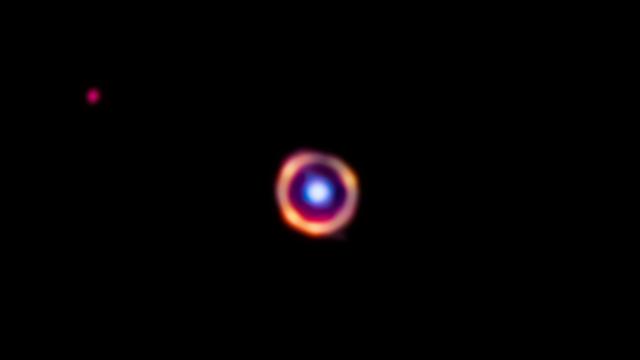
Webb found complex organic molecules similar to smoke or smog in a galaxy more than 12 billion light-years from Earth. This sets a new record for the most distant detection of these big, complicated molecules: bit.ly/43M4YEG #JamesWebb
Texas A&M astronomer Justin Spilker and collaborators have found complex organic molecules in a galaxy more than 12 billion light-years away from Earth.
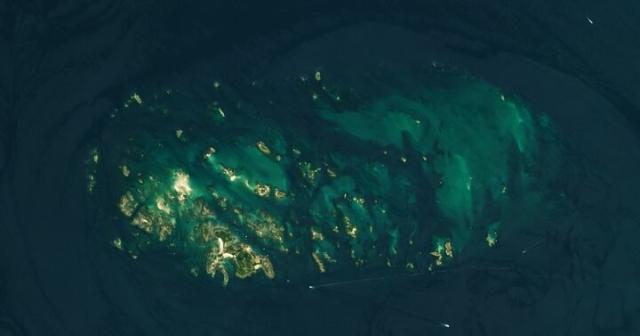
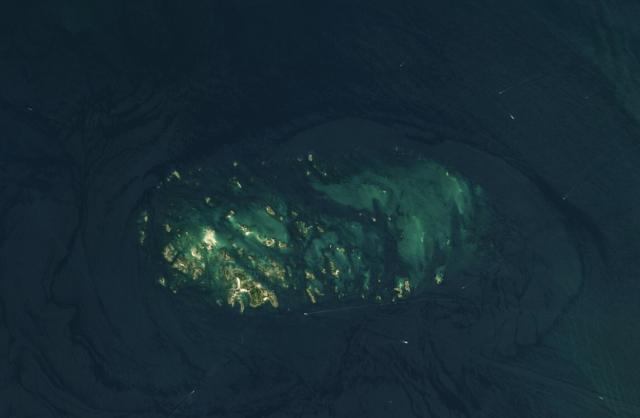
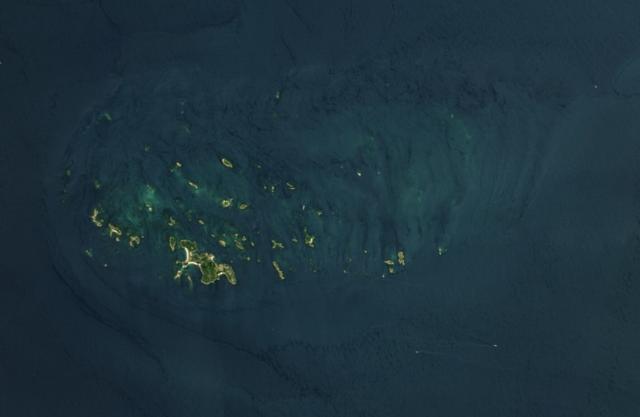
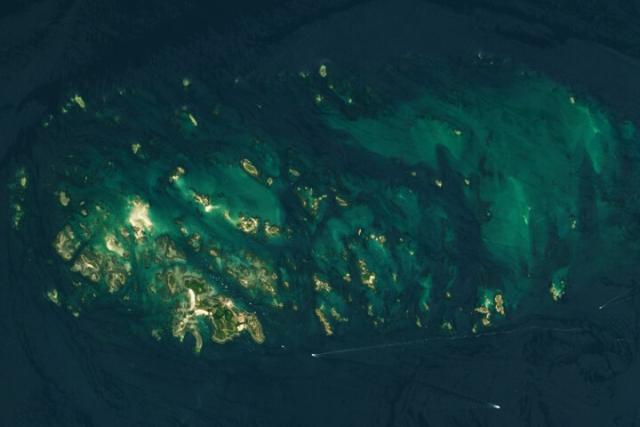
If you guessed the Chausey Islands in the English Channel, you're correct! This area has some of the largest tidal ranges on Earth. go.nasa.gov/3J3Cyyb #NASAEarth
"'NASA for all.' That's something that I think is really important because we are the universe, right? We are made of star stuff, and I think now more than ever, we all need to remember that we're part of a greater purpose.
You're invited to #SendYourName to Jupiter's moon Europa by signing a poem by U.S. Poet Laureate Ada Limón that will travel aboard NASA's @EuropaClipper spacecraft
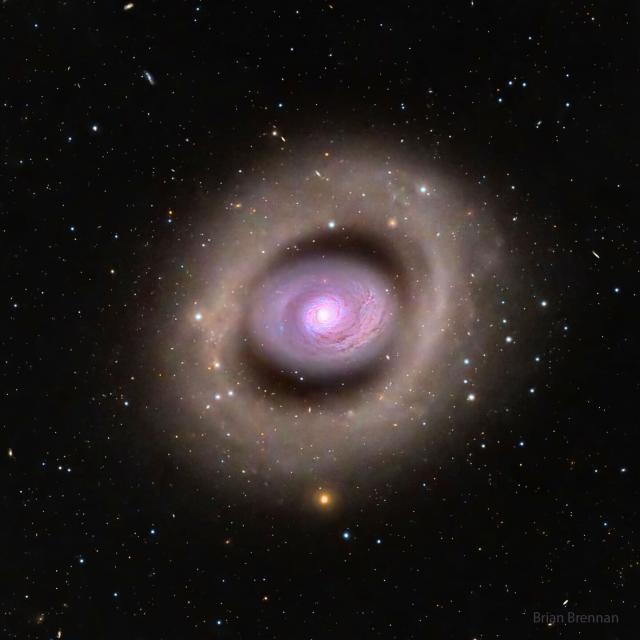
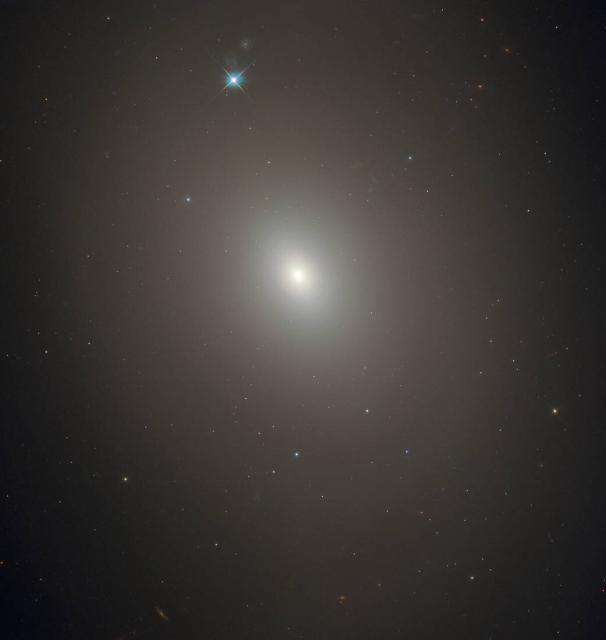
@NASAHubble spots a galaxy about 50 million light-years away that holds some surprises: Two nearby galaxies are influencing it and it may or may not have a supermassive black hole at its center. go.nasa.gov/45It84O #NASA
NASA brings you images, videos and features from the unique perspective of America's space agency. Get updates on missions, watch NASA TV, read blogs, view the latest discoveries, and more.
climate change, global climate change, global warming, natural hazards, Earth, environment, remote sensing, atmosphere, land processes, oceans, volcanoes, land cover, Earth science data, NASA, environmental processes, Blue Marble, global maps
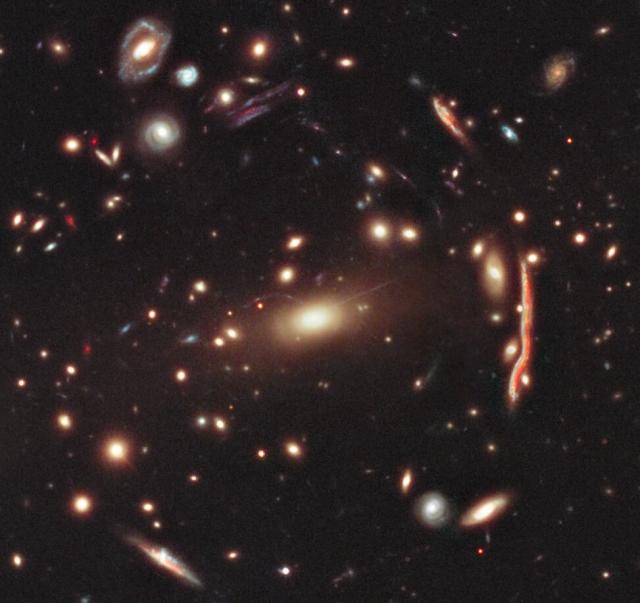
In this #HubbleClassic view, some galaxies appear warped. This is caused by gravitational lensing, which occurs when the gravity of a massive object (like a cluster of galaxies) distorts light coming from behind it: go.nasa.gov/43O8qyV #Hubble
Over 7,000 pounds of new experiments, new solar arrays, and other cargo has arrived at the station after the @SpaceX Dragon cargo craft docked to the Harmony module at 5:54am ET today. blogs.nasa.gov/spacestation/20… #ISS
While the International Space Station was traveling approximately 270 miles over the coast of Brazil, a SpaceX Dragon cargo spacecraft autonomously docked to the station’s Harmony module at 5:54 a.m.
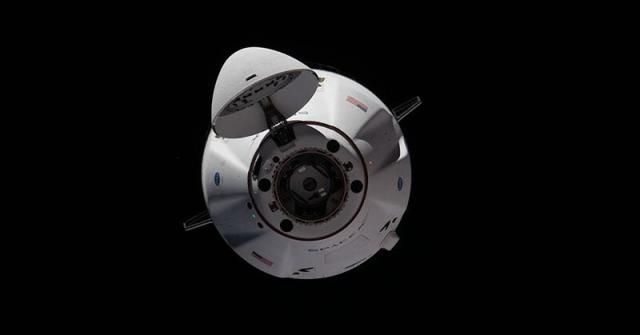
The @SpaceX Dragon cargo craft is seen with with its nose cone open approaching the space station above western Asia. Watch live now... nasa.gov/live #ISS
NASA launches, landings, and events. Watch live broadcasts from NASA Television and NASA's social media channels, and a schedule of upcoming live events including news briefings, launches and landings.
The @SpaceX Dragon cargo craft is approaching the station today packed with over 7,000 pounds of cargo. It will dock at 5:50am ET live on @nasa TV. blogs.nasa.gov/spacestation/20… #ISS
A SpaceX Dragon is on track to arrive at the International Space Station, Tuesday, June 6, with an expected docking of the cargo spacecraft about 5:50 a.m. EDT.
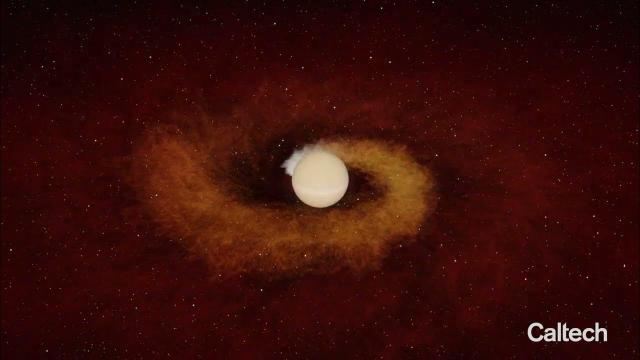
Illustrative Video Credit: K. Miller & R. Hurt (Caltech, IPAC) Details: https://www.caltech.edu/about/news/star-eats-planet-brightens-dramaticallyDetails: ...
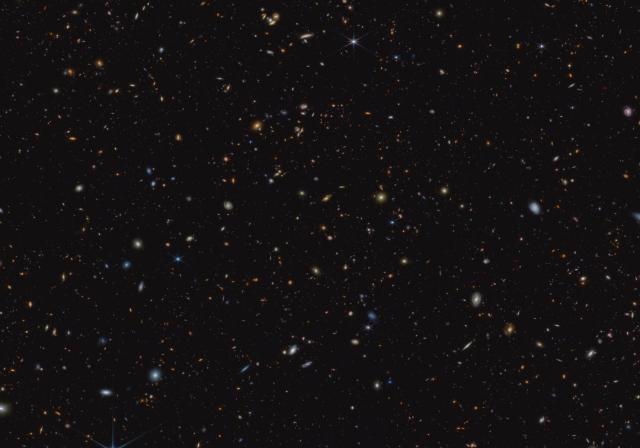
For millions of years after the big bang, the universe was filled with an opaque fog. Within a billion years, the fog cleared and the universe became transparent. @NASAWebb is helping us understand by studying some of the earliest galaxies we've ever seen. go.nasa.gov/3qui2k5 #NASAExoplanets
Among the most fundamental questions in astronomy is: How did the first stars and galaxies form? NASA’s James Webb Space Telescope is already providing new insights into this question.
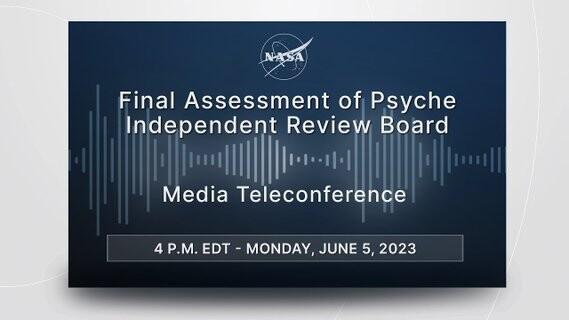
LIVE: Tune in as we review next steps for the Psyche mission, set to launch no earlier than Oct. 2023. The spacecraft will study a metal-rich asteroid of the same name that may be the partial core of a building block of rocky planets in our solar system. youtube.com/watch?v=kVsTaLcP7M… #NASA
NASA discusses the follow-up report by the Psyche mission independent review board. The new assessment reviews corrective actions taken following the Novembe...
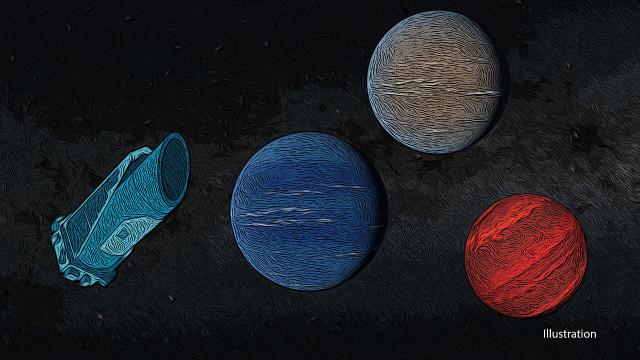
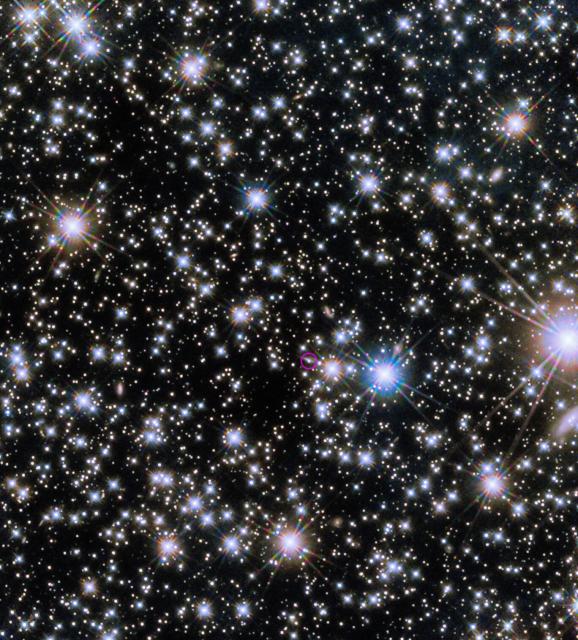
Astrophysicists and citizen scientists teamed up to find three possible exoplanets in the last data from the Kepler telescope -- as it was running out of fuel. (Two planets were confirmed.) go.nasa.gov/3MEFSkw #MondayMotivation: Follow @DoNASAScience and discover worlds! #NASAExoplanets
A team of astrophysicists and citizen scientists have identified what may be some of the last planets NASA’s retired Kepler space telescope observed during its nearly decade-long mission.
GRBs (gamma-ray bursts) produce the highest energy light in the universe from catastrophic star events. A recent burst was nicknamed the BOAT (for brightest of all time), the 7-minute blast may have been the brightest GRB in 10,000 years! go.nasa.gov/3X0q3tc #NASAExoplanets
Fifty years ago, on June 1, 1973, astronomers around the world were introduced to a powerful and perplexing new phenomenon called gamma-ray bursts, now seen somewhere in the sky about once a day on average.
@SpaceX's Dragon spacecraft is headed to the station following a successful launch at 11:47am ET today. #CRS28 will deliver new science, food, supplies and equipment to the station. Docking is set for 5:50am ET on June 6. More: go.nasa.gov/3qw2gFm #ISS
Following a successful launch of NASA’s SpaceX 28th commercial resupply services mission, two new solar arrays, science investigations, and supplies are on their way to the International Space Station.
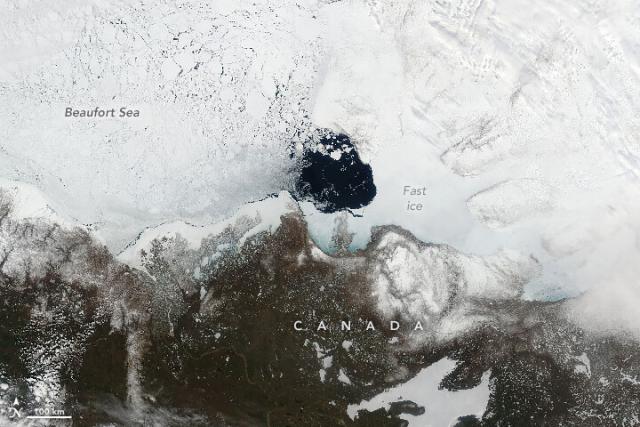
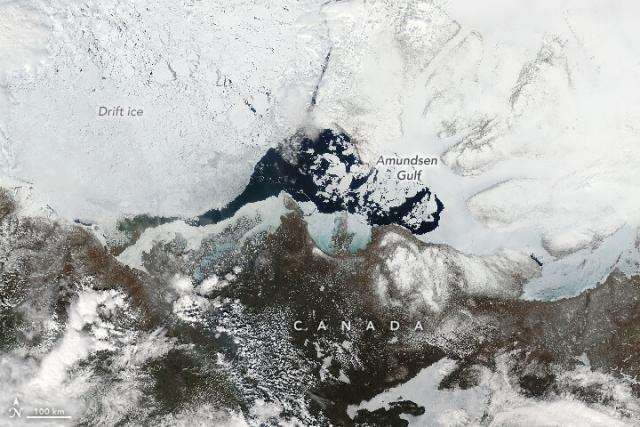
NASA’s Aqua satellite captured these images of the Amundsen Gulf in northern Canada before (left) and after (right) fast ice broke up in late May of 2023. go.nasa.gov/43H72hl #NASAEarth
Dragon flies! @SpaceX's #CRS28 cargo launch lifted off from @NASAKennedy at 11:47am ET (1547 UTC). Learn more about the @ISS_Research it's sending to space: go.nasa.gov/43dcbOt #NASA
The 28th SpaceX commercial resupply services (CRS) mission for NASA is scheduled to launch to the International Space Station from the agency’s Kennedy Space Center in Florida no earlier than June 3.





WineDrinker Searches 4 Clarity
in reply to NASA • • •Shantell Powell
in reply to NASA • • •numbakrunch
in reply to NASA • • •