Search
Items tagged with: artemis

“My big takeaway is: it's okay to take chances. Sometimes we step in our own way and we need to accept help.”
Tiffany Fairley brings the #Artemis missions to the world as a public affairs officer for @NASAKennedy. Celebrate #BHM: go.nasa.gov/3wXkG1w
#NASA

Public Affairs Officer Tiffany Fairley
My big takeaway is: it's okay to take chances. Sometimes we step in our own way and we need to accept help." — Tiffany Fairley, Public Affairs Officer, Artemis Team Lead, NASA's Kennedy Space CenterThalia Patrinos (NASA)

Have you had snow yet this year? ❄️
February’s Snow Moon will last for about three days, peaking Feb. 5 at 1:29 pm ET (1829 UTC). The name Snow Moon is attributed to heavy snow in the northeastern United States: go.nasa.gov/3JFO1oP
#NASAArtemis #Artemis

The Next Full Moon is the Snow, Storm, or Hunger Moon
The next full Moon will be on Sunday, Feb. 5, 2023. The Moon will appear full from early Saturday morning through early Tuesday morning.NASA Solar System Exploration
#NASAArtemis #Artemis

As we plan to send @NASA_Astronauts to the Moon in preparation for one day going to Mars, we need to learn how extended durations in space change the human body.
CIPHER is the first study to assess the whole human response to time spent in space: go.nasa.gov/3XWJfYa
#NASAArtemis #Artemis
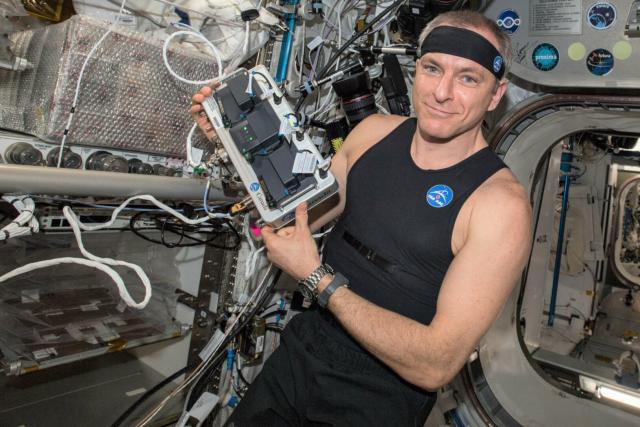
Experiments to Unlock How Human Bodies React to Long Space Journeys
Astronauts participating in 14 studies under the CIPHER investigation will help clarify how multiple systems in the body react to longer spaceflight missions.Kelli Mars (NASA)
Apollo astronauts retrieved hundreds of samples from the lunar surface between 1969 and 1972.
Today, these Moon rocks are used as a data set to help teach programming students. Learn about how @NASASpinoff technology improves our daily lives: spinoff.nasa.gov
[Video embedded in original tweet]
#NASAArtemis #Artemis
#NASAArtemis #Artemis
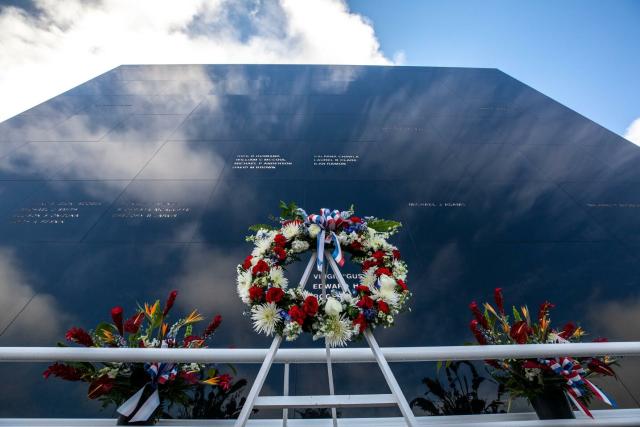
In 2022, NASA-developed Search and Rescue technologies assisted with the rescue of 397 lives in the U.S. region.
Newly-developed Search and Rescue technology also helped teams track @NASA_Orion after the #Artemis I spacecraft splashed down: go.nasa.gov/3JdVR94
#NASAArtemis #Artemis
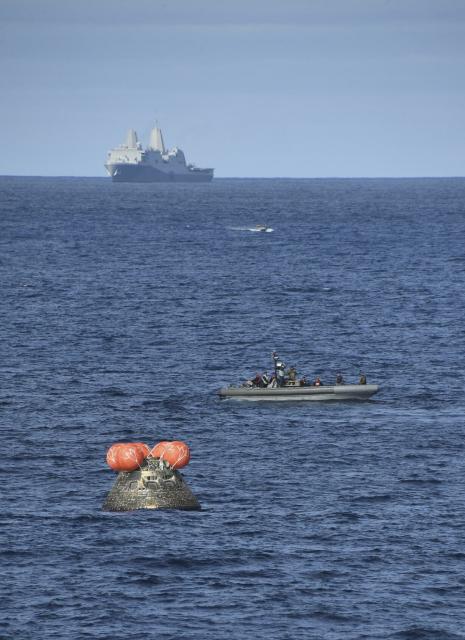
NASA Search and Rescue: Saving Earth-based Explorers
In 2022, NASA-developed Search and Rescue technologies enabled rescue personnel to save 397 lives in the U.S. region.Katherine Schauer (NASA)
You can’t spell #Artemis without the word ‘Art!’
#CrayolaCreativityWeek features @NASA_Astronauts, engineers, and one of our former @NASAInterns, Shane Tolentino, who illustrated our “You Are Going” digital children’s book: nasa.gov/youaregoing
#NASAArtemis #Artemis

NASA: You Are Going
In this story, NASA invites you—a member of the Artemis Generation—to feel connected to each Artemis mission and discover all of the exciting possibilities of going to space.NASA
Happy Year of the Rabbit (or Cat) to those who celebrate!
Lunar New Year occurs on the first new moon of the year and marks the beginning of Spring throughout much of Asia. Tag us to show how you are ringing in the new year.
#NASAArtemis #Artemis
“It was amazingly quiet in the launch control center. You could feel the focus of the team, the intensity of the moment.”
#Artemis I launch director Charlie Blackwell-Thompson recalls the last couple minutes before liftoff of the @NASA_SLS rocket during today’s @NASASTEM event:
#NASAArtemis #Artemis
The #Artemis I mission has laid the groundwork for future astronauts to live and work on the Moon.
Watch live today at 1pm ET (18:00 UTC) as students across the country ask @NASAArtemis experts and leaders about what’s next: nasa.gov/live
#NASA
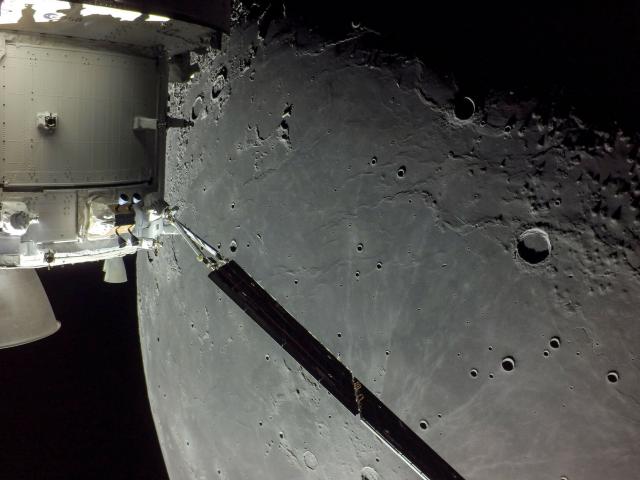
#NASAMoon
Lunar Gateway Instruments to Improve Weather Forecasting for Artemis
For Artemis astronauts traveling on missions to the Moon, two space weather instrument suites, HERMES and ERSA, will provide an early forecast.Miles Hatfield (NASA)
Teams have unloaded the #LunaTwins from the @NASA_Orion spacecraft following the #Artemis I mission.
These two female manikins, Helga and Zohar, measured radiation levels to potentially reduce exposure during future missions with astronauts: go.nasa.gov/3XBH8Zq
#NASAArtemis #Artemis

Orion Manikins Return from Artemis I Mission
Helga and Zohar – two female manikins of the Matroshka AstroRad Radiation Experiment (MARE) investigation – undergo post-flight payload inspections inside the Space Station Processing Facility at Kennedy Space Center.Jason Costa (NASA)
NASA’s Lunar Flashlight mission launched on Dec. 11, 2022, beginning its journey to discover hidden surface ice in the lunar south pole region.
While the SmallSat is largely healthy, teams are troubleshooting the underperformance of 3 of its 4 thrusters: go.nasa.gov/3XIjpXk
#NASAArtemis #Artemis

NASA’s Lunar Flashlight Team Assessing Spacecraft’s Propulsion System
The mission is characterizing its new “green” propulsion system and developing a modified plan for the briefcase-size satellite’s journey to the Moon.Tony Greicius (NASA)
#NASA
Lunar Gateway Instruments to Improve Weather Forecasting for Artemis
For Artemis astronauts traveling on missions to the Moon, two space weather instrument suites, HERMES and ERSA, will provide an early forecast.Miles Hatfield (NASA)
Commander Moonikin Campos, having flown around the Moon & returned to Earth, has emerged from @NASA_Orion & is heading to @NASA_Johnson for evaluation.
Campos collected data throughout the flight that will prepare astronauts for future #Artemis missions: go.nasa.gov/3CYwRyv
#NASAArtemis #Artemis

Commander Moonikin Campos Returns from Artemis I Mission
Commander Moonikin Campos returns from Artemis I mission.Linda Herridge (NASA)
Artemis I: Uncrewed flight test. ✅
Artemis II: Astronauts fly around the Moon.
Artemis III: Astronauts land on the Moon.
With #Artemis I successfully completed, we are working to send humanity to the lunar South Pole region for the first time. For more: go.nasa.gov/3XvS6PY
#NASAArtemis #Artemis
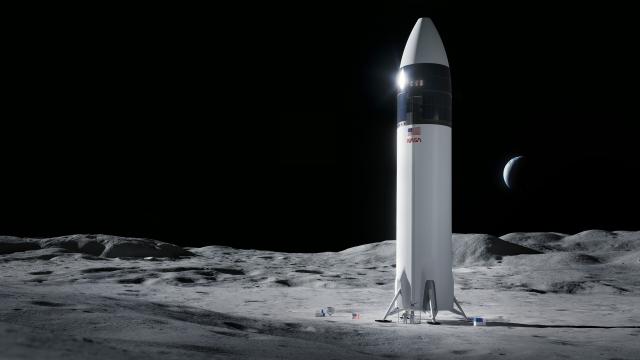
Artemis III: NASA’s First Human Mission to the Lunar South Pole
Artemis III will be humanity’s return to the lunar surface and NASA will make history by sending the first humans to the lunar South Pole region.Darcy Elburn (NASA)
Snoopy has gone where no beagle has gone before.
Following the successful conclusion of the #Artemis I Moon mission, @NASAGroundSys teams have begun unloading the payloads aboard, including the zero-gravity indicator #AstronautSnoopy. go.nasa.gov/3w26zr7
#NASA

Snoopy Returns from Artemis I Mission
Artemis I Snoopy returns to Kennedy Space Center in Florida.Linda Herridge (NASA)
Teams have offloaded a transportation stand from the Pegasus barge that will be used to transport the #Artemis III @NASA_SLS launch vehicle stage adapter around @NASAMarshall.
Next steps? To apply thermal protection system spray foam: go.nasa.gov/3GWxJGi
#NASAArtemis #Artemis
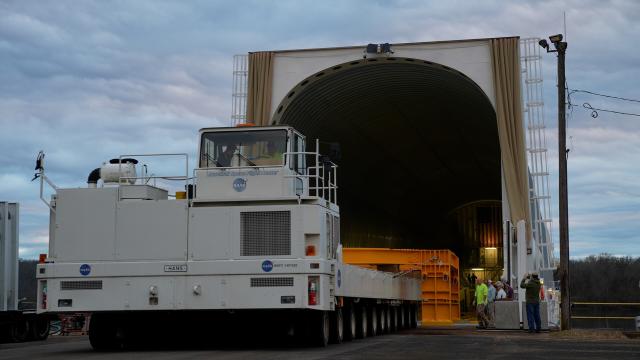
NASA Barge Delivers Transportation Stand for Crewed Artemis Mission
Crews from NASA’s Marshall Space Flight Center in Huntsville, Alabama, offload a transportation stand from NASA’s Pegasus barge Saturday, Jan. 7.Lee Mohon (NASA)
Inspections are underway 🔍
@NASAKennedy technicians are conducting inspections of @NASA_Orion’s heatshield, which experienced temperatures near 5,000 degrees Fahrenheit as the capsule faced its biggest challenge—reentering the Earth’s atmosphere. go.nasa.gov/3vP0RZy
#NASAArtemis #Artemis

Heat Shield Inspections Underway on Artemis I Orion Spacecraft
Inside the Multi-Payload Processing Facility at NASA’s Kennedy Space Center in Florida, engineers and technicians conduct inspections of the heat shield on the Orion spacecraft for the Artemis I mission.Danielle Sempsrott (NASA)
Commander Moonikin Campos has had quite a journey: launching from @NASAKennedy, flying around the Moon aboard @NASA_Orion, & concluding the #Artemis I mission with a successful splashdown in the Pacific Ocean.
Learn more about his namesake, Arturo Campos: go.nasa.gov/3jQubw5
#NASA
Arturo Campos: A Key Player in Bringing Apollo 13 Home
Campos will be remembered as not only a key player instrumental to Apollo 13’s safe return, but as a champion for equality in the workplace.Thalia Patrinos (NASA)
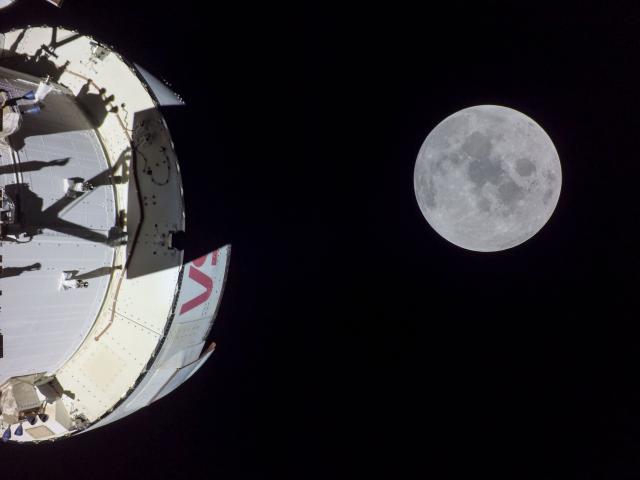
Catch a glimpse of the first full Moon of the year, also known as the Wolf Moon, which reaches peak illumination on January 6.
@NASA_Orion captured this stellar image as it prepared for a return trajectory correction during the #Artemis I mission. go.nasa.gov/3Xaahut
#NASAArtemis #Artemis
NASA: Artemis
Artemis is the name of NASA's program to return astronauts to the lunar surface. We are going forward to the Moon to stay.NASA
We went.
For years, we have been preparing for long-term human exploration of the Moon. In 2022, we witnessed the launch of @NASA_SLS, @NASA_Orion's trek to the Moon, and a splashdown back to Earth that future astronauts will experience.
2023, look out. We are #Artemis.
#NASAArtemis #Artemis
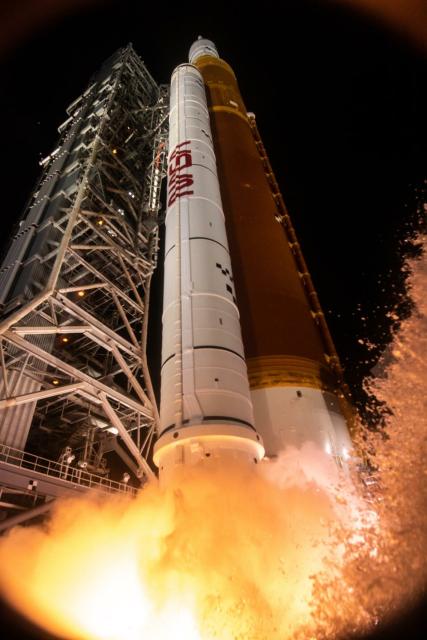
It's been a big year for NASA—and in 2023, we're returning our first asteroid sample to Earth, sending @NASAAero breakthroughs to the skies, and announcing the #Artemis II crew that will orbit the Moon.
Check out what's next: youtube.com/watch?v=KjBisqblTL…
#NASA
NASA in 2023: A Look Ahead
In 2022, we made history. In 2023, we are preparing for our future by exploring the secrets of the universe. All for the benefit of humanity.To learn more ab...YouTube
#NASAArtemis #Artemis
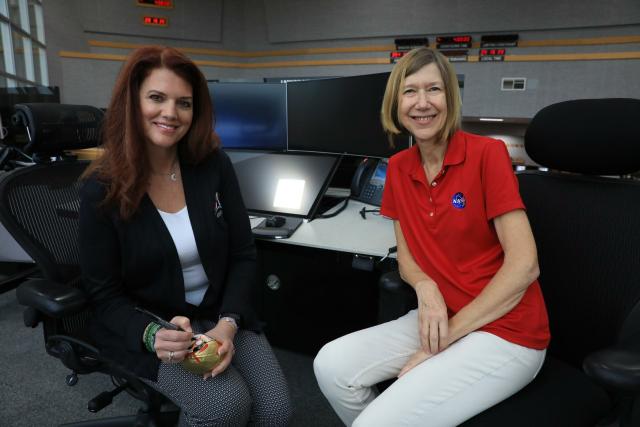
Celebrating a successful mission 🚀
#Artemis launch director Charlie Blackwell-Thompson and space operations lead @KathyLueders color in the eye of a Japanese Daruma doll given to the team from @JAXA_en as a token of good luck prior to the Artemis I launch.
#NASAArtemis #Artemis

Earlier this month, teams integrated a science instrument that will detect and map water on the Moon’s surface with the small satellite Lunar Trailblazer.
The launch of Lunar Trailblazer is scheduled for no earlier than mid-2023. go.nasa.gov/3C4uhX8
#NASAArtemis #Artemis
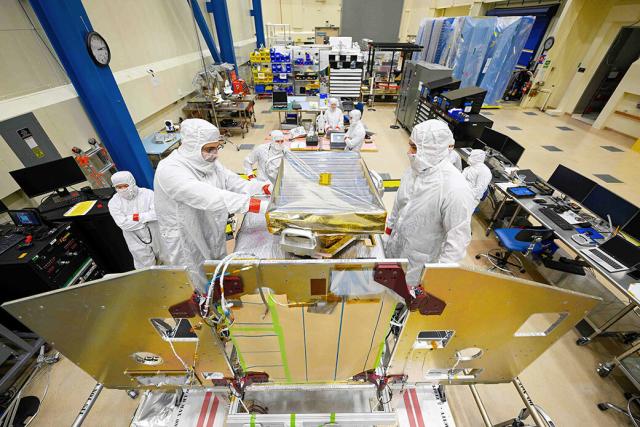
Moon Water Imager Integrated With NASA’s Lunar Trailblazer
JPL’s cutting-edge instrument, which will provide insights into the lunar water cycle and composition of the Moon’s surface, has been incorporated into the small satellite.Tony Greicius (NASA)
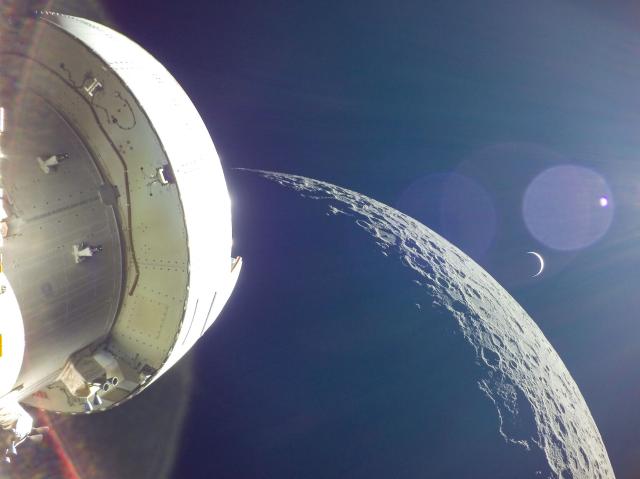
On Nov. 28, our Orion spacecraft captured the Earth rising behind the Moon.
The #Artemis I flight test happened around 50 years after the iconic Apollo 17 "Blue Marble" photo of Earth was taken. See the similarities and differences between the two eras: go.nasa.gov/3WqB6us
#NASA
Then and Now: Apollo to Artemis
More than 50 years ago, NASA sent the first humans to the Moon through the Apollo program. Now, NASA is preparing to send the first woman and first person of color to the lunar surface as part of the Artemis program.Jason Costa (NASA)
From launch to splashdown, see image highlights from our #Artemis I flight test around the Moon.
The @NASAArtemis mission broke records, made history, and provided vital data for future crewed missions while getting some beautiful pictures along the way. bit.ly/artemisitumblr
#NASA
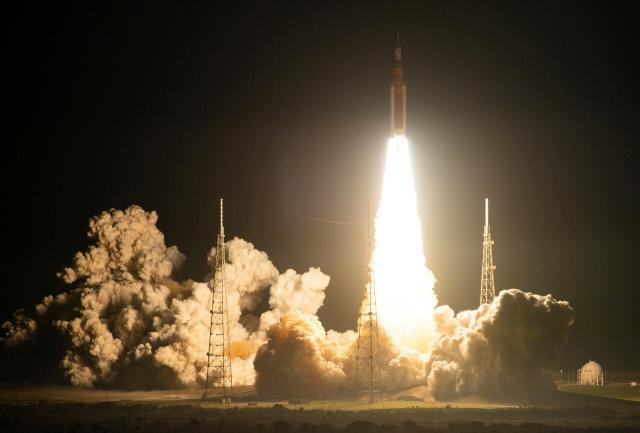
The Artemis I Mission: To the Moon and Back
The Artemis I mission was the first integrated test of the Orion spacecraft, the Space Launch System (SLS) rocket, and Exploration Ground Systems at NASA’s Kennedy Space Center in Florida. We’ll use...nasa (Tumblr)
After completing a 1.4-million-mile journey beyond the Moon and back, @NASA_Orion is now en route to @NASAKennedy via truck.
Upon arrival, technicians will unload several payloads, including Commander Moonikin Campos and zero-gravity indicator Snoopy: go.nasa.gov/3Vj4Qb8
#NASAArtemis #Artemis
.@nasa scientists are developing AI to help guide future astronauts’ navigation of the Moon using lunar landmarks and data gathered from the Lunar Reconnaissance Orbiter.
This new tech could help where GPS is unreliable: go.nasa.gov/3jgbC4g
#NASAArtemis #Artemis
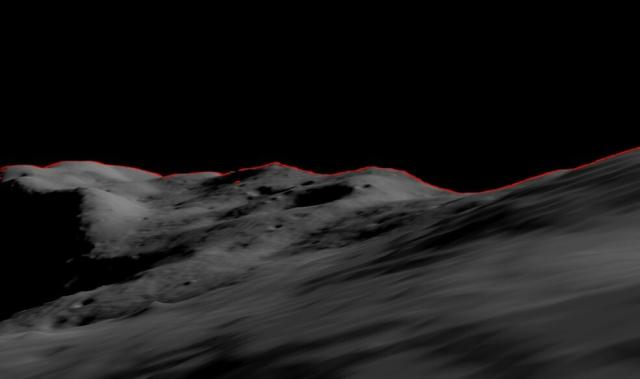
Steering by Landmarks – On the Moon
A NASA engineer is teaching a machine to use features on the Moon’s horizon to navigate across the lunar surface.Karl Hille (NASA)
Then and now.
Discover the differences and similarities between launch and recovery during the Apollo missions and the #Artemis I flight test around the Moon. See how @NASA_SLS and @NASA_Orion broke records and made history: go.nasa.gov/3HMQFrP
#NASAArtemis #Artemis
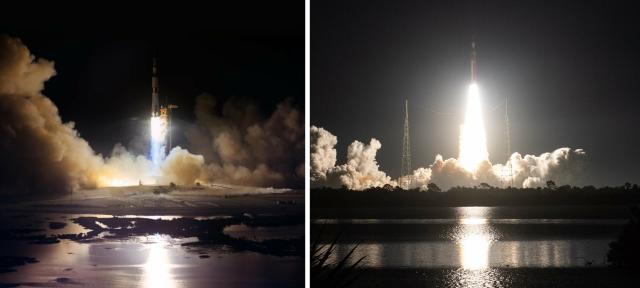
Then and Now: Apollo to Artemis
More than 50 years ago, NASA sent the first humans to the Moon through the Apollo program. Now, NASA is preparing to send the first woman and first person of color to the lunar surface as part of the Artemis program.Jason Costa (NASA)
Then and now.
Discover the differences and similarities between launch and recovery during the Apollo missions and the #Artemis I test flight around the Moon. See how @NASA_SLS and @NASA_Orion broke records and passed milestones: go.nasa.gov/3YxSjU4
#NASAArtemis #Artemis
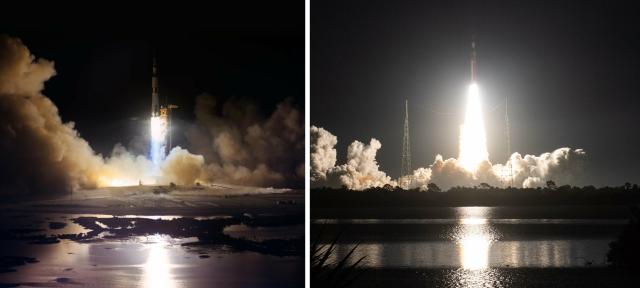
Then and Now: Apollo to Artemis
More than 50 years ago, NASA sent the first humans to the Moon through the Apollo program. Now, NASA is preparing to send the first woman and first person of color to the lunar surface as part of the Artemis program.Jason Costa (NASA)
#ISS
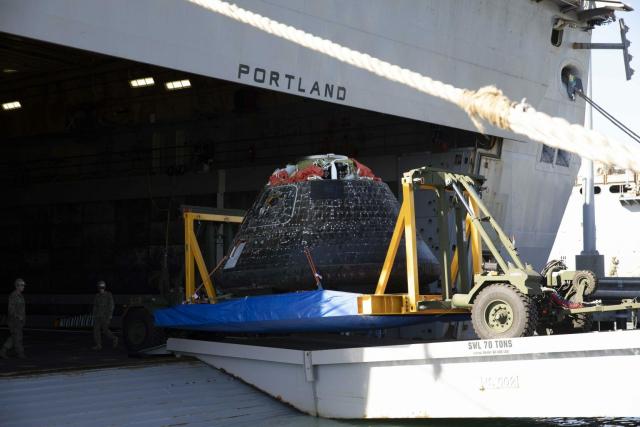
Following the successful splashdown of the #Artemis I mission, @NASAGroundSys teams have successfully removed @NASA_Orion from the USS Portland.
Engineers will conduct initial inspections before transporting the spacecraft back to @NASAKennedy. go.nasa.gov/3WhetIv
#NASAArtemis #Artemis
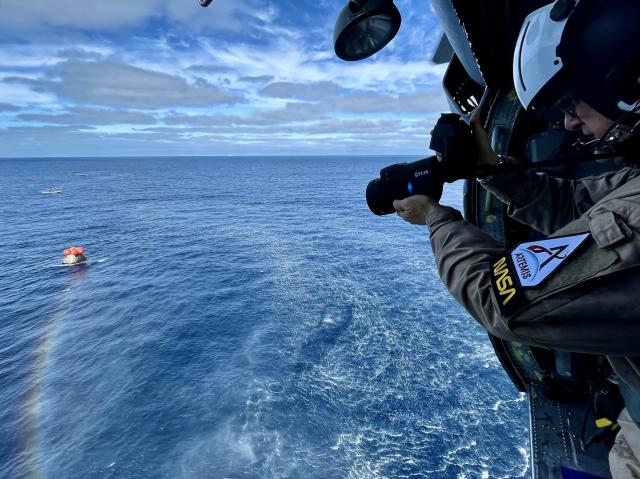
Honey, I’m home.
In this image, a member of the recovery team captures imagery of @NASA_Orion shortly after it splashed down in the Pacific Ocean off the coast of Baja California on Dec. 11. The splashdown marked the successful conclusion of the #Artemis I mission.
#NASAArtemis #Artemis
#NASA
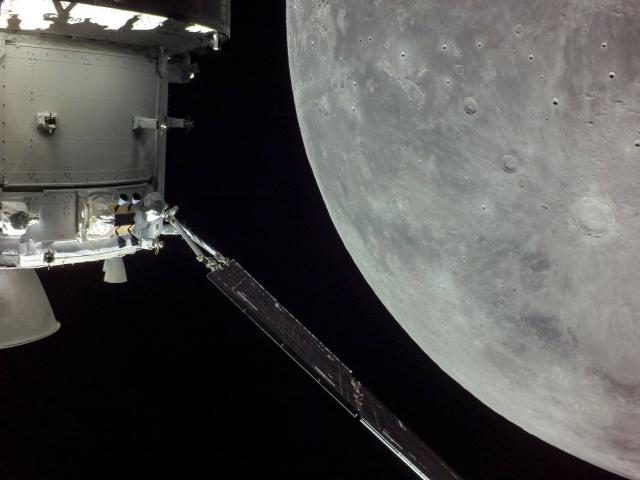
We're on the NASA team that just launched Artemis I around the Moon and brought it back to Earth. Ask us anything! : r/IAmA
PROOF: [https://twitter.com/NASA/status/1602359606361165824](https://twitter.com/NASA/status/1602359606361165824) Lastteddit
Welcome to #Artemis, Rwanda and Nigeria. 🇷🇼 🇳🇬
By signing the Artemis Accords, these two nations have joined over 20 others in the commitment to the peaceful and safe exploration of space. go.nasa.gov/3Yit881
#NASAArtemis #Artemis
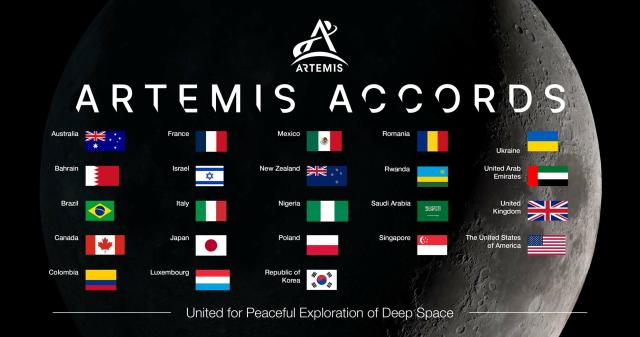
NASA Welcomes Nigeria, Rwanda as Newest Artemis Accords Signatories
During the U.S.-Africa Leaders Summit in Washington Tuesday, NASA Administrator Bill Nelson joined Under Secretary of State for Economic Growth, Energy, and the Environment Jose W. Fernandez, U.S.Cheryl Warner (NASA)
After a successful launch, @nasa's Lunar Flashlight is heading on its four-month journey to seek water ice on the cratered lunar surface.
This small satellite uses lasers emitting near-infrared light to analyze the Moon's permanently shadowed regions: go.nasa.gov/3VQ9aju
#NASAArtemis #Artemis
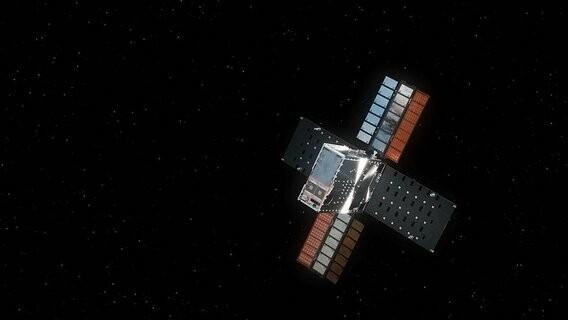
NASA’s Lunar Flashlight Has Launched – Follow the Mission in Real Time
NASA’s Eyes on the Solar System web-based visualization tool lets you “see” the SmallSat as it journeys to the Moon and seeks out water ice in the darkest craters there.Tony Greicius (NASA)
NASA scientists are at #AGU22 this week, discussing topics ranging from sea level change to exploring oceans on other worlds to the #Artemis I mission.
Follow @NASAExhibit for updates and discover when to tune in: go.nasa.gov/3UWJhwR
#NASA
NASA Television Upcoming Events
NASA.gov brings you the latest images, videos and news from America's space agency. Get the latest updates on NASA missions, watch NASA TV live, and learn about our quest to reveal the unknown and benefit all humankind.NASA