Search
Items tagged with: NASA

Who made you the star you are today? Mention them to give them cosmic #MothersDay flowers. 🌹
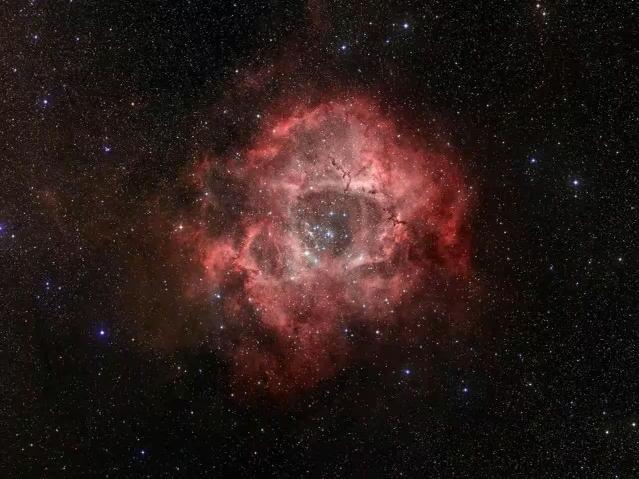
The Rosette Nebula, about 5,000 light-years from Earth, is a region in space where stars are formed. This image by the Spitzer Space Telescope shows the stellar nursery in infrared.
#NASA

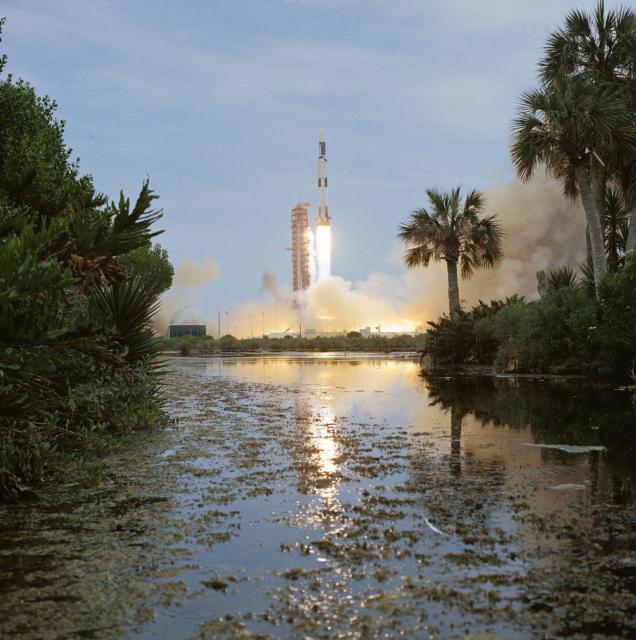
Happy 50th, Skylab!
Our first space station launched into orbit on May 14, 1973. Skylab hosted three crews of @NASA_Astronauts, proving that humans could live and work in space for extended periods of time. Learn more with @NASA_History: go.nasa.gov/3nVqFmz
#NASA
Skylab, Birth of the Modern Space Station: Part I - The History of Sky
It's been three years since the first human inhabitants took up residence aboard the International Space Station (ISS).NASA
This week was busy.
@Space_Station crew members relocated their @SpaceX Dragon to a new docking port, @NASAWebb imaged a nearby star, and @RocketLab launched two small satellites to study hurricanes.
Subscribe to our newsletter and get the full scoop: nasa.gov/subscribe
#NASA
We're holding a public meeting of our independent study team on unidentified anomalous phenomena (UAP) on Wednesday, May 31, at 10:30am ET (1430 UTC), with a media teleconference to follow.
How to watch: go.nasa.gov/42tSGAX
Submit your questions: go.nasa.gov/42uzK4J
#NASA
NASA Provides Coverage of Unidentified Anomalous Phenomena Meeting
NASA is holding a public meeting at 10:30 a.m. EDT Wednesday, May 31, of its independent study team on categorizing and evaluating data of unidentified anomalous phenomena (UAP).Abbey Donaldson (NASA)
Over their eight days on the @Space_Station, the private astronauts of @Axiom_Space's Axiom Mission 2 will run activities from student outreach to scientific experiments.
#Ax2 is set to lift off from @NASAKennedy on Sunday, May 21—here's how to watch: go.nasa.gov/41yAdlp
#NASA

NASA Sets Coverage for Axiom Mission 2 Briefings, Events, Broadcast
NASA, Axiom Space, and SpaceX will provide coverage of the upcoming prelaunch and launch activities for Axiom Mission 2 (Ax-2), the second private astronaut mission to the International Space Station.Claire O’Shea (NASA)
#NASA
#NASA
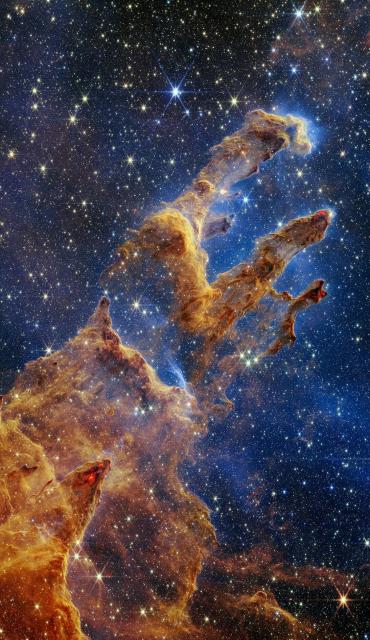
This @NASAWebb image of the Pillars of Creation helps astronomers determine how stars form. Plus, it makes pretty sweet digital wallpaper.
Download high-resolution images from webbtelescope.org.
#NASA
#NASA
#NASA
#NASA
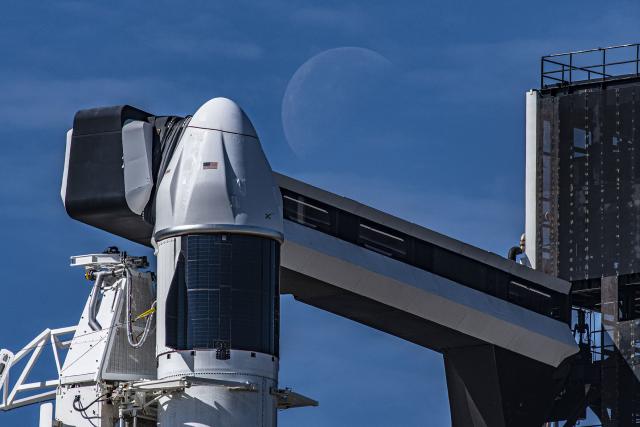
NASA Invites Media to Next SpaceX Resupply Launch to Space Station
Media accreditation is open for SpaceX’s 28th commercial resupply mission for NASA to the International Space Station. Liftoff of the SpaceX Dragon cargo spacecraft on the company’s Falcon 9 rocket is targeted no earlier than 12:34 p.m.Roxana Bardan (NASA)
Happy #TeacherAppreciationWeek! Our thanks go out to the teachers and educators who work tirelessly to elevate the next generation of explorers.
Join us this week for live webinars and ready-to-use resources from @NASASTEM and @DoNASAScience: go.nasa.gov/3NOWmZu
#NASA
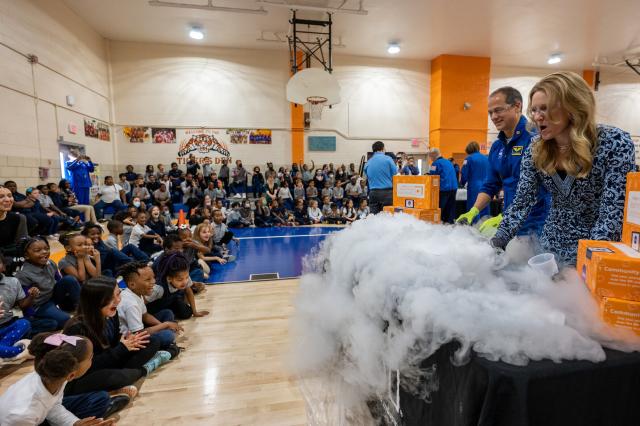
In Appreciation of Educators, NASA Presents Digital Learning Week
NASA’s Science Activation Program invites learners of all ages, including students and educators, to join our Digital Learning Week Celebration.Tricia Talbert (NASA)
#NASA
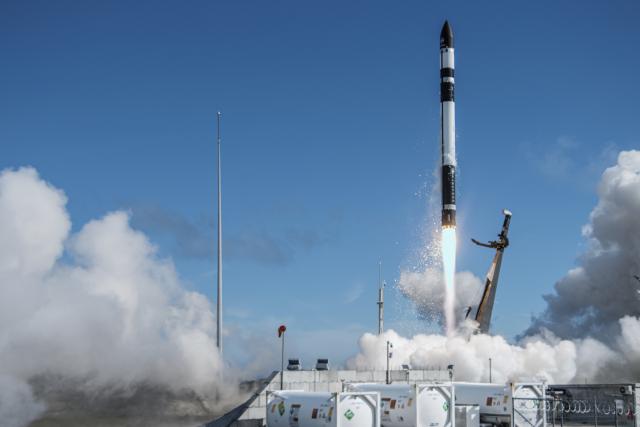
NASA, Rocket Lab Launch First Pair of Storm Observing CubeSats
Two NASA CubeSats designed to study tropical cyclones, including hurricanes and typhoons, successfully launched at 1 p.m. Monday NZST (9 p.m. EDT Sunday).Abbey Donaldson (NASA)
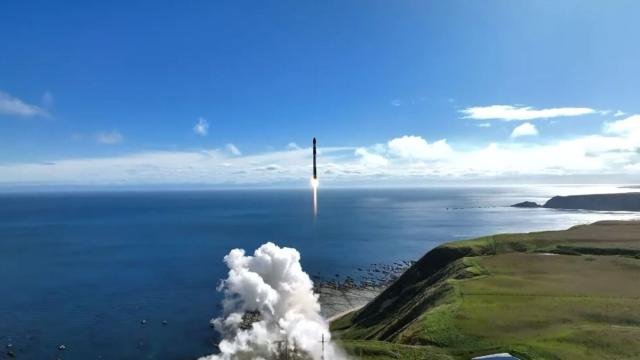
Two TROPICS CubeSats successfully deployed from a @RocketLab Electron rocket after launch. Signal acquisition from the pair of @NASAEarth small satellites may take some time to establish, which is not unexpected.
We'll provide confirmation when signal is acquired:… twitter.com/i/web/status/16554…
#NASA
#NASA
#NASA
NASA and @RocketLab are targeting 9pm ET Sunday, May 7 (0100 May 8 UTC), for the first launch of our cyclone-studying TROPICS CubeSats.
Tune in here and at nasa.gov/live at 8:40pm ET (0040 May 8 UTC) for live launch coverage from New Zealand: go.nasa.gov/42xYE3n
#NASA
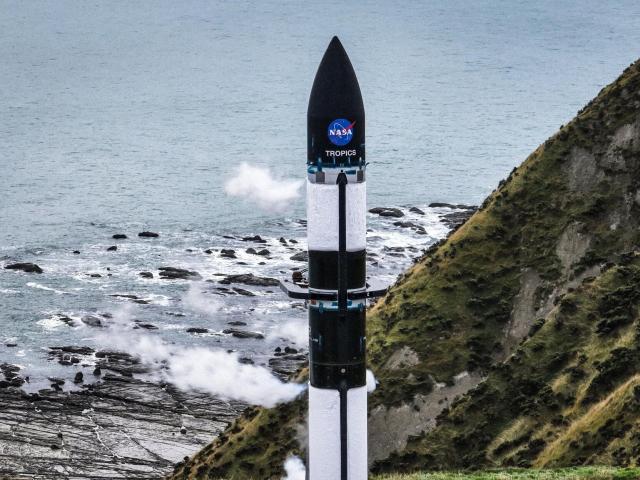
NASA, Rocket Lab Update Launch Coverage for Tropical Cyclones Mission
After the previous launch target date changed due to weather conditions in New Zealand, NASA and Rocket Lab are now targeting 9 p.m. EDT Sunday, May 7, (1 p.m.Abbey Donaldson (NASA)
A new habitat is prepped for volunteers to test living in Mars-like conditions for a year, @NASAWebb detects signs of water vapor on a distant planet, and we celebrate #BlackHoleWeek—that’s what’s up This Week at NASA.
Wrap up the celebration with us: go.nasa.gov/44B3u1j
#NASA
Overview | Black Hole Week – NASA Universe Exploration
NASA's home for exploring everything beyond our solar system. Scientists use our fleet of telescopes to help us understand objects from our nearest neighbor stars, to monster black holes and distant galaxies.NASA Universe Exploration
#NASA
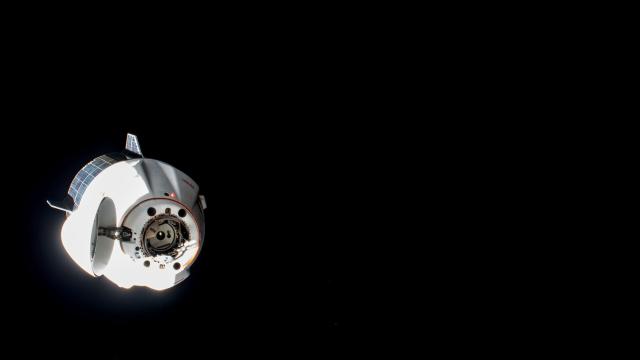
Join us tomorrow from the @Space_Station!
With #Crew6 aboard, @SpaceX's Dragon Endeavour spacecraft is undocking and moving to a new port to make room for an upcoming cargo launch. Watch here and at nasa.gov/live starting at 7am ET (1100 UTC) on Saturday, May 6.
#NASA
We can’t imagine a more beautiful thing than May’s full moon – the Corn Moon. 🌽
Set to peak on May 5 at 1:34pm ET (1634 UTC ), this full moon, also known as the Flower Moon, will appear full till Sunday. Discover how it got its names: go.nasa.gov/3piIAUs
#NASA
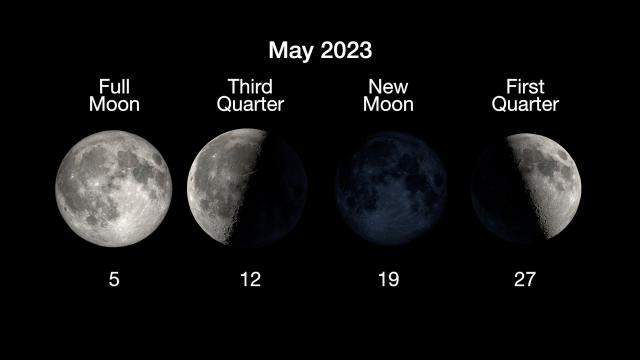
The Next Full Moon is the Flower, Corn, or Corn Planting Moon
The next full Moon will be on Friday afternoon, May 5, 2023. The Moon will appear full from early Thursday morning through early Sunday morning.NASA Solar System Exploration
#NASA
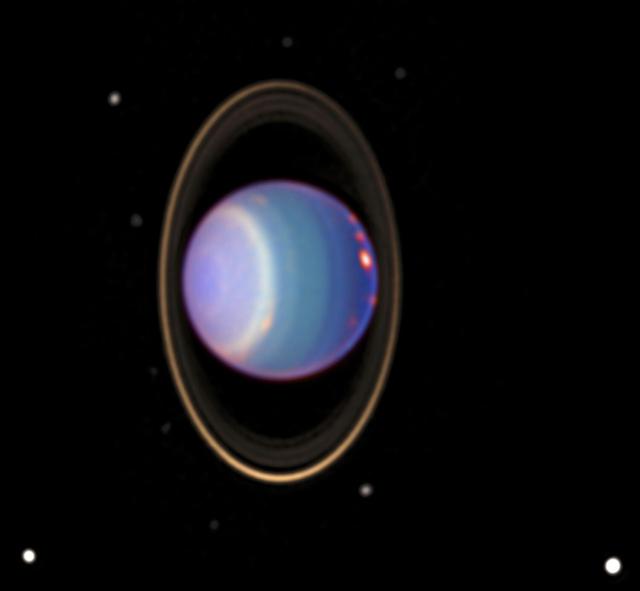
New Study of Uranus’ Large Moons Shows 4 May Hold Water
The work is based on new modeling and explores how oceans could exist in unlikely places in our solar system.Tony Greicius (NASA)
When we say “supermassive black holes,” just how do they measure up?
Using their shadows for size, we’ve rounded up 10 black holes and compared them to objects in our solar system. Don’t worry – these black holes are many light-years away: go.nasa.gov/3HIcDeW #BlackHoleWeek
#NASA
NASA Animation Sizes Up the Universe’s Biggest Black Holes
A new NASA animation highlights the “super” in supermassive black holes. These monsters lurk in the centers of most big galaxies, including our own Milky Way.Francis Reddy (NASA)
The eta Aquariid meteor shower is expected to reach its peak tonight (May 4-5)—and even with the full Moon, it could still be a great night for skywatching!
Here's how, where and when to track the eta Aquariids: go.nasa.gov/42iqGQk
#NASA
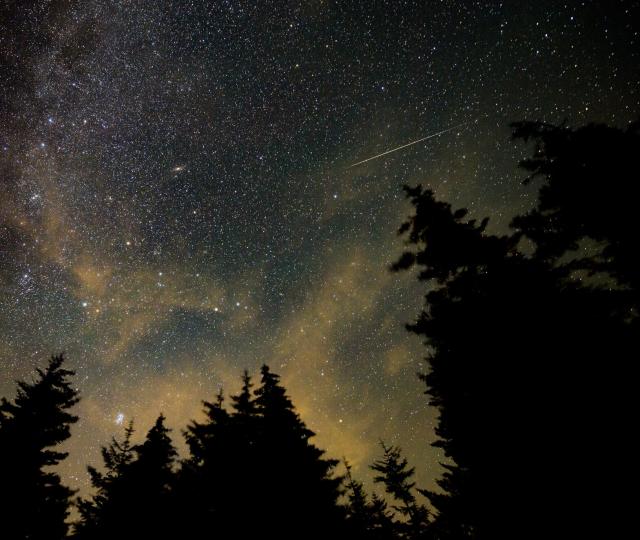
Bring balance to the force, not leave it in darkness.
Happy #StarWarsDay. And #MayThe4thBeWithYou.
#NASA
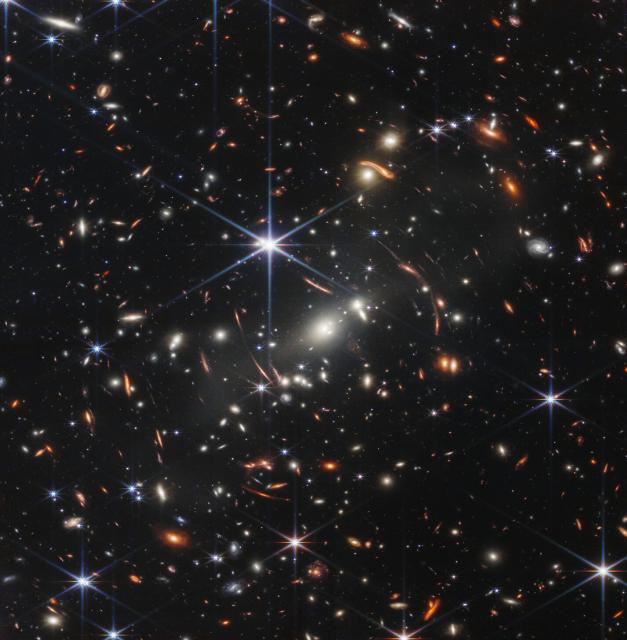
#NASA
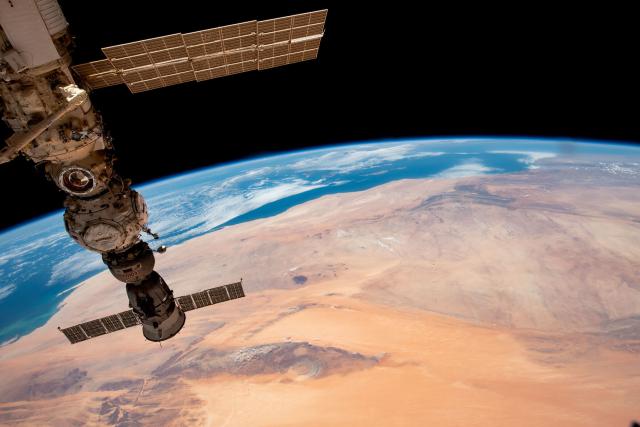
Our #BlackHoleWeek event is on the horizon. 🕳️
Join our May 5 @TwitterSpaces to learn from experts as they talk about black holes, including the one at the center of our galaxy. #AskNASA your questions and they might be answered live. twitter.com/i/spaces/1eaKbrOqo…
#NASA
#NASA
What’s Up: Skywatching Tips from NASA
Watch the latest video in NASA’s “What’s Up” series to discover the skywatching highlights for this month.NASA Solar System Exploration
#NASA
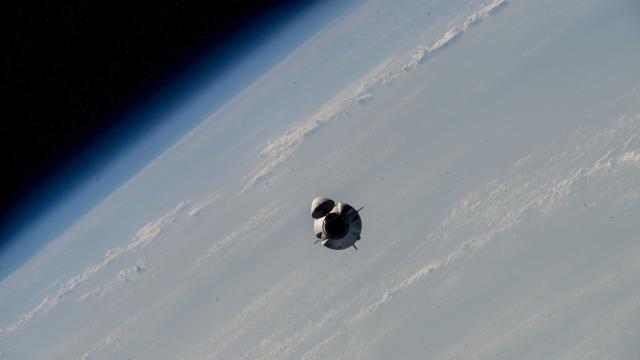
NASA Sets Coverage for Dragon Port Relocation on Space Station
Four crew members aboard the International Space Station will relocate their SpaceX Dragon spacecraft’s docking port Saturday, May 6, to make way for the arrival of an upcoming cargo spacecraft.Abbey Donaldson (NASA)
Looking for the latest news from low Earth orbit?
Follow @NASASpaceOps for mission leadership updates as we live and work beyond our home planet.
#NASA
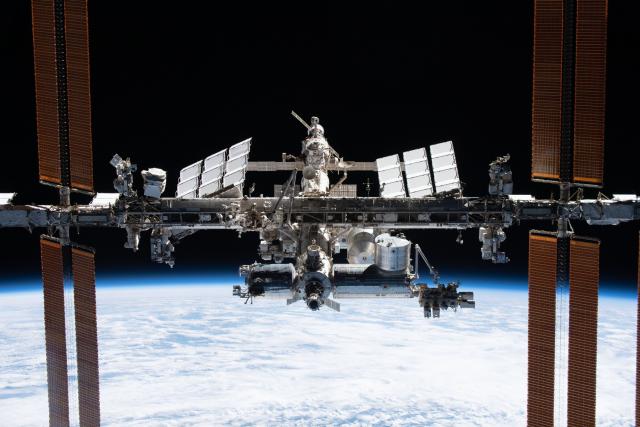
#NASA

Asian American and Native Hawaiian Pacific Islander Heritage
NASA.gov brings you the latest images, videos and news from America's space agency. Get the latest updates on NASA missions, watch NASA TV live, and learn about our quest to reveal the unknown and benefit all humankind.NASA
Tale as old as time. ☄️
Unusual asteroid Phaethon behaves like a comet. It brightens and forms a tail as it nears the Sun and is the source of a meteor shower, something usually led by comets. But this asteroid's tail tells a different story:
go.nasa.gov/3LHmtQs
#NASA
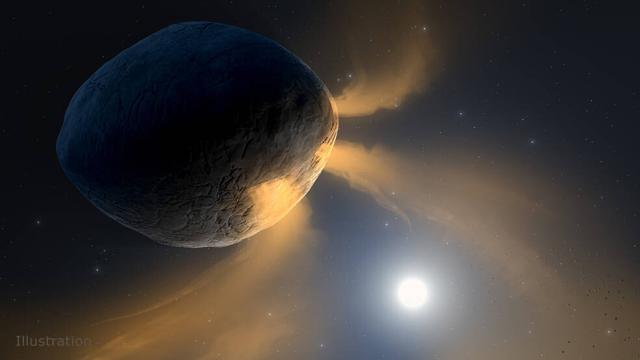
Asteroid’s Comet-Like Tail Is Not Made of Dust
NASA solar observatories have revealed that asteroid Phaethon's comet-like tail is made of sodium escaping the asteroid, not dust as scientists had long thought.Vanessa Thomas (NASA)
#NASA
Astronauts Wrap Up Spacewalk for Station Power Upgrades
NASA astronaut Steve Bowen and UAE (United Arab Emirates) astronaut Sultan Alneyadi concluded their spacewalk at 4:12 p.m. EDT after 7 hours and 1 minute.go.nasa.gov
🔔 Live: TROPICS experts discuss the mission, which aims to improve understanding of tropical cyclones through regular measurements of precipitation, temperature & humidity.
Use #AskNASA and your questions may get answered on air.
youtube.com/live/O6C4BhRWacE?f…
#NASA
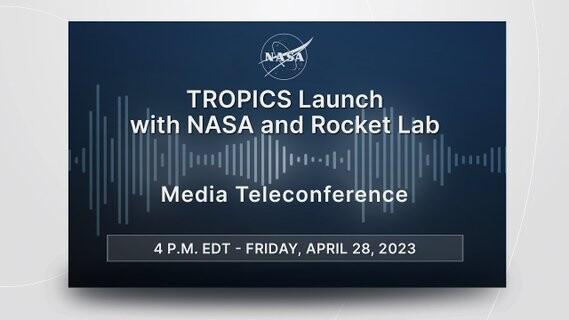
TROPICS Launch Media Telecon with NASA and Rocket Lab
NASA and Rocket Lab will host a media teleconference to the discuss agency’s TROPICS (Time-Resolved Observations of Precipitation structure and storm Intensi...YouTube
LIVE: It's spacewalk time. Watch with us as Steve Bowen of @NASA_Astronauts and @Astro_Alneyadi work on upgrades to the @Space_Station's power system. twitter.com/i/broadcasts/1ynJO…
[Video embedded in original tweet]
#NASA
LIVE: It's spacewalk time. Watch with us as Steve Bowen of @NASA_Astronauts and @Astro_Alneyadi work on upgrades to the @Space_Station's power system. twitter.com/i/broadcasts/1ynJO…
[Video embedded in original tweet]
#NASA
LIVE: It's spacewalk time. Watch with us as Steve Bowen of @NASA_Astronauts and @Astro_Alneyadi work on upgrades to the @Space_Station's power system. twitter.com/i/broadcasts/1ynJO…
[Video embedded in original tweet]
#NASA
LIVE: It's spacewalk time. Watch with us as Steve Bowen of @NASA_Astronauts and @Astro_Alneyadi work on upgrades to the @Space_Station's power system. twitter.com/i/broadcasts/1ynJO…
[Video embedded in original tweet]
#NASA