
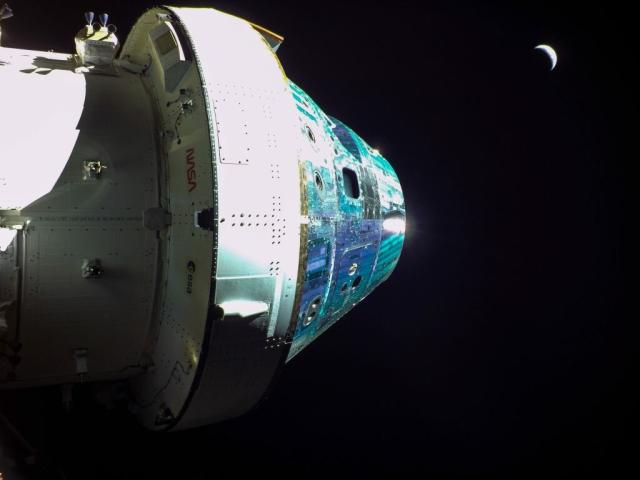
On flight day 19 for our @NASA_Orion spacecraft, four limiters responsible for downstream power switched off due to an issue with a power conditioning distribution unit.
The system is healthy, and there was no interruption to any critical systems: go.nasa.gov/3HaKBco
#NASAArtemis #Artemis
#NASASolarSystem
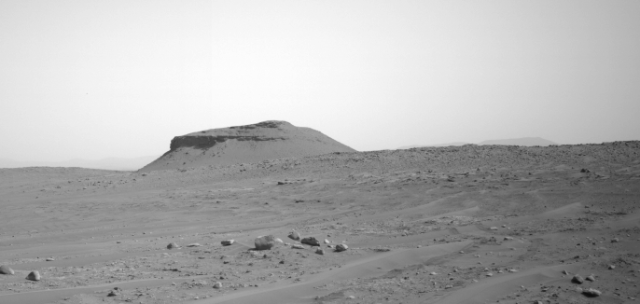
Mars 2020 Perseverance Rover - NASA
NASA's Mars 2020 Perseverance rover will look for signs of past microbial life, cache rock and soil samples, and prepare for future human exploration.mars.nasa.gov
#NASASolarSystem
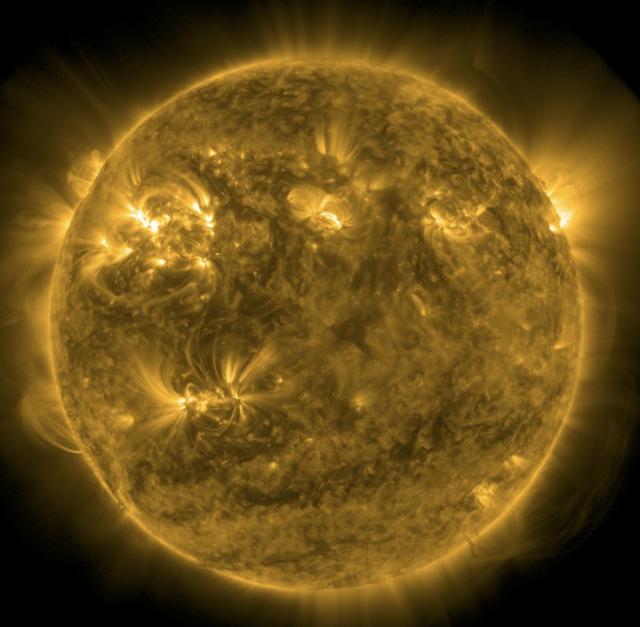
SDO | Solar Dynamics Observatory
SDO is designed to help us understand the Sun's influence on Earth and Near-Earth space by studying the solar atmosphere on small scales of space and time and in many wavelengths simultaneously.sdo.gsfc.nasa.gov
Learn about @NASAEarth's many missions to observe our home planet: nasa.gov/earth
#NASASolarSystem
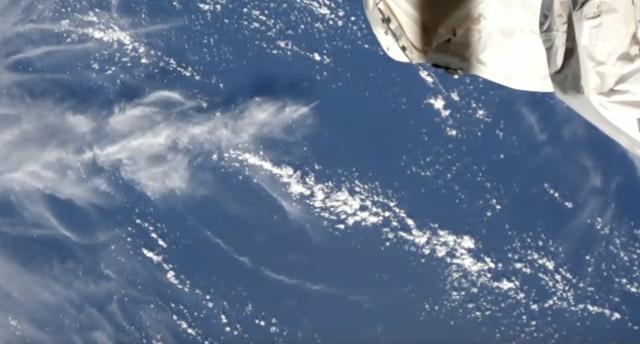
We are all connected by water. As we get closer to launching SWOT, we’re focusing on #TrackingWorldWater and want to hear from you! 🌊
Share a photo, video, or questions about the mission and we might share it on the launch broadcast. Submit today ➡️ go.nasa.gov/3usJ368
#NASAEarth
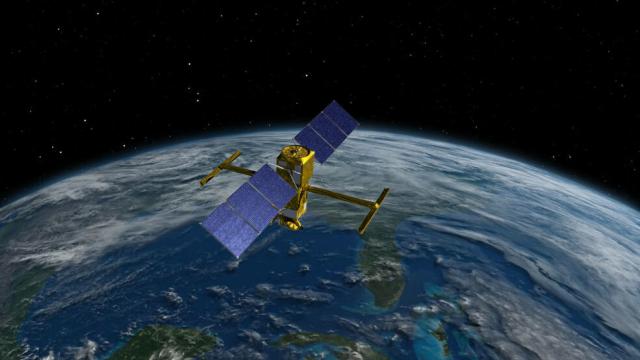
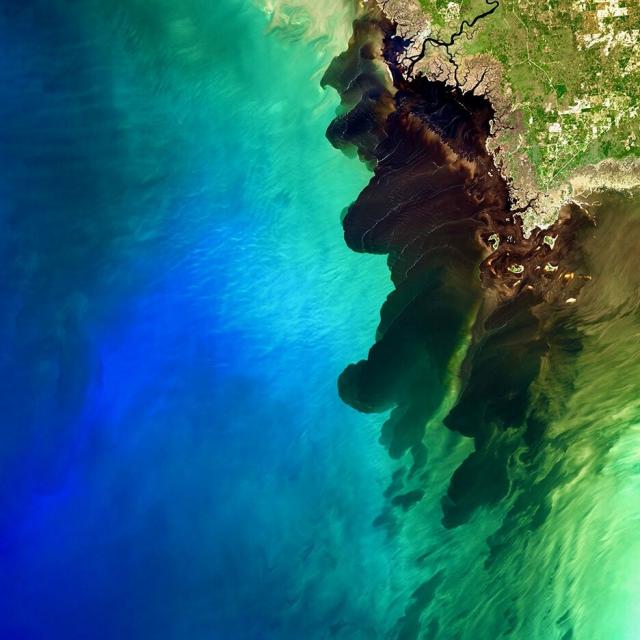
How to Participate in the SWOT Launch – Climate Change: Vital Signs of the Planet
Learn how to participate in the upcoming SWOT launch.Climate Change: Vital Signs of the Planet
#NASAhistory
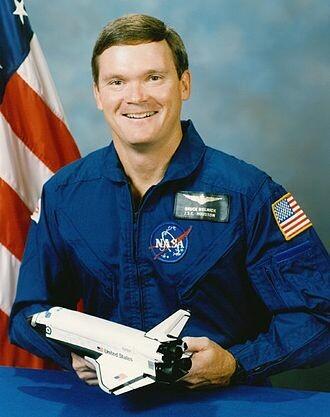
go.nasa.gov/3iFph4p
#NASAExoplanets
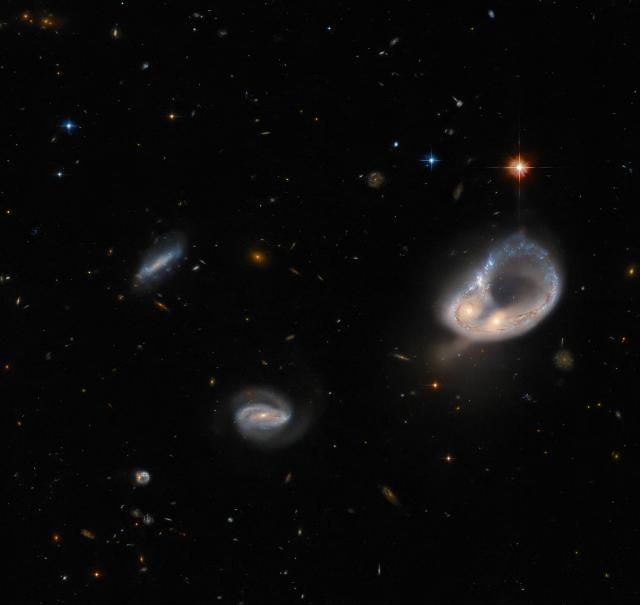
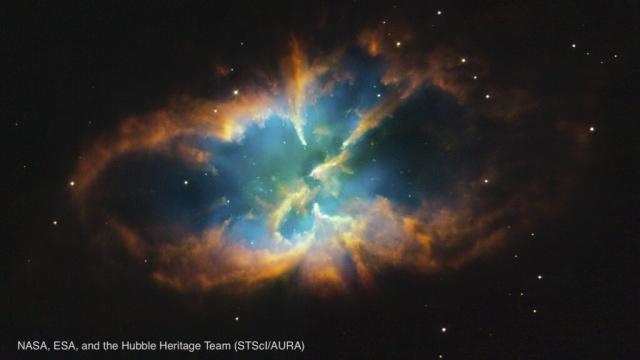
Hubble Hunts an Unusual Galaxy
The galaxy merger Arp-Madore 417-391 steals the spotlight in this image from the NASA/ESA Hubble Space Telescope.Andrea Gianopoulos (NASA)
#NASAUniverse
#NASA
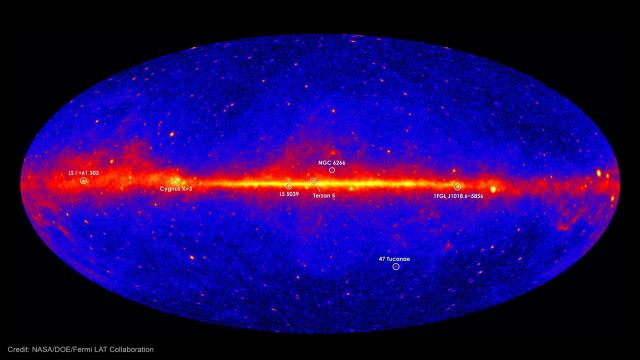
NASA Names Mission in Honor of Dr. George R. Carruthers
NASA renames mission in honor of Dr. George R. CarruthersMiles Hatfield (NASA)
#ISS
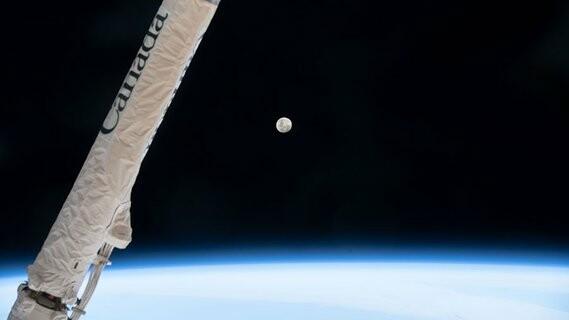
Astronauts Take Day Off Following Spacewalk
Four Expedition 68 crew members took Monday off following a busy weekend of spacewalk activities.blogs.nasa.gov
#NASAUniverse
You can also track the #Artemis I mission in our "Eyes on the Solar System" real-time 3D simulation: eyes.nasa.gov/apps/solar-syste…
[Video embedded in original tweet]
#NASASolarSystem
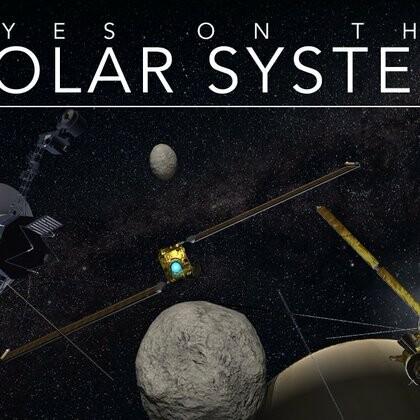
Eyes on the Solar System - NASA/JPL
Explore the 3D world of the Solar System. Learn about past and future missions.Eyes on the Solar System - NASA/JPL
The (Amino) Truth is Out There 👽
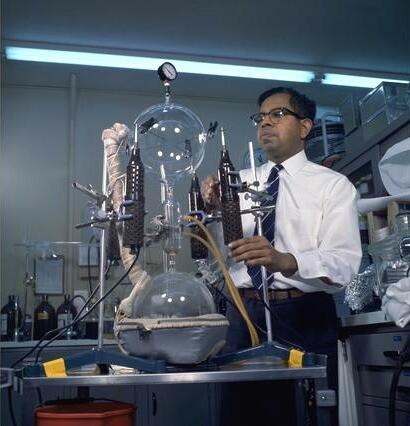
#OTD in 1970, Dr. Cyril Ponnamperuma at @NASAAmes and coauthors reported they had positively identified extraterrestrial amino acids in the Murchison meteorite. It was the 1st conclusive proof of chemical evolution beyond Earth. #AlienAminoAcids
#NASAhistory
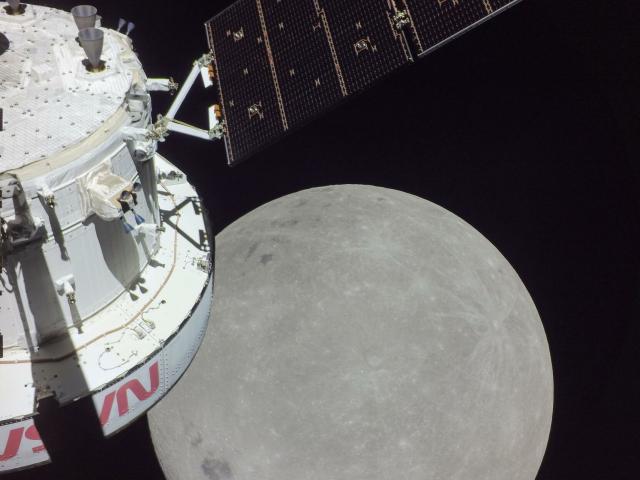
We have retrieved signal with @NASA_Orion after an expected loss of signal when the spacecraft flew directly behind the Moon.
You can see Earth in the distance. That's us. #Artemis
nasa.gov/artemislive
#NASA

Live Video Stream from the Artemis I Orion Spacecraft
Periodic live video from the Artemis I flight test.Brian Dunbar (NASA)
.@NASA_Orion is only 1,550 miles away from the Moon right now.
The spacecraft will fly about 79 miles above the lunar surface at 11:42am ET (16:42 UTC).
#NASA
LIVE NOW: @NASA_Orion is harnessing the Moon’s gravity to accelerate back toward Earth.
The spacecraft is expected to fly about 79 miles above the lunar surface at 11:42am ET (1642 UTC). #Artemis twitter.com/i/broadcasts/1yoKM…
[Video embedded in original tweet]
#NASA
#NASAArtemis #Artemis
Let’s go supergiant spotting!
This new #StarrySights image shows NGC 2002, an open star cluster 30 light-years across.
At its center, you can spy red supergiants – massive stars that are fusing helium after exhausting their hydrogen fuel: go.nasa.gov/3isScZs
#Hubble
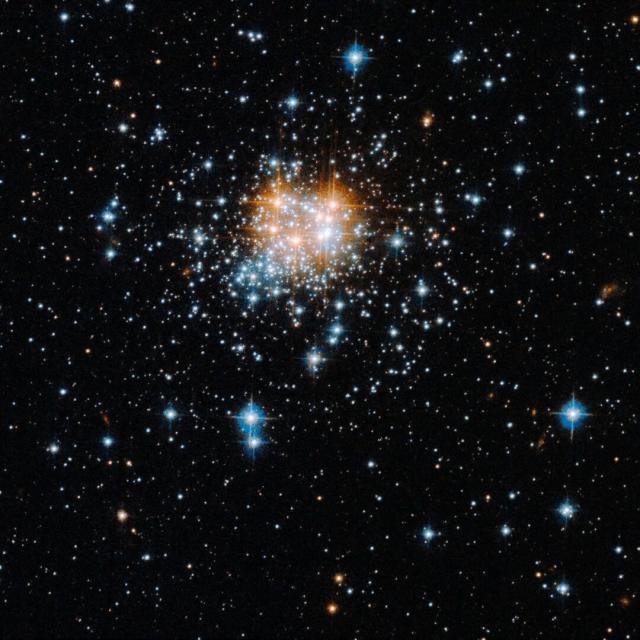
Hubble Observes an Outstanding Open Cluster
A twinkling group of stars dominates the center of this image. NGC 2002 is an open star cluster that resides roughly 160,000 light-years away from Earth in the Large Magellanic Cloud, a satellite galaxy of our Milky Way containing numerous star-formi…Andrea Gianopoulos (NASA)
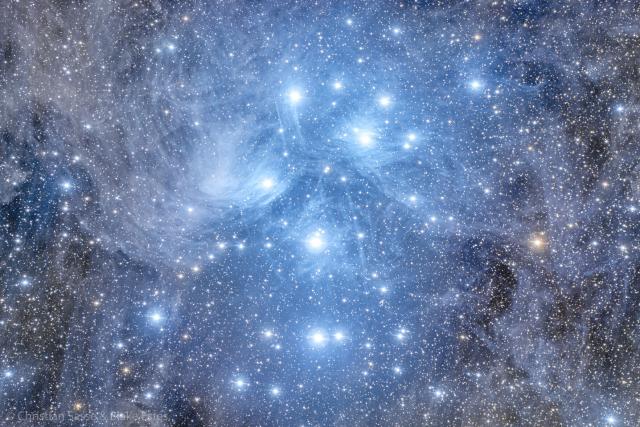
APOD: 2022 December 5 - Pleiades: The Seven Sisters Star Cluster
A different astronomy and space science related image is featured each day, along with a brief explanation.apod.nasa.gov

How to Practice Mindfulness Meditation
Mindfulness is important. How do we develop it?Karen Kissel Wegela Ph.D. (Psychology Today)
Pleiades: The Seven Sisters Star Cluster
Image Credit & Copyright: Blake Estes (iTelescope Siding Spring Obs.) & Christian Sasse
apod.nasa.gov/apod/ap221205.ht… #APOD

APOD: 2022 December 5 - Pleiades: The Seven Sisters Star Cluster
A different astronomy and space science related image is featured each day, along with a brief explanation.apod.nasa.gov

Feeling starstruck? 🤩
This Hubble image shows a young star cluster named NGC 2040.
The stars seen here are very loosely clustered, share a common origin, and are drifting together through space! Discover more: go.nasa.gov/3H5xyZB
#Hubble
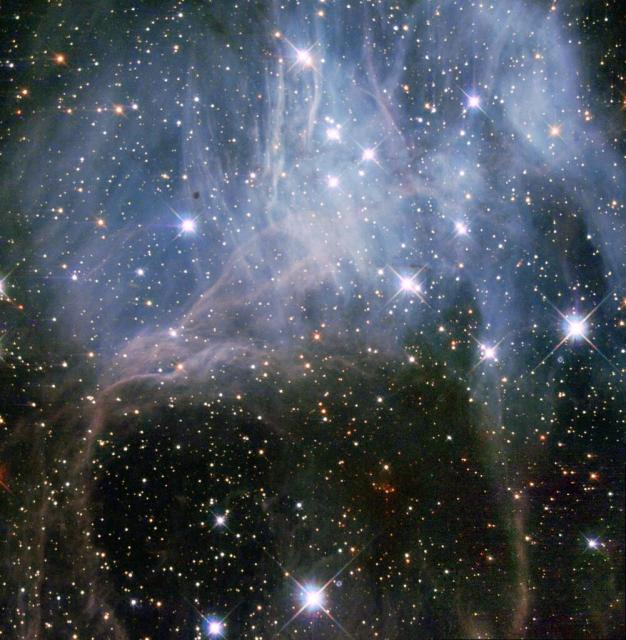
NGC 2040 in the Large Magellanic Cloud
These bright stars shining through what looks like a haze in the night sky are part of a young stellar grouping in one of the largest known star formation regions of the Large Magellanic Cloud (LMC), a dwarf satellite galaxy of the Milky Way.Flickr
#ISS
Spacewalkers Complete New Solar Array Installation on Station
Expedition 68 Flight Engineers Josh Cassada and Frank Rubio of NASA concluded their spacewalk at 2:21 p.m. EST after 7 hours and 5 minutes.go.nasa.gov
Venus's surface is shrouded in mystery thanks to its ultra-thick atmosphere, but when the Pioneer Venus Orbiter reached orbit 44 years ago on Dec. 4, 1978, it sent back detailed data about the planet…for another 14 years!
More about the mission: go.nasa.gov/3H4FI4A
#NASAhistory
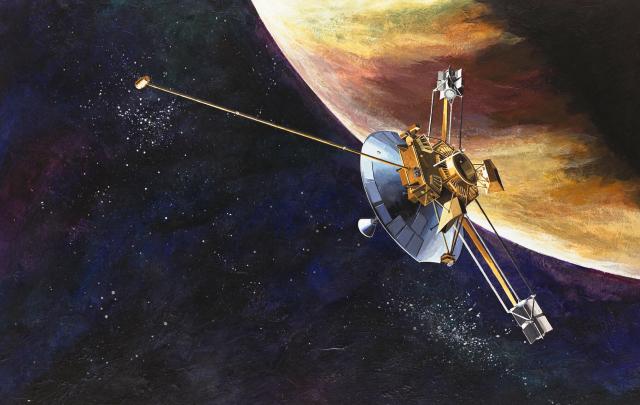
In Depth | Pioneer Venus 1 – NASA Solar System Exploration
NASA’s real-time science encyclopedia of deep space exploration. Our scientists and far-ranging robots explore the wild frontiers of our solar system.NASA Solar System Exploration
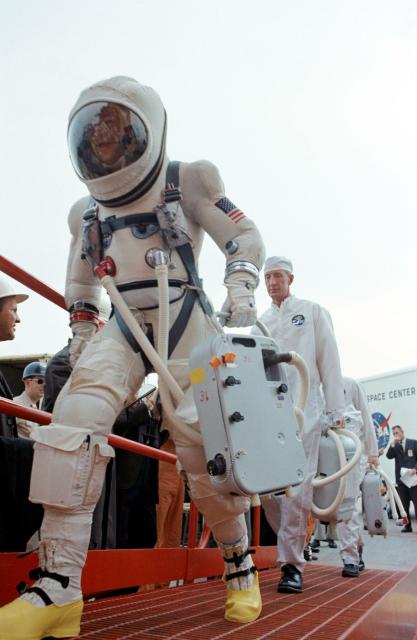
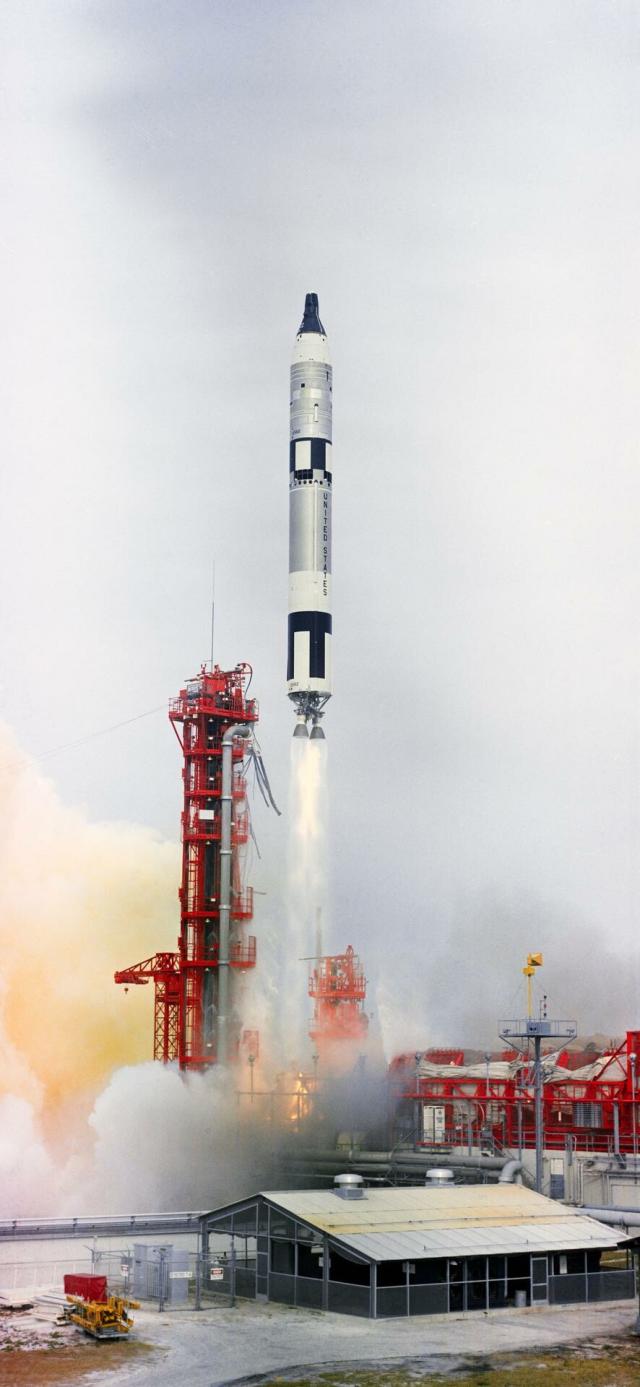
Gemini VII astronauts Jim Lovell and Frank Borman launched to Earth orbit #OTD in 1965 for a 14-day endurance mission to see how humans could handle extended periods in space and perform a rendezvous with another craft.
More about the Gemini VII mission: go.nasa.gov/3Fm6GmY
#NASAhistory
We’re planning one of our biggest feats ever – bringing Mars samples to Earth – and you can play a part.
We're looking for your feedback on Mars Sample Return in a series of in-person meetings. Find details and updated meeting locations here: go.nasa.gov/3gniufj
#NASA
NASA Invites Public Comment on Plans for Mars Sample Return Campaign
NASA is seeking public comments on a draft environmental impact statement for the agency’s Mars Sample Return (MSR) campaign. Comments are due by Monday, Dec. 19.Gerelle Dodson (NASA)
Do us all a favor and please do not hire Musk to bring back Mars sample returns.
youtube.com/watch?v=0fKBhvDjuy…
Video: Powers of Ten
Video Credit & Copyright: Charles & Ray Eames (Eames Office)
apod.nasa.gov/apod/ap221204.ht… #APOD
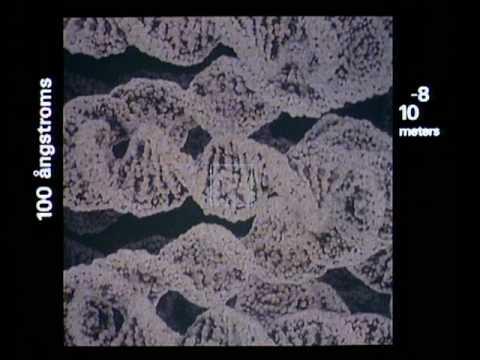
Powers of Ten™ (1977)
Powers of Ten takes us on an adventure in magnitudes. Starting at a picnic by the lakeside in Chicago, this famous film transports us to the outer edges of ...YouTube
#NASA
Follow NASA’s Artemis I Moon Mission: Live Tracker, Latest Images, and Videos
On Nov. 16, 2022, the Artemis I mission officially began with the launch of the Orion spacecraft atop the Space Launch System rocket. The rocket and spacecraft lifted off from historic Launch Complex...nasa (Tumblr)

As we prepare for future #Artemis missions, our astronauts aboard the @Space_Station are performing experiments that will lay the foundation of long-duration space travel.
Learn about the challenges and solutions our astronauts could help to address: go.nasa.gov/3Urehou
#NASAArtemis #Artemis

Space Station Solutions for Artemis Missions to the Moon and Beyond
Getting a spacecraft to the Moon or Mars is quite literally rocket science.Ana Guzman (NASA)
#ISS
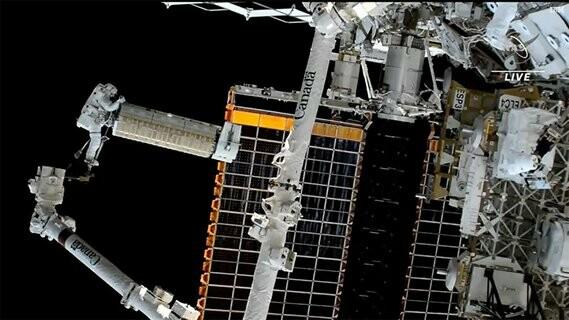
Spacewalkers Complete New Solar Array Installation on Station
Expedition 68 Flight Engineers Josh Cassada and Frank Rubio of NASA concluded their spacewalk at 2:21 p.m. EST after 7 hours and 5 minutes.blogs.nasa.gov
#ISS
#ISS
#ISS
Actual Life: “y’all, we’re STOKED, the panel opened and none of the myriad possible terrible things occurred”
#ISS
#StarrySights & starry sounds!
This is a data sonification of the star cluster Caldwell 73. Scientists assigned sounds to different aspects of the image for a new way of experiencing the information in it!
Listen to more sonifications: go.nasa.gov/3Vs7IUa
#Hubble
Explore - From Space to Sound
NASA.gov brings you the latest images, videos and news from America's space agency. Get the latest updates on NASA missions, watch NASA TV live, and learn about our quest to reveal the unknown and benefit all humankind.NASA
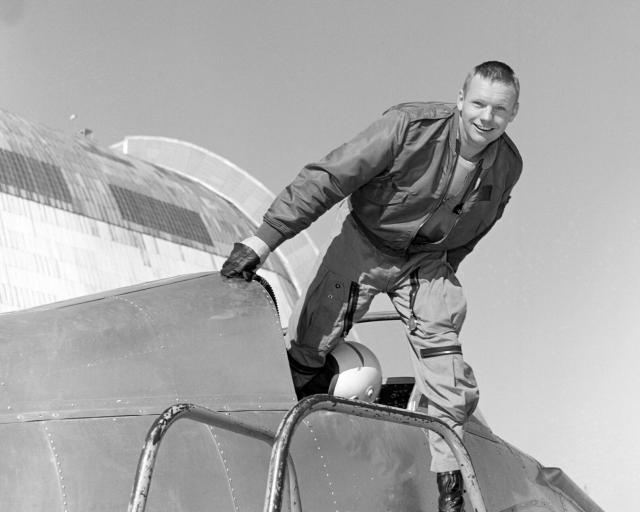
Astronauts Corps, then Peace Corps
#OTD in 1969, President Nixon announced that Neil Armstrong would serve as Chairman of the Presidential Advisory Committee for the @PeaceCorps, a role Armstrong would serve from 1971–1973.
A video on Armstrong's life: go.nasa.gov/3umHlDi
#NASAhistory
#ISS
#ISS
#ISS
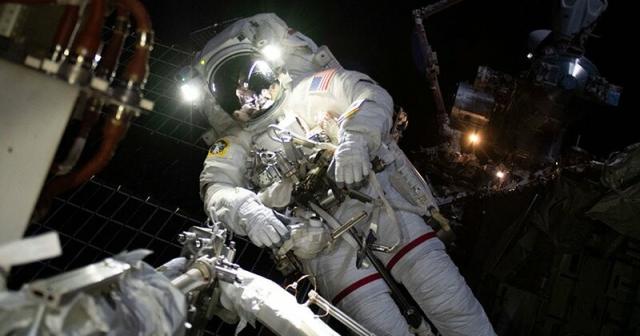
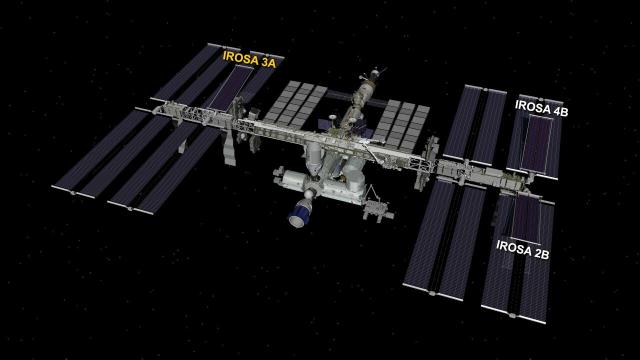
Spacewalkers Exit Station to Install Roll-Out Solar Array
Expedition 68 Flight Engineers Josh Cassada and Frank Rubio of NASA began a spacewalk at 7:16 a.m. EST to install an International Space Station Roll-Out Solar Array (iROSA) to augment power generation for the 3A power channel on the station’s starbo…blogs.nasa.gov
Matt W1CDN
in reply to NASA • • •RScottCooper
in reply to NASA • • •