
The map above shows how much potential liquid water is in the atmosphere on Jan. 4, 2023. The dark green swoop on the map indicates moisture flowing from the tropical Pacific toward California.
Data are from @nasagoddard's GEOS ADAS. go.nasa.gov/3GIAQ4u
#NASAEarth
This @NOAA-20 image from Jan. 4, 2023, at 1:20 p.m. PST and shows the storm intensifying.
When air pressure in a mid-latitude cyclone rapidly drops and winds intensify, these storms can undergo a process can become “bomb cyclones.” go.nasa.gov/3GK7wdR
#NASAEarth
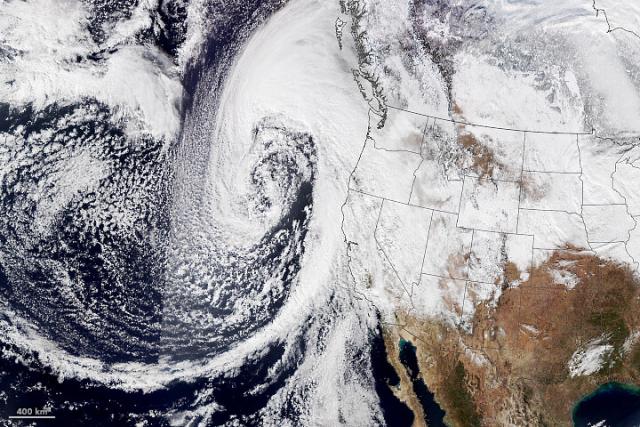
Atmospheric River Lashes California
The latest in a series of atmospheric rivers drenching the state was accompanied by hazardous winds and left thousands of people without power.go.nasa.gov
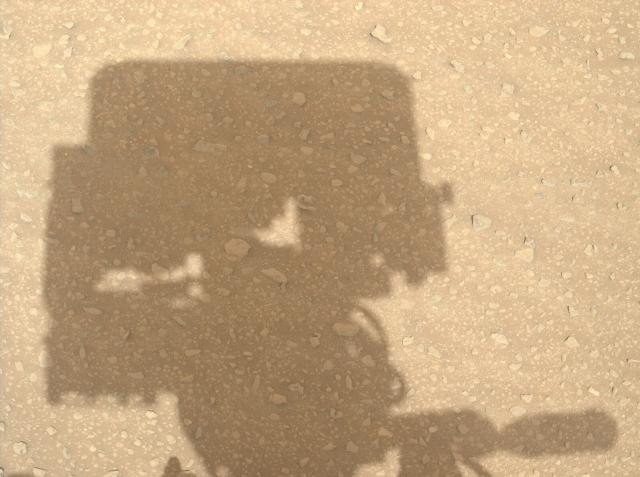
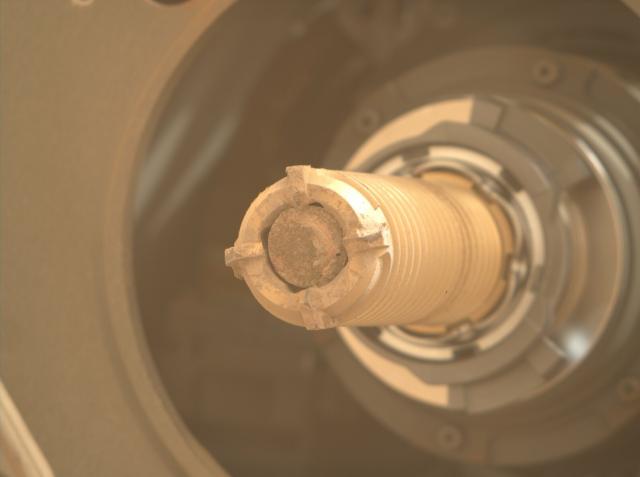
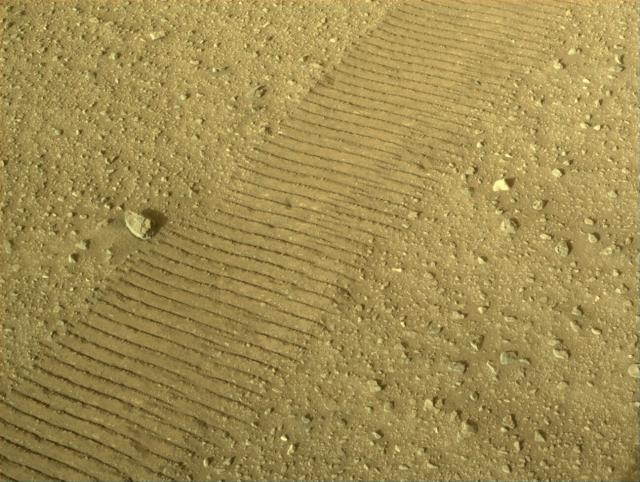
As of today, I’ve ridden the Red Planet around our Sun one whole time. Highlights from my first Mars year:
✅Explore vast crater floor
✅Collect 18 samples
✅Examine ancient river delta
✅Start laying down samples for #MarsSampleReturn
Many adventures still ahead, so...onward!
#PerseveranceRover

#NASAhistory
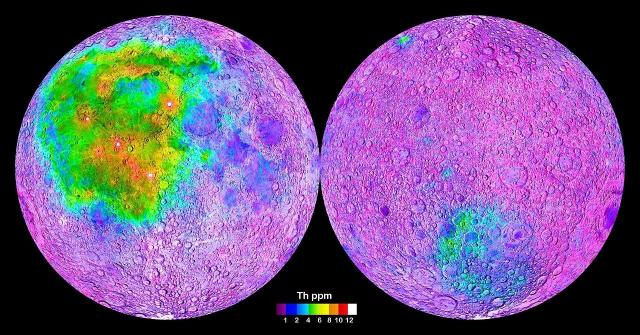
More about the mission: go.nasa.gov/3Z93oLB
#NASAhistory
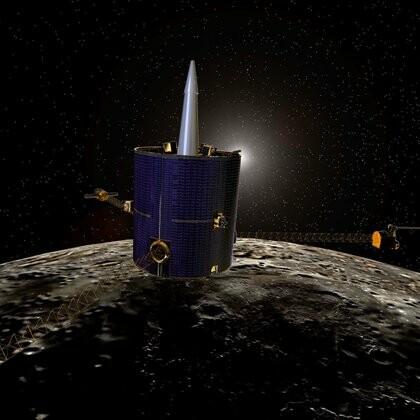
In Depth | Lunar Prospector – NASA Solar System Exploration
NASA’s real-time science encyclopedia of deep space exploration. Our scientists and far-ranging robots explore the wild frontiers of our solar system.NASA Solar System Exploration
#NASAEarth
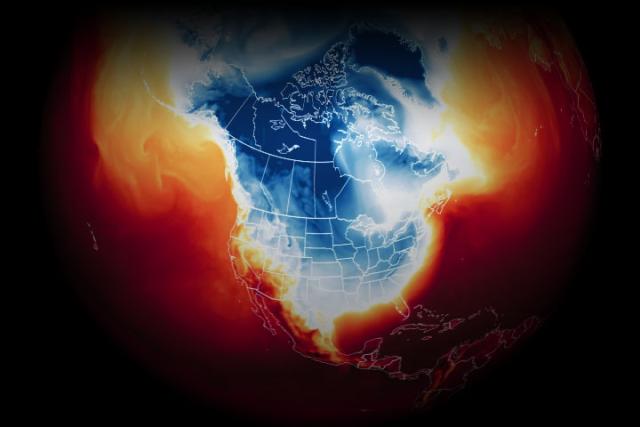
Weather Whiplash
The configuration of the polar vortex may have played a role in unleashing bitter cold followed by record warmth in North America.go.nasa.gov
Welcome to the first #HubbleFriday of 2023!
This image features the star cluster NGC 6355, which resides within our own Milky Way Galaxy at a distance of about 50,000 light-years.
Read more: go.nasa.gov/3X5SSmw
#Hubble
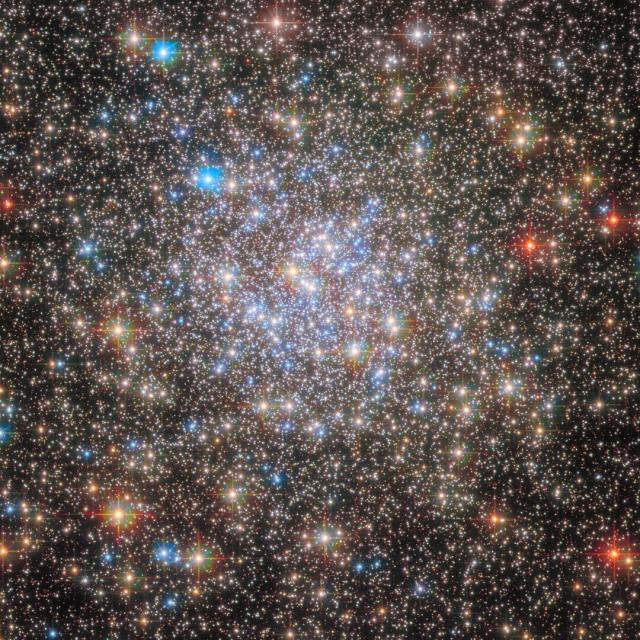
Hubble Gazes at Colorful Cluster of Scattered Stars
The scattered stars of the globular cluster NGC 6355 are strewn across this image from the NASA/ESA Hubble Space Telescope.Andrea Gianopoulos (NASA)
Hello I have questions like if that star cluster was contained in a sphere, what's its radius? How many stars are there? What is the average distance between stars? What happens to star clusters over time?
I'll take me answers off the air, thanks.
#NASAhistory
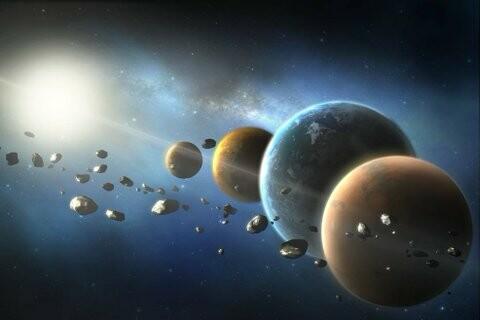
Call for Papers for Discovery@30, New Frontiers@20 Symposium
The NASA History Office and the Smithsonian’s National Air and Space Museum invite proposals for papers to be presented at a two-day symposium in November 2023, in Washington, DC.Michele Ostovar (NASA)
Moon O'Clock 2022
Image Credit & Copyright: Niveth Kumar
apod.nasa.gov/apod/ap230106.ht… #APOD

APOD: 2023 January 6 - Moon O Clock 2022
A different astronomy and space science related image is featured each day, along with a brief explanation.apod.nasa.gov

#ISS
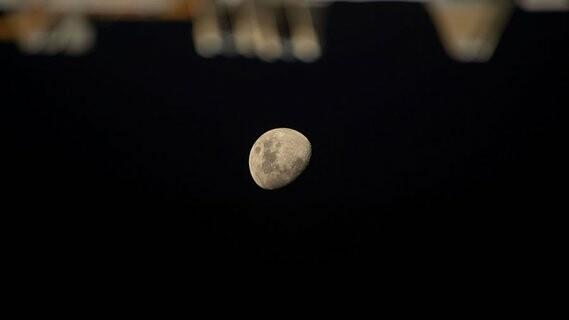
Research Informing Deep Space Missions as Dragon Nears Departure
Space science and spacesuits dominated the Expedition 68 crew’s work day aboard the International Space Station on Thursday.blogs.nasa.gov
#NASAEarth
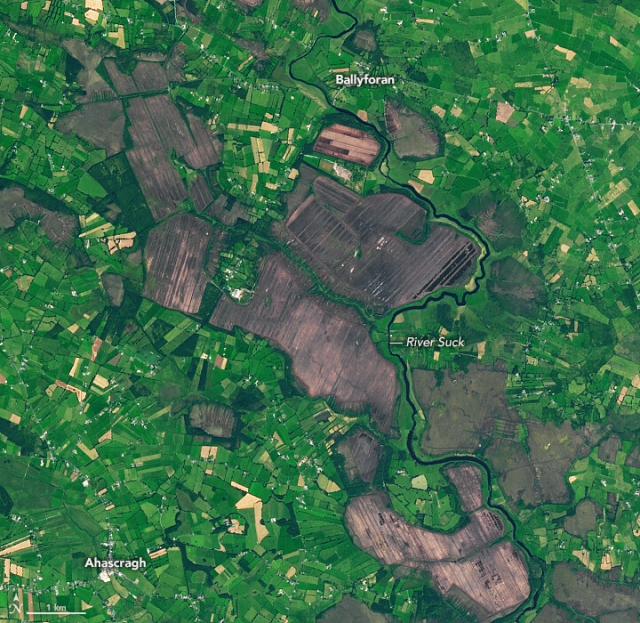
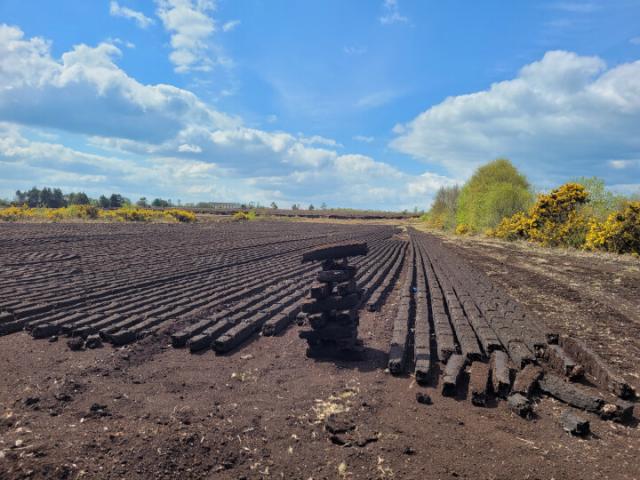
Ireland’s Cutaway Peatlands
Peatlands have been mined in Ireland for centuries, but concern for climate is changing how they are managed.go.nasa.gov
#NASASolarSystem
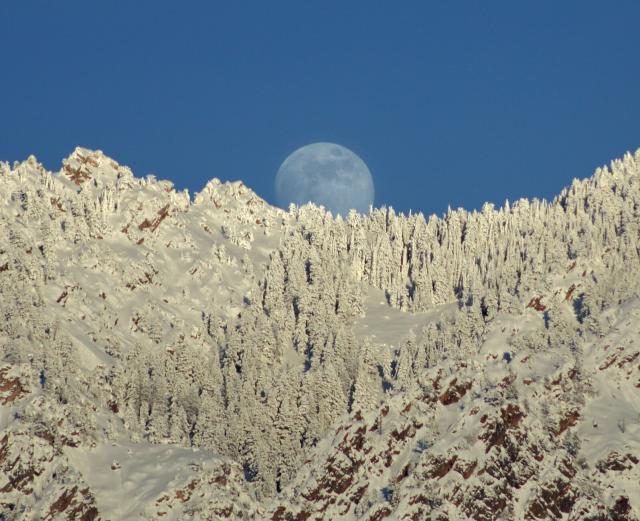
Moon Phases 2023 | NASA Solar System Exploration
The 2023 phases of the Moon at hourly intervals.NASA Solar System Exploration
Catch a glimpse of the first full Moon of the year, also known as the Wolf Moon, which reaches peak illumination on January 6.
@NASA_Orion captured this stellar image as it prepared for a return trajectory correction during the #Artemis I mission. go.nasa.gov/3Xaahut
#NASAArtemis #Artemis
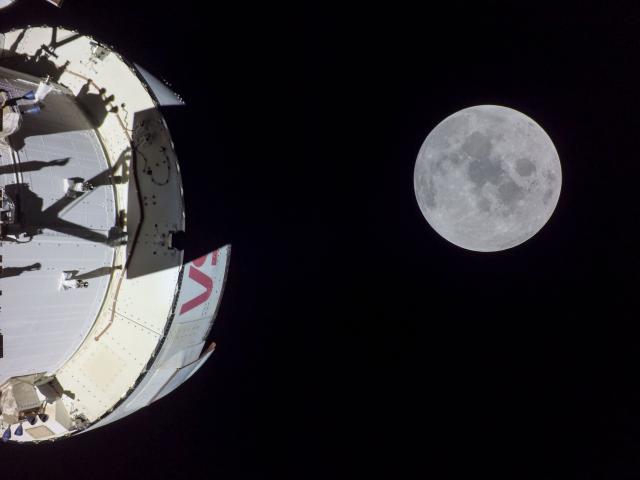
NASA: Artemis
Artemis is the name of NASA's program to return astronauts to the lunar surface. We are going forward to the Moon to stay.NASA
Mellow out with lo-fi sounds, and soak up some virtual rays. This video chronicles the Sun's activity from Aug. 12 to Dec. 22, 2022, as captured in 4K by our Solar Dynamics Observatory.
Click here for the full hour-long @NASASun experience: youtu.be/Sv3eXRN7hLo
#NASA
133 Days on the Sun
This video chronicles solar activity from Aug. 12 to Dec. 22, 2022, as captured by NASA’s Solar Dynamics Observatory (SDO). From its orbit in space around Ea...YouTube
#NASAExoplanets
The Habitable Zone | The Search For Life – Exoplanet Exploration: Planets Beyond our Solar System
Have you heard of the habitable zone? You're in one right now. It's the distance from a star where you might find exoplanets with liquid surface water. We use the habitable zone to help focus our search for life beyond Earth.Exoplanet Exploration: Planets Beyond our Solar System
#NASASolarSystem
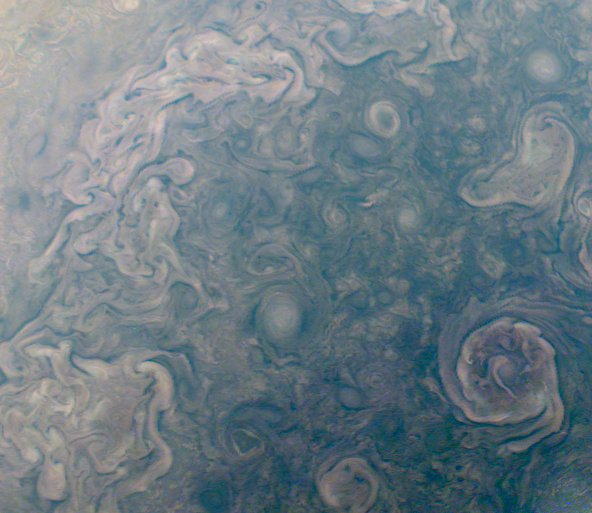
JunoCam : Processing - Mission Juno
Download raw imagery from JunoCam and upload your processed imagery to the gallery!Mission Juno
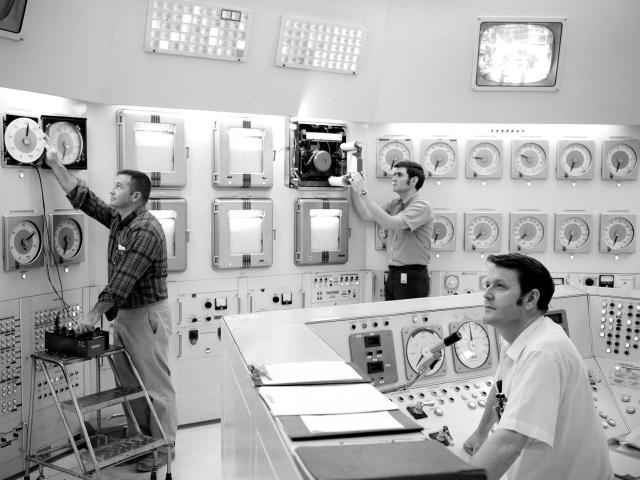
50 years ago today, @nasa closed its Plum Brook Reactor Facility in Sandusky, OH. Beginning operation in 1961, the reactor was NASA's primary facility for space-related nuclear energy R&D.
Read about the Apollo 17 crew's visit to the facility #OTD in 1973 go.nasa.gov/3X6Ckep
#NASAhistory
2022 ended with a shiver, but the start of 2023 broke a sweat. 🥶🥵
This weather whiplash may have been caused by changes in the polar vortex, the band of strong westerly winds over the Arctic. Details: go.nasa.gov/3XaD4iK
#NASAEarth
Weather Whiplash
The configuration of the polar vortex may have played a role in unleashing bitter cold followed by record warmth in North America.go.nasa.gov
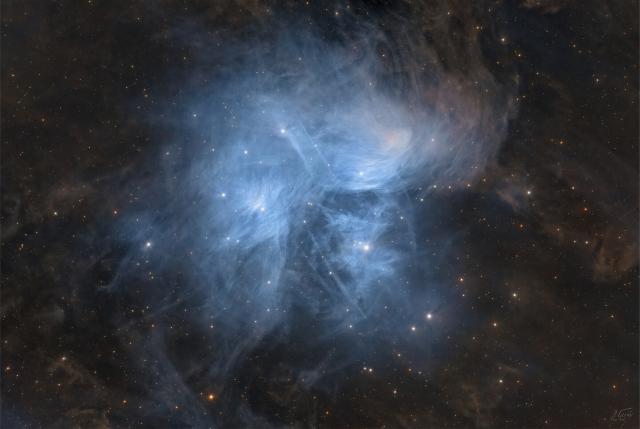
APOD: 2023 January 5 - Messier 45: The Daughters of Atlas and Pleione
A different astronomy and space science related image is featured each day, along with a brief explanation.apod.nasa.gov
Messier 45: The Daughters of Atlas and Pleione
Image Credit & Copyright: Stefan Thrun
apod.nasa.gov/apod/ap230105.ht… #APOD

APOD: 2023 January 5 - Messier 45: The Daughters of Atlas and Pleione
A different astronomy and space science related image is featured each day, along with a brief explanation.apod.nasa.gov

8 Approaches to Find Yourself
Learn how to stop reacting to life, making up for the shadows of yesterday, and toiling for your tomorrow. See how to know yourself now.Margarita Tartakovsky, MS (Psych Central)
Heads up! @NOAASatellites' GOES-18, launched in March 2022, is now #GOESWest. Miles above Earth, it’ll observe the Western Hemisphere, helping weather forecasters, emergency managers, and all who want to know more about our changing planet.
Take a look: go.nasa.gov/3Ggz2OS
#NASA
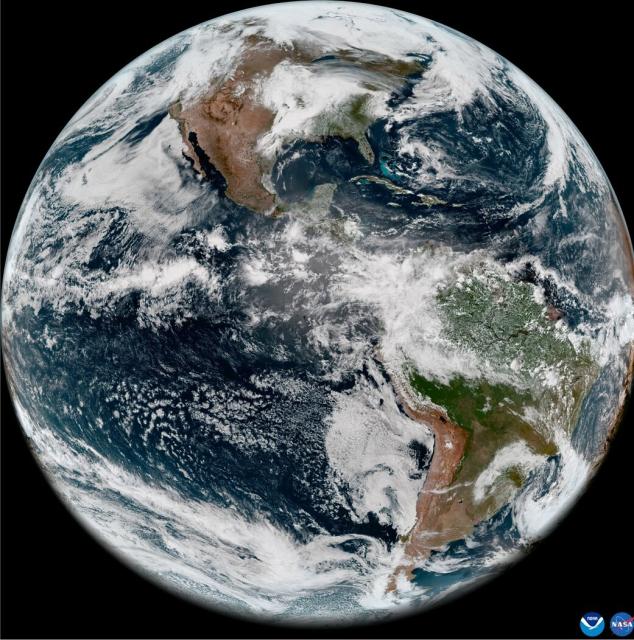
Interactive Weather Satellite Imagery Viewers from NASA MSFC
Interactively zoom and animate weather satellite images from a variety of geostationary satellites. Features of this site include: sectoring, animation of global images and at high resolution for a region of interest.go.nasa.gov
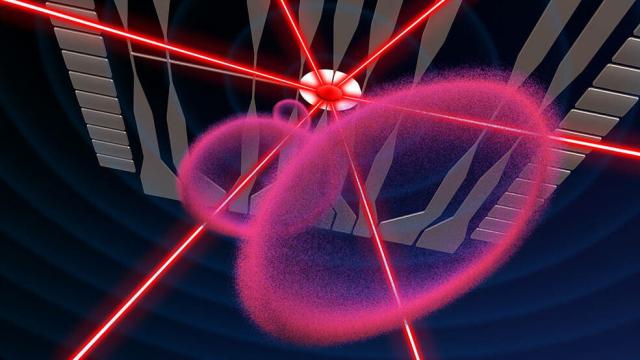
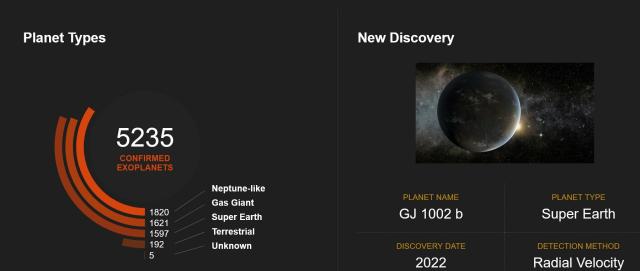
Just 16 light-years from Earth, two super-Earths orbit a small red star in a matter of days. They join 5,235 known worlds. go.nasa.gov/3vDSY9C
#NASAExoplanets
#ISS
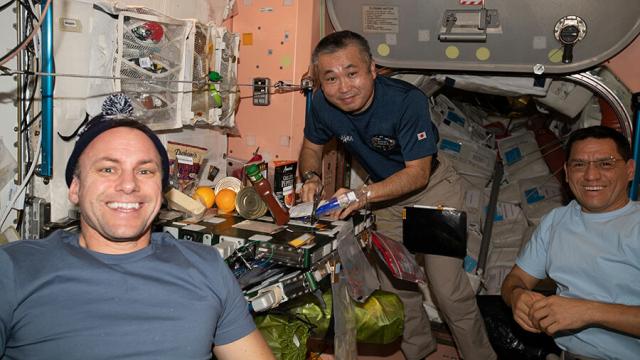
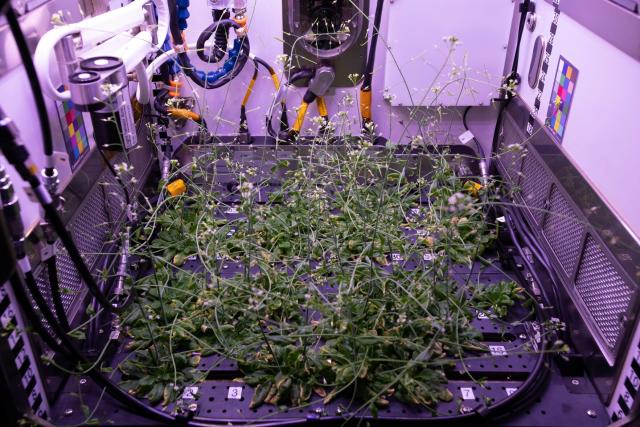
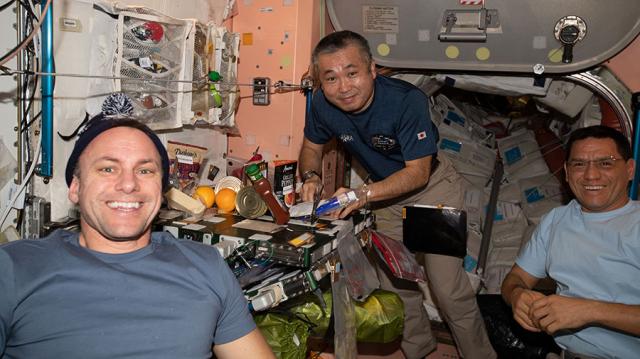
Humans, Tomatoes, Tiny Satellites Top Station Research Schedule
Human research, space botany, and tiny satellites filled the research schedule aboard the International Space Station on Wednesday.go.nasa.gov
#NASA
Venus
Venus is the second planet from the sun and our closest planetary neighbor.NASA Solar System Exploration
My Asimov's Authors Blog entry regarding my Asimov's story, Venus Exegesis:
#space #NASA #venus #siblings #climatechange
fromearthtothestars.com/2022/0…
Your Truthful Sister
Christopher Mark Rose believes that humans should look more toward their nearest neighboring planet for inspiration and future exploration. His new story “Venus Exegesis” uncovered the …From Earth to the Stars
🔴🔴🔴🔴⚪⚪⚪⚪⚪⚪
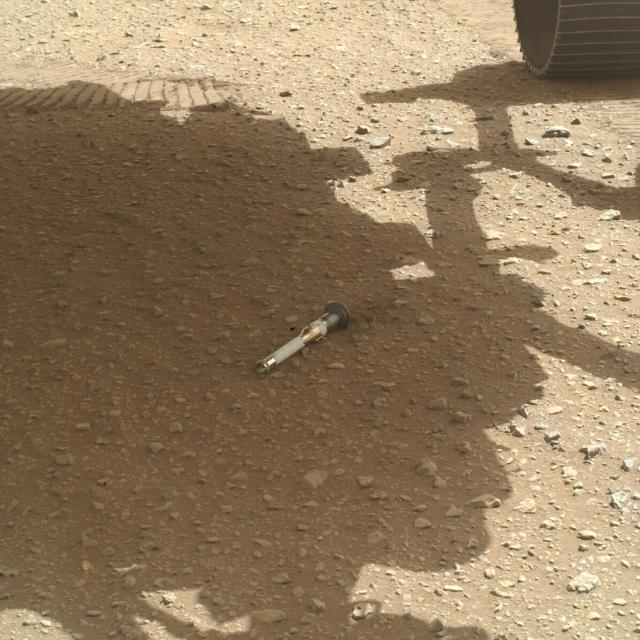
Sample Depot: 40% complete!
Another successful tube drop adds to my growing collection here at the “Three Forks” location. Four of the 10 tubes I’m leaving here as a backup set are down. More on my samples: mars.nasa.gov/mars-rock-sample…
#PerseveranceRover
Perseverance Rover Mars Rock Samples
More about the Mars rock samples collected by the Perseverance rover that may one day be returned to Earth by a future mission for scientists to study.NASA Mars Exploration
Q: If a rover craps in the desert, will there be a sound?
A: Depends on the thickness of the atmosphere
#ISS
Humans, Tomatoes, Tiny Satellites Top Station Research Schedule
Human research, space botany, and tiny satellites filled the research schedule aboard the International Space Station on Wednesday.blogs.nasa.gov
It's #TriviaDay!
Put your Hubble knowledge to the test with our short Q&A videos.
Ready? Let's go: go.nasa.gov/3Zc2v4W
#Hubble
Explore - Hubble Trivia
NASA.gov brings you the latest images, videos and news from America's space agency. Get the latest updates on NASA missions, watch NASA TV live, and learn about our quest to reveal the unknown and benefit all humankind.NASA
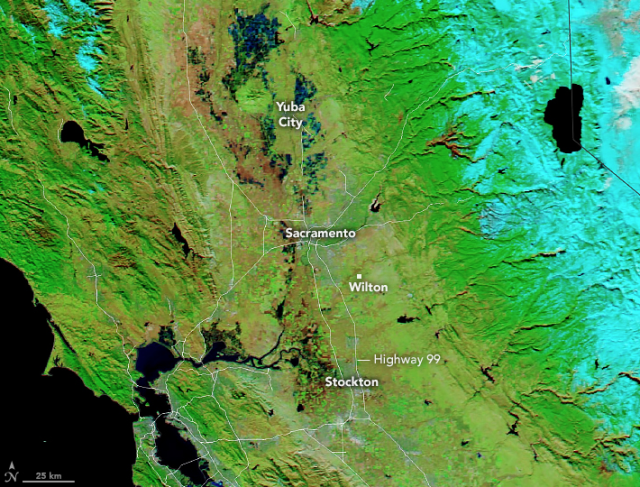
Heavy rain on New Year’s Eve 2022 flooded California near San Francisco and Sacramento.
Flooding is visible in the false-color satellite image from Jan. 1, 2023 (right), with water in blue, compared to the image from Dec. 16, 2022 (left).
Details: go.nasa.gov/3GiX0Ja 🌧️
#NASAEarth
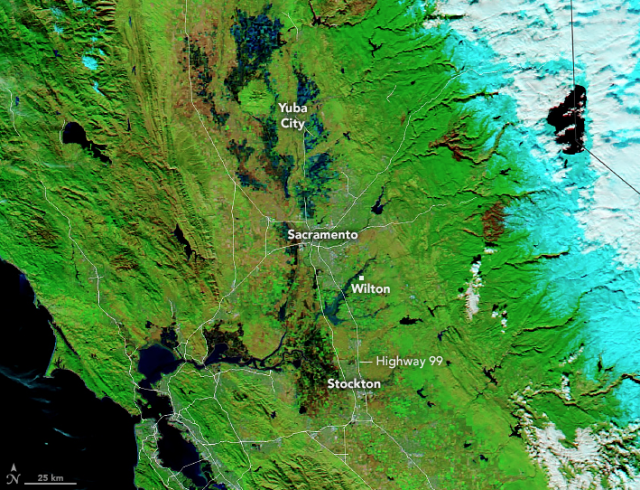
Floodwater Inundates North-Central California
Heavy rain and levee breaches triggered flooding in parts of Sacramento and the Bay Area.go.nasa.gov
Our space science can also benefit life on Earth, contributing to better understanding of diseases like Alzheimer's, improved agricultural techniques & advanced tech developed via quantum science. That's just the beginning.
Follow @NASASpaceSci for more: go.nasa.gov/3vDvmlm
#NASA
News & Media | Science Mission Directorate
Learn more about the exciting research projects and scientific discoveries in the fields of Space Biology and Physical Sciences:go.nasa.gov
Within galaxy clusters, some stars lurk among the galaxies on their own, giving off a ghostly haze of light.
Billions of years ago these stars were shed from their parent galaxies and now drift through intergalactic space: go.nasa.gov/3XmFNpp
#Hubble
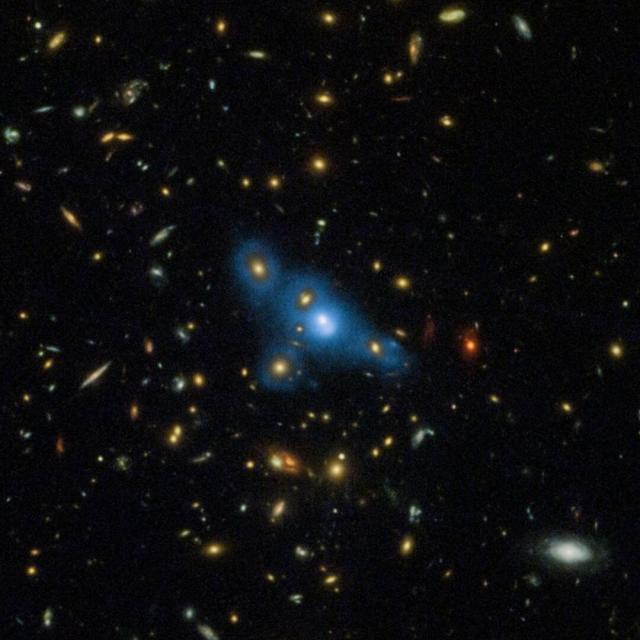
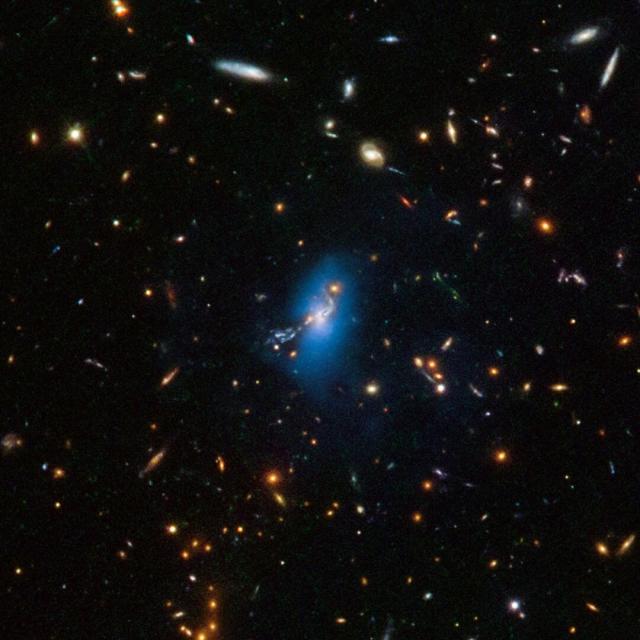
Hubble: Ghost Light Among Galaxies Stretches Far Back In Time
In giant clusters of hundreds or thousands of galaxies, innumerable stars wander among the galaxies like lost souls, emitting a ghostly haze of light.Andrea Gianopoulos (NASA)
65 years ago today on Jan. 4, 1958, the first Sputnik mission came to an end as humankind's first artificial satellite fell back to Earth. Check out our resources on Sputnik and the start of the Space Race: go.nasa.gov/3GgKNVo
📷 @airandspace
#NASAhistory
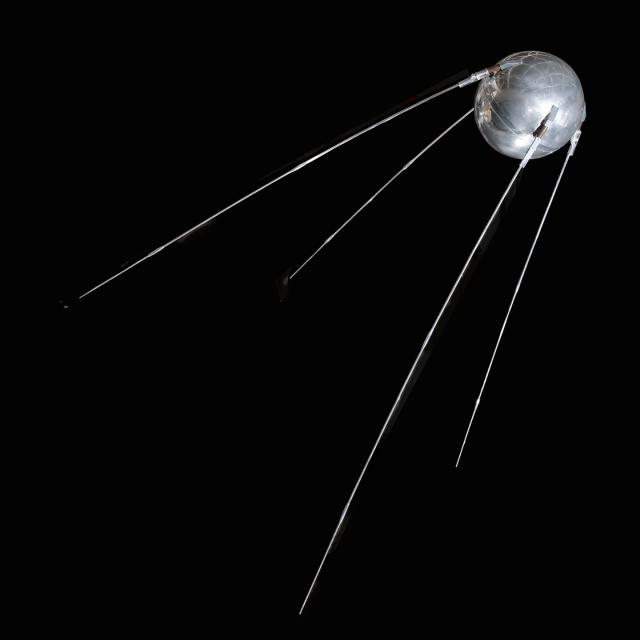
Minus Ten and Counting 01 - Surprise! [HQ]
Thanks to rocketman0739 for providing high-quality versions of these songs.Download the album here: https://archive.org/details/filk_minus_ten_and_counting--...YouTube
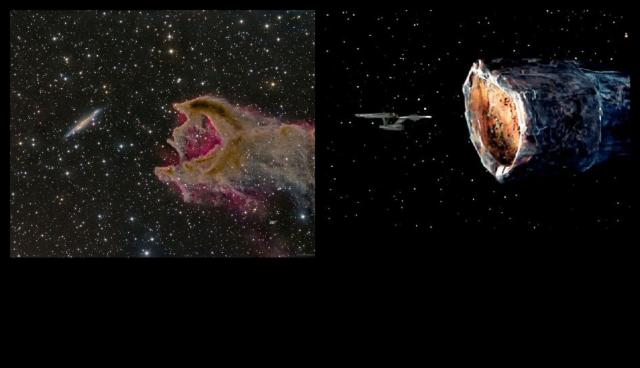
CG4: The Globule and the Galaxy
Image Credit & Copyright: Mike Selby & Mark Hanson
apod.nasa.gov/apod/ap230104.ht… #APOD
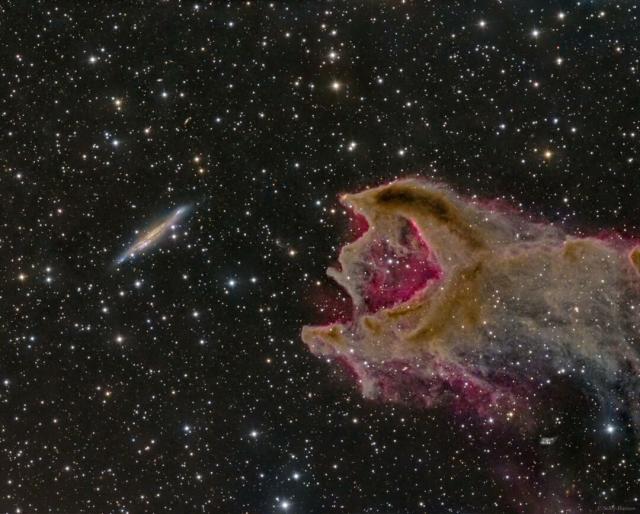
APOD: 2023 January 4 – CG4: The Globule and the Galaxy
A different astronomy and space science related image is featured each day, along with a brief explanation.apod.nasa.gov


#NASAhistory

Walter Cunningham
NASA brings you images, videos and features from the unique perspective of America's space agency. Get updates on missions, watch NASA TV, read blogs, view the latest discoveries, and more.NASA
#NASAhistory
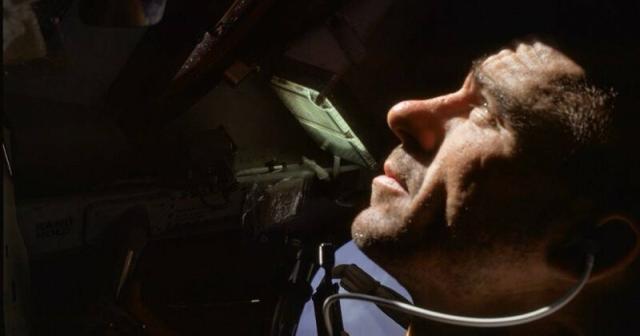
Apollo Astronaut Walter Cunningham Dies at 90
Former astronaut Walter Cunningham, who flew into space on Apollo 7, the first flight with crew in NASA’s Apollo Program, died early Tuesday morning in Houston. He was 90 years old.Roxana Bardan (NASA)
Today we mourn the passing of Walt Cunningham: U.S. Marine, patriot, and Apollo astronaut.
Cunningham spent 11 days in low-Earth orbit during Apollo 7, the first crewed Apollo flight, and was instrumental to our Moon landing's program success: go.nasa.gov/3ie82Yf
#NASA
Apollo Astronaut Walter Cunningham Dies at 90
Former astronaut Walter Cunningham, who flew into space on Apollo 7, the first flight with crew in NASA’s Apollo Program, died early Tuesday morning in Houston. He was 90 years old.Roxana Bardan (NASA)
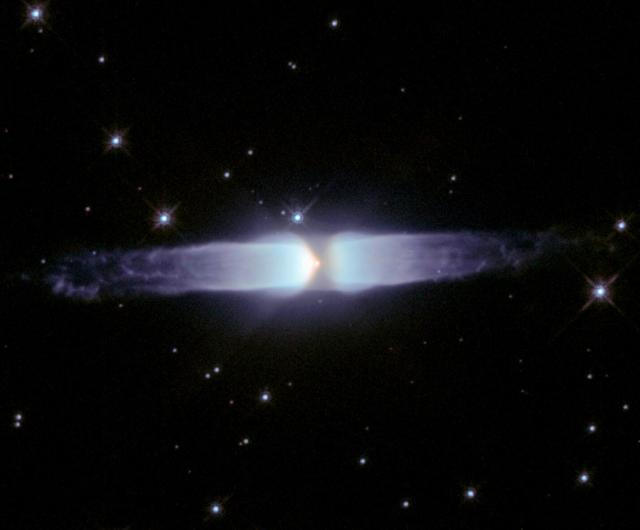
Today’s #HubbleClassic brings us back to the 90s!
This Hubble image taken in 1997 shows the young planetary nebula Henize 3-401, one of the longest planetary nebulae ever discovered.
A central star glows in the center of two oblong outflows of gas: go.nasa.gov/3i31yLH
#Hubble
#ISS
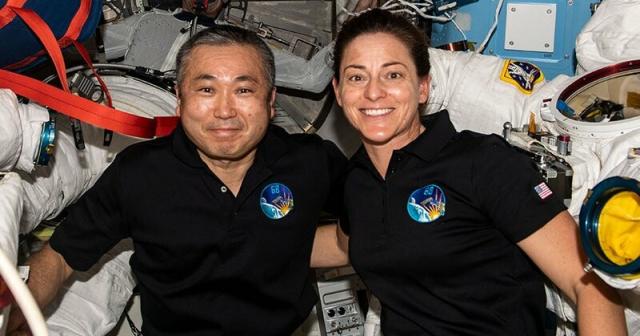
Station Science Kicks Off New Year Promoting Deep Space Exploration
The Expedition 68 crew kicked off the New Year with an array microgravity research aboard the International Space Station with an eye toward sustaining future crews farther away from Earth.blogs.nasa.gov
Lady Bertram's pug
in reply to NASA • • •