
Welcome to the #Artemis Accords, Ecuador and India.
This week, the two nations became the 26th and 27th, respectively, to commit to the peaceful and safe exploration of space as we journey to the Moon, Mars, and beyond.
🇪🇨: go.nasa.gov/3Jwkwox
🇮🇳: go.nasa.gov/3r16pBl
#NASA
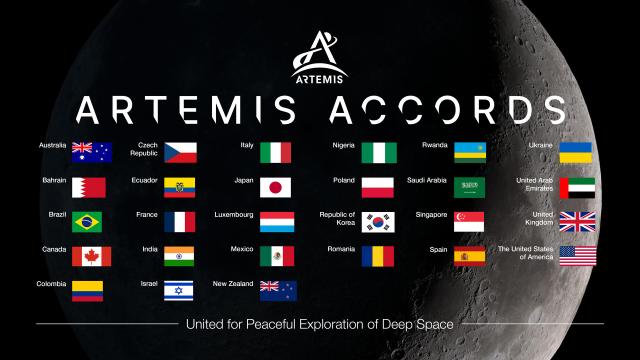
NASA Welcomes India as 27th Artemis Accords Signatory
During a ceremony at the Willard InterContinental Hotel in Washington on Wednesday, June 21, India became the 27th country to sign the Artemis Accords.Claire O’Shea (NASA)
90 light-years away, there's a cool exoplanet with pretty good atmosphere.
exoplanets.nasa.gov/news/1685/…
#NASAExoplanets
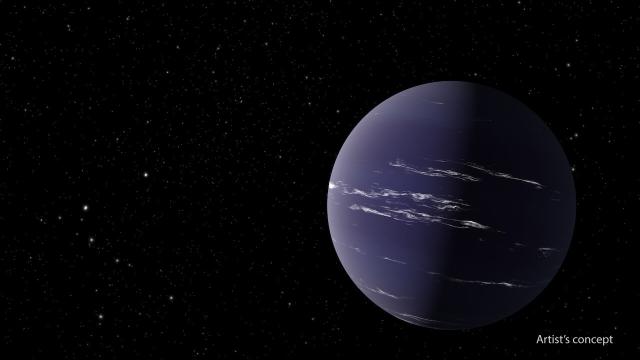
Discovery Alert: a 'Cool' Planet – with Plenty of Atmosphere?
A newly discovered, Neptune-like planet some 90 light-years away might possess a robust atmosphere – and perhaps even a 'tail.'Exoplanet Exploration: Planets Beyond our Solar System
#NASAhqphoto

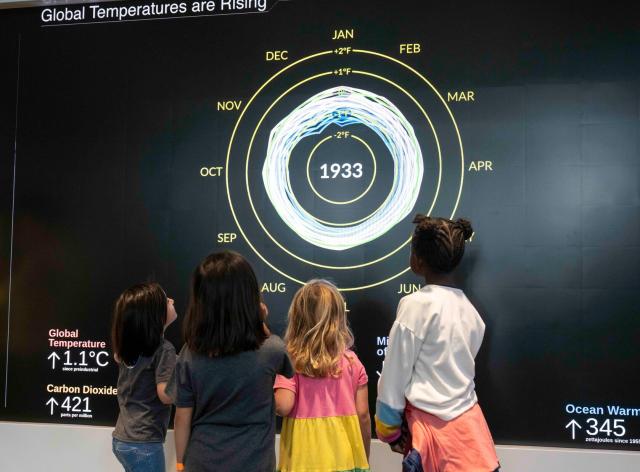
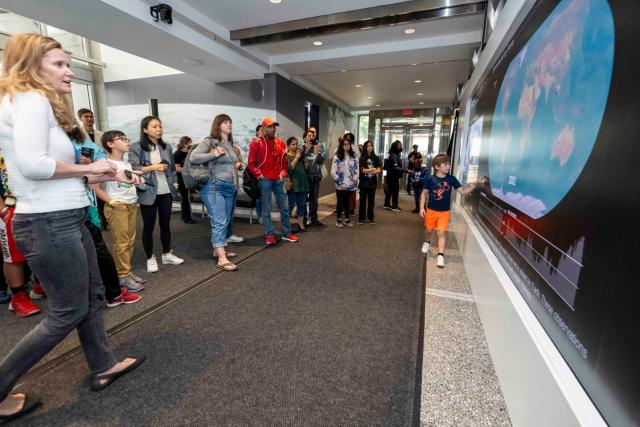
20230623 Earth Information Center Student Engagement
Explore this photo album by NASA HQ PHOTO on Flickr!NASA HQ PHOTO (Flickr)
#NASAhqphoto

20230621 India Signs Artemis Accords
Explore this photo album by NASA HQ PHOTO on Flickr!NASA HQ PHOTO (Flickr)
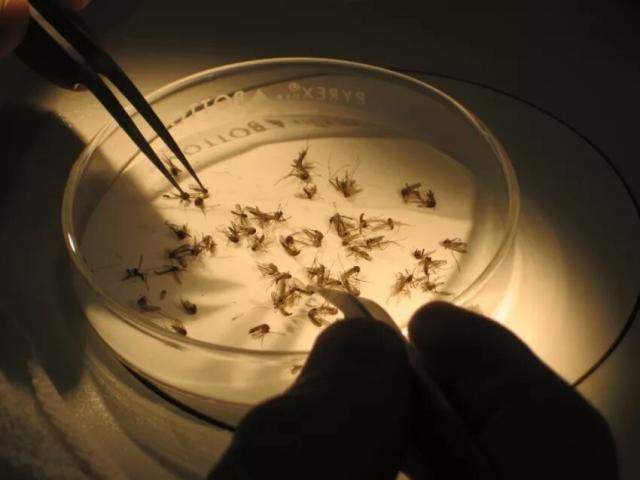
Wait, is that a mosquito?
NASA can’t see mosquitoes from space, but our satellites can monitor the habitats they prefer. 🦟
This #MosquitoWeek, learn how satellite data can help public health experts track these disease-spreading insects. go.nasa.gov/3NGFkMF
#NASAEarth
How NASA Helps Fight Mosquitoes from Space | NASA Applied Sciences
Mosquitoes are sometimes hard to spot, even with the human eye.go.nasa.gov
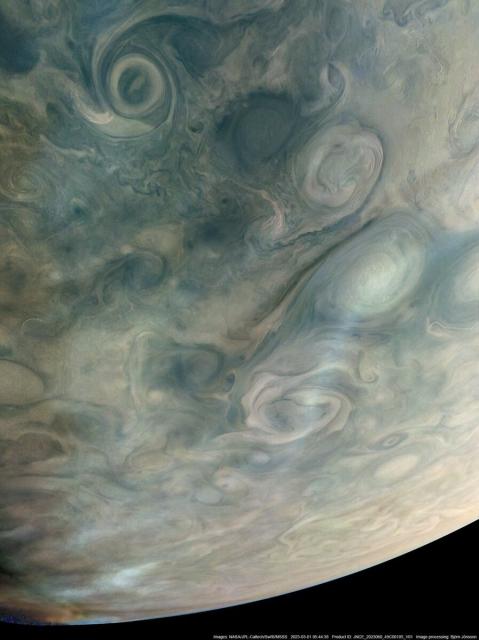
Today our #JunoMission completed its 52nd close pass by Jupiter! Earlier this year, it captured this view of storms and hazes on the giant planet. missionjuno.swri.edu/news/nasa…
📸 processed by Björn Jónsson
#NASASolarSystem
NASA’s Juno Mission Observes High-Altitude Hazes in Jupiter’s atmosphere - Mission Juno
NASA's Mission Juno will explore Jupiter, seeking to unlock secrets of the giant planet and our solar system.Mission Juno
#ISS
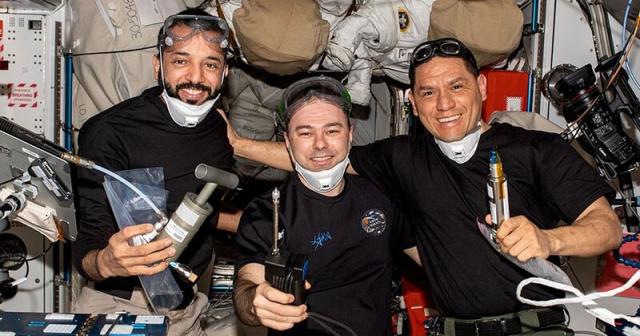
Cargo Work, Robotics Competition End Week Following Spacewalk
The Expedition 69 crew is wrapping its work week loading a cargo craft for its upcoming return to Earth and cleaning up following Thursday’s spacewalk.blogs.nasa.gov
Is your name on the surface of Mars aboard @NASAPersevere, @MarsCuriosity, or @NASAInSight? Now you have the chance to #SendYourName even deeper into space, this time with @EuropaClipper as it travels 1.8 billion miles to Jupiter!
go.nasa.gov/MessageInABottle
#NASAMars
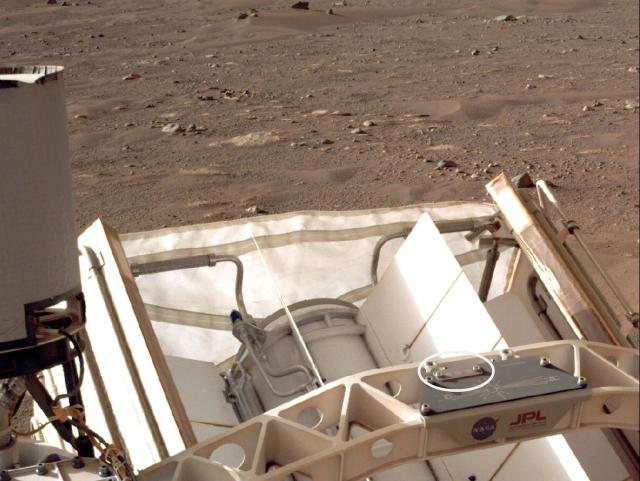
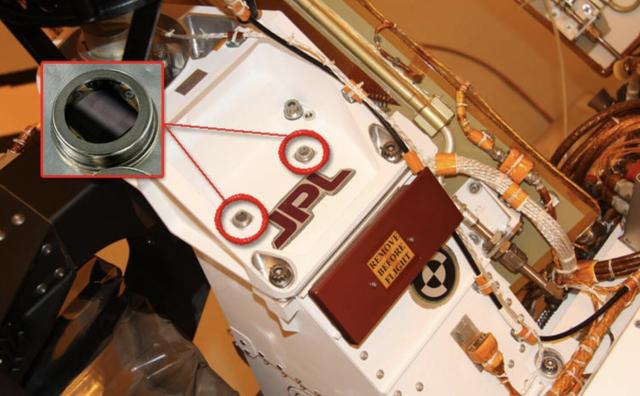
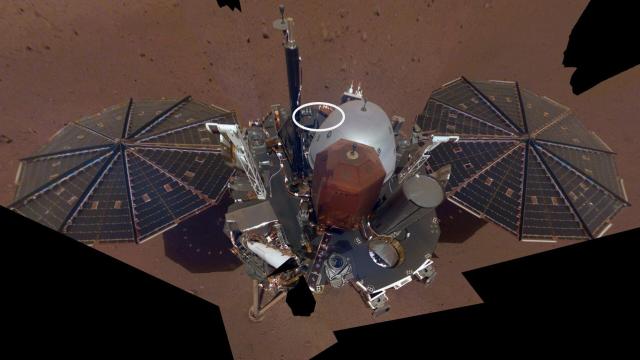
Sign Your Name to Europa Clipper's Message in a Bottle
You're invited to #SendYourName to Jupiter's moon Europa by signing a poem by U.S. Poet Laureate Ada Limón that will travel aboard NASA's @EuropaClipper spacecraftNASA's Europa Clipper
Happy anniversary LRO!
Our Lunar Reconnaissance Orbiter has been exploring the Moon for 14 years now. As the longest-lived lunar spacecraft, it's paving the way for @NASAArtemis
This full view of the far side was made from over 15,000 LRO images. nasa.gov/mission_pages/LRO/new…
#NASAMoon

NASA - The Far Side of the Moon -- And All the Way Around
A new topographic map of the moon will be released later this year, but a sneak-peek is available now!www.nasa.gov
What's new with the Moon?
Our Daily Moon Guide highlights what you're apt to see with clear skies, along with upcoming lunar events and other fun @NASAMoon facts. Take a look (up): go.nasa.gov/MoonGuide
#NASA
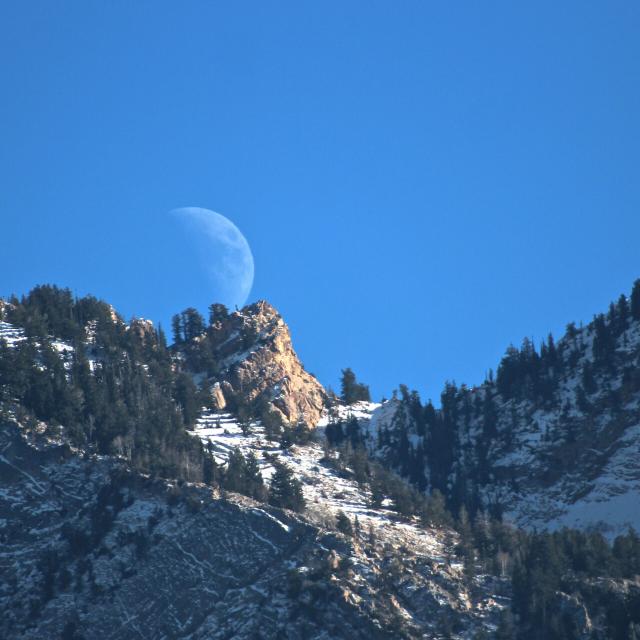
Daily Moon Guide | Observe – Moon: NASA Science
NASA's interactive map for observing the Moon each day of the year.Moon: NASA Science
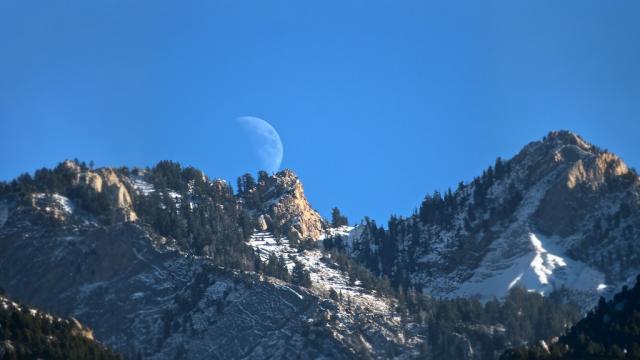
#ISS
Have a glorious #Pride!
Glories are an optical phenomenon caused by water droplets scattering sunlight back toward the light source, creating these rainbow-like colors. 🌈 go.nasa.gov/3XjT03n
@nasa’s Terra satellite captured this glory in the Caribbean in 2018.
#NASAEarth
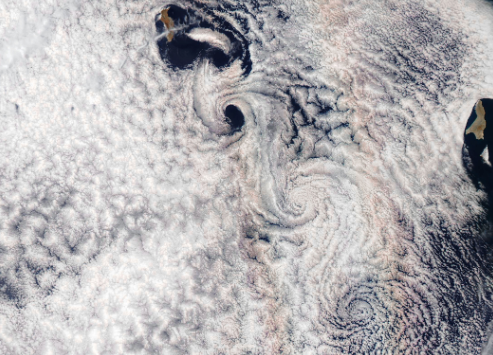
A Slice of Glory
People have been marveling at glories for centuries, but satellites offer a unique perspective on the colorful optical phenomenon.go.nasa.gov
Giant Galaxies in Pavo
Image Credit & Copyright: Mike Selby, Observatorio El Sauce
apod.nasa.gov/apod/ap230623.ht… #APOD

APOD: 2023 June 23 - Giant Galaxies in Pavo
A different astronomy and space science related image is featured each day, along with a brief explanation.apod.nasa.gov
#NASA
Media Briefing: X-57 Maxwell Project Update
NASA discusses the status of its X-57 Maxwell all-electric aircraft project. The goal of the X-57 project is to share the knowledge NASA has gained through d...YouTube
#ISS
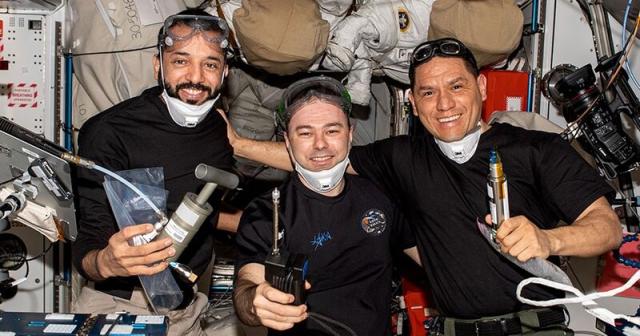
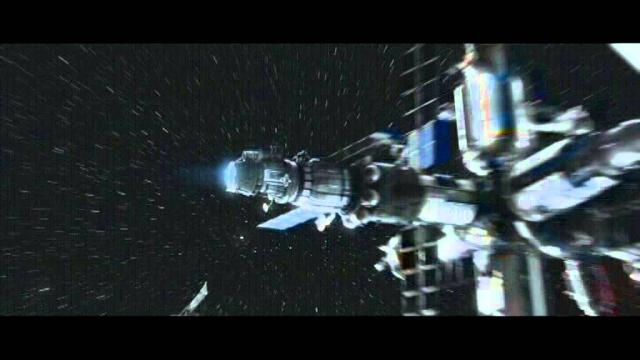
Cargo Work, Robotics Competition End Week Following Spacewalk
The Expedition 69 crew is wrapping its work week loading a cargo craft for its upcoming return to Earth and cleaning up following Thursday’s spacewalk.blogs.nasa.gov
On this #F86Friday, we remember the F-86F Sabre which was used as a chase aircraft for the D-558-2 Skyrocket and for pitch-up research. Primarily used during the Korean War, insights gained from its @NASAaero research shaped future aircraft.
Read more: go.nasa.gov/3PrmBpM
#NASAhistory
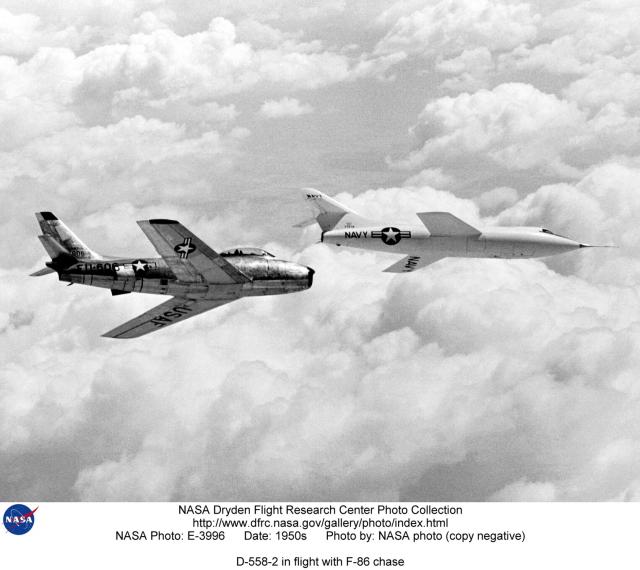
F-86 Sabre
The F-86F performed both pitch-up research and duties as a chase aircraft for the D-558-2. Its stay at the HSFS was brief. It arrived on June 23, 1954, and left on September 10 the same year.NASA
Bound together ✨
Globular clusters, like the one seen in this #HubbleFriday image, are collections of tens of thousands of stars bound by their mutual gravitational attraction.
This cluster is NGC 6544, which is about 8,000 light-years away: go.nasa.gov/3XkhXeZ
#Hubble

Hubble Glimpses a Glistening Cluster
The teeming stars of the globular cluster NGC 6544 glisten in this image from the NASA/ESA Hubble Space Telescope.Andrea Gianopoulos (NASA)
Kansas normally produces about 25% of winter wheat in the U.S. winter wheat crop, but that may not happen this year due to prolonged drought.
This U.S. Drought Monitor map shows drought intensity as of June 20, 2023, with 79% of Kansas in a drought. go.nasa.gov/3r3ro6h
#NASAEarth
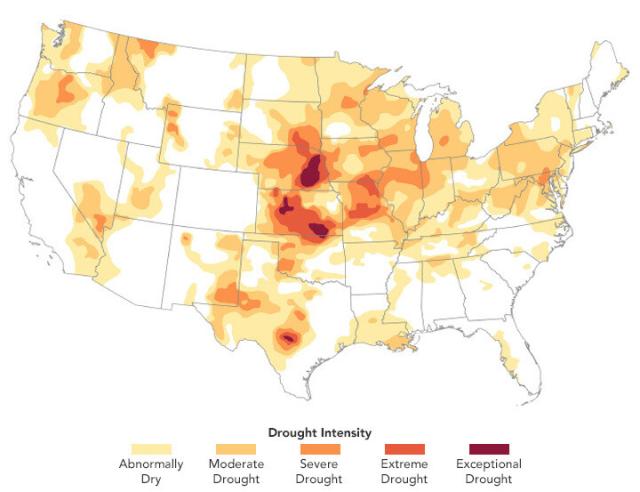
A Rough Harvest for Kansas Wheat
Prolonged drought in Kansas set the stage for what may be one of the state’s smallest wheat harvests in decades.go.nasa.gov
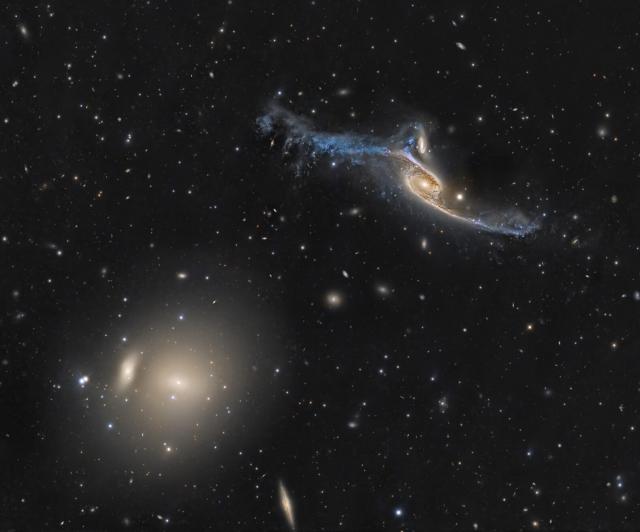
APOD: 2023 June 23 - Giant Galaxies in Pavo
A different astronomy and space science related image is featured each day, along with a brief explanation.apod.nasa.gov
Phytoplankton blooms in the North Sea are starting later in the year and lasting slightly longer, according to research from Norwegian scientists using data from multiple @nasa and NOAA satellite sensors.
More: go.nasa.gov/43Tor76
🛰️ : @noaa-20 on June 15, 2023
#NASAEarth
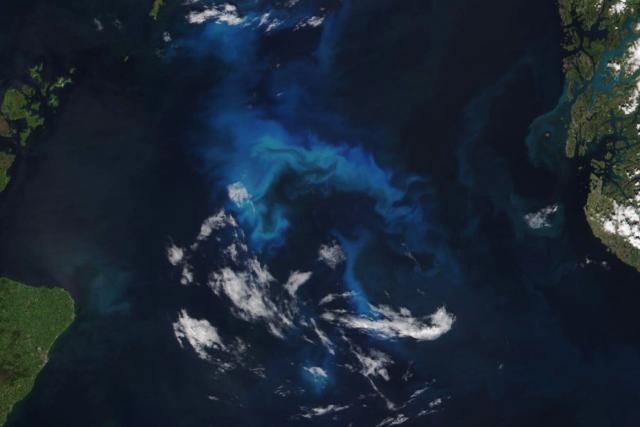
Phytoplankton Flourish in the North Sea
Turquoise swirls of phytoplankton developed over the course of two weeks in the shallow sea basin.go.nasa.gov
Beethoven wasn’t the only one with dramatic flair 200 years ago—Sagittarius A*, the Milky Way’s supermassive black hole, may have also composed an intense flare as it consumed nearby material.
Tune in for #IXPE and @ChandraXray’s sonification: go.nasa.gov/46da7rL
#NASA
Milky Way’s Central Black Hole Awoke 200 Years Ago, NASA’s IXPE Finds
Sagittarius A*, the supermassive black hole at the center of the Milky Way galaxy, woke some 200 years ago to devour cosmic debris, according to new findings from NASA’s Imaging X-ray Polarimetry Explorer.Beth Ridgeway (NASA)
#ISS

Cosmonauts Finish Spacewalk After Replacing Station Hardware
Roscosmos cosmonauts Sergey Prokopyev and Dmitri Petelin concluded their spacewalk June 22 at 4:48 p.m. EDT after 6 hours and 24 minutes.blogs.nasa.gov
#ISS

#NASASolarSystem
NASA’s InSight Records Monster Quake on Mars
Estimated to be magnitude 5, the quake is the biggest ever detected on another planet.NASA Jet Propulsion Laboratory (JPL)
There isn't a consensus on requirements for life beyond Earth. But those who research life’s origin suggest a few likely “must-haves'' to spot: water, energy and, perhaps, an imbalance in atmospheric gases. go.nasa.gov/43SiabU
#NASAExoplanets
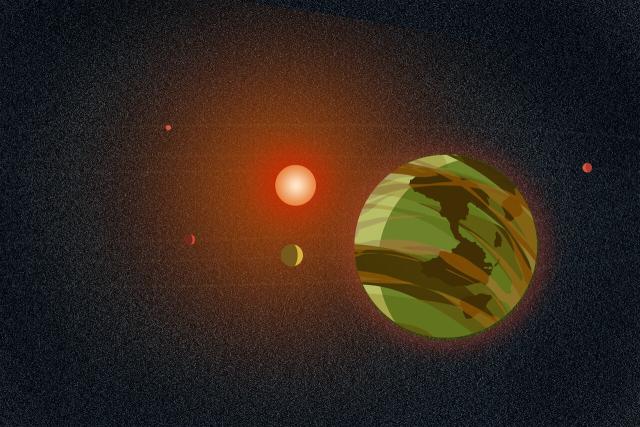
Life on Other Planets: What is Life and What Does It Need?
New technology and deeper understanding are moving us closer to detecting signs of life on another world.Exoplanet Exploration: Planets Beyond our Solar System

#NASA

NASA to Host X-57 Maxwell Project Update
NASA will hold a media teleconference to discuss its X-57 Maxwell all-electric aircraft project at 12 p.m. EDT on Friday, June 23.Abbey Donaldson (NASA)
#NASA

Mars Research Scientist S. J. Ralston
"In order to really bring the community up, we have to lift from the bottom. And when we do things that improve equity for the people who have it the worst, we are improving equity across the board." — S. J.Thalia Patrinos (NASA)
It takes six custom wheels and some fancy suspension to stay safe on Mars, and the folks at LEGO have recreated my unusual mobility system in a new model.
Learn more about this collaboration: go.nasa.gov/3Np4g9W
See how the real designs work: go.nasa.gov/3dJu1PA
#PerseveranceRover
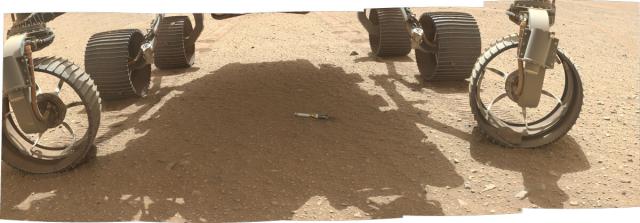
Landing in Living Rooms: LEGO Models of NASA Mars Rover and Helicopter
A new STEM-themed kit developed in cooperation with NASA-JPL is designed to spark kids’ interest in engineering and space via traditional toys and augmented reality.NASA Mars Exploration
Referenced link: phys.org/news/2023-06-viruses-…
Discuss on discu.eu/q/phys.org/news/2023-…
Originally posted by Phys.org / @physorg_com: nitter.platypush.tech/physorg_…
Are #viruses keeping #sealice at bay in wild salmon? @ubcnews @PLOSPathogens phys.org/news/2023-06-viruses-…
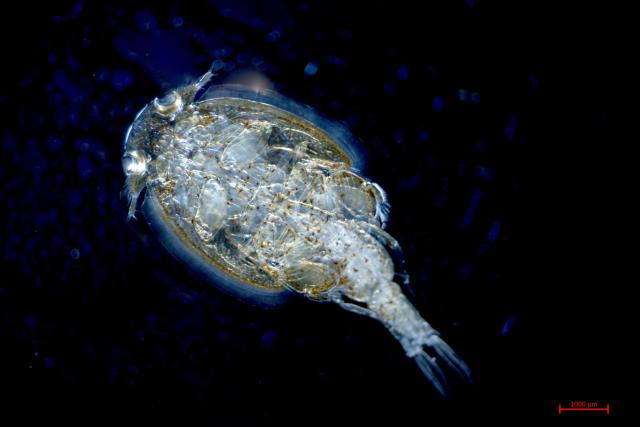
Are viruses keeping sea lice at bay in wild salmon?
More than 30 previously unknown RNA viruses in sea lice have been identified by University of British Columbia (UBC) researchers.Science X (Phys.org)
#NASAMoon
Pete Conrad, Joe Kerwin, and Paul Weitz splashed down in the Pacific Ocean #OTD in 1973, successfully completing the Skylab 2 mission. #Skylab50
The record for longest time spent in space was now 28 days. go.nasa.gov/3NKEZbT
#NASAhistory
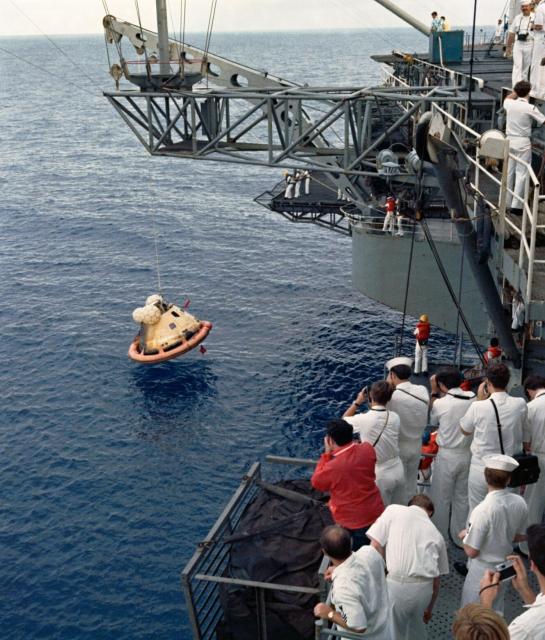
Skylab 2 Astronauts Splash Down After Record-Breaking 28-day Mission
Skylab 2 astronauts Commander Charles “Pete” Conrad, Pilot Paul J. Weitz, and Science Pilot Joseph P. Kerwin, completed their record-setting 28-day mission on June 22, 1973, with a splashdown in the Pacific Ocean. Recovery teams from the U.S.S.Kelli Mars (NASA)
#ISS
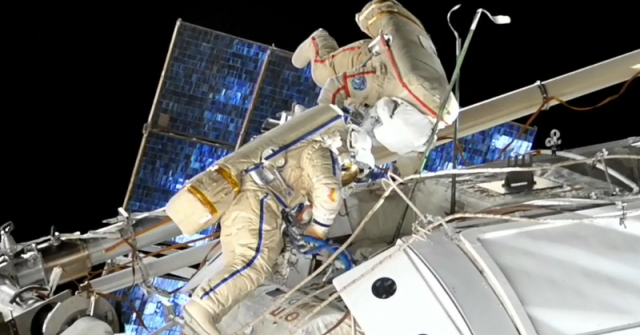
Cosmonauts Begin Spacewalk to Replace Station Hardware
Roscosmos cosmonauts Sergey Prokopyev and Dmitri Petelin began a spacewalk at 10:24 a.m. EDT to retrieve several experiment packages from the Zvezda and Poisk modules and install communications equipment outside the International Space Station.blogs.nasa.gov
Heads up, #StLouis! The #MarsRoverTour is now landing at @STLScienceCtr. Opening weekend kicks off this Friday, June 23. Join mission team members from @nasa and check out full-scale models of @NASAPersevere and the #MarsHelicopter!
More info: go.nasa.gov/marsrovertour
#PerseveranceRover
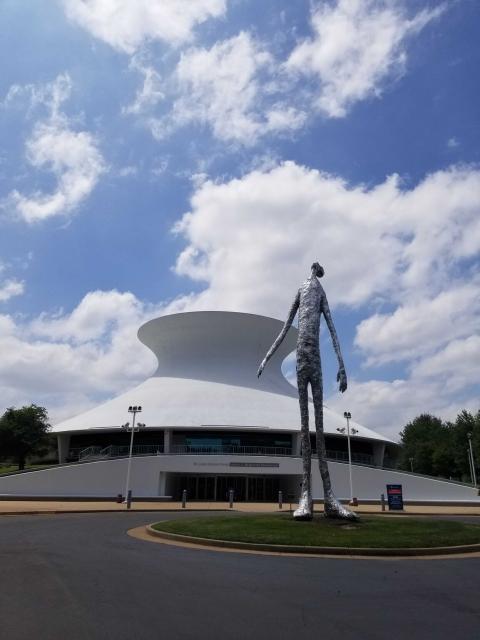
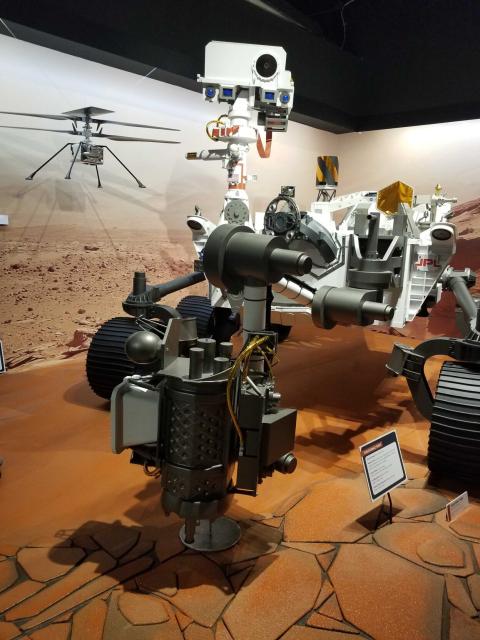
Roving With Perseverance - NASA
Mars Perseverance model and related exhibits go on the road to museums around the country.go.nasa.gov
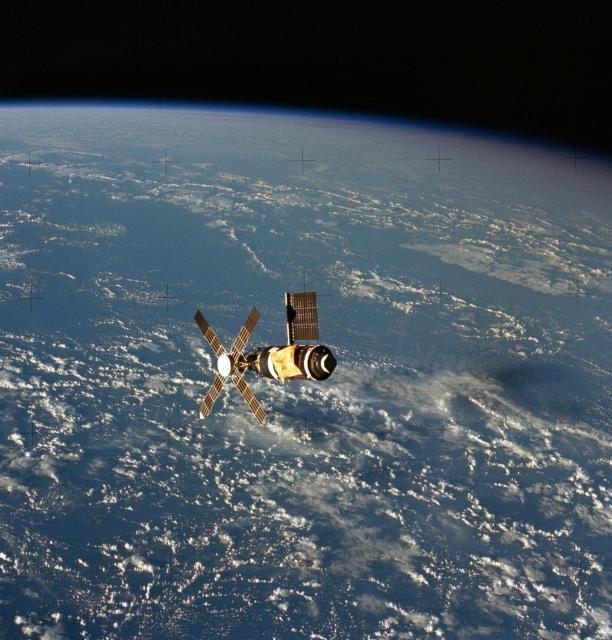
#50YearsAgo today, the Skylab 2 crew said goodbye to Skylab and prepared for their return to Earth, taking this photo of the station that had been their home for the last 26 days.
Despite the slow start on the damaged station, they had salvaged the program, managed to accomplish the majority of their science goals, and broke the space endurance record during their stay! #Skylab50
Read more: nasa.gov/feature/50-years-ago-…
#NASAhistory
Skylab 2 Astronauts Splash Down After Record-Breaking 28-day Mission
Skylab 2 astronauts Commander Charles “Pete” Conrad, Pilot Paul J. Weitz, and Science Pilot Joseph P. Kerwin, completed their record-setting 28-day mission on June 22, 1973, with a splashdown in the Pacific Ocean. Recovery teams from the U.S.S.Kelli Mars (NASA)
Noctiluca, is that you?
The @nasa / @usgs #Landsat 9 satellite captured this image of swirling tendrils of phytoplankton – which appear to be Noctiluca scintillans – off the coast of Germany's East Frisia Islands on June 14, 2023. #WorldOceansMonth
🌊 : go.nasa.gov/3JryeZU
#NASAEarth
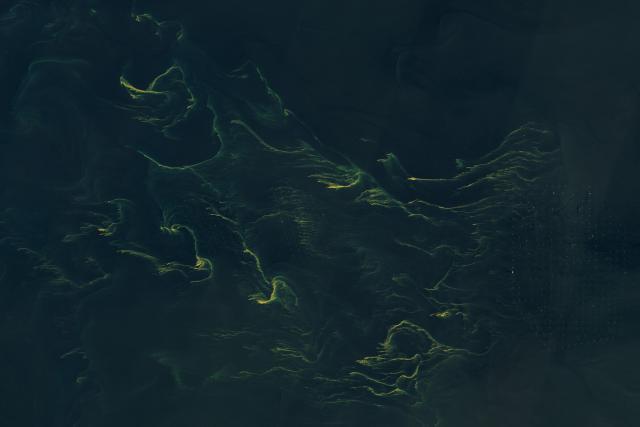
Noctiluca in the North Sea?
These swirling tendrils of phytoplankton might be Noctiluca scintillans—a type of marine dinoflagellate known to inhabit this area.go.nasa.gov
NASA’s upcoming PACE satellite will allow researchers to infer more information about the oceans.
PACE will be able to determine the concentration and size of particles in seawater, diversity of phytoplankton, and rates of phytoplankton growth. go.nasa.gov/3Jryg3Y
#NASAEarth
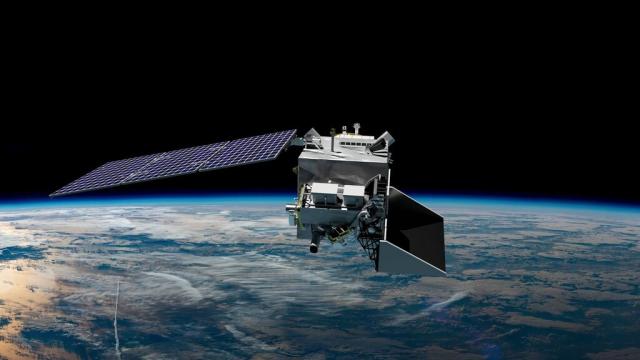
NASA PACE - Home
PACE's technologies will provide unprecedented insight into Earth's ocean and atmosphere, which impact life by regulating climate and making Earth habitablego.nasa.gov
#ISS

Cosmonauts Exiting Station for Spacewalk Live on NASA TV
NASA coverage is underway for today’s spacewalk with Roscosmos cosmonauts Sergey Prokopyev and Dmitri Petelin.blogs.nasa.gov
#NASA
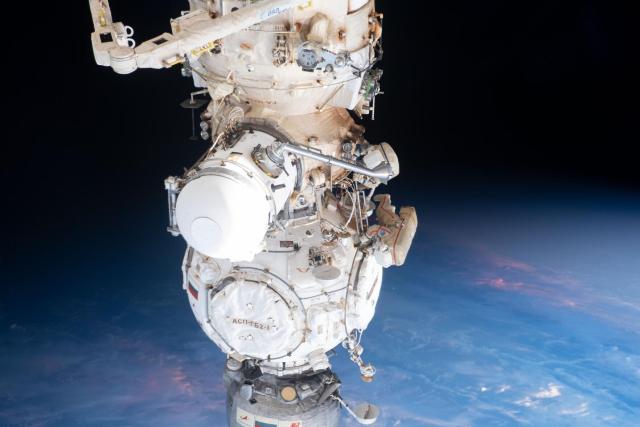
Because the duration was mentioned, I looked up the average length of a spacewalk and saw they usually come in at around 6.5 hours. My question now is: Why?
Is it due to the extra steps required (no pun intended) for safety, the general challenge of moving in a vacuum, or because they really just wanted to get out for a bit?
Stars and Dust across Corona Australis
Image Credit & Copyright: Alessandro Cipolat Bares
apod.nasa.gov/apod/ap230622.ht… #APOD

APOD: 2023 June 22 - Stars and Dust across Corona Australis
A different astronomy and space science related image is featured each day, along with a brief explanation.apod.nasa.gov
#NASASolarSystem
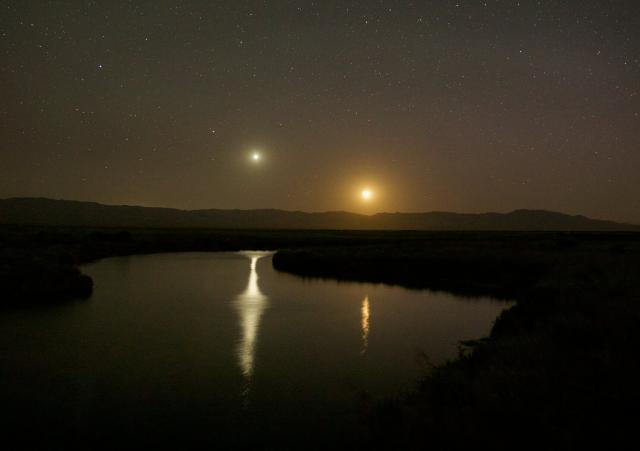
What’s Up: Skywatching Tips from NASA
Watch the latest video in NASA’s “What’s Up” series to discover the skywatching highlights for this month.NASA Solar System Exploration
Somhairle Buidhe
in reply to NASA • • •A mere 90 ly? Sure that's just a wee day-trip!
(I wish! Maybe some day, if/when we break the bonds of Einsteinian physics...)
Bradley Stowers
in reply to NASA • • •DoomsdaysCW
in reply to NASA • • •Which is lucky for you and me
'Cause of all the places in the years right from here
This is the only place to be"
youtube.com/watch?v=JaYcJQej5U…
World Party - Private Revolution
YouTube