
At the center of this image are two stars forming. Over thousands of years, they repeatedly consume, then eject the gas and dust around them. After millions of years, the pair – binary stars – will take their place in the universe. go.nasa.gov/3OFJFjP
#NASAExoplanets
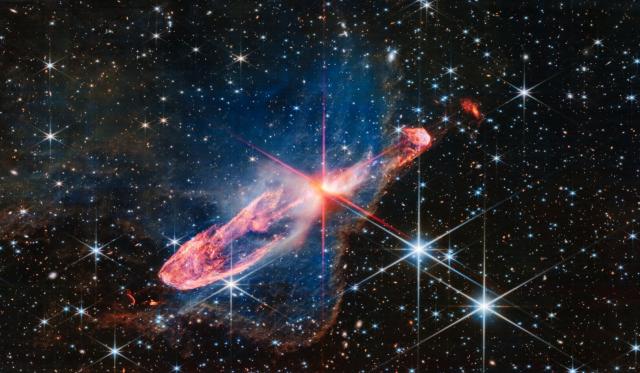
Webb Snaps Highly Detailed Infrared Image of Actively Forming Stars
NASA’s James Webb Space Telescope has captured the “antics” of a pair of actively forming young stars, known as Herbig-Haro 46/47, in high-resolution near-infrared light.Isabelle Yan (NASA)
Going goblin mode.
Within the orange-white splotch at the center of this image are 2 chaotic baby stars. Over thousands of years, the pair repeatedly gobbled up, then spat out the gas and dust around them — producing those fiery orange lobes: go.nasa.gov/3OFJFjP
#JamesWebb
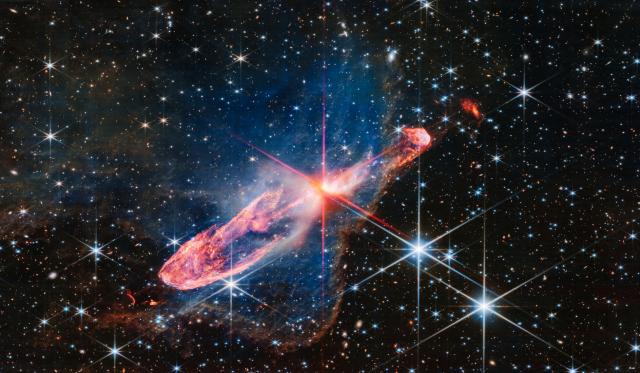
Webb Snaps Highly Detailed Infrared Image of Actively Forming Stars
NASA’s James Webb Space Telescope has captured the “antics” of a pair of actively forming young stars, known as Herbig-Haro 46/47, in high-resolution near-infrared light.Isabelle Yan (NASA)
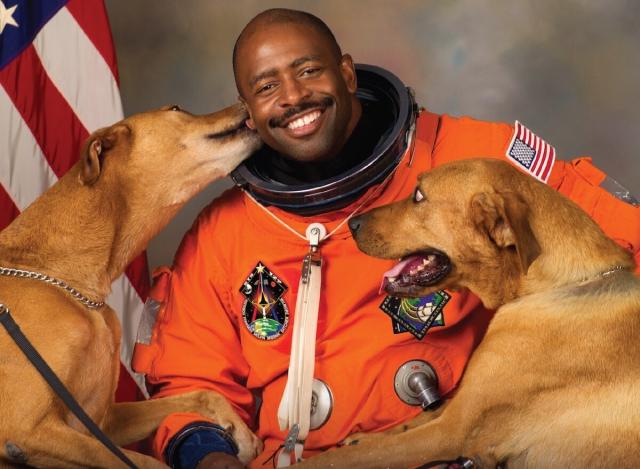
Pawsitively the best astronaut portrait ever! 🐶
For his official NASA portrait in 2007, former astronaut Leland Melvin snuck his two fur babies, Jake and Scout, in to NASA's Johnson Space Center to pose with him. #NationalDogDay
Got a photo of you + space + your dog? Show us!
#NASAhistory
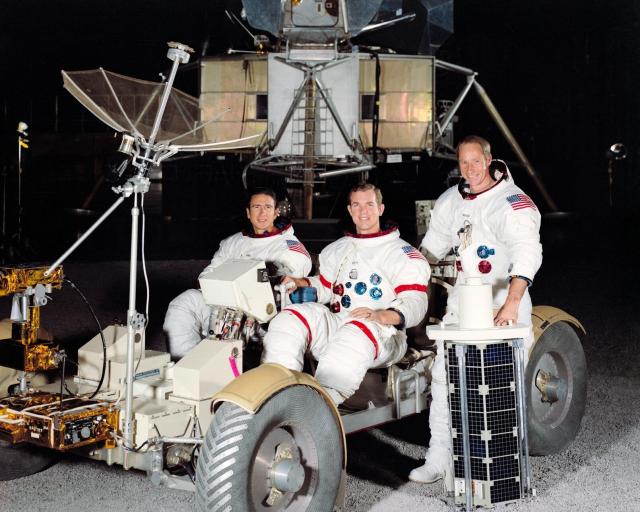
Get in Irwin, we're going Moon driving!
Apollo 15, the 4th mission to put humans on the Moon, launched #OTD in 1971. Folded up in the lunar module (LM) was the first Lunar Roving Vehicle, allowing Dave Scott and Jim Irwin to venture farther from the LM. go.nasa.gov/43FoEKi
#NASAhistory
NASA’s Earth Applied Sciences Disasters program has been activated in support of the fires in Greece. go.nasa.gov/3Q8xwF2
As new information becomes available, the team will be posting maps and data products on its open-access mapping portal.
#NASAEarth
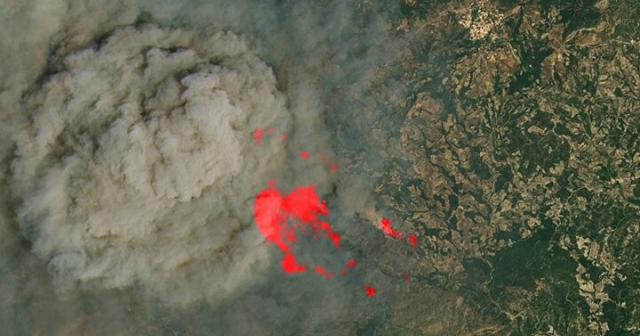
Fires Ignite on Greek Islands
Wildfires broke out on Rhodes and other islands amid record heat, forcing thousands to evacuate.go.nasa.gov
Wildfires broke out on the Greek island of Rhodes after a prolonged stretch of extreme heat.
Actively burning fires are marked by a red infrared signature in this image captured by #Landsat 8 on July 19. go.nasa.gov/3Q8xwF2
#NASAEarth
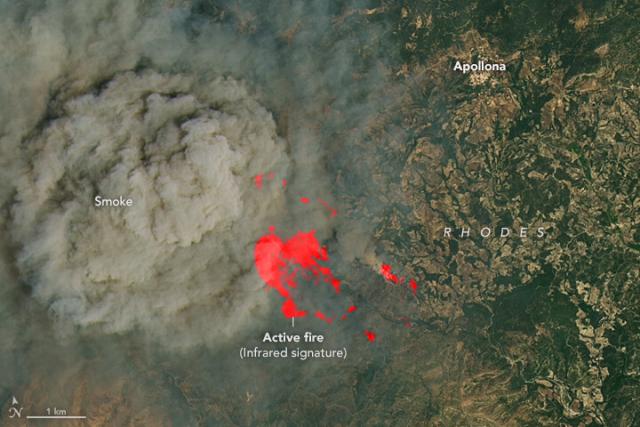
Fires Ignite on Greek Islands
Wildfires broke out on Rhodes and other islands amid record heat, forcing thousands to evacuate.go.nasa.gov

NASA, DARPA Experts to Discuss Nuclear Rocket Program Developments
Experts from NASA and the Defense Advanced Research Projects Agency (DARPA) will hold a media teleconference at 1 p.m.Abbey Donaldson (NASA)
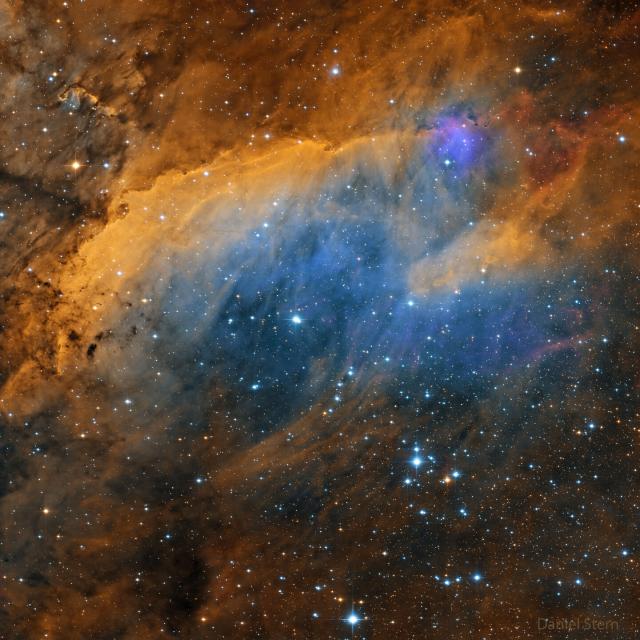
APOD: 2023 July 26 – IC 4628: The Prawn Nebula
A different astronomy and space science related image is featured each day, along with a brief explanation.apod.nasa.gov
#NASASolarSystem
After three quiet years, the Shishaldin volcano in Alaska’s Aleutian Islands erupted this month. 🌋
Ash fallout from the eruptions can be seen on the southern flanks of the volcano in this image captured by #Landsat 8 on July 17, 2023. go.nasa.gov/3DwFIaF
#NASAEarth
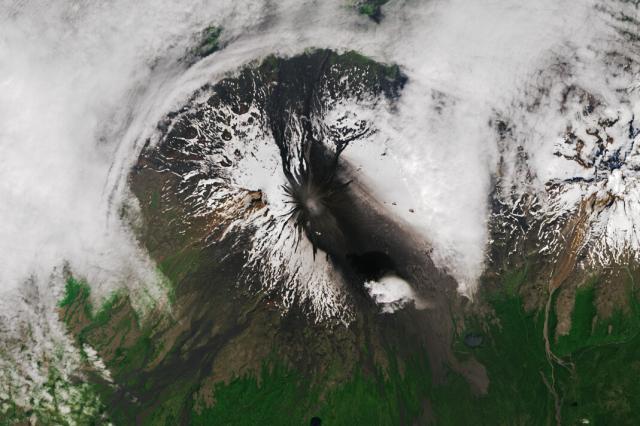
Shishaldin Erupts
Ash from recent eruptions blackened the snow-covered flanks of the Alaskan volcano.go.nasa.gov
These bold explorers (or, not so bold, no judgment) will go where humans can't to explore real exoplanets. Check them out and take our quiz to see which Exoplaneteer YOU are: exoplanets.nasa.gov/exoplanete…
#NASAExoplanets

The Exoplaneteers | Explore – Exoplanet Exploration: Planets Beyond our Solar System
Four brave explorers, the Captain, the Brain, the Scout, and the Friend, find themselves flung onto different exoplanets. Separated by space, the Exoplaneteers search for signs of life, or friends, while facing the dangers of these strange worlds.Exoplanet Exploration: Planets Beyond our Solar System
#NASAExoplanets
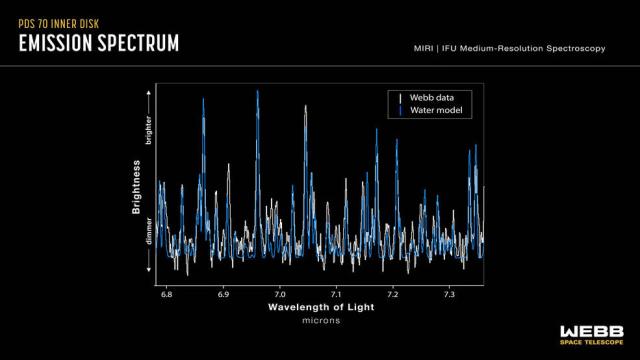
Webb Detects Water Vapor in Rocky Planet-Forming Zone
New measurements by NASA’s James Webb Space Telescope’s MIRI (Mid-Infrared Instrument) have detected water vapor in the system’s inner disk, at distances of less than 100 million miles (160 million kilometers) from the star – the region where rocky, …Jamie Adkins (NASA)
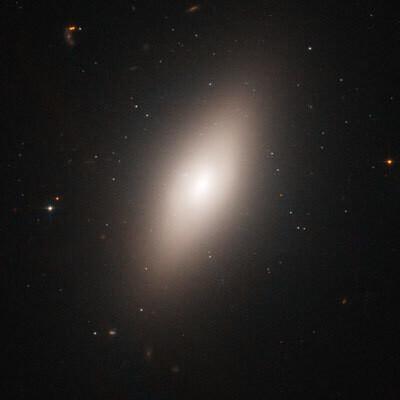
About 2,000 galaxies make up the Virgo cluster. This #HubbleClassic focuses on one of its members, NGC 4660!
At 54 million light-years away, this galaxy is home to 205 globular clusters, which are spherical groups of stars bound together by gravity: go.nasa.gov/476ZwPe
#Hubble
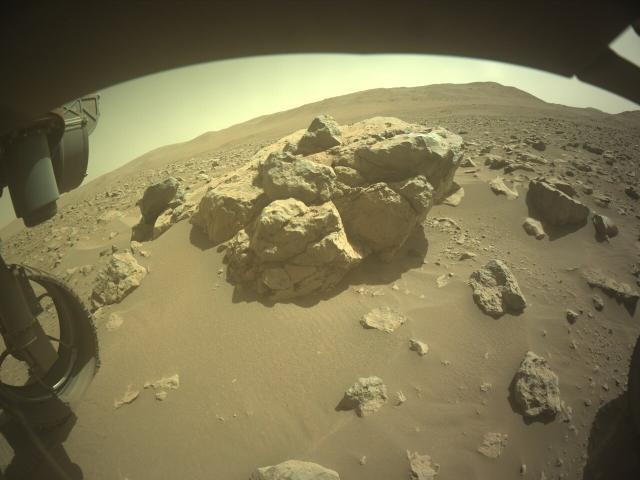
Look at this big chunky weirdo. 🪨 I love it.
I spotted this boulder from a distance and have come in for a closer look. It’s harder than most, with an odd shape and makeup. #SamplingMars could be a challenge here, but I’m up for it!
#PerseveranceRover


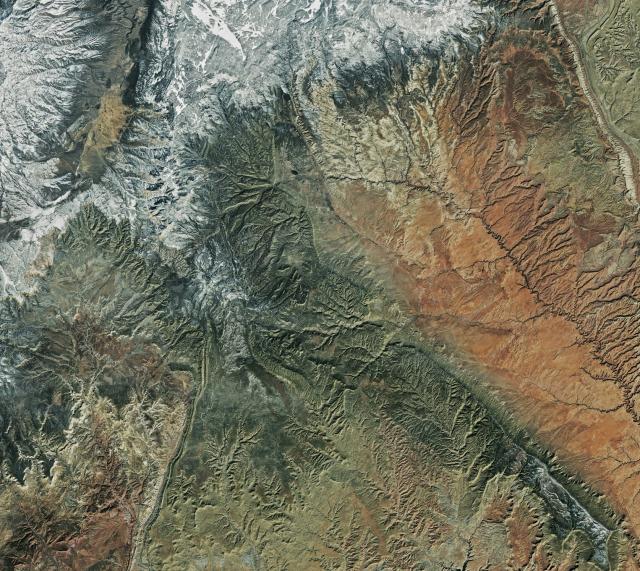
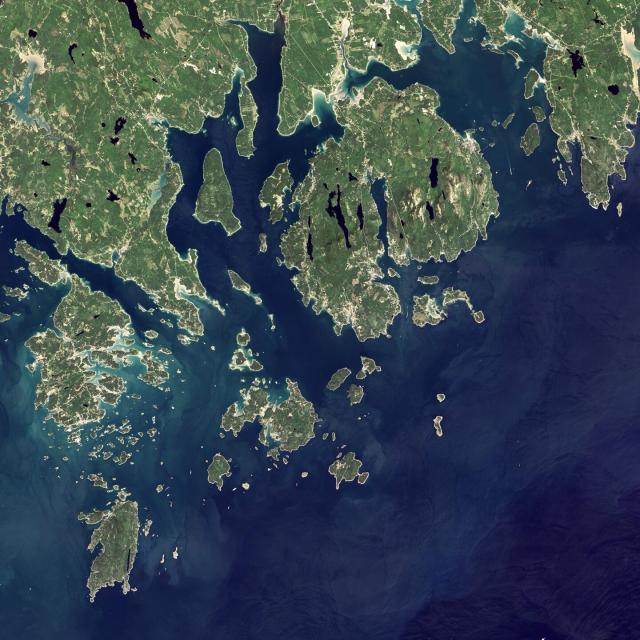
Last stop! It’s time to visit one of the U.S. National Parks. 🥾🌲
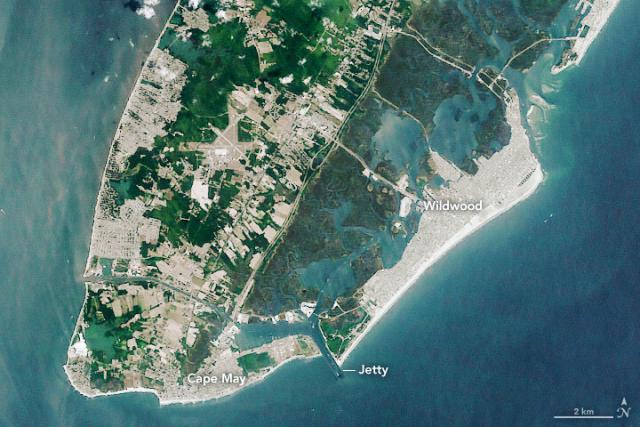
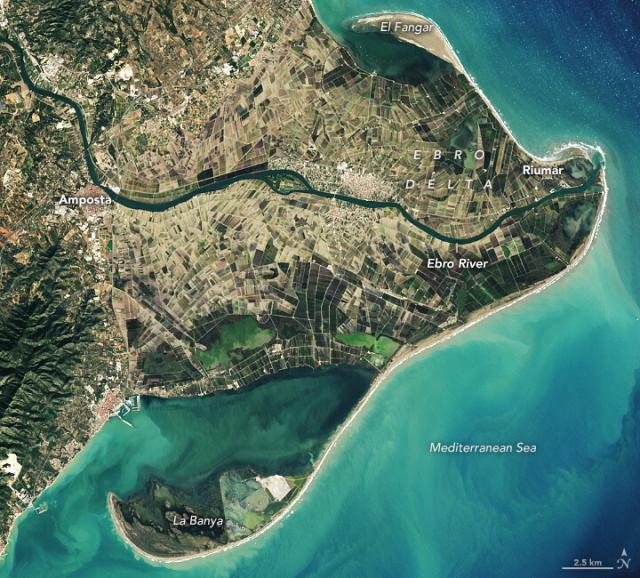
Which would you rather check off your bucket list– Bryce Canyon National Park (left) or Acadia National Park (right)?
#NASAEarth
#ISS
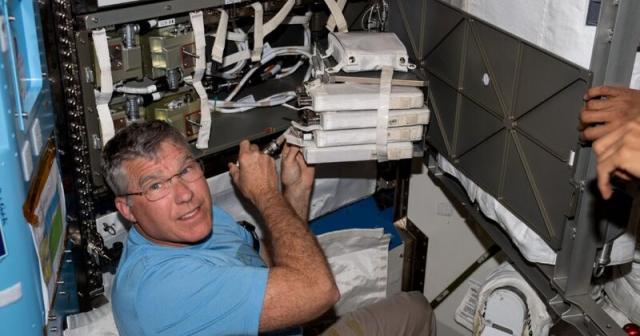
Safety Training, Space Botany, Robotics Practice and Spacesuit Maintenance Today
The seven-member Expedition 69 crew is keeping busy Tuesday with a round of training, prepping for an upcoming cargo delivery and tending to plants aboard the International Space Station.blogs.nasa.gov
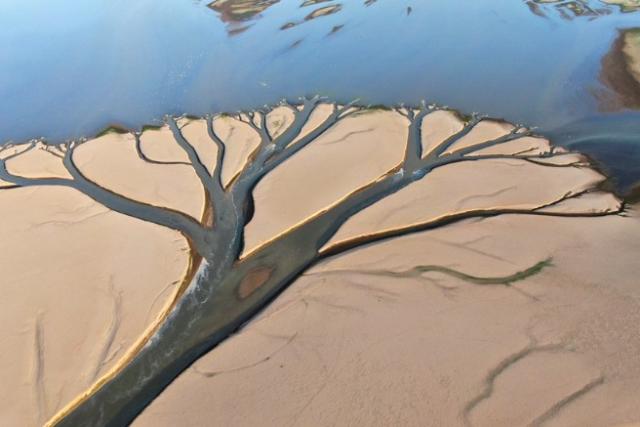
Phew, that was a tough but beautiful hike! Let’s cool off in a lake. 🏊
Which would you rather dive into – this trio of lakes in Ethiopia (left) or China’s Poyang Lake (right)?
#NASAEarth
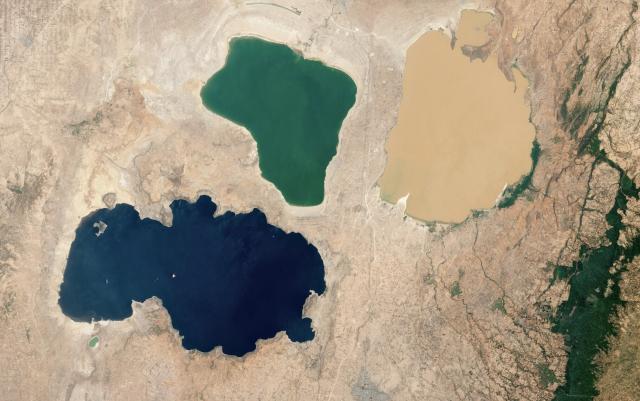
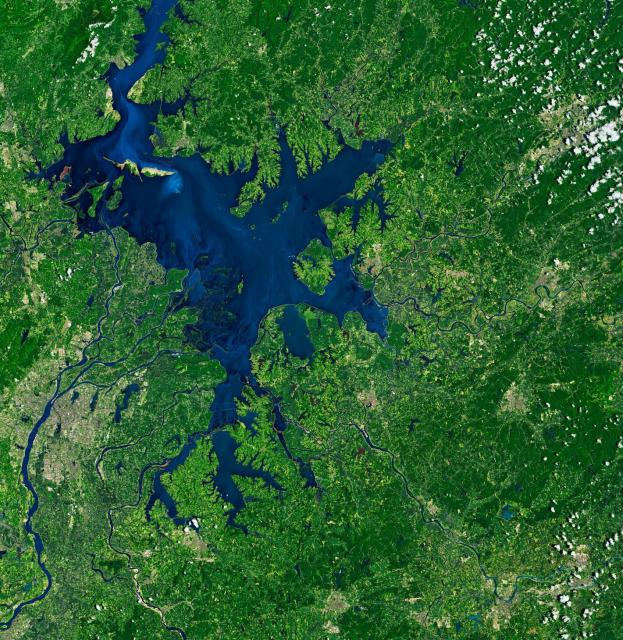
The two Ethiopian lakes on the left are alkaline lakes and infested with schistosomiasis, so I'll pass. Lake Langano is on the right is free of the parasite and is a popular tourist destination.
Poyang Lake has just entered it's earliest dry season on record (records began in 1951). Doesn't look inviting.
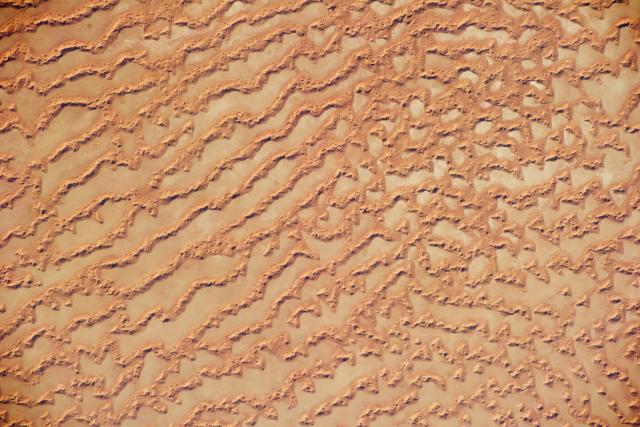
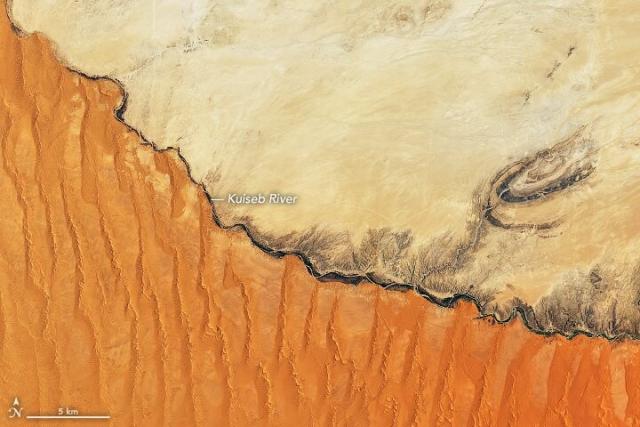
Grab your sunscreen and hiking boots! It’s time for a short hike through the desert. 🏜️
Which do you want to explore– the Rub’ al-Khali in the Arabian Peninsula (left) or Africa’s Namib Desert along the Kuiseb River (right)?
#NASAEarth
LIVE: We're talking with the members of #Crew7 and astronaut Loral O'Hara as they get ready to live and work on the @Space_Station. Send them your questions with #AskNASA: twitter.com/i/broadcasts/1OwxW…
[Video embedded in original tweet]
#NASA
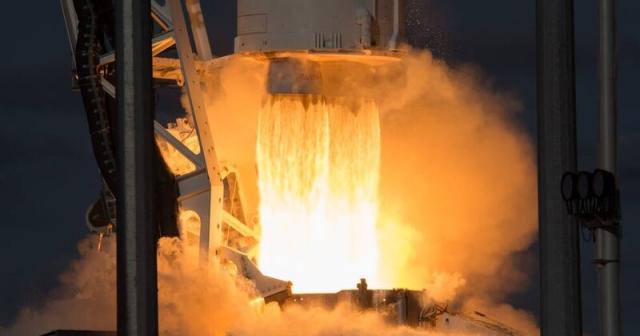
.@nasa and @northropgrumman are targeting Tuesday, August 1 for the launch of the company's 19th commercial resupply mission to the station.
Live coverage will begin on NASA TV at 8pm ET. nasa.gov/press-release/nasa-se…
#ISS
NASA Sets Coverage for Cargo Launch to International Space Station
NASA and commercial cargo provider Northrop Grumman are targeting 8:31 p.m. EDT, Tuesday, Aug. 1, for the launch of the company’s 19th resupply mission to the International Space Station from the agency’s Wallops Flight Facility in Virginia.Claire O’Shea (NASA)
We’re working with the aviation industry to make hybrid electric propulsion a reality. Today with GE Aerospace and magniX, we’re unveiling new paint schemes for two new aircraft in development with @NASAAero.
AvGeek out on the details of our Electrified Powertrain Flight…
#NASA

Air Tindi is a real; Canadian Airline not a ficitional airline name along with the fictitional N number on the image.
MagniX was succesfully trialed in Canada with Harbour Air our of Vancouver 3 years ago on a de Haviland Beaver. youtu.be/X_dnAD5TD-E

First flight of Harbour Air's all-electric DHC-2 Beaver
The first flight of a Harbour Air de Havilland DHC-2 Beaver equipped with a Magnix magni500 all-electric propulsion system lifted off on 10 December from the...YouTube
LIVE: Tune in as NASA, @ESA, and @JAXA_EN leaders discuss the science and objectives of the upcoming #Crew7 launch to the @Space_Station. twitter.com/i/broadcasts/1YqKD…
[Video embedded in original tweet]
#NASA

NASA Sets Coverage for Cargo Launch to International Space Station
NASA and commercial cargo provider Northrop Grumman are targeting 8:31 p.m. EDT, Tuesday, Aug. 1, for the launch of the company’s 19th resupply mission to the International Space Station from the agency’s Wallops Flight Facility in Virginia.Claire O’Shea (NASA)
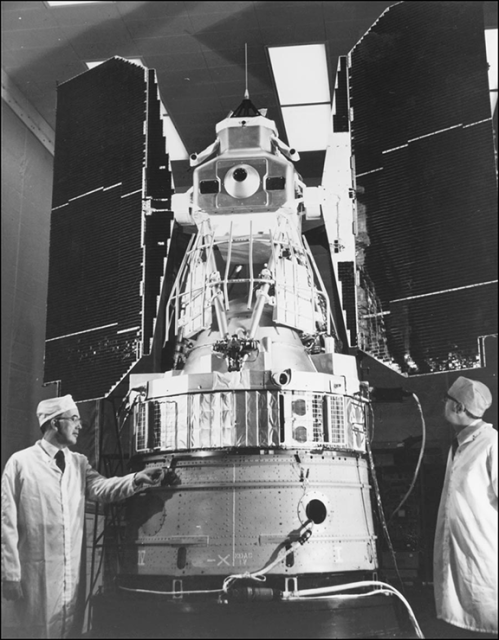
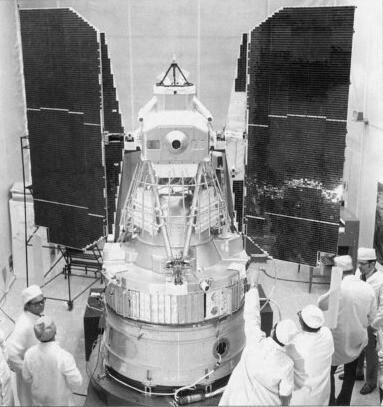
The first Landsat satellite was launched 51 years ago on July 23, 1972. It was built on the same platform as another satellite from its time, giving them a similar appearance. For #TriviaTuesday, tell us which one!
A) Nimbus 4
B) Intelsat IV
C) Uhuru
D) GOES 1
#NASAhistory

NASA Partners with American Companies on Key Moon, Exploration Tech
NASA has selected 11 U.S. companies to develop technologies that could support long-term exploration on the Moon and in space for the benefit of all.Abbey Donaldson (NASA)
The first Landsat satellite was launched 51 years ago on July 23, 1973. It was built on the same platform as another satellite from its time, giving them a similar appearance. For #TriviaTuesday, tell us which one!
A) Nimbus 4
B) Intelsat IV
C) Uhuru
D) GOES 1
#NASAhistory
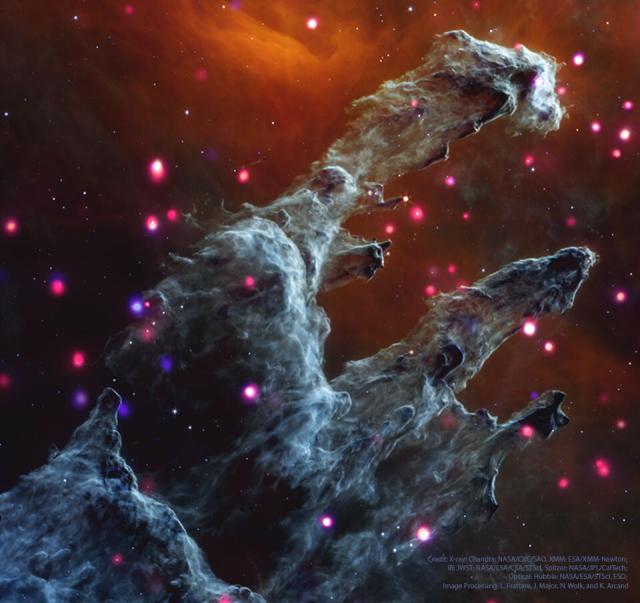
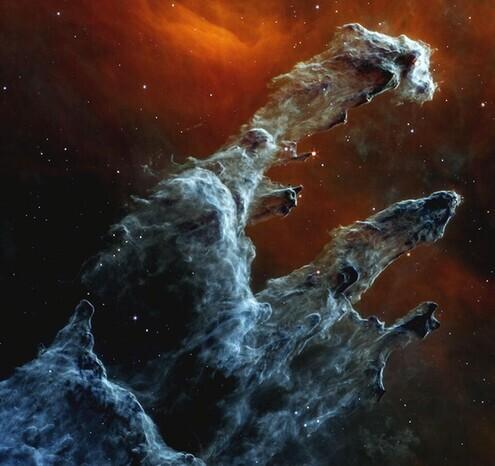
APOD: 2023 July 25 – The Eagle Nebula with Xray Hot Stars
A different astronomy and space science related image is featured each day, along with a brief explanation.apod.nasa.gov
The Eagle Nebula with X-ray Hot Stars
Image Credit: X-ray: Chandra: NASA/CXC/SAO, XMM: ESA/XMM-Newton; IR: JWST: NASA/ESA/CSA/STScI, Spitzer: NASA/JPL/CalTech; Visible: Hubble: NASA/ESA/STScI, ESO; Image Processing: L. Frattare, J. Major, N. Wolk, and K. Arcand
apod.nasa.gov/apod/ap230725.ht… #APOD


APOD: 2023 July 25 – The Eagle Nebula with Xray Hot Stars
A different astronomy and space science related image is featured each day, along with a brief explanation.apod.nasa.gov


Plants and vegetation are abundant along Baugh Creek in Idaho, thanks to the ponded water from beaver dams! 🦫
A @nasa-supported effort is using @nasa satellite data to predict which streams can support beavers and monitor changes once they return. go.nasa.gov/3Y5eRf8
#NASAEarth
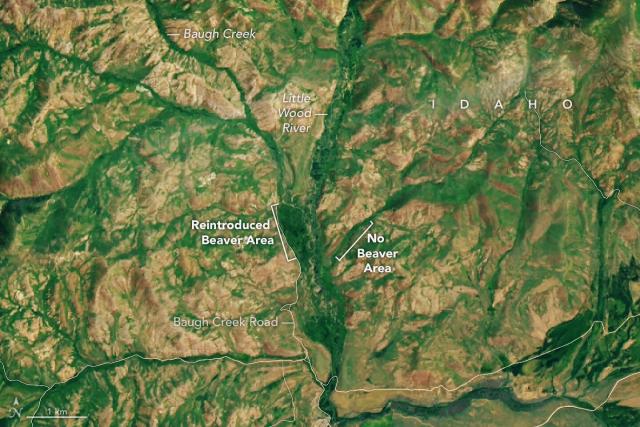
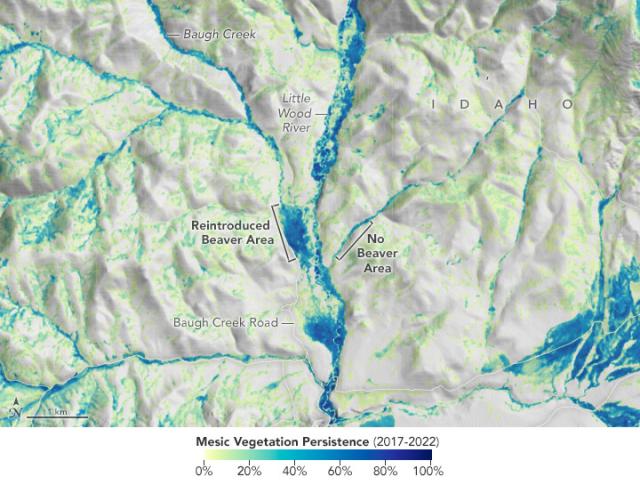
Idaho’s Emerald Refuge
Plants are abundant along Baugh Creek, thanks to the ponded water from beaver dams.go.nasa.gov
#NASASolarSystem

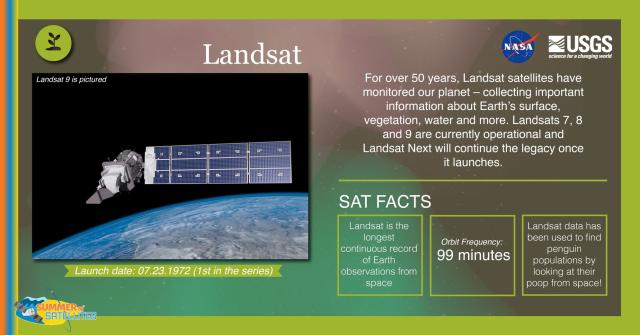
Now, Landsat Next is on the horizon 🌅
With a trio of smaller satellites that can each detect 26 wavelengths of light and thermal energy,
@nasa/@USGS #Landsat Next will provide finer resolution and more frequent data to monitor Earth’s changing surface. go.nasa.gov/3va23GU
[Video embedded in original tweet]
#NASAEarth

Next up to Continue NASA/USGS’s Landsat Legacy
With a trio of smaller satellites that can each detect 26 wavelengths of light and thermal energy, the Landsat Next mission is expected to look very different from its predecessors that have been observing Earth for 50 years.Kate Ramsayer (NASA)
Together, OLI and TIRS study all parts of Earth’s surface every 16 days.
From land to ice to sea, the open data provided by the #Landsat program has contributed to a deeper understanding of our changing planet. #OpenScience
#NASAEarth
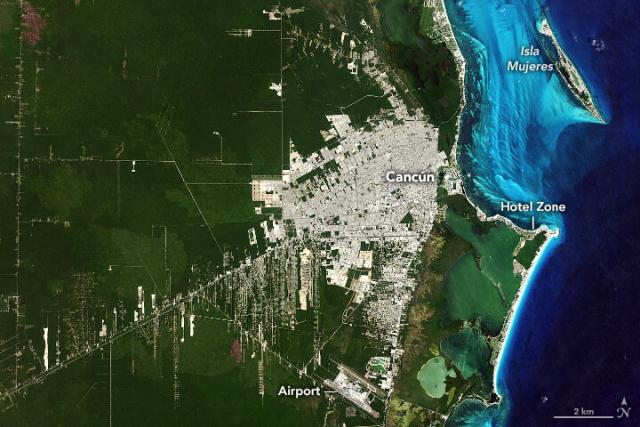
The @NASAKennedy launch team recently completed the first of many mission simulations for #Artemis II, the first crewed Artemis mission.
Simulations help ensure that both team members and their software are prepared and up-to-date for a safe launch: go.nasa.gov/3Q8PQxK
#NASAArtemis #Artemis

NASA Completes First Launch Simulation for Artemis II Moon Mission
NASA’s Artemis launch team conducted its first simulation for Artemis II, the first crewed mission under Artemis, on July 20 inside the Launch Control Center at the agency’s Kennedy Space Center in Florida.James Cawley (NASA)
go.nasa.gov/3KaVlbo
#NASA
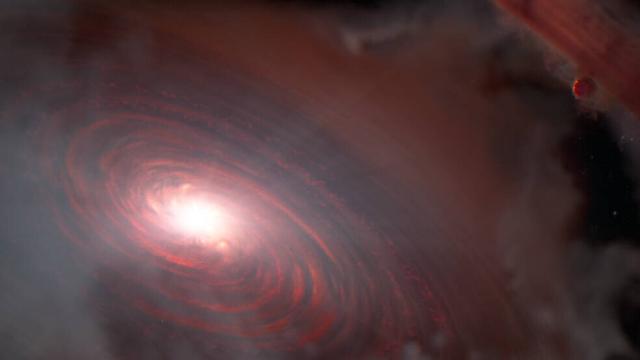
Webb Detects Water Vapor in Rocky Planet-Forming Zone
New measurements by NASA’s James Webb Space Telescope’s MIRI (Mid-Infrared Instrument) have detected water vapor in the system’s inner disk, at distances of less than 100 million miles (160 million kilometers) from the star – the region where rocky, …Jamie Adkins (NASA)
We may be witnessing the aftermath of catastrophic climate change in that region.
#Landsat 8 and 9 also measure land surface temperature with Thermal Infrared Sensor (TIRS) and TIRS-2. These data are crucial for water management and ice detection.
#DYK that TIRS almost didn’t exist? Now it’s been imaging Earth for over a decade! go.nasa.gov/3OSCDbH
#NASAEarth
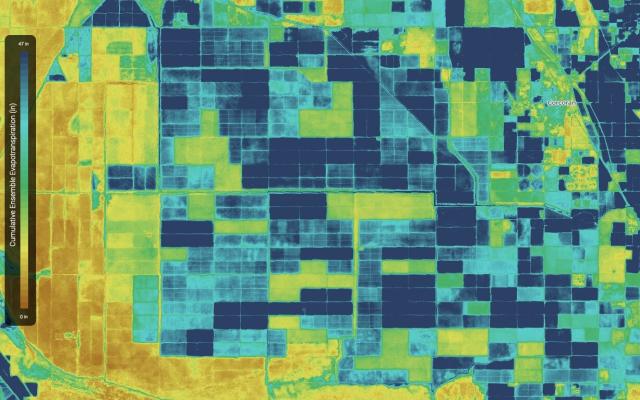
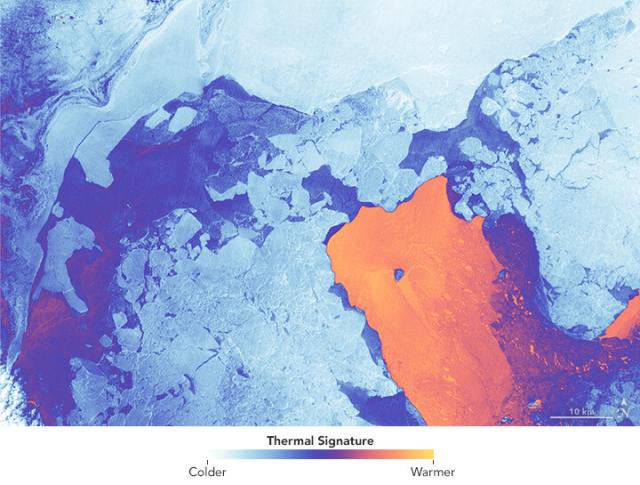
Ten Years of TIRS: Data for a Thirsty World | Landsat Science
Landsat 8 very nearly flew without a thermal infrared sensor. This is the backstory of how TIRS made it onto Landsat 8.https://landsat.gsfc.nasa.gov/article/author/lrocchio/#author (Landsat Science)
Both Landsat 8 and 9 have optical sensors that collect beautiful images of Earth. 😍 🌏
Called the Operational Land Imager (OLI) and OLI-2, these sensors take measurements in the visible, near infrared, and shortwave infrared portions of the electromagnetic spectrum.
#NASAEarth
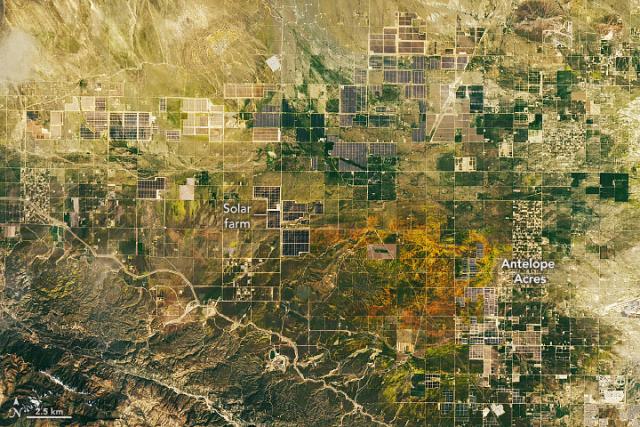

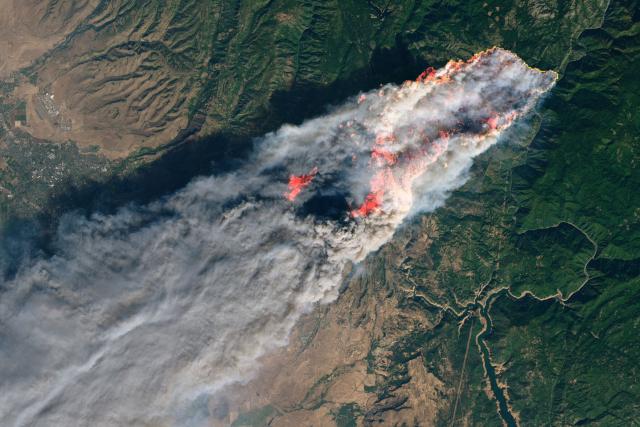
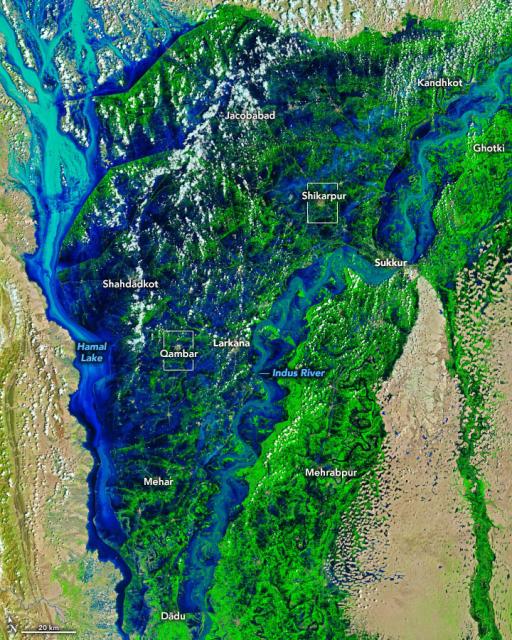
51 years of eyes on Earth 👀🛰
Since 1972, the #Landsat program has been studying Earth’s land, water, ice and more.
There are currently three active @nasa @usgs Landsat satellites orbiting Earth — Landsat 7, 8, and 9 — with Landsat Next on the horizon. go.nasa.gov/3Nxxl4w
#NASAEarth
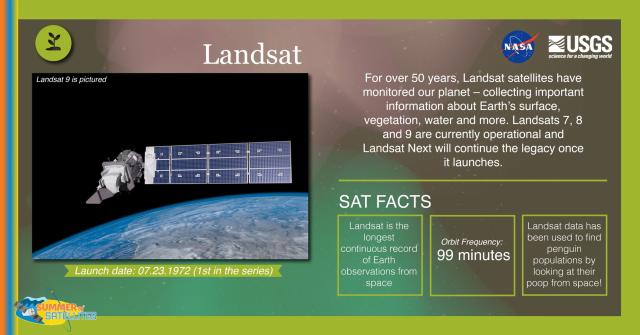
Landsat Science
This joint NASA/USGS program provides the longest continuous space-based record of Earth’s land in existence.Landsat Science
#ISS
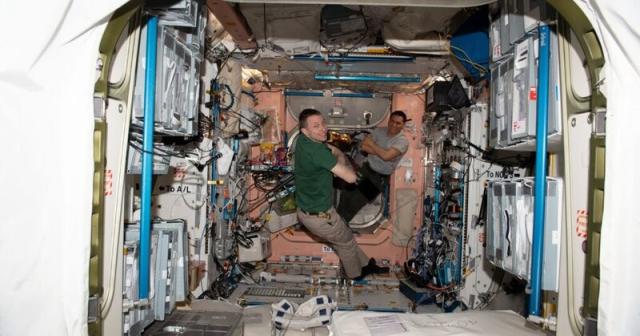
Space Biology, Human Health Research and Robotics Work to Kick off Week
The Expedition 69 crew aboard the International Space Station is keeping busy on Monday with Genes in Space operations, human health research, robotics work, and station maintenance.blogs.nasa.gov
Rai Aren 🖖✨📚🇺🇦
in reply to NASA • • •