
#NASASolarSystem
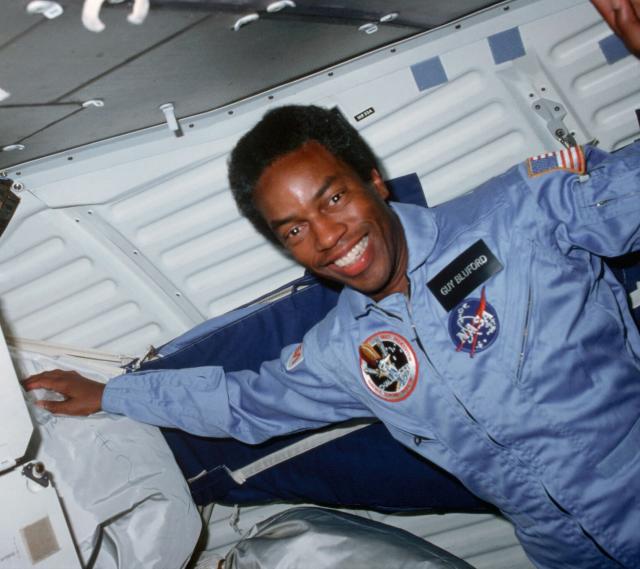
#HappyBirthday to former NASA astronaut Guion Bluford! 🥳
Dr. Bluford was the 1st Black American astronaut in space in 1983, and was a mission specialist on four Space Shuttle missions: STS-8, 61A, 39, and 53.
Read Dr. Bluford's recollections: go.nasa.gov/3AvAWcq
#NASAhistory
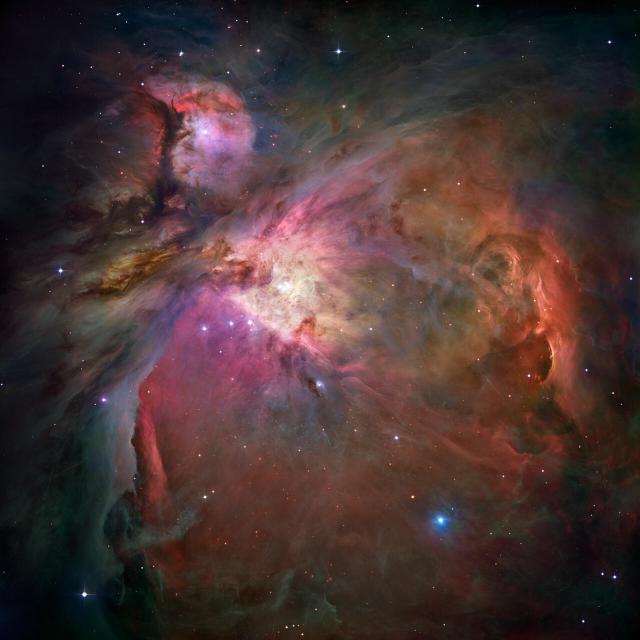
A tale of death and dust! ✨
A new image combining previously released data from three telescopes shows the Orion Nebula region is being transformed by the massive stars that live and die within it.
Learn more: go.nasa.gov/3tTHde0
#NASAJPL
NASA, ESA Reveal Tale of Death, Dust in Orion Constellation
In a tale of cosmic proportions, the region is being transformed by the massive stars that live and die within it.NASA Jet Propulsion Laboratory (JPL)
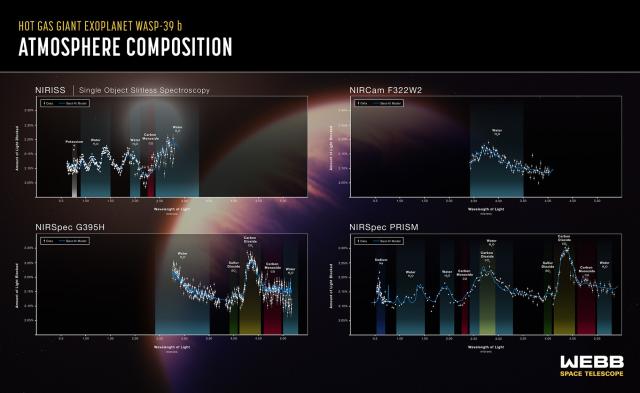
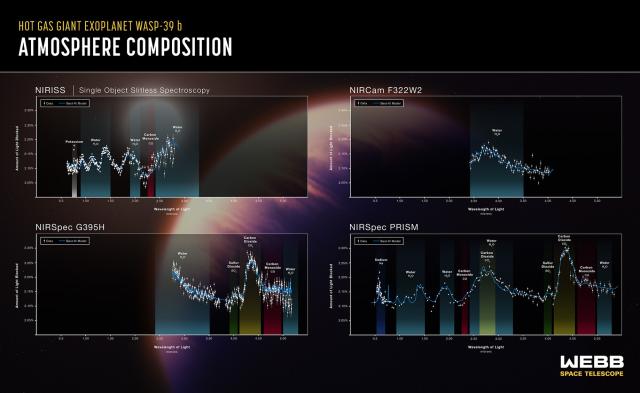
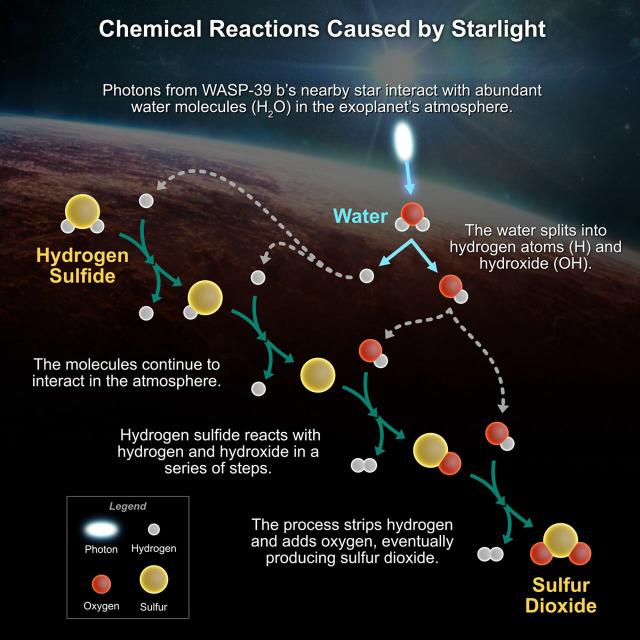
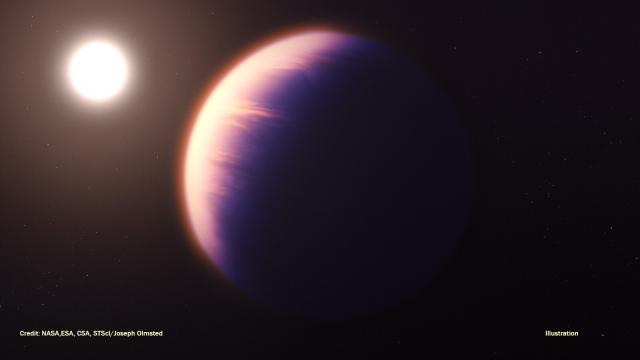
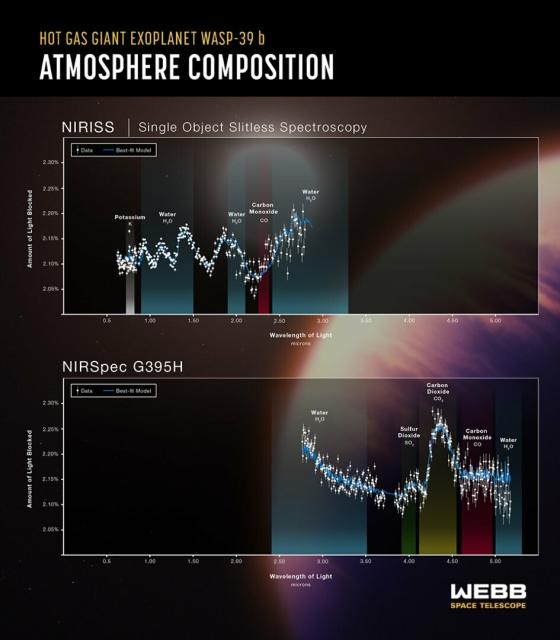
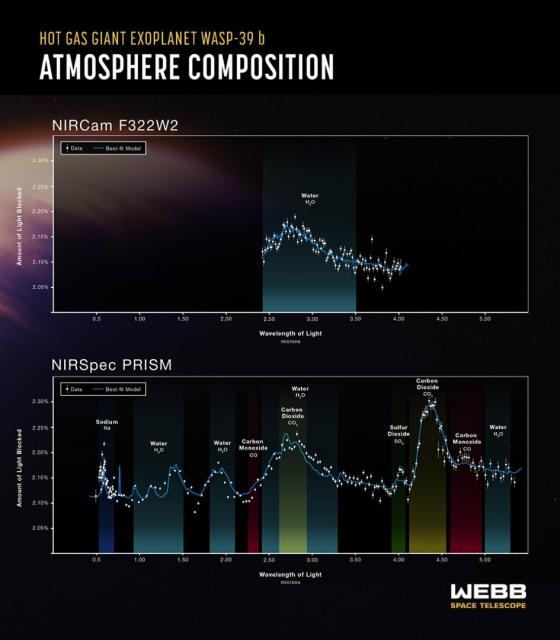
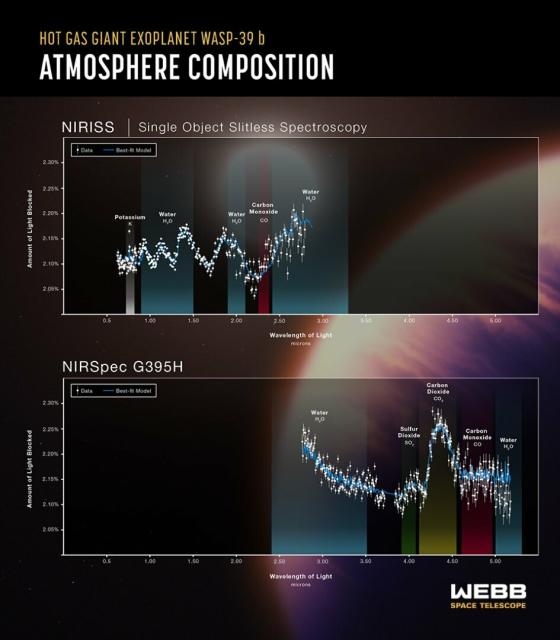
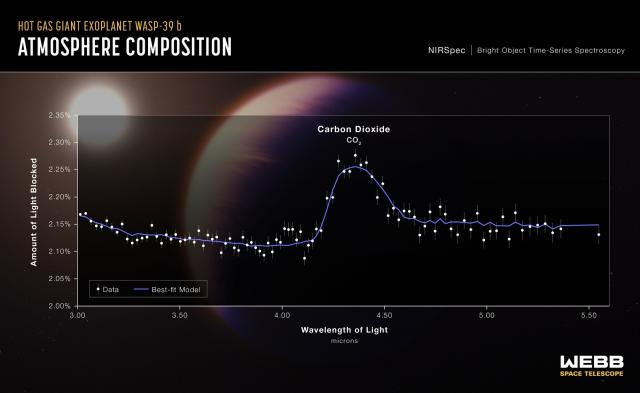
@NASAWebb's unprecedented observations of the exoplanet WASP-39 b read fingerprints of atoms and molecules, as well as signs of active chemistry and clouds! This Saturn-size giant orbits its star closer than Mercury is to our Sun. go.nasa.gov/3OqkAaI
#NASAExoplanets
NASA's Webb Reveals an Exoplanet Atmosphere as Never Seen Before
Webb's firsts keep coming: Observations of WASP-39b show fingerprints of atoms and molecules, as well as signs of active chemistry and clouds.Exoplanet Exploration: Planets Beyond our Solar System
#NASAExoplanets
#NASAExoplanets
#JamesWebb
NASA’s Webb Reveals an Exoplanet Atmosphere as Never Seen Before
NASA’s James Webb Space Telescope just scored another first: a molecular and chemical profile of a distant world’s skies.Jamie Adkins (NASA)
#JamesWebb
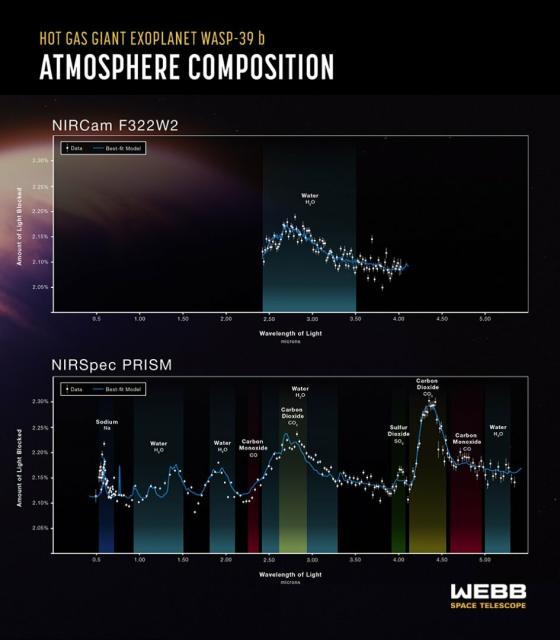
NASA’s Webb Reveals an Exoplanet Atmosphere as Never Seen Before
NASA’s James Webb Space Telescope just scored another first: a molecular and chemical profile of a distant world’s skies.Jamie Adkins (NASA)
#JamesWebb

We're working with @ESA to plan one of the most ambitious feats ever attempted in space—bringing a Mars sample to Earth. The Mars Sample Return campaign could help answer a question rovers alone cannot: Was there life on Mars?
Here's how we plan to do it: mars.nasa.gov/msr/
#NASA
Mars Sample Return - NASA
NASA and ESA are working to plan ways to bring the first samples of Mars rocks and soil back to Earth for detail study.mars.nasa.gov
Pandora’s Cluster ✨
This #HubbleClassic image depicts a giant galaxy cluster located in the constellation Sculptor. Scientists believe that this cluster resulted from a pile-up of at least four smaller galaxy clusters over 350 million years!
More: go.nasa.gov/3ErzmcF
#Hubble

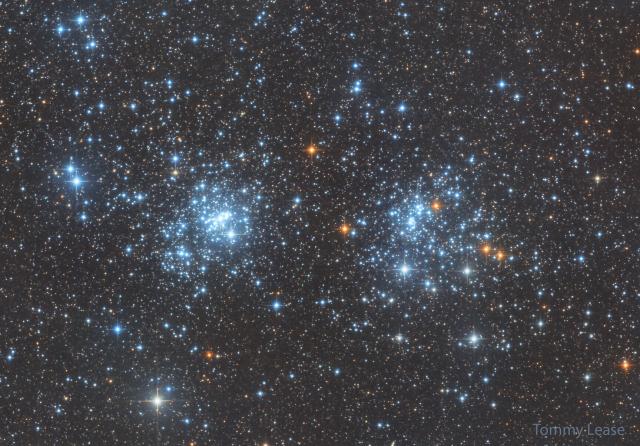
A Double Star Cluster in Perseus
Image Credit & Copyright: Tommy Lease
apod.nasa.gov/apod/ap221122.ht… #APOD

APOD: 2022 November 22 - A Double Star Cluster in Perseus
A different astronomy and space science related image is featured each day, along with a brief explanation.apod.nasa.gov
my All Time favorite.
Naked eye teaser, binocular dazzler, deep sky wonder, there's no field of view exhausted
APOD: 2022 November 22 - A Double Star Cluster in Perseus
A different astronomy and space science related image is featured each day, along with a brief explanation.apod.nasa.gov
Does anything orbit the Moon?
Yes! A handful of satellites currently orbit the Moon and, now, so does #CAPSTONE! This microwave oven-sized satellite will test a unique halo-shaped orbit to support @NASAArtemis & @NASA_Gateway missions: go.nasa.gov/3URKmHc
#NASATechnology
CAPSTONE Forges New Path for NASA’s Future Artemis Moon Missions
NASA's CAPSTONE spacecraft has completed final maneuvers to place it in its target orbit around the Moon, refining its path in the orbit it arrived to last week.Roxana Bardan (NASA)
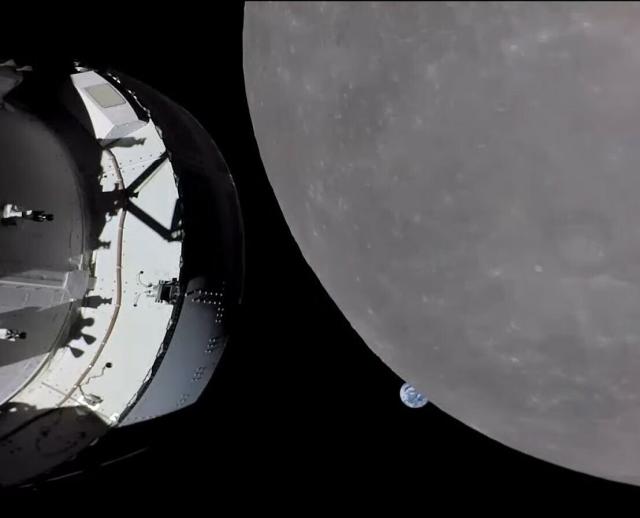
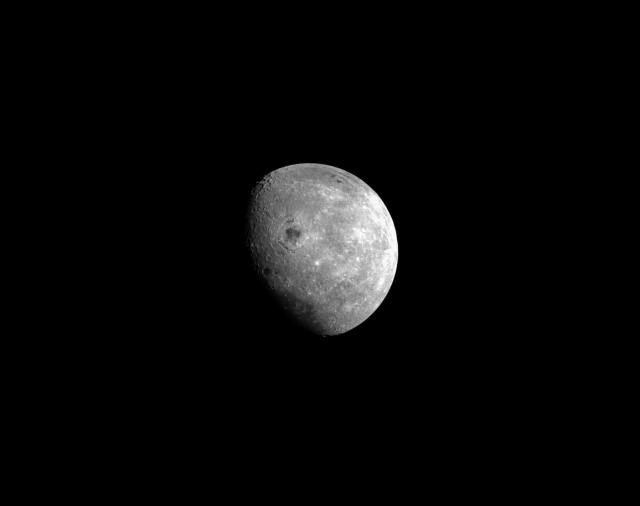
On the sixth day of its mission, @NASA_Orion approached the Moon, passing over several Apollo landing sites and as close to 80 miles (128 km) above the lunar surface.
Teams are preparing for Orion to enter a distant retrograde orbit of the Moon: go.nasa.gov/3V2jep1
#NASAArtemis #Artemis
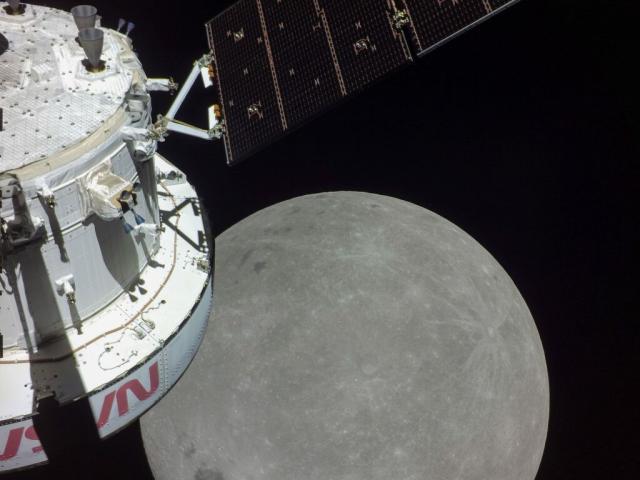
Live Now: Experts from @NASAArtemis and @NASA_Orion discuss the spacecraft's lunar flyby as it moves toward a distant retrograde orbit.
Orion’s closest approach was around 80 miles (128 km) above the Moon’s surface. twitter.com/i/broadcasts/1dRKZ…
#NASA
#NASAArtemis #Artemis
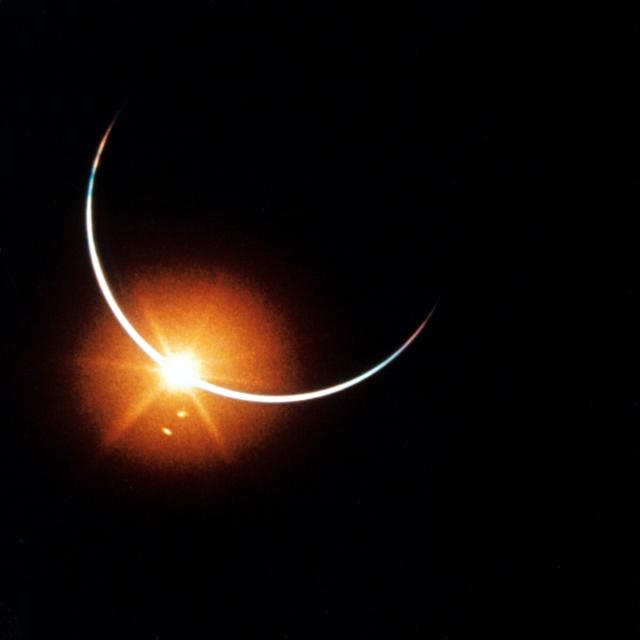
An eclipse on the way home 📸
#OTD in 1969, Apollo 12 astronauts captured a photograph of the eclipse of the Sun on their return to Earth. The view was created when the Earth moved directly between the Sun and the Apollo 12 spacecraft.
Read more: go.nasa.gov/3XcSpzX
#NASAhistory
Earth Eclipses the Sun - Apollo 12 – Moon: NASA Science
This photograph of the eclipse of the Sun was taken with a 16mm motion picture camera from the Apollo 12 spacecraft during its trans-Earth journey home from the Moon.Moon: NASA Science
#ISS
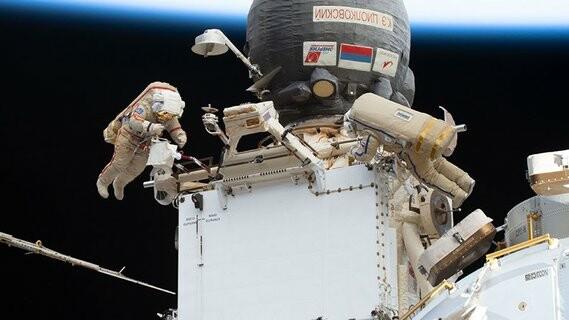
Crew Preparing for Spacewalks as Cargo Dragon Launch Nears
The Expedition 68 crew continues gearing up for more spacewalks at the International Space Station before the end of the year.blogs.nasa.gov
#NASAhistory

Our @NASA_Orion spacecraft will soon break the record for the farthest distance traveled from Earth by any human-rated spacecraft, a record set during the Apollo era.
#AskNASA your questions & they may be answered by our experts during our @TwitterSpaces. nitter.it/i/spaces/1yoKMZObjYX…
#NASA
A month at sea 🛥️ 🌊
Scientists with @nasa's S-MODE mission set sail to study how ocean whirlpools drive the transfer of nutrients and energy between the ocean and atmosphere and, ultimately, help shape Earth’s climate.
Dive deeper on the blog: go.nasa.gov/3EMuy2R
#NASAEarth
#NASAUniverse
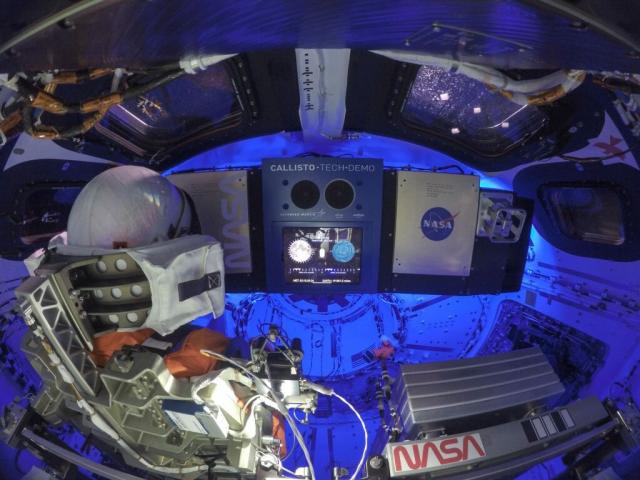
Engineers have activated Callisto, a technology demonstration payload aboard @NASA_Orion developed by Lockheed Martin, Amazon, & Cisco that will test a digital voice assistant and video conferencing capabilities in a deep space environment.
Follow along: blogs.nasa.gov/artemis/
#NASAArtemis #Artemis
We are going! And you can ride along virtually. Here are 3 ways to track the #Artemis I mission:
"Eyes on the Solar System" 3D simulator: eyes.nasa.gov/apps/solar-syste…
"DSN Now" Deep Space Network status board: eyes.nasa.gov/dsn/dsn.html
All about Earth's Moon: solarsystem.nasa.gov/moon
#NASASolarSystem
Eyes on the Solar System - NASA/JPL
Explore the 3D world of the Solar System. Learn about past and future missions.Eyes on the Solar System - NASA/JPL
#NASAArtemis #Artemis
#ISS
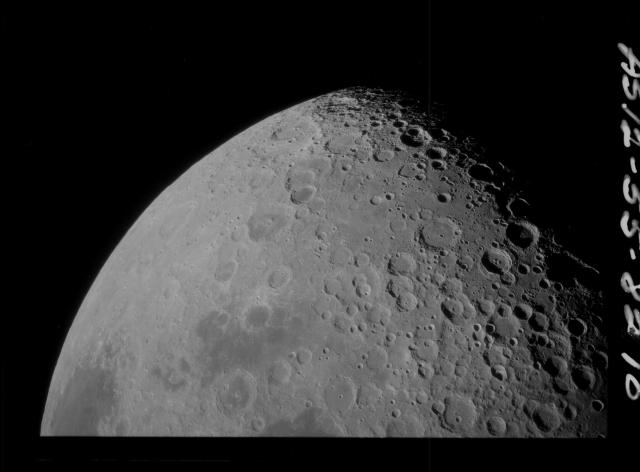
As #Orion makes its closest lunar approach today, 53 years ago the Apollo 12 astronauts were in lunar orbit preparing to head back home! The Yankee Clipper command module performed a trans-Earth injection, leaving lunar orbit #OTD at 3:49 pm ET.
More go.nasa.gov/3EhV8Q5
#NASAhistory
The Butterfly Nebula from Hubble
Image Credit: NASA, ESA, Hubble; Processing: William Ostling
apod.nasa.gov/apod/ap221121.ht… #APOD
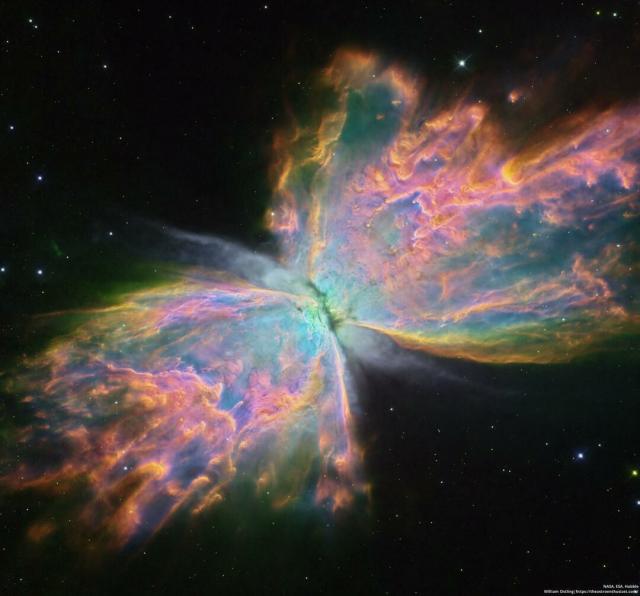
APOD: 2022 November 21 - The Butterfly Nebula from Hubble
A different astronomy and space science related image is featured each day, along with a brief explanation.apod.nasa.gov


Stars can make beautiful patterns as they age -- sometimes similar to flowers or insects. NGC 6302, the Butterfly Nebula, is a notable example. Though its gaseous wingspan covers over 3 light-years and its estimated surface temperature exceeds 200,000 degrees C, the aging central star of NGC 6302, the featured planetary nebula, has become exceptionally hot.
apod.nasa.gov/apod/astropix.ht…
#APOD

Astronomy Picture of the Day
A different astronomy and space science related image is featured each day, along with a brief explanation.apod.nasa.gov
#NASAArtemis #Artemis
#NASA

NASA Study: Massive Volcanism May Have Altered Ancient Venus’ Climate
Volcanic activity lasting hundreds to thousands of centuries and erupting massive amounts of material may have helped transform Venus from a temperate and wet world to the acidic hothouse it is today, a NASA paper suggests.Bill Steigerwald (NASA)
#NASAArtemis #Artemis
#NASAhistory
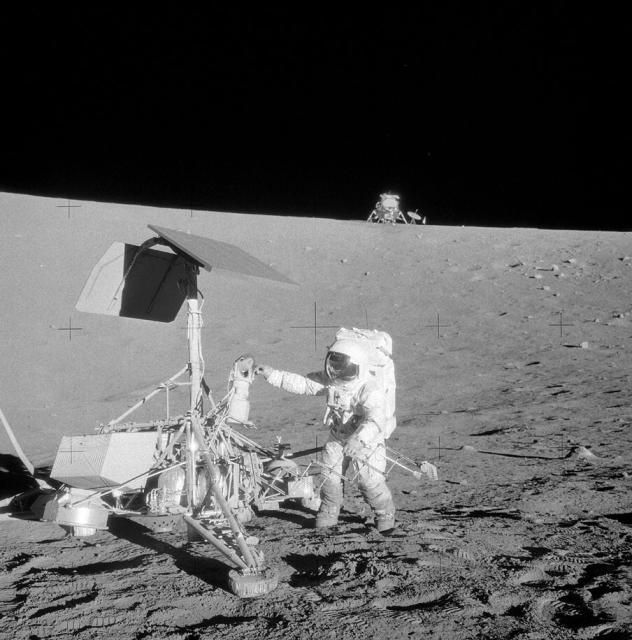
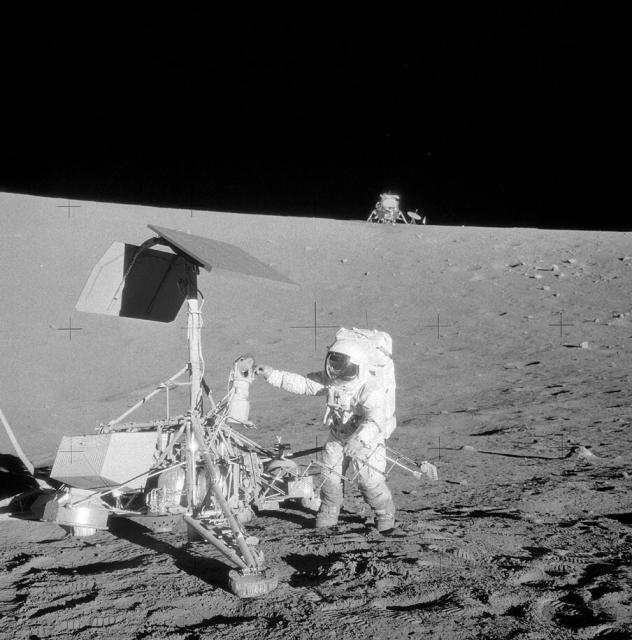
Back on Earth, scientists were initially perplexed when they were able to grow bacteria from swabs from the Surveyor 3 camera the Apollo 12 crew brought back!
Read the whole story in Chapter 6 of the e-book, 50 Years of Solar System Exploration: go.nasa.gov/3gd5Hfn
#NASAhistory
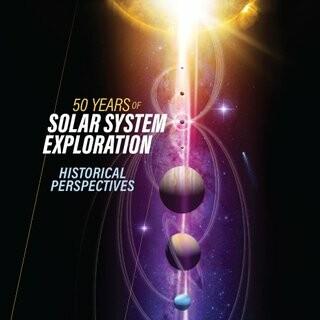
50 Years of Solar System Exploration
In 50 Years of Solar System Exploration, a diverse array of scholars addresses the science, technology, policy, and politics of planetary exploration.Michele Ostovar (NASA)
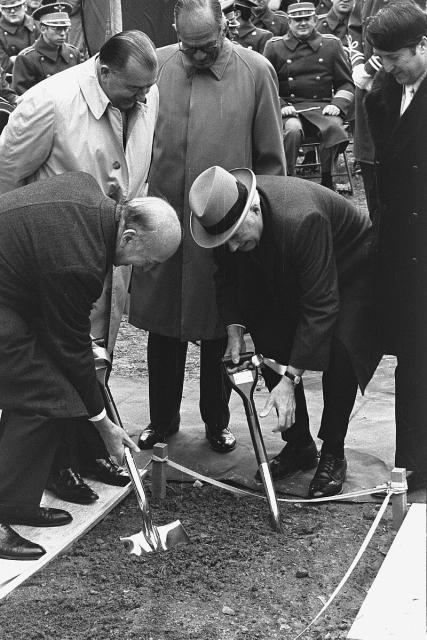
1972: A patch of dirt ➡️ Today: Preeminent air and space museum
#50YearsAgo today, officials broke ground on the National Air and Space Museum in Washington, DC! Have you visited @airandspace lately to see its many space and aeronautical artifacts from NASA history?
#NASAhistory
Jandrewbott
in reply to NASA • • •