
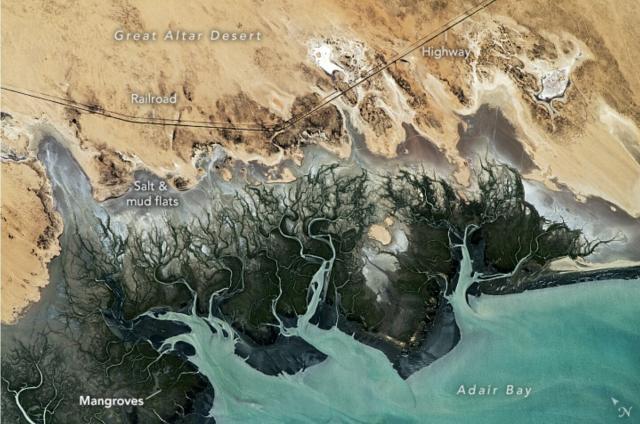
The wetlands of Adair Bay mark the transition between the Great Altar Desert in northwestern Mexico and the Gulf of California.
In this @Space_Station astronaut photo, mangroves and other salt-tolerant plants appear green and blue waterways snake through gray mudflats.
#NASAEarth
#NASASolarSystem
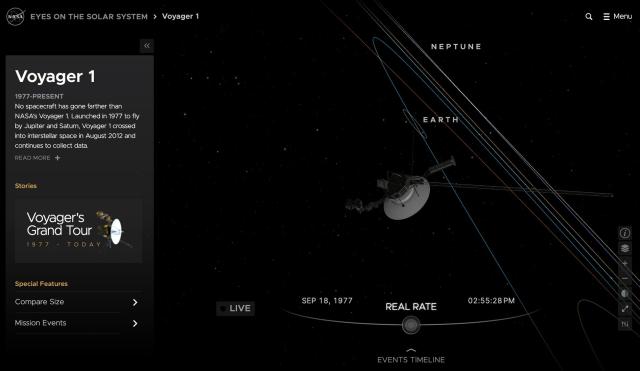
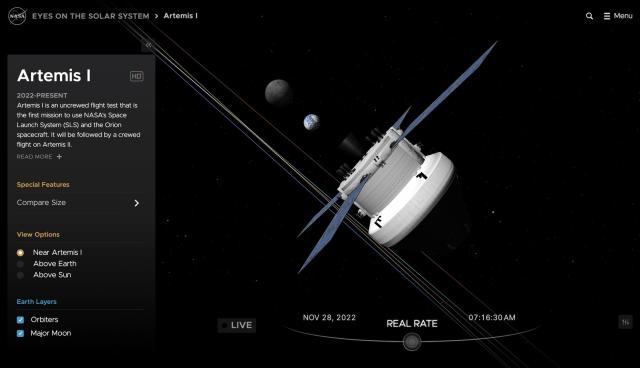
Eyes on the Solar System - NASA/JPL
Explore the 3D world of the Solar System. Learn about past and future missions.Eyes on the Solar System - NASA/JPL
go.nasa.gov/3ARE7LM
#NASAExoplanets
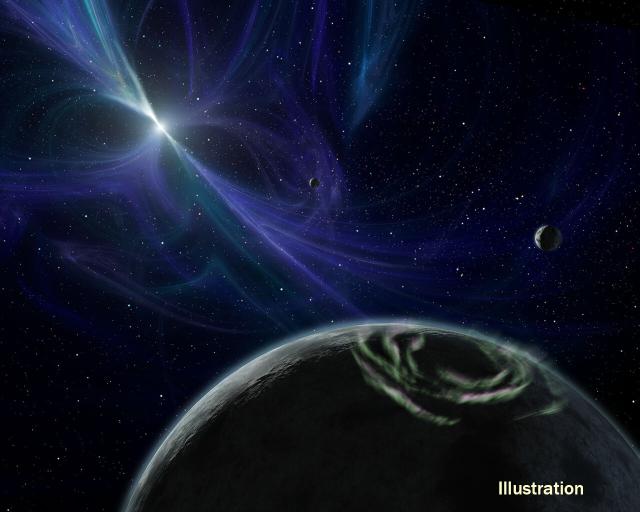
Overview | Planet Types – Exoplanet Exploration: Planets Beyond our Solar System
So far scientists have categorized exoplanets into the following types: Gas giant, Neptunian, super-Earth and terrestrial, but there is complexity within these groups.Exoplanet Exploration: Planets Beyond our Solar System
#NASASolarSystem
#NASASolarSystem
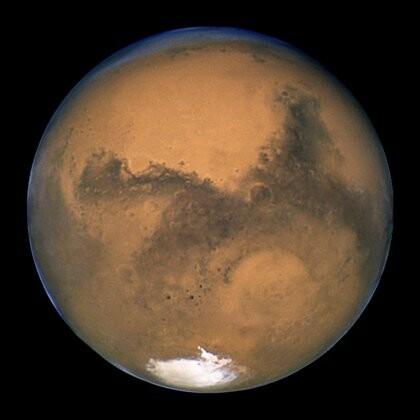
Mars
Mars may have once been a wet world like Earth. Where did the water go?NASA Solar System Exploration
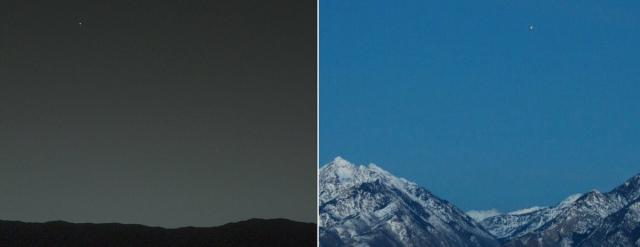
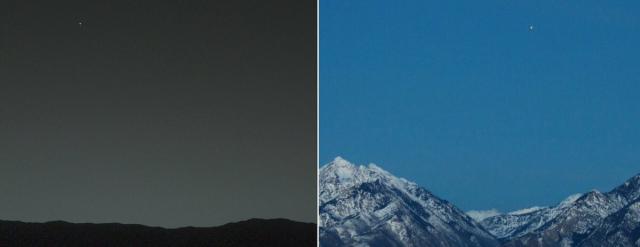
Happy #RedPlanetDay! If you have clear skies, watch for bright Mars rising in the east after sunset.
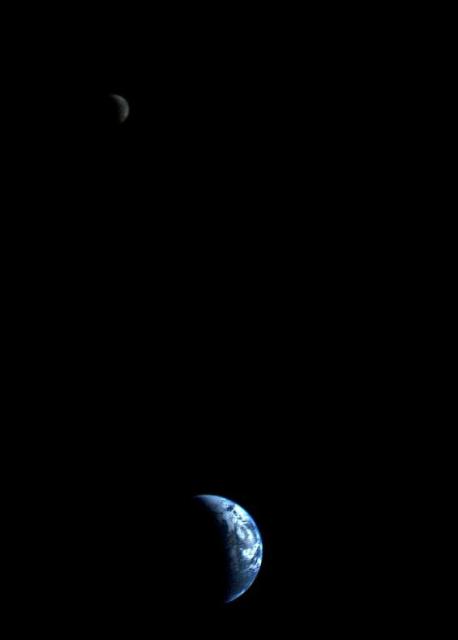
Left: Earth in the evening sky of Mars, as seen by @MarsCuriosity. Right: Mars rising over Salt Lake City.
NASA Mars Exploration
NASA’s real-time portal for Mars exploration, featuring the latest news, images, and discoveries from the Red Planet.NASA Mars Exploration
#NASAUniverse
#NASAUniverse
#NASAUniverse
#NASAUniverse
#NASAUniverse
#NASAUniverse
We’re only 14 days away from launching SWOT – a new satellite that will track water on nearly 90% of Earth’s surface! 🛰️ 💧
Tag your questions with #TrackingWorldWater by Dec. 5, and they might be answered during our live launch broadcast. go.nasa.gov/3gI3lVP
#NASAEarth
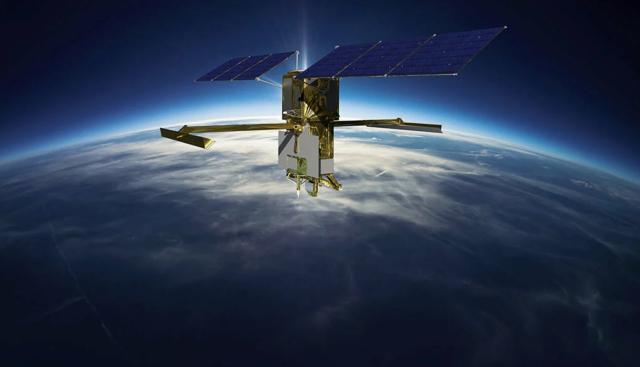
How to Participate in the SWOT Launch – Climate Change: Vital Signs of the Planet
Learn how to participate in the upcoming SWOT launch.Climate Change: Vital Signs of the Planet
#ISS
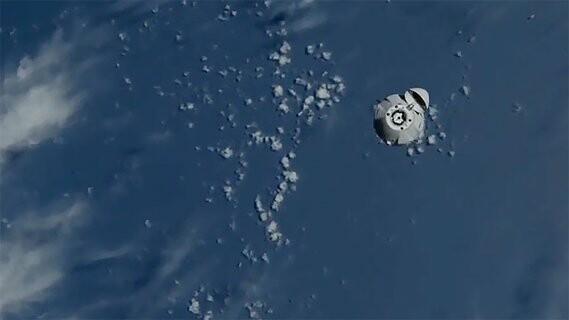
Crew Opens Dragon and Unpacks New Bone, Skin Healing Experiments
The SpaceX Dragon resupply ship is open for business and the Expedition 68 crew has begun unpacking several thousand pounds of cargo.blogs.nasa.gov
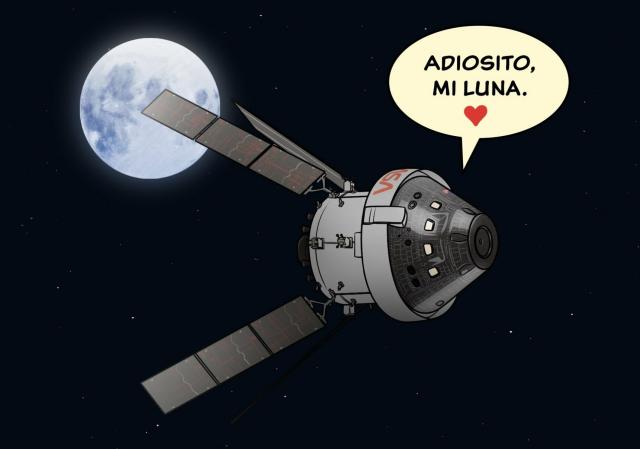
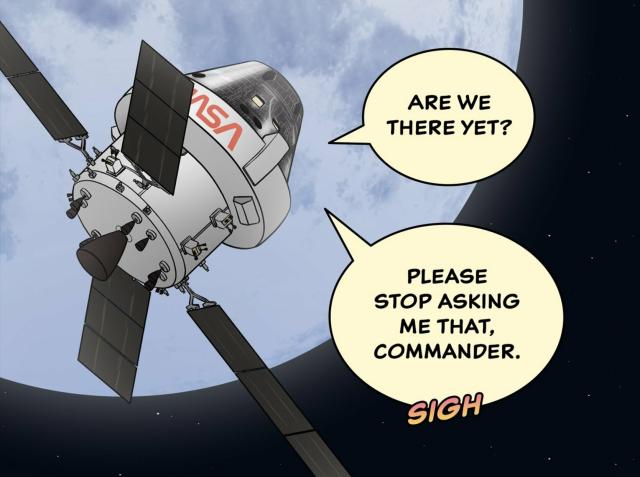
Commander Moonikin Campos reporting from lunar orbit.
Join me aboard the @NASA_Orion spacecraft with the @NASASTEM Learning Pathway series about the #Artemis mission! (I can’t promise you any snacks, though. I ate them all already.) conta.cc/3EMWrrE
#NASAArtemis #Artemis
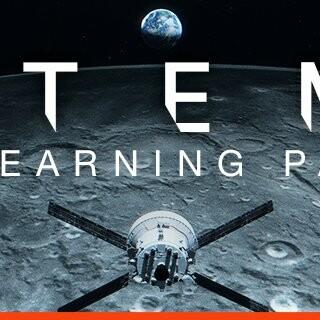
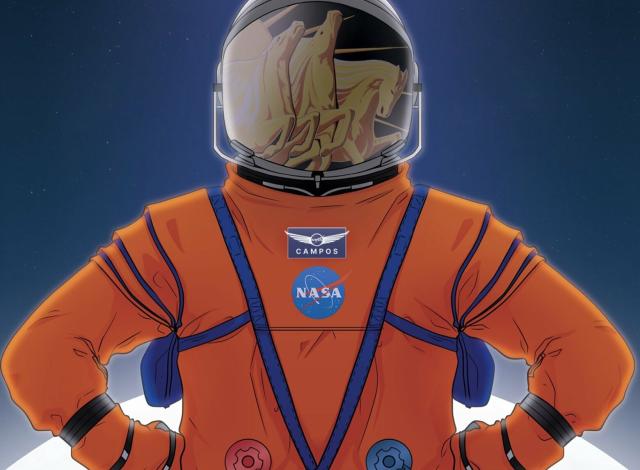
Artemis STEM Learning Pathway Bonus -- Week 3
Breaking Boundaries Breaking Boundaries The Artemis I mission continues this week with important milestones. On Nov. 26, the Orion capsule will break the record previously held by Apollo 13 for fartheNASA STEM Engagement
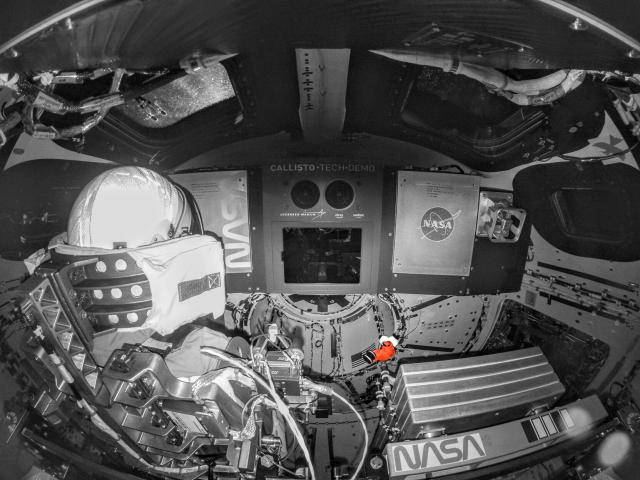
You may think it’s very lonely to be a crew of manikins aboard a spaceship flying to the Moon, but the reality is that we managed to fit a lot of companions into the @NASA_Orion spacecraft!
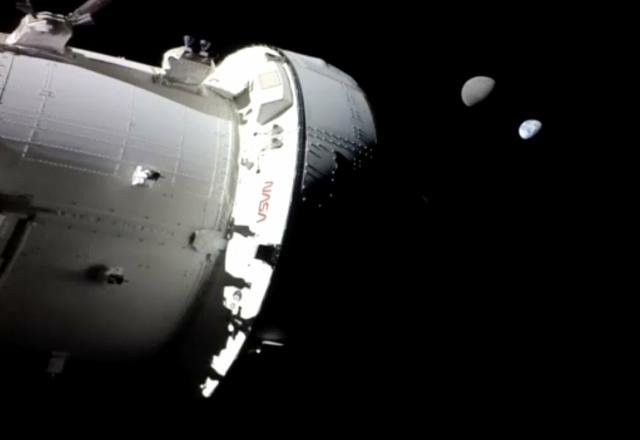
…Snoopy, get out of the way. You’re floating right in front of my view of the Moon.
#NASAArtemis #Artemis
Ready for launch 🔦
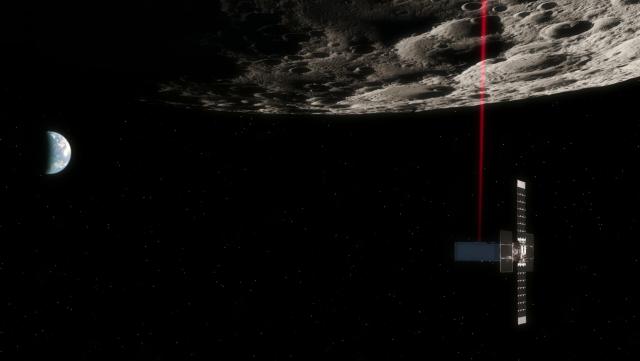
The Lunar Flashlight mission is set to launch no earlier than Nov. 30. Once it's in orbit around the Moon, this briefcase-size satellite will use lasers to light up dark craters as it hunts for hidden water ice.
#NASAJPL
#NASAJPL
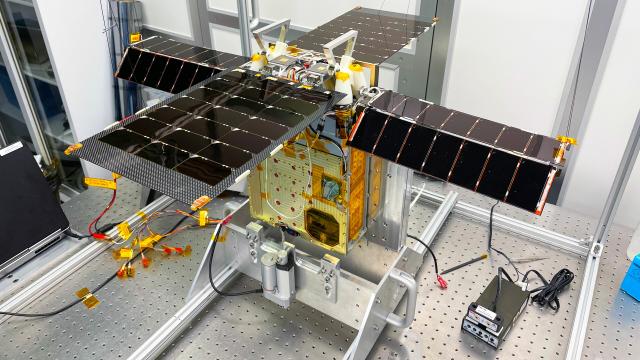
NASA’s Lunar Flashlight SmallSat Readies for Launch
The small satellite will search for water ice in permanently shadowed craters at the Moon’s South Pole, using an orbit only one other spacecraft has employed.NASA Jet Propulsion Laboratory (JPL)
Even though @NASA_Orion is uncrewed, that doesn't mean the spacecraft is empty.
Commander Moonikin Campos is taking over the @NASAArtemis Twitter account from lunar orbit. Soon, the spacecraft will hit its maximum distance from Earth — over 270,000 miles! go.nasa.gov/3zGQjg6
[Video embedded in original tweet]
#NASA
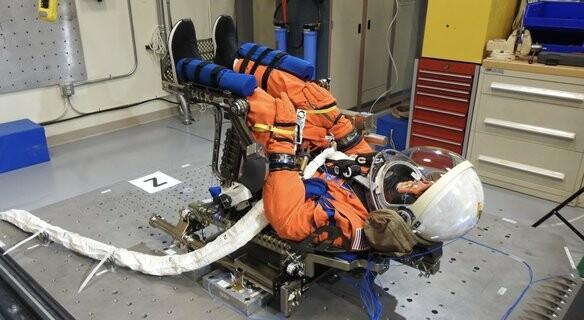
Purposeful Passenger: Artemis I Manikin Helps Prepare for Moon Mission
Purposeful Passenger: Artemis I Manikin Helps Prepare for Moon Missions With CrewRachel Kraft (NASA)
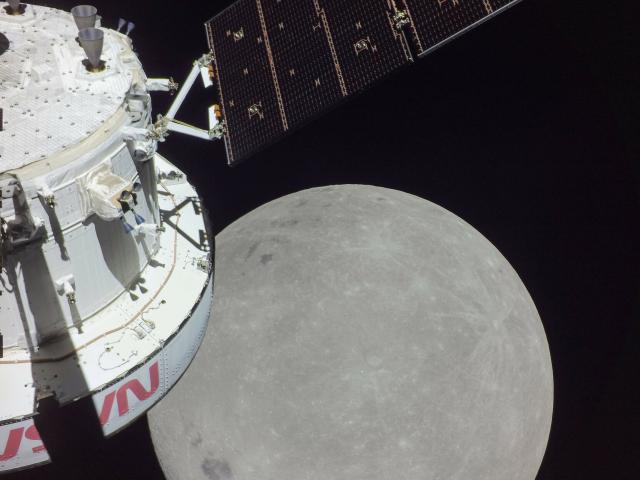
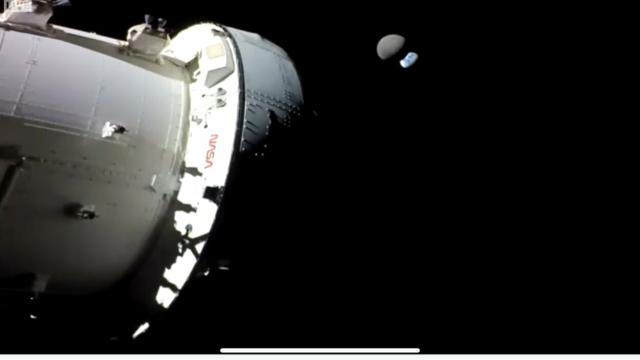
As the Moonikin flying aboard the @NASA_Orion spacecraft, I realize how lucky I am to be here! Not every manikin has this opportunity.
You know how the famous saying goes… “One small step for a man, one giant leap for a manikin.”
#NASAArtemis #Artemis
#NASAArtemis #Artemis

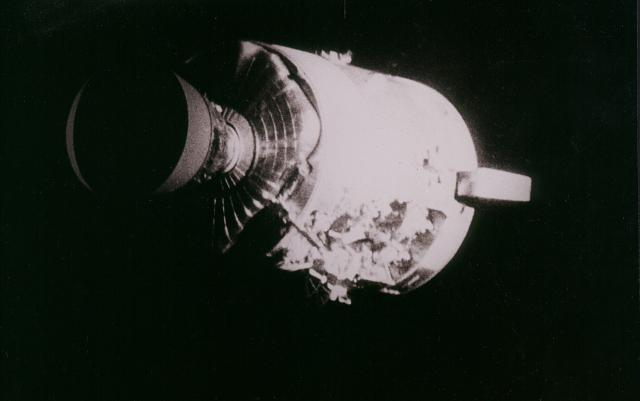
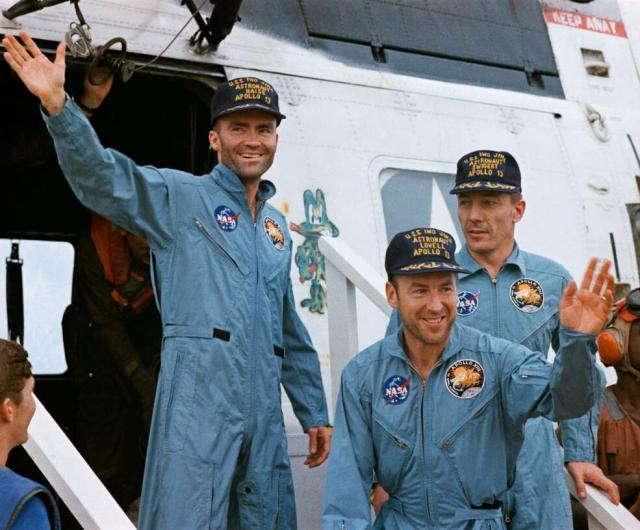
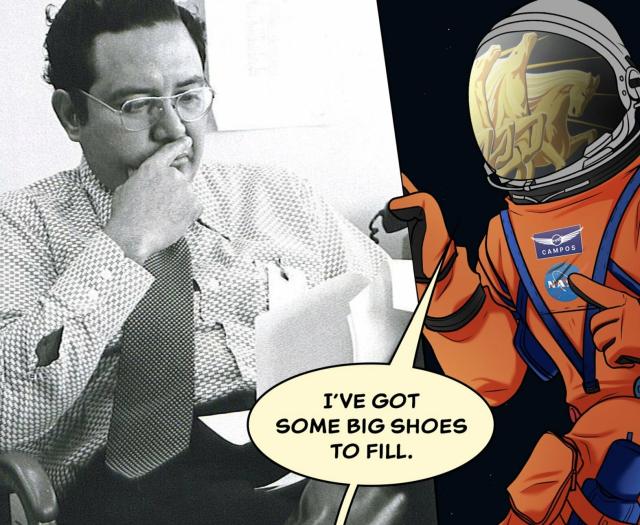
Arturo Campos: A Key Player in Bringing Apollo 13 Home
Campos will be remembered as not only a key player instrumental to Apollo 13’s safe return, but as a champion for equality in the workplace.Thalia Patrinos (NASA)
#NASAArtemis #Artemis
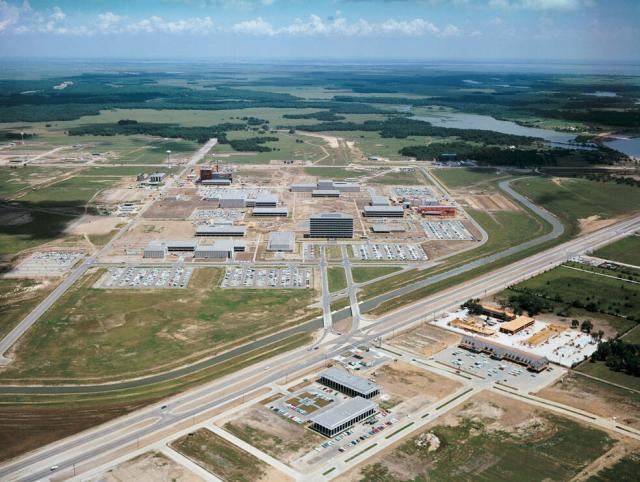
60 Years Ago: The Manned Spacecraft Center Makes Houston its Home
Following the Sept. 19, 1961 announcement that NASA had selected Houston as the site of the new Manned Spacecraft Center, work began almost immediately to find temporary office space for the hundreds of workers while the facility was built.Kelli Mars (NASA)
#NASAArtemis #Artemis
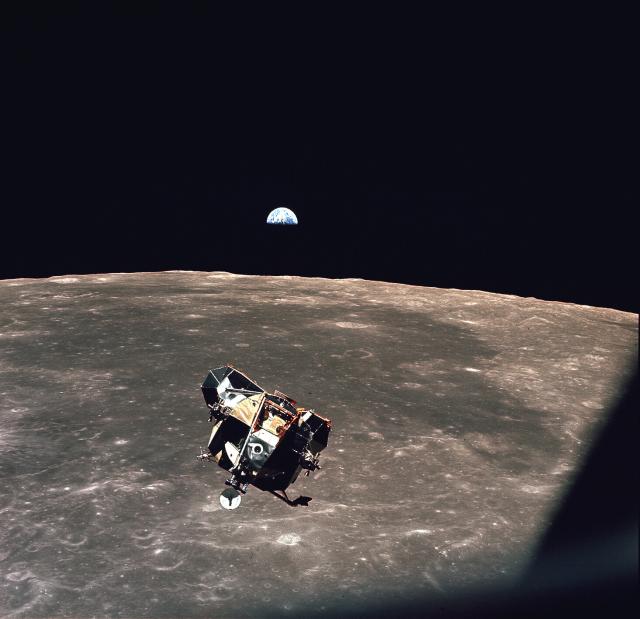
The JPL and the Space Age documentary series continues today (#RedPlanetDay!) at 4pm PT with “Mission to Mars." This episode tells how overcoming adversity led to the @NASAMars Spirit and Opportunity rovers.
Tune in here: youtu.be/f_sSzn87ljM
#NASAJPL
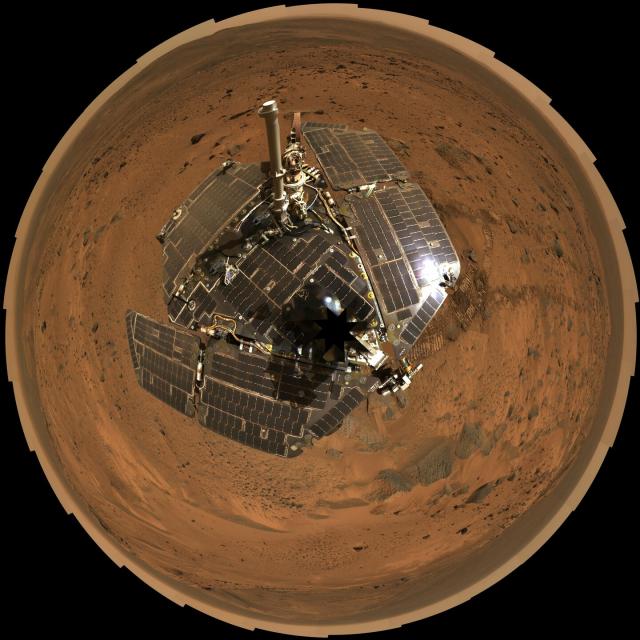
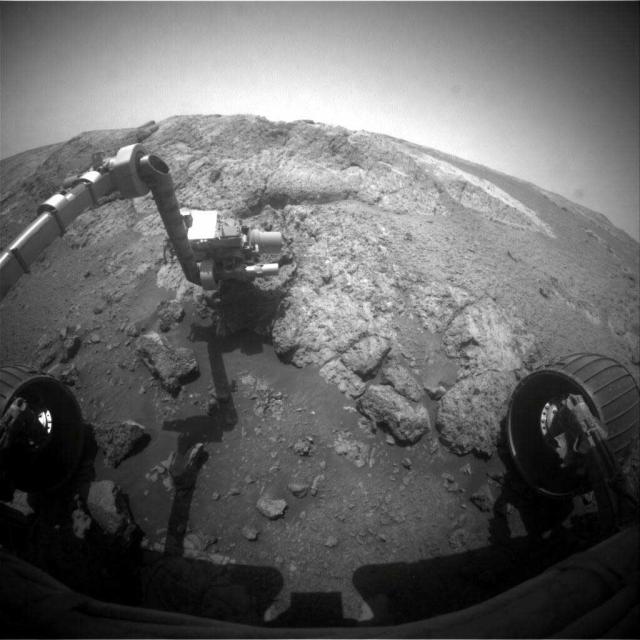
JPL and the Space Age: Mission to Mars
After the devastating loss of two back-to-back missions to Mars in 1999, NASA’s Jet Propulsion Laboratory found itself at a crossroads: Would the lab pull ba...YouTube
#NASAArtemis #Artemis
#NASAArtemis #Artemis
#NASAArtemis #Artemis
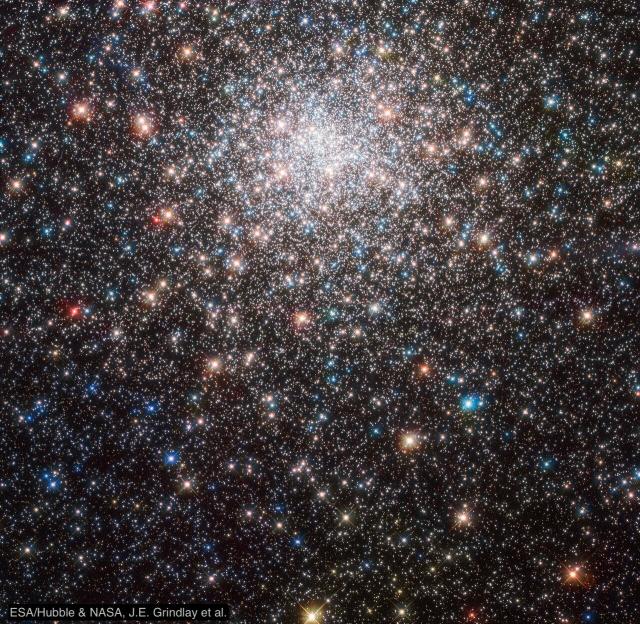
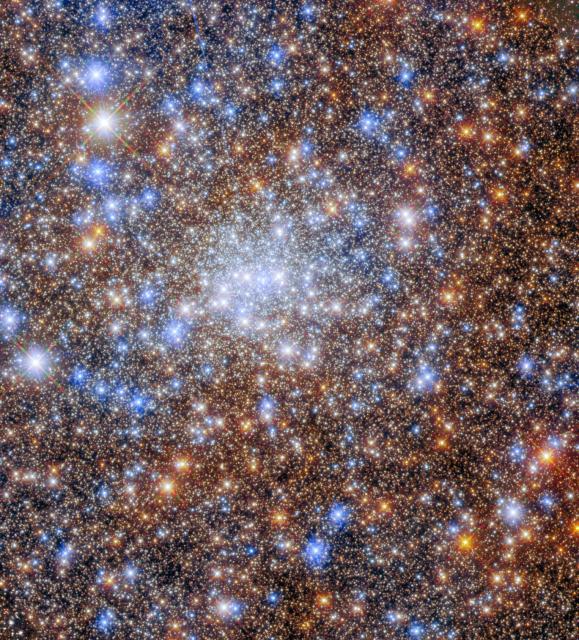
Welcome, Hubble’s first new #StarrySights image!
This glittering gathering of stars is Pismis 26, a globular cluster located 23,000 light-years away. Many thousands of stars gleam within this cluster, which scientists estimate to be 12 billion years old: go.nasa.gov/3gKQ3rJ
#Hubble
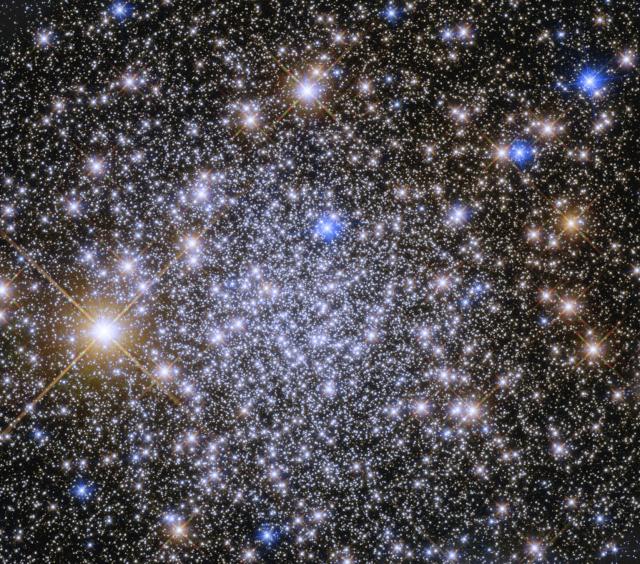
Hubble Glimpses a Glittering Gathering of Stars
This glittering gathering of stars is Pismis 26, a globular star cluster located about 23,000 light-years away.Andrea Gianopoulos (NASA)
Quiz time‼️
#OTD in 1964, Mariner 4 launched. This 1965 photo is the first closeup picture of what planet in our solar system? 🤔
A. Mercury
B. Venus
C. Mars
D. Jupiter
Comment below with your answer!
#NASAhistory

#NASAArtemis #Artemis
#NASAArtemis #Artemis
#NASAArtemis #Artemis
#NASA
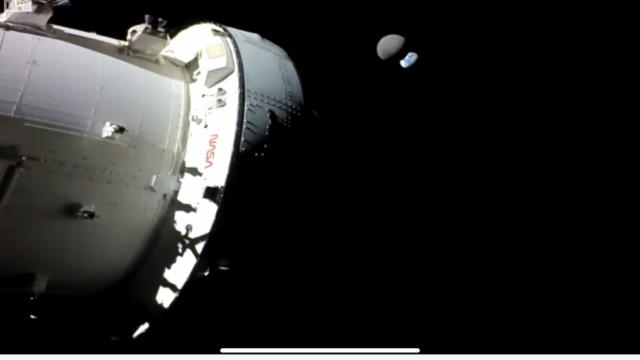
NASA Artemis I LIVE
NASA Artemis I Live This is a live, low-resolution video feed from cameras on NASA’s Orion spacecraft as it accomplishes the Artemis I mission.IBM Watson Media
#NASAUniverse

NASA precipitation data reporting for duty 🫡
The @usairforce meteorology unit is now using precipitation data from @nasa's IMERG algorithm in its operational weather forecasts and advisories. go.nasa.gov/3ubC2WU
#NASAEarth
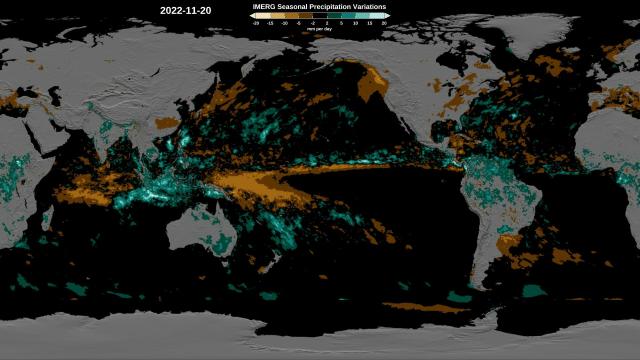
NASA Satellite Precipitation Data Joins the Air Force
Rain gauges are plentiful around the United States, but that’s not the case elsewhere in the world, so scientists and other data users have to rely on satellite measurements, such as those provided by NASA’s GPM to fill in the gaps.Kate Ramsayer (NASA)
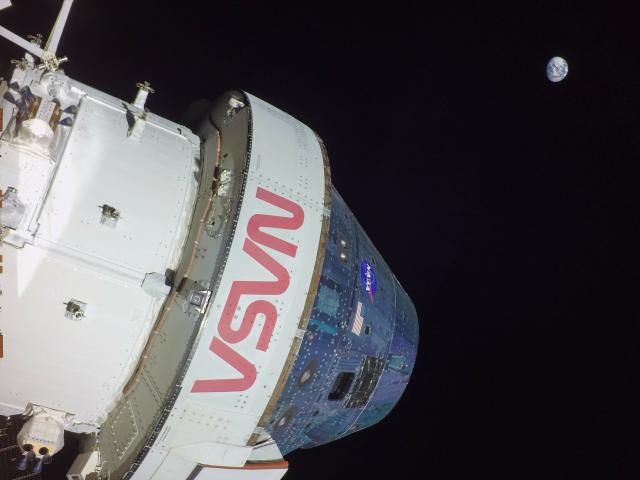
A couple days ago, my crewmates @DLR_en (Helga), @ILSpaceAgency (Zohar), and I hit a very important milestone!
@NASA_Orion broke the record for the farthest distance of spacecraft designed to carry humans to deep space and safely return them to Earth. go.nasa.gov/3u8ep1K
#NASAArtemis #Artemis
Time to take in some #StarrySights!
Over the next couple weeks, we'll be exploring Hubble views of different types of star clusters. Find out more: go.nasa.gov/3gNrNFf
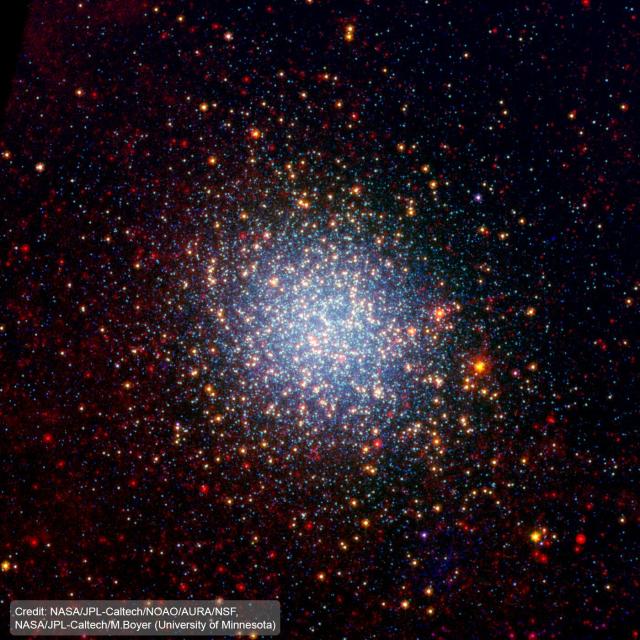
Here's a quick guide for star cluster categories ⬇️
#Hubble
Discoveries - Hubble's Star Clusters
NASA.gov brings you the latest images, videos and news from America's space agency. Get the latest updates on NASA missions, watch NASA TV live, and learn about our quest to reveal the unknown and benefit all humankind.NASA
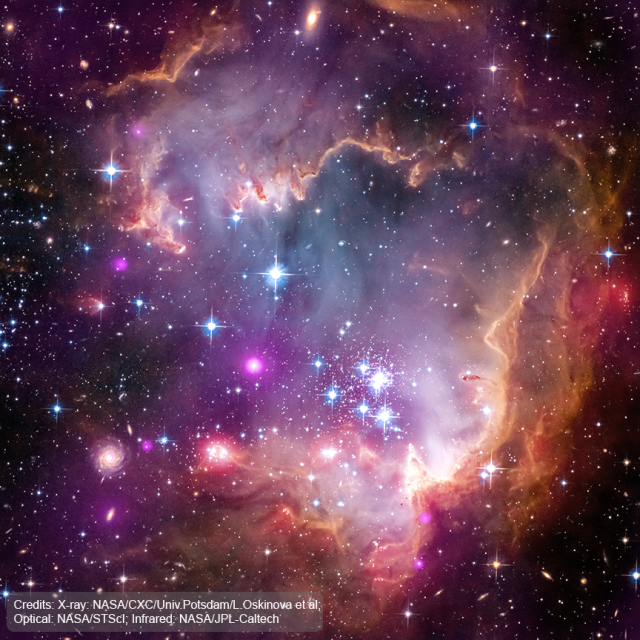
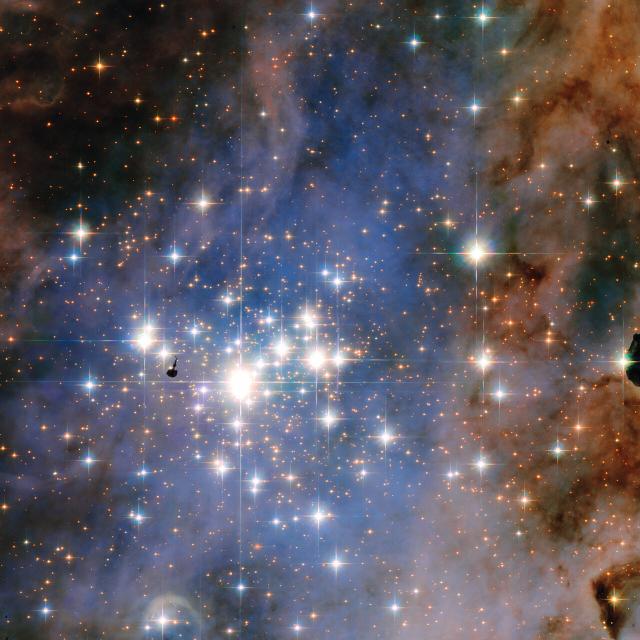
Open Clusters:
These contain between a few dozen to a few thousand stars, all formed from the same cloud of gas and dust. Their shape is more irregular than spherical, with large amounts of gas between the stars.
#Hubble

Gabriele Pollara
in reply to NASA • • •