
You can get with this, or you can get with that. 🔵🔴
Astronomers analyzed data from @NASAHubble through two different filters to piece together how a type of star cluster not found in our Milky Way formed at an unusually young age. More on the findings: go.nasa.gov/3FGzqa4
#NASA
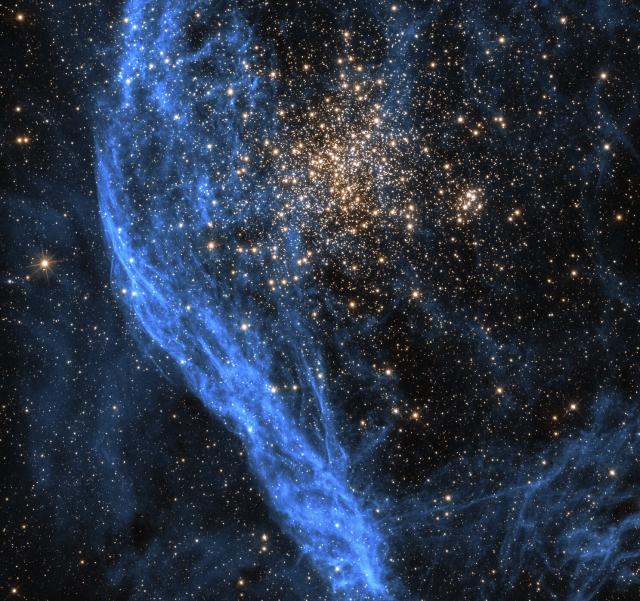
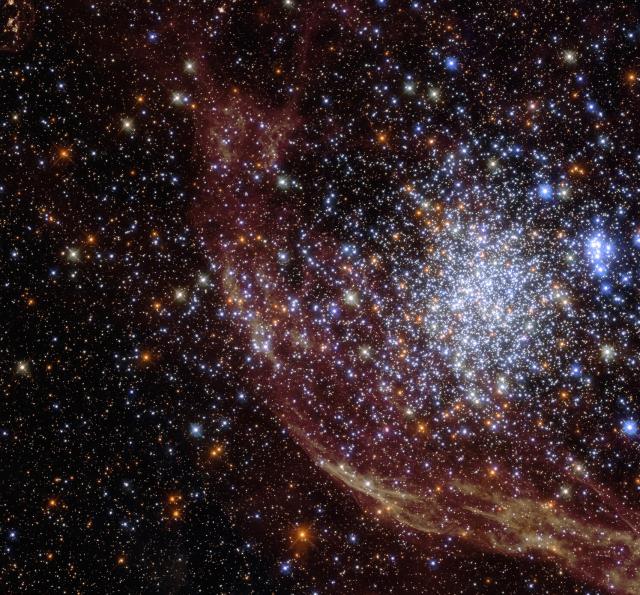
Hubble Captures Dual Views of an Unusual Star Cluster
While these two images may look dazzlingly different, they are actually pictures of the same cosmic object: NGC 1850.Andrea Gianopoulos (NASA)
#NASATechnology
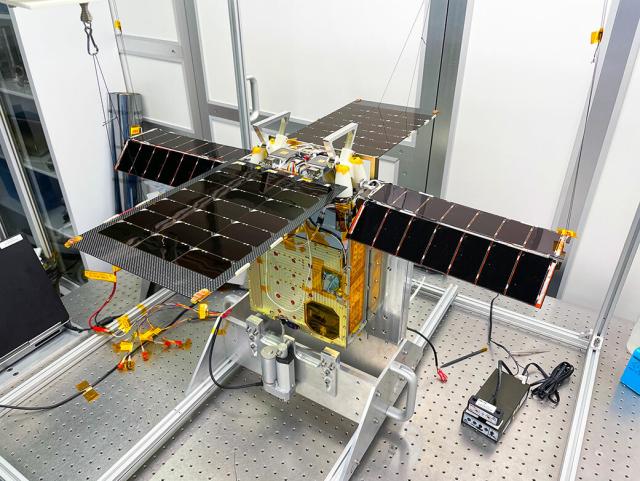
NASA’s Lunar Flashlight SmallSat Readies for Launch
The small satellite will search for water ice in permanently shadowed craters at the Moon’s South Pole, using an orbit only one other spacecraft has employed.Tony Greicius (NASA)
Thank you for sharing this #NASAMoonSnap with us!
Our #Artemis missions will lay the groundwork for taking the next giant leap — sending astronauts to Mars.
#NASAArtemis #Artemis
Alaska holds 40% of U.S. surface water resources but is largely unmonitored due to its size and terrain.
The upcoming SWOT mission will collect data to help fill gaps in these remote places and provide valuable info to local decision-makers. go.nasa.gov/3W2FUFN
#NASAJPL
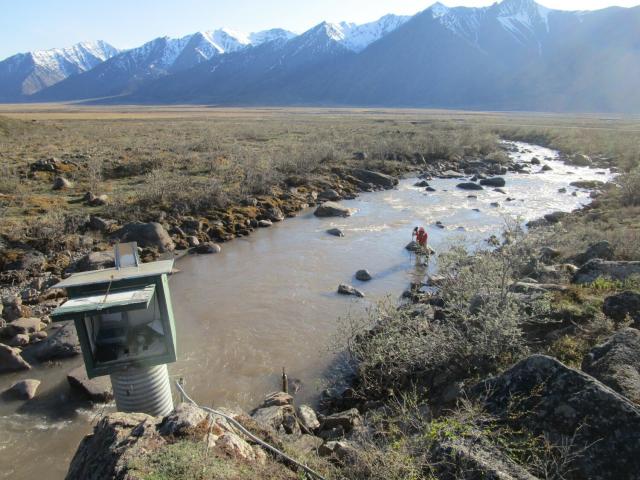
Water Mission to Gauge Alaskan Rivers on Front Lines of Climate Change
The upcoming Surface Water and Ocean Topography mission will provide a trove of data on Earth’s water resources, even in remote locations. Alaska serves as a case study.NASA Jet Propulsion Laboratory (JPL)
#NASAJPL
✂️ SWOT: Community Impact in Alaska
46 seconds · Clipped by NASA Jet Propulsion Laboratory · Original video "SWOT: Earth Science Satellite Will Help Communities Plan for a Better Future" by NAS...YouTube
@NASAHubble captured this view of a tiny fraction of the Small Magellanic Cloud, a dwarf galaxy. It's one of our nearest neighbors, ''only'' about 200,000 light-years away. go.nasa.gov/3HjOuvL
#NASAExoplanets
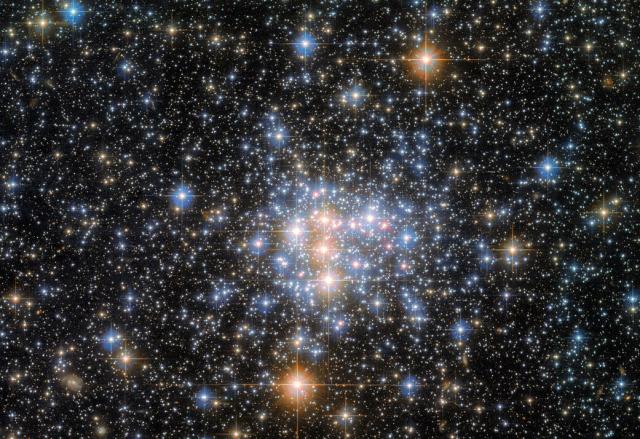
Hubble Captures a Glittering Neighbor
This image from the NASA/ESA Hubble Space Telescope captures a small portion of the Small Magellanic Cloud.Andrea Gianopoulos (NASA)
Now for the grand #StarrySights finale!
The last image in our star cluster celebration shows NGC 1850, about 160,000 light-years away.
It includes ultraviolet observations, which are ideal for detecting light from the hottest and youngest stars, as seen in this luminous view.
#Hubble
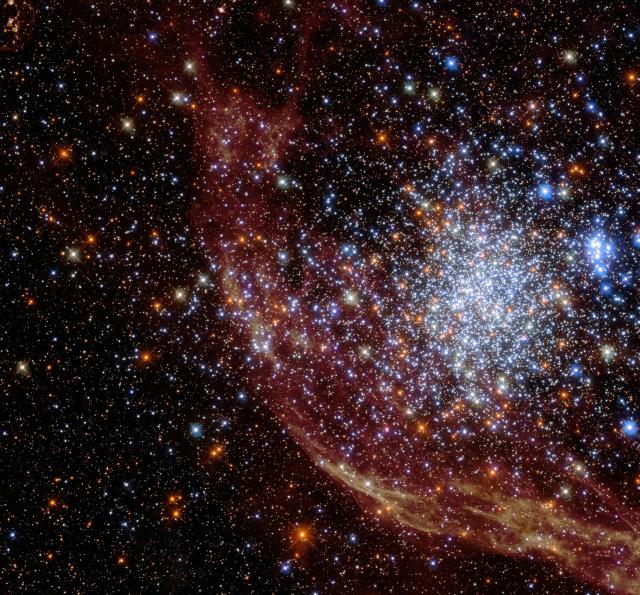
#Hubble
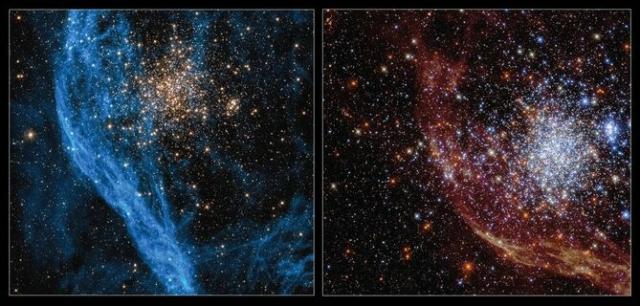
Hubble Captures Dual Views of an Unusual Star Cluster
While these two images may look dazzlingly different, they are actually pictures of the same cosmic object: NGC 1850.Andrea Gianopoulos (NASA)
#ISS
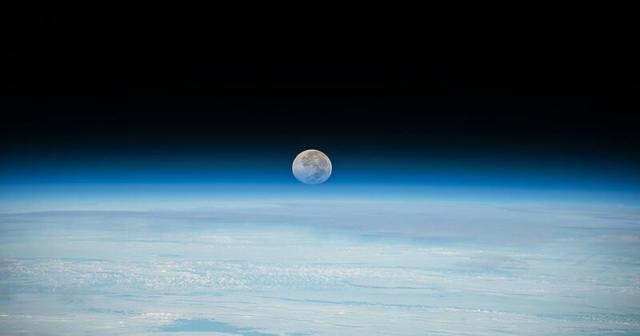
Botany, Physics, and Spacesuits Wrap Up Station Workweek
The workweek wrapped up with the Expedition 68 crew working on botany and physics hardware aboard the International Space Station.blogs.nasa.gov
With the Fermi spacecraft, scientists found out that our Milky Way galaxy is blowing bubbles — two of them! Each bubble is about 25,000 light-years tall and glows in gamma rays. tmblr.co/Zz_Uqj2dMNkMX
#NASAUniverse
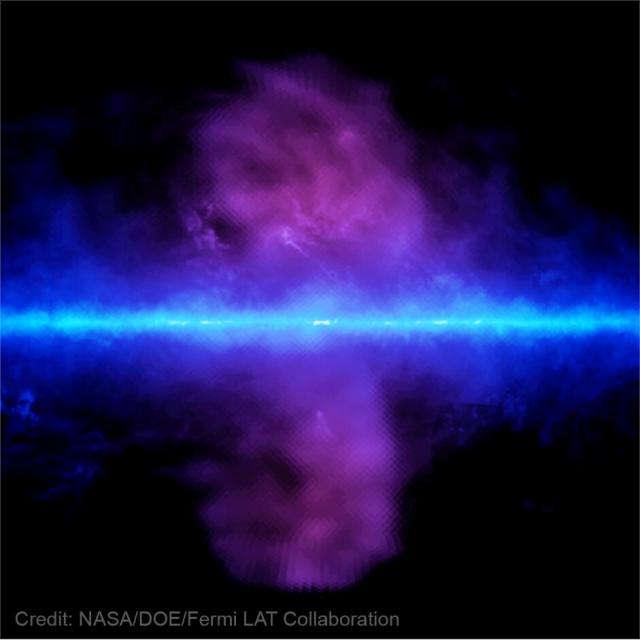
Blowing Bubbles in the Gamma-ray Sky
Did you know our Milky Way galaxy is blowing bubbles? Two of them, each 25,000 light-years tall! They extend above and below the disk of the galaxy, like the two halves of an hourglass. We can’t see...nasa (Tumblr)
#NASAMoon
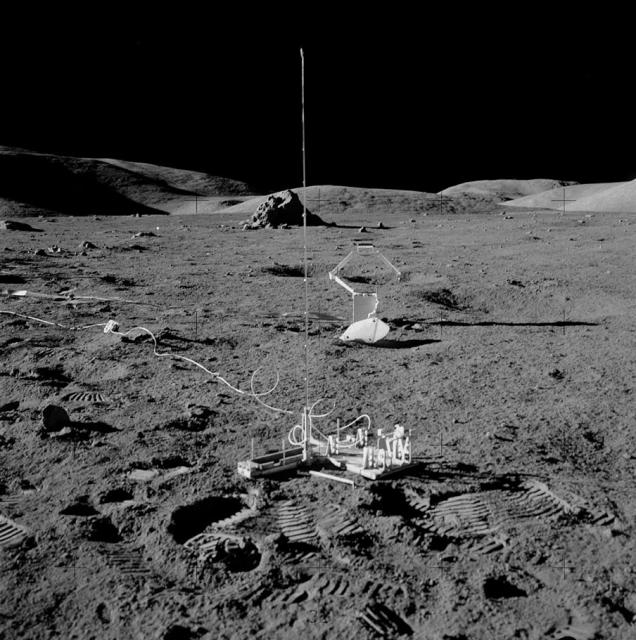
50 Years Ago: Apollo 17 Astronauts Prepare for Lunar Science
With just two weeks remaining until their Dec. 6, 1972 launch on the final Apollo Moon landing mission, Apollo 17 astronauts Commander Eugene A. Cernan, Command Module Pilot Ronald E. Evans, and Lunar Module Pilot Harrison H.Kelli Mars (NASA)
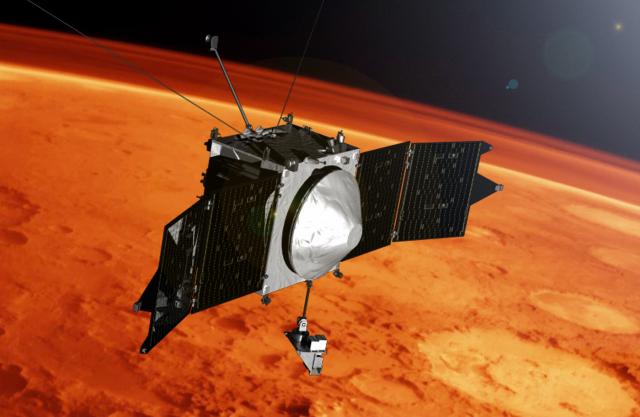
Galaxy brain 🤯
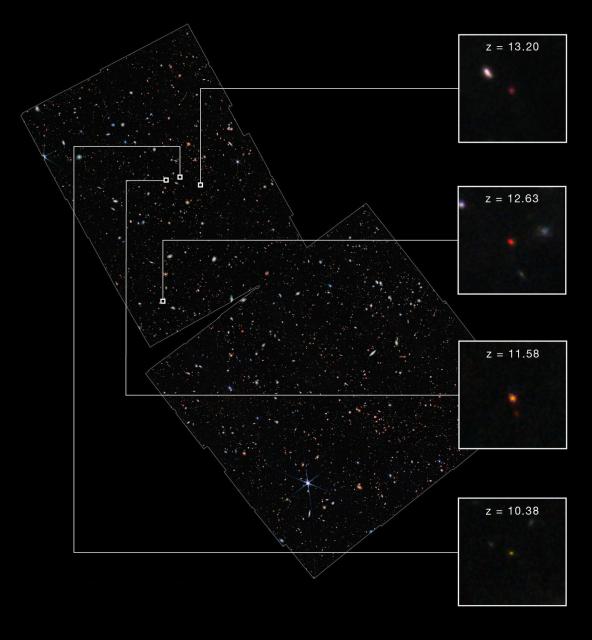
Preliminary Webb science shows galaxies confirmed by spectroscopy to date back to less than 400 million years after the big bang. Finding and confirming early galaxies is a continuous process, and Webb is just getting started: go.nasa.gov/3uB4npV
#JamesWebb
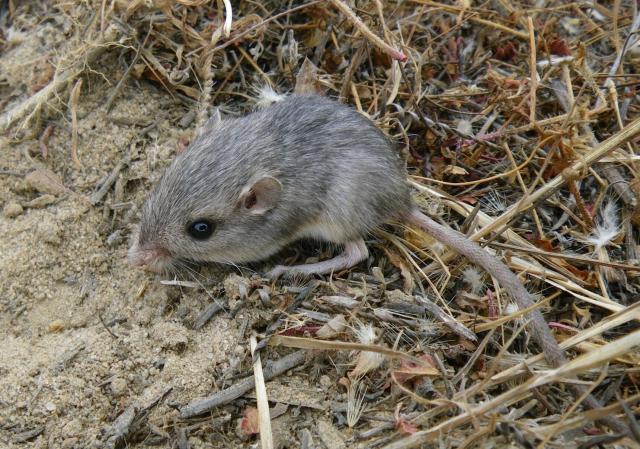
#DidYouKnow that the #Apollo17 crew weren’t the only living creatures on the mission? Along with their astronaut counterparts, 5 pocket mice were carried into orbit to assess their exposure to particle radiation. 🐭 #Apollo50th
Photo credit: @USGS
#NASAhistory
After evaluating the weather, the #Artemis I mission management team decided on a landing site in the Pacific Ocean near Guadalupe Island.
Splashdown is expected at 12:39pm ET (17:39 UTC) on Dec. 11: go.nasa.gov/3FgTnTv
#NASAArtemis #Artemis

#ISS
"Small" but mighty!
Inside the Small Magellanic Cloud, a satellite galaxy to our Milky Way, is the star cluster NGC 376.
Seen in this #HubbleFriday view, NGC 376 is made of stars that are loosely bound together by gravity: go.nasa.gov/3BmGKoN
#StarrySights
#Hubble
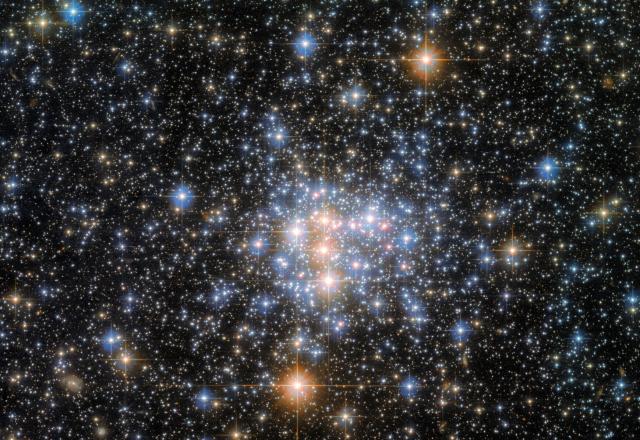
Hubble Captures a Glittering Neighbor
This image from the NASA/ESA Hubble Space Telescope captures a small portion of the Small Magellanic Cloud.Andrea Gianopoulos (NASA)
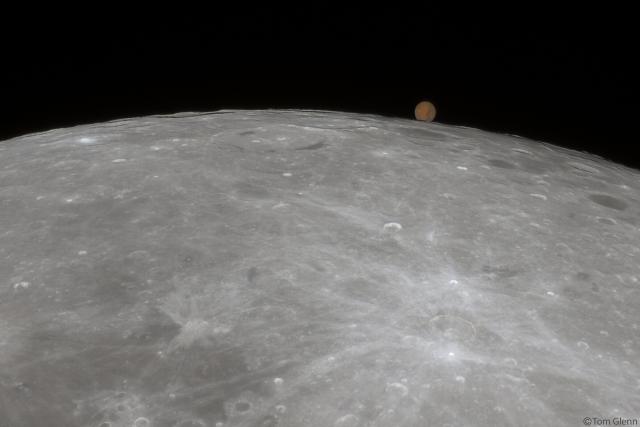
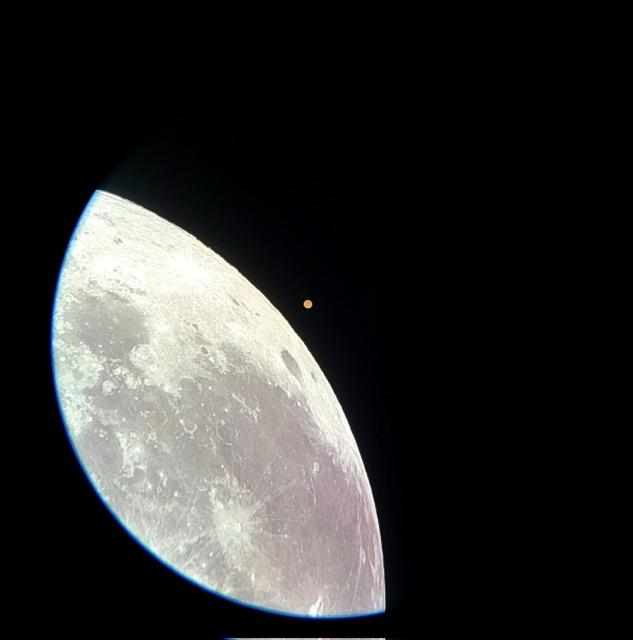
APOD: 2022 December 9 - Mars Rises above the Lunar Limb
A different astronomy and space science related image is featured each day, along with a brief explanation.apod.nasa.gov
Take it from a Mars rover: pushing past obstacles takes determination. Know a student who’s #gotperseverance? My team wants to celebrate them with a message from Mars and a live chat from mission control. Nominate by Dec. 19!
Details/eligibility: go.nasa.gov/gotperseverance
#PerseveranceRover
You've Got Perseverance! - NASA
The 'You've Got Perseverance!' opportunity is for students who have demonstrated perseverance in their academic pursuits.go.nasa.gov
Mars Rises above the Lunar Limb
Image Credit & Copyright: Tom Glenn
apod.nasa.gov/apod/ap221209.ht… #APOD

APOD: 2022 December 9 - Mars Rises above the Lunar Limb
A different astronomy and space science related image is featured each day, along with a brief explanation.apod.nasa.gov
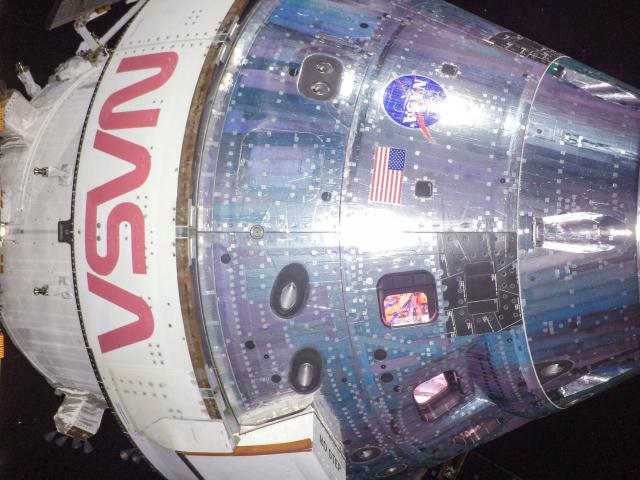
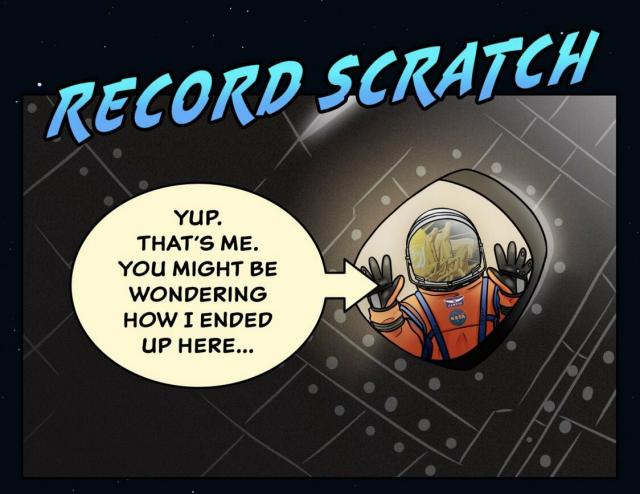
.@NASA_Orion is heading home. What can we expect when the spacecraft splashes down off the coast of California on Dec. 11?
Check out "The Adventures of Moonikin Campos and Friends" webcomic to learn more: nasa.gov/moonikin-comic
#NASAArtemis #Artemis
#NASA
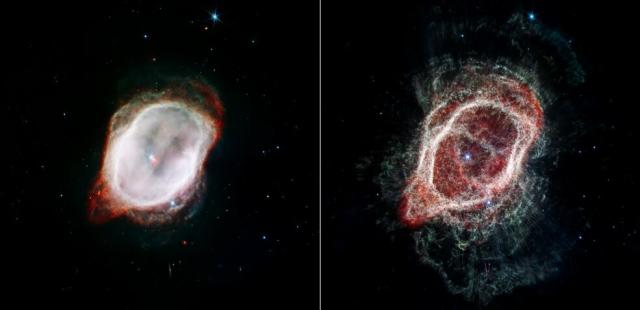
NASA’s Webb Indicates Several Stars ‘Stirred Up’ Southern Ring Nebula
Some of the first data from NASA’s James Webb Space Telescope has shown there were at least two, and possibly three, more unseen stars that crafted the oblong, curvy shapes of the Southern Ring Nebula.Jamie Adkins (NASA)
go.nasa.gov/3Y0Vh3g
#ISS
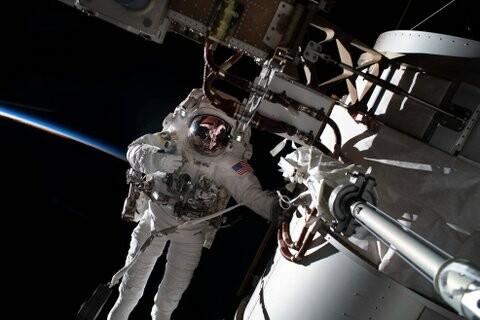
NASA Taps Collins Aerospace to Develop New Space Station Spacesuits
NASA has awarded a task order to Collins Aerospace to deliver a spacewalking system for potential use outside the International Space Station.Roxana Bardan (NASA)
LIVE NOW: Our experts are previewing the upcoming entry, descent, and splashdown of the @NASA_Orion spacecraft.
The #Artemis I mission is scheduled to conclude at 12:40pm ET (17:40 UTC) on Dec. 11 when Orion splashes down in the Pacific Ocean. twitter.com/i/broadcasts/1ZkJz…
#NASA
Congratulations to our @SpaceApps Challenge winners! Selected from over 31,000 worldwide registrants, these teams used data from NASA & our 11 partner space agencies, #SpaceApps competitors tackled 22 challenges and produced 3,000+ projects!
The winners: bit.ly/3FaYTXX
#NASA
Thank you so much for this perfect example of #NASAMoonSnap Expert Mode — capturing the Moon every day of a lunar cycle!
Check out some of @NASA_Orion’s captures of the Moon during the course of the #Artemis I mission: flic.kr/s/aHBqjAfKs1
#NASAArtemis #Artemis


#NASAUniverse
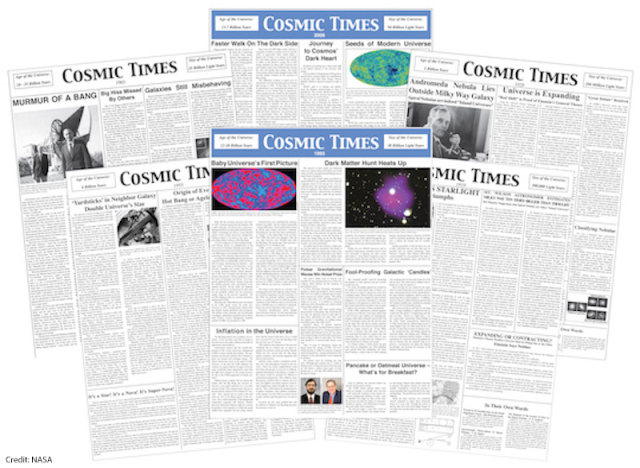
#NASAUniverse
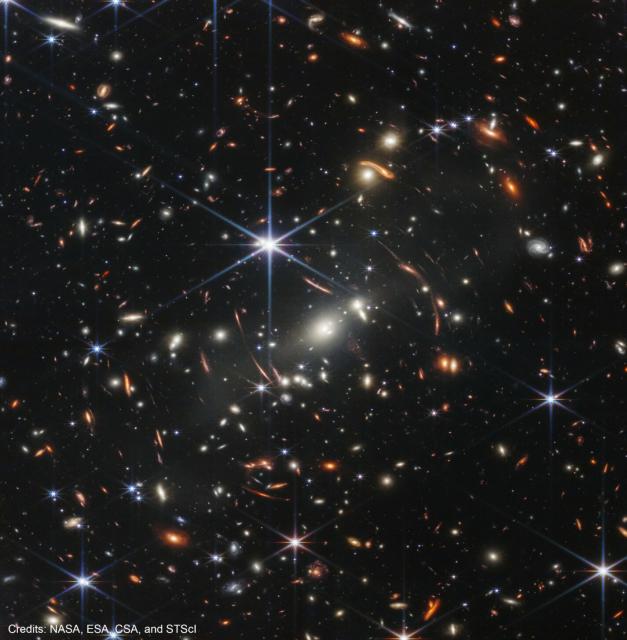
Early Universe - Webb/NASA
After the Big Bang, the universe was like a hot soup of particles (i.e. protons, neutrons, and electrons). When the universe started cooling, the protons and neutrons began combining into ionized atoms of hydrogen (and eventually some helium).go.nasa.gov
Today we honor John B. McKay on what would have been his 100th birthday! 🎉 McKay was a Navy pilot in World War 2 before becoming an aeronautical engineer and joining the NACA/NASA to fly the X-15 and other research planes! @NASAaero
More about McKay: go.nasa.gov/3HcTOkz
#NASAhistory
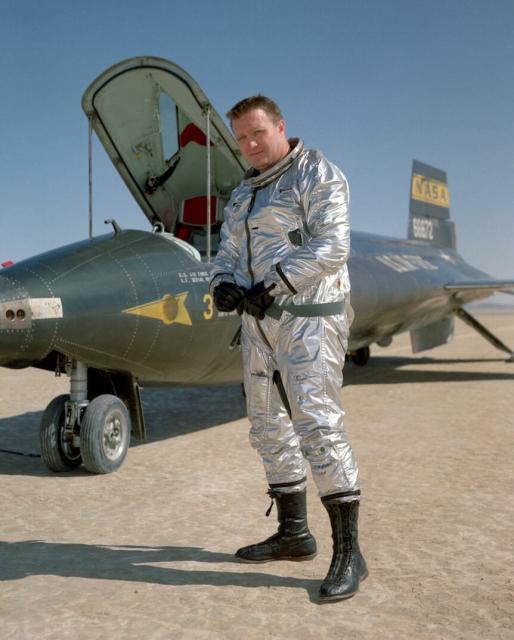
John B. McKay
NASA.gov brings you the latest images, videos and news from America's space agency. Get the latest updates on NASA missions, watch NASA TV live, and learn about our quest to reveal the unknown and benefit all humankind.NASA
#ISS
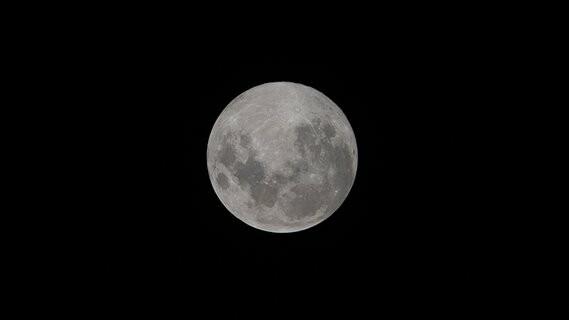
Station Crew Works Spacesuits, Science Hardware, and Human Research
Spacesuit maintenance and research hardware topped the task list for the Expedition 68 crew on Thursday.blogs.nasa.gov
The blue-white cluster of stars in the upper right of this image are loosely bound by gravity; after a few million years, they may settle into galaxies. go.nasa.gov/3BgPo8o
#NASAExoplanets
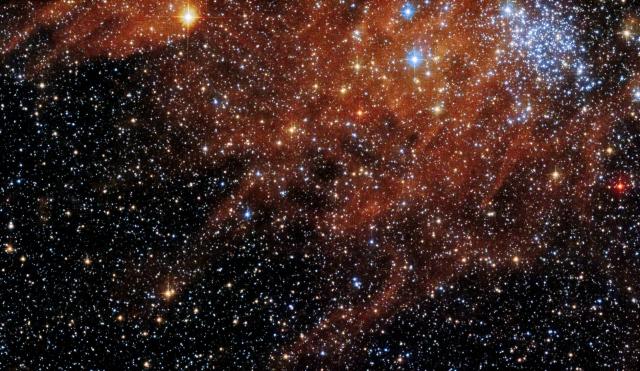
Hubble Spots Bright Splash of Stars Amid Ripples of Gas and Dust
Open cluster KMHK 1231 is a group of stars loosely bound by gravity. Seen in the upper left of this Hubble Space Telescope image, this cluster in the Large Magellanic Cloud is surrounded by a crimson nebula of gas and dust extending both to the right…Andrea Gianopoulos (NASA)
A #StarrySights stunner! 😍
Welcome to NGC 1850, a star cluster about 160,000 light-years away in a satellite galaxy to our own Milky Way, known as the Large Magellanic Cloud.
Read more: go.nasa.gov/3VIoe2u
#Hubble
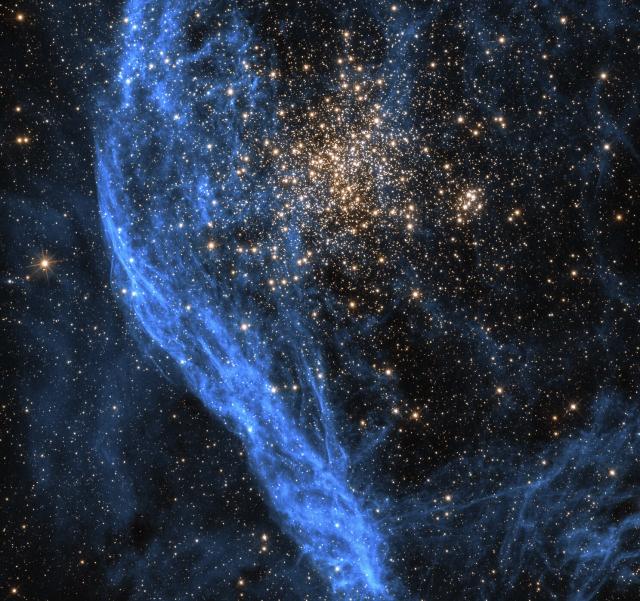
Hubble Captures Dual Views of an Unusual Star Cluster
While these two images may look dazzlingly different, they are actually pictures of the same cosmic object: NGC 1850.Andrea Gianopoulos (NASA)
#PerseveranceRover
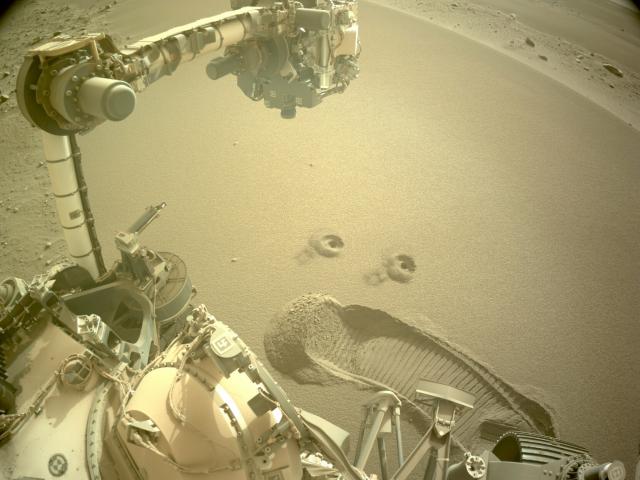
NASA's Perseverance Rover Gets the Dirt on Mars
The mission’s first two samples of regolith – broken rock and dust – could help scientists better understand the Red Planet and engineers prepare for future missions there.NASA Mars Exploration
“These images reveal with stunning humbling sublimity the triumph of the human spirit and breaking beyond the confines of the Earth.”
@HenryLouisGates reflects on the #Artemis I mission.
#NASAArtemis #Artemis
#NASAhistory
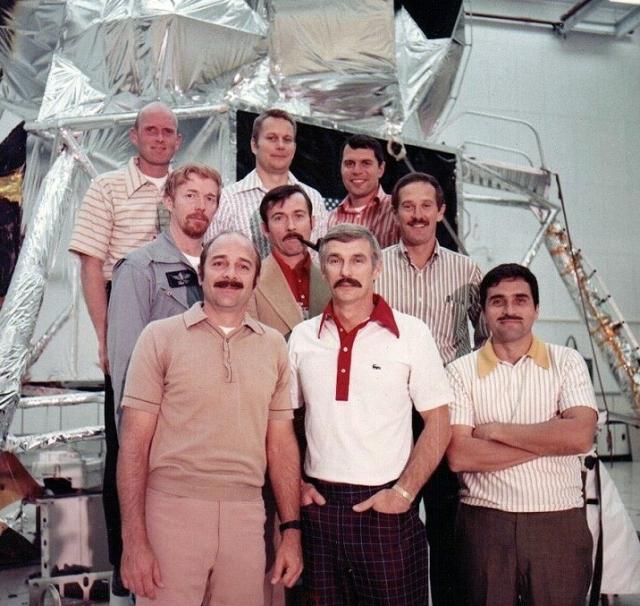
Apollo 17 in Real Time
A real-time interactive journey through the last landing on the Moon. Relive every moment as it occurred in 1972.Apollo 17 in Real Time
Does this ring a bell? 💍
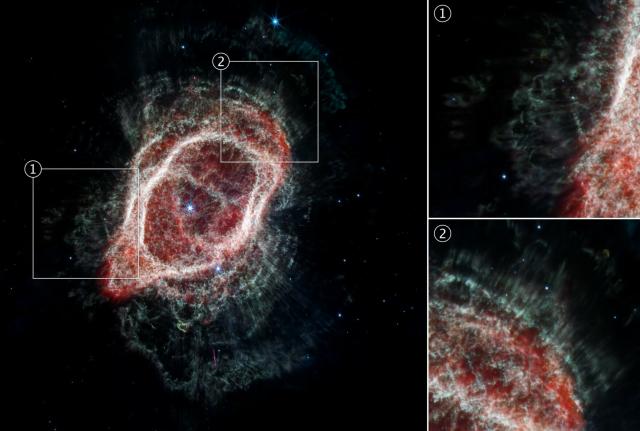
Webb’s first images showed 2 stars, a dying star and its orbiting companion, in the Southern Ring Nebula. Webb scientists now think more hidden companions helped shape the gas and dust here, potentially a total of 5 stars! More: go.nasa.gov/3UMDo5j
#JamesWebb
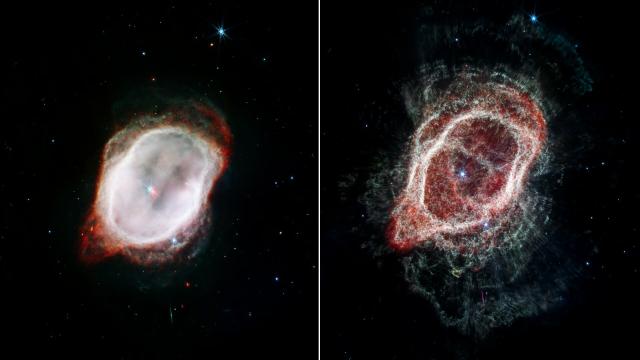
NASA’s Webb Indicates Several Stars ‘Stirred Up’ Southern Ring Nebula
Some of the first data from NASA’s James Webb Space Telescope has shown there were at least two, and possibly three, more unseen stars that crafted the oblong, curvy shapes of the Southern Ring Nebula.Jamie Adkins (NASA)
#JamesWebb
#NASA
LIVE: Administrator @SenBillNelson, NASA chief scientist Dr. Kate Calvin, and other agency leaders are providing updates on our portfolio of @NASAClimate research projects and NASA's role in understanding our changing planet. Tune in: twitter.com/i/broadcasts/1mrxm…
[Video embedded in original tweet]
#NASA
Just how dark is dark?
Astronomers studied 200,000 Hubble images and made thousands of measurements to look for any residual background glow in the sky.
The "leftover" light they found was likely caused by sunlight reflecting off of dust from comets: go.nasa.gov/3UHA6Ak
#Hubble
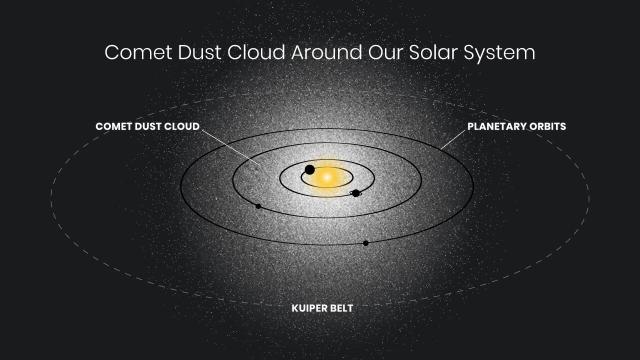
Hubble Detects Ghostly Glow Surrounding Our Solar System
Astronomers sorted through 200,000 Hubble images and made tens of thousands of measurements on them to look for any residual background glow in the sky, in an ambitious project called SKYSURF.Andrea Gianopoulos (NASA)
Aviva Gary
in reply to NASA • • •