
Apollo 14 astronauts Alan Shepard and Edgar Mitchell landed on the Moon #OTD in 1971, becoming the 5th and 6th humans to reach the lunar surface.
Watch highlights of NASA's 1st mission to the lunar highlands: go.nasa.gov/3HScjdV
#NASAhistory
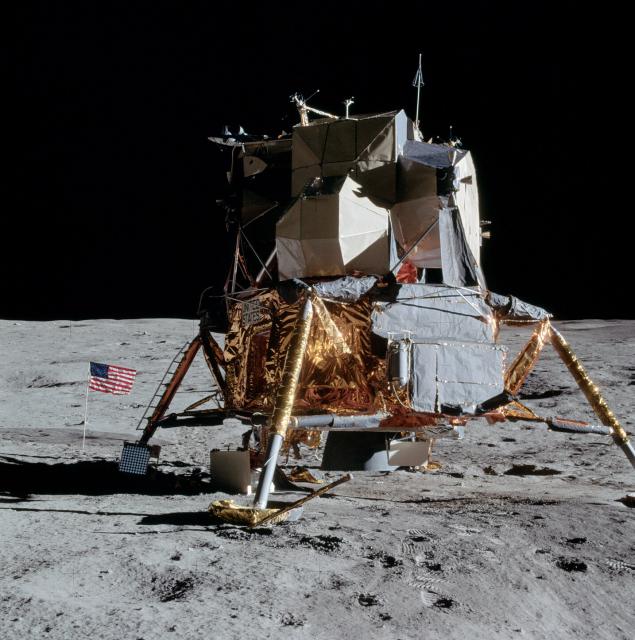
Apollo 14: ‘A Wild Place Up Here’
Apollo 14 was the eighth crewed Apollo mission and the third to land on the Moon. On January 31, 1971, Apollo 14 launched from Kennedy Space Center with a cr...YouTube
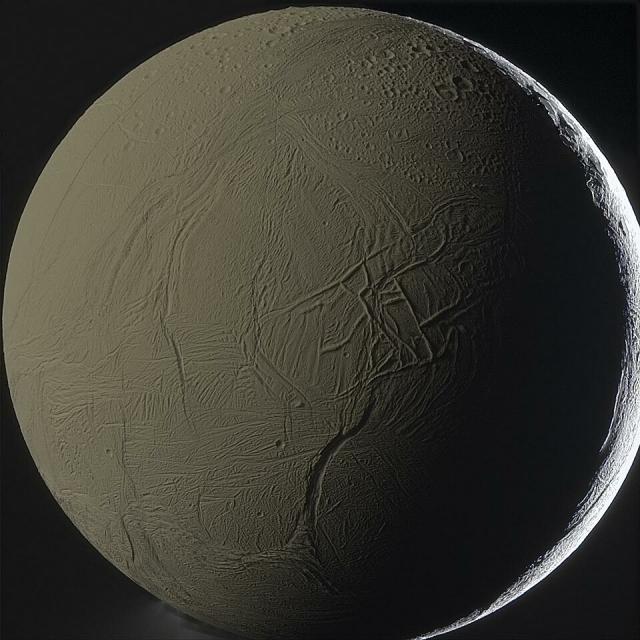
APOD: 2023 February 5 – Enceladus by Saturnshine
A different astronomy and space science related image is featured each day, along with a brief explanation.apod.nasa.gov
Enceladus by Saturnshine
Image Credit: NASA; ESA, JPL, Cassini Imaging Team, SSI; Color Composite: Gordan Ugarkovic
apod.nasa.gov/apod/ap230205.ht… #APOD

APOD: 2023 February 5 – Enceladus by Saturnshine
A different astronomy and space science related image is featured each day, along with a brief explanation.apod.nasa.gov
Tag someone who makes you feel like this.
With funds from a grant through @NASAArmstrong, scientists studied how arctic ground squirrels retain muscle and bone mass while hibernating, which could apply to future astronauts on long-duration space missions: go.nasa.gov/3HUpHNF
#NASA
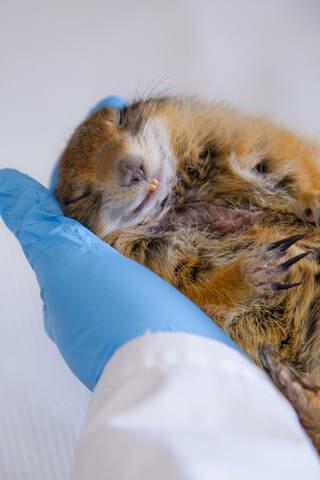
Could NASA’s Studies on Hibernating Squirrels Help Astronauts?
Can studying sleeping Arctic ground squirrels help astronauts and further NASA’s mission?Cody Lydon (NASA)
#NASA

NASA Scientists Join White House Cancer Initiative
NASA scientists are working with doctors and researchers across the federal government to help cut the nation’s cancer death rate by at least 50% over the next 25 years, a goal of the White House’s Cancer Moonshot Initiative.Sean Potter (NASA)
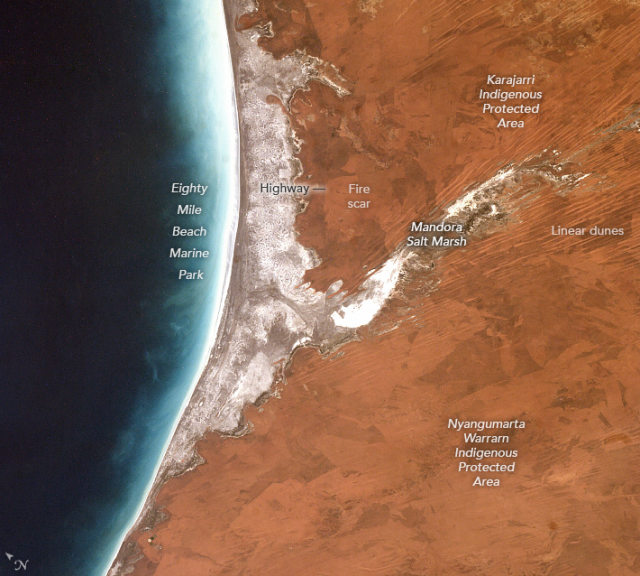
A meeting of two worlds 🌊🐦
The waters off Australia’s famed Eighty Mile Beach are inhabited by whales, dolphins, and dugongs, while its sandy coastline is one of Australia’s most important environments for migratory shorebirds. go.nasa.gov/3YbUWtP
#NASAEarth
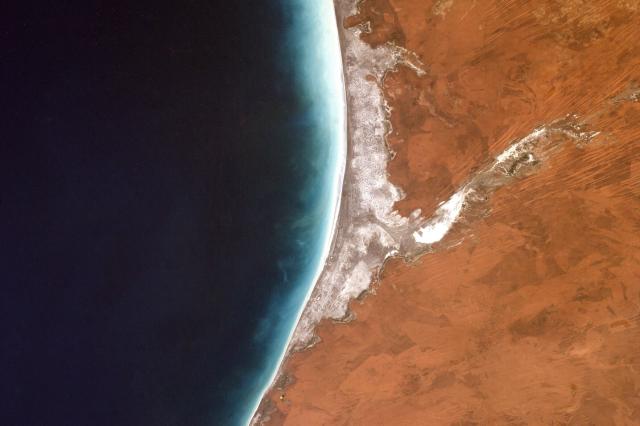
Eighty Mile Beach
This stretch of coastline in Western Australia is a popular recreational site for people and an important stopover site for migratory birds.go.nasa.gov
#NASAEarth
News from NASA 🚀
Astronauts make updates to the @Space_Station, @VP gives two former @NASA_Astronauts the Congressional Space Medal of Honor, and @NASAPersevere finishes its sample depot for #MarsSampleReturn.
Experience launches and more, virtually: go.nasa.gov/3la9CeY
#NASA
NASA: Virtual Guest
Since 2020, NASA has invited the public to be virtual guests at launches and milestone events.NASA
I feel the need...the need for speed! 💨
The Douglas D-558-II "Skyrocket" was first flown #OTD in 1948. One of the early transonic research airplanes, the Skyrocket later became the first aircraft to fly 2x the speed of sound.
More about the D-558-II: go.nasa.gov/3Ru386H
#NASAhistory
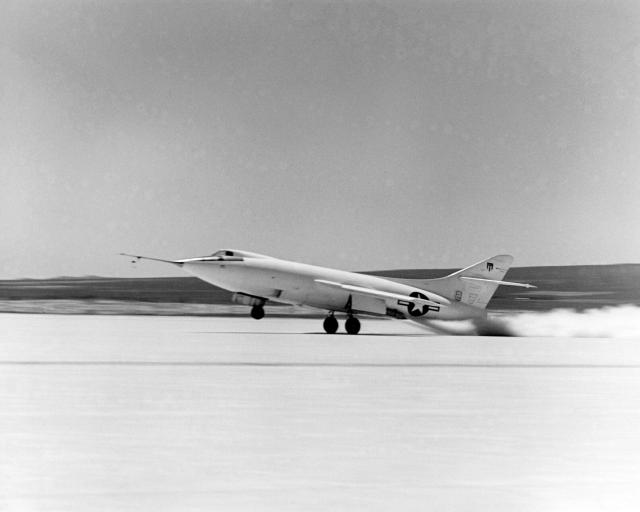
D-558-II Skyrocket
The Douglas D-558-II "Skyrockets" were among the early transonic research airplanes like the X-1, X-4, X-5, and X-92A.NASA
Have you had snow yet this year? ❄️
February’s Snow Moon will last for about three days, peaking Feb. 5 at 1:29 pm ET (1829 UTC). The name Snow Moon is attributed to heavy snow in the northeastern United States: go.nasa.gov/3JFO1oP
#NASAArtemis #Artemis

The Next Full Moon is the Snow, Storm, or Hunger Moon
The next full Moon will be on Sunday, Feb. 5, 2023. The Moon will appear full from early Saturday morning through early Tuesday morning.NASA Solar System Exploration
NGC 2626 along the Vela Molecular Ridge
Image Credit & Copyright: Mike Selby & Mark Hanson
apod.nasa.gov/apod/ap230204.ht… #APOD

APOD: 2023 February 4 - NGC 2626 along the Vela Molecular Ridge
A different astronomy and space science related image is featured each day, along with a brief explanation.apod.nasa.gov
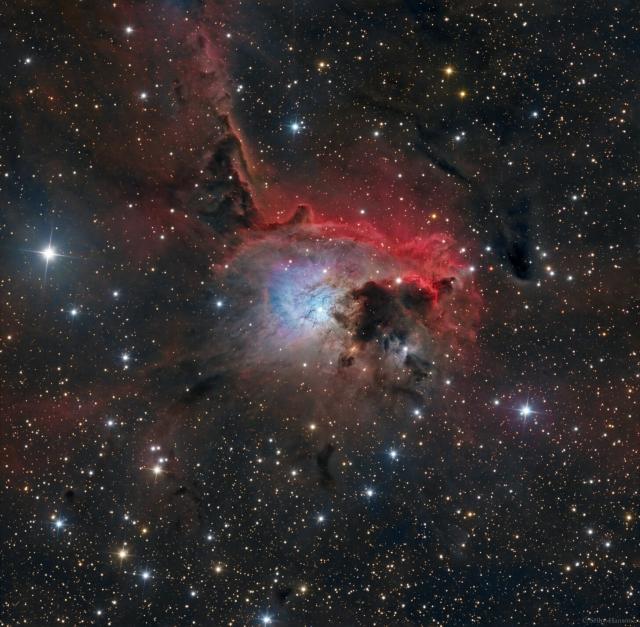
APOD: 2023 February 4 - NGC 2626 along the Vela Molecular Ridge
A different astronomy and space science related image is featured each day, along with a brief explanation.apod.nasa.gov
Polaris and the Trail of Comet ZTF
Image Credit & Copyright: David Ibarra Gomez
apod.nasa.gov/apod/ap230203.ht… #APOD

APOD: 2023 February 3 - Polaris and the Trail of Comet ZTF
A different astronomy and space science related image is featured each day, along with a brief explanation.apod.nasa.gov
Reflections on the 1970s
Image Credit & Copyright: Daniel Stern
apod.nasa.gov/apod/ap230202.ht… #APOD

APOD: 2023 February 2 - Reflections on the 1970s
A different astronomy and space science related image is featured each day, along with a brief explanation.apod.nasa.gov
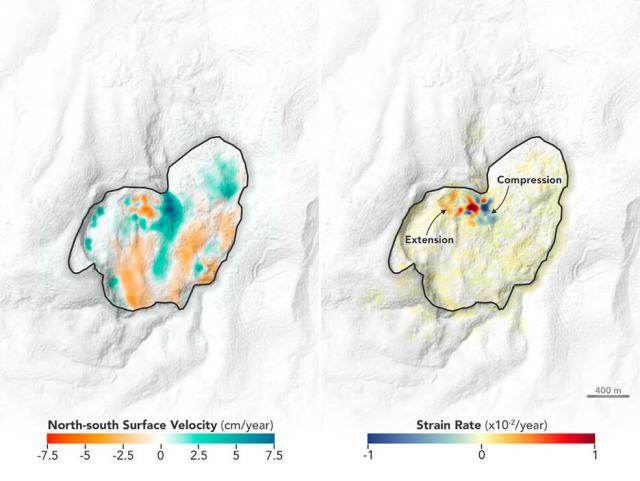
In eastern Congo, a large, slow-moving landslide is accelerating and putting a community at risk. A new NASA study using satellite data shows how changing water usage in the city of Bukavu influences land movements near and just below the surface.
More: go.nasa.gov/3HWeEob
#NASAEarth

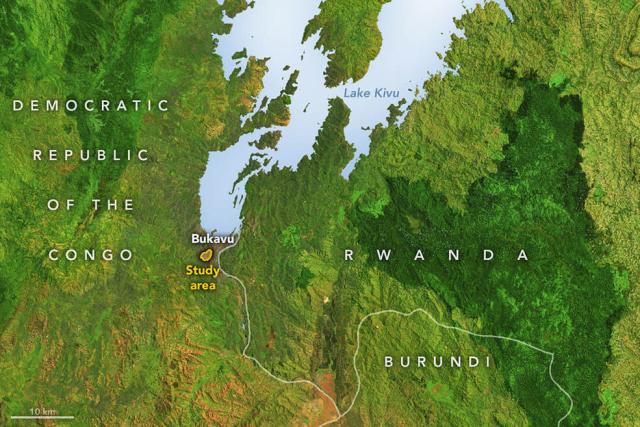
Scientists Track Tropical Landslide Creeping Below an African City
A large, slow-moving landslide is accelerating in eastern Congo, putting a community at risk. New research exposes geologic hazards amid unprecedented urban sprawl.Tony Greicius (NASA)
#NASAEarth
Eight Historically Black Colleges and Universities will receive $11.7 million to build the next generation in STEM and conduct data science research using AI and machine learning.
More on this opportunity from our Science Mission Directorate & @NASASTEM: go.nasa.gov/3Yq9run
#NASA
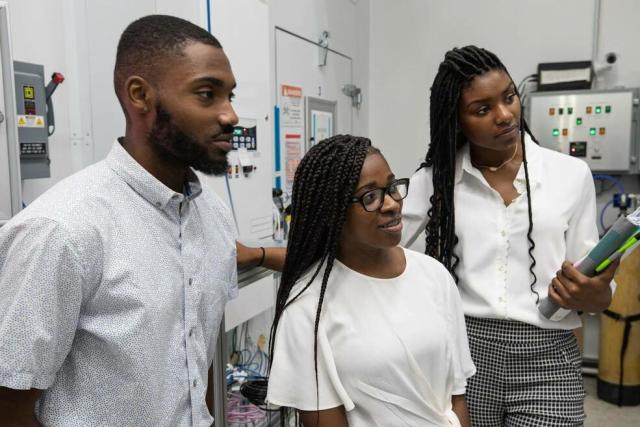
NASA Awards Millions to Historically Black Colleges, Universities
NASA is awarding $11.7 million to eight Historically Black Colleges and Universities (HBCUs) through the new Data Science Equity, Access, and Priority in Research and Education (DEAP) opportunity.Roxana Bardan (NASA)


#NASA
upon a star... 🎵
Do you wish for planets? We do! There are more planets than stars in our galaxy. And @NASAHubble reveals the birth of stars in our galactic neighborhood in the Tarantula Nebula, home to the hottest, most massive stars. go.nasa.gov/3RsBMOh
#NASAExoplanets
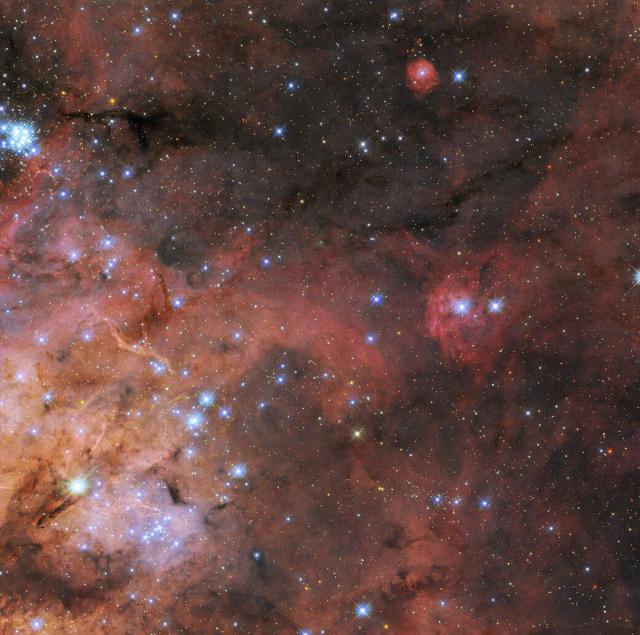
Hubble’s New View of the Tarantula Nebula
A snapshot of the Tarantula Nebula (also known as 30 Doradus) is featured in this image from the NASA/ESA Hubble Space Telescope.Andrea Gianopoulos (NASA)
#NASA
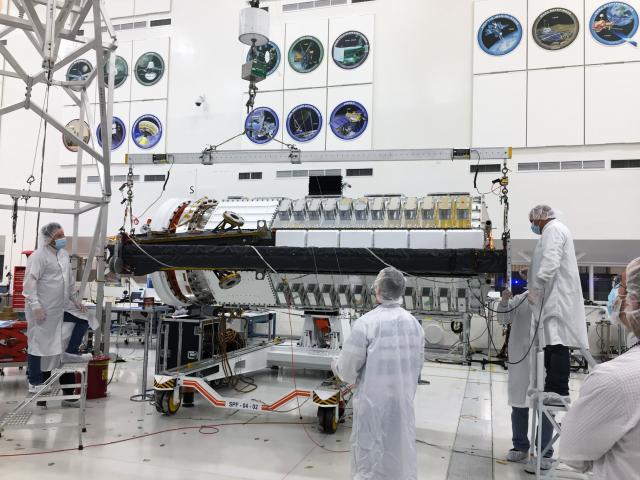
Home – NASA-ISRO SAR Mission (NISAR)
NASA’s first global SAR mission, in partnership with ISRO, providing data for studying hazards, changes in glaciers and ice sheets, and global environmental change.NASA-ISRO SAR Mission (NISAR)
See NISAR in @NASAJPL's clean room today at 5pm ET (2200 UTC). Set to launch from India in 2024, it will measure the movement of Earth’s surfaces to provide info on trends that affect global challenges like food security. twitter.com/i/broadcasts/1LyxB…
[Video embedded in original tweet]
#NASA
Help us see space from a new perspective!
Try your hand at applying different filters to images captured from our space and ground-based telescopes for the Astrophoto Challenge. The best submissions will be highlighted on the Astrophoto Challenge website: go.nasa.gov/3RsSiOl
#NASA
The Seventh World of Trappist-1
Illustration Credit & Copyright: Michael Carroll
apod.nasa.gov/apod/ap230201.ht… #APOD

APOD: 2023 February 1 – The Seventh World of Trappist 1
A different astronomy and space science related image is featured each day, along with a brief explanation.apod.nasa.gov
Help us see space from a new perspective!
Try your hand at applying different filters to images captured from our space and ground-based telescopes for the Astrophoto Challenge. The best submissions will be highlighted on the Astrophoto Challenge website: go.nasa.gov/3jxZRXp
#NASA
Hey stargazers: this month Venus and Jupiter cozy up, the constellation Auriga makes a worthy target, and there are two star clusters you can find using Sirius and a pair of binoculars. ✨
Details and downloads: solarsystem.nasa.gov/skywatchi…
#NASASolarSystem
NASA Skywatching Home
What’s visible in the night sky? Get skywatching tips and resources from NASA.NASA Solar System Exploration
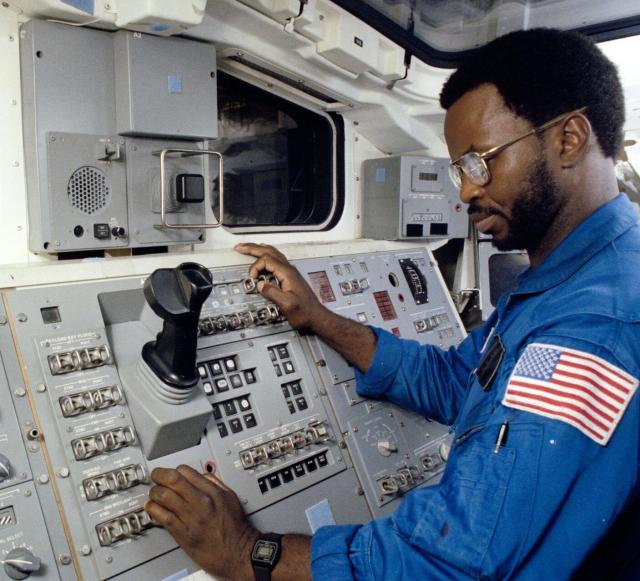
After @MIT, Dr. Ron McNair's research included electro-optic laser modulation for satellite-to-satellite space communications, and led him to apply to be a NASA astronaut.
Ron McNair is seen here training for his first mission, STS-41B (launched #OTD in 1984). #BlackHistoryMonth
#NASAhistory
#nola #neworleans #Louisiana #science #education #space #nasa #blackhistorymonth
#ISS
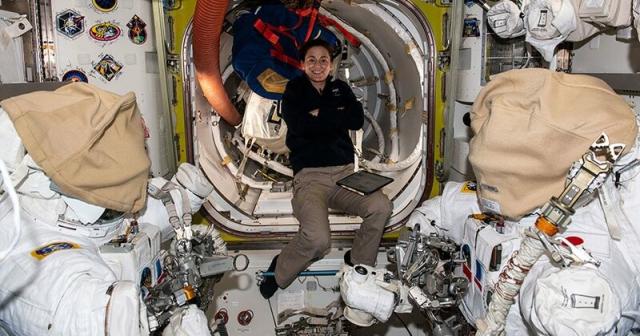
Spacewalkers Relax, Science Continues as Station Orbits Higher
Two astronauts took the morning off on Friday following a spacewalk the day before while the rest of the Expedition 68 crew conducted the latest space experiments and lab maintenance tasks.blogs.nasa.gov
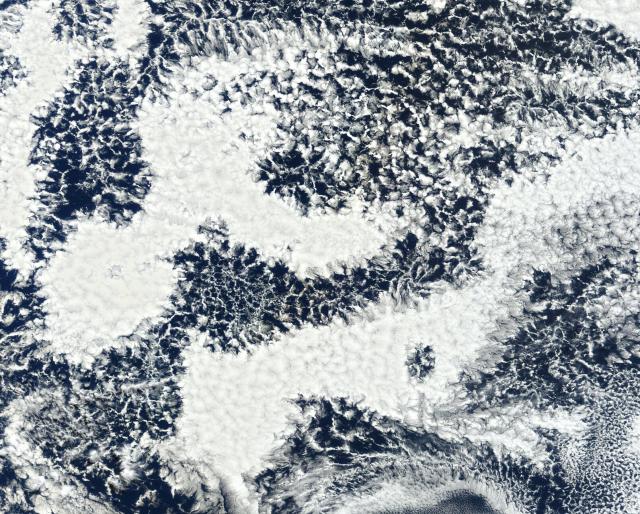
NASA’s Terra and Aqua satellites helped meteorologists determine that marine stratocumulus clouds are relatively common.
On average, they cover ~15% of Earth’s total surface.
#NASAEarth
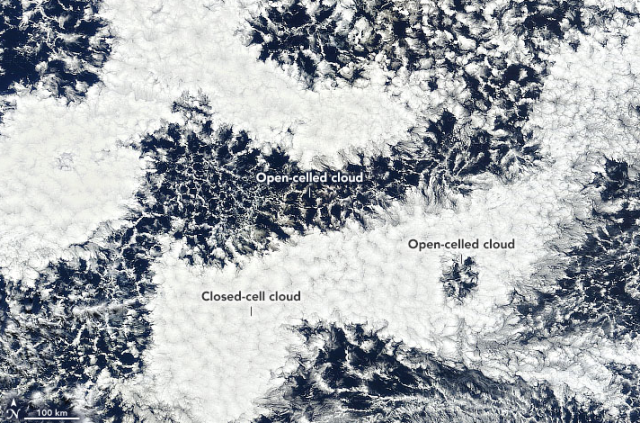
Organized marine stratocumulus clouds, found in the subtropics and midlatitudes, take two forms; open-celled and closed-cell.
Recent studies have found that smoke, dust, and aerosols can affect the formation of open- and closed-cell clouds.
Full story: go.nasa.gov/3DDJVtI
#NASAEarth
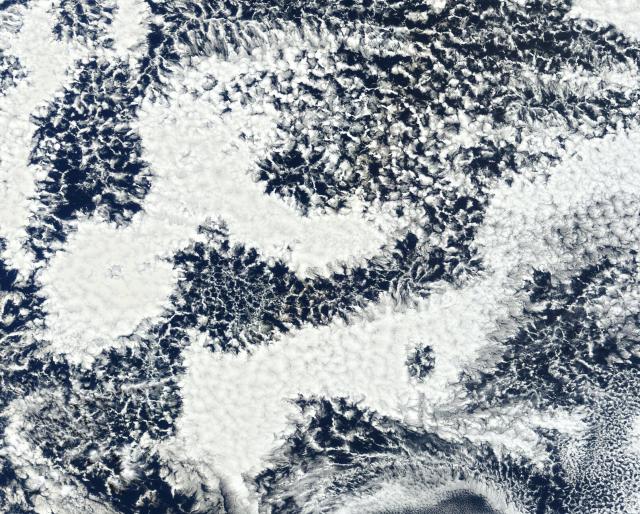
Ex-cell-ent Clouds off Chile’s Coast
Satellites have exposed the impressive coverage of marine stratocumulus clouds as well as their compelling shapes and patterns.go.nasa.gov
Welcome to a "star factory"!
This #HubbleFriday view shows the Tarantula Nebula, the brightest region of starbirth in our galactic neighborhood.
About 161,000 light-years away, it's within the Large Magellanic Cloud – a satellite galaxy to our Milky Way: go.nasa.gov/3RsBMOh
#Hubble
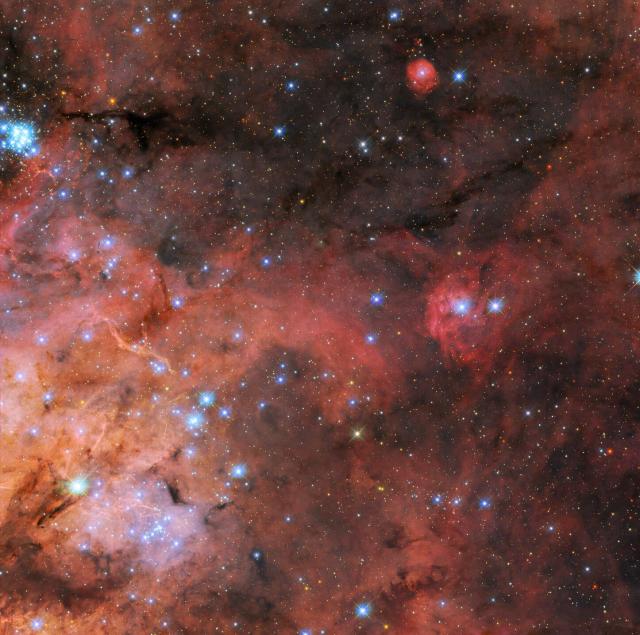
Hubble’s New View of the Tarantula Nebula
A snapshot of the Tarantula Nebula (also known as 30 Doradus) is featured in this image from the NASA/ESA Hubble Space Telescope.Andrea Gianopoulos (NASA)
#ISS
Hope you don't have your head in the clouds, because it's time for a pop quiz!
What kind of clouds are these?☁️
#NASAEarth
Designed to make you NOT wanna 🤮
Psychophysiologist Dr. Patricia Cowlings designed a methodology to help astronauts control symptoms of motion sickness in space. She is shown here conducting a training exercise experiment in 1986. #ArchivesHashtagParty #ArchivesBlackDesign
#NASAhistory
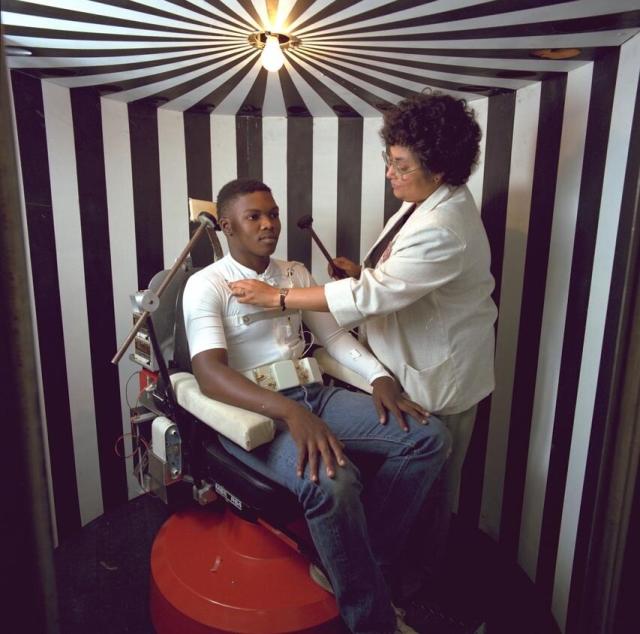
#NASAhistory

Patricia Cowings: Using Science to Conquer Space Sickness
Patricia Cowings investigated the psycho-physiological and biological problems experienced by astronauts in space in the early 1980s.Yvette Smith (NASA)
A Triple View of Comet ZTF
Image Credit & Copyright: Javier Caldera & Miguel Gracia
apod.nasa.gov/apod/ap230131.ht… #APOD

APOD: 2023 January 31 – A Triple View of Comet ZTF
A different astronomy and space science related image is featured each day, along with a brief explanation.apod.nasa.gov
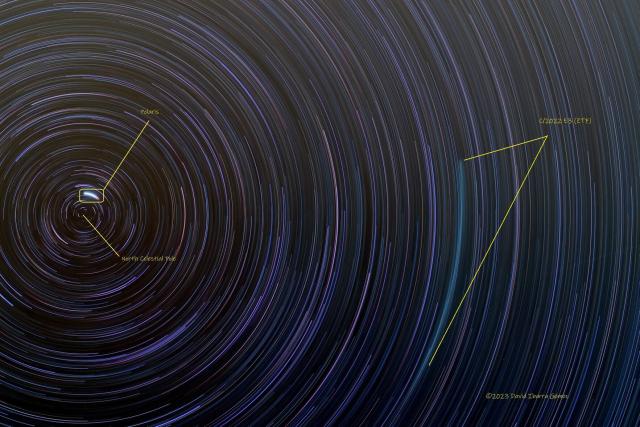
APOD: 2023 February 3 - Polaris and the Trail of Comet ZTF
A different astronomy and space science related image is featured each day, along with a brief explanation.apod.nasa.gov


Is polar ice melting?
Unfortunately, yes. And it’s the number one contributor to sea level rise. @NASAClimate scientist Dr. Brooke Medley tells us how NASA studies the relationship between ice sheets and sea level to better understand our changing planet. climate.nasa.gov/vital-signs/i…
#NASA
Ice Sheets | NASA Global Climate Change
Vital Signs of the Planet: Global Climate Change and Global Warming. Current news and data streams about global warming and climate change from NASA.Climate Change: Vital Signs of the Planet
#ISS
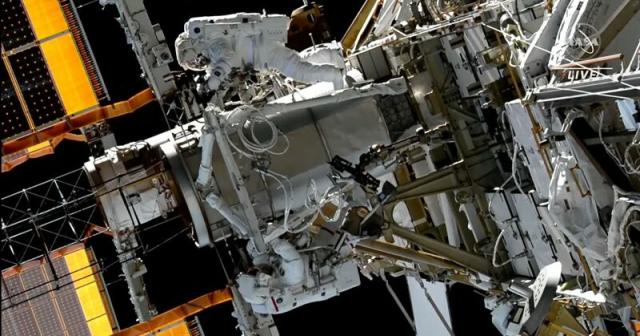
Spacewalkers Complete Construction Job to Upgrade Station Power
NASA astronaut Nicole Mann and Japan Aerospace Exploration Agency (JAXA) astronaut Koichi Wakata concluded their spacewalk at 2:26 p.m. EST after six hours and 41 minutes.blogs.nasa.gov

When do longer reads matter? A benchmark of long read de novo assembly tools for eukaryotic genomes
Background: Assembly algorithm choice should be a deliberate, well-justified decision when researchers create genome assemblies for eukaryotic organisms from third-generation sequencing technologies.bioRxiv
anneguisinherba
in reply to NASA • • •Parityflux
in reply to NASA • • •klu
in reply to NASA • • •