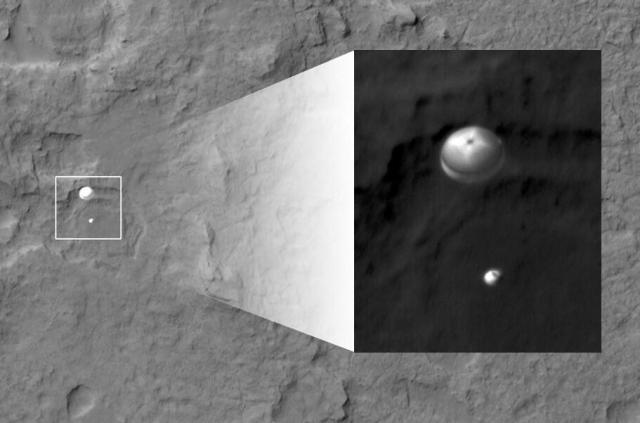
In a remarkable feat of sharp shooting 10 years ago today, a powerful camera aboard the Mars Reconnaissance Orbiter captured @MarsCuriosity in the act of descending to the surface beneath its parachute. go.nasa.gov/3SGK0Tl #NASAMarsnitter.net/NASAMars/status/155…
NASA's Curiosity rover and its parachute were spotted by NASA's Mars Reconnaissance Orbiter as Curiosity descended to the surface on Aug. 5 PDT (Aug. 6 EDT).
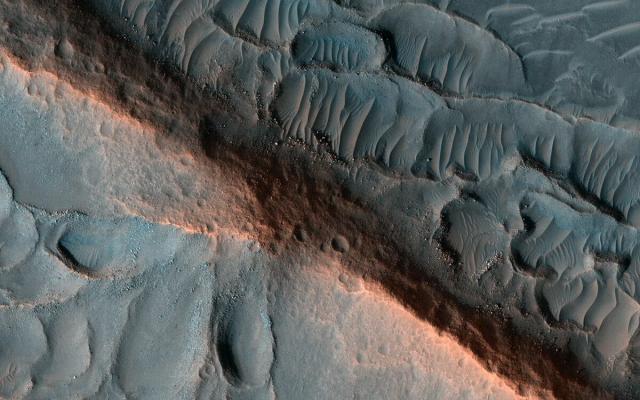
A ridge line, perhaps marking the path of an ancient, inverted channel, rises among dunes in this view from Mars Reconnaissance Orbiter. The area shown is about half a mile (about a kilometer) across. Details: go.nasa.gov/3oOAboy #NASAMarsnitter.net/NASAMars/status/155…
This image acquired on March 28, 2022 by NASAs Mars Reconnaissance Orbiter shows a ridge standing prominently in this scene, left behind as the surroundings were eroded, perhaps marking inverted erosion of an ancient fluvial channel.
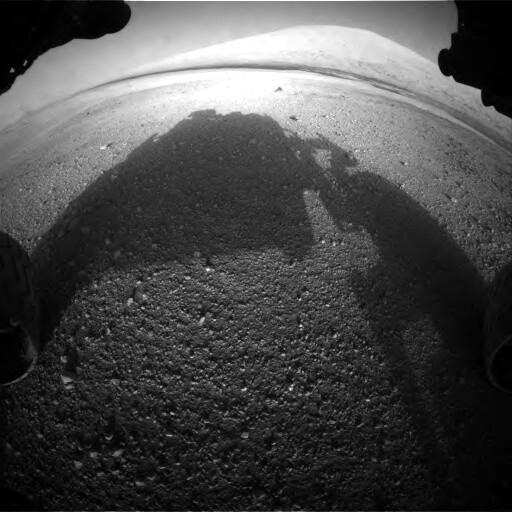
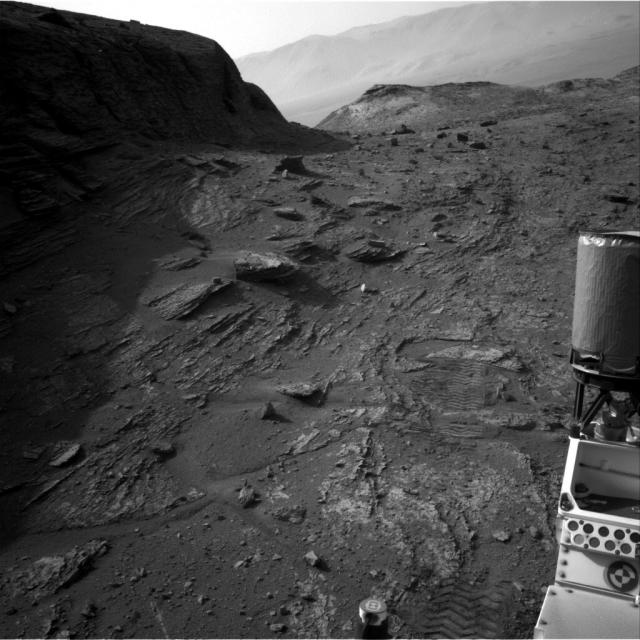
How it started / how it's going Left: one of @MarsCuriosity's first images, taken 10 years ago, showing the flat landing area in Gale Crater, with Mt. Sharp in the distance. Right: a view taken yesterday from the slopes of the mountain. All raw images: mars.nasa.gov/msl/multimedia/r… #NASAMarsnitter.net/NASAMars/status/155…
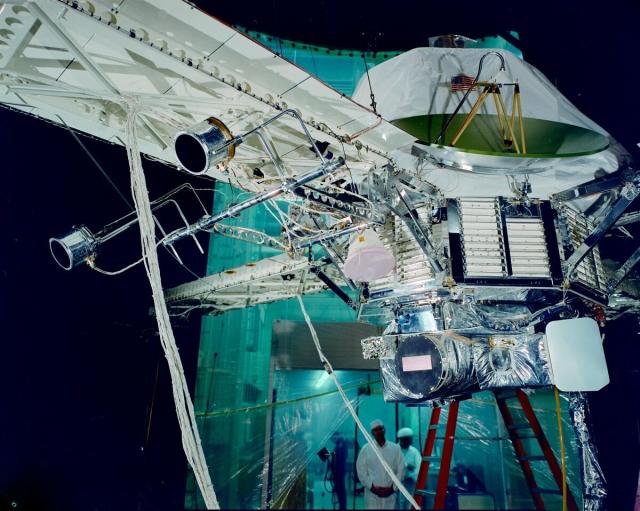
Mariner 9 successfully entered Mars orbit #OTD in 1971, beating the Soviet Mars 2 spacecraft which had an 11-day head start, to become the first spacecraft to orbit another planet! Taking over 7,000 pictures, Mariner 9 mapped 85% of Mars's surface. More: go.nasa.gov/3zZ4zTe #NASAhistorynitter.net/NASAhistory/status/…
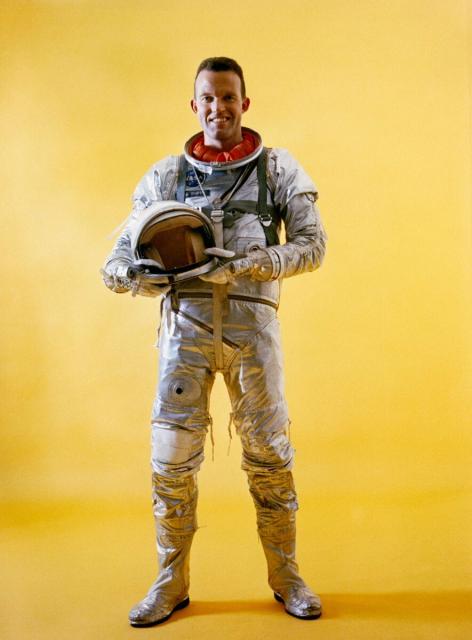
60 years ago today, Gordon "Gordo" Cooper was named as pilot for Mercury-Atlas 9, the last mission of the Mercury Program. Cooper was the last NASA astronaut to be launched into orbit on a solo flight! Get more Gordo photos and stories: go.nasa.gov/3tgPGI9 #NASAhistorynitter.net/NASAhistory/status/…
NASA brings you images, videos and features from the unique perspective of America's space agency. Get updates on missions, watch NASA TV, read blogs, view the latest discoveries, and more.
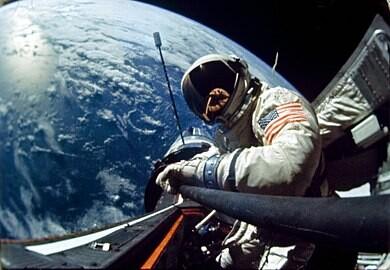
Gemini ✅ Next up, Apollo At 3:46 PM #OTD in 1966, the last mission of the ♊ Program, Gemini XII, launched from Cape Canaveral! Jim Lovell and Buzz Aldrin successfully docked with the Agena target vehicle and Aldrin performed 3 spacewalks. Learn more: go.nasa.gov/3TsDAq3 #NASAhistorynitter.net/NASAhistory/status/…
The primary objectives of Project Gemini included proving the techniques required for the Apollo Program to fulfill President John F. Kennedy’s goal of landing a man on the Moon and returning him safely to Earth before the end of the 1960s.
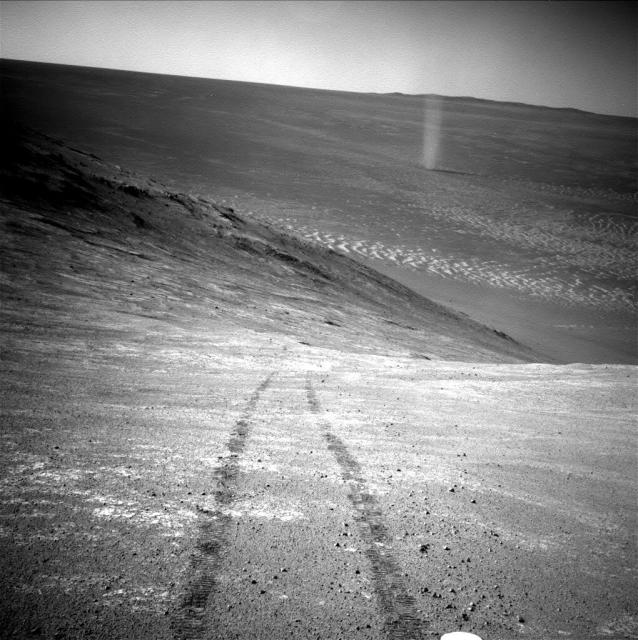
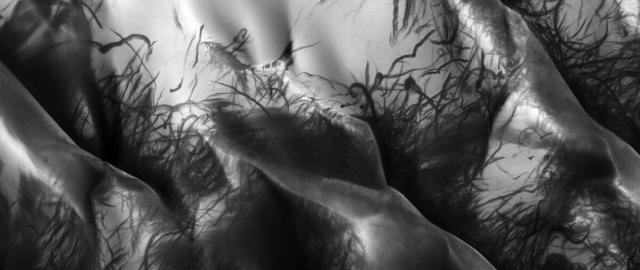
We see Martian dust devils (whirlwinds) from the ground, as in this shot from the Opportunity rover in 2016, left. From space, we can see the tracks they leave behind, as in this view of dunes from Mars Reconnaissance Orbiter in 2009, right. More: go.nasa.gov/3AfnmJ9 #NASAMarsnitter.net/NASAMars/status/156…
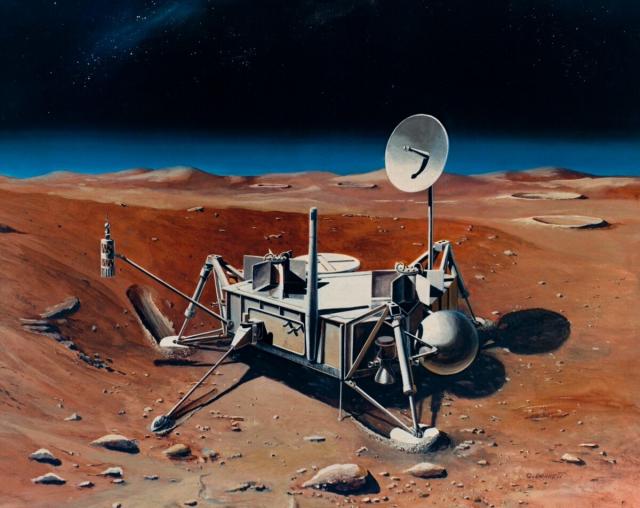
Today marks the 40th anniversary of the last day we heard from the Viking 1 lander after its 6 years of collecting images, weather data and soil composition information from the surface of the Red Planet. @NASAMars Learn more about Viking 1: go.nasa.gov/3EcZmK0 #NASAhistorynitter.net/NASAhistory/status/…
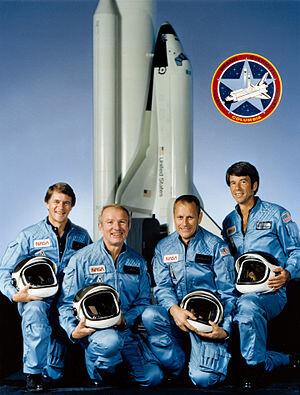
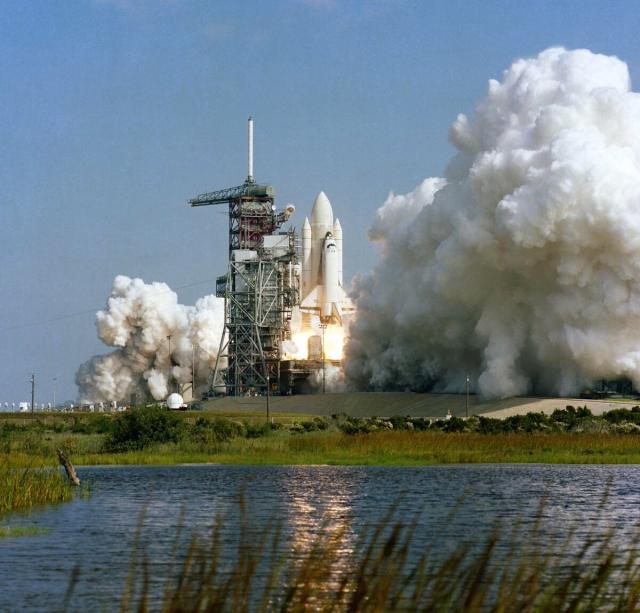
#40YearsAgo today in 1982, Space Shuttle Columbia was launched for STS-5, the first official "operational" Shuttle mission. 4 astronauts made up the crew for this 5 day mission on which two commercial communications satellites were deployed, ANIK C-3 and SitS-C. #NASAhistorynitter.net/NASAhistory/status/…
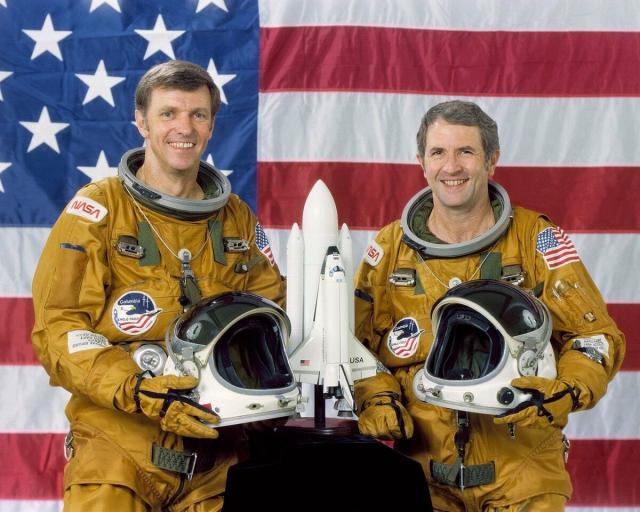
Lifting off at 10:10am #OTD in 1981, Space Shuttle Columbia made its second trip to space for STS-2 with astronauts Joe Engle and Richard Truly on board. It was also Truly's birthday! What better way to celebrate than making your first trip to space. #HappyBirthday Richard Truly! #NASAhistorynitter.net/NASAhistory/status/…
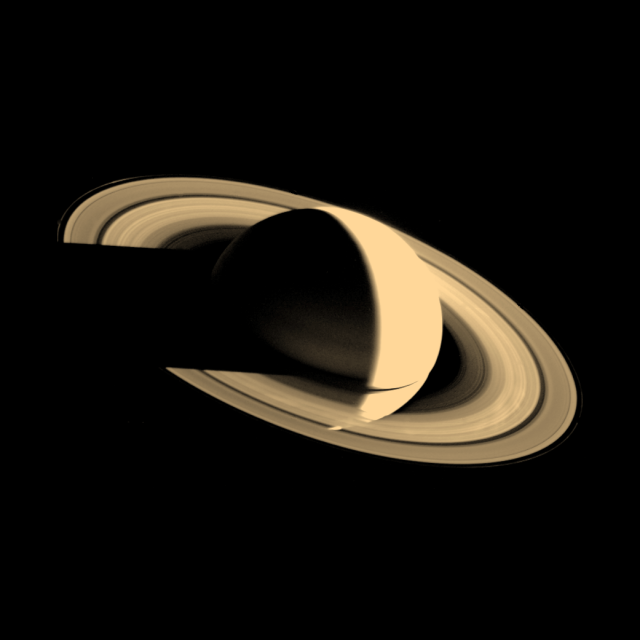
Voyager 1's Saturn #photography: 💯 @NASAVoyager 1 flew by Saturn #OTD in 1980, discovering 3 moons (Atlas, Prometheus & Pandora) and taking this shot as it sped by on its way out of our solar system. Learn more about Voyager's rendezvous with Saturn: go.nasa.gov/3UEm8jP #NASAhistorynitter.net/NASAhistory/status/…
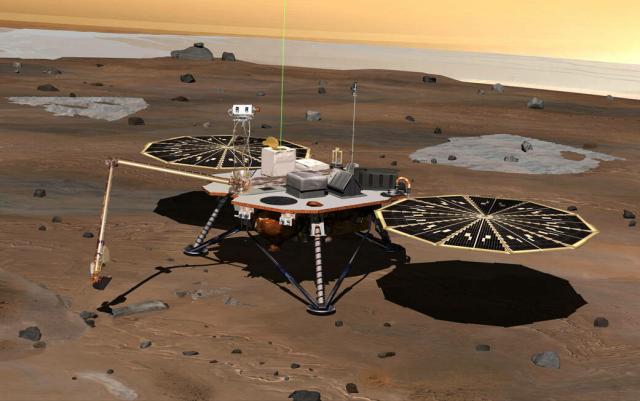
Loss of contact with the @NASAMars Phoenix lander was reported #OTD in 2008 after its successful 157 sols gathering data near Mars's north pole. Like its namesake, this craft rose from the ashes of the Mars Surveyor lander and Mars Polar Lander missions: go.nasa.gov/3DRKcbD #NASAhistorynitter.net/NASAhistory/status/…
Mars has long fascinated us as a place possibly once hospitable to life. The early robotic missions of the 1960s relayed images of a Moon-like cratered terrain with a forbiddingly cold and thin atmosphere of carbon dioxide.
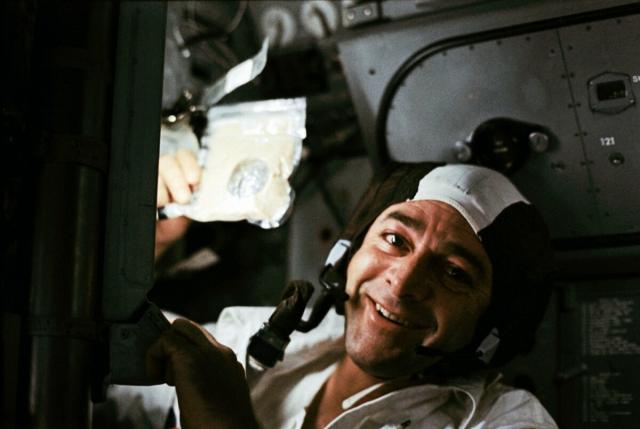
Remembering astronaut Ron Evans on his birthday. 🫡 As the command module pilot for #Apollo17, Evans holds the record for most time spent in lunar orbit. Read about how Ron and his wife Jan chose to commemorate his trip to the Moon in our newsletter: go.nasa.gov/3A1rMEb #NASAhistorynitter.net/NASAhistory/status/…
I'm giving a talk about the 50th anniversary of Apollo 17 here for the St. Louis AIAA chapter in December. Ron seems like an overlooked piece of the mission, so I've got a special place carved out in the talk for Captain America.
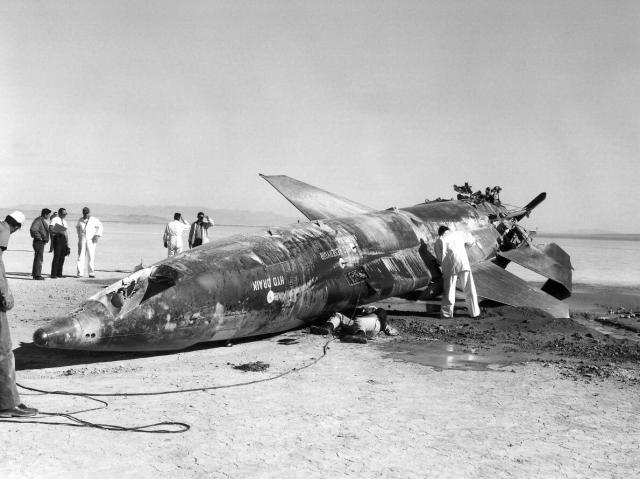
A near miss! 🆘 #OTD in 1962, research pilot Jack McKay made a crash landing of the X-15 #2 aircraft after an engine failure. McKay sustained injuries but eventually recovered and returned to flying and the craft was repaired and returned to service: go.nasa.gov/3UfP41l #NASAhistorynitter.net/NASAhistory/status/…
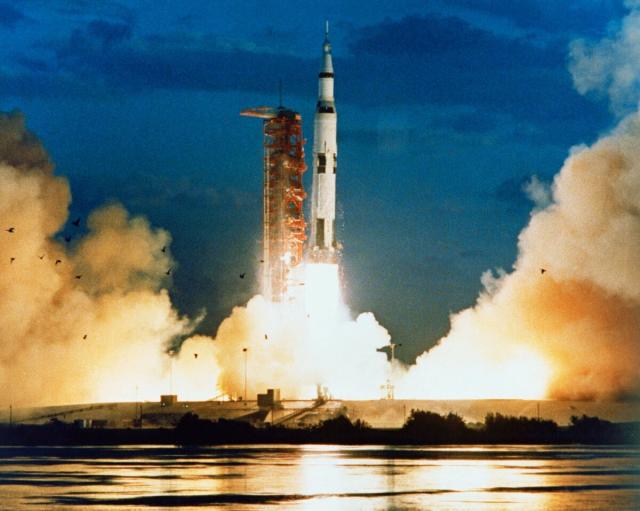
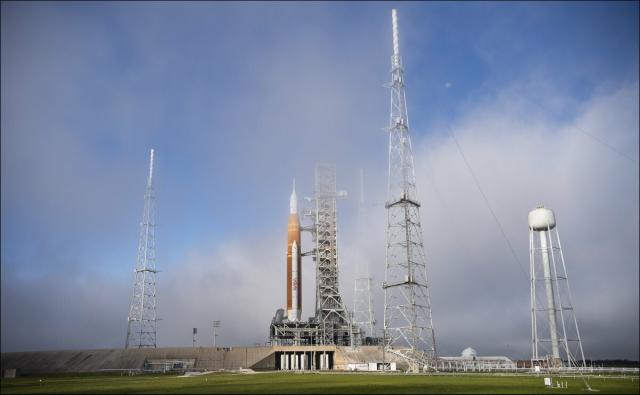
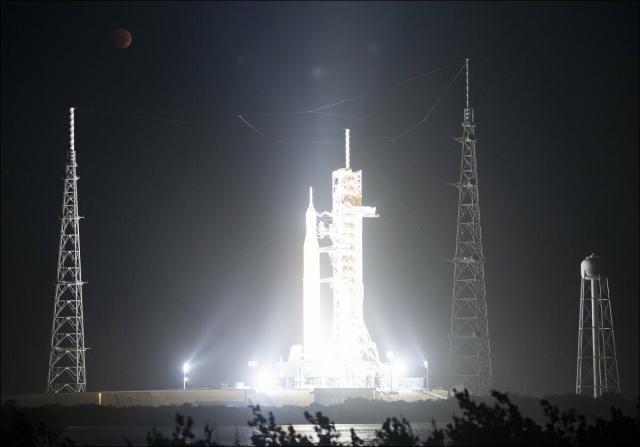
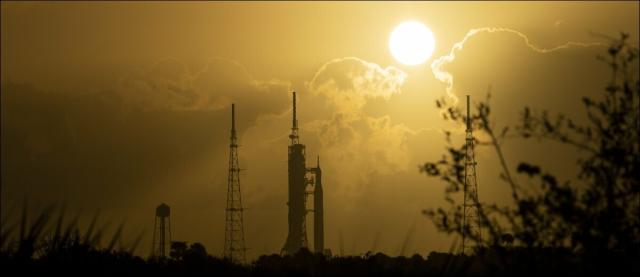
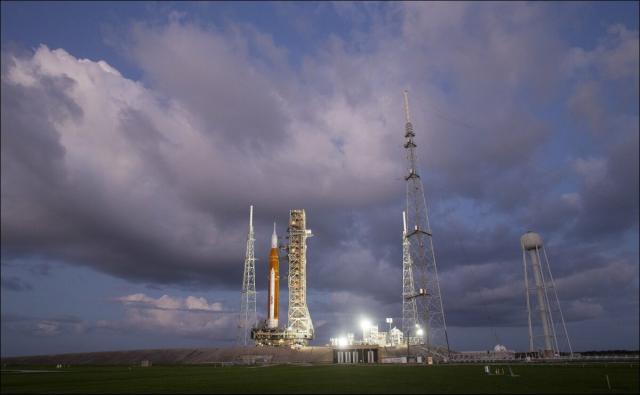
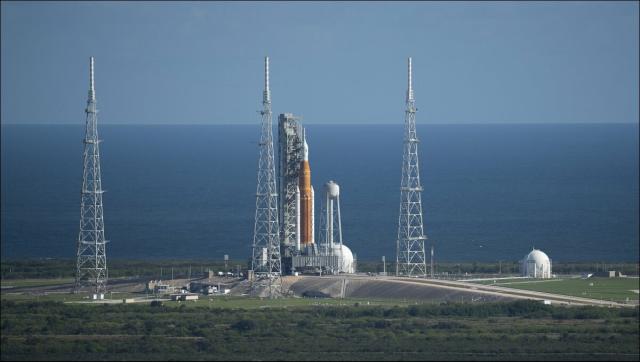
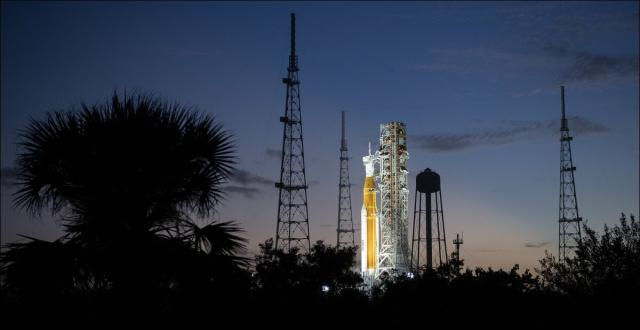
Which Apollo mission is #Artemis I most analogous to? One answer is Apollo 4 (SA-501), the first "all-up" uncrewed test flight of the Saturn V rocket, which launched from @NASAKennedy 55 years ago today! 🧵 1/3 #NASAhistorynitter.net/NASAhistory/status/…
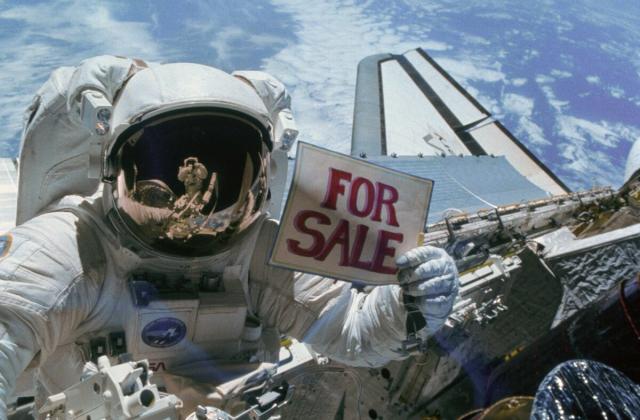
Defective satellites now 25% off! #OTD in 1984, STS-51A launched on a mission to show that the Shuttle orbiters could be used to retrieve malfunctioning satellites in orbit and return them to Earth. 2 satellites were brought back and refurbished. More: go.nasa.gov/3heifTx #NASAhistorynitter.net/NASAhistory/status/…
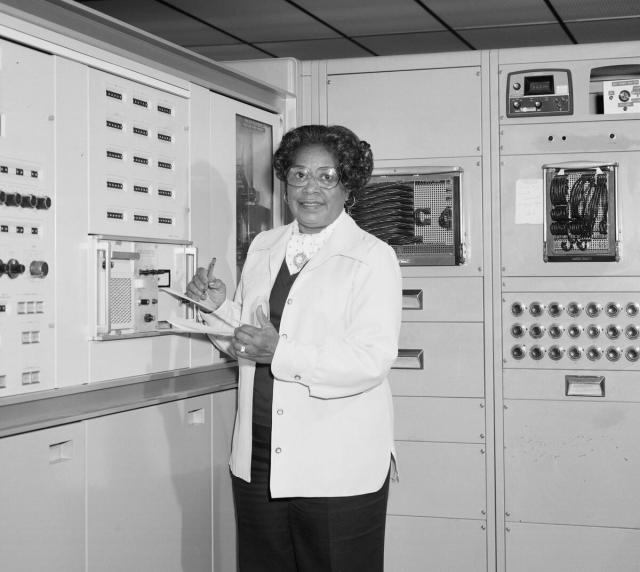
Who's your STEM inspiration? This #NationalSTEMDay, we celebrate the men and women of NASA's history who have furthered aeronautics and space exploration, inspiring generations of young people to follow in their footsteps! 📷 Mary W. Jackson, NASA's first black female engineer #NASAhistorynitter.net/NASAhistory/status/…
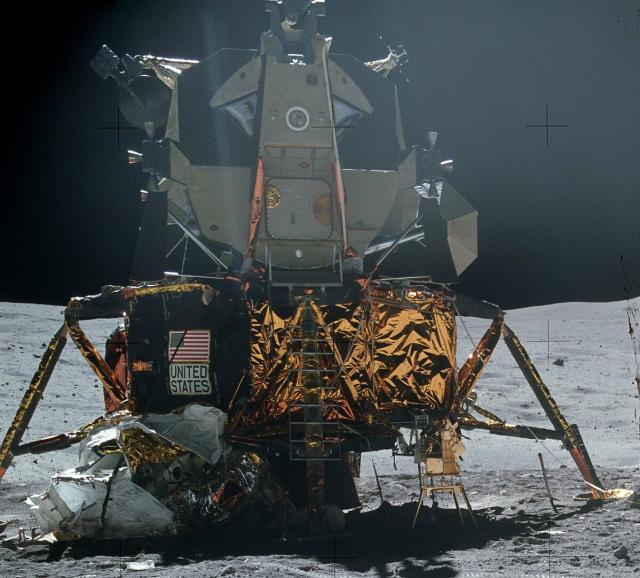
#60YearsAgoToday, Grumman was awarded the contract to build the Apollo Lunar Module, the lander that carried astronauts between lunar orbit and the Moon's surface for the Apollo Program. It is the only crewed vehicle to land anywhere besides Earth! More: go.nasa.gov/3T43H6s #NASAhistorynitter.net/NASAhistory/status/…
The Apollo Lunar Module (LM), built by the Grumman Corporation in Bethpage, NY, was the vehicle that would take two astronauts down to the lunar surface and return them to the waiting Command Module in lunar orbit.
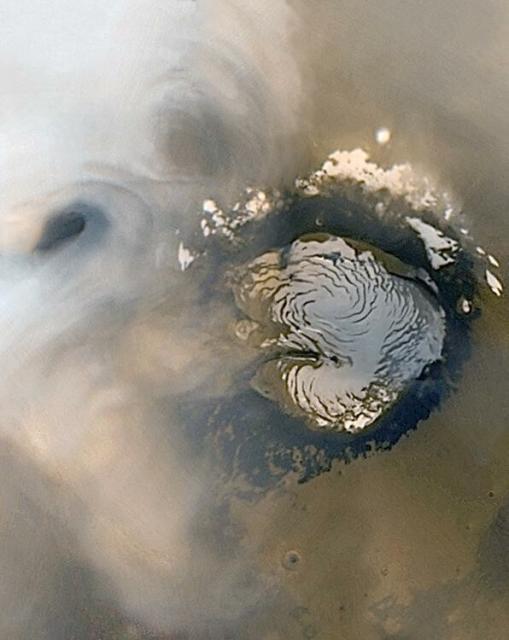
The Mars Global Surveyor, launched #NOW in 1996, was the first successful mission to the Red Planet since the Viking launches of 1975. Over its 9 years in orbit, it sent more than 240,000 images back to Earth, including this one of Mars's north pole. More: go.nasa.gov/3hcvTXx #NASAhistorynitter.net/NASAhistory/status/…
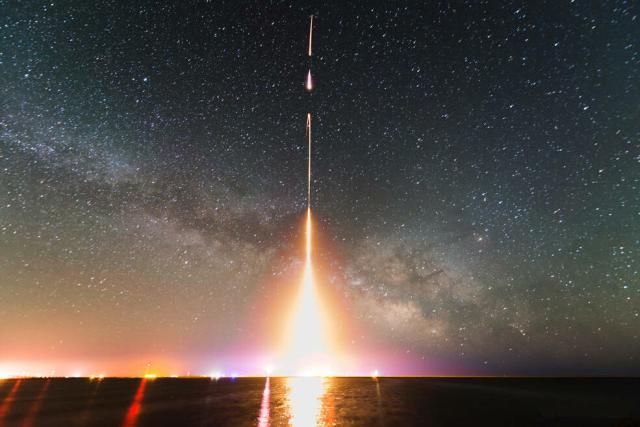
#OTD in 2014, @nasa announced that data from the Cosmic Infrared Background Experiment (CIBER) showed that the dark space between galaxies is brighter than we once thought! Learn about the potential source of the surplus infrared light here: go.nasa.gov/3E2q5cb #NASAhistorynitter.net/NASAhistory/status/…
A NASA sounding rocket experiment has detected a surprising surplus of infrared light in the dark space between galaxies, a diffuse cosmic glow as bright as all known galaxies combined.
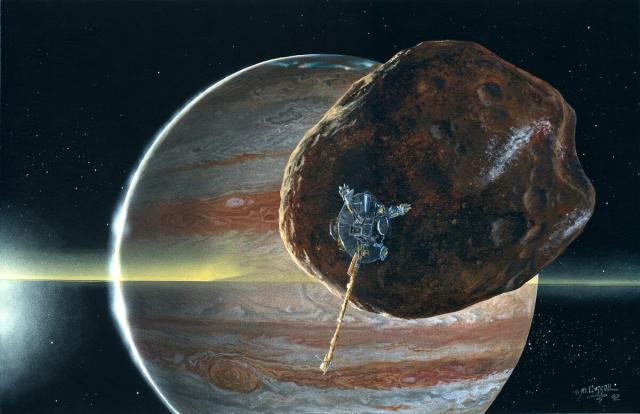
Galileo's Farewell Tour 👋 #OTD in 2002, the Galileo spacecraft flew by Jupiter's moon Amalthea marking the probe's last moon flyby. What it discovered about the red, irregularly-shaped moon was a surprise: Amalthea is a pile of icy rubble! Read more: go.nasa.gov/3fk3BJW #NASAhistorynitter.net/NASAhistory/status/…
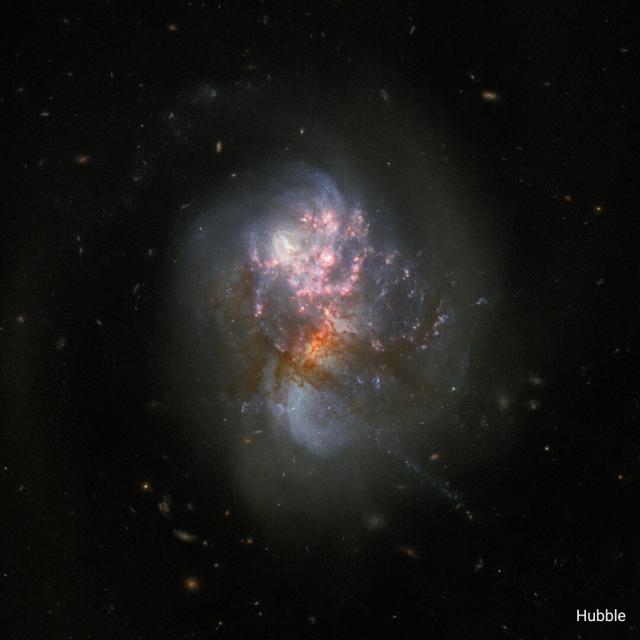
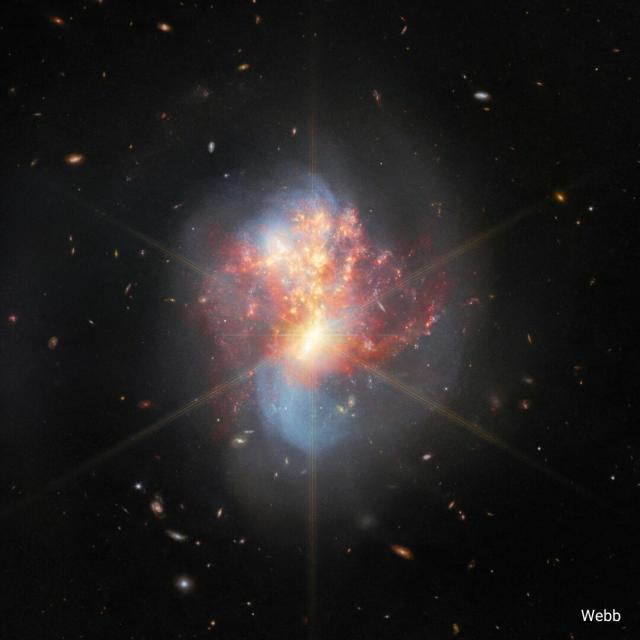
Time for a cosmic crossover! Two galaxies collectively known as IC 1623 are seen merging together by Hubble (left) and @NASAWebb (right). Their collision has ignited a frenzy of starbirth: go.nasa.gov/3FfbZoM Why do these views look different? ⬇️ #Hubblenitter.net/NASAHubble/status/1…
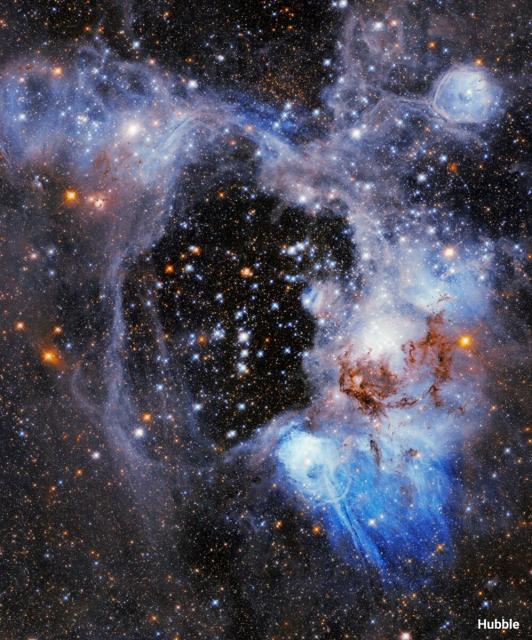
An X-cellent composite with @ChandraXRay! These images show the nebula N44, which is full of glowing hydrogen gas, dark lanes of dust, and massive stars. One of its most distinctive features is the dark, starry gap near the middle called a “superbubble.” #Hubblenitter.net/NASAHubble/status/1…
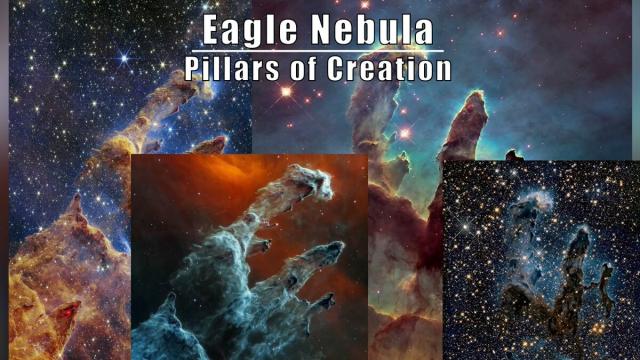
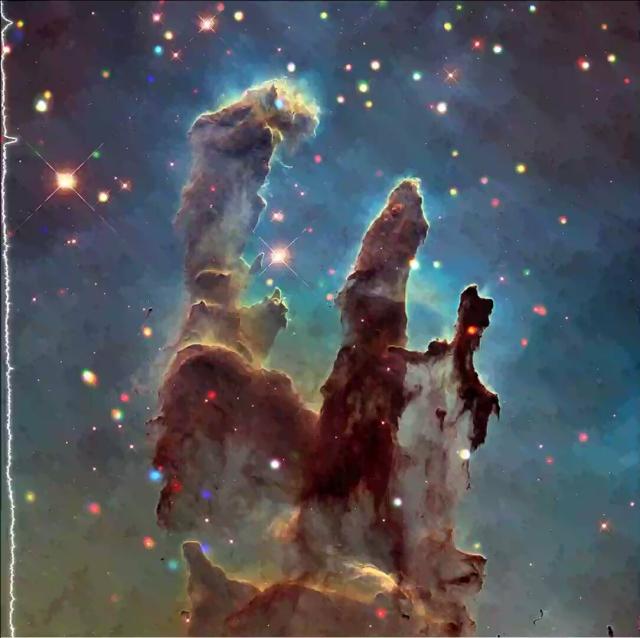
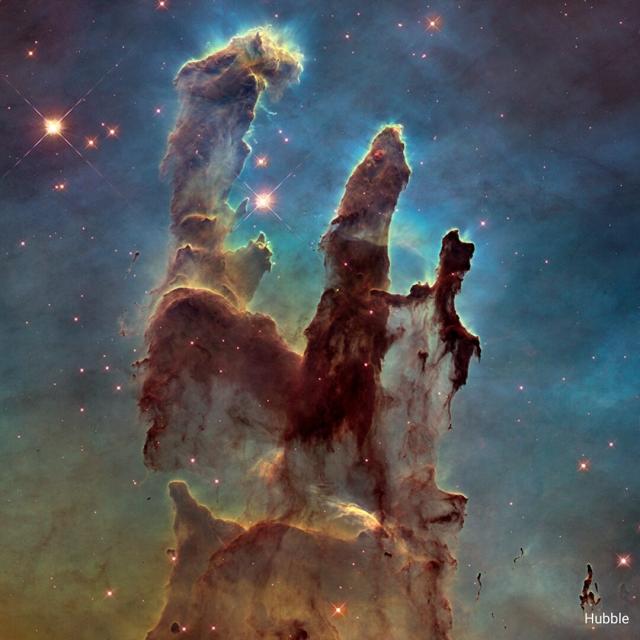
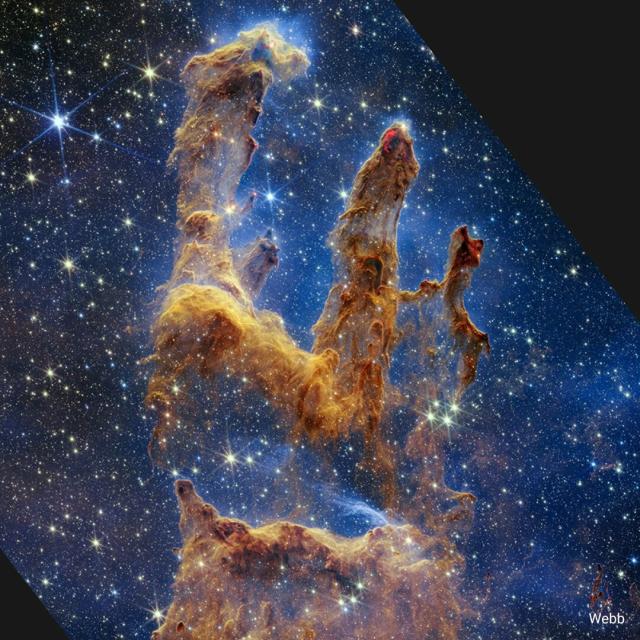
Twice the telescopes = twice as iconic 🤩 Take in these views from Hubble and @NASAWebb, all featuring the star-forming region known as the Pillars of Creation. Both telescopes see in different wavelengths of light, so working together, we get a broader view of these pillars! #Hubblenitter.net/NASAHubble/status/1…
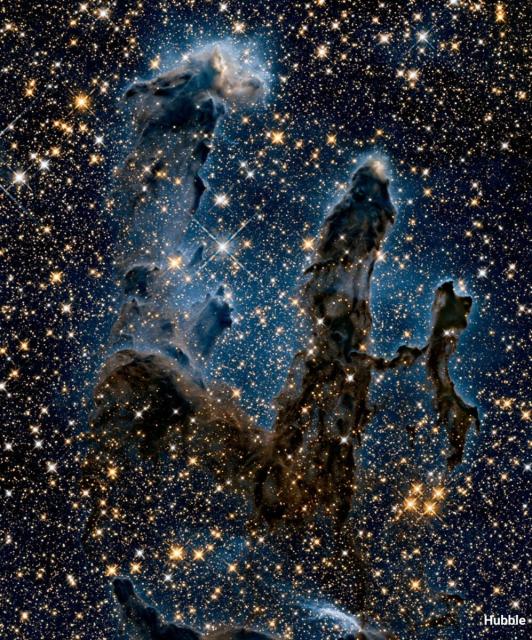
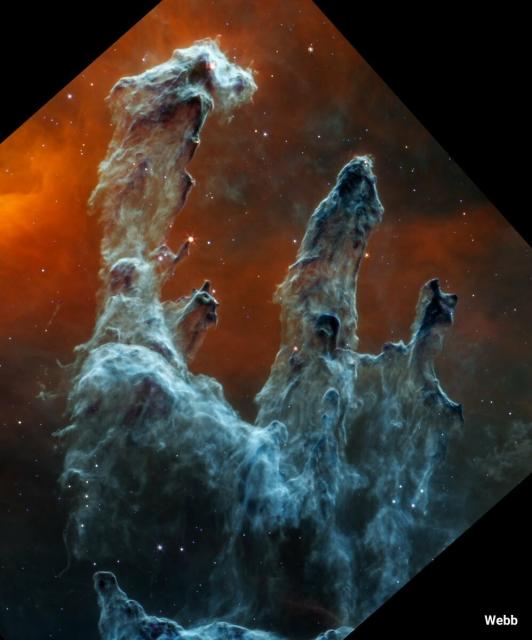
Near-infrared 🤝 Mid-infrared These Hubble and @NASAWebb views of the Pillars of Creation demonstrate how looking at the same cosmic object in different wavelengths of light can unveil different features: go.nasa.gov/3U4EmKh More ⬇️ #Hubblenitter.net/NASAHubble/status/1…
NASA’s James Webb Space Telescope using its Mid-Infrared Instrument (MIRI) camera has snapped this eerie, extremely dusty view of the Pillars of Creation in mid-infrared light – showing us a new view of a familiar landscape.
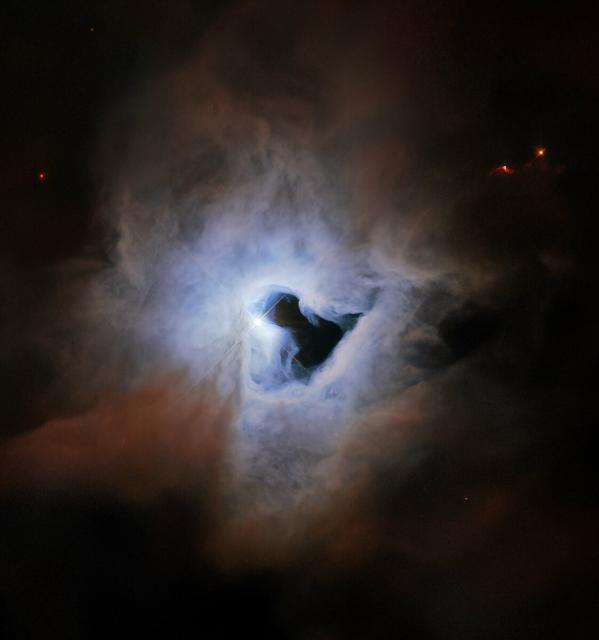
Peer into this cosmic keyhole! This #HubbleFriday showcases NGC 1999, a reflection nebula located 1,350 light-years from Earth. The nebula is quite literally composed of stardust: the leftover dust and gas from a newborn star! Read more: go.nasa.gov/3fiNY5G #Hubblenitter.net/NASAHubble/status/1…
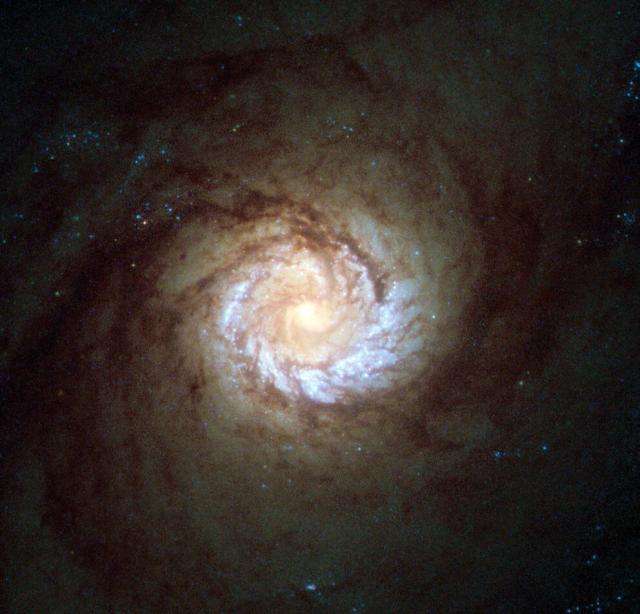
Welcome to a “starburst galaxy”! 🌟 Seen in this #HubbleClassic view, M61 earned this title due to its incredibly high rate of star formation. M61 is located about 55 million light-years away in the constellation Virgo: go.nasa.gov/3DoOKar #Hubblenitter.net/NASAHubble/status/1…
Discovered in 1779 by the Italian astronomer Barnaba Oriani, M61 is a barred spiral galaxy located in the constellation Virgo. Charles Messier noticed it on the same night as Oriani, but he mistook the galaxy for a passing comet.
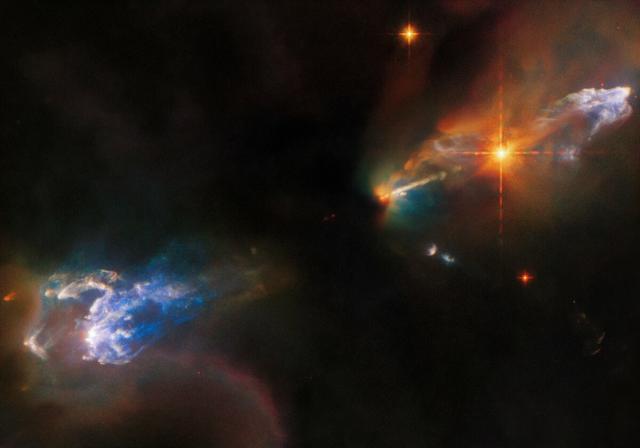
These two cosmic objects bring double trouble for #HubbleFriday! The pair of glowing clumps are Herbig-Haro objects 1,250 light-years away. They were created when jets of gas from newborn stars collided with surrounding gas and dust at breakneck speed: go.nasa.gov/3z1SD2x #Hubblenitter.net/NASAHubble/status/1…
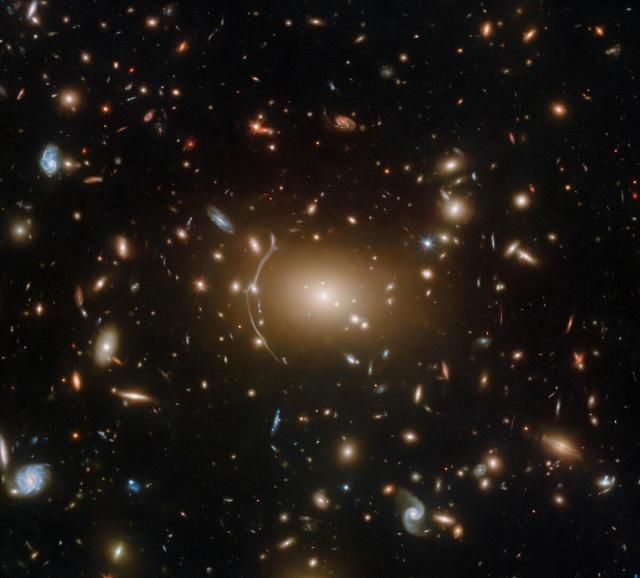
Cosmic cobwebs?! 🕸️ Not quite. But this web of galaxies known as Abell 611 is held together by a mysterious force – dark matter, which astronomers believe makes up most of our universe. Find out more: go.nasa.gov/3SPUNJI #HappyHalloween from Hubble! #Hubblenitter.net/NASAHubble/status/1…
Nowadays, all galaxies and galaxy clusters are thought to be dominated by dark matter — an elusive quantity whose nature astronomers are still working to determine. Abell 611, the glowing galaxy cluster shown in this Hubble image, is no exception.
Look familiar? 👀 This iconic shot shows the Pillars of Creation, a star-forming region within the Eagle Nebula. Beyond looking at it, we can also listen to it! Scientists assign sound to data to give us a new way of understanding the image: nasa.gov/content/explore-from-… #Hubblenitter.net/NASAHubble/status/1…
NASA.gov brings you the latest images, videos and news from America's space agency. Get the latest updates on NASA missions, watch NASA TV live, and learn about our quest to reveal the unknown and benefit all humankind.
What better way to mark #NewFriendsDay than with this new view? One of Hubble’s most iconic shots now has a complementary companion from our friend @NASAWebb! This star-forming region is known as the Pillars of Creation, and shows a small region of the Eagle Nebula. #Hubblenitter.net/NASAHubble/status/1…
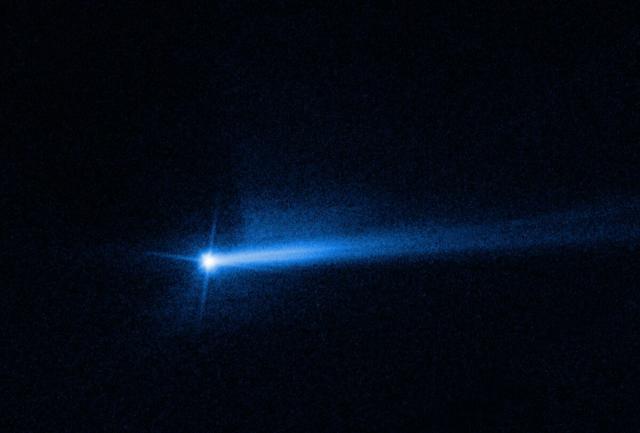
New #DARTMission image just dropped! Last month, @nasa crashed a spacecraft into a non-threatening asteroid in a test of planetary defense. This new Hubble image shows a surprising update – two tails of dust ejecting from the impacted asteroid system: go.nasa.gov/3TBEjp7 #Hubblenitter.net/NASAHubble/status/1…
Follow-up DART observations from NASA’s Hubble Space Telescope are already revealing the clearest image of a stunning surprise – a newly developed second tail of ejecta.
NASA.gov brings you the latest images, videos and news from America's space agency. Get the latest updates on NASA missions, watch NASA TV live, and learn about our quest to reveal the unknown and benefit all humankind.

Kirk Kittell
in reply to NASA • • •