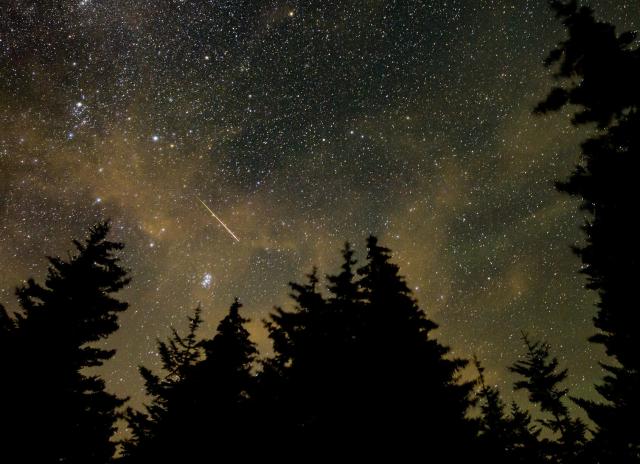
The Moon will pair up beautifully with several planets, while viewing conditions may be ideal for the Lyrid meteor shower. More skywatching tips: #NASA
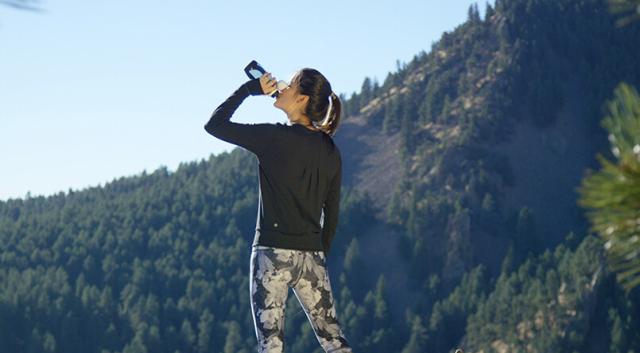
In our search to provide drinking water for astronauts, we helped solve water problems here on Earth. One resulting @NASASpinoff has been incorporated into water bottles, industrial water purification & a water-recycling shower, filtering out contaminants. go.nasa.gov/3nD3ltd #NASA
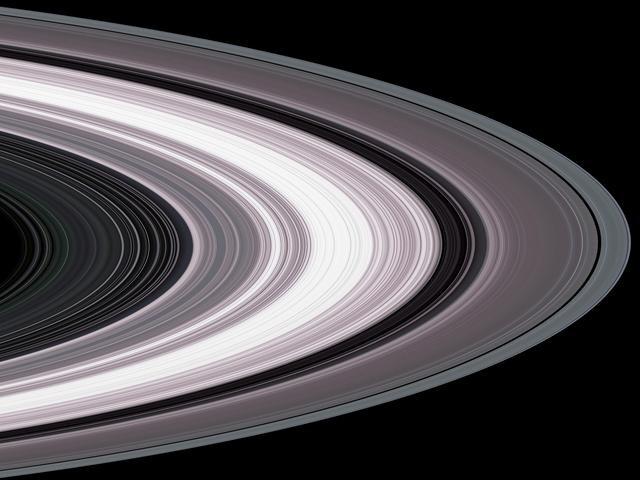
Tiny bits of Saturn’s rings are falling into the massive planet, causing its upper atmosphere to heat up. The discovery was made using 40 years of data from several @NASASolarSystem missions, including @NASAHubble: go.nasa.gov/3G4ova1 #NASA
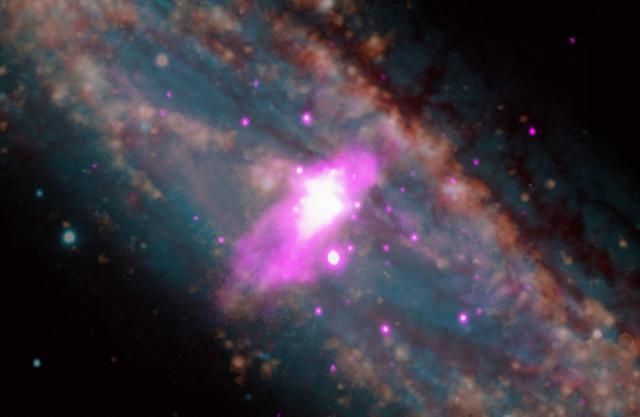
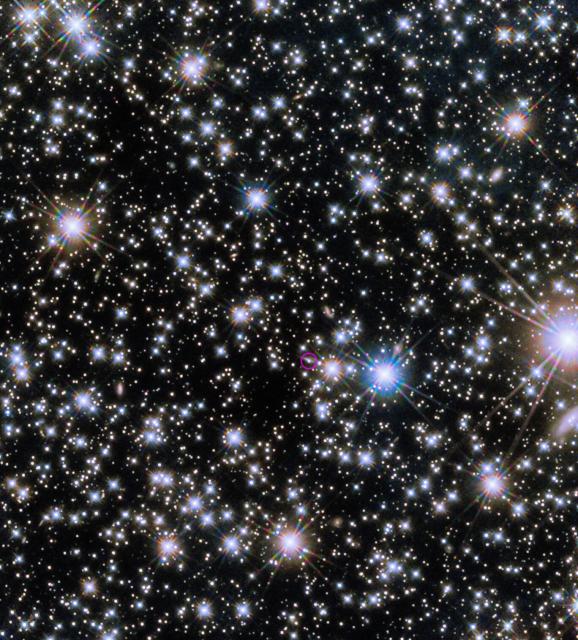
NGC 253 shows the effect of powerful winds being launched in opposite directions from the center of the galaxy. Although it is a spiral like our Milky Way galaxy, NGC 253 is forming stars at a higher rate.
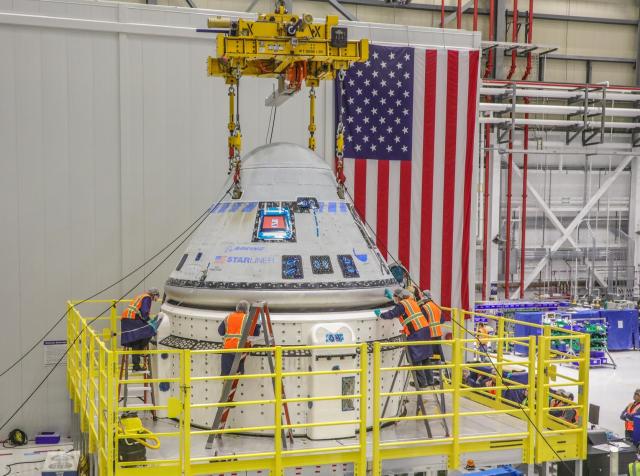
LIVE NOW: Join NASA and @BoeingSpace mission experts for a media teleconference with an update on the Crew Flight Test of the #Starliner spacecraft to the @Space_Station: youtube.com/live/ABVJ6qpgy1M?f… #NASA
Travel to the Australian Outback to learn about the launch of a sounding rocket – a small rocket bringing science instruments briefly to space, studying everything from our atmosphere to the stars.
Tropical rainforests, snowy mountain peaks, even the Australian outback – NASA experts travel to a wide range of environments right here on Earth to better understand our universe.
Last October, a pulse of intense radiation swept through the solar system so extraordinary that astronomers quickly dubbed it the BOAT – the brightest of all time. The source? A gamma-ray burst, the most powerful class of explosions in the universe. go.nasa.gov/42HrCyB #NASA
On Sunday, Oct. 9, 2022, a pulse of intense radiation swept through the solar system so exceptional that astronomers quickly dubbed it the BOAT – the brightest of all time.
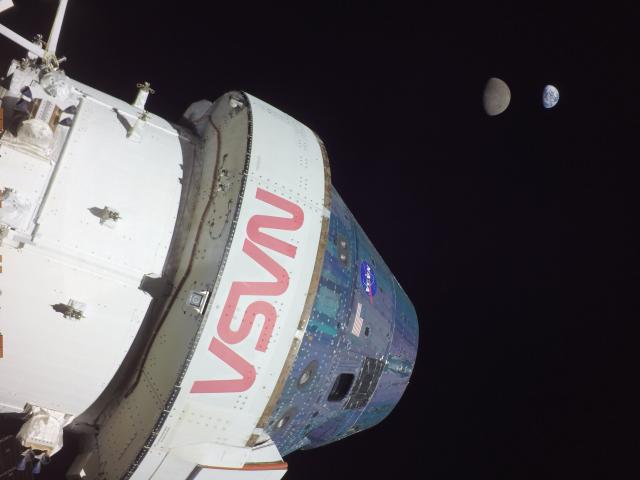
Meet the four astronauts who will take a trip around the Moon aboard the Orion spacecraft on their approximately 10-day Artemis II mission, the first crewed ...
Meet the four astronauts who will take a trip around the Moon aboard the Orion spacecraft on their approximately 10-day Artemis II mission, the first crewed ...
See what it's like to have a 6.2-million-gallon pool as your office and dive into @NASASTEM's latest Surprisingly STEM episode. NASA diver Arielle Valdez shares her STEM career story & what it's like to find #YourPlaceInSpace. #NASA
Join NASA and @BoeingSpace mission experts for a media teleconference with an update on the Crew Flight Test of the #Starliner spacecraft to the @Space_Station, this Wednesday, March 29, at 2pm ET (1800 UTC). More details: go.nasa.gov/42Oi4lq #NASA
NASA and Boeing will host a media teleconference at 2 p.m. EDT Wednesday, March 29, to provide an update on the Crew Flight Test (CFT) of the CST-100 Starliner spacecraft to the International Space Station.
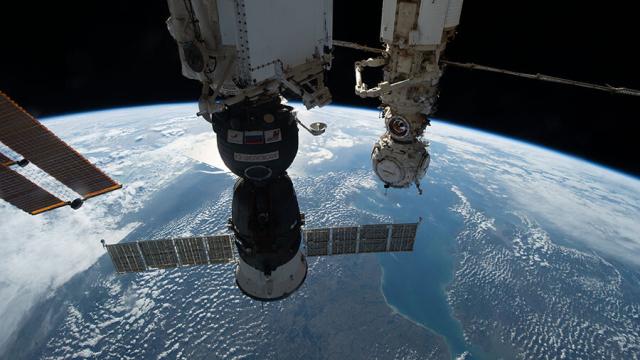
Watch the uncrewed Soyuz MS-22 spacecraft undock from the @Space_Station and return to Earth live on NASA TV on March 28 at 5:30am (0930 UTC) on nasa.gov/live. #NASA
NASA launches, landings, and events. Watch live broadcasts from NASA Television and NASA's social media channels, and a schedule of upcoming live events including news briefings, launches and landings.
One week until you meet the astronauts flying to the Moon aboard the #Artemis II mission!
The @NASA_Orion spacecraft will return to the Moon — this time, with four astronauts aboard. Set a reminder for April 3 for the reveal: youtube.com/live/mua1Lysc_JQ?s… #NASA
Meet the four astronauts who will orbit the Moon aboard the Orion spacecraft on their approximately 10-day Artemis II mission, the first crewed flight test a...
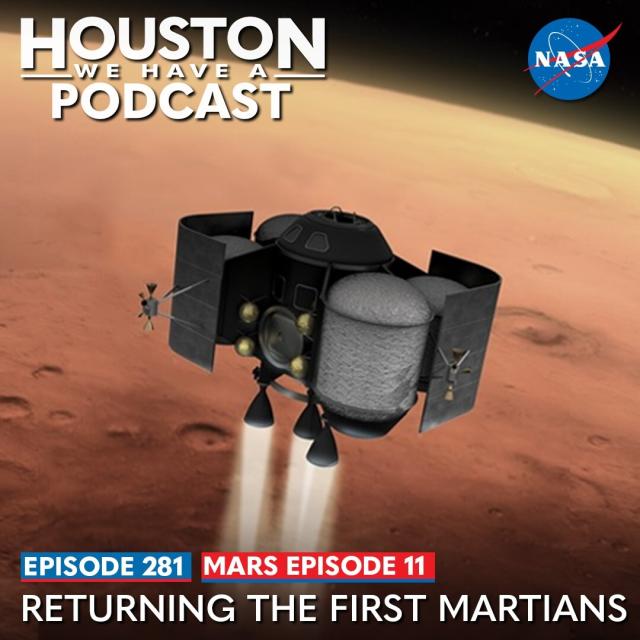
If you’ve been tuning in, you know landing on Mars is half of the battle–returning the first astronauts home from the Red Planet is the other half. Listen in as four experts discuss in this week's episode of “Houston, We have a Podcast”: go.nasa.gov/42FdMN9 #NASA
Experts from NASA’s Mars Architecture Team gather to discuss the mechanics of returning the first astronauts from the surface of Mars back home to Earth. HWHAP Episode 281.
Asteroid 2023 DZ2 will pass Earth more than 100,000 miles (161,000 km) away–about half the distance to the Moon–making its close approach at 3:51 p.m. EDT (12:51 p.m. PDT). Check out @NASA_Eyes on Asteroids at eyes.nasa.gov/apps/asteroids/#… #NASA
Explore the 3D world of Asteroids, Comets and NEOs. Learn about past and future missions, tracking and predicting orbits, and close approaches to Earth.
Want to help keep Earth safe from near-Earth asteroids? Join the International Astronomical Search Collaboration and help us find more of these remnants left over from the early formation of our solar system. @DoNASAScience at: science.nasa.gov/citizenscienc… #NASA
"We choose to return to the Moon together…children who watch that flight are going to learn the names of those new pioneers. They'll be the ones who carry us into the future we hope to build."
Through the lens of NASA photographer Aubrey Gemignani, we witness the people and hear the stories behind awe-inspiring missions to space. As a co-founder of "Faces of NASA," we turn the camera on her and share her story: go.nasa.gov/42CIoPj #NASA
“I think I’m always seeking out projects that help people feel seen. And maybe that’s why I got so into photography initially. I struggle with that myself — feeling seen.
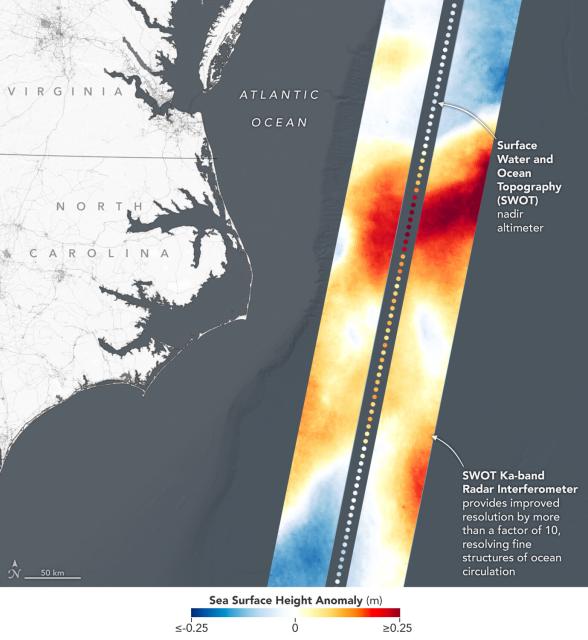
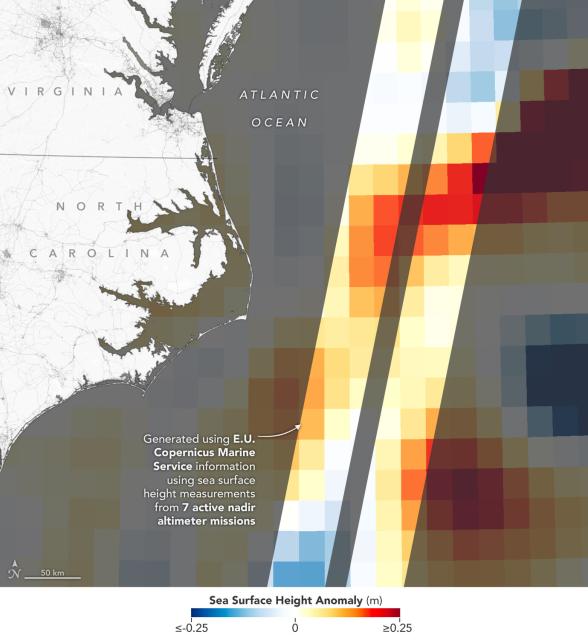
First light data from the NASA-@CNES SWOT mission reveals that it provides 10 times the resolution of ocean measurements than data gathered by seven other satellites combined. These measurements will help us better study Earth’s surface water. go.nasa.gov/3z5hIJj #NASA
The Surface Water and Ocean Topography mission offers the first taste of the detailed perspectives of Earth’s surface water that its cutting-edge instruments will be able to capture.
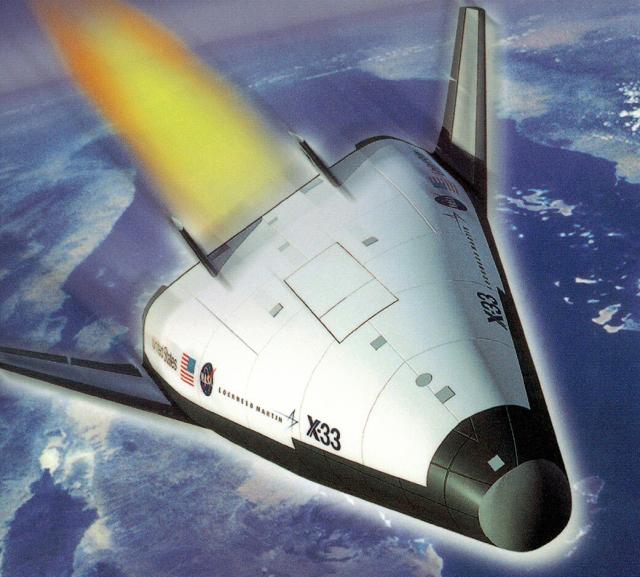
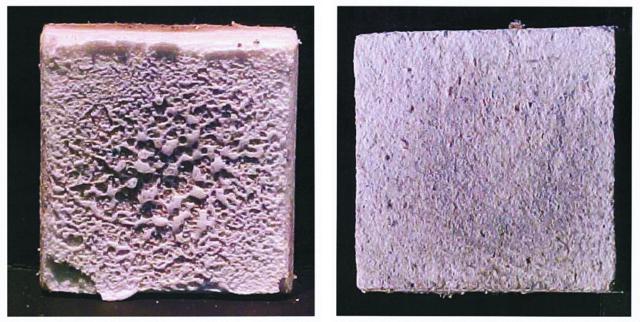
Scientists originally developed this lightweight material to protect spacecraft during atmospheric re-entry. Now, this @NASASpinoff technology is being used in clothing to keep the wearer warm without overheating when they’re on the move. go.nasa.gov/3lC99Tm #NASA
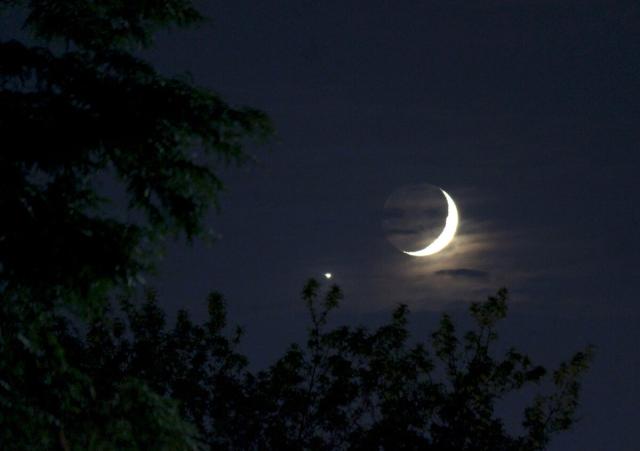
Look westward to find the Moon as a beautiful slim crescent this evening after sunset, hanging just below blazing-bright Venus. Tomorrow evening, look west again to spot the Moon once more, this time shining from above Venus.
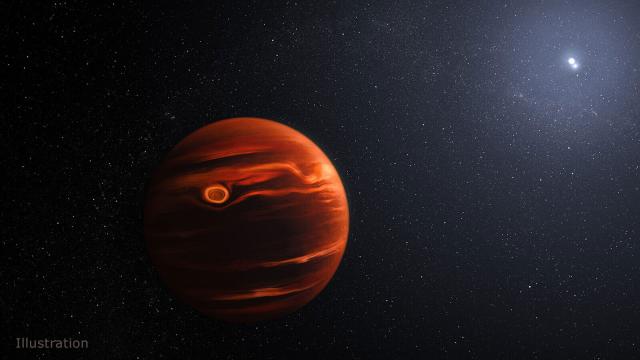
Pause. Rewind. @NASAWebb may have found sand particles in the atmosphere of planet VHS 1256 b, which orbits a pair of stars 40 light-years away. Webb also detected water, carbon monoxide, and methane. Get the gritty details: go.nasa.gov/3lDePfN #NASA
NASA and CSA (Canadian Space Agency) will announce during an event at 11 a.m. EDT (10 a.m. CDT) on Monday, April 3, from NASA Johnson Space Center’s Ellington Field in Houston, the four astronauts who will venture around the Moon.
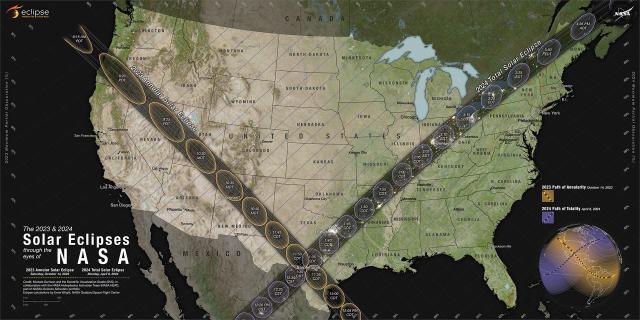
Where will you be during the eclipses in 2023 and 2024?
This map shows the path of the Moon’s shadow as it crosses the contiguous U.S. during the eclipse on Oct. 14, 2023 and total solar eclipse on April 8, 2024. Will you get a chance to see them? go.nasa.gov/40pj5hL #NASA
When we plan missions to send science off Earth, we have to prepare for inhospitable circumstances like acid clouds or extreme heat. Discover how we design spacecraft to travel through dangerous environments in this episode of the Curious Universe podcast: go.nasa.gov/42wtU3c #NASA
Spacecraft go through a lot - exploring dangerous worlds across the cold expanse of space. Not to mention the chaos of a launch! So how do we build a mission that can take on dangerous environments and the harrowing trip to reach them? Explore the wo…
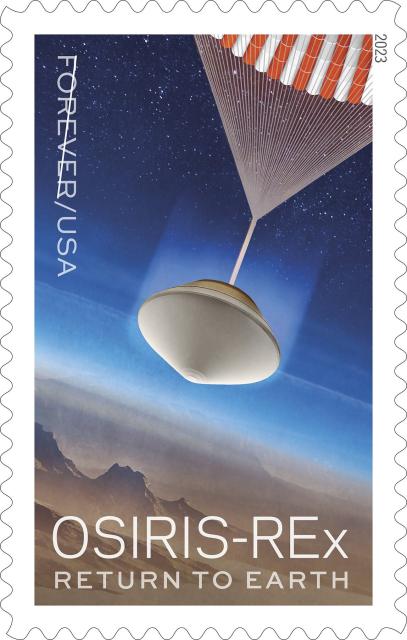
On Sept. 24, #OSIRISRex spacecraft will deliver a capsule of asteroid material to Earth as part of its journey #ToBennuAndBack. @USPS announced an #OSIRISRExStamp to mark this epic delivery available later this year: go.nasa.gov/3lqhvNR #NASA
OSIRIS-REx traveled to near-Earth asteroid Bennu and is bringing a small sample back to Earth for study. The mission launched Sept. 8, 2016, from Cape Canaveral Air Force Station.
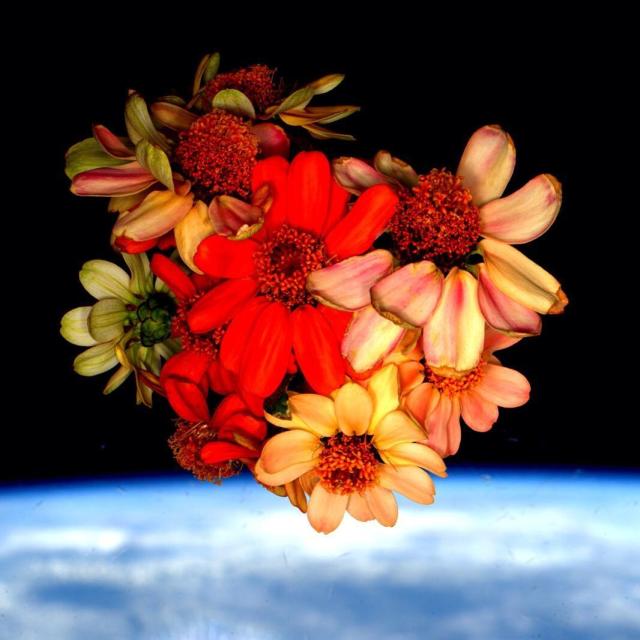
🌸 Ok, bloomer: Spring is here. The March equinox marks the first day of spring in the Northern Hemisphere and autumn in the Southern Hemisphere. During equinox, the Sun shines on the equator with nearly equal amounts of day & night: go.nasa.gov/40hcGVO #NASA
Looking to do some stargazing? We’ve put together a handy guide with tips to help you find the best times and locations for enjoying the night sky: go.nasa.gov/3yQyoo2 #NASA
If you're hoping to do some skywatching, but you're not quite sure how to find a great spot, we have you covered. Here are some key things to know about how to find the best places for stargazing.
Our #Crew5 mission returned from the @Space_Station, @POTUS announced our proposed budget for the 2024 fiscal year, and the prototype spacesuit for our return to the lunar surface was revealed—This Week at NASA.
"People need to realize not to make assumptions. Be open and curious about the abilities of everybody."
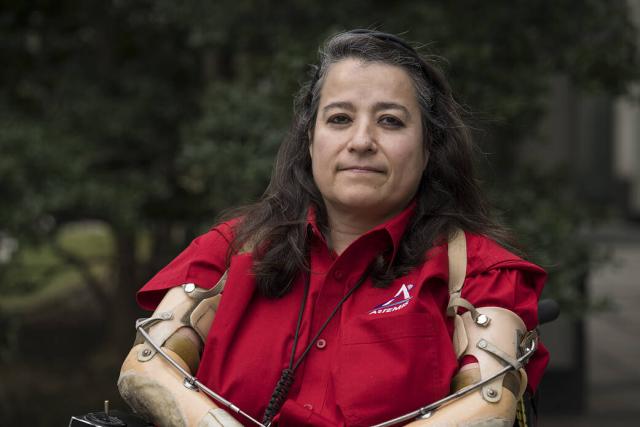
Dana Bolles is an External Information Technology Lead at NASA Headquarters. Discover how her community shapes her life, professionally and personally go.nasa.gov/3lgEBXb #NASA
“They say if you live long enough, there's a good chance you'll join this community. And just remember, if that were to happen, don't give up because with the right resources, you can have a great life.
What could we do if an asteroid threatened Earth? 65 actor Adam Driver and @AsteroidWatch discuss how we monitor asteroids, preventing a possible impact, and why we’re bringing asteroid samples here with #OSIRISRex. (There are no known threats to Earth for 100+ years.) #NASA
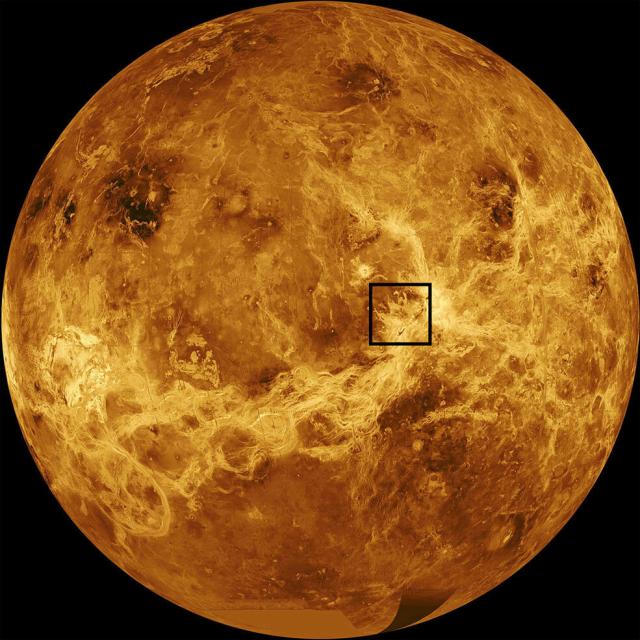
Recent volcanic activity has been observed on Venus for the first time.
Scientists made the discovery by poring over archival radar images of Earth’s twin taken in the '90s by our Magellan mission. Our VERITAS mission is set to investigate: go.nasa.gov/3mP5f9O #NASA
In a first, scientists have seen direct evidence of active volcanism on Earth’s twin, setting the stage for the agency’s VERITAS mission to investigate.
We’re announcing two new research institutes that will develop quantum technology to process complex climate data & create new computer models for 3D printed parts to be used in space. Cutting-edge technology is critical to our mission success: go.nasa.gov/3TjW7q3 #NASA
Docking of the #CRS27 @SpaceX Dragon confirmed at 7:31am ET (1131 UTC). The cargo spacecraft is carrying a new delivery of @ISS_Research experiments, supplies and cargo including fresh fruits and cheeses for the @Space_Station crew. #NASA